


Musicians Who Came Out as Non-Binary and Faced Relentless Online Harassment

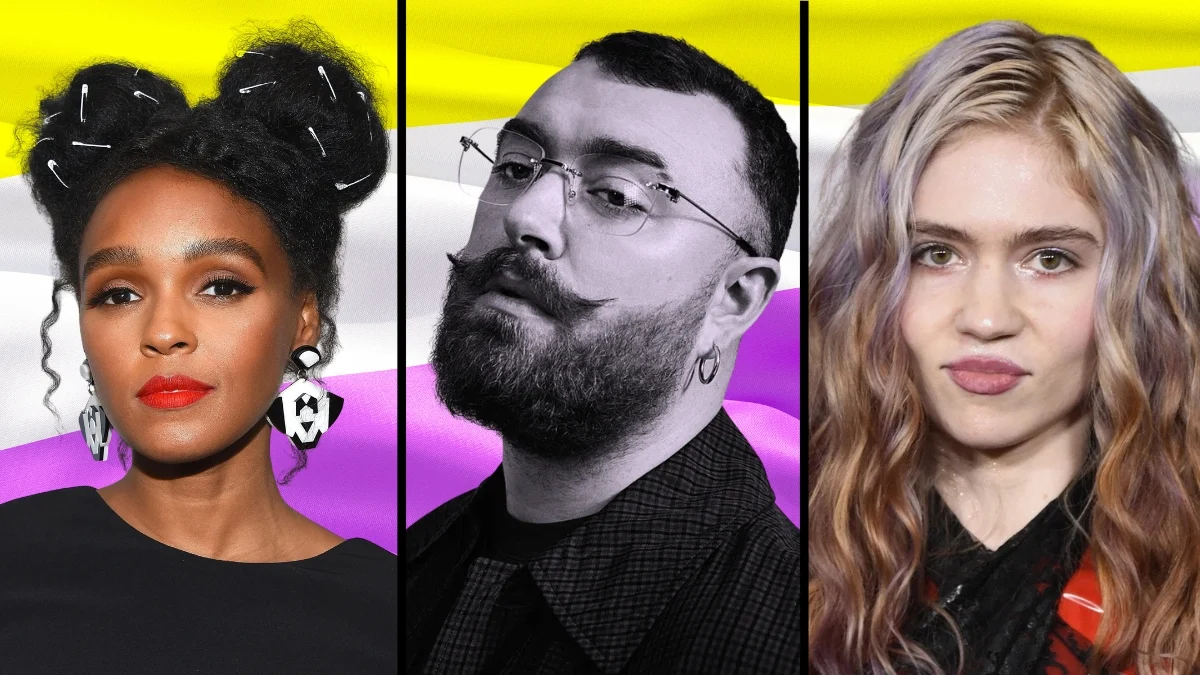


The landscape of the music industry has undergone significant cultural shifts as more artists feel empowered to share their authentic gender identities with the public. For many musicians, coming out as non-binary is a pivotal moment of self-expression that fosters a deeper connection with their fanbase. However, this transparency often comes at a high personal cost due to the prevalence of digital tribalism and transphobia. Many prominent figures have faced coordinated campaigns of online harassment, misgendering, and verbal abuse following their announcements. This list explores several musicians who have navigated the complexities of identifying as non-binary while enduring relentless scrutiny from social media audiences.
Sam Smith

Sam Smith publicly came out as non-binary in 2019 and requested the use of they/them pronouns. This announcement triggered a massive wave of online harassment across platforms like Twitter and Instagram. Critics and trolls frequently mocked the singer’s identity and made derogatory comments regarding their physical appearance and fashion choices. Despite the backlash, Smith has remained a vocal advocate for gender-diverse people in the global music industry. The artist has frequently addressed how this digital negativity impacted their mental health in subsequent media interviews.
Demi Lovato

Demi Lovato shared their non-binary identity with the world in 2021 during an episode of their personal podcast. The pop star faced relentless scrutiny from social media users who questioned the validity of their gender journey and personal growth. Many online commenters used the announcement to launch coordinated bullying campaigns centered on Lovato’s high-profile public history. Although Lovato later updated their pronouns to include she/her alongside they/them, the initial period of coming out was marked by intense digital hostility. This experience highlighted the difficulties celebrities face when navigating deeply personal transitions in the public eye.
Halsey
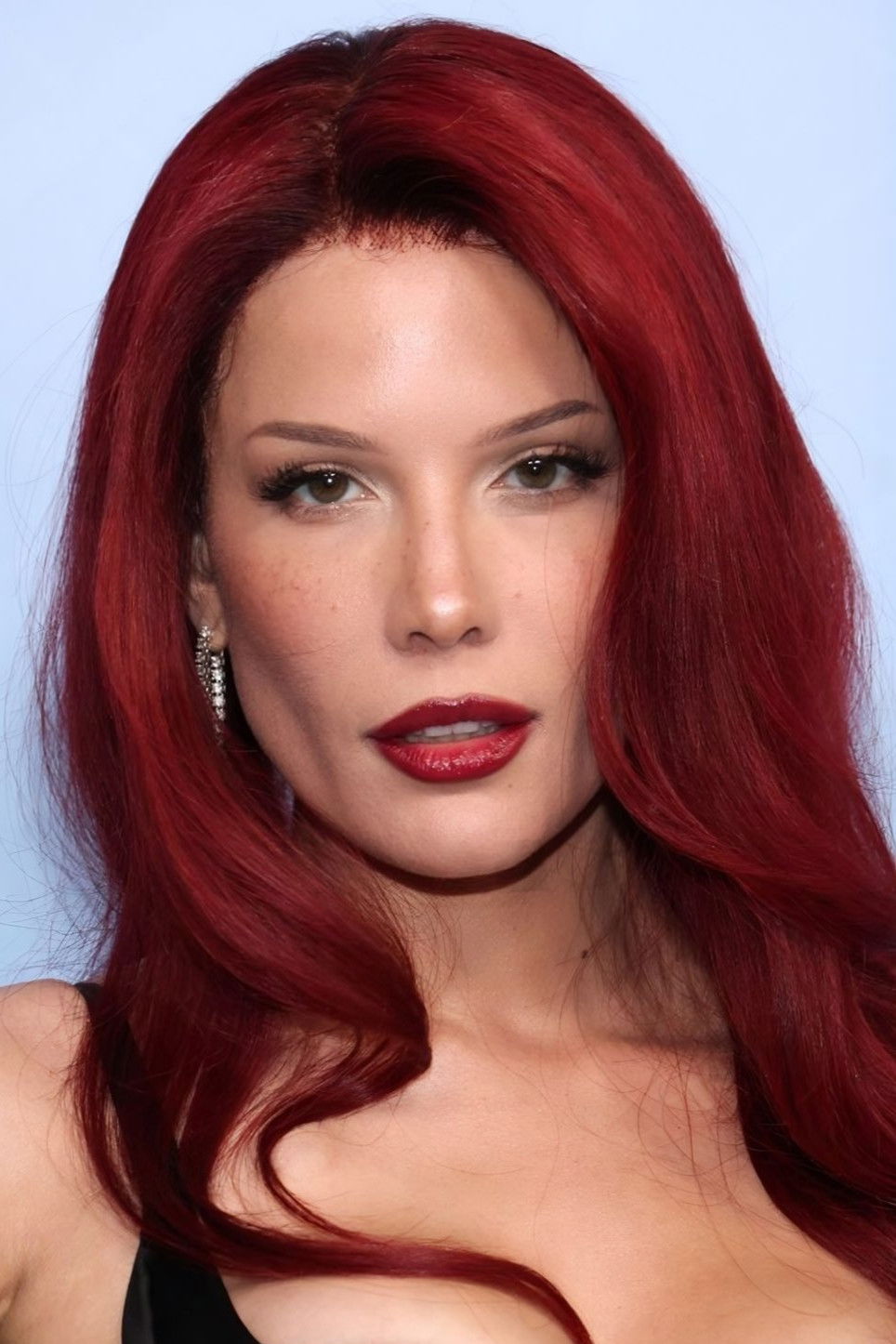
In 2021, Halsey updated their social media bio to include she/they pronouns, signaling a shift in their public gender identity. The announcement was met with a surge of negative comments from users who criticized the singer for the change. Many detractors engaged in online debates regarding the validity of using multiple pronouns, leading to a polarizing environment on their profiles. Halsey eventually addressed the scrutiny by expressing that they felt more comfortable with the updated pronouns despite the vocal pushback. This instance highlighted the specific brand of harassment faced by artists who occupy a fluid space between traditional gender categories.
Janelle Monáe
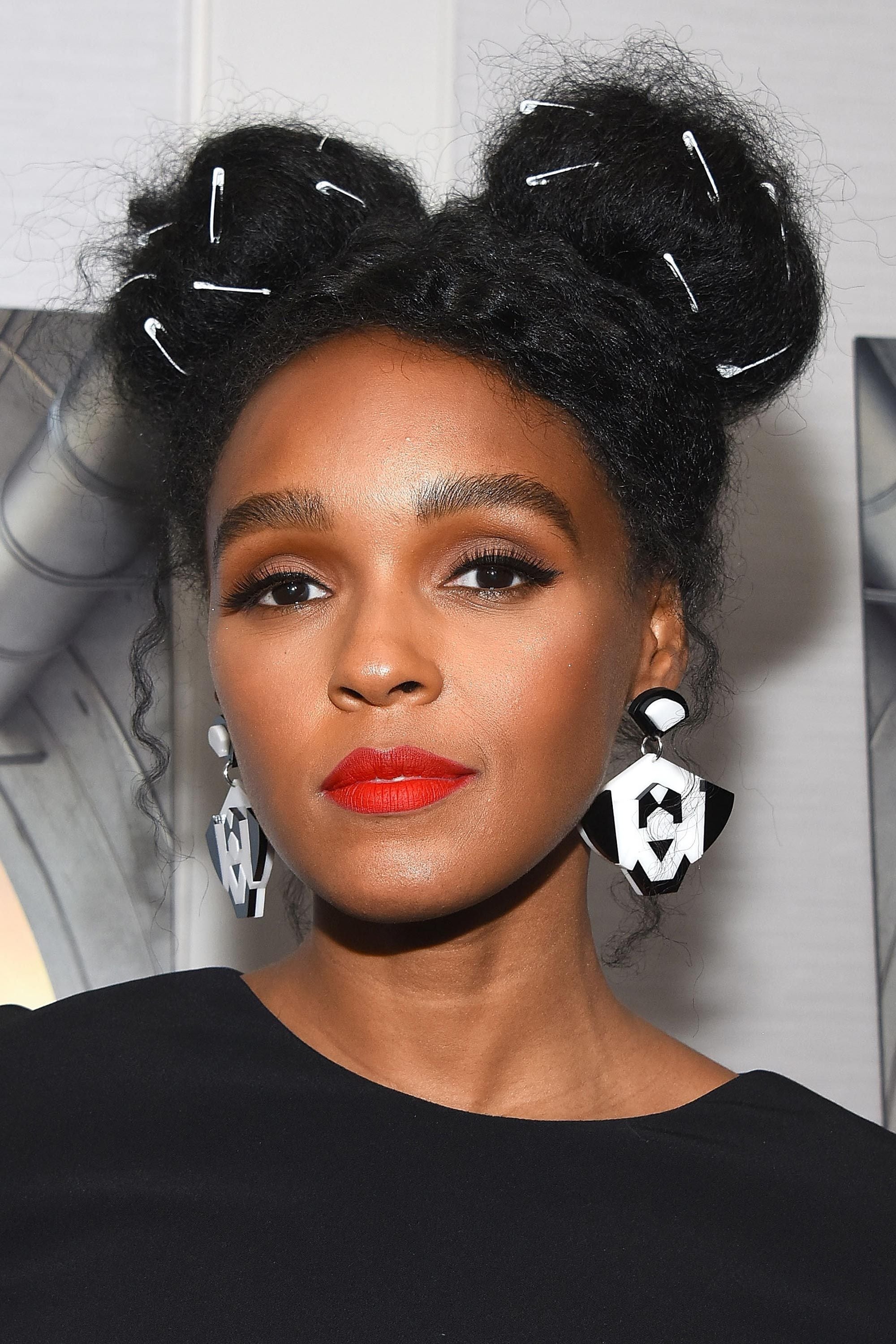
During an interview on the talk show ‘Red Table Talk’ in 2022, Janelle Monáe officially came out as non-binary. The musician explained that they have always felt a connection to both masculine and feminine energies rather than a single category. Following the broadcast, Monáe faced a significant amount of online vitriol from critics who dismissed their identity as a publicity tactic. Social media platforms became a battleground for debates over the singer’s personal life and creative choices. Monáe has continued to advocate for the non-binary community while navigating the ongoing digital scrutiny from various audiences.
G Flip
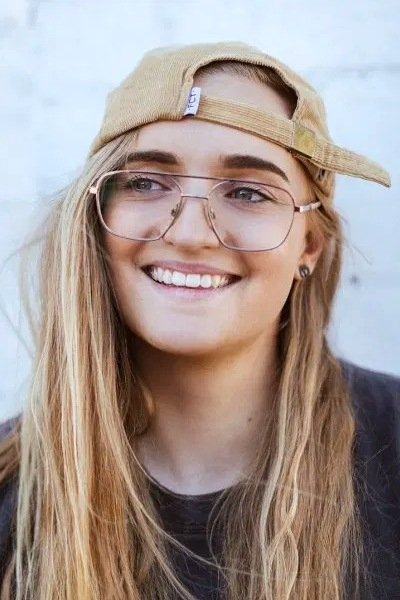
Australian musician G Flip went public with their non-binary identity in 2022, prompting a wide range of reactions from the global music community. While many fans offered support, the artist was also the target of persistent transphobic harassment across various social media platforms. The negativity often focused on their relationship and their physical presentation as a non-binary individual. G Flip has been vocal about the mental health challenges posed by such relentless and targeted online bullying. They continue to use their platform to educate others and push for more inclusivity within the music scene.
Courtney Stodden
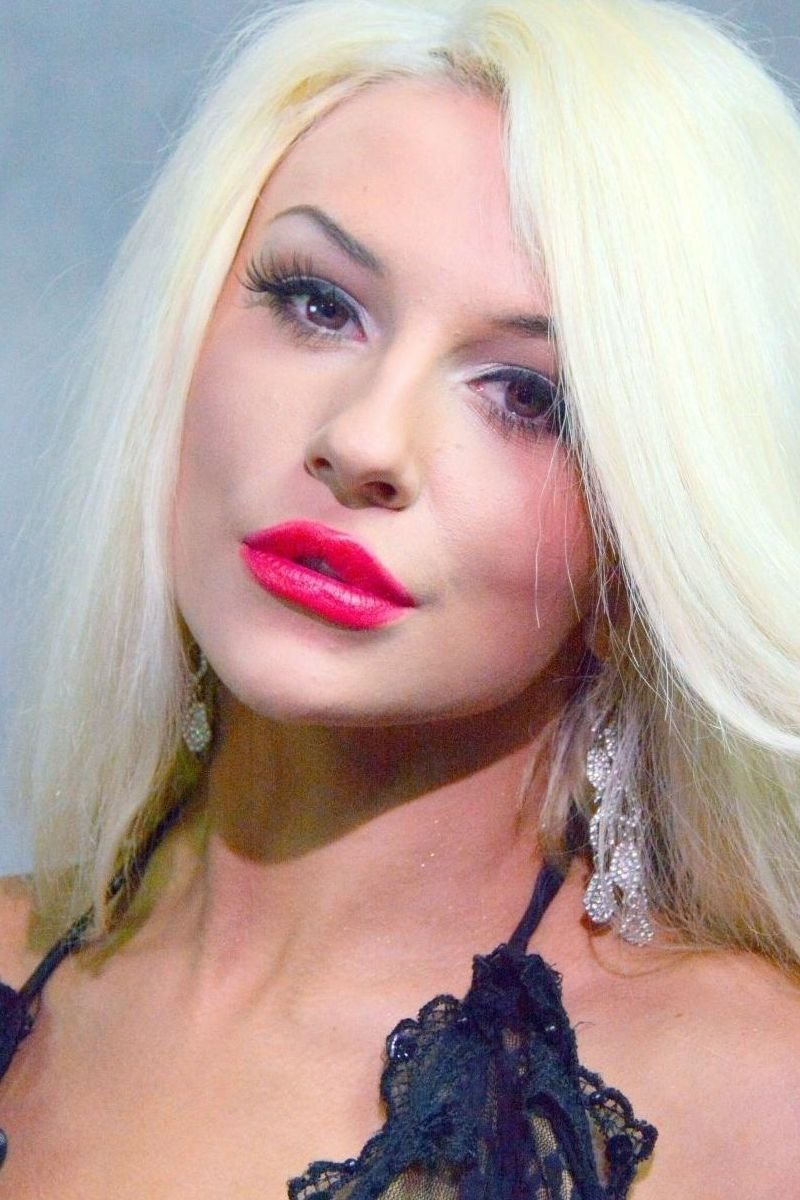
After coming out as non-binary in 2021, Courtney Stodden faced an escalation in the online bullying they had already endured for several years. The artist shared that they never felt like they fit into traditional gender boxes and requested the use of they/them pronouns. Online detractors reacted with mockery, often using Stodden’s past media history as a weapon to invalidate their current identity. The harassment included widespread misgendering and derogatory comments across multiple digital social platforms. Stodden has remained resilient, using their experience to highlight the prevalence of digital cruelty toward marginalized groups.
Miley Cyrus
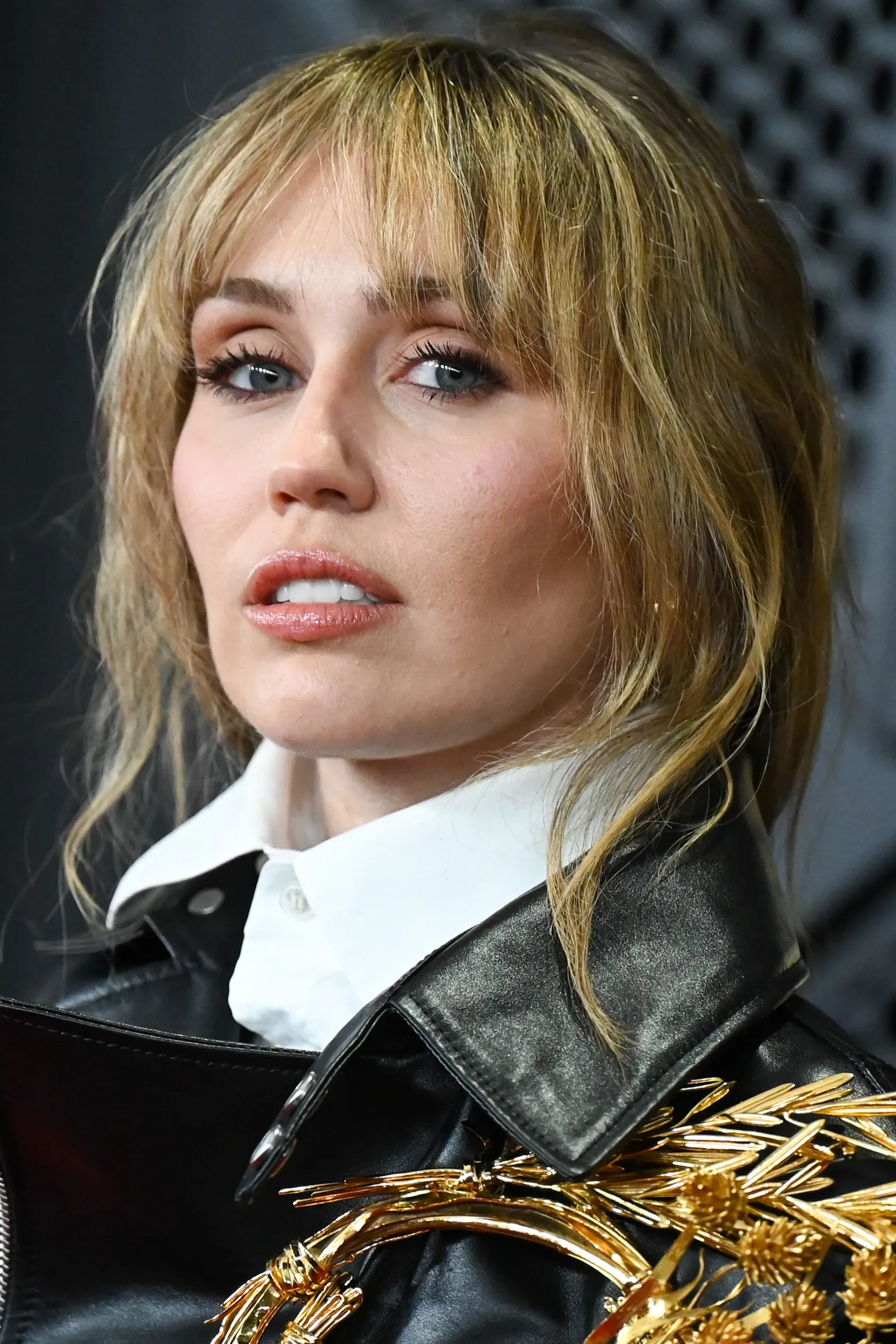
Miley Cyrus identified as genderfluid in a 2015 interview with ‘Paper Magazine’, stating that she does not relate to being a boy or a girl. This disclosure led to massive public discourse and a significant amount of ridicule from various social media circles. Critics often dismissed the identity of Cyrus as a phase or an attempt to gain media attention during a transitional period. The online backlash was accompanied by intense media scrutiny that often sensationalized her personal choices and public image. Cyrus has since become a prominent figure in LGBTQ+ advocacy, continuing to speak on the fluidity of human gender.
Willow Smith
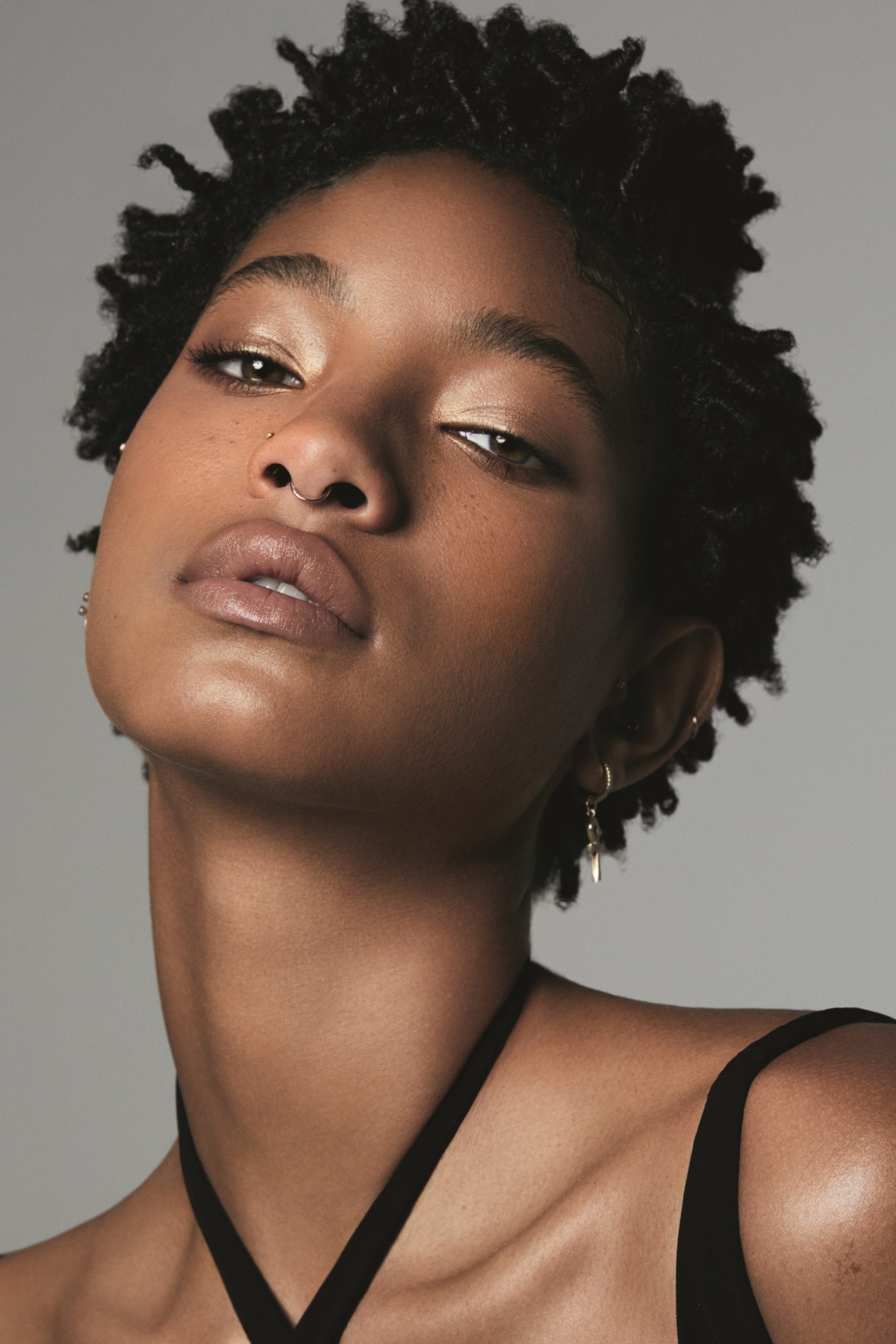
Willow Smith discussed her journey with gender fluidity and non-binary identity on episodes of ‘Red Table Talk’ in 2021. Following these public discussions, the musician was subjected to a barrage of negative comments from online critics who took issue with her views. The harassment often targeted her age and her famous family as a means of delegitimizing her personal gender experiences. Social media platforms saw a rise in transphobic rhetoric directed at the singer in the wake of these episodes. Smith has consistently advocated for individual freedom and the right to self-identify despite the persistent digital pushback.
Olly Alexander
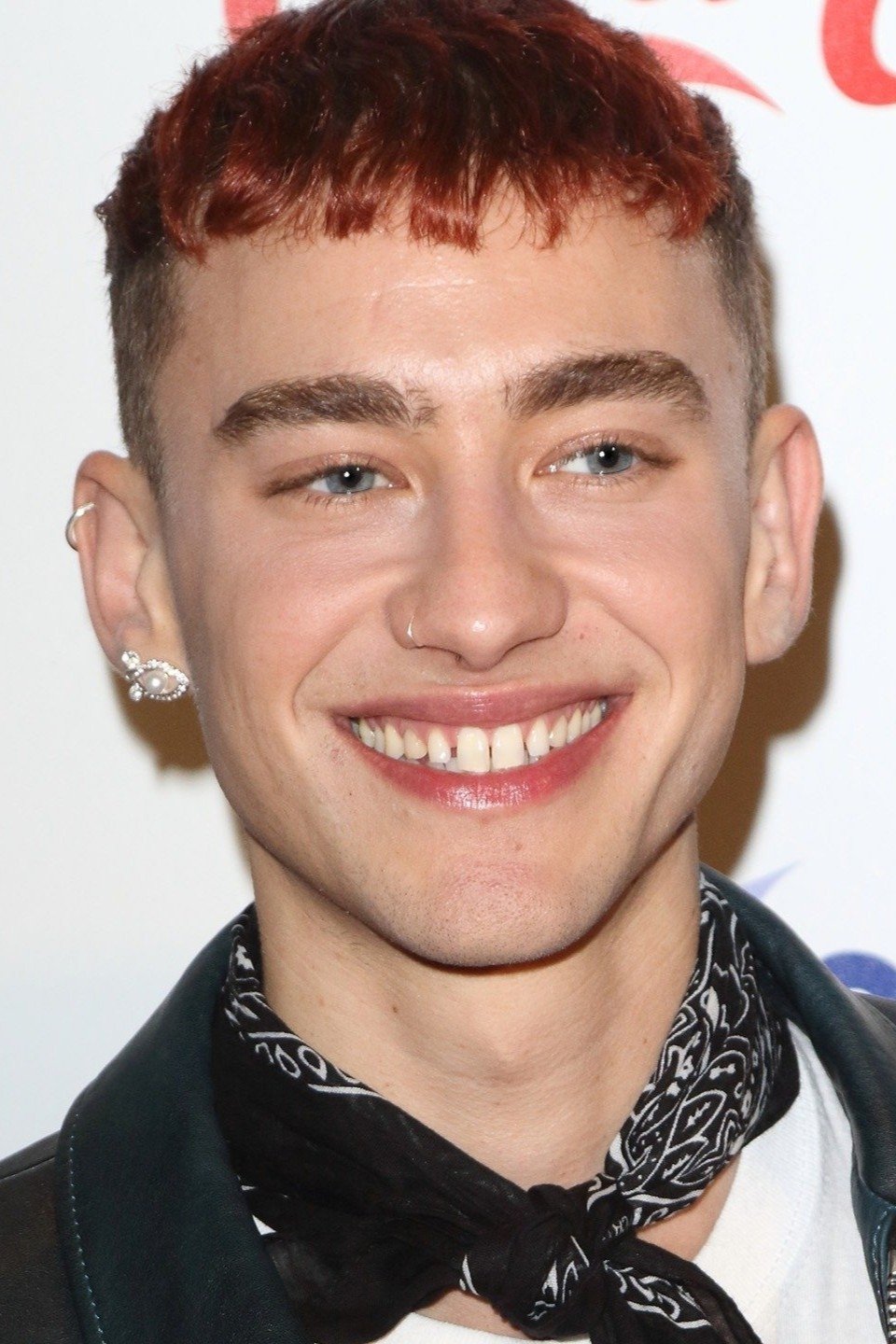
As a prominent solo artist and performer, Olly Alexander has been open about his experiences with gender fluidity and identifies as non-binary. His visibility has unfortunately made him a frequent target for homophobic and transphobic abuse on various social media platforms. The harassment often peaks after high-profile television appearances or live performances where he expresses his gender through fashion. Alexander has spoken out about the toll that persistent online hate takes on the mental well-being of queer artists. He remains a prominent voice for rights and continues to challenge traditional gender norms through his musical work.
Dorian Electra
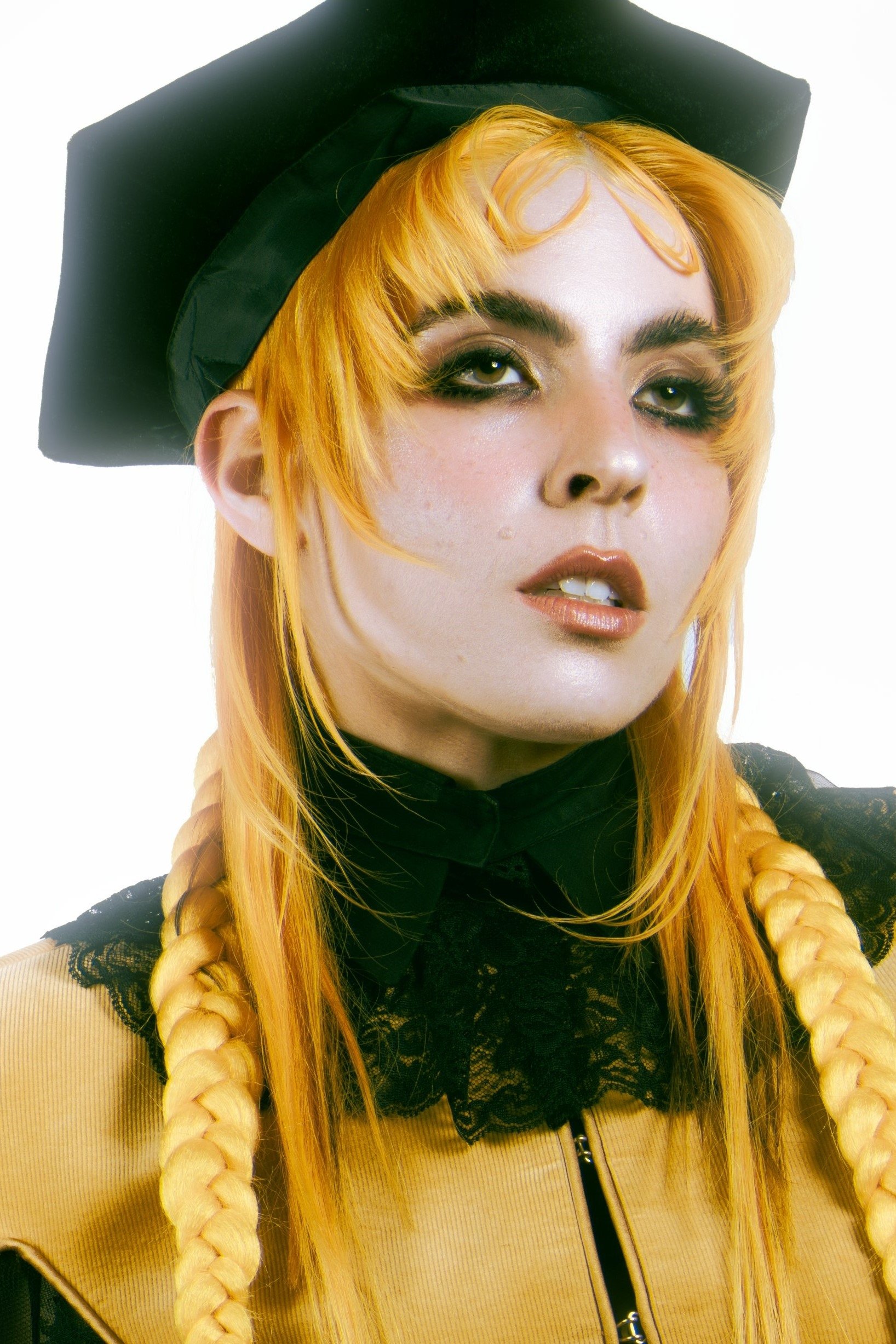
Dorian Electra is a non-binary pop artist known for exploring themes of masculinity and femininity throughout their experimental work. Their uncompromising visual style and music often draw the attention of internet trolls who target them with hateful messages. Electra frequently faces organized harassment from online communities that oppose gender-diverse expression and avant-garde aesthetics. The artist has integrated the concept of the digital troll into their creative work as a way to process the negativity. They continue to build a dedicated following while navigating a landscape often hostile to non-binary creators.
LP
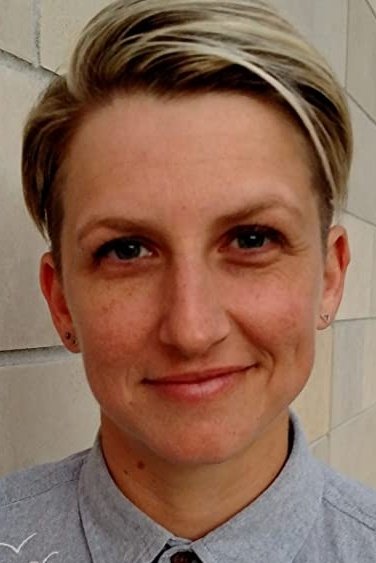
Laura Pergolizzi, known professionally as LP, has identified as gender-neutral and non-binary throughout their successful international career. The singer frequently encounters misgendering in press coverage and faces derogatory comments about their appearance on digital platforms. Much of the harassment is directed toward their rejection of traditional feminine aesthetics within the mainstream music industry. LP has noted that while the industry is slowly becoming more inclusive, the online response remains a significant hurdle. They maintain a focus on their songwriting and vocal performance despite the recurring digital hostility from anonymous users.
Kehlani
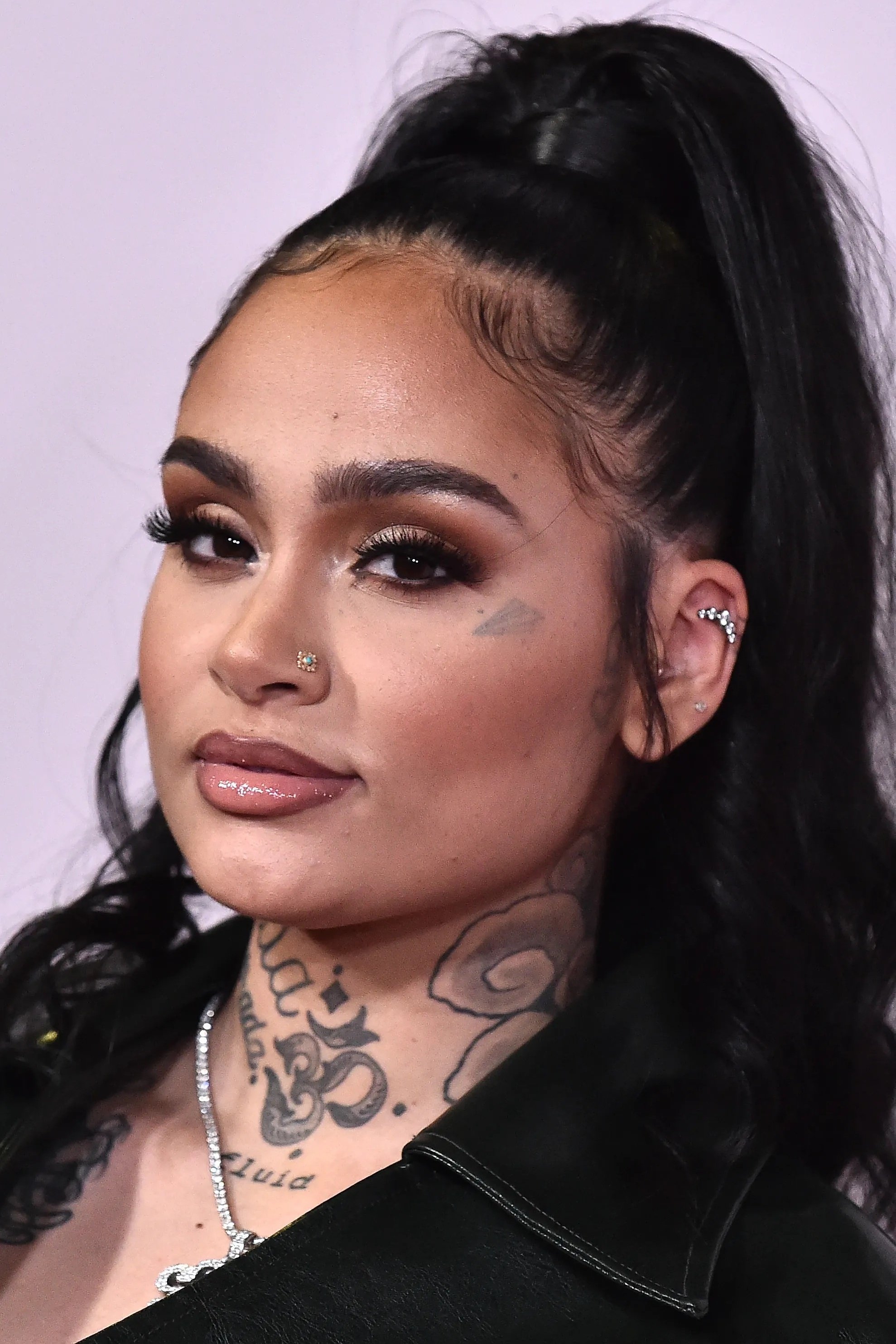
Kehlani updated their pronouns to she/they in 2021, sparking a significant amount of conversation across various social media platforms. While many fans were supportive, the artist also faced a backlash from critics who criticized the move as a trend. The harassment often involved deliberate misgendering in comment sections and the spread of transphobic tropes across the internet. Kehlani has been vocal about the need for more education regarding non-binary and gender-diverse identities in modern society. They continue to use their platform to support the community and promote the importance of self-love.
Yungblud
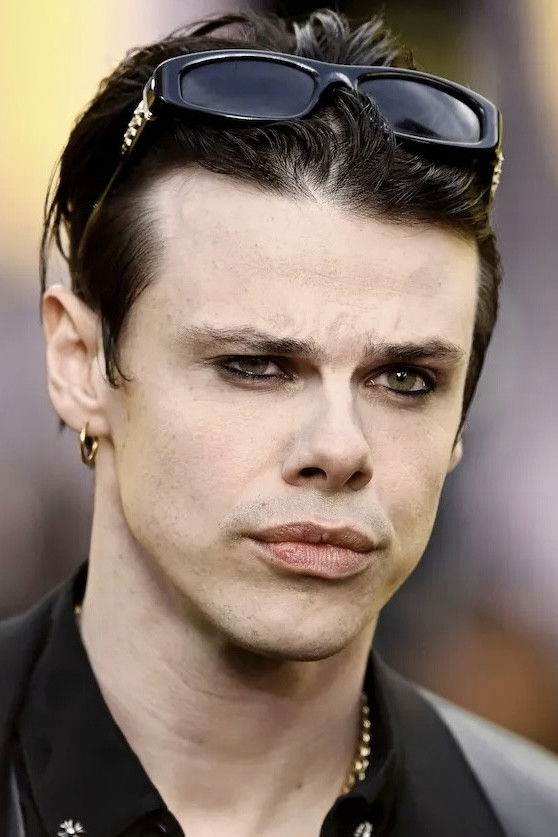
Yungblud has described himself as genderfluid and has spoken extensively about his fluid approach to fashion and personal identity. These statements have made him a target for trolls who frequent his social media profiles to post derogatory comments. The harassment often centers on his rejection of traditional masculine tropes and his public displays of emotional vulnerability. Yungblud has addressed the bullying by emphasizing the importance of being true to oneself regardless of persistent online hate. He continues to foster a community for fans who feel like outsiders due to their own diverse identities.
Arca
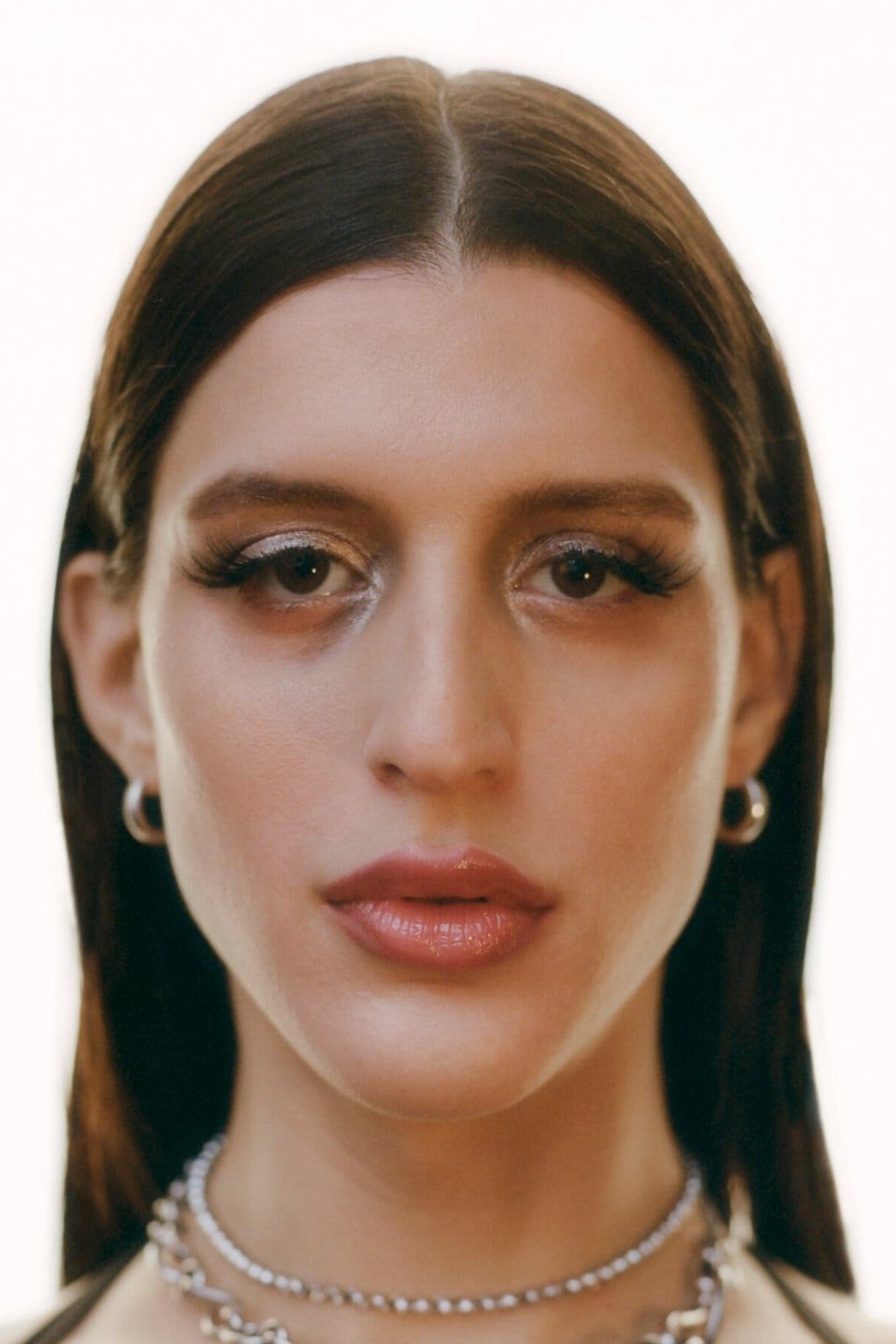
Arca is a Venezuelan musician who identifies as a non-binary trans woman and has been a pioneer in modern electronic music. Throughout her career, she has faced extreme levels of transphobic and non-binary-phobic harassment on various digital platforms. The hostility often targets her experimental visual art and her uncompromising stance on the fluidity of gender. Arca has used her platform to confront these prejudices, often incorporating themes of transformation and resilience into her music. Despite the relentless online scrutiny, she remains one of the most influential figures in contemporary experimental music.
Rae Spoon
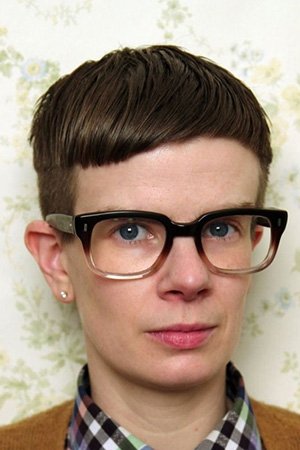
Canadian musician Rae Spoon came out as non-binary in 2012 and requested the use of they/them as a singular pronoun. At the time, they were one of the first high-profile artists in Canada to make such a request, leading to significant media pushback. Spoon was the subject of the documentary ‘My Genderation’, which touched upon the challenges of navigating a gender-binary world. They faced years of online harassment and systemic barriers within the industry due to their public identity. Spoon has since become a leading advocate for non-binary rights and trans inclusion in the creative arts.
Hikaru Utada
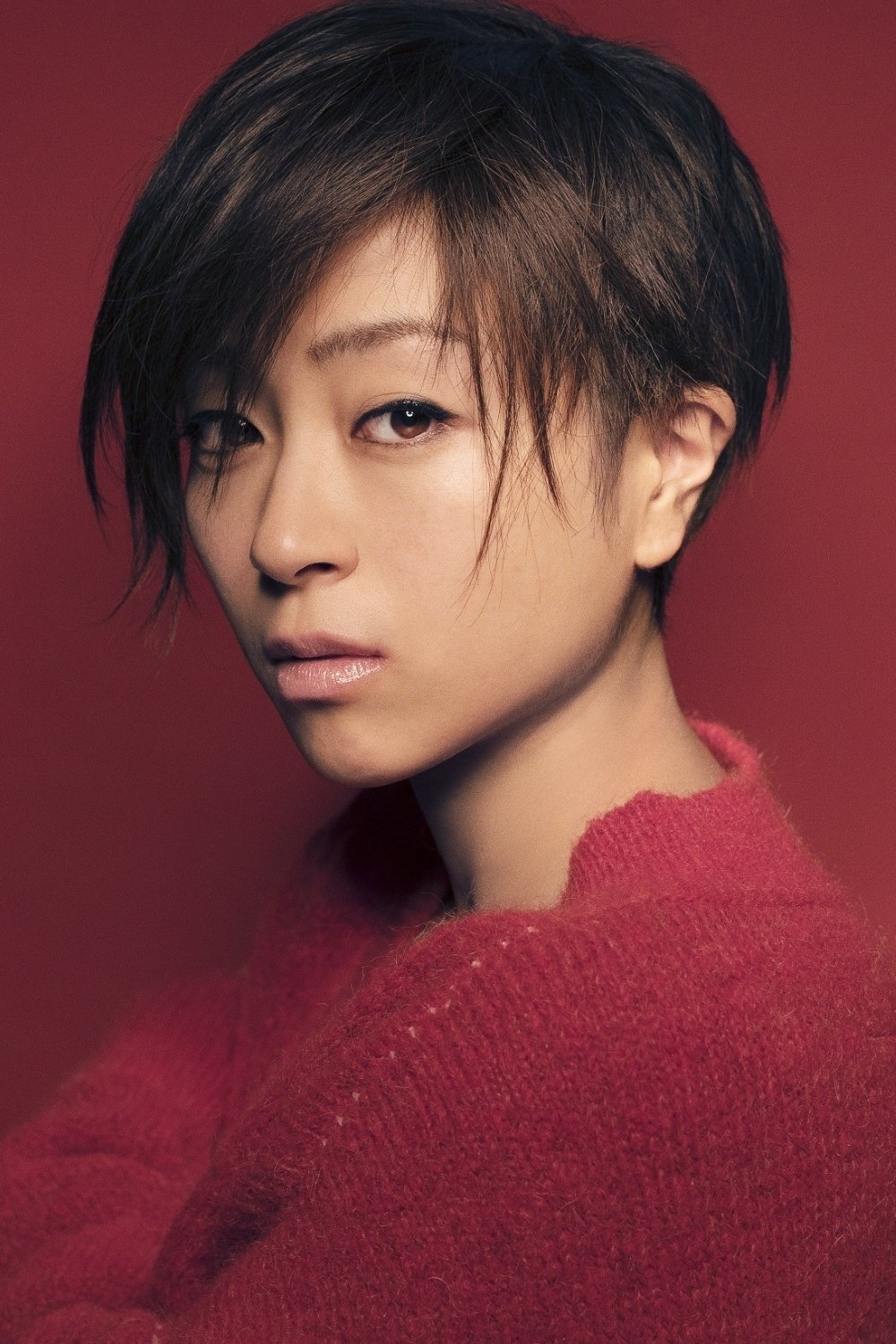
Hikaru Utada, a legendary figure in both Japanese and American pop music, came out as non-binary during a livestream in 2021. The announcement was a major cultural moment that drew both immense support and a sharp increase in online harassment. Critics from conservative backgrounds used social media to mock the singer’s identity and voice their disapproval of the change. This harassment highlighted the cultural tensions surrounding gender identity within the global music market and digital spaces. Utada has continued to express their identity through their music and public appearances, remaining a resilient icon for many.
Grimes
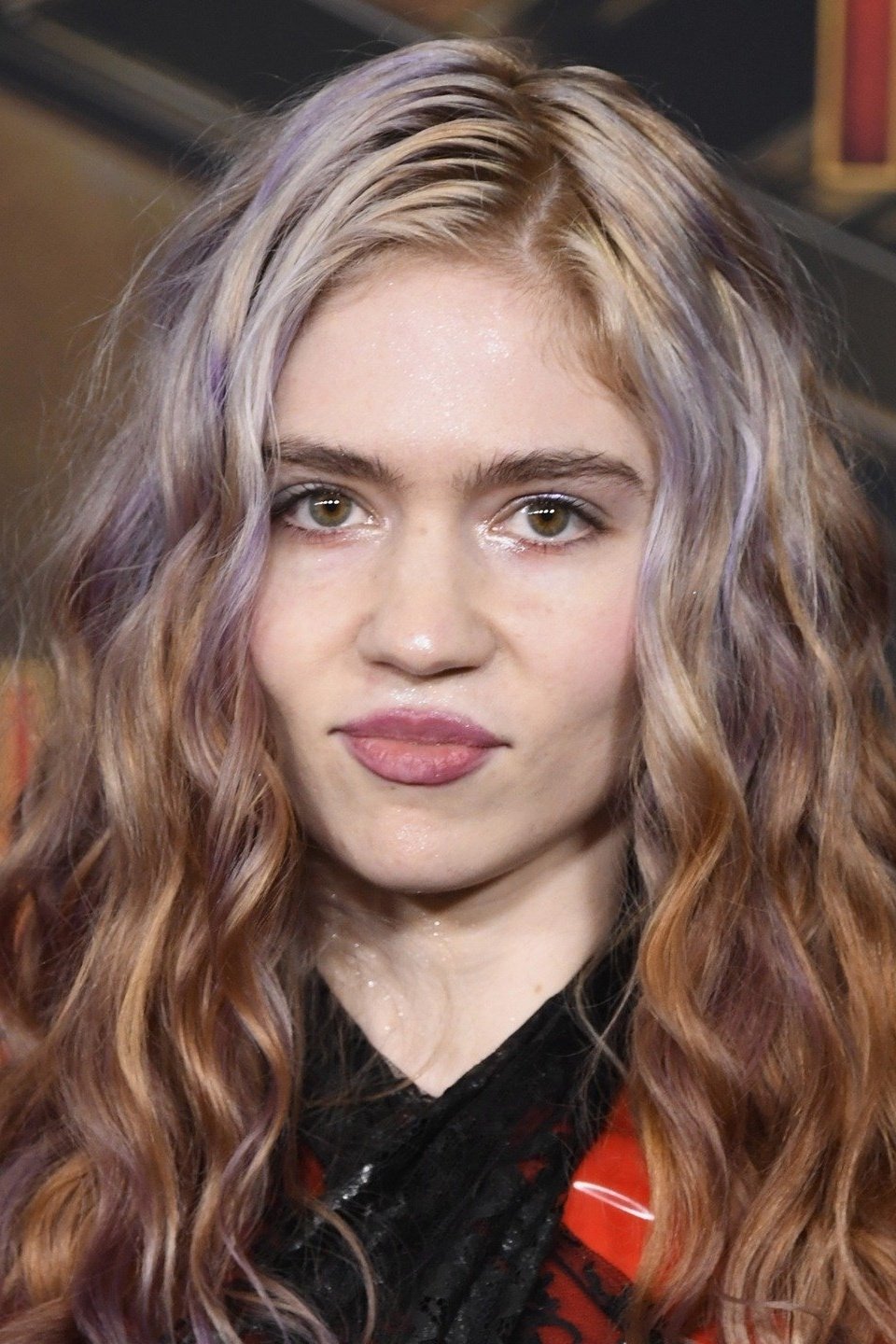
Grimes has stated in various interviews and on social media that she is gender-neutral or non-binary in her self-conception. This has led to a significant amount of online harassment, particularly from those who disagree with her artistic and personal choices. Trolls often use her gender identity as a point of mockery in broader discussions about her public persona and career. The harassment has been a consistent presence throughout her journey, manifesting in comment sections and dedicated forums. Grimes continues to produce music and art that challenges traditional boundaries, including those associated with the gender binary.
Please share your thoughts on how the music industry can better support non-binary artists in the comments.