


Musicians Who Changed Their Entire Sound and Lost Their Core Fanbase

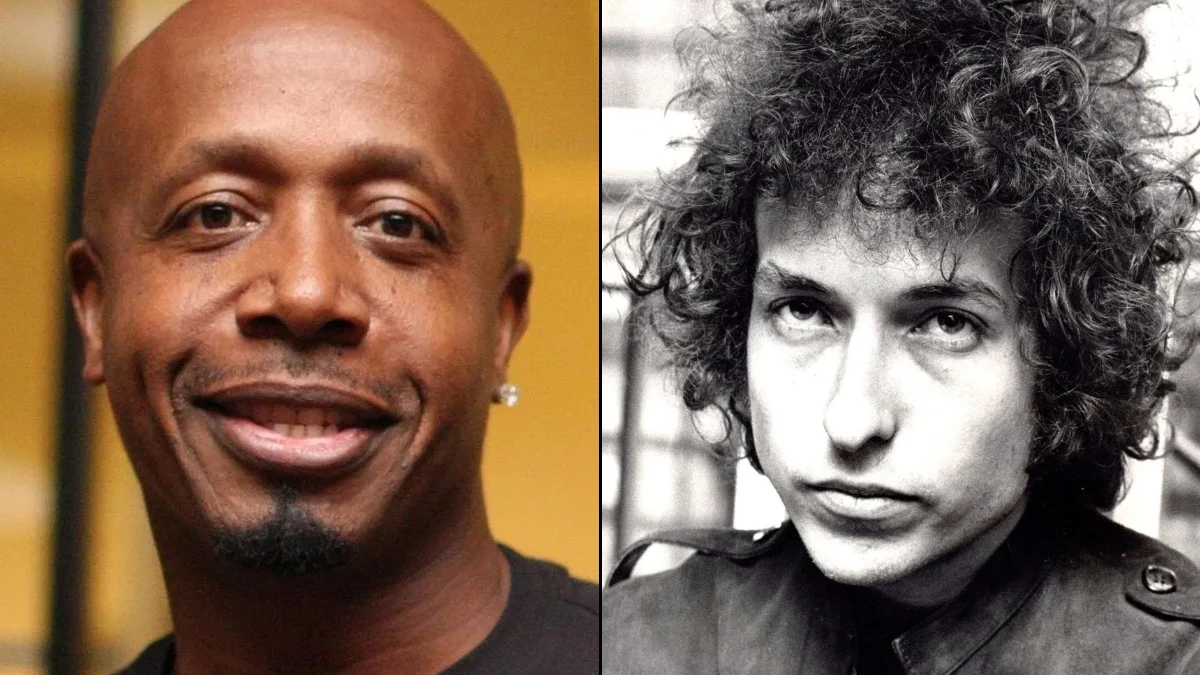


The evolution of a musician’s creative identity is often a necessary component of a long career, yet some sonic departures are so radical that they alienate the listeners who first supported them. These transitions often involve a total abandonment of the genre that defined an artist’s early success in favor of something completely different. While some performers manage to successfully reinvent themselves for a new audience, the original core fanbase often views these shifts as a betrayal of the artist’s roots. From folk icons turning to electric rock to rappers experimenting with heavy metal, these changes represent significant risks that can permanently alter a career trajectory.
Bob Dylan

Bob Dylan famously shocked the music world when he transitioned from acoustic folk to electric rock at the 1965 Newport Folk Festival. For a community that viewed him as the voice of a generation and a folk prophet, the use of a Fender Stratocaster was seen as a commercial sell-out. He was met with literal boos from the audience, and fans famously shouted “Judas” at him during his 1966 world tour. This shift was solidified with the album Bringing It All Back Home, which traded protest anthems for surrealist rock lyrics. The departure fundamentally split his audience and redefined the boundaries of folk music.
Garth Brooks
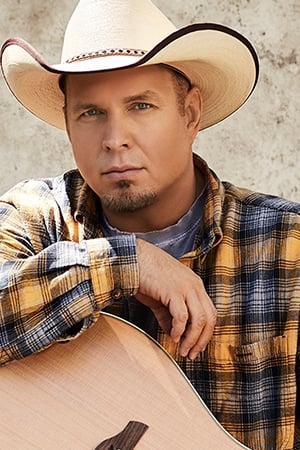
In 1999, country megastar Garth Brooks adopted the persona of an Australian rock musician named Chris Gaines. He released an album of soulful pop and rock songs titled Greatest Hits, which was intended to serve as a soundtrack for a movie titled ‘The Lamb’. The project was accompanied by a mockumentary episode of ‘Behind the Music’ on VH1 to build the character’s backstory. Country fans were deeply confused by the transformation, and the album failed to reach the astronomical sales figures of his previous country records. The negative reception led to the cancellation of the film and a quick return to his country roots.
Liz Phair

Liz Phair became an icon of 1990s indie rock with the release of her debut album Exile in Guyville, which was celebrated for its lo-fi aesthetic and raw, feminist lyrics. In 2003, she pivoted to a polished mainstream pop sound by collaborating with the production team The Matrix for her self-titled album. This move was widely criticized by indie rock critics and long-time fans who felt she had abandoned her DIY roots for corporate success. The album received a notorious 0.0 rating from some influential music publications, highlighting the total disconnect between Phair and her original demographic. She eventually returned to her indie sound, but the 2003 shift remains a polarizing moment in her career.
Chris Cornell
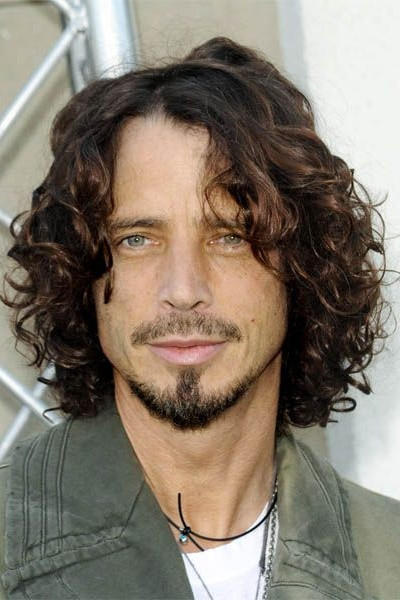
The late Soundgarden frontman surprised his rock-heavy fanbase with the release of the album Scream in 2009. Produced by Timbaland, the project replaced Cornell’s signature gritty guitar riffs with electronic beats and modern R&B production. Many fans felt his powerful, bluesy vocal style was poorly suited for the synth-heavy pop tracks found on the record. Rock critics largely panned the effort, viewing it as an ill-advised attempt to stay relevant in a changing musical landscape. Cornell eventually reunited with Soundgarden, returning to the heavy rock sound that his core audience preferred.
Snoop Dogg
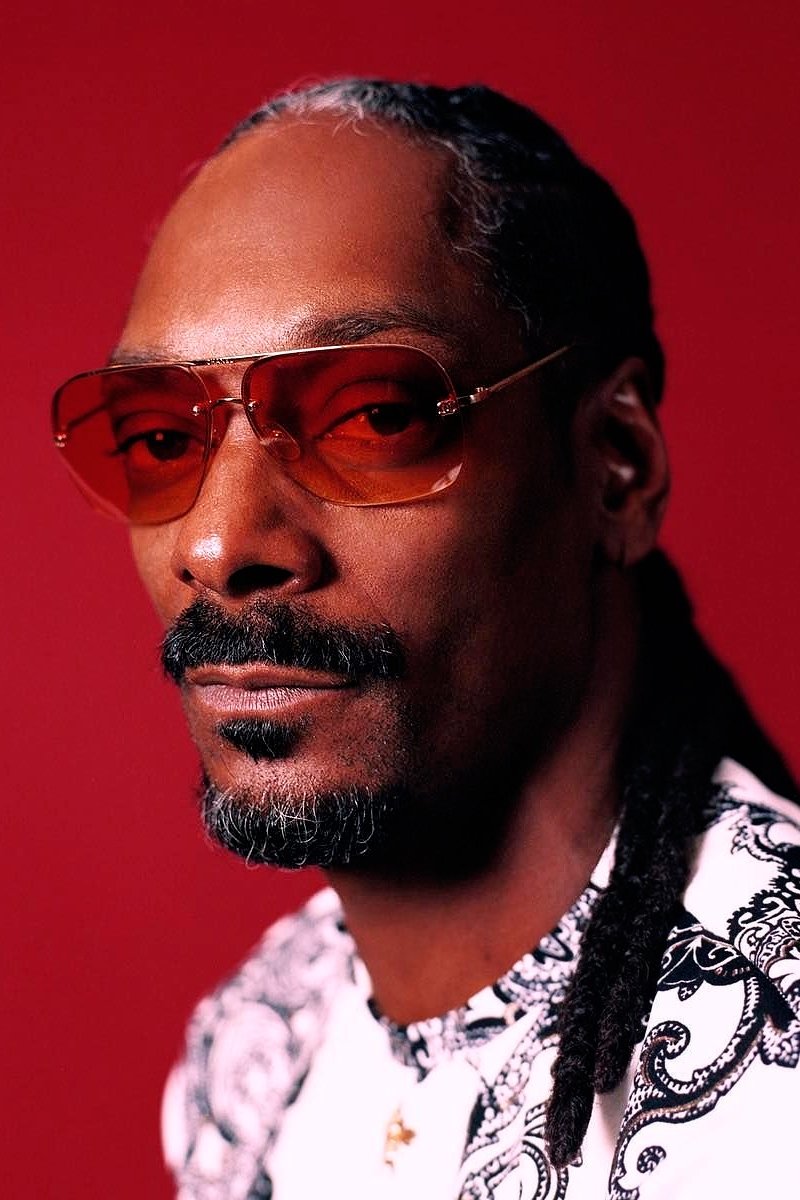
After decades as a pioneer of West Coast G-funk, Snoop Dogg announced a spiritual rebirth and changed his name to Snoop Lion in 2012. He traveled to Jamaica to record a reggae album titled Reincarnated, which focused on themes of peace and Rastafarianism. The project was documented in a film also titled ‘Reincarnated’, which chronicled his departure from the violent themes of his past. While the experiment was a personal journey for the artist, his core hip-hop fanbase was largely uninterested in the genre shift. He eventually reverted to his original name and hip-hop style, though the reggae period stands as a unique detour.
Jewel

Jewel rose to international fame as a sensitive, guitar-toting folk singer with hits like Who Will Save Your Soul. In 2003, she drastically changed her image and sound for the album 0304, which embraced dance-pop, synthesizers, and urban beats. The shift was accompanied by a more sexualized public persona that contrasted sharply with her “girl next door” folk roots. Many original fans felt the move was disingenuous and purely driven by a desire for radio airplay. Although the lead single was a hit, she soon pivoted back to country and acoustic music to regain her traditional audience.
Neil Young
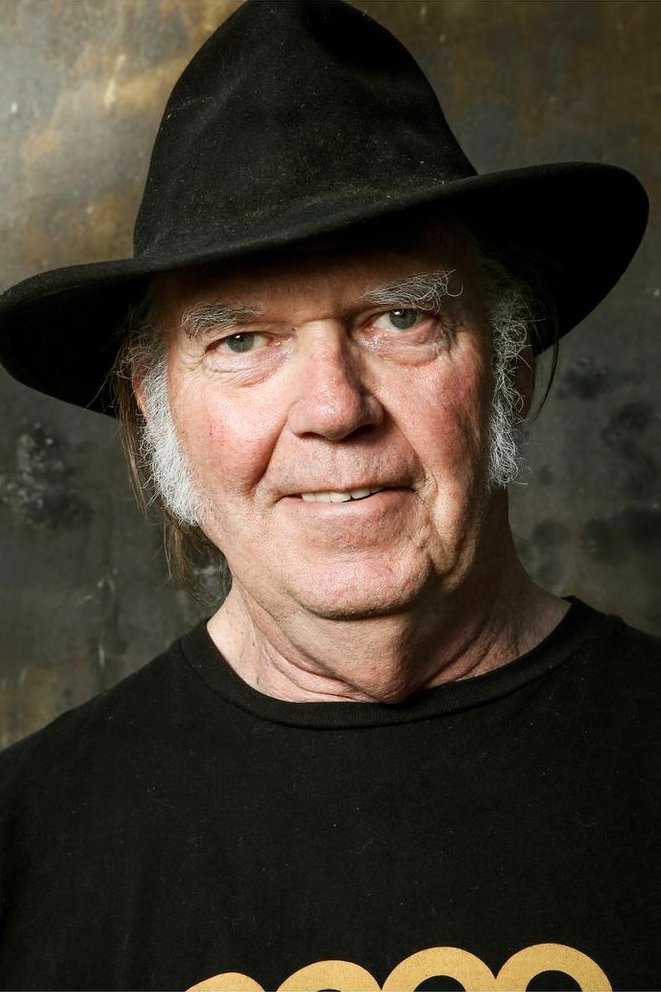
In the early 1980s, Neil Young began experimenting with synthesizers and vocoders, most notably on the 1982 album Trans. This electronic sound was a massive departure from the folk-rock and country-inflected music that had made him a legend. The transition was so jarring that his record label, Geffen Records, famously sued him for producing music that was not “Neil Young” in character. Fans were equally confused by the robotic vocals and synth-heavy arrangements during his live performances. This era remains one of the most litigious and controversial periods of his extensive discography.
Lil Wayne

After establishing himself as one of the most successful rappers of the 2000s, Lil Wayne released the rock-focused album Rebirth in 2010. The record featured the rapper playing electric guitar and utilizing heavy Auto-Tune over punk and nu-metal inspired tracks. Hip-hop purists largely dismissed the project, and rock fans were generally unimpressed by his transition into the genre. Despite the high sales driven by his massive fame, the album is often cited as a low point by his core rap following. He quickly returned to traditional hip-hop with the subsequent release of the next entry in his Carter series.
Dee Dee Ramone
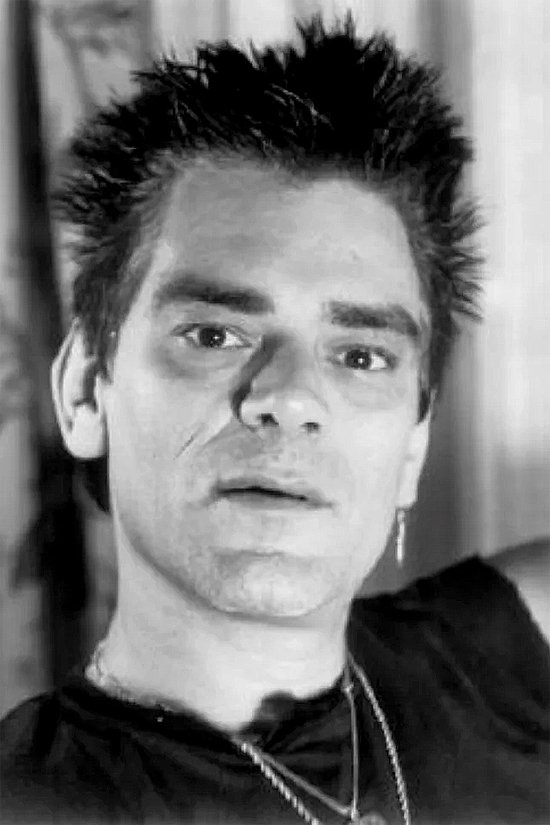
The founding bassist of the punk band The Ramones attempted a solo career as a rapper under the name Dee Dee King in 1989. He released the hip-hop album Standing in the Spotlight, which featured him rapping over old-school beats. Punk fans were baffled by the shift, as Dee Dee was an integral part of the genre’s founding aesthetic. The album was universally panned by critics and failed to gain any traction within the hip-hop community he was trying to join. He soon abandoned the persona and returned to punk rock before his retirement from the industry.
Pat Boone
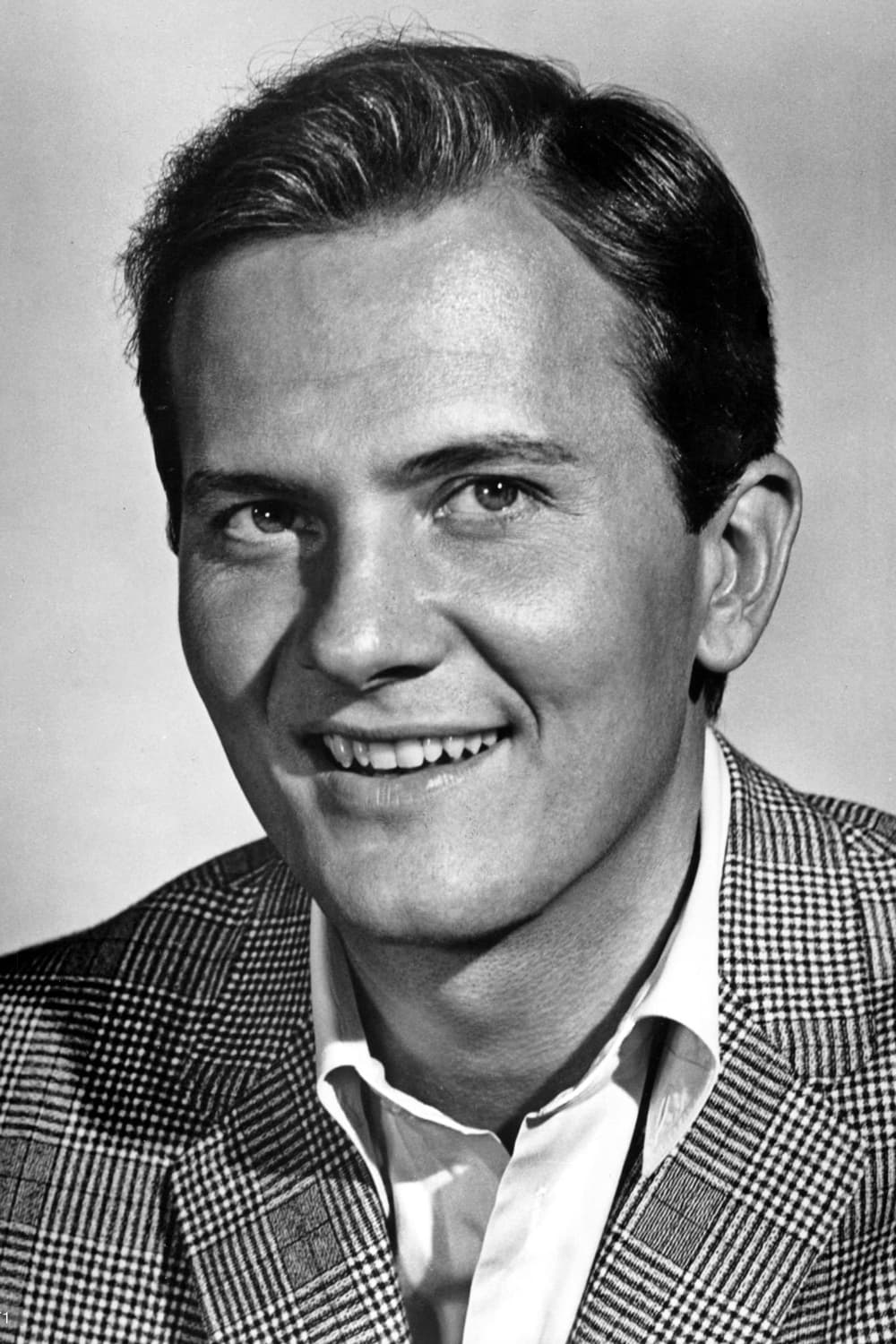
Pat Boone was a clean-cut traditional pop singer who enjoyed massive success in the 1950s with his wholesome image and melodic ballads. In 1997, he released In a Metal Mood: No More Mr. Nice Guy, an album featuring big-band covers of heavy metal songs by bands like Metallica and AC/DC. He promoted the record by appearing in black leather and fake tattoos on an awards show broadcast on the Trinity Broadcasting Network. This radical change in image horrified his core religious and conservative audience, leading to his temporary dismissal from a Christian television program. The project is now viewed as one of the most campy and unexpected genre shifts in music history.
MC Hammer
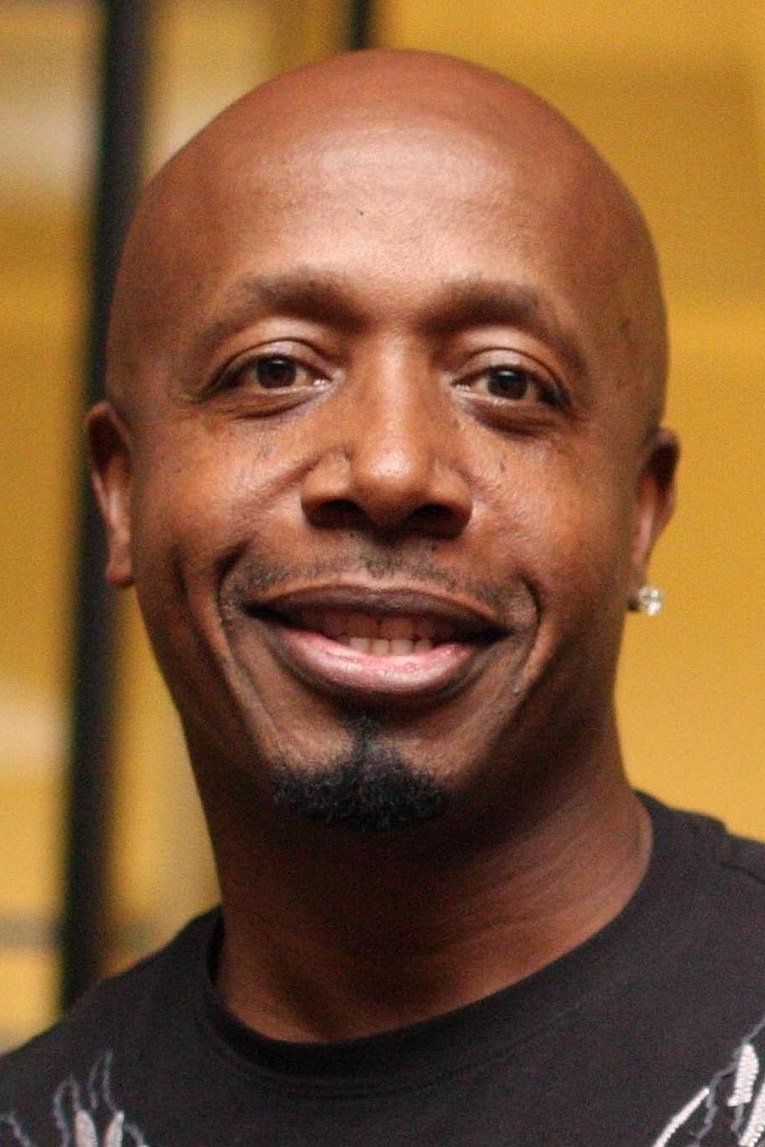
MC Hammer became a global superstar in the early 1990s with his family-friendly brand of pop-rap and energetic dancing. However, as the popularity of gangsta rap rose, he attempted to toughen his image with the 1994 album The Funky Headhunter. The record featured more aggressive lyrics and a street-oriented aesthetic that stood in stark contrast to his previous persona. His core audience of children and families felt alienated by the change, while the hip-hop community did not buy into his new “tough” image. This inability to bridge the gap between his old and new sounds led to a sharp decline in his commercial relevance.
Nelly Furtado

Nelly Furtado began her career with the eclectic, folk-influenced sounds of Whoa, Nelly! and Folklore, which earned her a reputation as a quirky singer-songwriter. In 2006, she completely reinvented her sound by partnering with producer Timbaland for the album Loose. The record was a high-energy urban pop project that focused on club-ready beats and a provocative image. While the album was a massive commercial success and produced several number-one hits, it alienated the listeners who appreciated her early art-pop sensibilities. Furtado eventually moved away from the mainstream pop sound, but she never quite regained the specific indie-folk audience of her debut.
Lou Reed
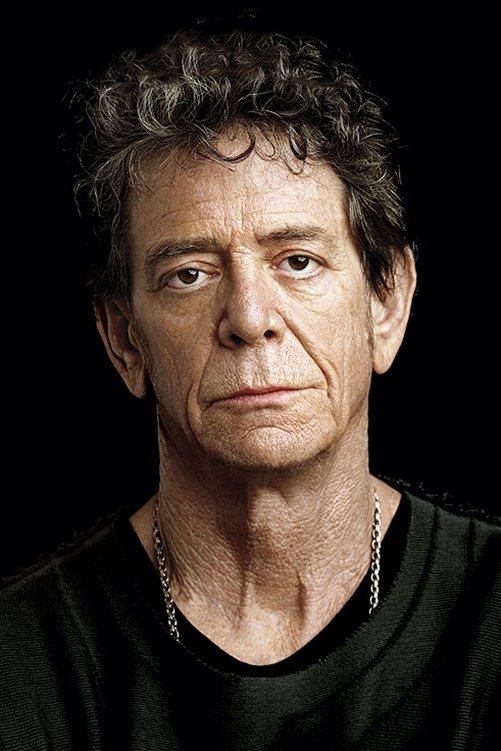
Following the success of his glam-rock classic Transformer, Lou Reed released Metal Machine Music in 1975. The double album consisted entirely of guitar feedback and noise, with no melodies, lyrics, or traditional song structures. Fans who purchased the record expecting rock hits were so frustrated that many returned the album to stores in droves. His record label eventually withdrew the album from the market to prevent further damage to his commercial standing. While it has since gained a cult following as a precursor to industrial music, it originally served to alienate nearly his entire fanbase.
Scott Walker
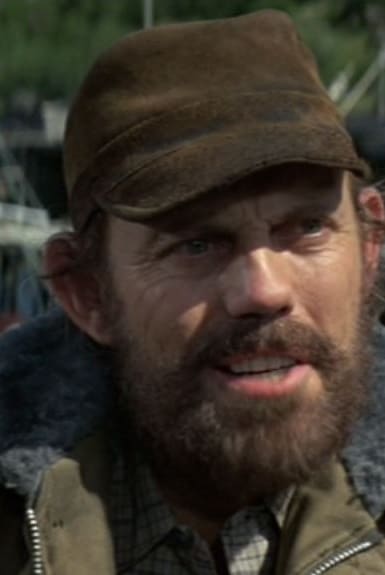
Scott Walker transitioned from being a teen pop idol in the 1960s to one of the most challenging avant-garde musicians in the world. His early work with The Walker Brothers and his first solo albums were characterized by lush orchestral pop and crooning vocals. However, starting with albums like Tilt and The Drift, he moved into experimental territory that involved industrial noise and non-traditional instrumentation. His original fanbase, who enjoyed his melodic pop ballads, found the new material almost impossible to listen to. He spent the remainder of his career as a highly respected, albeit niche, experimental artist far removed from his pop origins.
Kid Rock
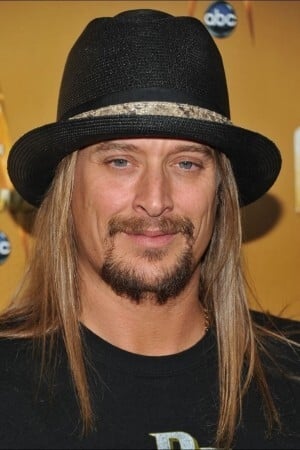
Kid Rock initially broke into the mainstream as a rap-metal artist with his 1998 breakthrough album Devil Without a Cause. As the nu-metal trend began to fade, he pivoted toward a sound rooted in country and Southern rock. This transition became permanent with later albums, where he largely abandoned rapping in favor of traditional country themes. While this move allowed him to find a new, older demographic, he lost the urban and alternative rock fans who had supported his early career. Today, he is primarily recognized as a country artist, with his hip-hop roots serving as a distant chapter in his biography.
Share your thoughts on which musician’s genre shift surprised you the most in the comments.