


Musicians Who Demanded Republican Campaigns Stop Using Their Iconic Songs

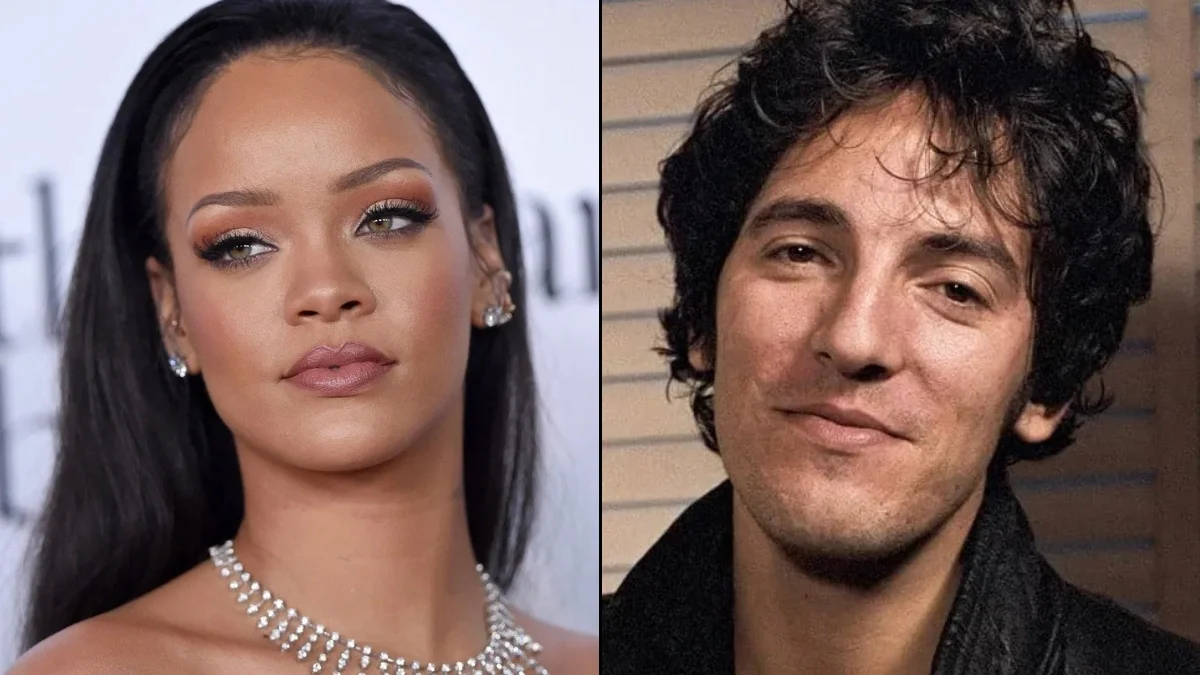


Throughout modern American political history, a recurring tension has emerged between Republican political candidates and the musicians whose tracks provide the soundtrack to their rallies. Legal disputes often arise when campaigns play popular music without the explicit permission of the artists, leading to cease-and-desist orders and public condemnations. These conflicts frequently center on the Lanham Act, which protects against false endorsements, as well as licensing agreements through organizations like ASCAP and BMI. Many artists argue that the use of their intellectual property implies a political alignment that does not exist.
Neil Young
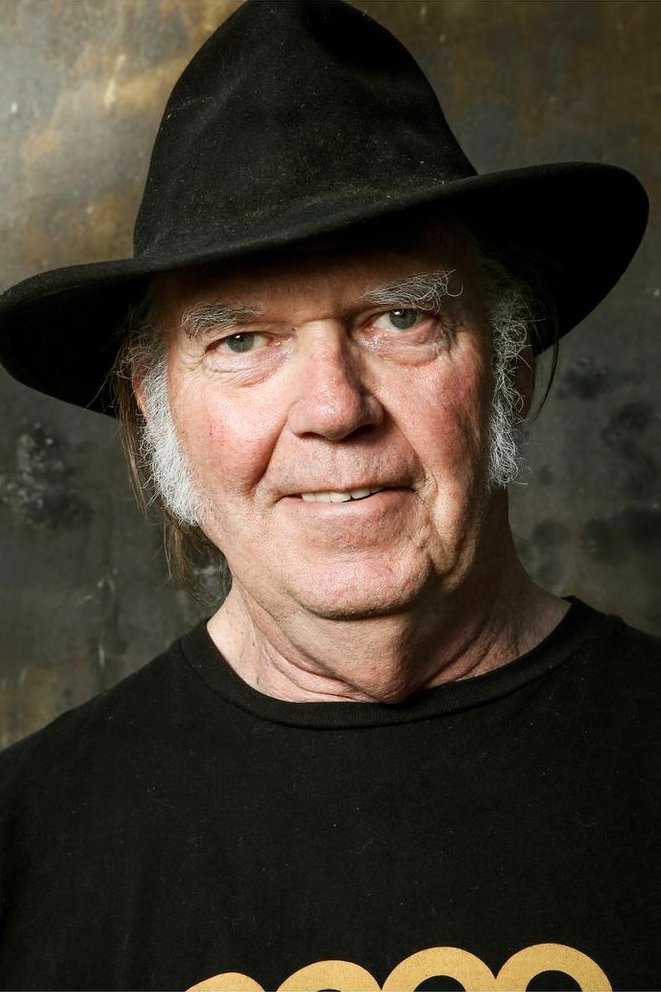
Neil Young sued Donald Trump’s 2020 campaign for copyright infringement regarding the unauthorized use of his work. The dispute focused on the playing of ‘Rockin’ in the Free World’ and ‘Devil’s Sidewalk’ at various campaign rallies. Young expressed through a statement that he could not allow his music to be used as a theme song for a divisive campaign. The lawsuit was eventually dismissed, but it highlighted the ongoing struggle between intellectual property rights and political usage.
Adele
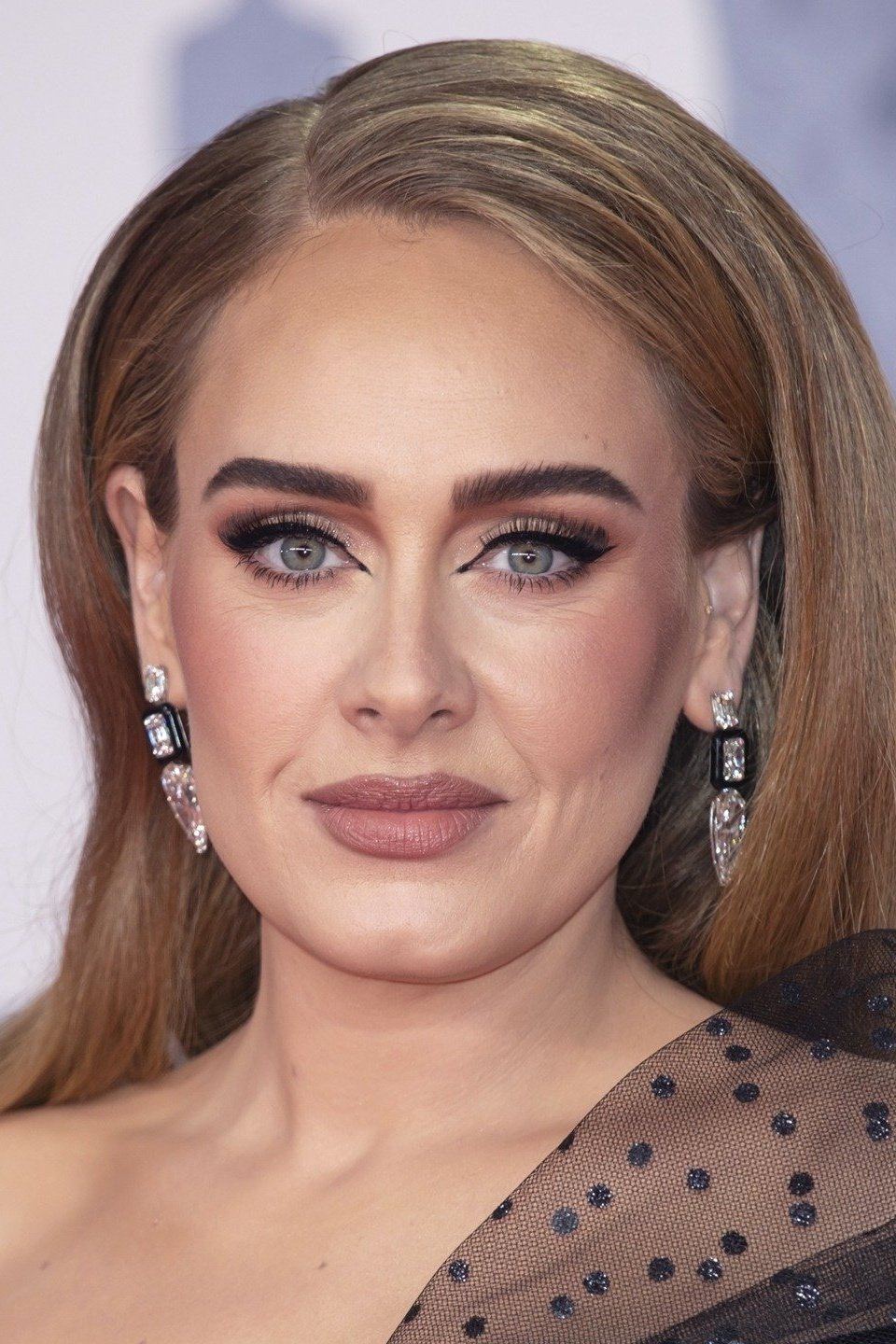
During the 2016 election cycle, Adele’s representative confirmed that the singer did not grant permission for her music to be used for any political campaigning. Tracks like ‘Rolling in the Deep’ and ‘Skyfall’ were frequently played at rallies before the singer’s team intervened. Fans had expressed concern online about whether the singer had switched her political allegiances due to the unauthorized playings. Adele has consistently maintained a stance of keeping her creative work separate from American partisan politics.
Tom Petty
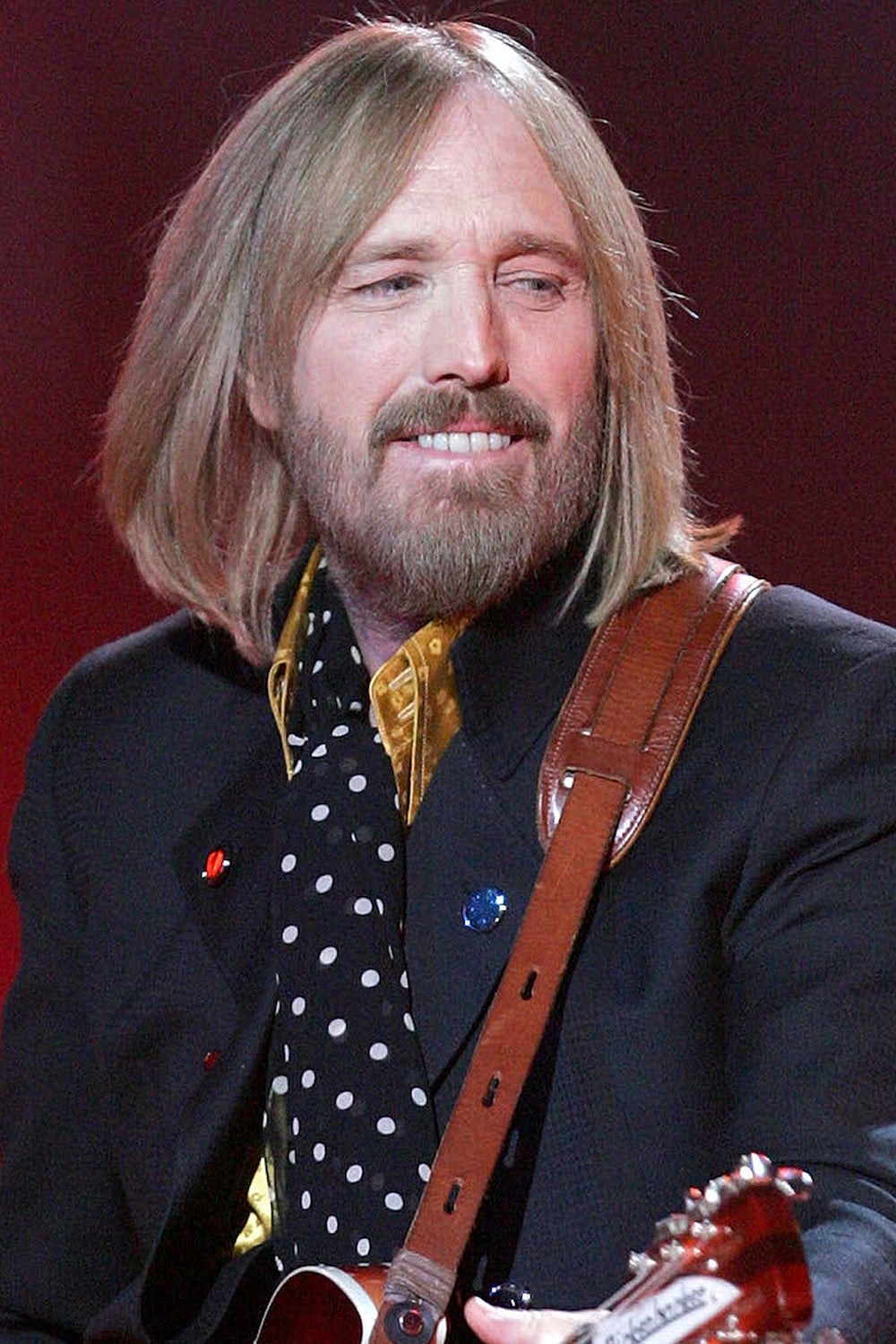
The estate of Tom Petty issued a cease-and-desist letter to the Trump campaign after the song ‘I Won’t Back Down’ was played at a 2020 rally in Tulsa. The family stated that Petty would never have wanted his song used in a campaign of hate. This was not the first time the song was at the center of a political dispute, as Michele Bachmann also used it in 2011. Petty personally contacted Bachmann’s team at the time to demand they stop playing the track.
Bruce Springsteen
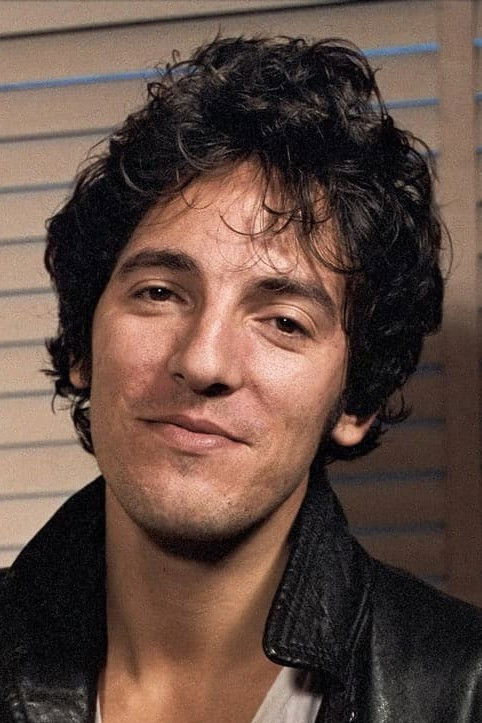
The musician famously objected to Ronald Reagan’s use of ‘Born in the U.S.A.’ during the 1984 presidential campaign. Reagan had referenced the song’s lyrics as a message of hope, which Springsteen argued misinterpreted the song’s actual critical content. Years later, he also objected to the use of his music by candidates like Bob Dole and Pat Buchanan. Springsteen has been vocal about ensuring his songs are not co-opted by politicians whose policies he disagrees with.
Pharrell Williams
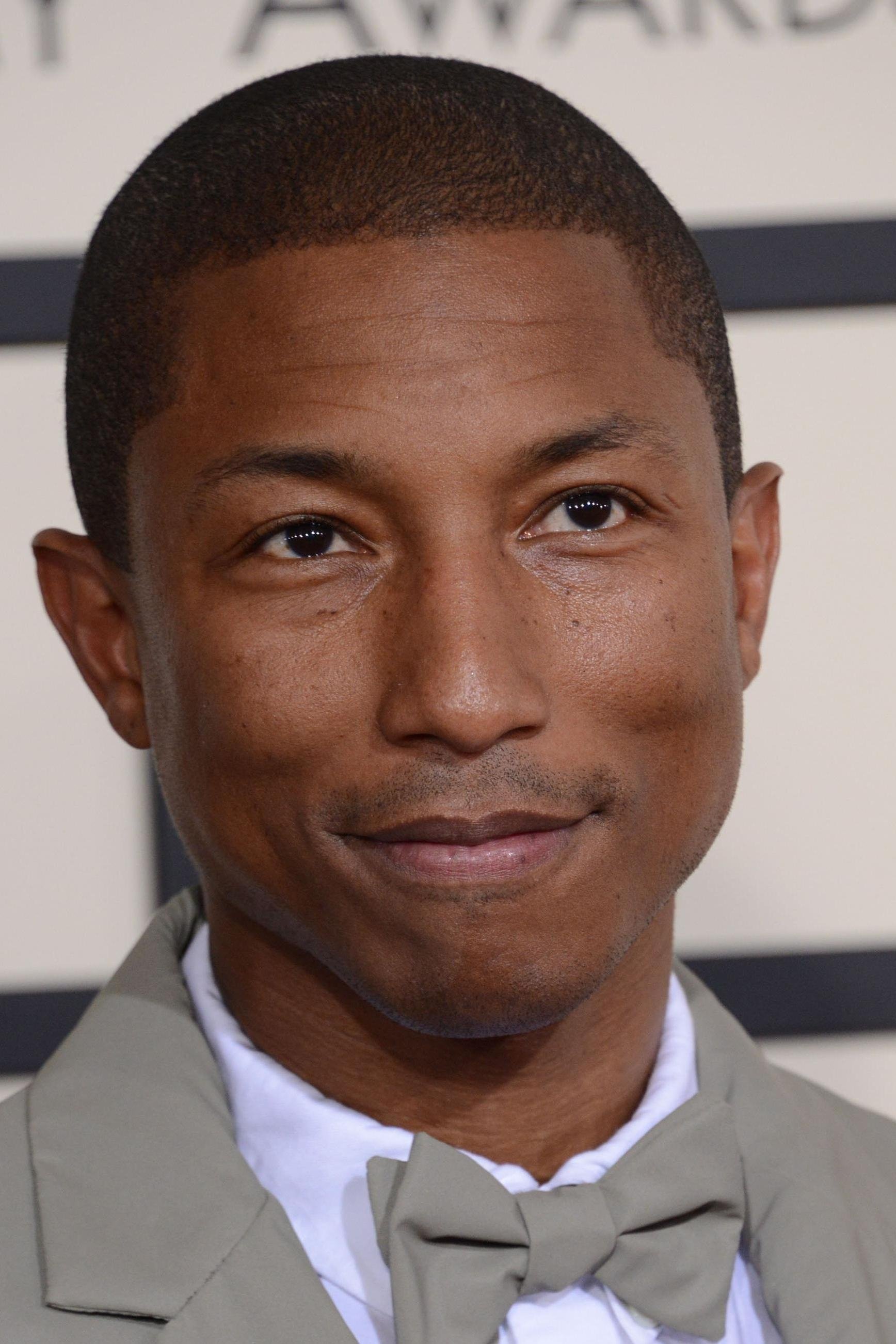
After ‘Happy’ was played at a rally held on the day of a mass shooting in 2018, Pharrell Williams sent a cease-and-desist letter to the president. His legal team noted that there was nothing happy about the tragedy and that the use of the song was disrespectful. The letter also pointed out that no permission had been granted for the public performance of the track at the event. Williams emphasized that he has not and will not grant consent for his music to be used by the campaign.
Rihanna
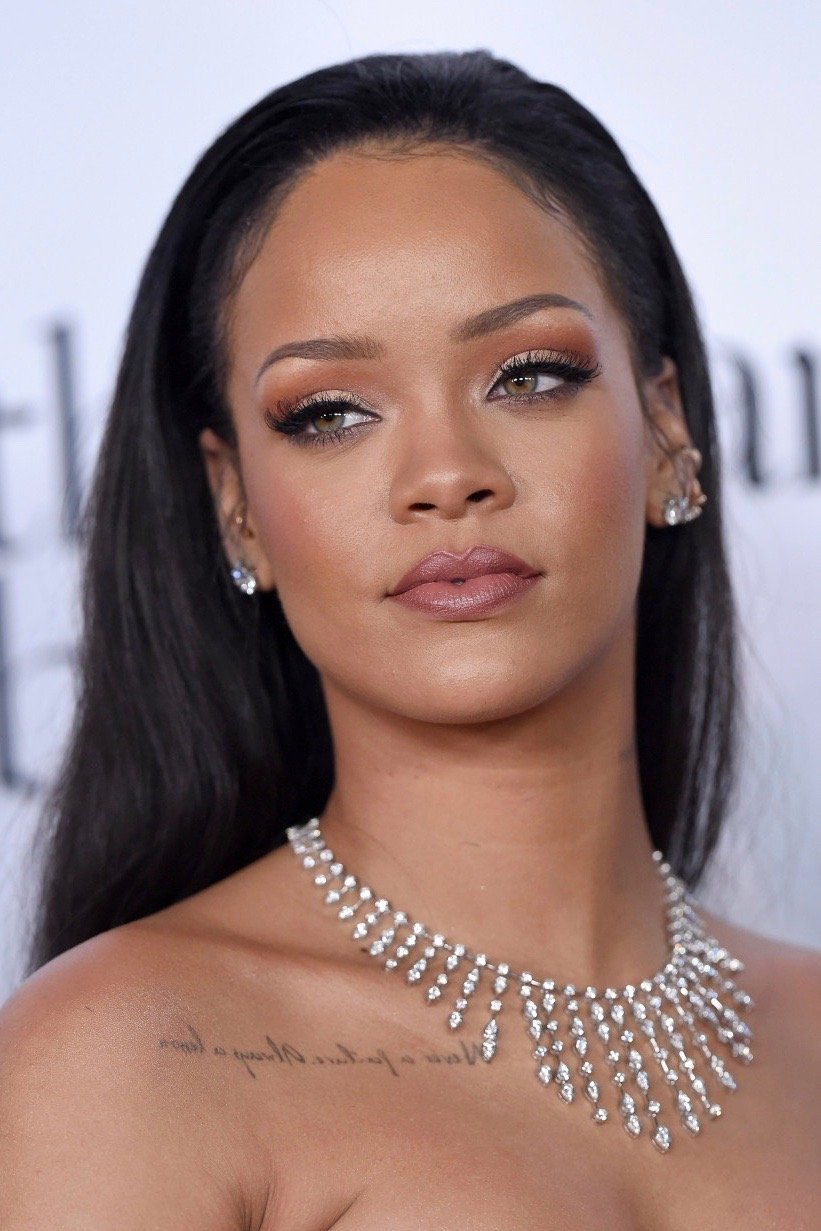
The singer discovered that her song ‘Don’t Stop the Music’ was being played at Republican rallies through a journalist’s social media post. She responded by stating that neither she nor her team would ever be at or around those rallies. Her legal team quickly sent a formal notice to the campaign to stop using her intellectual property. Rihanna has been a vocal critic of various Republican policies and wished to distance her brand from their events.
Isaac Hayes
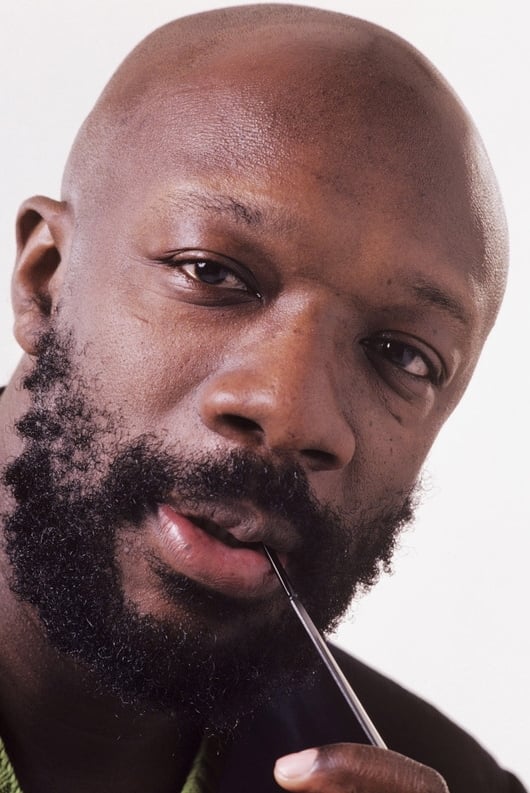
The estate of the late soul legend Isaac Hayes threatened legal action over the use of ‘Hold On, I’m Comin’ at several campaign events. His family pointed out that the usage occurred multiple times despite their clear lack of consent. They eventually filed a lawsuit seeking millions in damages for the unauthorized performances of the classic track. The estate emphasized the importance of protecting the integrity of the Hayes musical legacy from political association.
Beyoncé
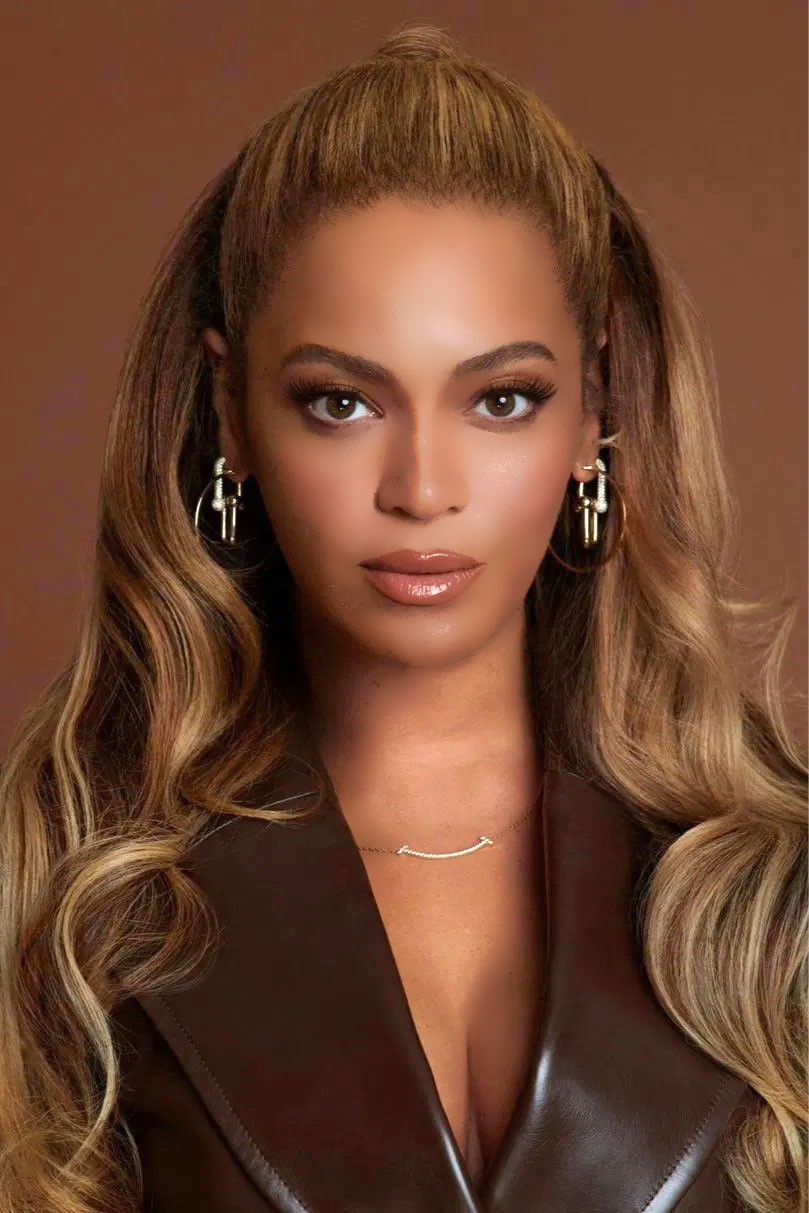
The campaign for Donald Trump posted a video featuring the song ‘Freedom’ while the candidate was deplaning. Beyoncé’s representatives reportedly threatened a cease-and-desist letter, as the song was already being utilized as an official anthem for the Kamala Harris campaign. The video was swiftly deleted from social media platforms following the threat of legal action. This marked a significant moment where a single song was being contested by two opposing political sides.
Céline Dion
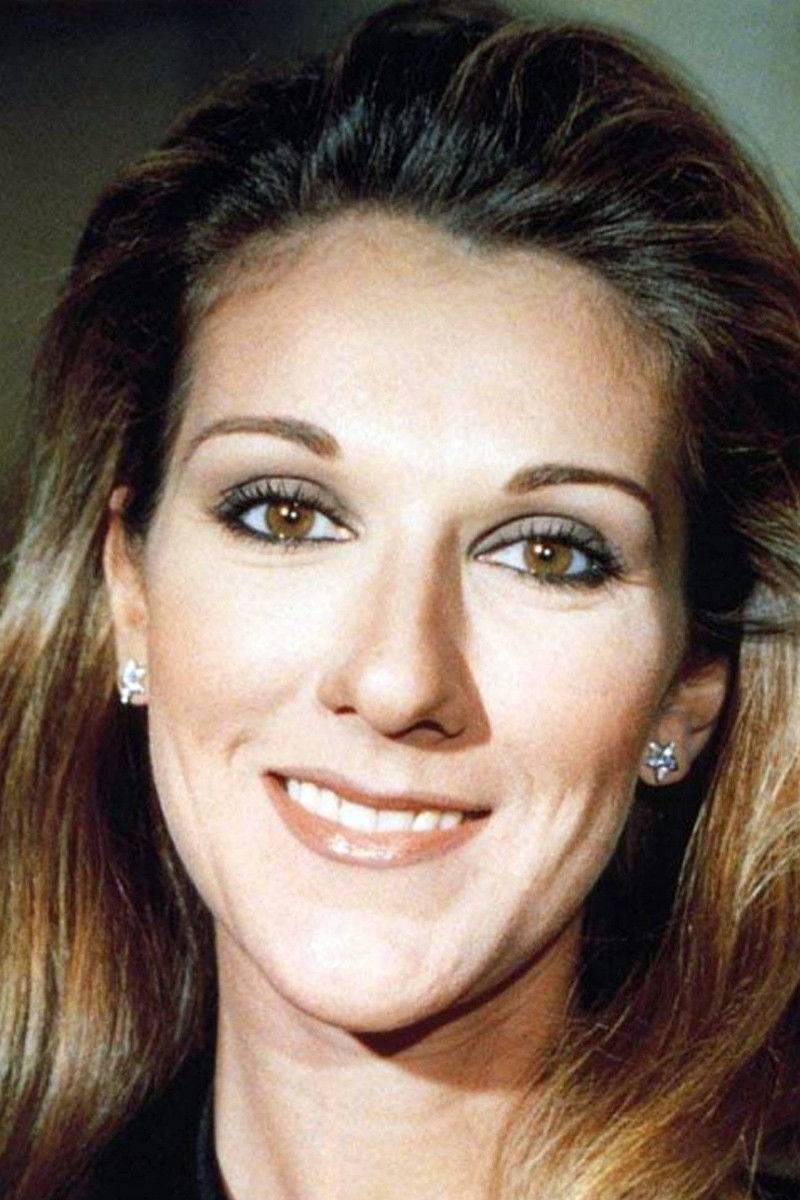
The management team for the Canadian singer issued a statement after ‘My Heart Will Go On’ was played at a rally in Montana. They clarified that the use was unauthorized and that Celine Dion does not endorse this or any similar use. The statement also questioned the choice of using a song famously associated with a sinking ship. Dion has remained consistent in preventing her ballads from being utilized in partisan political environments.
Sinéad O’Connor

The estate of the late Irish singer-songwriter expressed outrage over the use of ‘Nothing Compares 2 U’ at political events. They described the usage as a betrayal of her legacy, noting that she lived by a fierce moral code. The estate demanded an immediate stop to the use of her voice and music in any political context. They emphasized that O’Connor would have been disgusted to see her work used in such a manner.
Ozzy Osbourne
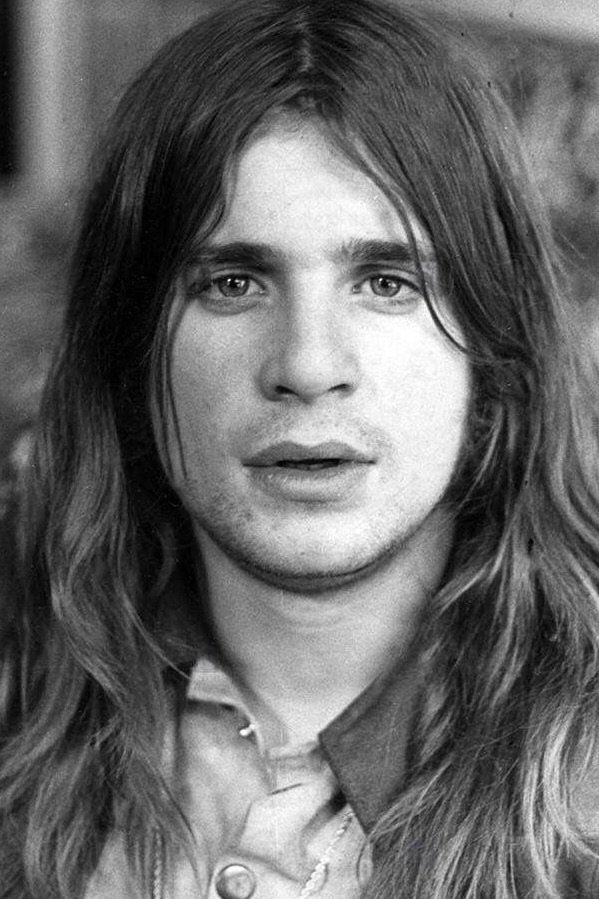
Sharon Osbourne issued a statement on behalf of her husband after the song ‘Crazy Train’ was used in a campaign video. She suggested that the campaign should instead reach out to musicians who might actually support their platform. The Osbournes stated that Ozzy’s music is not to be used by any political figure without express written consent. They highlighted that their music is meant to entertain rather than serve as a backdrop for political messaging.
Elton John
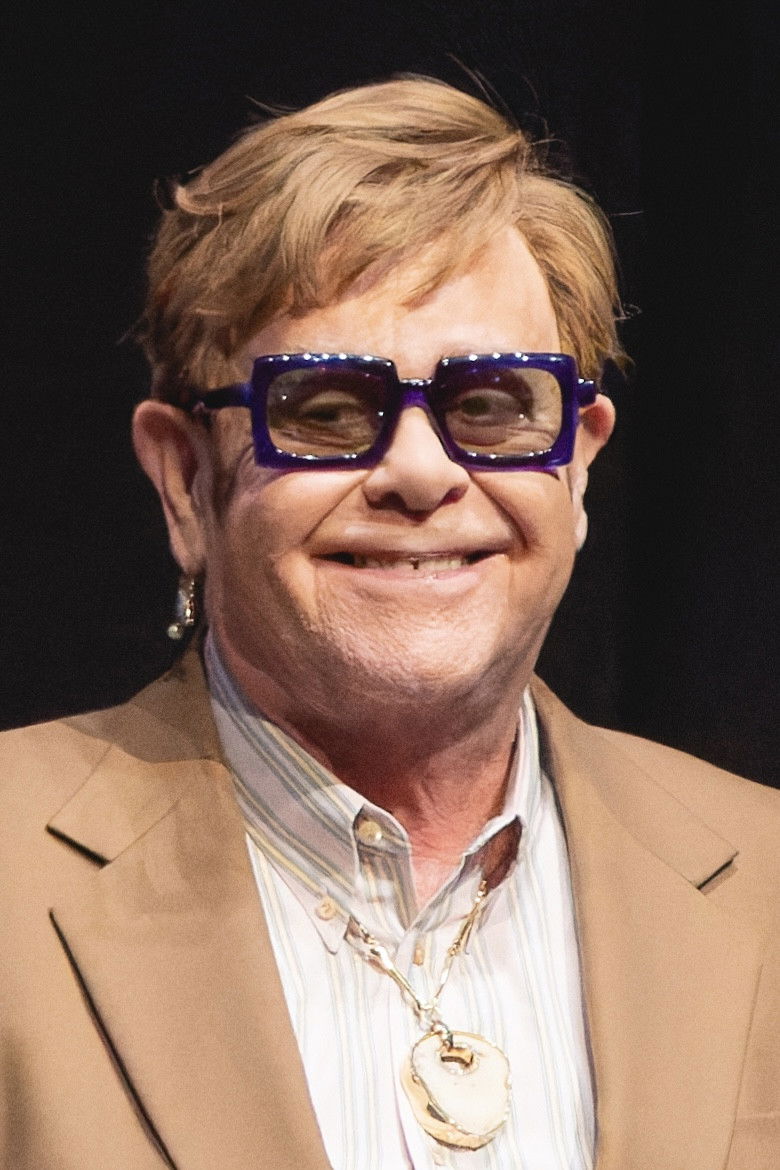
The British singer-songwriter objected to the use of ‘Rocket Man’ and ‘Tiny Dancer’ during Republican rallies in 2016. Elton John stated that he does not think a British artist should have their music played at American political events. He clarified that his objection was personal and that he did not want his music involved in the election process. Despite his personal acquaintance with some political figures, he maintained a strict no-music policy for their campaigns.
Phil Collins
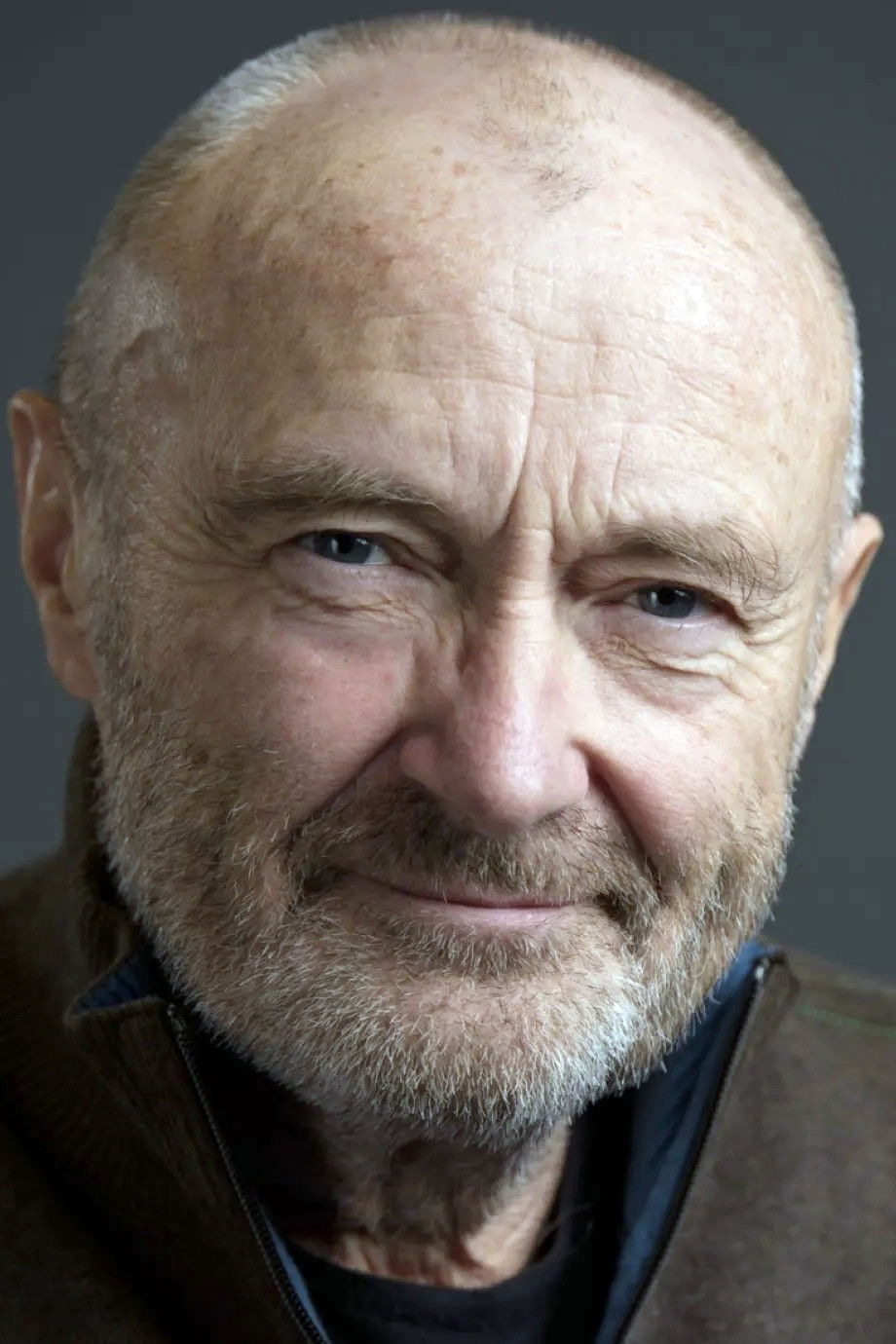
The singer-songwriter sent a cease-and-desist letter after ‘In the Air Tonight’ was played at a campaign event during the COVID-19 pandemic. Collins felt that the song’s tone was inappropriate for the setting and did not want to be associated with the candidate’s platform. His legal team asserted that the use of the song constituted an implied endorsement that was not granted. The campaign was urged to find alternative music that did not infringe upon the artist’s rights.
Prince
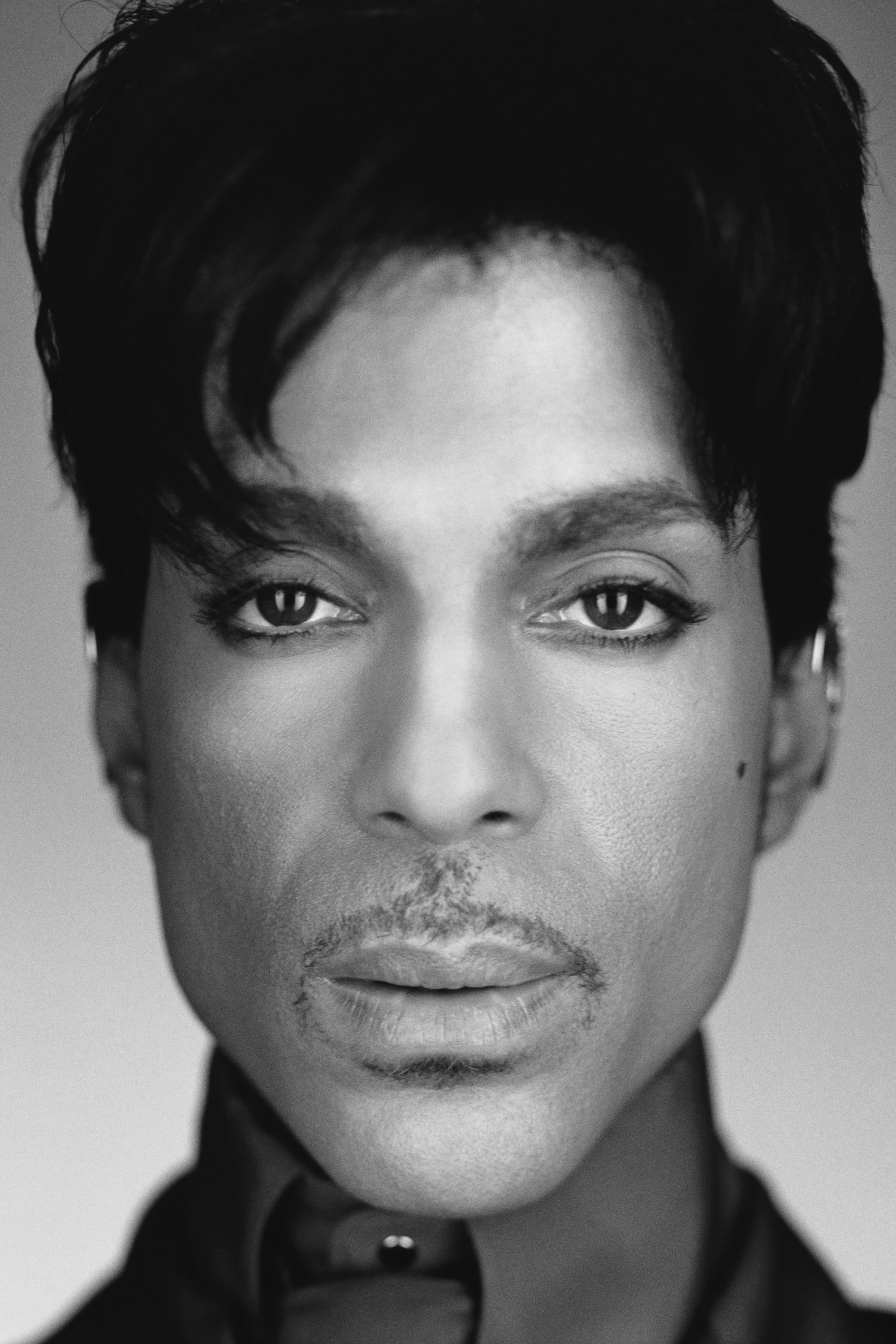
The estate of Prince issued multiple statements regarding the use of ‘Purple Rain’ at various political rallies. They noted that the artist had never authorized the use of his music for such purposes during his lifetime. The estate requested that the campaign respect the Prince legacy by removing his tracks from their official playlists. They have been proactive in monitoring public events to ensure his intellectual property is protected from political co-opting.
Share your thoughts on these musical disputes in the comments.