


Musicians Who Forced Entire Arenas to Change Rules Just for Them



The relationship between superstar musicians and the venues that host them is often a complex negotiation of logistics, safety, and comfort. While many performers provide a standard list of requirements for their dressing rooms, some legendary acts have pushed the boundaries of venue operations. These demands often result in permanent changes to how arenas manage crowds, security, and even their structural layouts. From banning certain foods to requiring major architectural adjustments, these artists demonstrated the immense power of a headlining act.
Morrissey

The former frontman of ‘The Smiths’ is a staunch advocate for animal rights and refuses to perform if meat is being prepared on-site. Arenas are frequently forced to shut down all concession stands that sell burgers, hot dogs, or any meat products for the duration of his stay. This policy extends to the backstage area, where venue staff are prohibited from bringing their own non-vegetarian meals. Some venues have even had to adjust their ventilation systems to ensure the smell of meat from nearby vendors does not reach the stage. This requirement forces a significant loss of revenue for food vendors during his tour dates.
Jack White

To encourage a more engaged audience experience, this musician requires venues to be completely phone-free environments. Fans are mandated to place their mobile devices in Yondr pouches, which are locked upon entry and can only be opened at designated stations. Arenas must hire additional staff to manage the distribution and unlocking of these pouches throughout the evening. This rule forces security teams to change their surveillance methods, as they can no longer rely on the glow of screens to identify crowd movements. The policy has since been adopted by other performers looking to minimize digital distractions during shows.
Paul McCartney
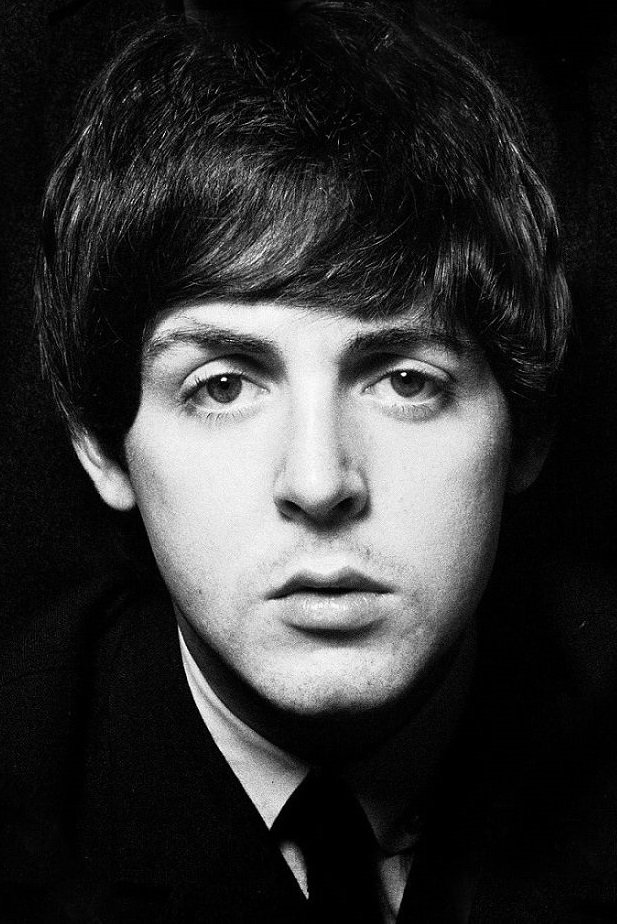
As a dedicated vegetarian, the former Beatle requires that no meat be served anywhere in the venue during his performances. This includes banning animal-based products from all catering, dressing rooms, and concession stands accessible to the public. He also mandates that the arena furniture must not be made of leather or fur, forcing venues to swap out or cover their existing decor. Staff members are often briefed on these strict guidelines weeks before the event to ensure compliance. These rules have turned major arenas into entirely vegan zones for the duration of his residency.
Beyoncé

The global icon has specific requirements for the environment of the arenas she plays, including the temperature of her dressing room and the water provided. She reportedly requires her dressing rooms to be kept at exactly 78 degrees and demands that all venue staff wear 100% cotton clothing to avoid allergic reactions or static. Some venues have had to install specific plumbing or filtration systems to ensure she has access to alkaline water served at a precise temperature. Her tours often require the installation of red toilet paper and new toilet seats at every stop. These demands force venue management to perform extensive renovations for a single night’s performance.
Prince
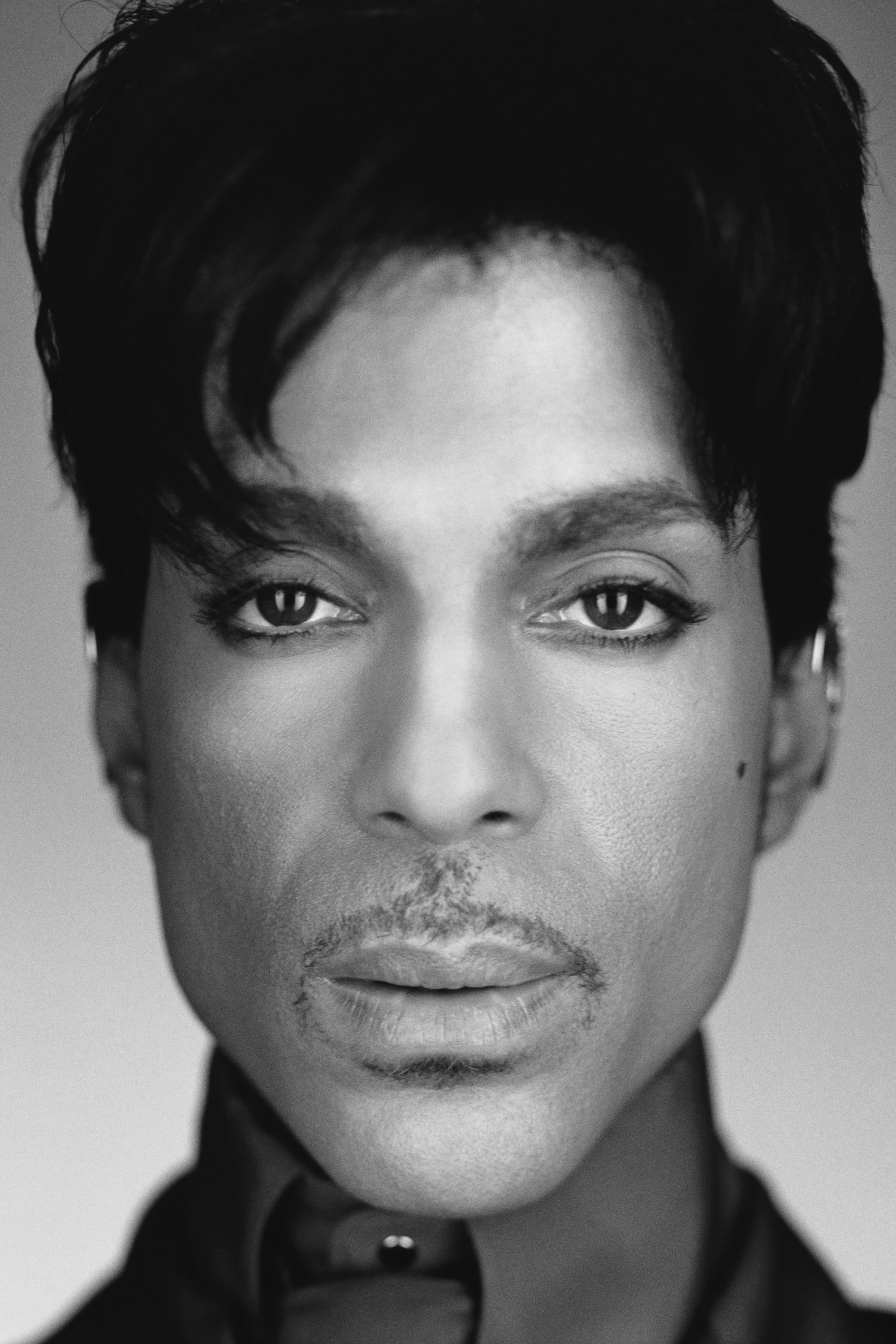
The late artist was known for requiring arenas to be transformed into “purple sanctuaries” to match his aesthetic. He often demanded that dressing rooms be repainted or re-carpeted in specific shades of purple before his arrival. To protect his voice, he required venues to maintain a high level of humidity in his immediate vicinity, sometimes necessitating industrial-grade humidifiers. Security at these arenas was often instructed to avoid making eye contact with the star, a rule that required special training for venue staff. These idiosyncratic requests forced arenas to treat his dressing area as a sovereign territory with its own set of laws.
Ariana Grande

Following the tragic events in Manchester, this artist implemented a strict clear bag policy for all her ‘Sweetener World Tour’ dates. Arenas that previously allowed opaque bags or backpacks were forced to update their security protocols and inform all ticket holders of the change. The singer provided fans with clear bags to ensure they could comply with the new venue rules without issue. This move standardized security measures across global venues, many of which kept the clear bag policy for future events. It represents a significant shift in how arena security evaluates the safety of personal belongings.
Drake

The rapper is known for bringing a personal, full-sized basketball court to many of the arenas on his tour. This requires the venue to clear a massive amount of floor space and adjust their load-in schedules to accommodate the installation. The court is often used for his personal recreation and as a VIP area for his entourage before and after the show. Arenas must coordinate with structural engineers to ensure the additional weight and layout do not interfere with the main stage setup. This demand significantly alters the standard logistics of a touring production.
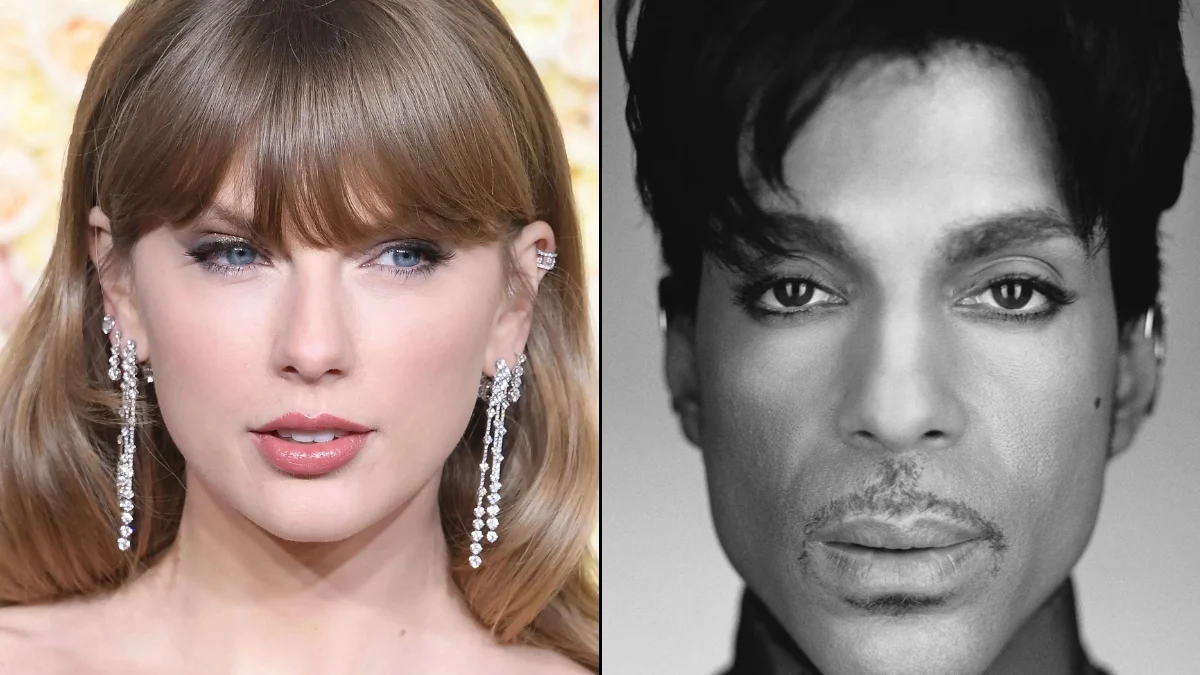
Taylor Swift

For ‘The Eras Tour’, the sheer scale of the production forced stadiums and arenas to adjust their typical operating hours. The massive stage design requires a load-in process that starts days earlier than standard concerts, forcing venues to block out longer “dark days.” Cities hosting the tour have often had to change public transportation schedules and city ordinances to accommodate the massive influx of fans. Security protocols for “Tay-gating,” where fans gather outside the venue without tickets, had to be newly developed by arena management. These changes reflect the unprecedented logistical impact of her modern touring career.
Britney Spears

During her ‘Circus’ tour and subsequent residencies, the pop star mandated a total ban on alcohol backstage and in all common areas. This rule applied not only to her personal team but to all venue staff and invited guests. Arenas were required to clear out their bars and hospitality suites to ensure no alcohol was present on the premises. This was a significant shift for venues that typically rely on alcohol sales and hospitality as a primary source of revenue. The policy was strictly enforced by her security team to maintain a healthy environment for the performer.
Madonna

The “Queen of Pop” has a 50-page rider that includes a demand for her dressing room to be exactly like her own home. This forces arenas to remove all existing furniture and replace it with her personal pieces, which are shipped around the world. She also requires that 30 bodyguards be present at all times and that no one speaks to her unless spoken to first. Venues must also provide a dedicated room for her 20 international phone lines and a specific floral arrangement of lilies and roses. These requirements force arenas to dedicate entire wings of their facility to her personal and professional needs.
Jennifer Lopez

Known for her “all-white” dressing room requirement, she forces arenas to redecorate their backstage areas from floor to ceiling. This includes white furniture, white candles, white flowers, and even white tablecloths for the catering area. Venues often have to paint walls or hang extensive white draping to hide any colored surfaces. She also has specific requirements for the temperature and brand of water provided, which must be served chilled. These aesthetic demands force a complete visual overhaul of the standard backstage environment.
Kanye West

The artist is known for requiring that all lighting in the venue be adjusted to specific hues, often banning fluorescent lights entirely. He has also demanded that venue staff wear natural fibers and avoid man-made materials to prevent static and maintain a specific “vibe.” During his ‘Saint Pablo’ tour, the use of a floating stage forced arenas to undergo rigorous structural safety inspections and install new rigging points. Security staff often had to be retrained on how to manage a crowd that was moving underneath the performer. These technical and aesthetic requirements pushed the boundaries of venue architecture and safety.
Lady Gaga

During her ‘Born This Way Ball’ tour, the singer utilized a massive castle-themed stage that required significantly more setup time than typical productions. Arenas were forced to grant the tour “dark days” for load-in, often closing the venue to other events for several days prior to the concert. This disrupted the typical schedule of sports teams and other performers who shared the space. The complexity of the stage also required venues to provide specialized electrical power outputs that exceeded standard arena capabilities. These requirements forced many older venues to upgrade their electrical infrastructure to host the show.
Bob Dylan

The legendary folk singer has a strict policy regarding his privacy and the behavior of venue staff during his ‘Never Ending Tour’. He requires that all staff members avoid looking him in the eye and prohibits anyone from asking for autographs or photos backstage. Arenas must hold mandatory meetings to brief every employee, from janitors to security, on these conduct rules. Failure to comply can result in the immediate dismissal of the staff member from the backstage area. This creates a highly controlled and silent environment within the usually bustling arena backstage.
Justin Bieber

The pop star has implemented rules that prohibit venue staff from using their cell phones anywhere near him or his dressing room. Arenas must set up “phone check” stations for their own employees to ensure no unauthorized photos or videos are taken. He also requires a specific level of silence in the hallways when he is moving from his dressing room to the stage. This forces security to clear out entire corridors and halt all venue operations temporarily. These rules have turned standard venue halls into high-security “silent zones” during his tours.
Marilyn Manson
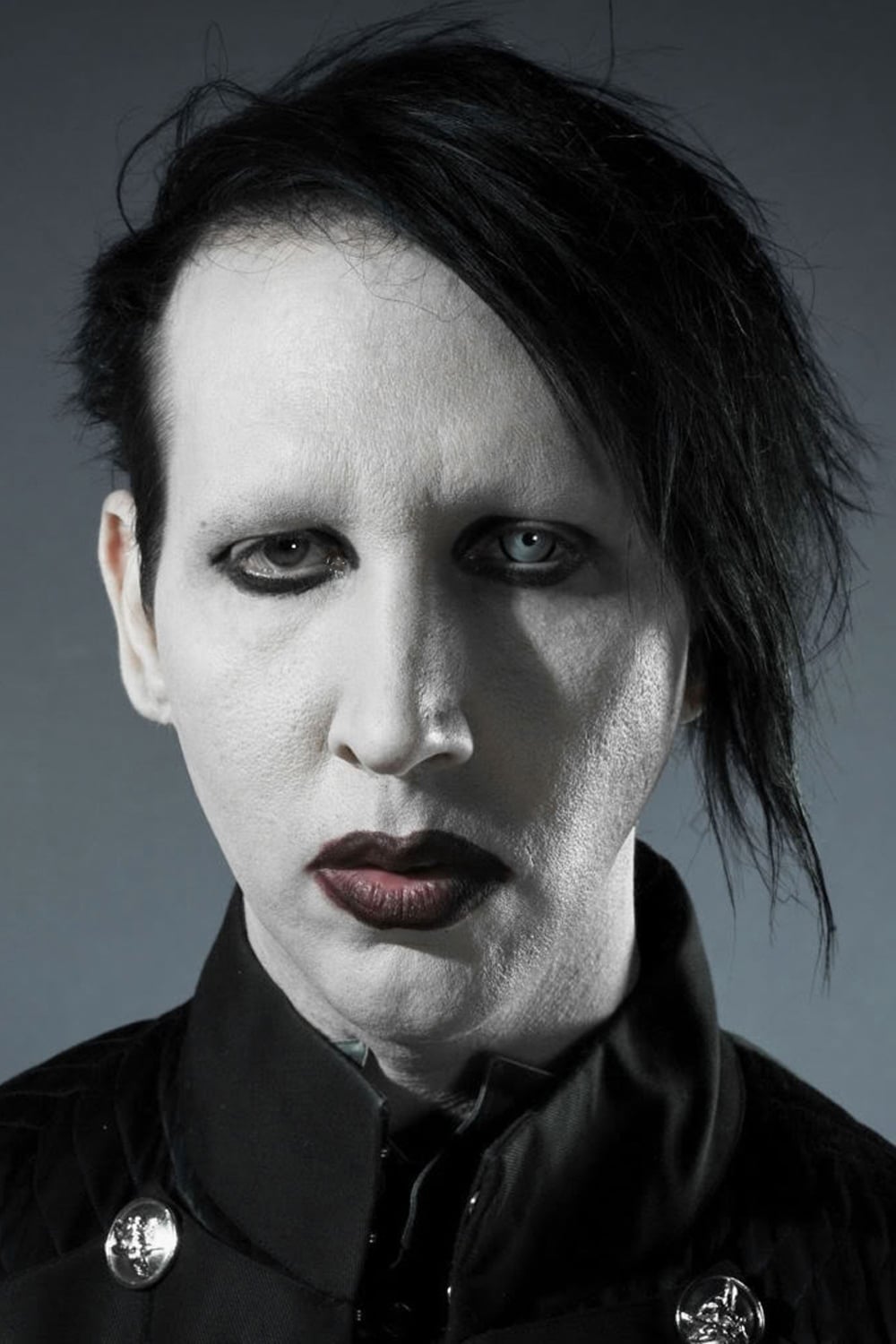
The controversial rocker frequently challenged venue policies regarding religious imagery and content during his early tours. Many arenas were forced to cover up existing religious symbols or permit the artist to use props that were deemed offensive by local communities. This led to a series of legal battles between the artist, the venues, and local city councils over the right to perform. Arenas were often forced to hire extra private security to manage protesters and ensure the safety of the performer. His presence often required venues to adopt new policies regarding freedom of expression and public safety.
Alice Cooper
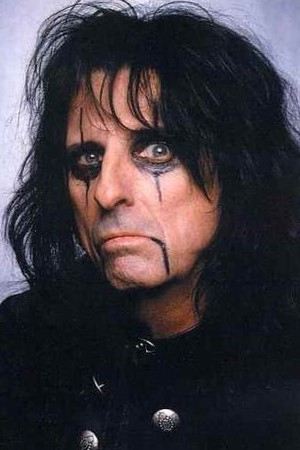
Known for his theatrical shows involving guillotines, snakes, and fake blood, this artist requires specialized storage and handling protocols. Arenas must provide secure, temperature-controlled environments for his live snakes, which must be inspected by local animal control officers. The use of elaborate stage props requires venues to pass rigorous safety inspections and provide extra insurance coverage. Stage crews are often required to undergo specific training to handle the dangerous-looking equipment safely. These requirements force venues to operate more like theatrical houses than standard music arenas.
Pharrell Williams
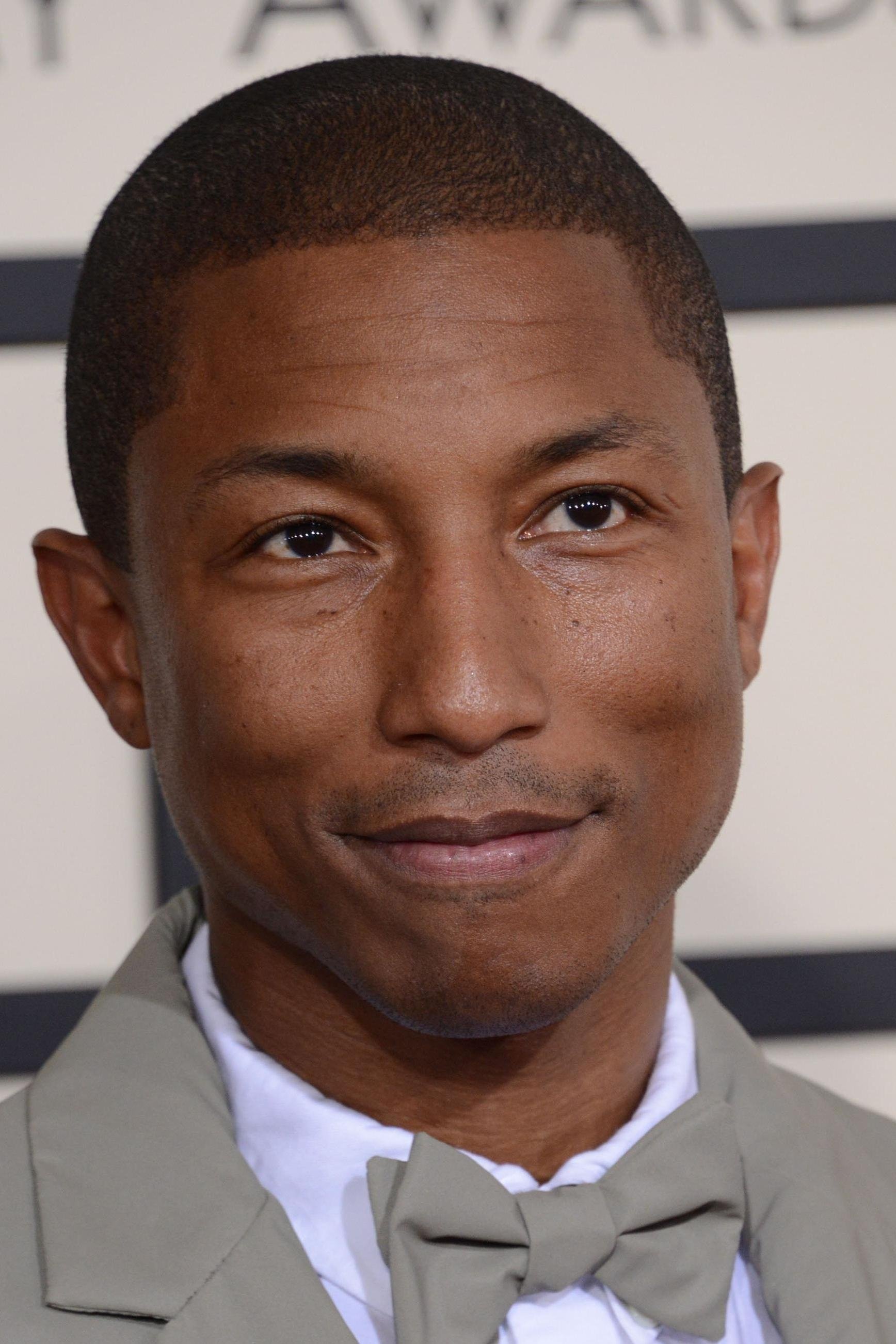
This musician’s rider famously included a request for a framed picture of astronomer Carl Sagan to be placed in his dressing room. While seemingly minor, it forced venue runners to track down specific items that were not readily available in every city. This requirement served as a test of the venue’s attention to detail and their ability to fulfill unconventional requests. If the photo was missing, it signaled to the management that the venue might not be fully prepared for the more technical aspects of the show. It remains one of the most famous examples of a “sanity check” in a tour rider.
Mariah Carey

The superstar is known for demanding specific atmospheric conditions, such as 20 humidifiers and specific lighting, to protect her vocal cords. She has also requested that venues provide a certain number of kittens and white doves for her dressing room area. While the animal requests are not always granted, they force venue management to engage in lengthy negotiations regarding animal welfare and local ordinances. She also requires that all hallways be lined with heavy drapes to maintain a specific temperature and aesthetic. These demands force arenas to temporarily alter their interior climate and layout.
Janet Jackson

The artist is known for maintaining a highly controlled environment during her rehearsals, often requiring the entire arena to be cleared of non-essential personnel. This forces venue management to pause all maintenance, cleaning, and administrative work while she is in the building. Security is instructed to block all entrances and exits to ensure no one can catch a glimpse of the production before the show. This level of secrecy requires arenas to change their standard operational flow for the entire day of the performance. Her strict “closed set” policy is among the most rigorous in the entertainment industry.
Please share your thoughts on these musician demands in the comments.