


Musicians Who Refused to Change Their Image for the Industry

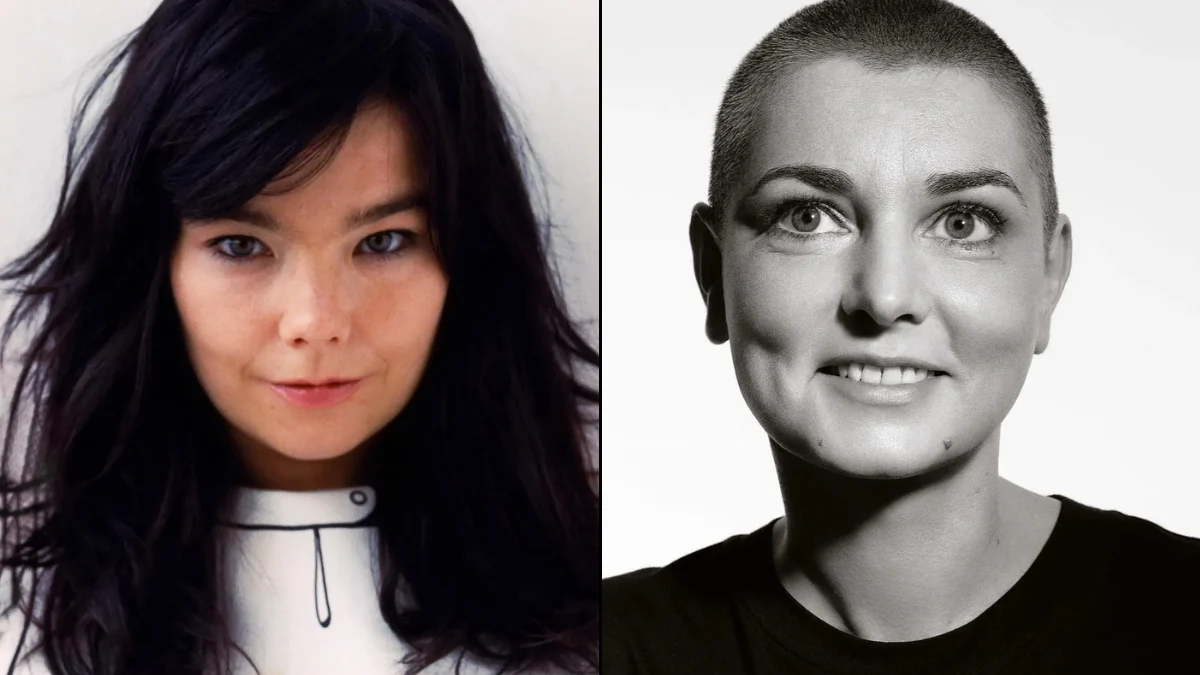


The music industry is often characterized by its shifting trends and the immense pressure it places on artists to maintain a marketable appearance. While many performers adapt their look to suit corporate expectations, a select group of legendary musicians has famously resisted these demands. These individuals chose to prioritize their personal identity and artistic vision over the polished standards of record labels and mainstream media. By refusing to compromise, they not only maintained their integrity but also redefined beauty and style for future generations. Their steadfast commitment to authenticity has become a defining element of their enduring legacies.
Dolly Parton
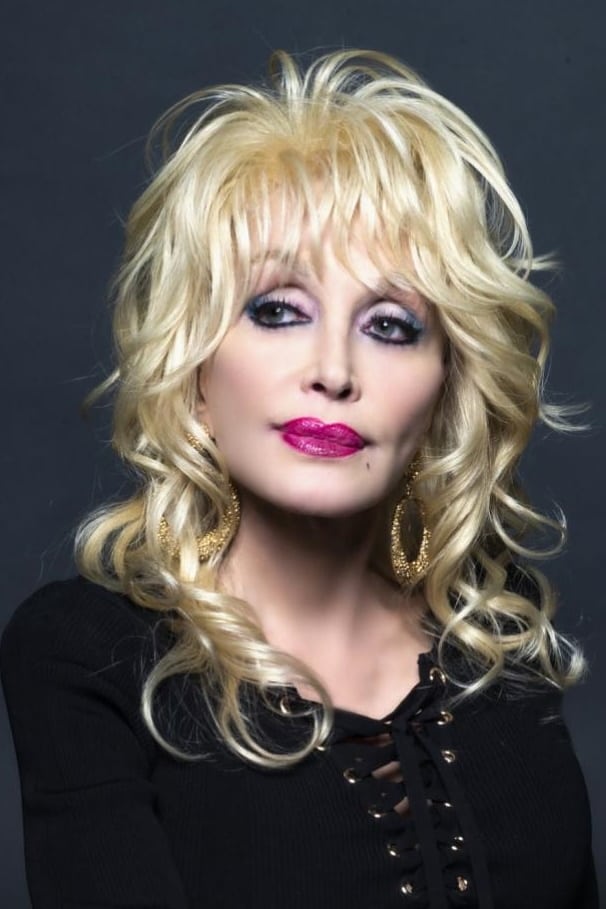
The country music legend famously refused to tone down her flamboyant appearance when industry executives suggested she look more conservative. She maintained her signature wigs, high heels, and heavy makeup throughout her decades-long career. Her image was inspired by a local woman in her hometown, and she committed to this persona despite being told it would hinder her success. She even wrote the song ‘Backwoods Barbie’ to address the misconceptions about her look. Parton proved that her distinct aesthetic and immense songwriting talent could coexist without compromise.
Prince
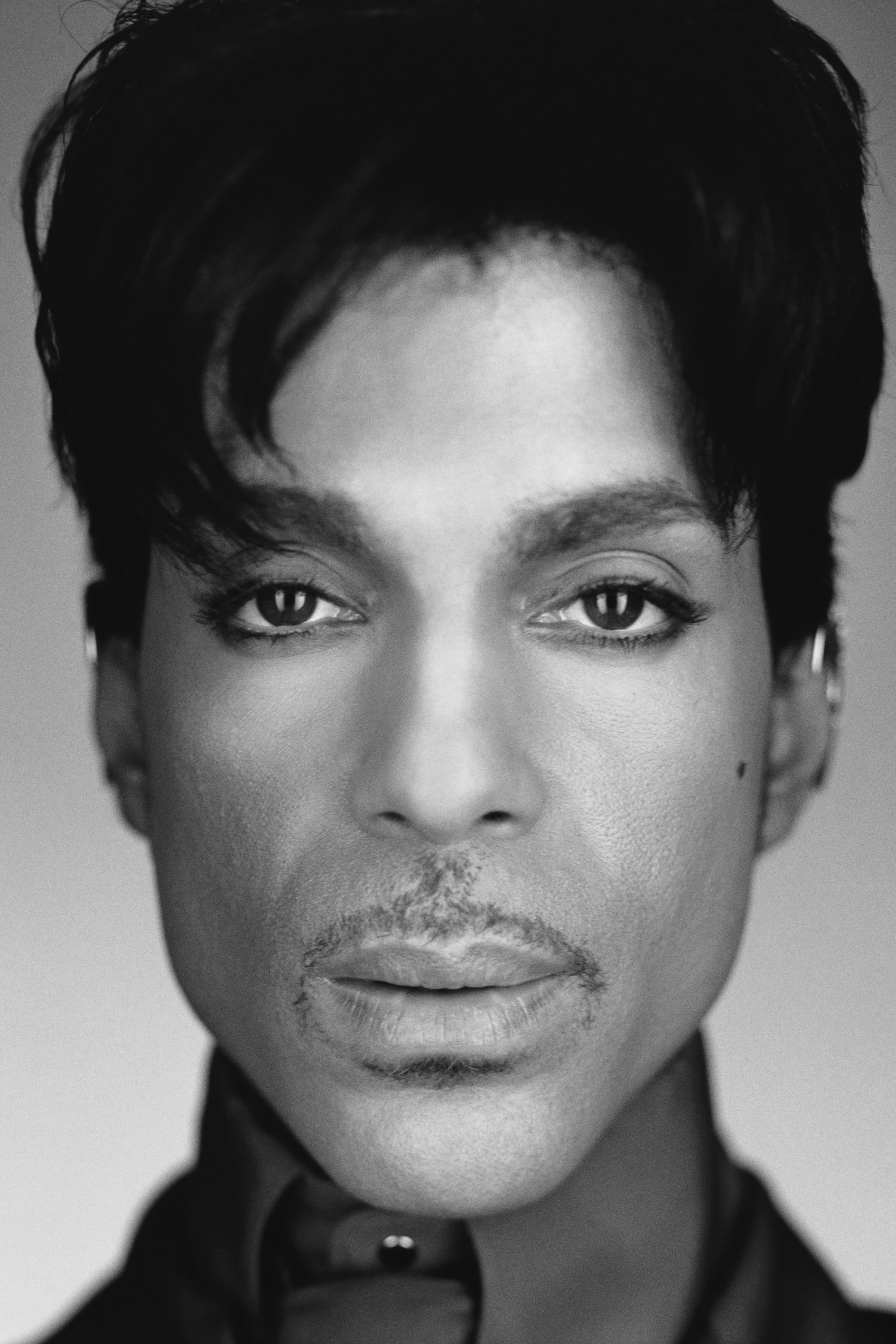
The iconic multi-instrumentalist spent his career fighting for complete control over his music and public persona. He famously wrote “SLAVE” on his face during a legal battle with Warner Bros. to protest the industry’s control over artists. Prince refused to conform to traditional gender norms, often appearing in lace, high heels, and ruffled shirts. His commitment to his visionary style helped him create a unique brand that spanned ‘Purple Rain’ and beyond. He remained a symbol of artistic independence until his death.
Sinéad O’Connor

The Irish singer-songwriter chose to shave her head as a direct act of defiance against her record label. Executives at Chrysalis Records reportedly wanted her to grow her hair long and wear short skirts to appeal to a wider audience. O’Connor responded by removing her hair to ensure her music was the primary focus rather than her physical appearance. This bold choice became her most recognizable trait throughout the success of ‘The Lion and the Cobra’. She continued to challenge industry expectations regarding religion and politics for the remainder of her life.
Adele
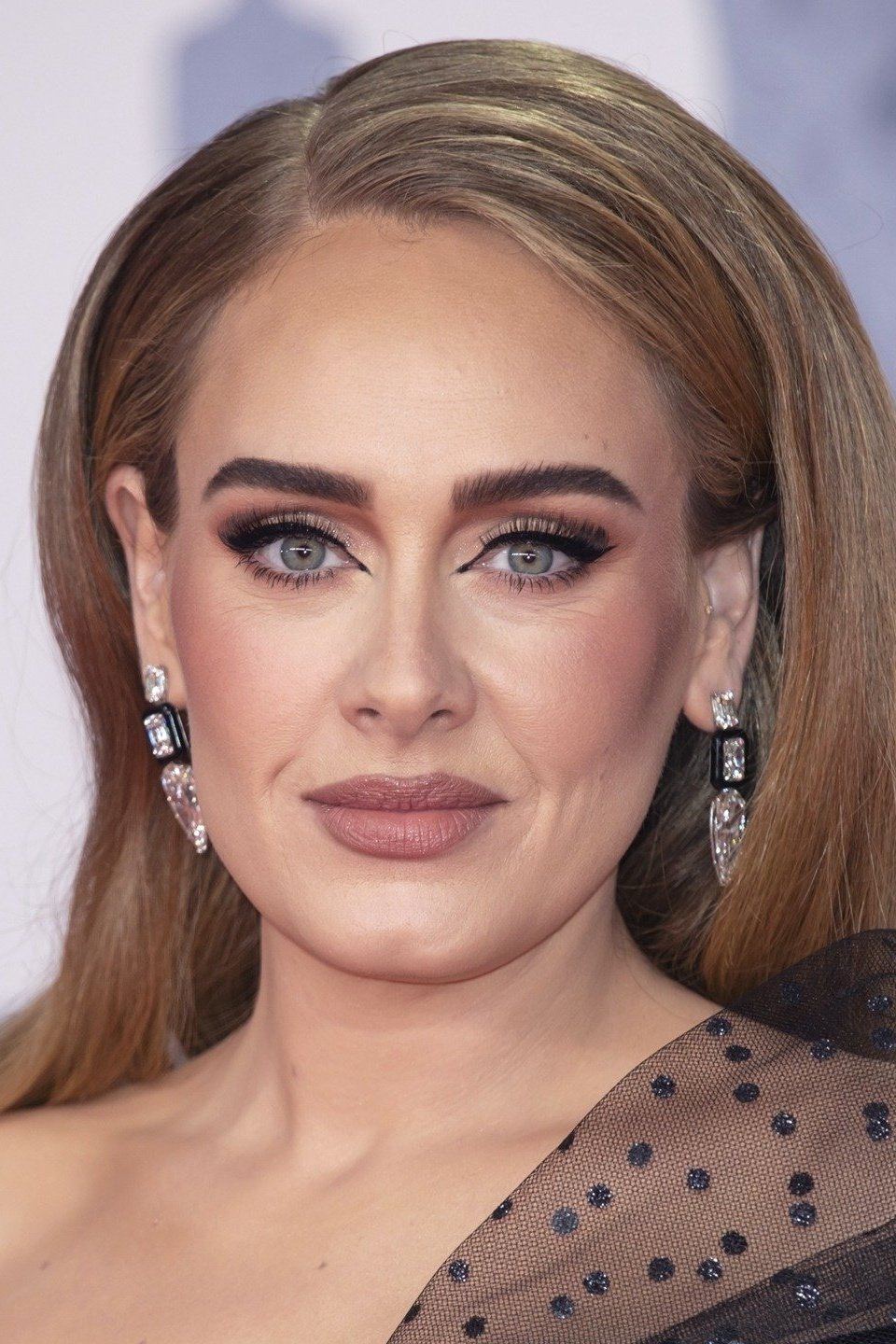
The powerhouse vocalist has consistently refused to conform to the physical standards often expected of female pop stars. Early in her career, she made it clear that she would not lose weight or change her appearance to sell records. Adele emphasized that her music was for the ears rather than the eyes, a stance that resonated with millions of fans. Despite the immense pressure of global fame following the release of ’21’, she maintained her personal boundaries and authentic style. Her success demonstrated that talent and vocal ability could overcome industry beauty norms.
Billie Eilish
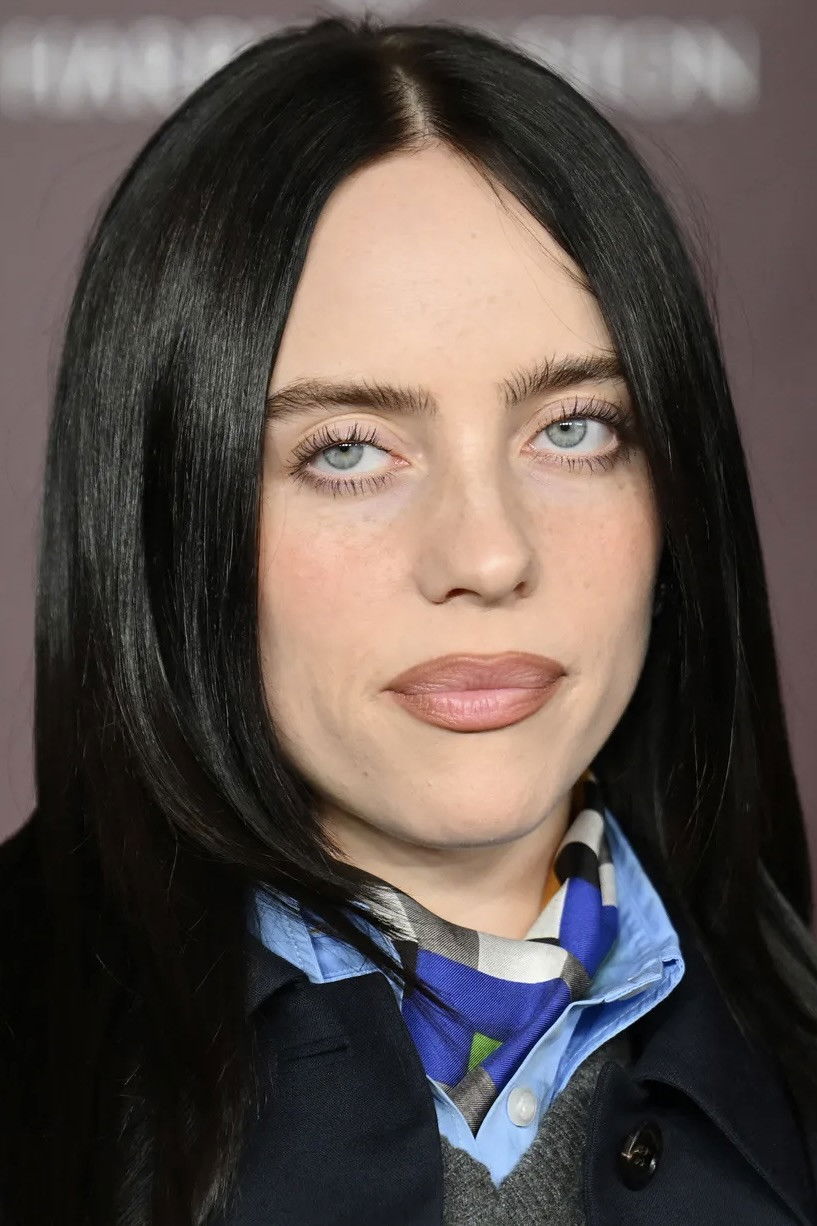
During the rise of her career, this artist became known for wearing oversized, baggy clothing to prevent the media from commenting on her body. She explicitly stated that her fashion choice was a strategic move to avoid being sexualized by the music industry and the public. Eilish maintained this look throughout the promotion of her debut album ‘When We All Fall Asleep, Where Do We Go?’. By controlling how much of her silhouette was visible, she shifted the focus entirely to her artistic output. She has since evolved her style but remains vocal about her right to define her own image.
Bob Dylan

The legendary songwriter famously revolted against the expectations of the folk music community in the mid-1960s. After becoming a figurehead for the protest movement, he surprised fans by switching from acoustic to electric guitar at the Newport Folk Festival. He refused to remain the “voice of a generation” and instead pursued a more personal, rock-oriented sound. Despite facing boos and accusations of betrayal, Dylan never returned to the narrow path the industry had paved for him. This refusal to stagnate led to groundbreaking albums like ‘Highway 61 Revisited’.
Sia
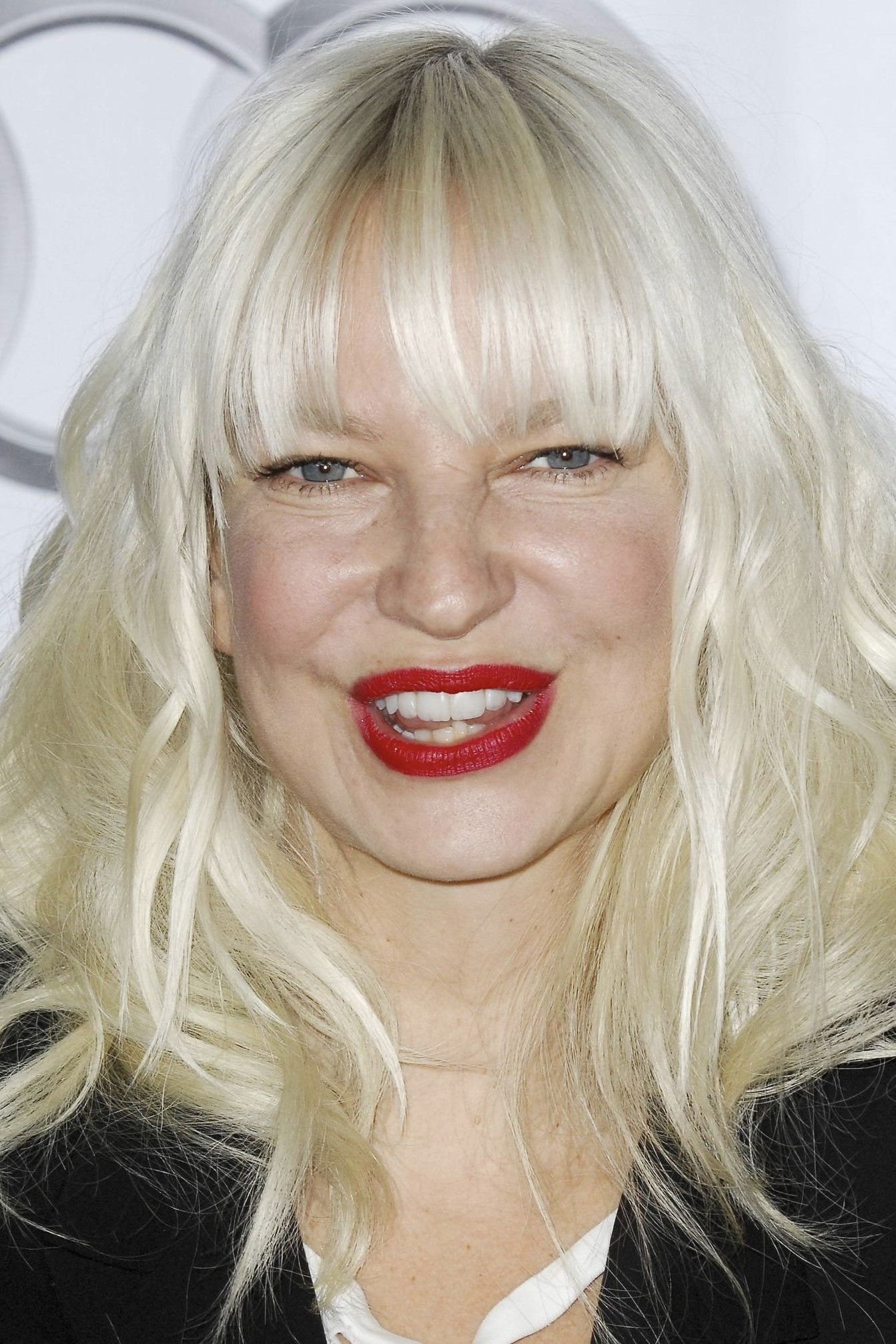
The Australian singer and songwriter decided to hide her face behind elaborate wigs and costumes to maintain her privacy. After experiencing the pressures of fame, she chose to use her image as a way to separate her personal life from her professional persona. She often uses dancers or actors to represent her in music videos and live performances for songs like ‘Chandelier’. Sia resisted the industry’s demand for a visible, marketable face, focusing instead on her songwriting and vocal performance. This choice became a definitive part of her brand and artistic identity.
Cyndi Lauper
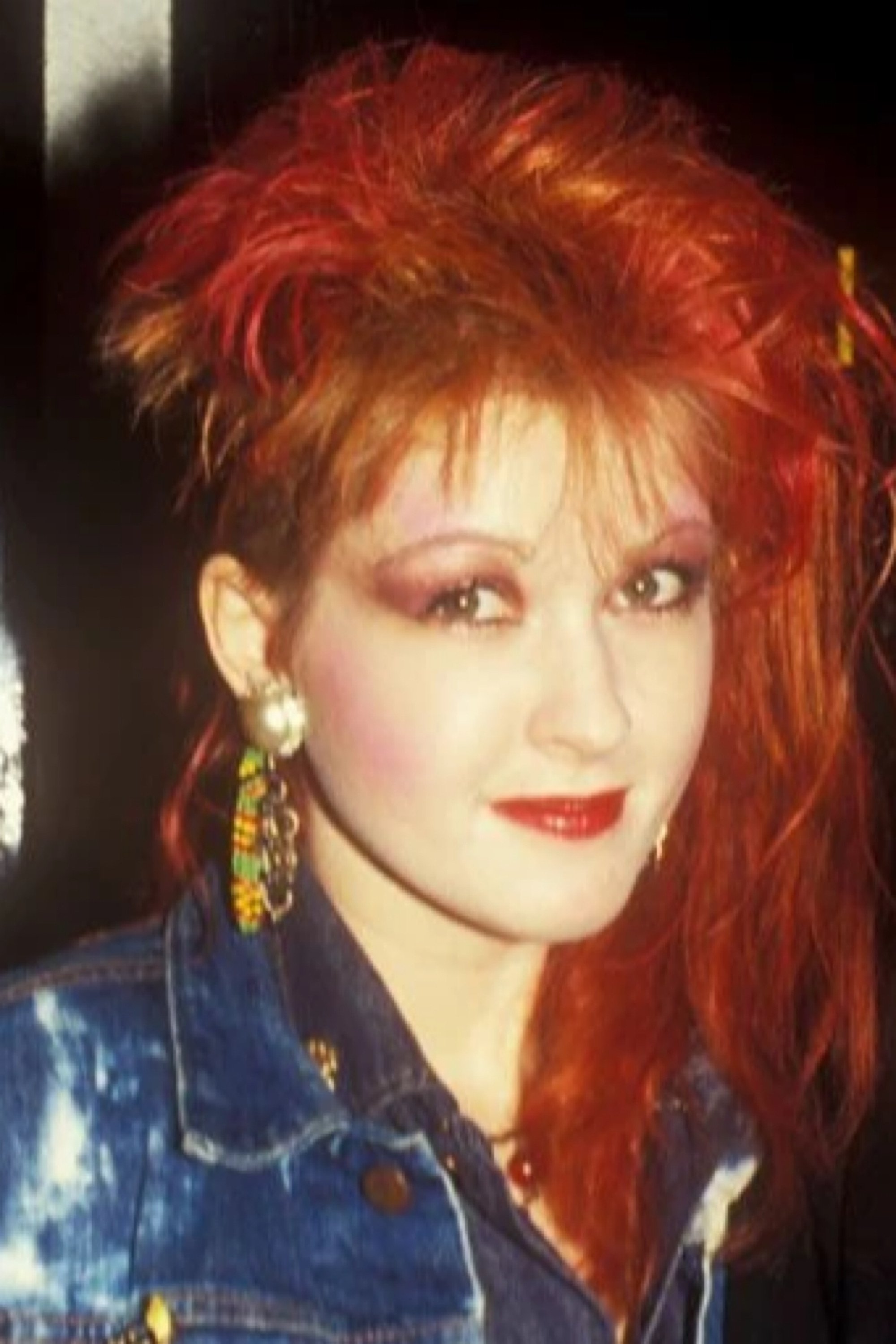
With her bright hair and eclectic fashion sense, this artist was a vibrant contrast to the more polished pop stars of the 1980s. Her label initially had concerns about her unconventional look and “wacky” persona. Lauper insisted on keeping her thrift-store-inspired aesthetic, which became iconic following the success of ‘She’s So Unusual’. She used her platform to celebrate individuality and encouraged her fans to embrace their own unique styles. Her refusal to conform helped her become one of the most recognizable figures in music history.
Björk

The Icelandic musician has spent her entire career pushing the boundaries of both sound and fashion. She is known for her avant-garde stage outfits and red-carpet appearances, such as her famous swan dress. Björk has consistently ignored the commercial pressure to adopt a more mainstream, accessible image. Her commitment to her experimental vision is evident in projects like ‘Homogenic’ and ‘Vulnicura’. She remains a pioneer who values artistic expression over industry-mandated aesthetics.
Janelle Monáe
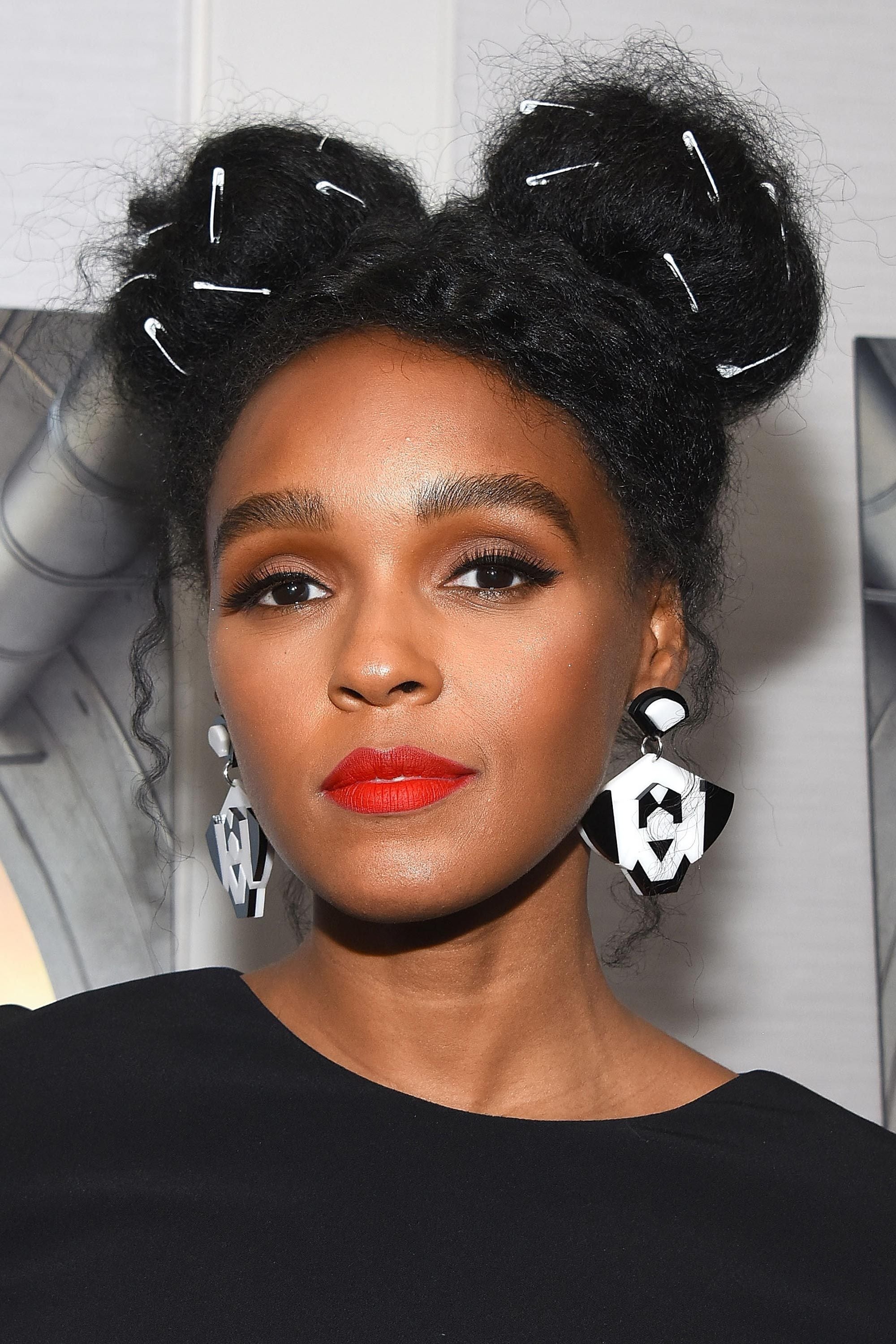
For many years, this artist exclusively wore black and white tuxedos as a tribute to her working-class roots. She resisted the pressure to adopt a more revealing or traditionally feminine image often pushed on female R&B stars. Monáe used her uniform to create a sense of mystery and to focus attention on her conceptual storytelling. Albums like ‘The ArchAndroid’ showcased her ability to blend genres while maintaining a strictly defined visual palette. She eventually expanded her style, but only after establishing herself as an uncompromising creative force.
Amy Winehouse
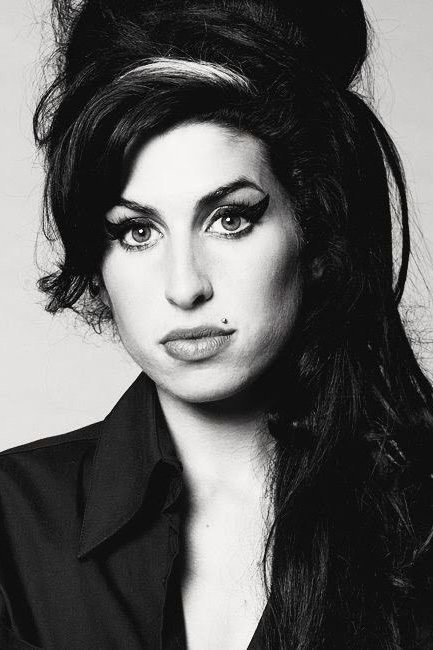
The late soul singer was known for her towering beehive hairstyle and heavy eyeliner, which drew inspiration from 1960s girl groups. Despite her massive commercial success, she refused to soften her image or hide her tattoos for the sake of the industry. Winehouse’s aesthetic was deeply personal and reflected her love for jazz and Motown history. Her look remained consistent from the release of ‘Back to Black’ until her passing. She proved that an authentic, retro-inspired persona could dominate the modern pop charts.
Kurt Cobain
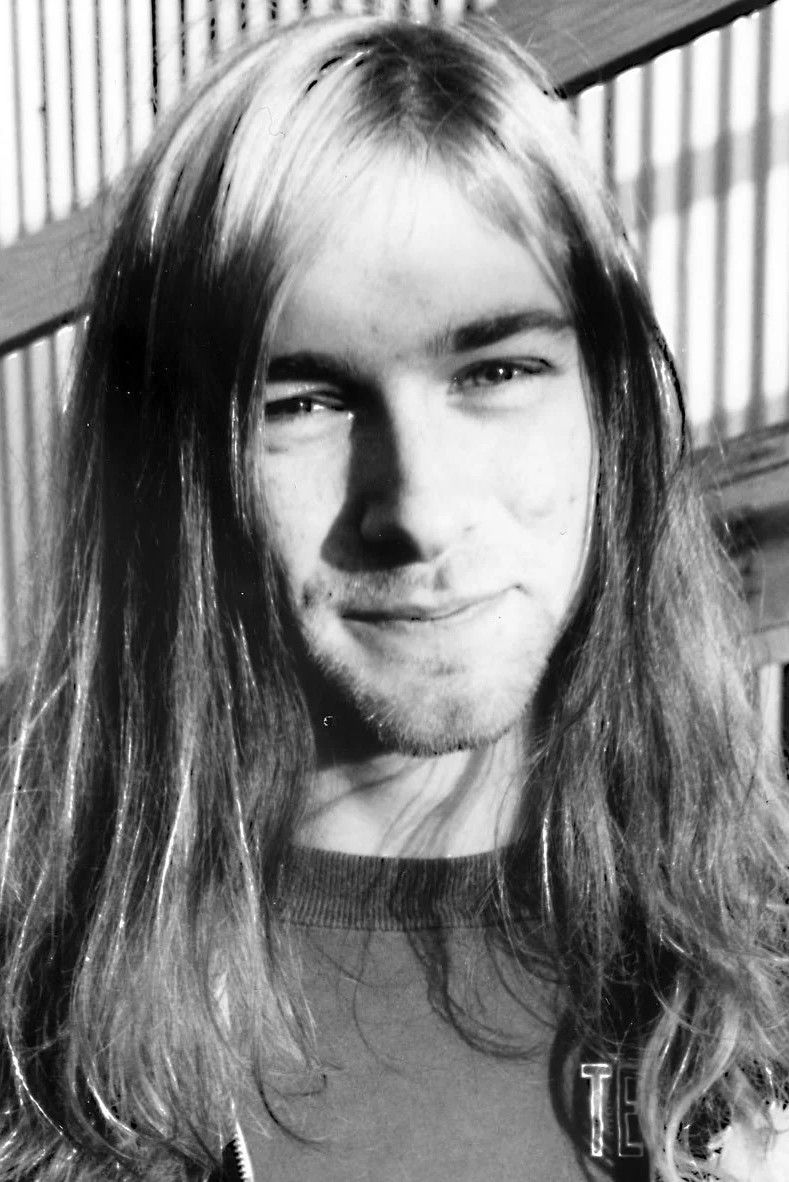
As a prominent solo icon and frontman, he popularized the grunge aesthetic that consisted of flannel shirts and distressed denim. Even as he became one of the biggest stars in the world, he refused to adopt the flashy image of 1980s rock legends. Cobain often appeared on television and in magazines looking unkempt as a rejection of corporate polished standards. His authentic, anti-establishment look was a reflection of his personal values and musical philosophy. This refusal to change his image helped define an entire generation of alternative music.
Lorde
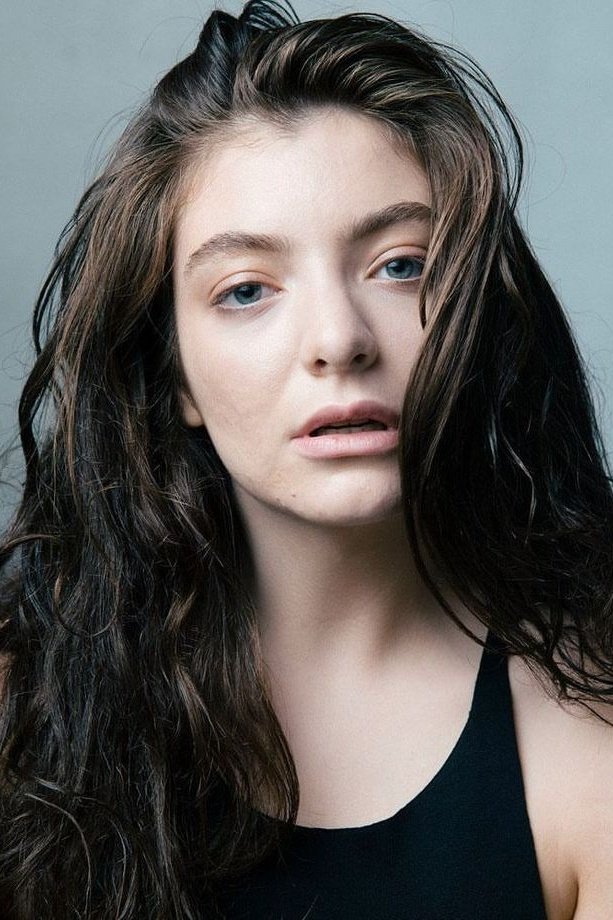
The New Zealander entered the music scene with a dark, minimalist aesthetic that contrasted with the “bubblegum” pop of the time. She resisted pressure to use auto-tune or wear high-glamour outfits during the promotion of ‘Pure Heroine’. Lorde often appeared in dark clothing with natural hair, emphasizing a relatable and somewhat gothic persona. She spoke openly about the artifice of the music industry and her desire to remain grounded. Her steadfast commitment to her original vision made her a global superstar on her own terms.
Lana Del Rey
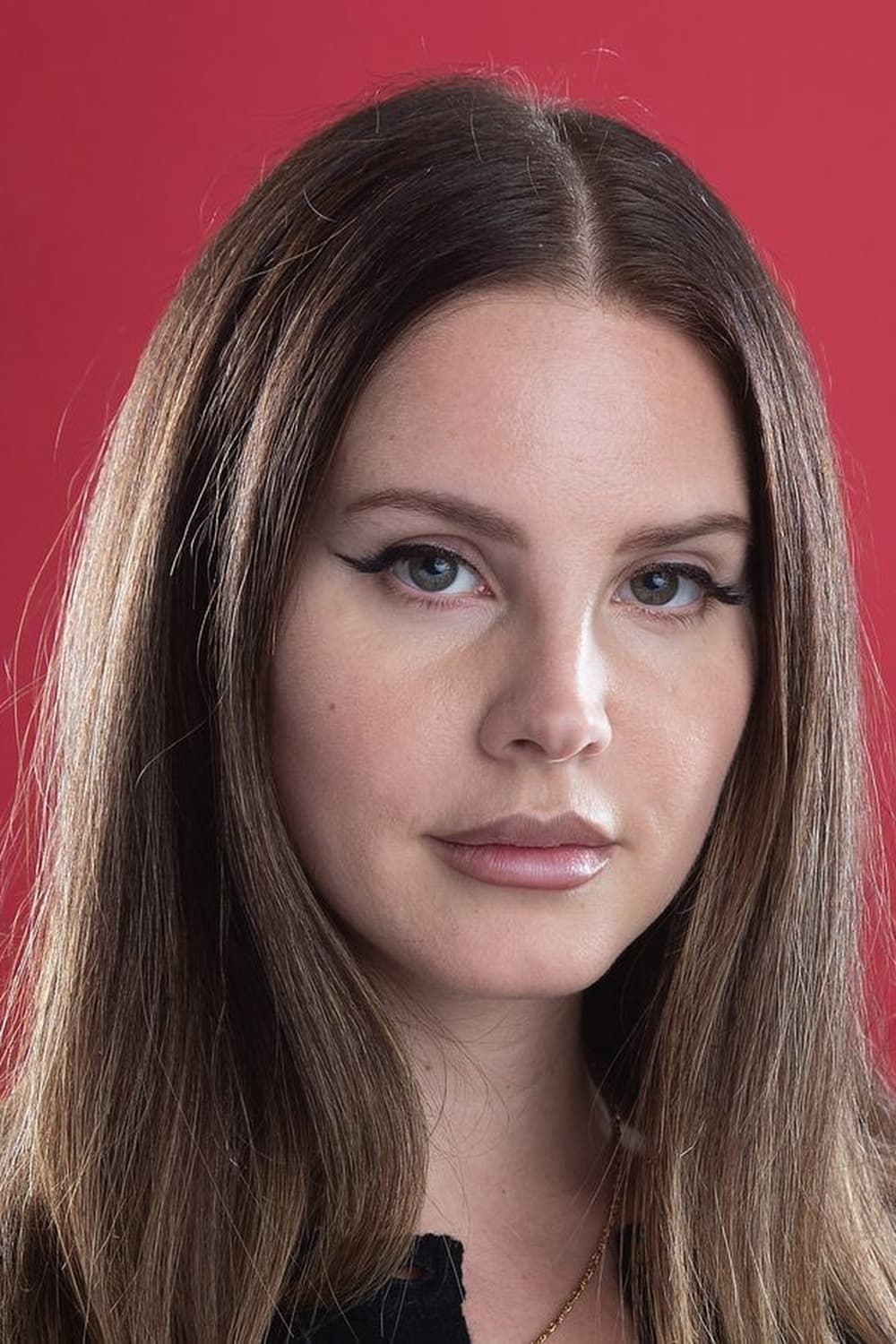
Early in her career, she faced criticism for her highly stylized, vintage-inspired image that evoked 1950s Americana. Critics questioned the authenticity of her persona, but she refused to alter her aesthetic to suit the modern pop landscape. Del Rey continued to lean into her cinematic, melancholic style through albums like ‘Born to Die’ and ‘Ultraviolence’. Her dedication to her specific artistic world eventually won over skeptics and influenced a new wave of alternative pop. She remains one of the few artists whose visual identity is as distinct as her vocal delivery.
Stevie Nicks

The singer has maintained her “mystical bohemian” look for over five decades. Known for her flowy chiffon dresses, top hats, and platform boots, she created a visual brand that became inseparable from her music. Nicks resisted industry trends that favored sleeker, more contemporary styles throughout the 1980s and 90s. Her dedication to her “witchy” persona was evident in her solo work and her time with Fleetwood Mac. She continues to inspire younger generations with her unchanging commitment to her personal aesthetic.
Grace Jones
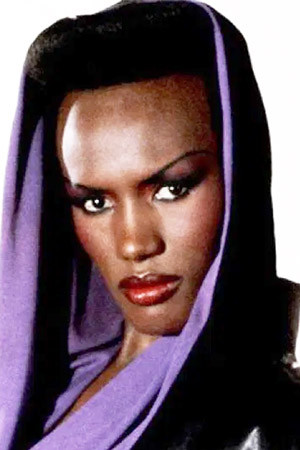
This artist became a global icon by embracing a fierce, androgynous look that challenged gender and racial stereotypes. She famously collaborated with artist Jean-Paul Goude to create striking, geometric visuals that were unlike anything else in the industry. Jones refused to conform to softer beauty standards, instead opting for flat-top haircuts and bold makeup. Her presence in films like ‘A View to a Kill’ and on albums like ‘Nightclubbing’ cemented her status as a pioneer. She remains a symbol of uncompromising power and artistic fearlessness.
Patti Smith
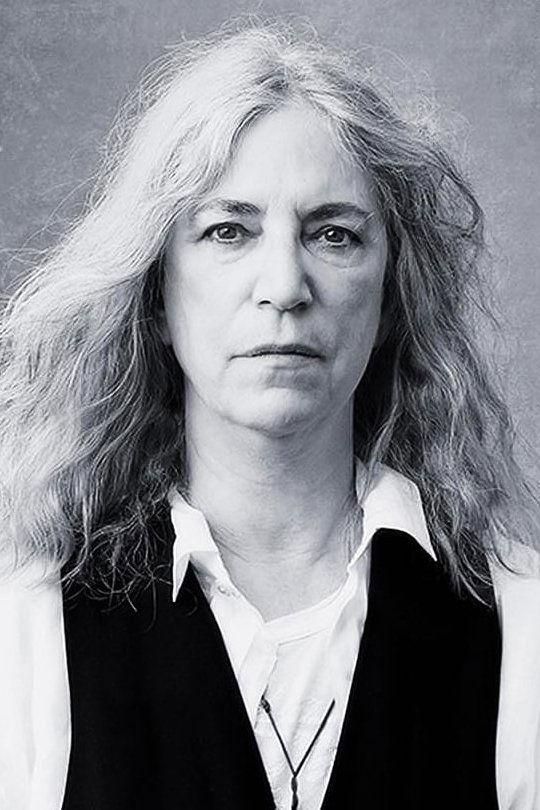
The “Godmother of Punk” has never wavered from her minimalist, gender-neutral appearance. Her look on the cover of ‘Horses’, featuring a plain white shirt and a loose tie, became a landmark moment in rock history. Smith rejected the pressure to be a traditional female pop star, choosing instead to focus on her poetry and raw musicality. Throughout her long career, she has remained dedicated to her authentic, unpolished self. Her refusal to change for the industry has made her an enduring symbol of artistic integrity.
Iggy Pop
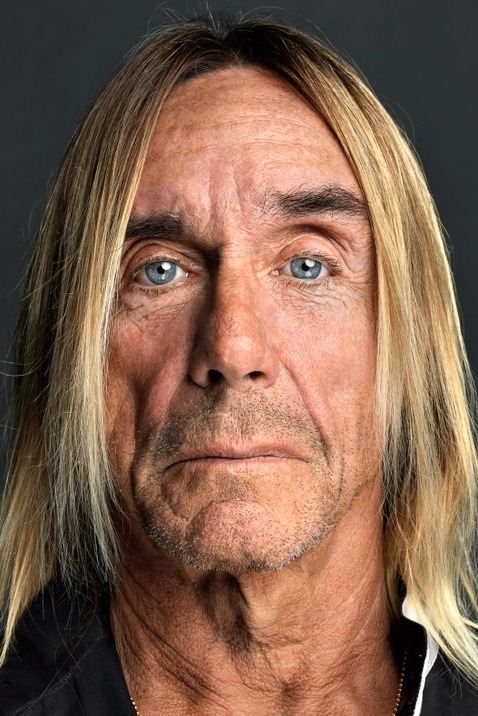
Known as the “Godfather of Punk,” this artist has famously spent the majority of his career performing shirtless. He rejected the glam-rock costumes and high-fashion trends of his contemporaries in favor of a raw, primal stage presence. Even as he aged, he continued to display his weathered physique as a badge of his long-standing rock and roll lifestyle. His commitment to this uninhibited image is visible in his solo work and live performances. He remains a testament to the power of a consistent, authentic persona in a changing industry.
Cher

While she is known for her many reinventions, she has always refused to follow the conservative norms of the entertainment industry. She famously wore daring, revealing outfits designed by Bob Mackie to major award shows, often causing controversy. Cher resisted ageist expectations by continuing to wear elaborate costumes and perform high-energy shows well into her seventies. Her image has always been a reflection of her own confidence rather than label mandates. From the early years to the success of ‘Believe’, she has always been the architect of her own style.
Lady Gaga
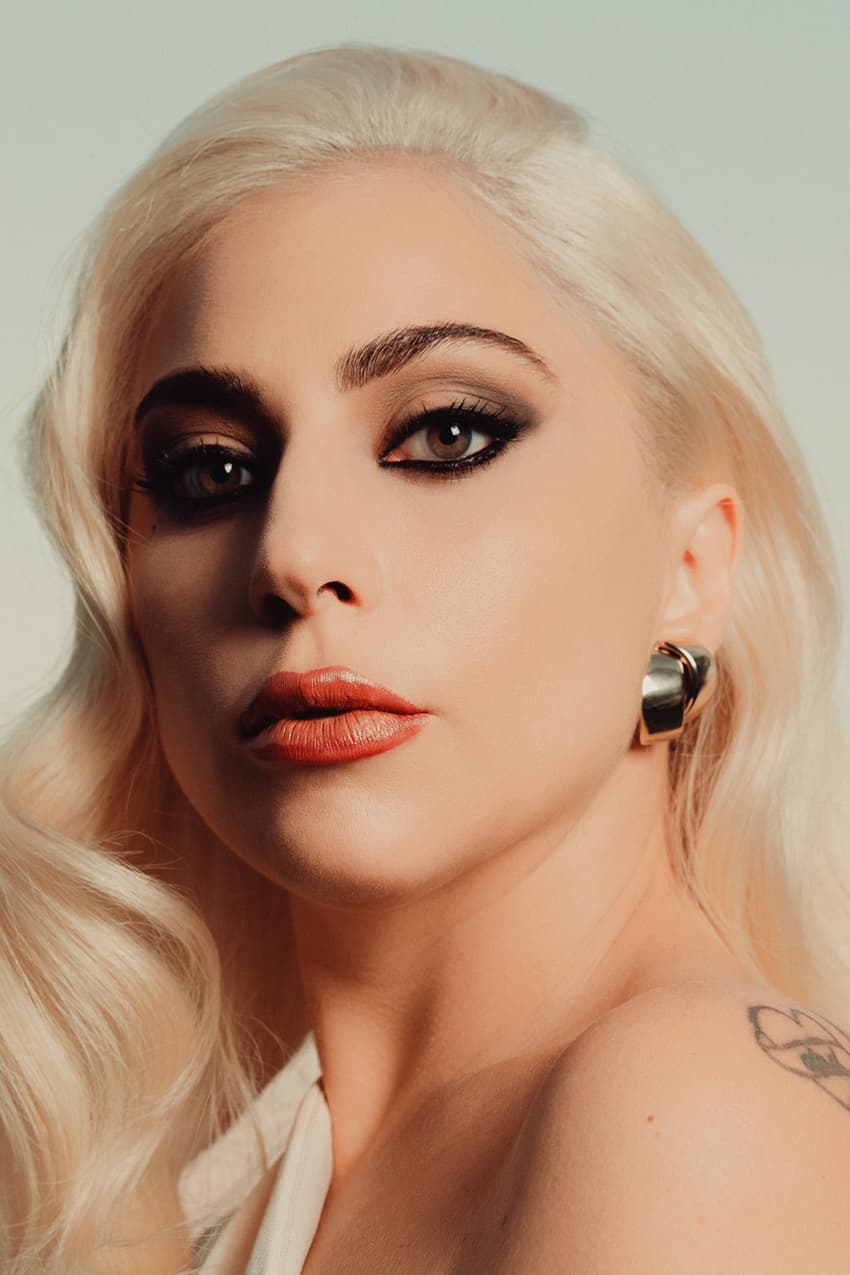
When she first started, music executives were reportedly confused by her theatrical costumes and avant-garde performance art. They initially suggested she look more like a standard pop singer to ensure commercial viability. Gaga refused to compromise her vision, leading to the creation of the iconic “Little Monsters” fan base and albums like ‘The Fame’. She used fashion as an extension of her art, famously wearing a dress made of meat to the MTV Video Music Awards. Her refusal to be “normal” redefined the expectations for modern pop stardom.
Please share your favorite examples of uncompromising musical artists in the comments.