


Musicians Who Sparked Global Outrage With Provocative Queer Music Videos

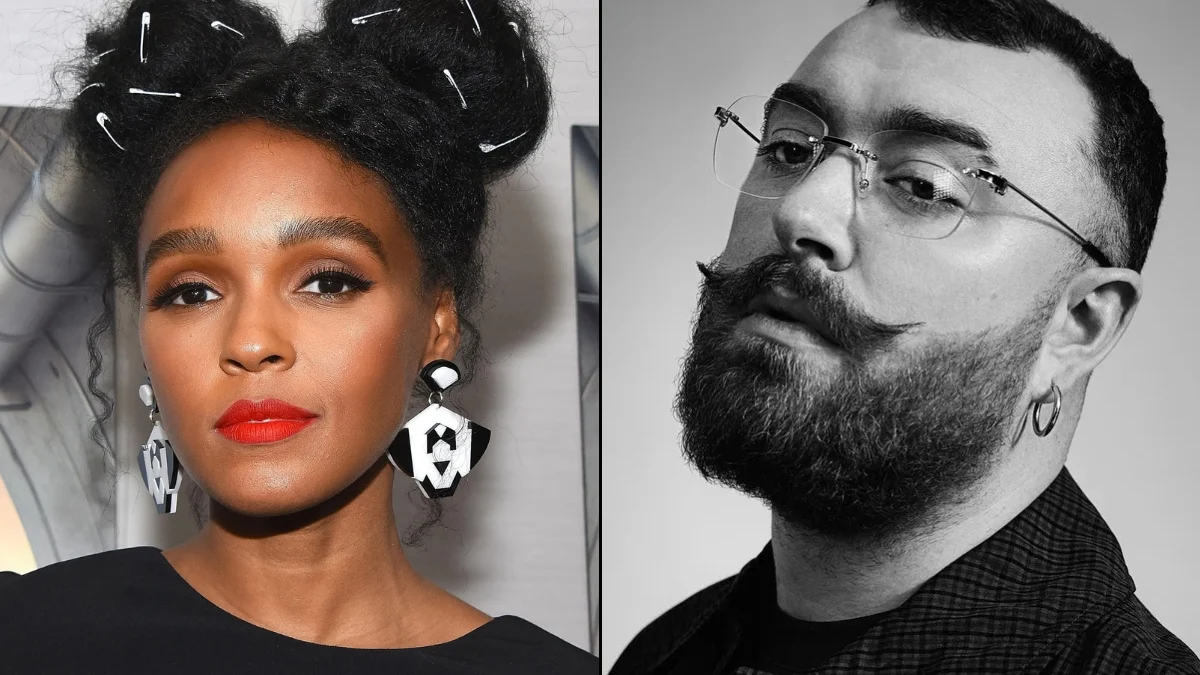


Throughout the history of the music industry, music videos have served as a powerful medium for artists to challenge social norms and express their identities. While many videos celebrate queer culture, some have pushed the boundaries of mainstream acceptance so far that they sparked significant global controversy and media debate. These solo artists utilized provocative imagery, religious subversion, and explicit themes to highlight LGBTQ+ narratives, often facing censorship or bans as a result. The following musicians represent key moments where queer visual storytelling collided with public discourse.
Lil Nas X
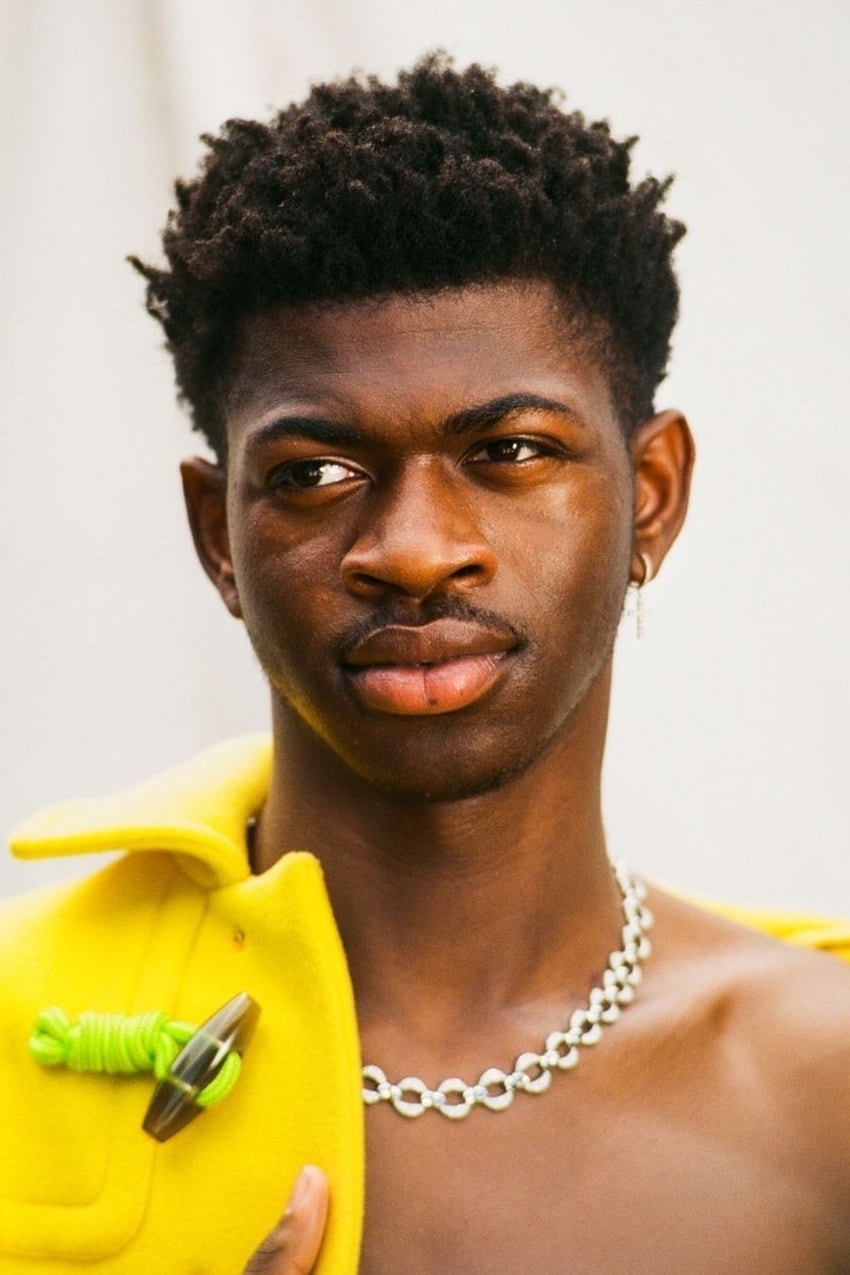
The music video for ‘Montero (Call Me By Your Name)’ became a massive cultural flashpoint in 2021 for its use of religious and hellish iconography. It features the artist sliding down a long pole to Hell and giving a lap dance to a CGI representation of Satan. This provocative imagery drew swift condemnation from conservative political figures and various religious organizations across the globe. Despite the calls for a boycott, the video was intended as a defiant reclamation of queer identity against the backdrop of religious condemnation.
Sam Smith

In the 2023 visual for ‘I’m Not Here to Make Friends’, the artist appears in a variety of high-fashion and fetish-inspired outfits, including nipple tassels and corsets. The video’s depiction of queer joy and sexual liberation within a lavish mansion setting led to intense public debate regarding the boundaries of broadcast television. Critics argued that the choreography and costumes were too explicit for daytime viewing, while supporters defended the work as a celebration of body positivity. The controversy generated millions of social media mentions and highlighted the ongoing scrutiny of queer male expression in pop music.
Madonna
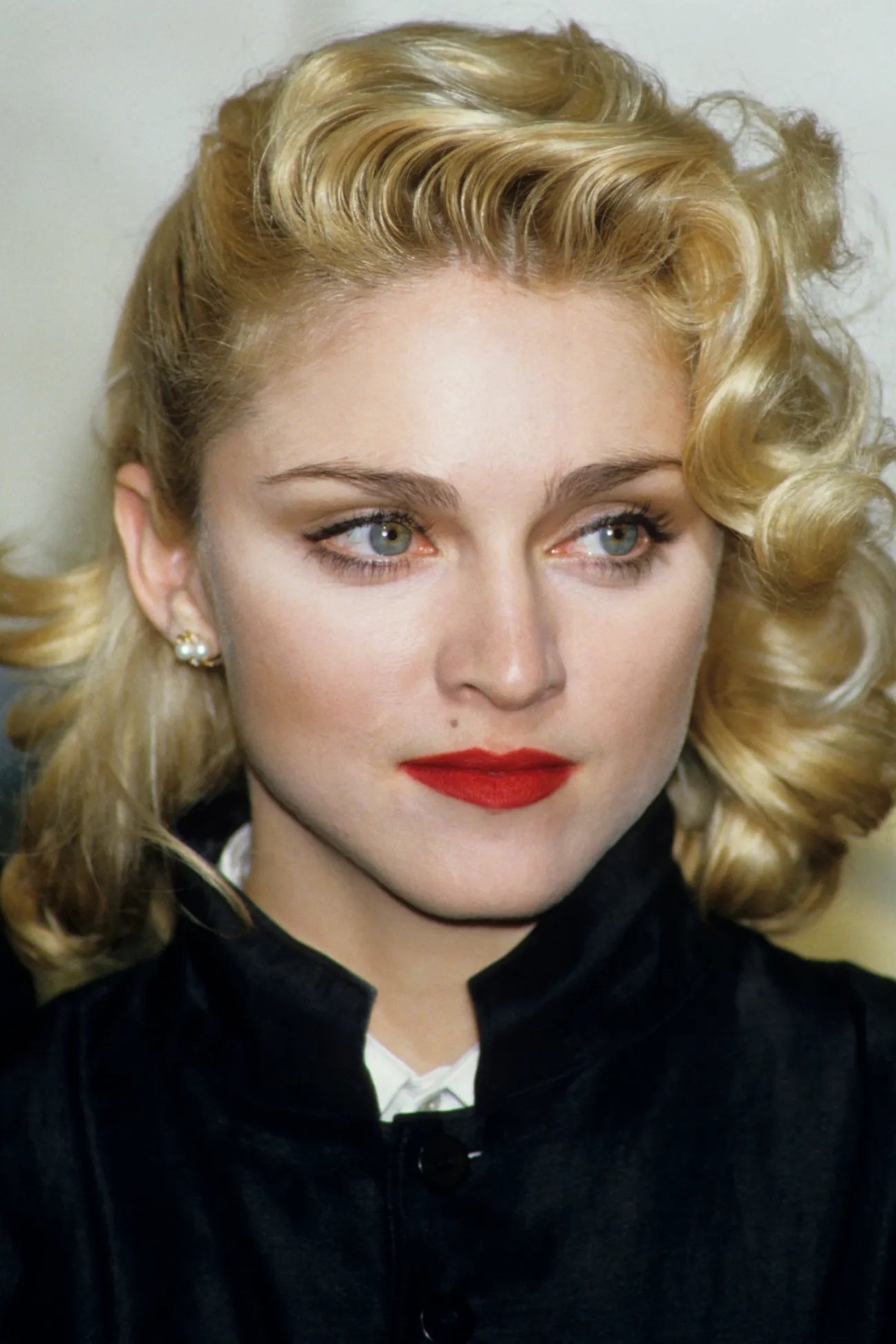
The music video for ‘Justify My Love’ was famously banned by MTV in 1990 due to its depictions of BDSM, voyeurism, and androgyny. Directed by Jean-Baptiste Mondino, the visual features the artist engaging in sexualized encounters with both men and women in a grainy, cinematic hotel setting. Madonna responded to the ban by releasing the video as a “video single,” which became a commercial success and sparked a national conversation on artistic freedom. This moment remains a landmark in music history for its unapologetic portrayal of queer and alternative sexualities during a conservative era.
George Michael
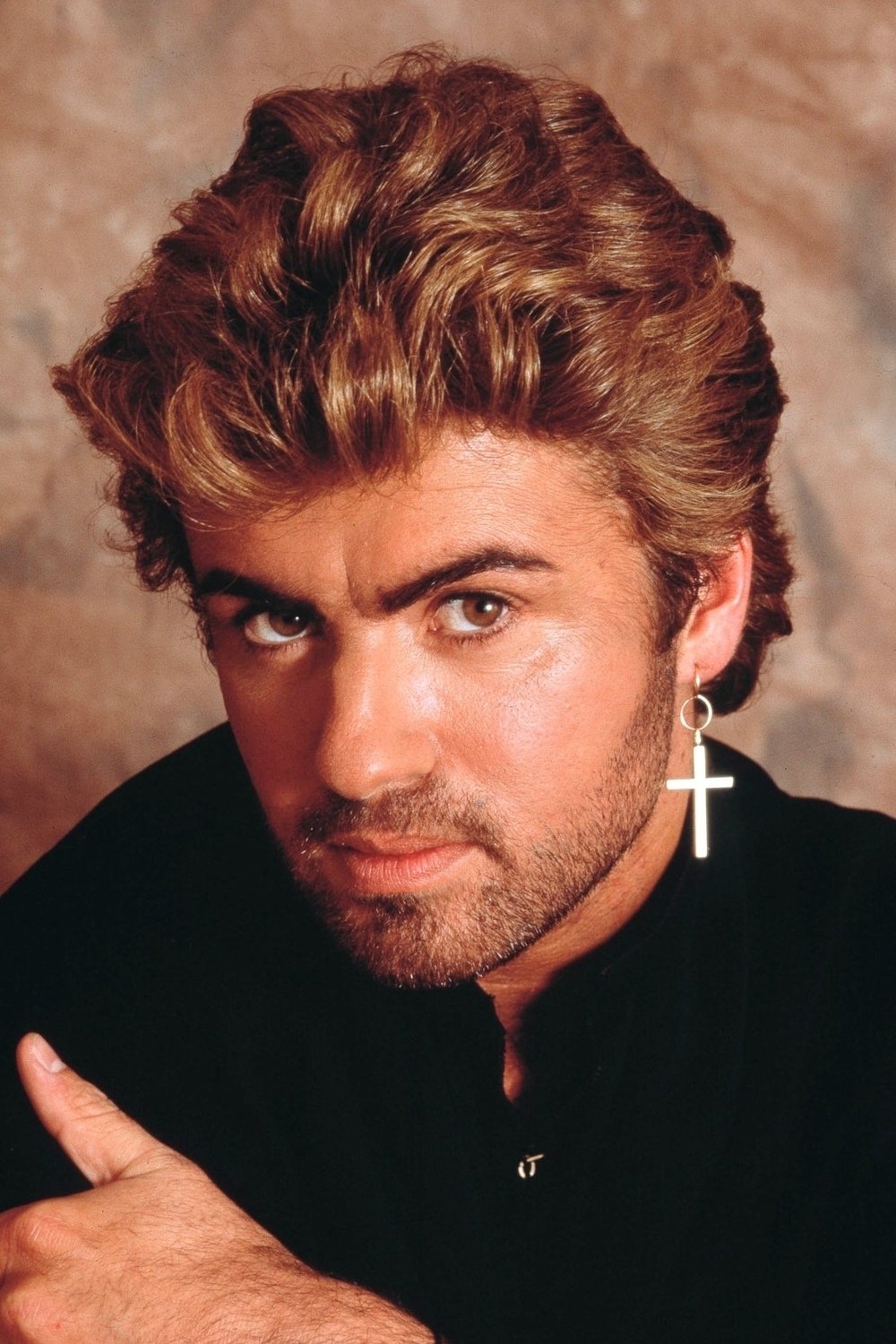
Following a high-profile arrest for lewd behavior in a public park, the artist released the satirical music video for ‘Outside’ in 1998. The video features police officers kissing and disco lights installed in a public restroom, directly poking fun at the circumstances of his arrest. This visual served as a defiant coming-out statement and a critique of the policing of queer sexual spaces. It sparked significant controversy and legal threats from the arresting officer, yet it remains a celebrated anthem of queer resistance.
Lady Gaga
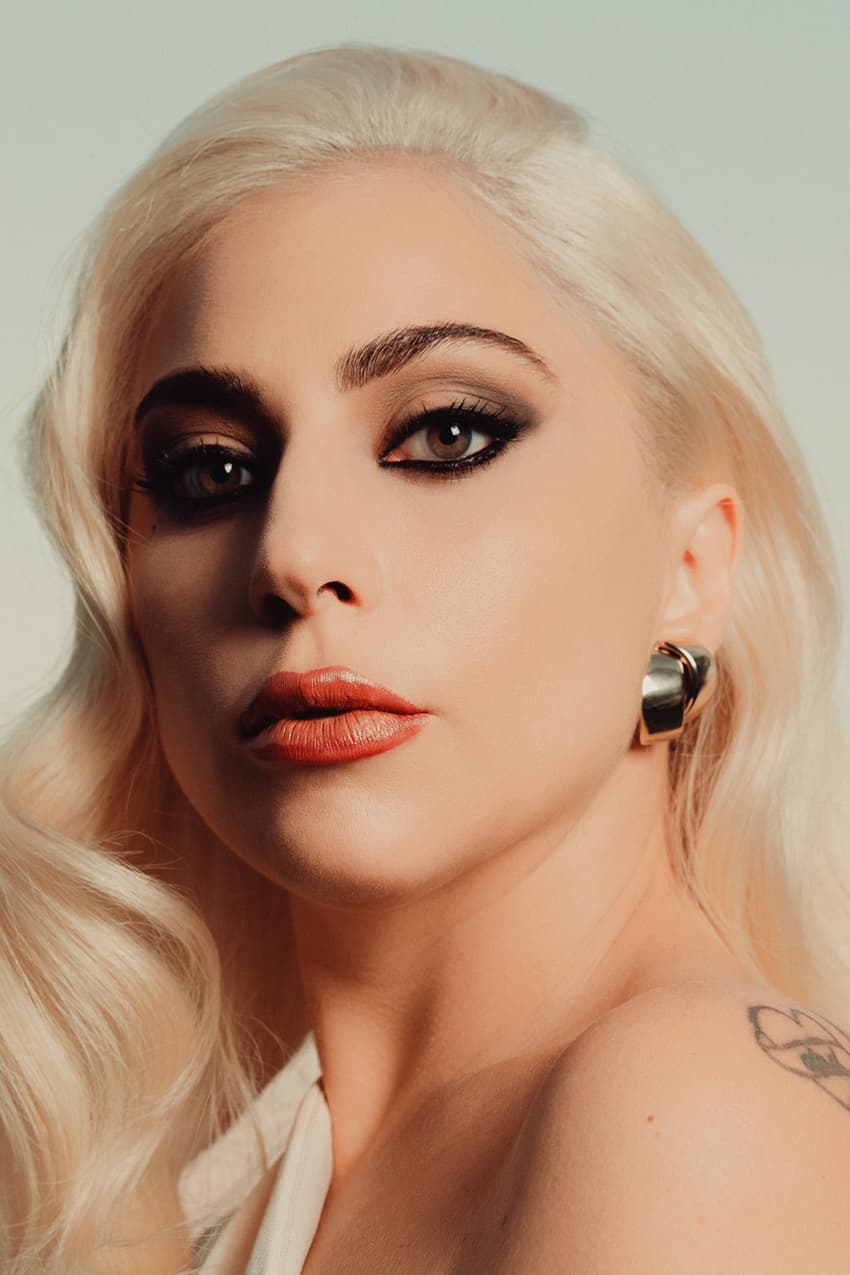
The 2010 music video for ‘Alejandro’ drew intense criticism from religious groups, specifically the Catholic League, for its use of sacred imagery. Directed by Steven Klein, the visual features the artist dressed as a nun and ingesting a rosary, alongside scenes of homoerotic military drills. Critics labeled the video as blasphemous and derivative, leading to debates over the artist’s intentions. Lady Gaga defended the work as a tribute to her gay friends and an exploration of the struggle between faith and sexual identity.
Adam Lambert
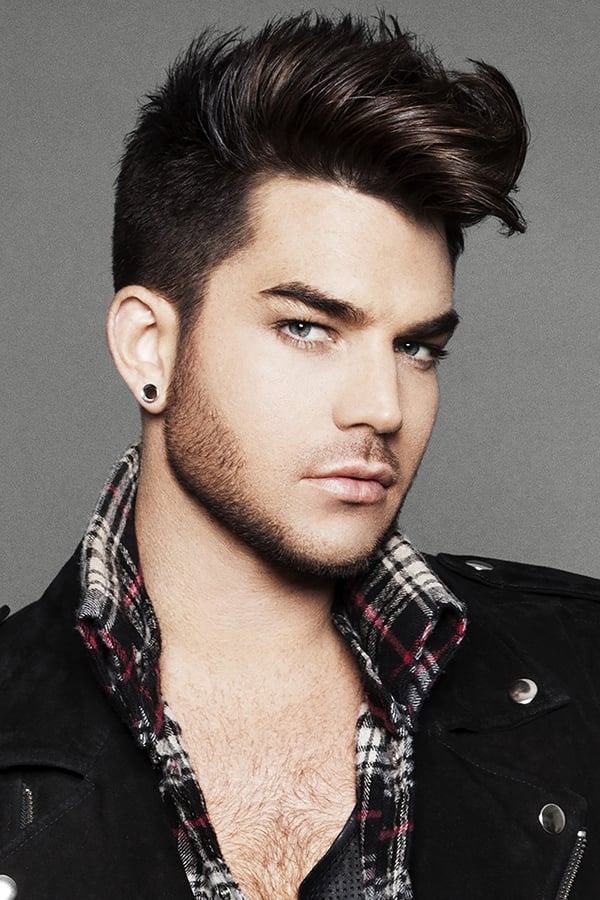
After a highly publicized performance at the American Music Awards, the music video for ‘For Your Entertainment’ faced scrutiny for its underground club aesthetic. The visual features the artist in bondage-inspired attire and explores themes of dominance and submission within a queer context. At the time, it was one of the few music videos from a major-label gay male artist to lean so heavily into provocative queer imagery. The resulting backlash from various media outlets led to the cancellation of several of the artist’s planned television appearances.
Troye Sivan
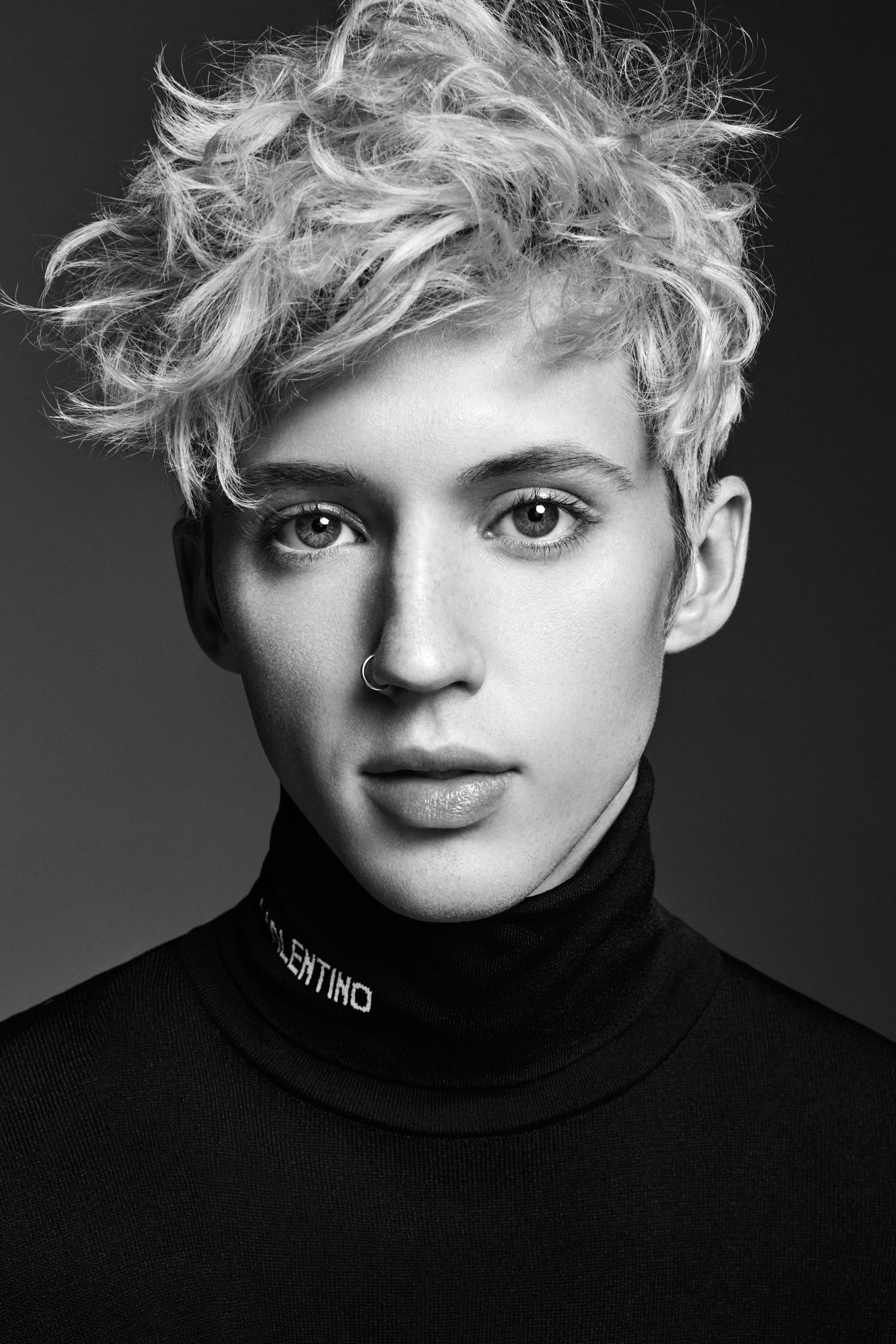
The 2023 release of the ‘Rush’ music video sparked a global conversation about the representation of queer nightlife and body diversity. The video features high-energy choreography and scenes suggestive of group sexual encounters in a humid, industrial setting. While many praised the artist for his unapologetic portrayal of gay hedonism, others criticized the video for a perceived lack of body inclusivity among the dancers. Sivan acknowledged the critiques in subsequent interviews, noting that the video was a specific aesthetic choice meant to capture a feeling of kinetic energy.
Janelle Monáe
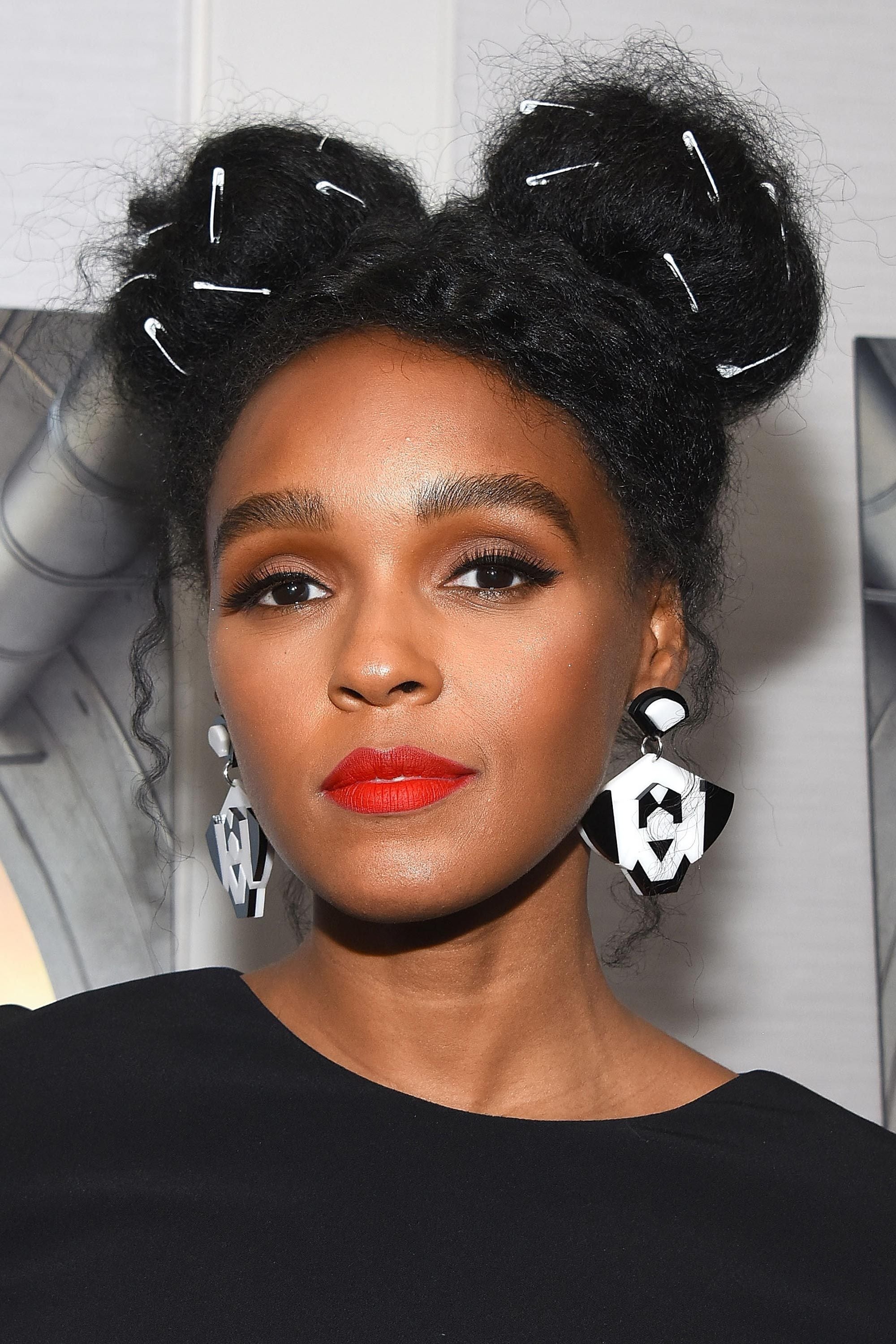
In the music video for ‘Pynk’, the artist and her background dancers wear pink trousers designed to visually resemble vulvas. This bold stylistic choice was intended as a celebration of the female form and queer sexual identity. The video sparked widespread discussion across digital platforms and faced censorship on certain broadcast networks due to its anatomical suggestions. It was ultimately lauded by many critics for its creativity and its role in bringing queer feminist imagery into the mainstream pop landscape.
Christina Aguilera

The music video for ‘Beautiful’ was considered revolutionary upon its release in 2002 for its inclusion of a gay kiss and a scene featuring a transgender woman. During this period, such explicit queer representation was exceptionally rare in mainstream pop music and caused a stir among international audiences. The artist intended for the visual to accompany the song’s message of self-acceptance and inner beauty for all marginalized groups. Despite some regional censorship, the video was recognized with a GLAAD Media Award for its positive and humanizing portrayal of LGBTQ+ individuals.
Frank Ocean
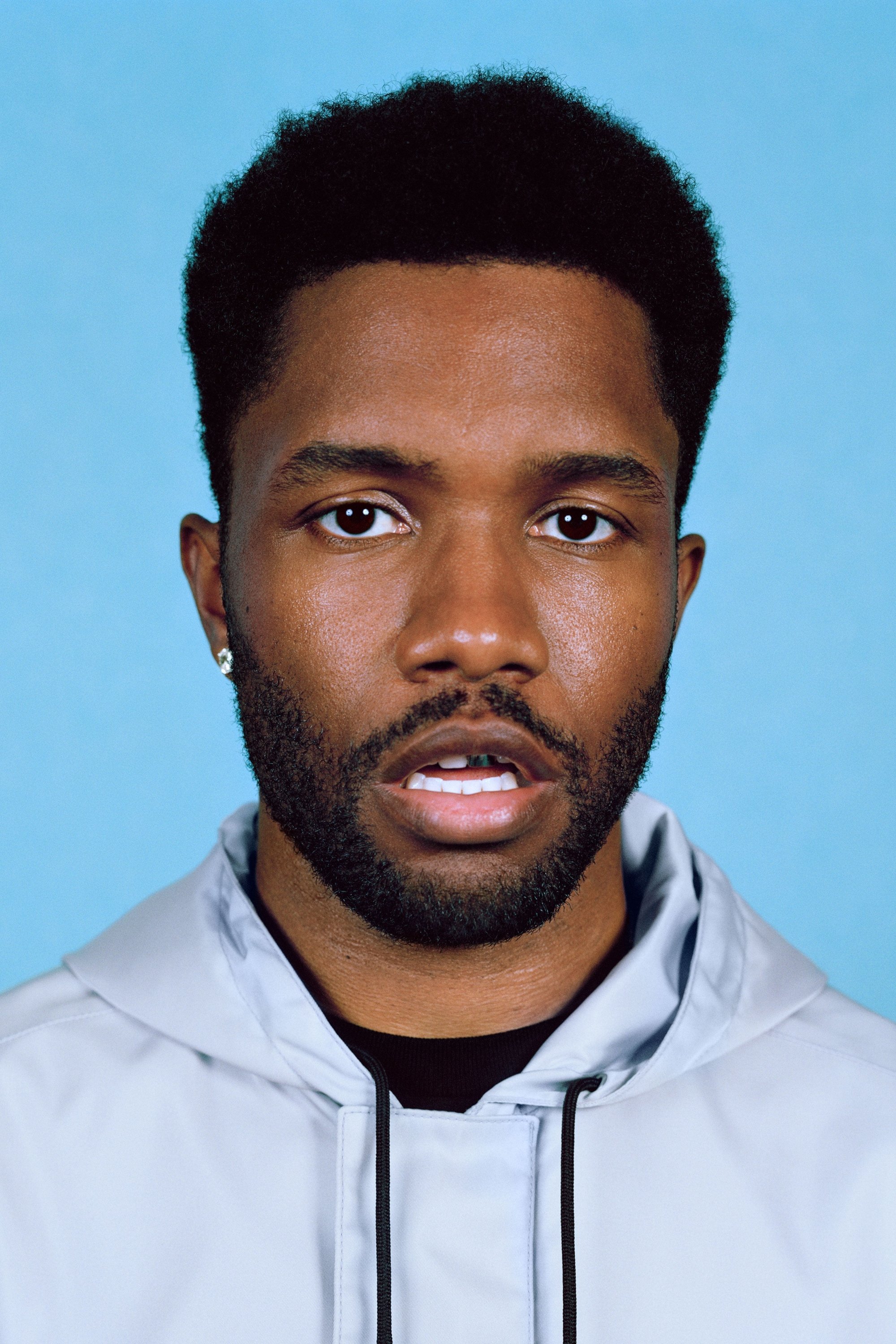
The visual for ‘Nikes’ explores themes of gender fluidity and the transience of modern life through a series of surreal, homoerotic images. In one notable sequence, the artist is seen covered in glitter and wearing a dress, challenging the traditional masculine norms often found in the hip-hop genre. The video’s abstract nature and its portrayal of queer intimacy led to age restrictions on several major streaming platforms. It is now cited as a significant artistic achievement for its refusal to conform to heteronormative storytelling structures.
Miley Cyrus
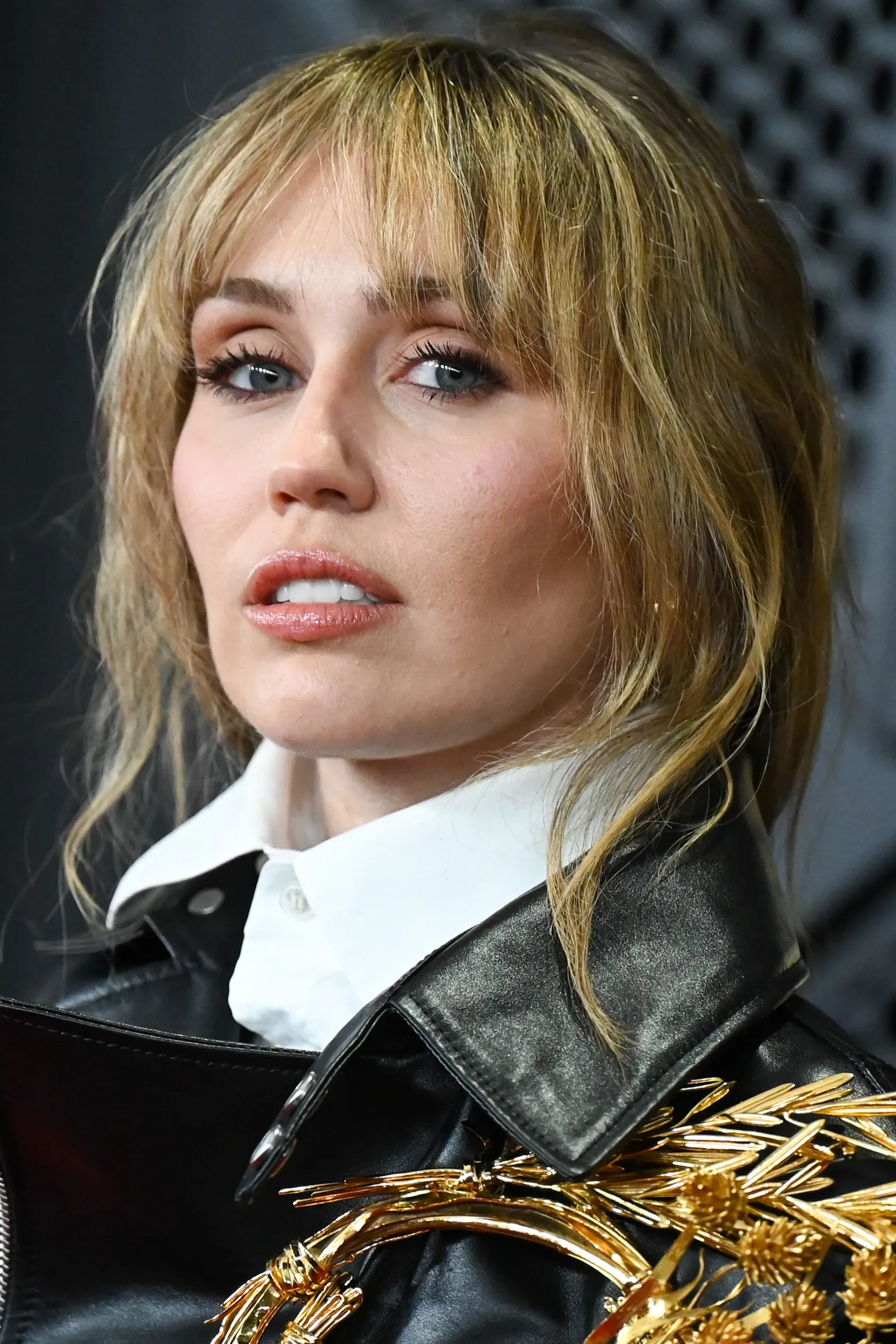
The ‘Mother’s Daughter’ music video is an explicitly political and queer-inclusive work that features a diverse cast of activists and performers. The visual includes various slogans regarding bodily autonomy and reproductive rights, alongside the artist in a red latex bodysuit. Its provocative nature and the celebration of non-conforming bodies sparked a backlash from conservative commentators who found the imagery too aggressive. The video was designed to serve as a bold statement on the intersection of feminism, queer rights, and personal freedom.
Mykki Blanco
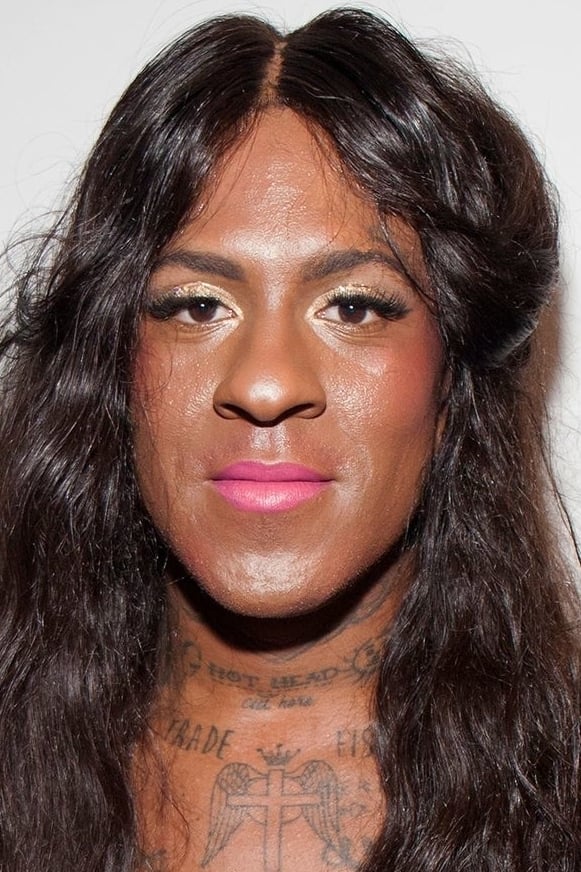
The music video for ‘Highschool Never Ends’ tells a graphic and tragic story of queer romance set against a backdrop of rural prejudice. It features intense scenes of intimacy and violence that were intended to highlight the real-world dangers faced by LGBTQ+ people. Because of its uncompromising and explicit nature, the video was hit with age restrictions and faced pushback from some media platforms. It remains a powerful example of how queer artists use high-concept visuals to address systemic social issues.
Dorian Electra

The music video for ‘Career Boy’ uses hyper-stylized office imagery to satirize traditional corporate masculinity and gender roles. The artist portrays a character that intentionally blurs the lines between masculine and feminine tropes in a high-fashion, experimental setting. By subverting the “breadwinner” archetype through a queer lens, the video sparked debate about the performance of gender in professional environments. The artist has since become a leading figure in the hyper-pop movement, known for consistently provocative and gender-bending visual art.
Kim Petras
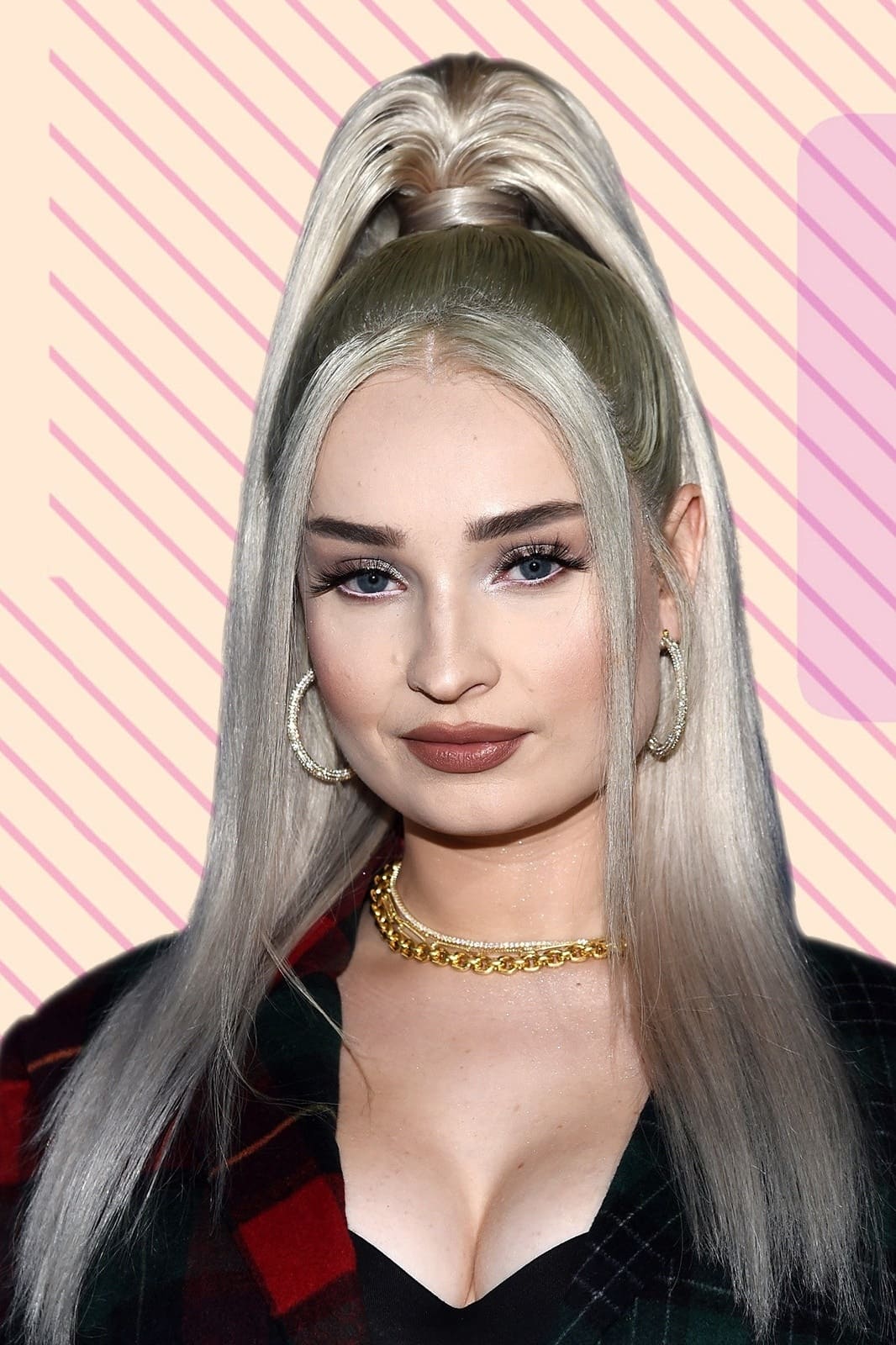
As a prominent transgender woman in the pop industry, the artist’s video for ‘Treat Me Like a Slut’ sparked polarized reactions for its hyper-sexualized BDSM themes. The visual features the artist in various provocative scenarios that reclaim and celebrate trans sexuality. Critics argued that the content was overly explicit, while fans and LGBTQ+ advocates championed it as a landmark moment for trans visibility in pop music. The controversy further solidified the artist’s reputation for pushing the boundaries of sexual expression in the digital age.
Katy Perry
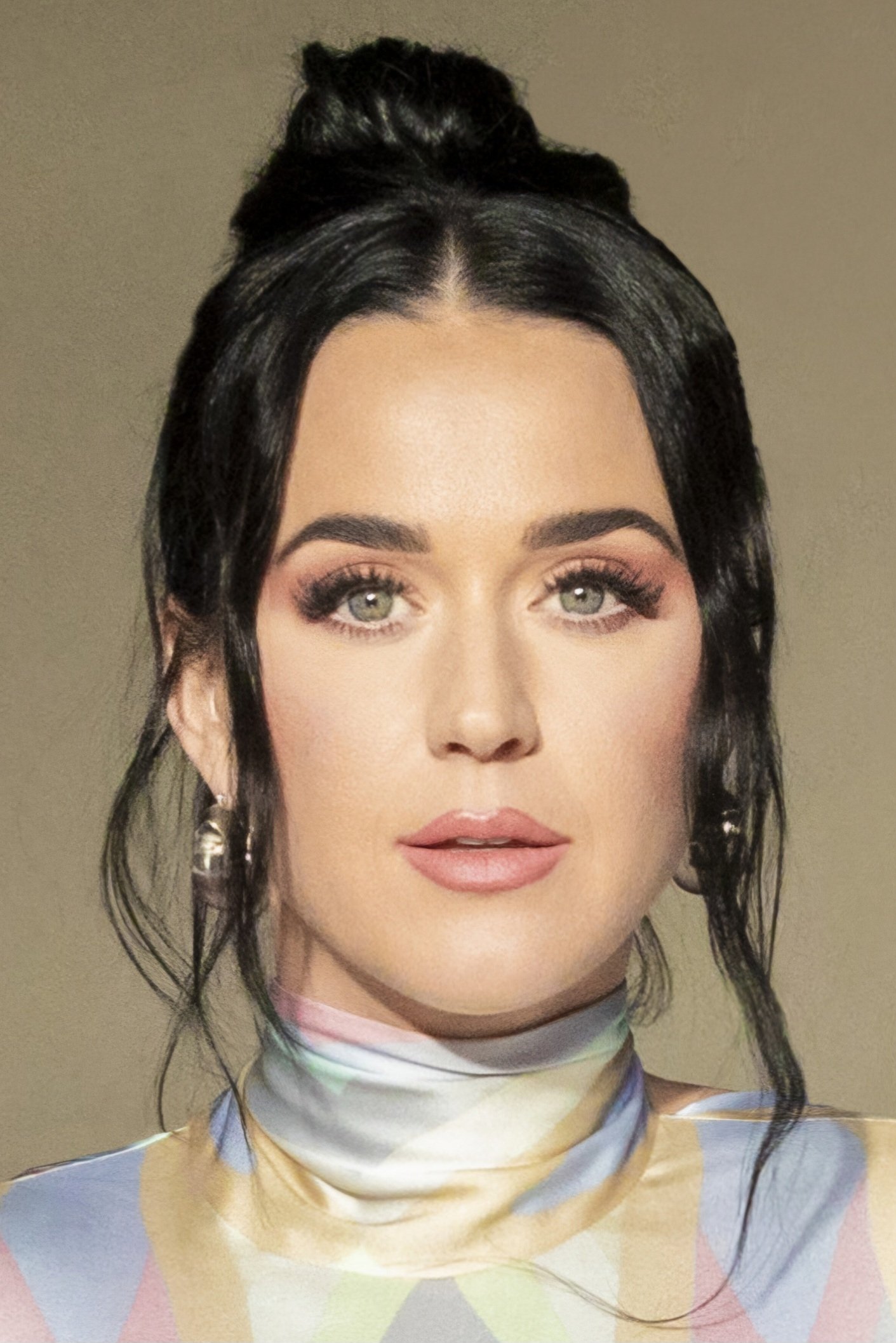
While the artist does not identify as queer, the music video for ‘I Kissed a Girl’ was a massive global flashpoint in 2008 for its depiction of female experimentation. The visual features the artist in a burlesque-inspired setting and relies on homoerotic tension to drive its narrative. It was criticized by religious organizations for promoting homosexuality and by some LGBTQ+ activists for “queer-baiting” and trivializing same-sex relationships. Despite these conflicting perspectives, the video was a commercial juggernaut that brought discussions of queer curiosity into the mainstream.
Tell us which of these music videos you think had the most significant impact on pop culture in the comments.