


Musicians Who Sparked Outrage With Their Anti-Woke Political Views

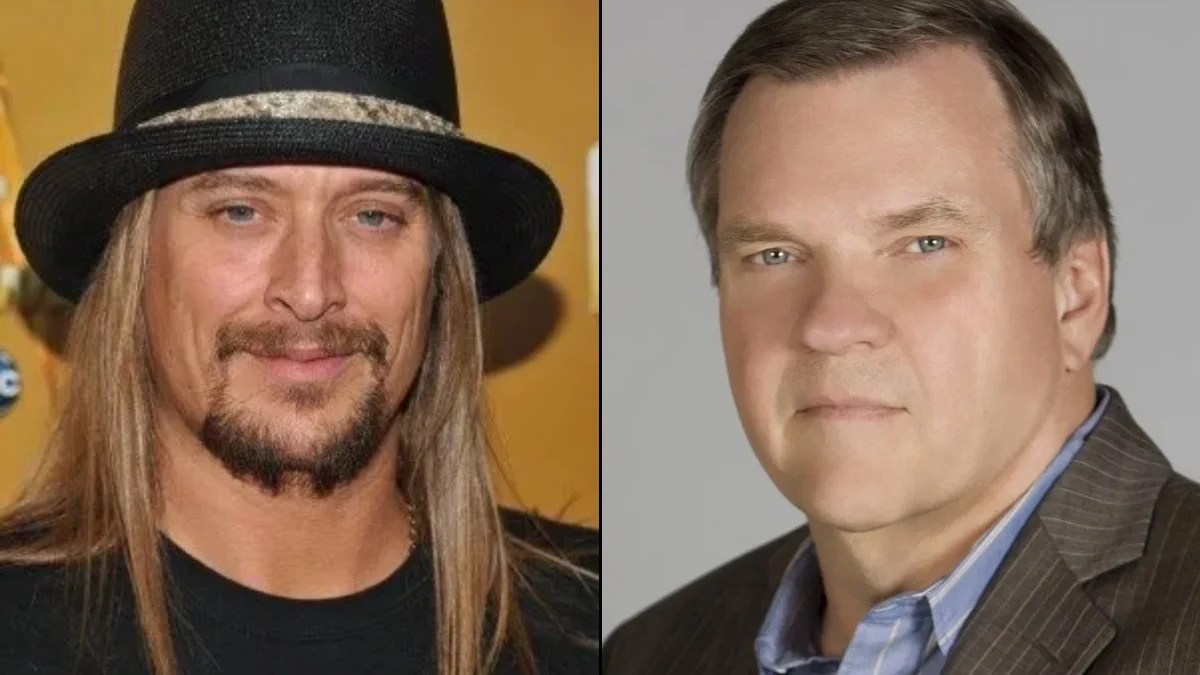


The intersection of music and politics has long been a site of intense public debate, with artists frequently using their platforms to advocate for various social causes. In recent years, a growing number of musicians have faced significant backlash for expressing views that challenge contemporary progressive or “woke” cultural norms. These controversies often center on topics such as gender identity, government mandates, and traditional political alignments, leading to heated discussions across social media and the entertainment industry. While some fans applaud these artists for their perceived authenticity, others have called for boycotts and the cancellation of performances. This list examines the musicians who have notably stood against the prevailing cultural tide, sparking widespread outrage in the process.
Kanye West
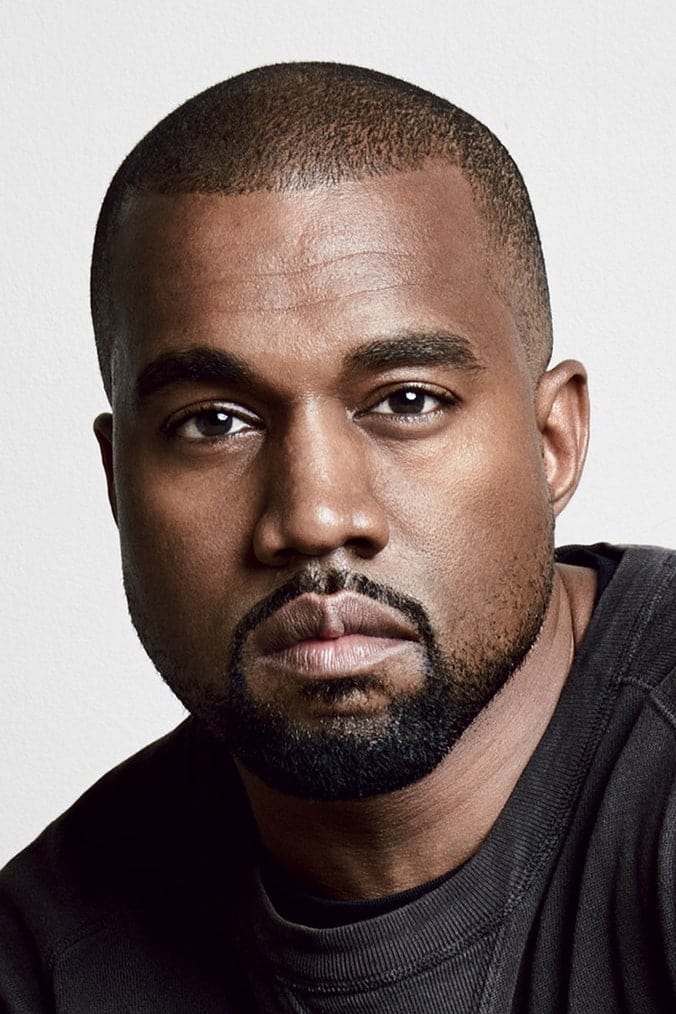
Kanye West, now legally known as Ye, ignited a firestorm of controversy in 2022 when he showcased ‘White Lives Matter’ shirts during a surprise runway show in Paris. The artist further alienated fans and collaborators by making a series of inflammatory remarks regarding cultural influence and political correctness during various media appearances. These statements led to the termination of several high-profile business partnerships, most notably his long-standing deal with Adidas. Critics argued that his rhetoric emboldened fringe political groups, while West maintained that he was breaking free from social constraints. His shift toward increasingly conservative and anti-establishment viewpoints has made him one of the most polarizing figures in modern music.
Eric Clapton
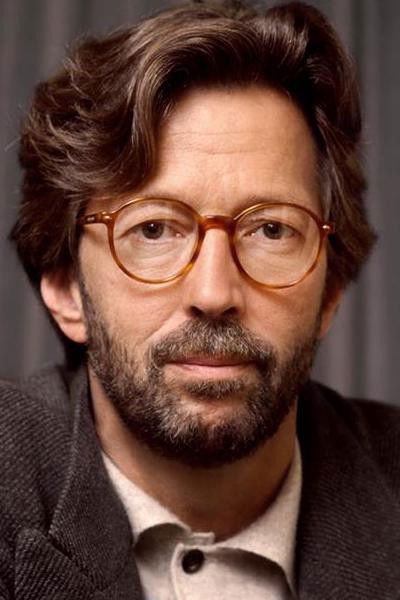
Guitar legend Eric Clapton became a central figure in the anti-lockdown movement during the global pandemic, sparking outrage with his vocal opposition to vaccine mandates. He collaborated with Van Morrison on the song ‘Stand and Deliver’, which drew comparisons between government health measures and slavery. Clapton later claimed that he suffered adverse effects from the vaccine and criticized the “propaganda” surrounding public health initiatives. Many long-time fans expressed disappointment, citing his previous controversies and his modern stance on personal liberties. Despite the backlash, Clapton remained steadfast in his criticisms of what he viewed as overreaching government control.
Van Morrison
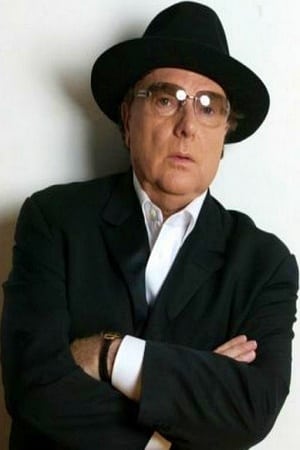
Van Morrison faced significant public criticism for his series of anti-lockdown songs released during the COVID-19 pandemic. Tracks like ‘No More Lockdown’ and ‘Where Have All the Rebels Gone?’ accused the government of using fear to control the population and curtailing artistic freedom. Northern Ireland’s health minister publicly criticized the singer, suggesting his lyrics were dangerous to public health efforts. Morrison also took legal action against the ban on live music performances, further cementing his position against institutional mandates. His transition into political commentary alienated a segment of his audience while attracting support from those skeptical of government interventions.
Kid Rock
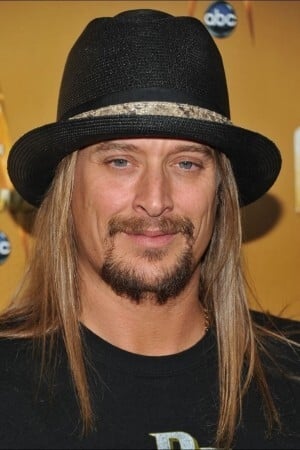
Kid Rock has consistently positioned himself as an anti-woke figure, often incorporating conservative imagery into his music and public persona. In 2023, he led a high-profile boycott of Bud Light after the brand partnered with a transgender influencer, filming himself shooting cases of the beer. His lyrics in songs like ‘Don’t Tell Me How To Live’ mock modern sensitivities and the perceived “wokeness” of younger generations. He is a frequent guest at conservative political rallies and has maintained a close relationship with former President Donald Trump. His defiant stance has solidified his status as a cultural icon for those who feel marginalized by mainstream progressive shifts.
Ted Nugent
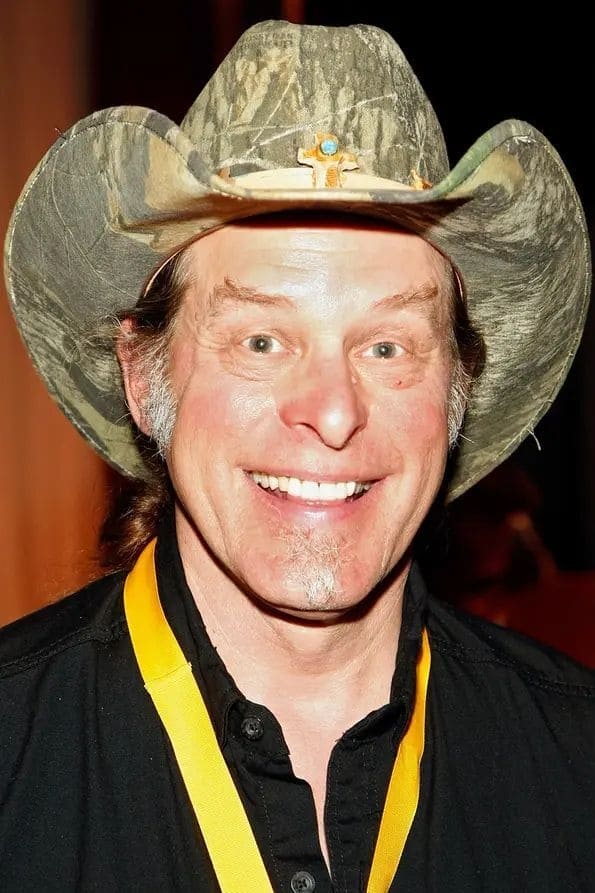
Ted Nugent has been a prominent voice in conservative politics for decades, frequently sparking outrage with his comments on gun rights and traditional values. He has been a vocal critic of the Black Lives Matter movement and has frequently used his platform to attack what he calls “woke” culture in Washington D.C. Nugent’s rhetoric often involves harsh critiques of liberal politicians and social justice initiatives, leading to the cancellation of some of his concert appearances over the years. He remains a board member of the National Rifle Association and continues to release music that reflects his staunchly right-wing worldview. His unfiltered approach to political discourse has made him a lightning rod for controversy in the entertainment world.
Morrissey

The former Smiths frontman has faced years of scrutiny for his increasingly nationalistic and anti-immigrant comments. Morrissey sparked particular outrage when he wore a badge supporting the far-right ‘For Britain’ party during a television performance. He has criticized multiculturalism and modern social justice movements, leading many fans to distance themselves from his solo work. Various retailers and publications have distanced themselves from the singer due to his perceived alignment with extremist views. Despite the backlash, Morrissey has accused the media of attempting to silence his opinions and “cancel” his legacy.
Jason Aldean
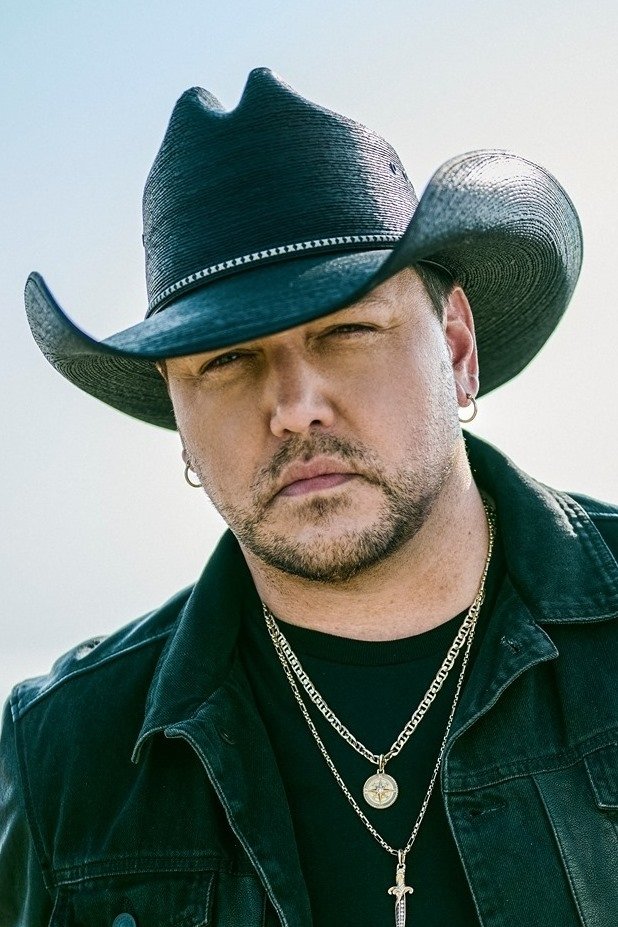
Country star Jason Aldean found himself at the center of a national debate following the release of his music video for ‘Try That in a Small Town’. Critics argued that the song’s lyrics and the choice of filming location—a courthouse known for a historical lynching—promoted vigilante justice and racial division. The video was briefly pulled from CMT’s rotation, which led to a surge in support from conservative fans who viewed the criticism as an attack on rural values. Aldean defended the song, stating it was a tribute to community strength and a rejection of urban lawlessness. The track eventually reached the top of the Billboard Hot 100, fueled by the intense cultural divide.
M.I.A.
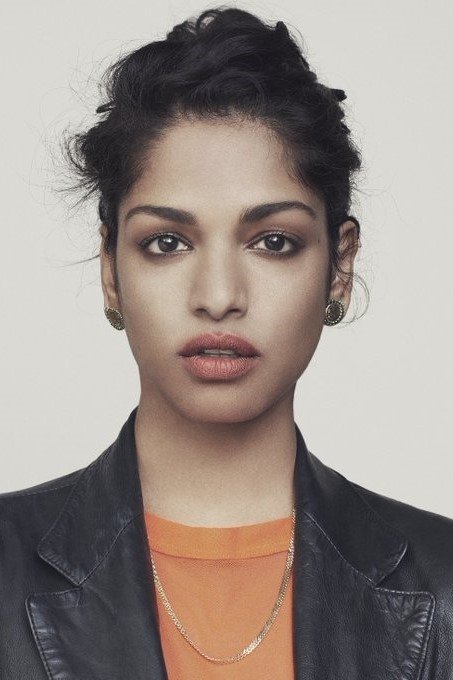
British-Sri Lankan rapper M.I.A. sparked significant outrage when she expressed skepticism regarding the COVID-19 vaccine on social media. She further polarized her audience by comparing the actions of health officials to those of Alex Jones, sparking a debate about misinformation and celebrity influence. The artist has frequently criticized “woke” culture for what she perceives as a lack of true intellectual diversity and a tendency toward performative activism. Her comments led to the loss of several festival slots and public rebukes from colleagues in the music industry. M.I.A. has maintained that her views are rooted in a desire for transparency and a distrust of corporate institutions.
Macy Gray
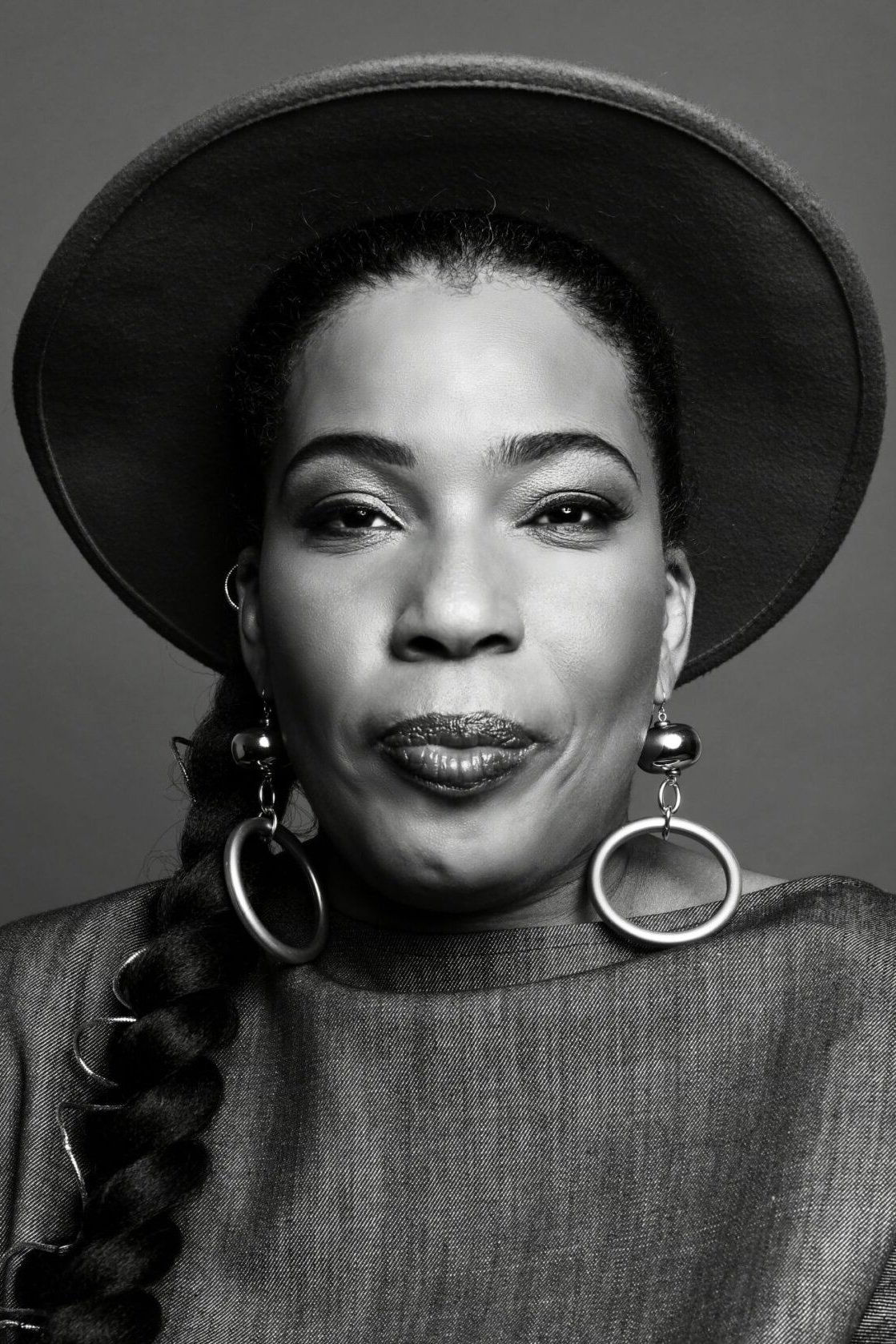
R&B singer Macy Gray faced a wave of criticism following an interview on ‘Piers Morgan Uncensored’ where she discussed gender identity. During the segment, she stated that “just because you change your parts doesn’t make you a woman,” a comment that many viewed as transphobic. Following an immediate backlash from the LGBTQ+ community and fans on social media, Gray initially stood by her comments before later offering a clarification. She expressed that she was still learning about the complexities of gender but maintained that her initial thoughts were based on her personal definition of womanhood. The incident highlighted the sensitivities surrounding gender discourse in the modern music industry.
Carlos Santana
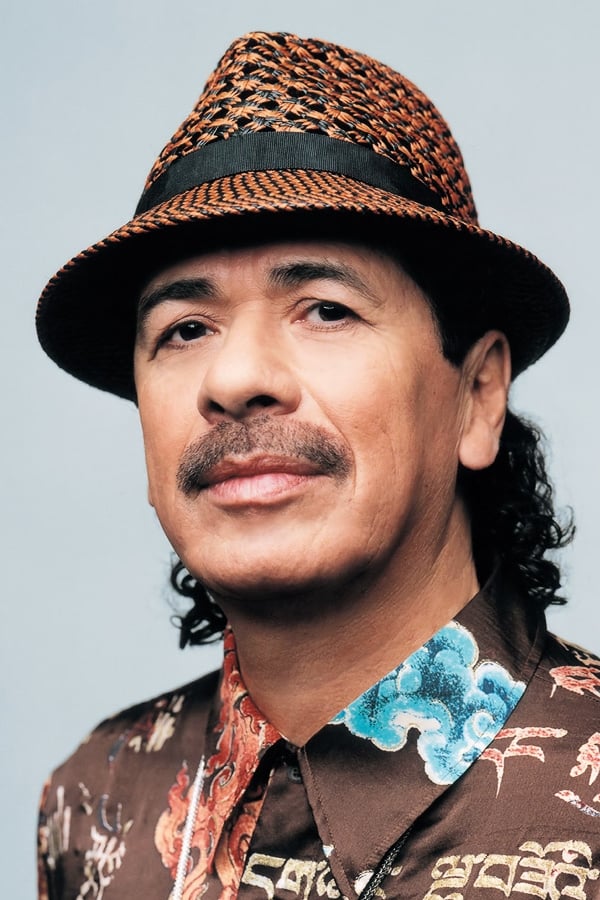
Legendary guitarist Carlos Santana made headlines in 2023 when a video surfaced of him making comments about gender identity during a concert in New Jersey. He told the audience that “a woman is a woman and a man is a man,” which was interpreted by many as a rejection of non-binary and transgender identities. The remarks were widely shared on social media, leading to calls for an apology and accusations of bigotry. Santana later released a statement expressing regret for his words, stating that his intention was to honor the beliefs of all people. However, the incident added his name to the list of veteran musicians who have clashed with modern social perspectives.
Alice Cooper
Rock icon Alice Cooper lost a brand partnership with a makeup company after making controversial comments regarding gender-affirming care for minors. In an interview, he described the current cultural focus on gender identity as a “fad” and expressed concerns about the safety of bathroom policies. Cooper argued that the “woke” movement had gone too far in its attempts to redefine social norms. While some fans supported his right to express his traditional views, others criticized him for using his platform to marginalize vulnerable groups. The veteran rocker remains vocal about his skepticism toward modern political correctness.
Paul Stanley
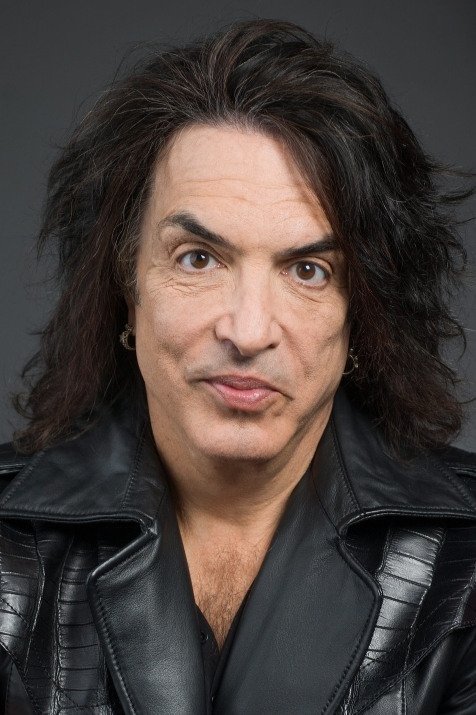
Kiss frontman Paul Stanley sparked a social media storm when he posted a statement criticizing gender-affirming care for children, labeling it a “sad and dangerous fad.” He argued that parents were pushing children toward life-altering decisions before they were old enough to understand them. The comments were met with significant pushback from the LGBTQ+ community and fellow musicians, including some who had previously toured with Kiss. Stanley later issued a clarification, stating that he supports individuals living however they choose but stands by his concerns regarding minors. The controversy highlighted the divide between classic rock figures and contemporary social movements.
John Dolmayan
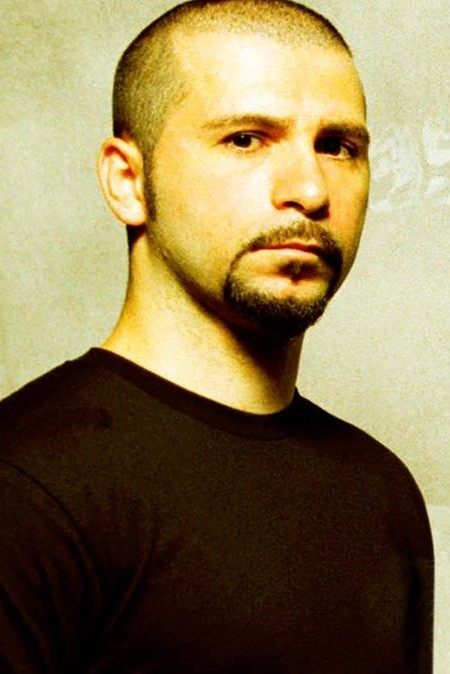
John Dolmayan, the drummer for System of a Down, has frequently voiced his support for conservative causes and criticized the Black Lives Matter movement. He has used his social media platforms to praise former President Donald Trump and to argue that the Democratic Party has become radicalized. Dolmayan’s views have often put him at odds with the more liberal-leaning members of his band, most notably frontman Serj Tankian. Despite their public disagreements, the band has continued to work together, though Dolmayan remains a vocal critic of what he calls “woke” authoritarianism. He often engages with fans in the comments to defend his anti-establishment political views.
Winston Marshall
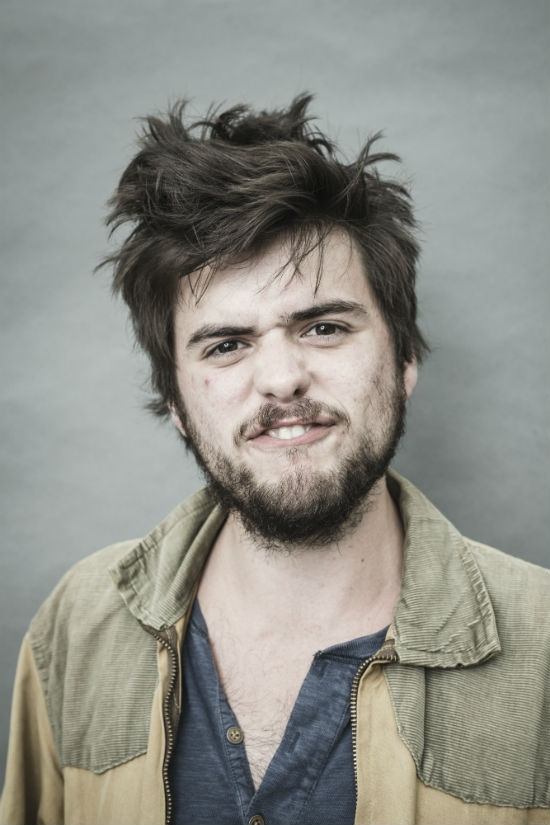
Winston Marshall, the former banjoist for Mumford & Sons, left the band after facing intense backlash for praising a book by conservative journalist Andy Ngo. In a tweet, Marshall described Ngo’s work on Antifa as “brave,” which led to accusations that he was endorsing far-right ideologies. After initially apologizing and taking a leave of absence, Marshall decided to quit the band permanently to speak his mind without involving his bandmates in the controversy. He has since become a vocal advocate for free speech and a critic of “cancel culture” within the arts. Marshall now hosts a podcast where he frequently discusses the impact of “woke” ideology on society.
Ariel Pink
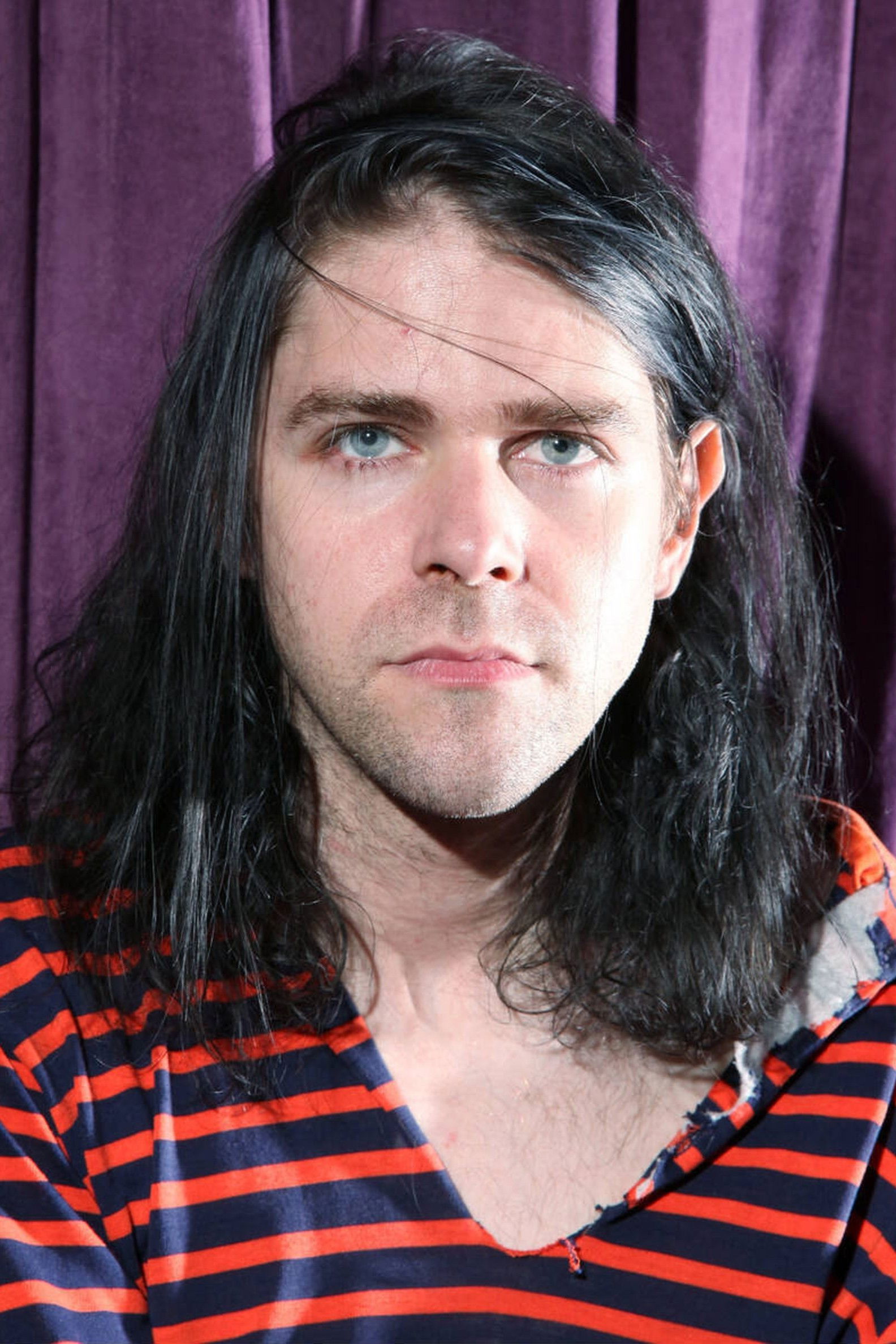
Indie musician Ariel Pink was dropped by his record label, Mexican Summer, after he was spotted attending the “Save America” rally in Washington D.C. on January 6, 2021. While Pink stated that he did not participate in the breach of the Capitol, his presence at the event was enough to trigger a massive public outcry. He later appeared on ‘Tucker Carlson Tonight’ to discuss his experience, claiming that he was a victim of cancel culture for his support of Donald Trump. Pink has since been a vocal critic of the music industry’s perceived political bias against conservative artists. His career has faced significant hurdles since the incident, though he continues to release music independently.
Roisin Murphy
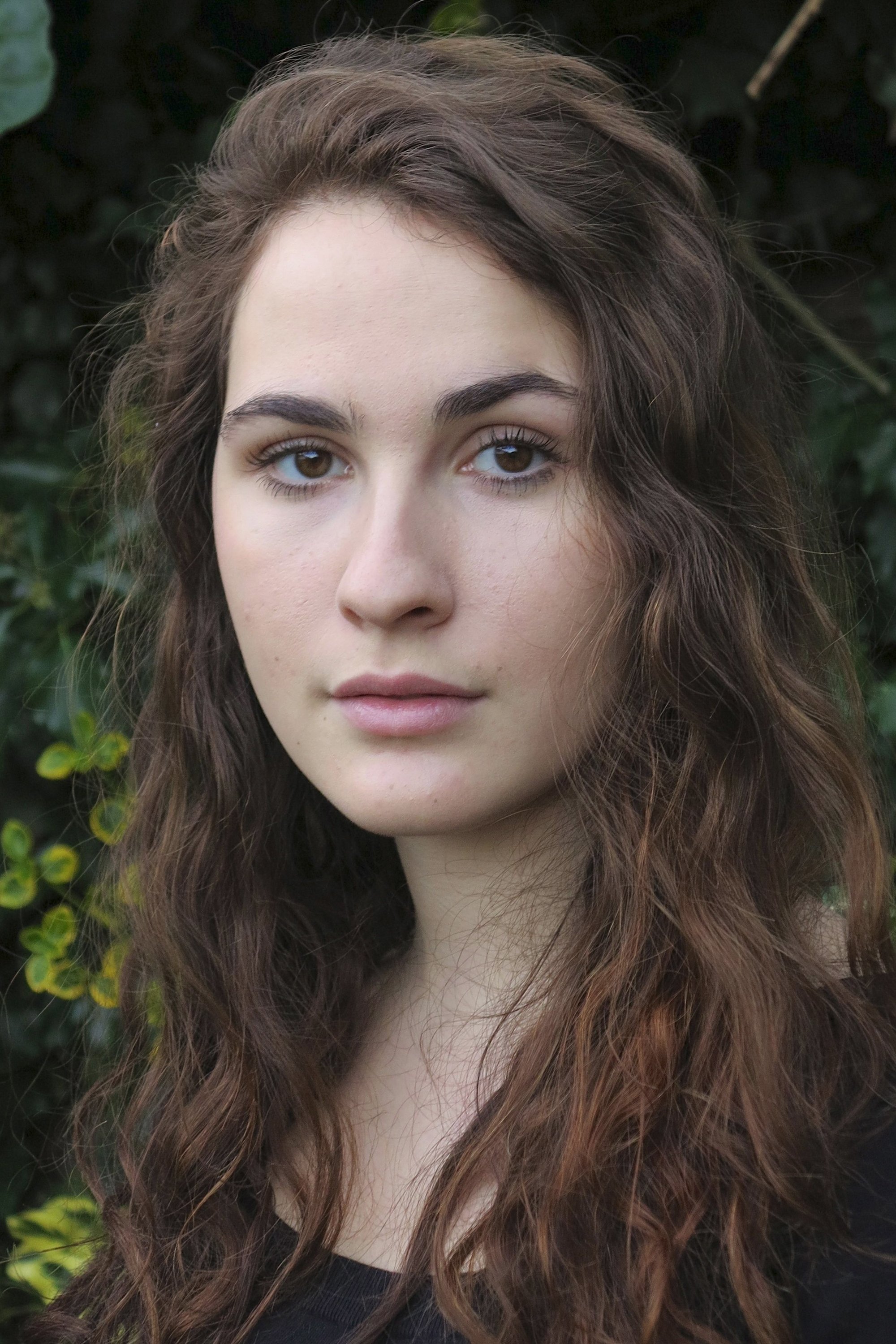
Irish singer Roisin Murphy faced a significant backlash from her fan base after a private Facebook post criticizing the use of puberty blockers was made public. In the post, she referred to the treatment as “big pharma” and expressed concern for “vulnerable kids,” which many in the trans community found offensive. Despite her history as a dance-music icon with a large LGBTQ+ following, she faced calls for boycotts and the cancellation of her upcoming promotional events. Murphy issued a lengthy apology, stating she did not mean to cause hurt, but her label reportedly ceased all promotional activity for her album. The incident sparked a broader conversation about the limits of personal opinion for artists in the public eye.
Ne-Yo
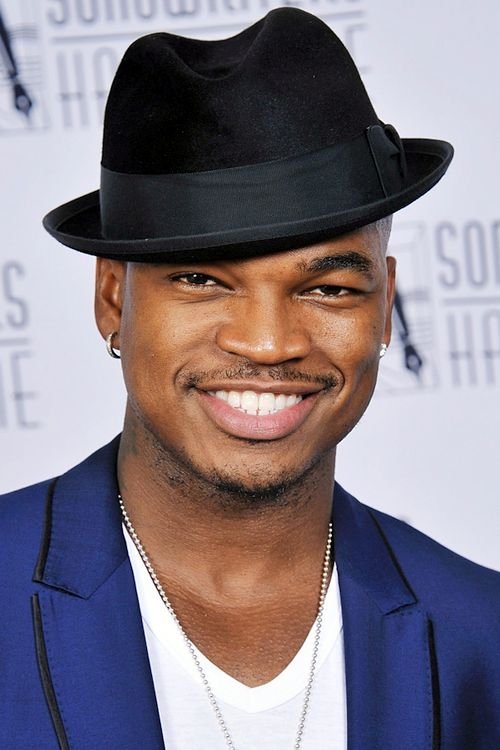
R&B singer Ne-Yo sparked outrage during an interview with Gloria Velez when he questioned the validity of gender identity for children. He argued that parents should not allow minors to make life-changing decisions about their gender, stating that “I come from an era where a man was a man and a woman was a woman.” Following a swift backlash, Ne-Yo initially posted an apology on social media, but later retracted it in a video, claiming his publicist had written the apology without his consent. He doubled down on his views, stating that he would not be bullied into changing his beliefs. This flip-flop on the issue led to further criticism from both sides of the debate.
Travis Tritt
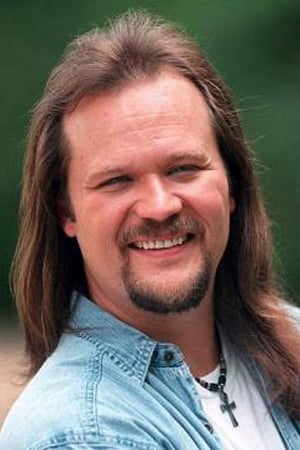
Country veteran Travis Tritt made headlines when he announced he would be canceling several tour dates at venues that required COVID-19 vaccinations or masks. He stated that he was taking a stand against “discrimination” and wanted to protect the rights of his fans to choose their own medical paths. Tritt has also been vocal on social media about his support for conservative policies and his opposition to the “woke” agenda in the music industry. His stance led to a surge in support from like-minded fans, even as it drew criticism from public health advocates. He continues to be a vocal representative of traditionalist views within the Nashville community.
Tom MacDonald
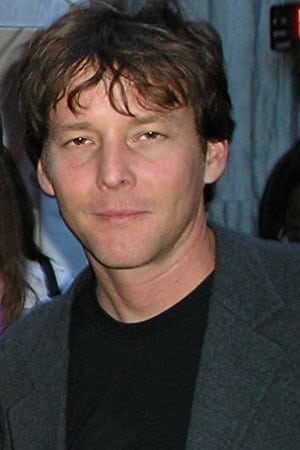
Canadian rapper Tom MacDonald has built a massive independent career by releasing songs that directly attack “woke” culture and political correctness. Tracks like ‘Snowflakes’, ‘Fake Woke’, and ‘cancelled’ feature lyrics that mock modern social sensitivities and media narratives. MacDonald often targets topics like gender identity, systemic racism, and government overreach, positioning himself as a defender of free speech. While he is frequently criticized by mainstream music outlets and social activists, his videos consistently garner millions of views on YouTube. He prides himself on being completely independent of the major label system, which he claims is ideologically captured.
Phil Anselmo
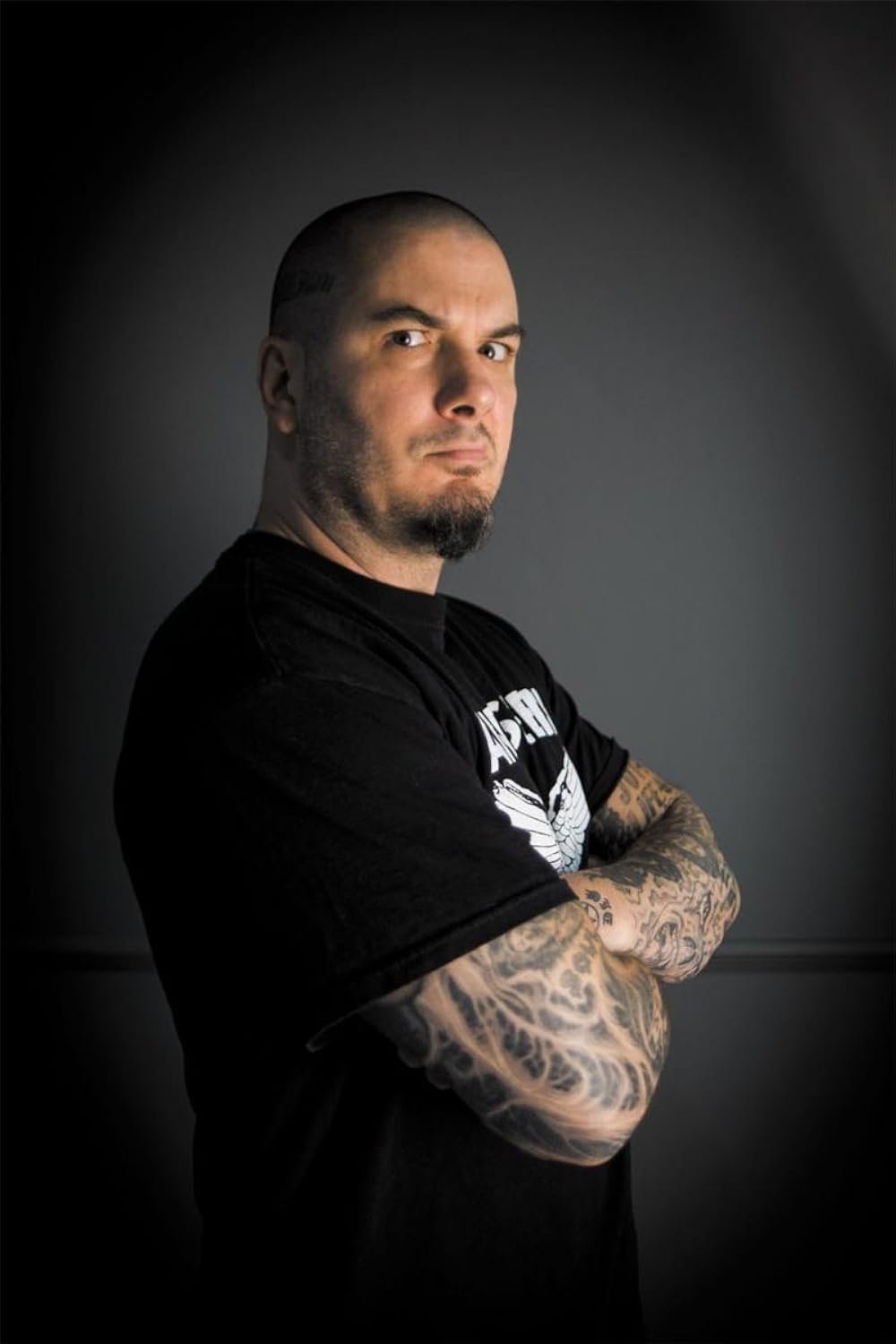
Phil Anselmo, the former frontman of Pantera, has had several brushes with controversy regarding his political and social views. In 2016, he sparked a massive outcry after he was filmed making a “white power” gesture and shout during a concert. While he initially apologized and claimed it was an inside joke, the incident led to many festivals removing his bands from their lineups. In more recent years, Anselmo has expressed frustration with “PC culture” and the “woke” shift in the metal scene. He remains a divisive figure, with some fans defending him as a provocateur and others viewing him as a symbol of outdated and harmful ideologies.
Meat Loaf
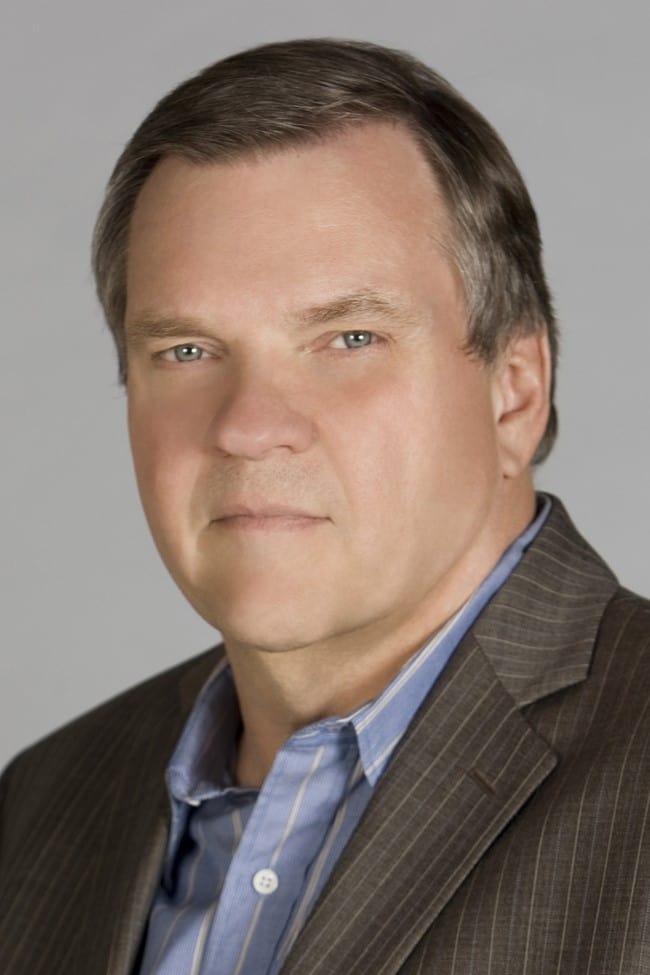
Before his passing, rock legend Meat Loaf expressed skepticism regarding climate change and was a vocal critic of what he viewed as the “woke” push for environmental regulations. In various interviews, he referred to climate activist Greta Thunberg as “brainwashed” and argued that scientific data was being manipulated for political ends. These comments drew significant criticism from environmental groups and fans who supported climate action. Meat Loaf was also vocal about his opposition to lockdowns and mask mandates, aligning himself with other classic rock figures who prioritized personal freedom. His outspoken nature remained a hallmark of his public persona until the end of his life.
Ian Brown
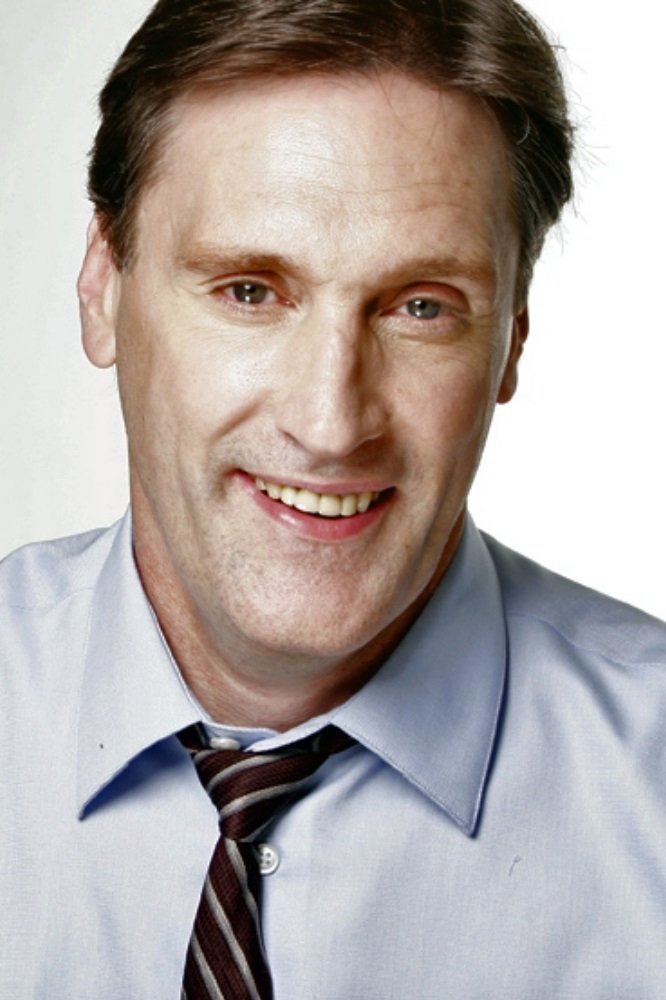
Ian Brown, the frontman of The Stone Roses, became one of the most prominent anti-establishment voices in the UK during the pandemic. He used his Twitter account to post numerous messages against lockdowns, masks, and vaccine mandates, often labeling them as tools of state control. Brown pulled out of headlining a music festival because they required proof of vaccination, stating he would not perform under “forced” conditions. His comments were met with a mix of support from civil libertarians and intense criticism from those who felt he was spreading dangerous misinformation. This period marked a significant shift in how the public perceived the iconic Manchester musician.
Krist Novoselic

Krist Novoselic, the bassist for Nirvana, sparked a wave of outrage among his fan base when he praised a speech by then-President Donald Trump in 2020. In a social media post, he described the speech as “strong and direct,” which led to immediate backlash from fans who associated the band’s legacy with progressive and counter-cultural values. Novoselic later deleted his Facebook page and clarified that he is a “longtime critic of the two-party system,” but he stood by his right to offer praise where he saw fit. The incident highlighted the intense pressure on musicians to align with specific political expectations, especially those from legendary “alternative” backgrounds.
Zoltan Bathory
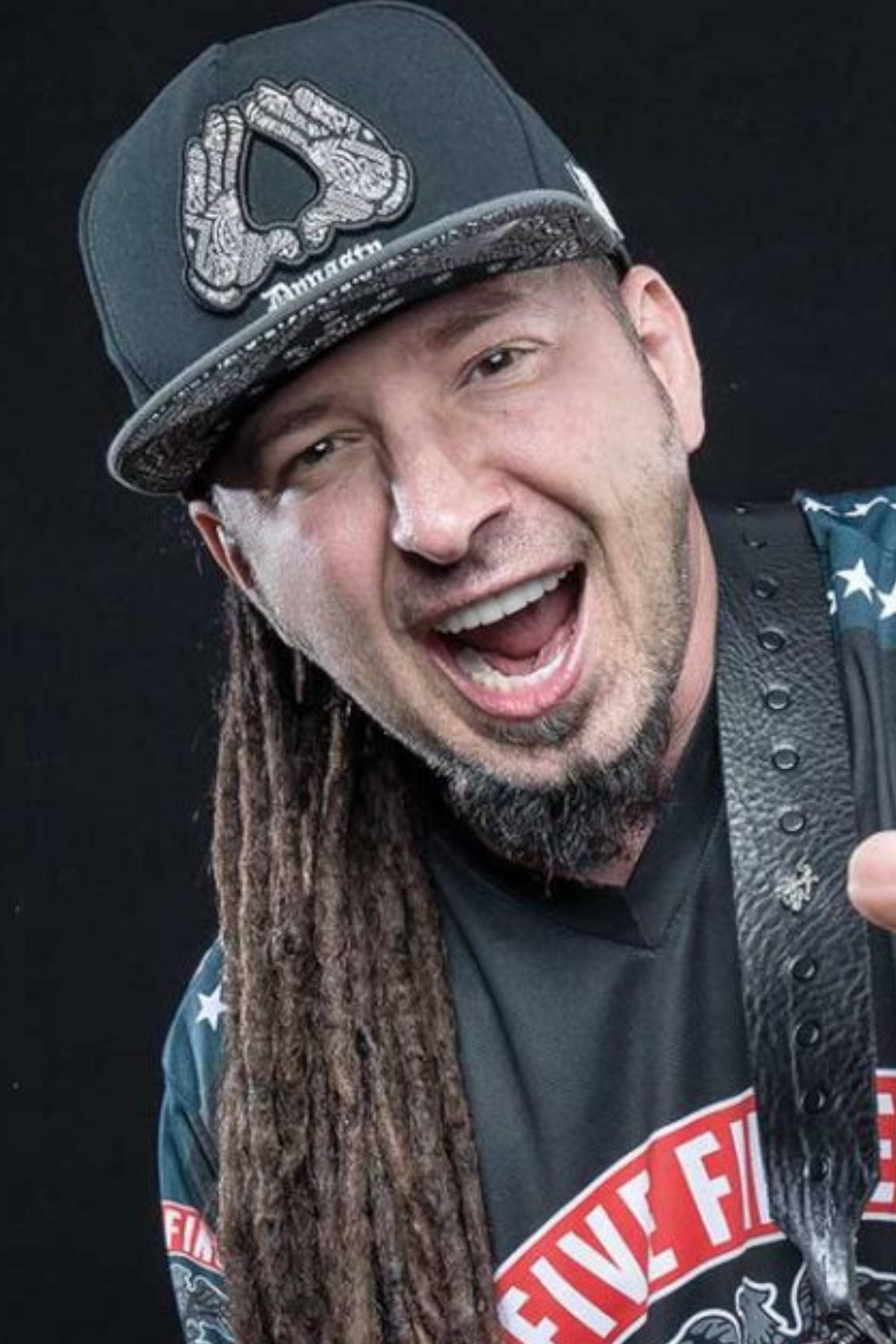
Zoltan Bathory, the founder and guitarist of Five Finger Death Punch, is a vocal supporter of law enforcement and conservative causes. The band’s music and videos often feature patriotic themes and support for the military, which has occasionally drawn criticism from progressive outlets. Bathory has been outspoken against the “defund the police” movement and has expressed concern over the “woke” direction of modern social policy. He frequently uses his social media to engage in political discourse, defending traditional values and individual rights. His band remains one of the most successful in modern rock, despite frequently being at odds with mainstream media narratives.
Struggle Jennings
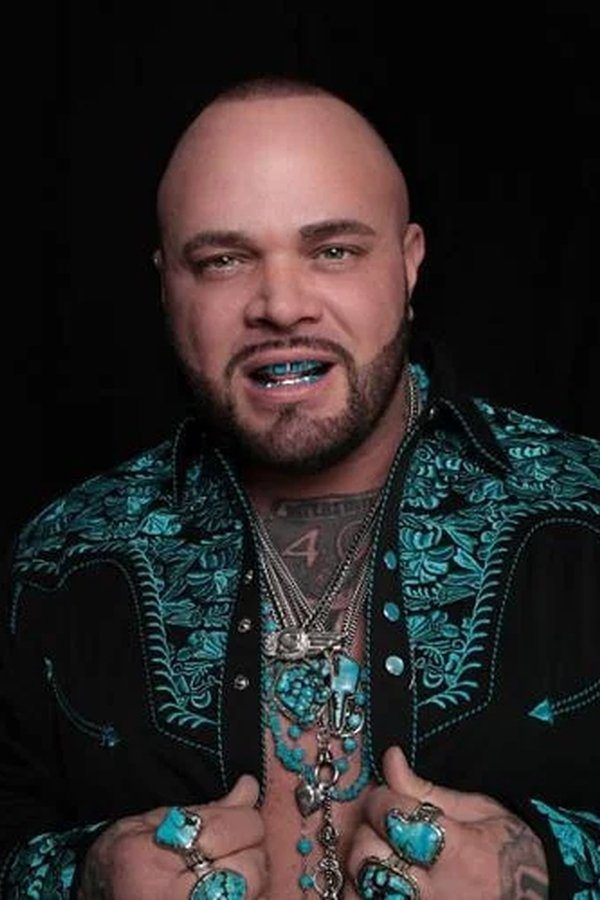
Struggle Jennings, the grandson of Waylon Jennings, has built a career in the “country rap” genre while maintaining a fiercely independent and conservative-leaning stance. He frequently speaks out against “cancel culture” and the perceived “softness” of modern society. His music often touches on themes of redemption, heritage, and the struggle against institutional power. Jennings has aligned himself with other figures in the “anti-woke” music scene, participating in tours and collaborations that celebrate traditional American values. He argues that his music is for those who value freedom and truth over political correctness.
Share your thoughts on how these musicians’ political views have impacted their careers in the comments.