


Musicians Who Sparked Religious Controversy With Their “Blasphemous” Stage Performances




The intersection of music and religion has often led to moments of intense public scrutiny and cultural friction. Throughout history, solo artists have used the stage as a canvas for provocative expression, sometimes incorporating symbols or themes that deeply offend religious communities. From parodies of sacred rituals to the use of iconography in secular contexts, these performances have sparked debates about the boundaries of artistic freedom. While some artists claim their work is a critique of institutional power, others use religious imagery to explore personal identity or social issues. These eighteen musicians faced significant backlash for stage performances that were labeled blasphemous by critics and faithful followers alike.
Madonna
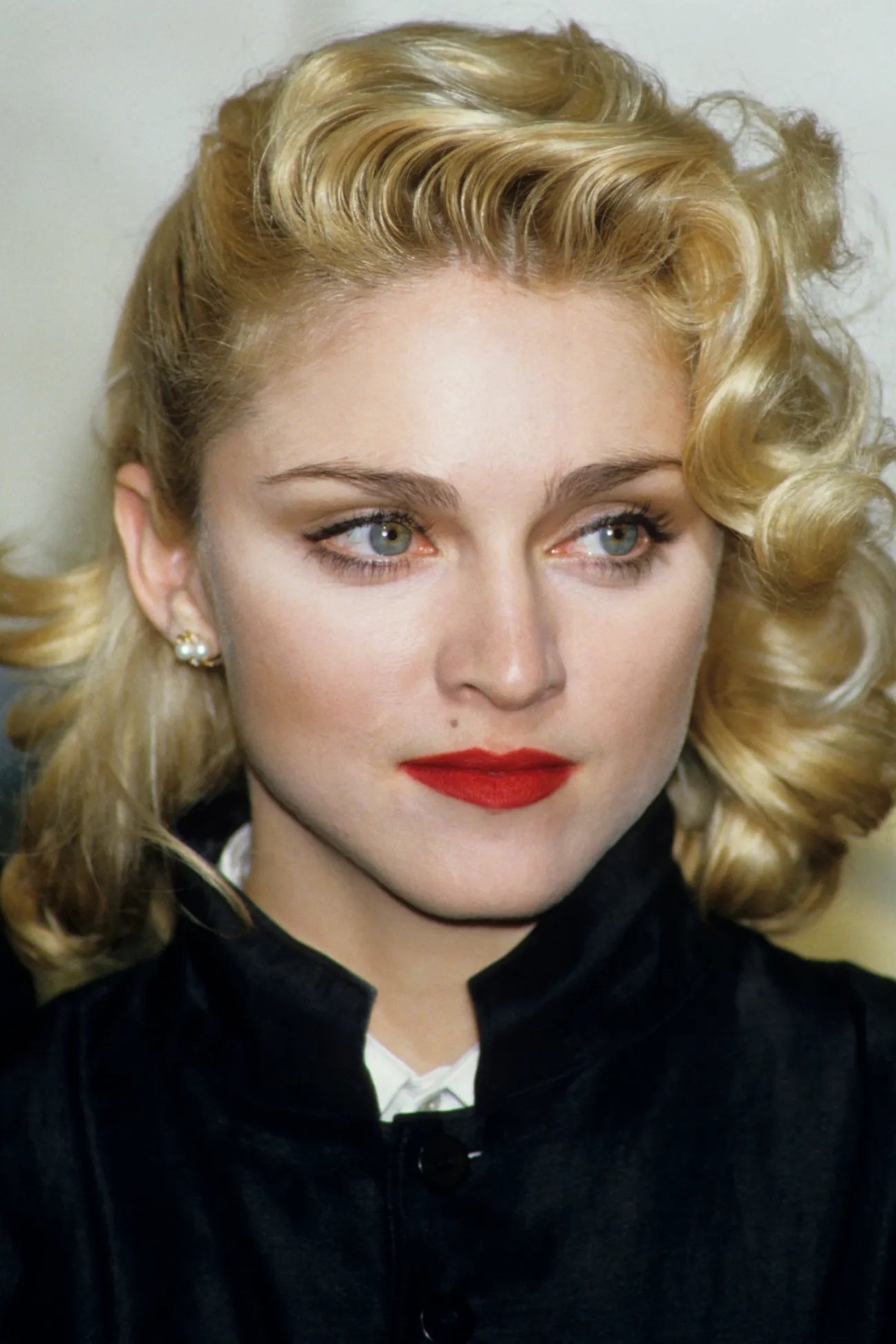
During the 2006 ‘Confessions Tour’, Madonna performed the song ‘Live to Tell’ while suspended from a large, mirrored cross. She wore a crown of thorns while a digital screen behind her displayed statistics regarding the AIDS epidemic in Africa. This performance was met with fierce condemnation from the Vatican, which viewed the use of the cross as an act of hostility toward the Catholic Church. Religious leaders in several countries called for the tour to be banned or for the specific scene to be removed. Madonna defended the performance as an appeal to the audience to help those in need, rather than a slight against religion.
Sinéad O’Connor

In one of the most famous moments in television history, Sinéad O’Connor appeared on ‘Saturday Night Live’ in 1992 to perform an a cappella version of the song ‘War’. At the end of her performance, she held up a photograph of Pope John Paul II and ripped it into pieces while saying the words “fight the real enemy.” This act was intended to protest the sexual abuse of children within the Catholic Church and the cover-ups associated with it. The immediate reaction was overwhelmingly negative, leading to her being banned from the show and facing widespread public condemnation. It remains a defining moment of religious controversy in the history of live musical performances.
Marilyn Manson
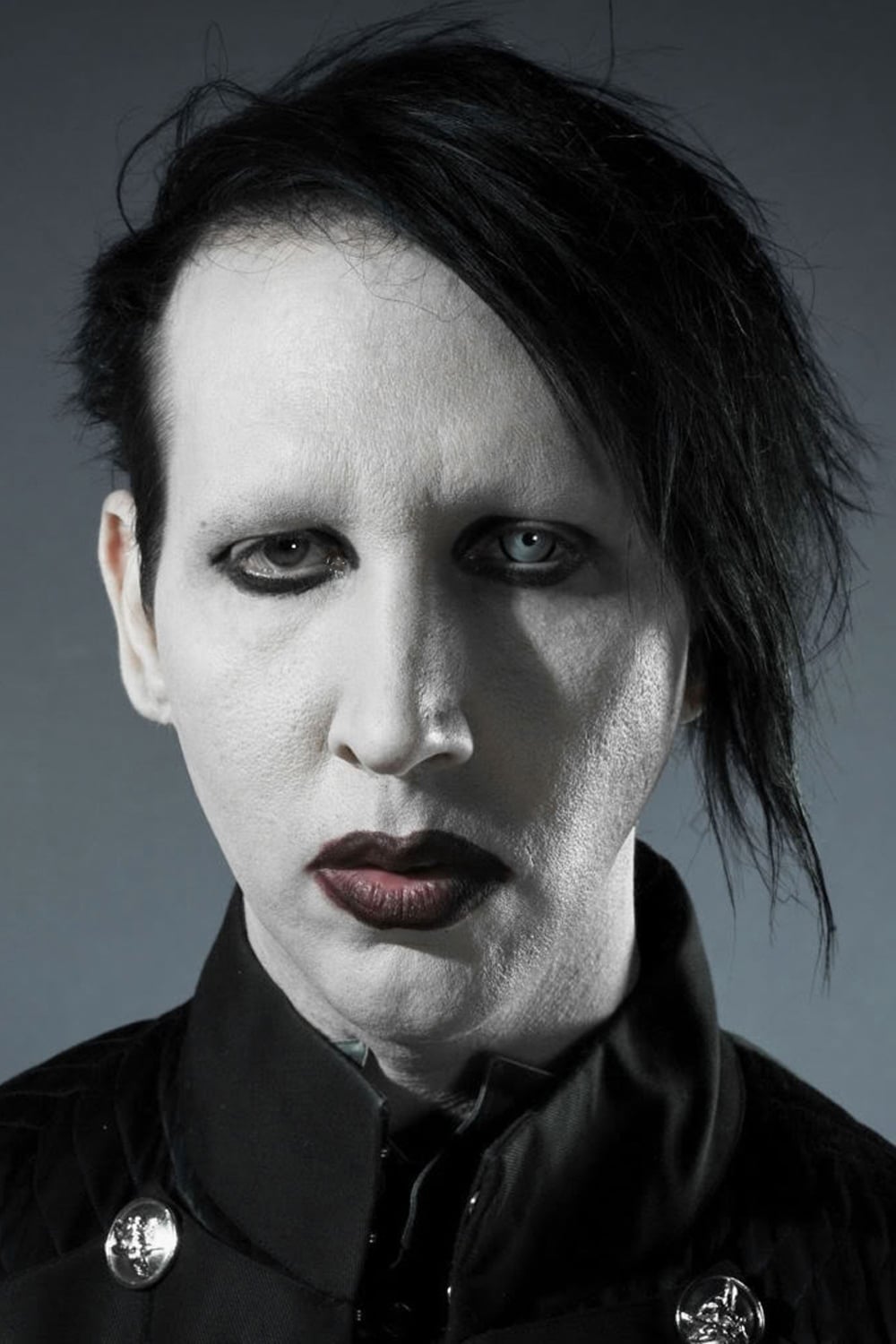
During his tours in support of the album ‘Antichrist Superstar’, Marilyn Manson frequently engaged in acts that religious groups deemed sacrilegious. He often tore pages from the Holy Bible and threw them into the audience while standing at a podium that mimicked those used by fascist or religious leaders. These performances were met with massive protests and picket lines organized by Christian organizations across North America. Manson’s use of inverted crosses and other occult imagery further cemented his reputation as a “blasphemous” artist in the eyes of the public. He argued that his performances were a commentary on the hypocrisy he perceived in organized religion.
Lil Nas X
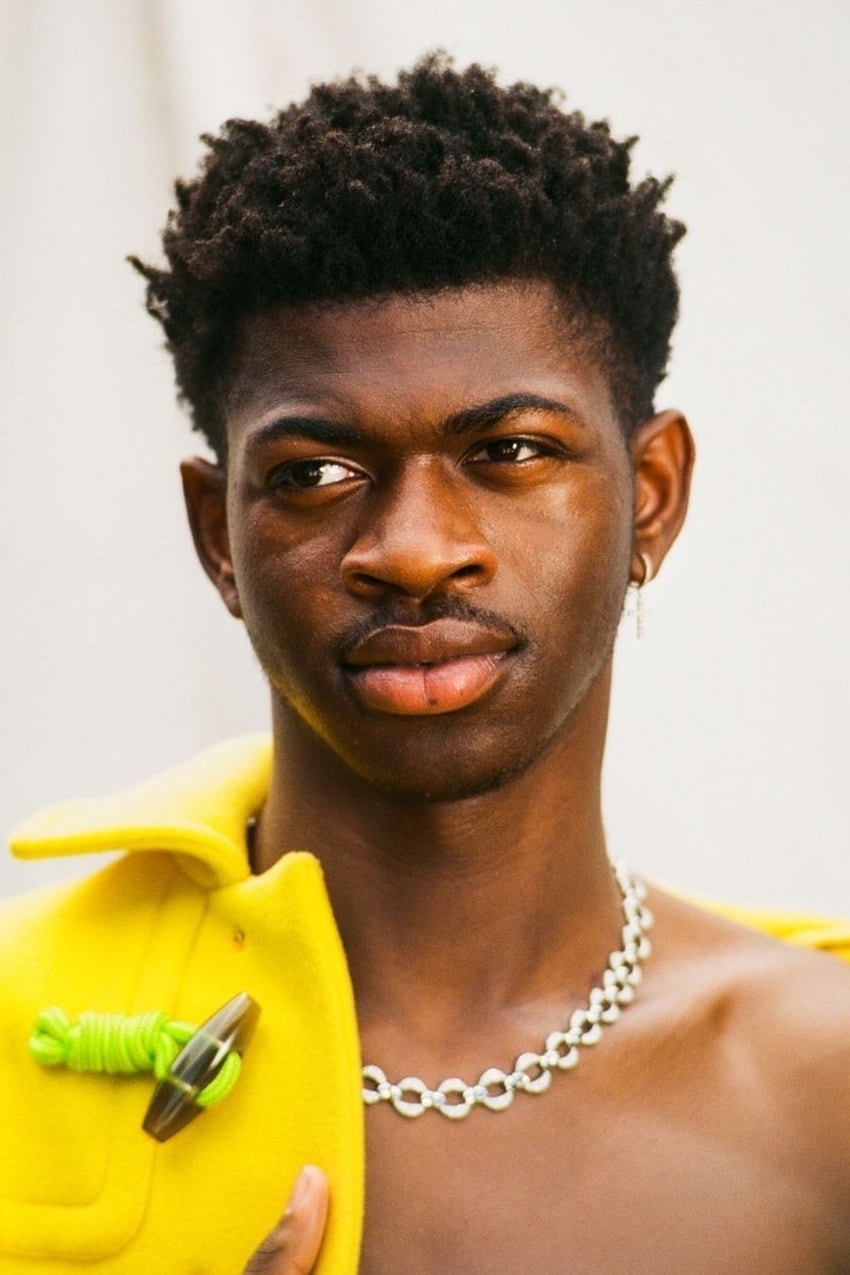
Lil Nas X sparked a global conversation about religion and queer identity with his live performances and the release of ‘Montero (Call Me By Your Name)’. The artist utilized a narrative that involved being cast out of heaven and descending into hell on a stripper pole. In the climax of the performance, he was seen giving a lap dance to a character portraying the devil before eventually taking the devil’s crown for himself. Conservative religious figures and organizations criticized the performance for what they saw as the glorification of satanic imagery. Lil Nas X maintained that the performance was about reclaiming power and embracing his true self in the face of religious condemnation.
Sam Smith

At the 2023 Grammy Awards, Sam Smith and Kim Petras delivered a performance of their hit single ‘Unholy’ that drew significant fire from religious commentators. The stage was set with hellish red lighting, cages, and Smith wearing a top hat adorned with devil horns. Many viewers felt the performance was a literal celebration of the demonic and filed complaints with the Federal Communications Commission. The performance was labeled as “satanic” by several prominent political and religious figures on social media. Smith’s representatives noted that the performance was intended to be a theatrical exploration of the song’s dark themes.
Nicki Minaj

The 2012 Grammy Awards featured a highly controversial performance by Nicki Minaj for her song ‘Roman Holiday’. The set included a mock confessional booth and featured the rapper being seemingly “exorcised” by a priest character on stage. This theatrical display included Minaj levitating while choir singers performed in the background, a sight that many Catholic viewers found deeply offensive. The Catholic League for Religious and Civil Rights issued a statement condemning the performance as a vulgar attack on their faith. Minaj explained that the performance was part of a larger narrative involving her alter ego, Roman Zolanski.
Lady Gaga
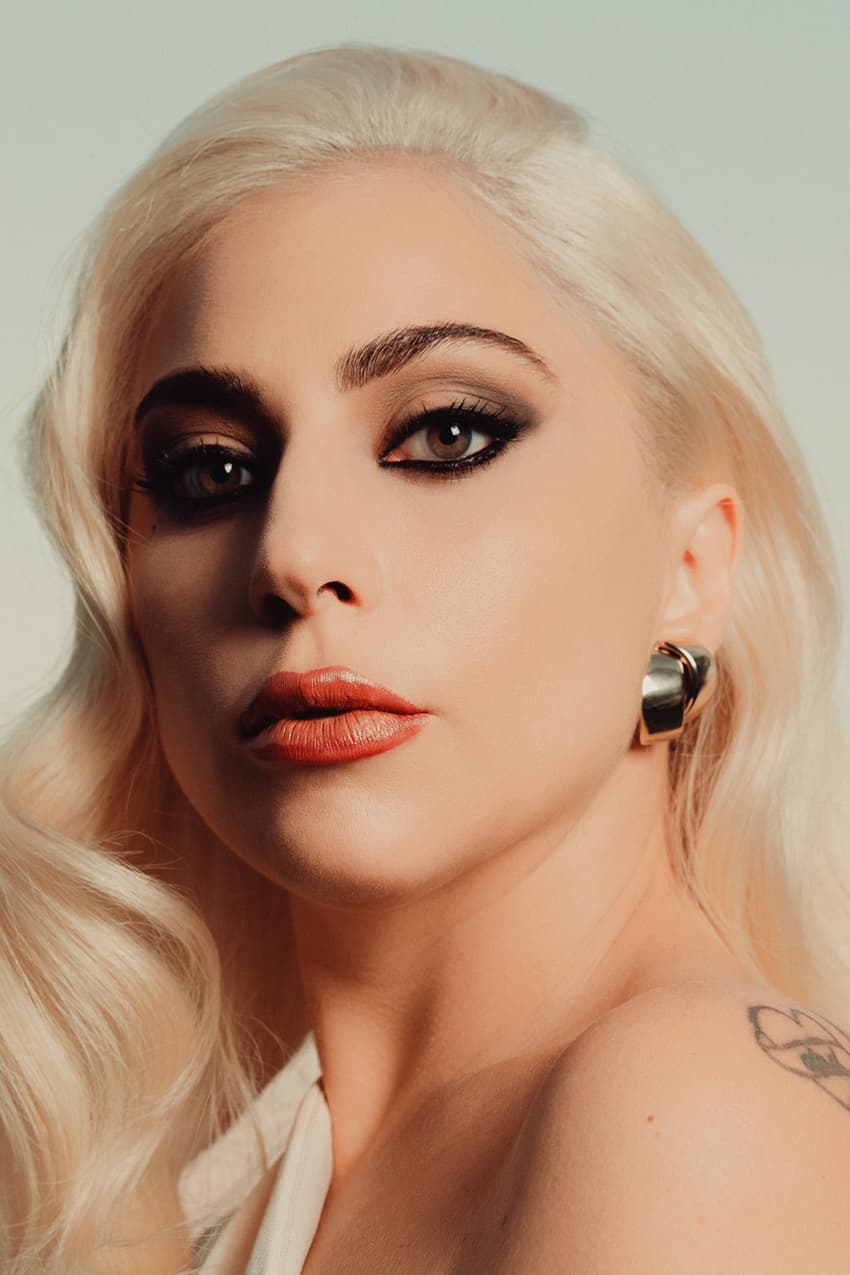
During ‘The Monster Ball’ tour, Lady Gaga faced accusations of blasphemy for her use of Catholic iconography in a provocative manner. For her performance of ‘Alejandro’, she often appeared in a red latex habit and was seen using a rosary in a way that critics deemed sacrilegious. The use of fake blood and religious symbols during her concerts led to protests from several Christian advocacy groups. In some cities, religious leaders called for her shows to be canceled to protect the moral fiber of the community. Gaga has often stated that her work is meant to celebrate individuality and challenge traditional social norms.
Ozzy Osbourne
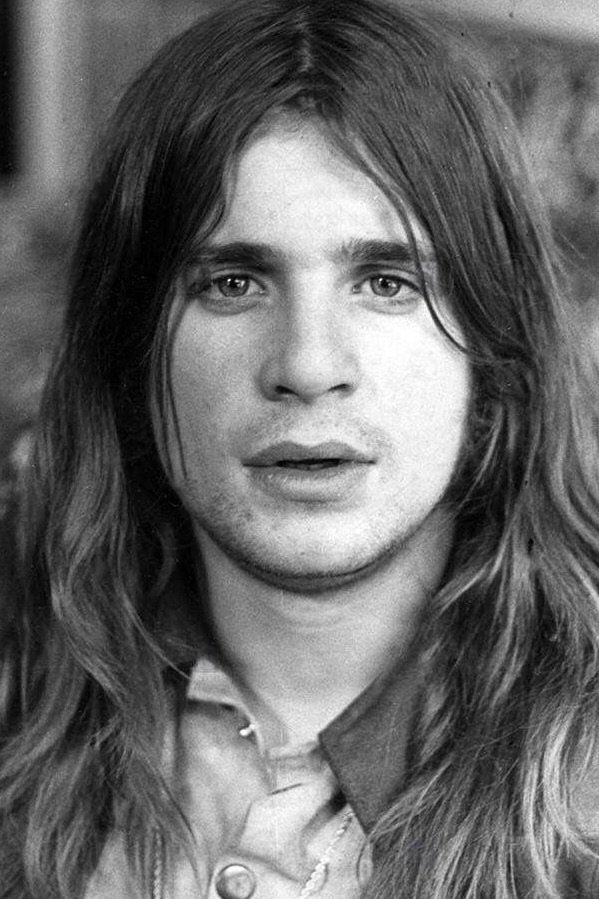
As a solo artist in the 1980s, Ozzy Osbourne was frequently targeted by religious organizations for his “satanic” stage presence. His use of occult symbols and the dark, macabre themes of albums like ‘Diary of a Madman’ led to a widespread belief that he was a practitioner of the dark arts. Groups such as the P.M.R.C. used his live shows as examples of music that could corrupt the youth and lead them away from Christian values. Despite Osbourne’s insistence that his act was merely theatrical horror, his concerts were often picketed by local churches. The controversy surrounding his “blasphemous” image followed him for much of his early solo career.
Alice Cooper
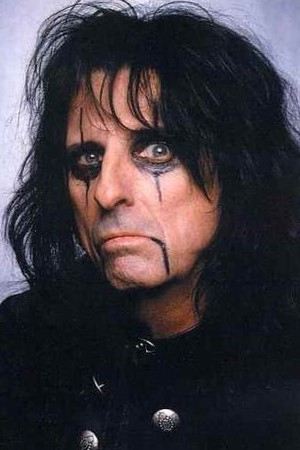
Alice Cooper is widely considered the pioneer of shock rock, often incorporating guillotines and mock executions into his live performances. During the 1970s, his shows were seen as a direct challenge to the religious and social status quo. Many religious leaders labeled him a “satanist” for the dark and often violent imagery presented on stage during songs like ‘I Love the Dead’. These critics believed that his performances promoted a godless lifestyle and celebrated the macabre. Interestingly, Cooper eventually returned to his Christian roots, though he continued to use his signature theatrical elements in his shows.
Kanye West
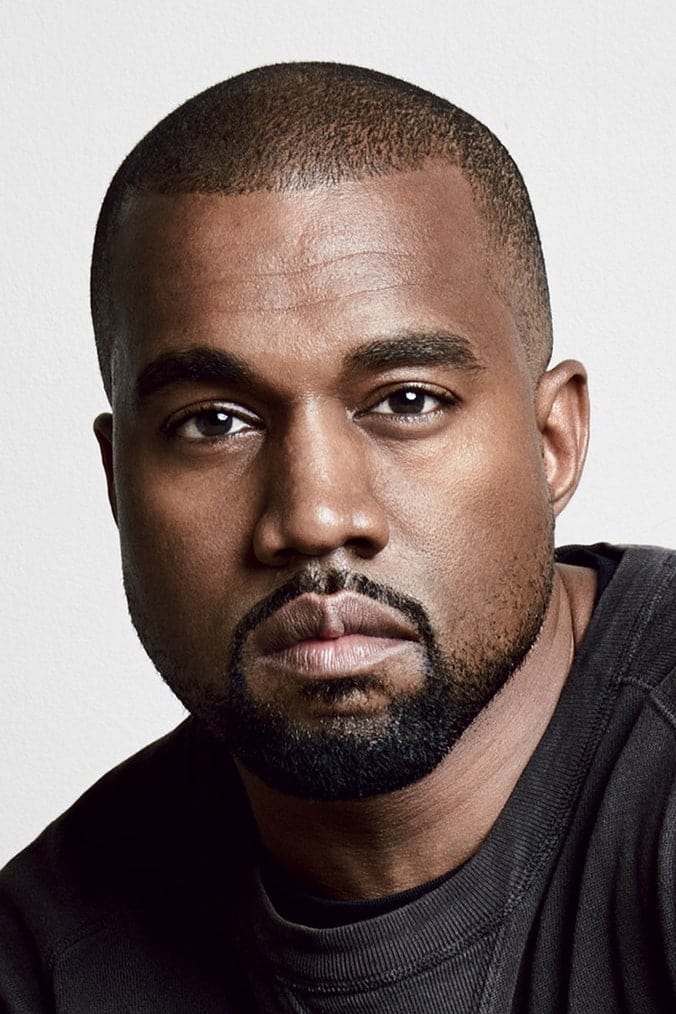
Kanye West’s ‘Yeezus’ tour in 2013 featured one of the most controversial stage props in hip-hop history. During the performance, an actor dressed in robes meant to depict Jesus Christ walked onto the stage to interact with West. This direct portrayal of a divine figure was seen as extremely disrespectful by many Christian fans and organizations. Some critics felt that the rapper was comparing himself to a deity, which they labeled as a height of blasphemy. West defended the inclusion by stating that it was a representation of his personal spiritual journey and his relationship with God.
Doja Cat
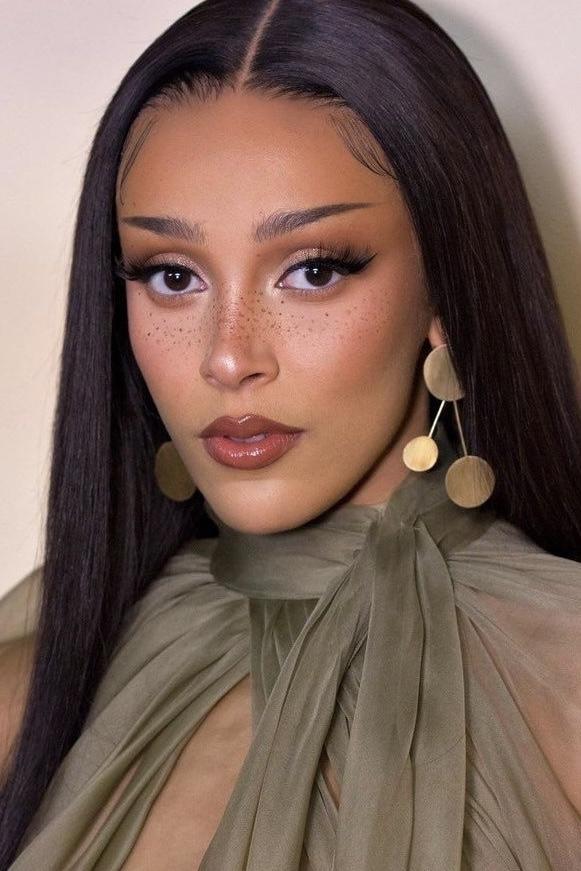
In 2023, Doja Cat received significant backlash for the “satanic” themes present in ‘The Scarlet Tour’ and the song ‘Paint the Town Red’. She frequently appeared on stage covered in red paint and surrounded by visuals that referenced demons and the occult. Many religious followers accused her of selling her soul or promoting devil worship through these dark artistic choices. The controversy was fueled by her use of horns and other infernal symbols in both her live performances and social media presence. Doja Cat appeared to embrace the controversy, often mocking the claims that her art was a literal tribute to the devil.
Tyler, the Creator

Early in his career, Tyler, the Creator was known for his aggressive and anti-religious lyrics and stage antics. He often wore clothing that featured inverted crosses and used his platform to openly mock Christian beliefs and figures. His performance of the song ‘Yonkers’ was particularly polarizing due to its dark, transgressive imagery. These actions led to him being labeled a “blasphemer” by various religious groups who sought to have his music censored. The controversy eventually reached a point where he was banned from several countries because his lyrics were deemed a threat to public order.
Snoop Dogg
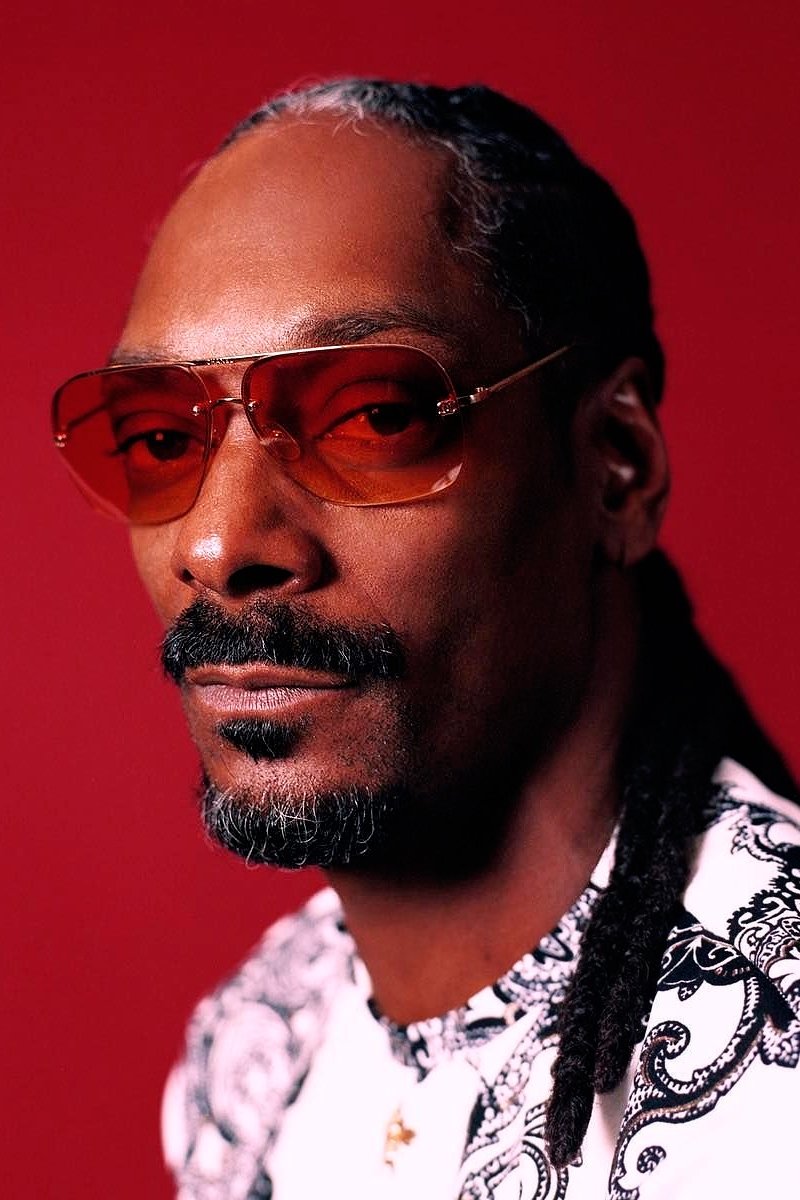
At the 1994 American Music Awards, Snoop Dogg performed ‘Murder Was the Case’, a song that tells the story of a man making a deal with the devil. The performance was stylized with dark, supernatural elements that depicted the rapper’s character being resurrected through a demonic pact. Religious viewers and organizations were quick to criticize the performance for glamorizing the occult and the concept of selling one’s soul. The dark, eerie atmosphere of the set was seen as an affront to traditional Christian values regarding life and death. Despite the backlash, the performance is remembered as a pivotal moment in the rapper’s early career.
Prince
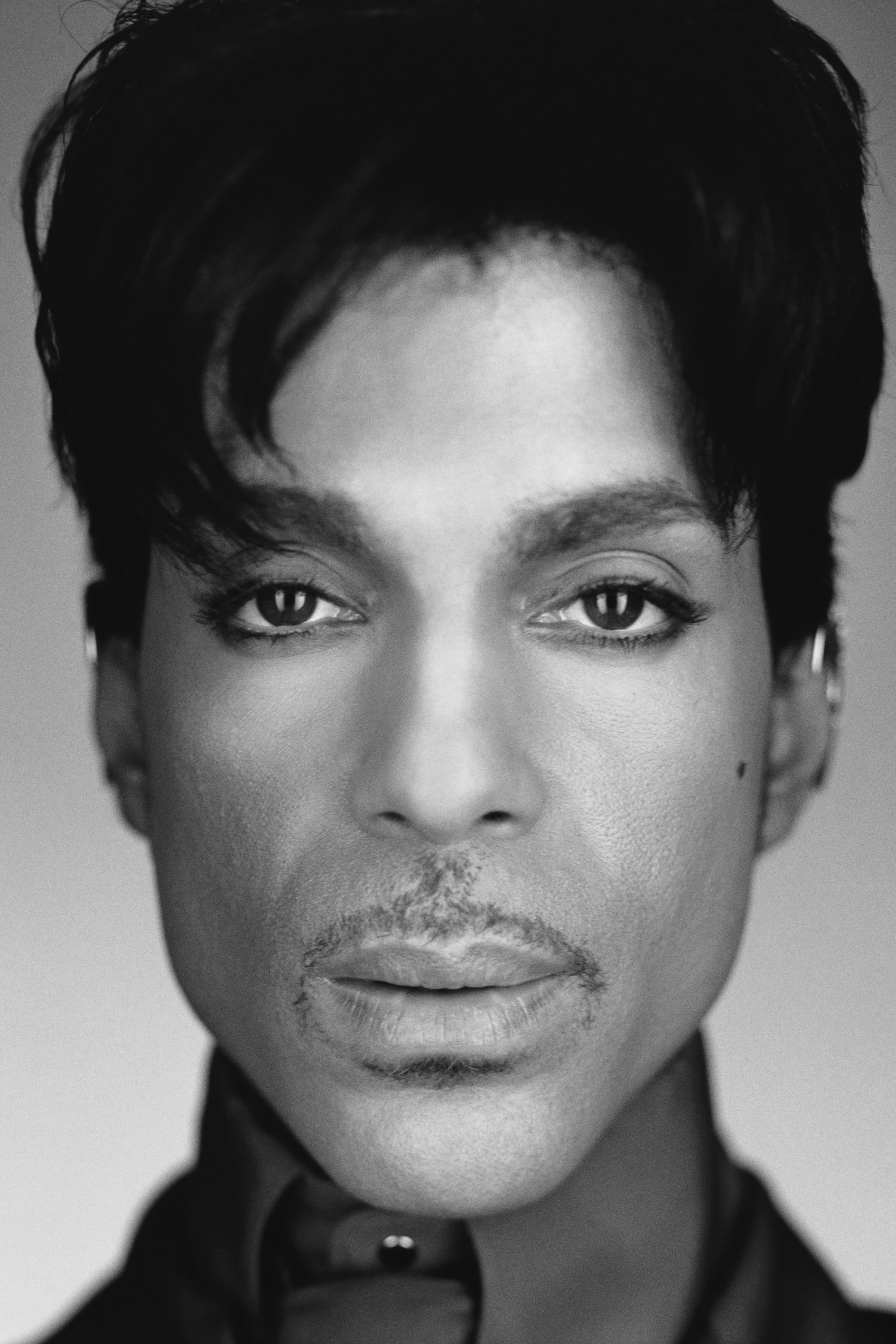
Prince often blended high-energy sexuality with deep religious conviction, a combination that frequently upset more conservative audiences. During the ‘Lovesexy’ tour in 1988, he utilized a stage design that some felt juxtaposed the sacred and the profane too closely. The performance included overt sexual choreography alongside sermons and songs that dealt with spiritual salvation. Some religious critics found his use of religious terminology in songs like ‘Erotic City’ to be a form of blasphemy. Prince, however, viewed his music and his sexuality as interconnected parts of his spiritual life.
John Lennon
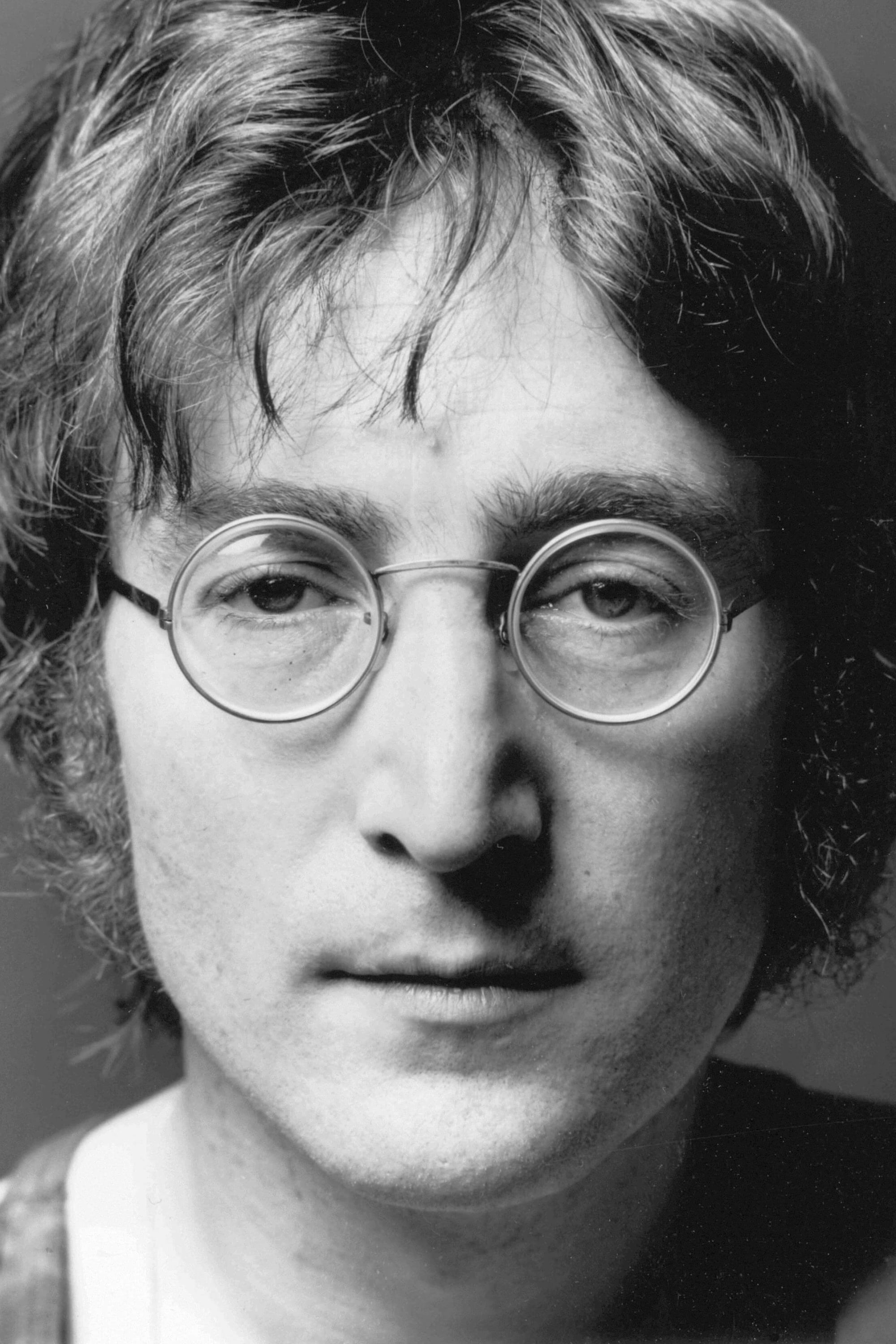
During his solo career, John Lennon’s song ‘Imagine’ became a target for religious groups due to the line “and no religion too.” While performing the song at various benefit concerts and televised events, he was often met with protests from those who felt the lyrics were an attack on faith. The controversy followed him from his famous “more popular than Jesus” remark during his time with the Beatles into his solo years. Many religious organizations viewed his promotion of a world without religion as a dangerous and blasphemous ideology. Despite this, the song became a global anthem for peace and secular humanism.
Frank Zappa
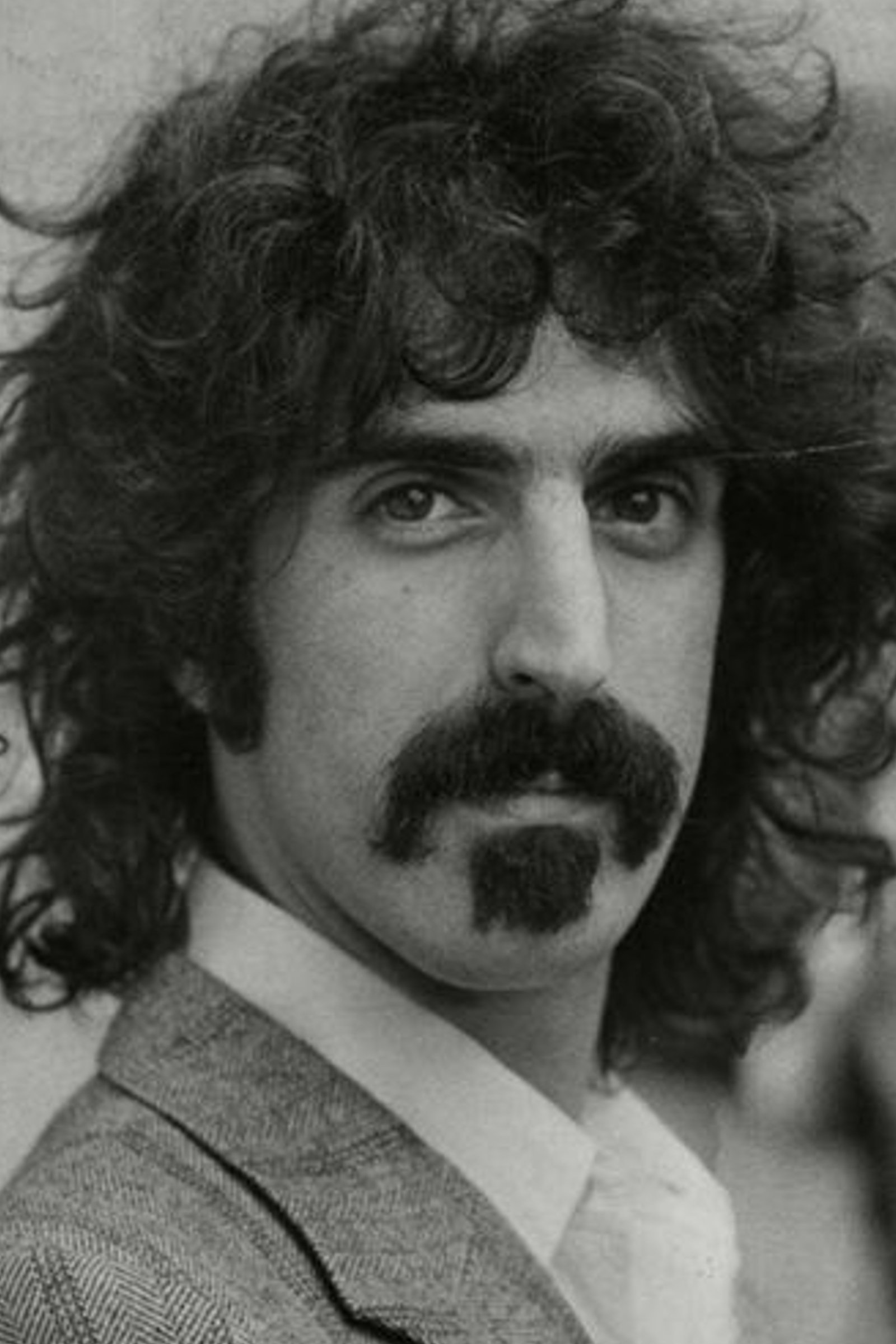
Frank Zappa was a vocal critic of organized religion and used his live shows to parody religious institutions and their leaders. He frequently performed songs that mocked the rise of televangelism and the perceived hypocrisy of the “religious right” in America. His stage presence was characterized by a sharp, satirical wit that often targeted sacred cows and traditional beliefs. Because of his outspoken views and transgressive stage shows, he was a frequent subject of debate during the P.M.R.C. hearings on music lyrics. Zappa viewed his “blasphemous” humor as a necessary tool for social and political critique.
Billie Eilish
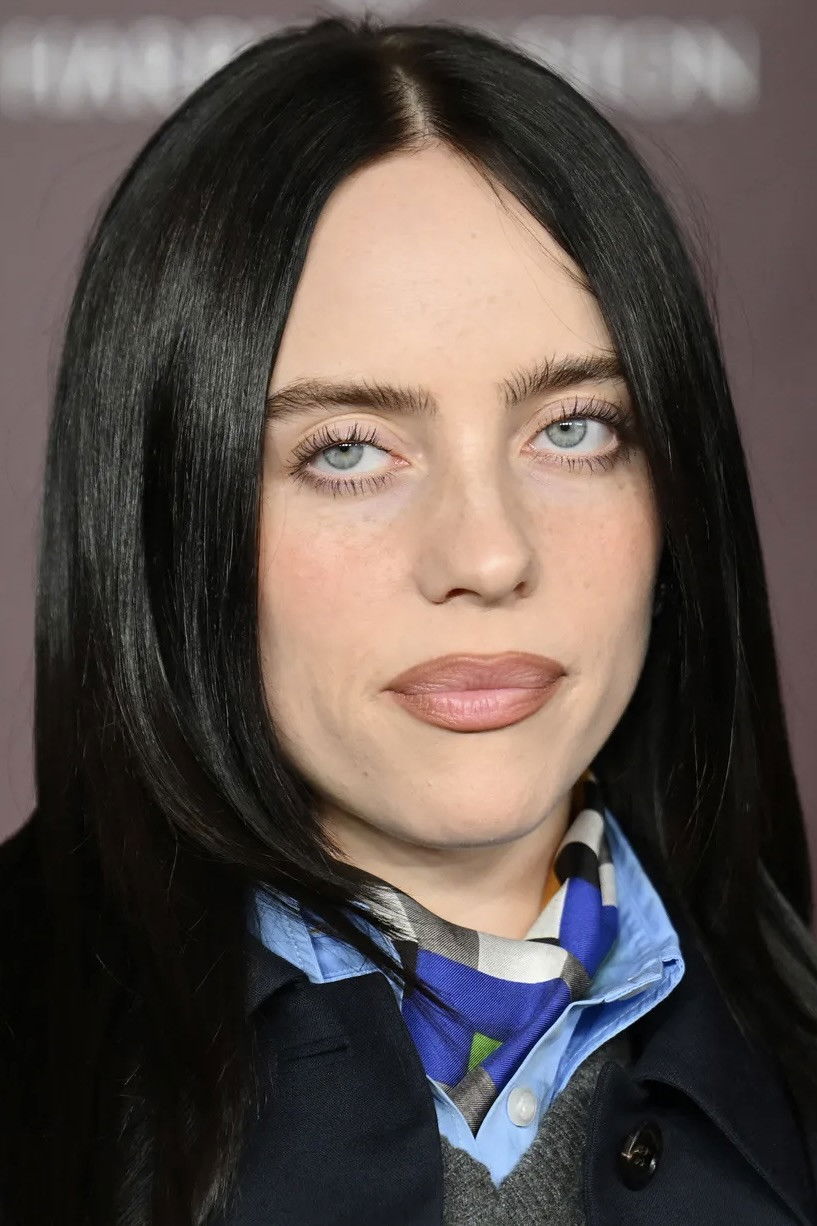
Billie Eilish’s live performances for the song ‘all the good girls go to hell’ have sparked controversy among religious audiences for their use of fallen angel imagery. The stage visuals often depict Eilish with black, oily wings as she wanders through a landscape filled with fire and brimstone. Some viewers interpreted these themes as a celebration of the devil’s fall from heaven rather than a metaphor for climate change. Religious commentators on social media have frequently cited her aesthetic as evidence of a “satanic” trend in the modern music industry. Eilish has clarified that the song and its visuals are intended to be a commentary on the environmental crisis.
Tell us which of these stage performances you think was the most controversial in the comments.