


Musicians Who Sued Their Own Producers for Giving Their Tracks Away



The relationship between a solo artist and their producer is often built on creative synergy, but it can quickly sour when ownership rights and track distribution come into play. Many high-profile musicians have found themselves in legal battles after discovering that their recordings were sold, licensed, or withheld without their explicit consent. These disputes often highlight the complex nature of music contracts and the struggle for artists to maintain control over their intellectual property. From legendary pop icons to modern rap stars, the fight for song ownership remains a recurring theme in the entertainment industry.
Kesha
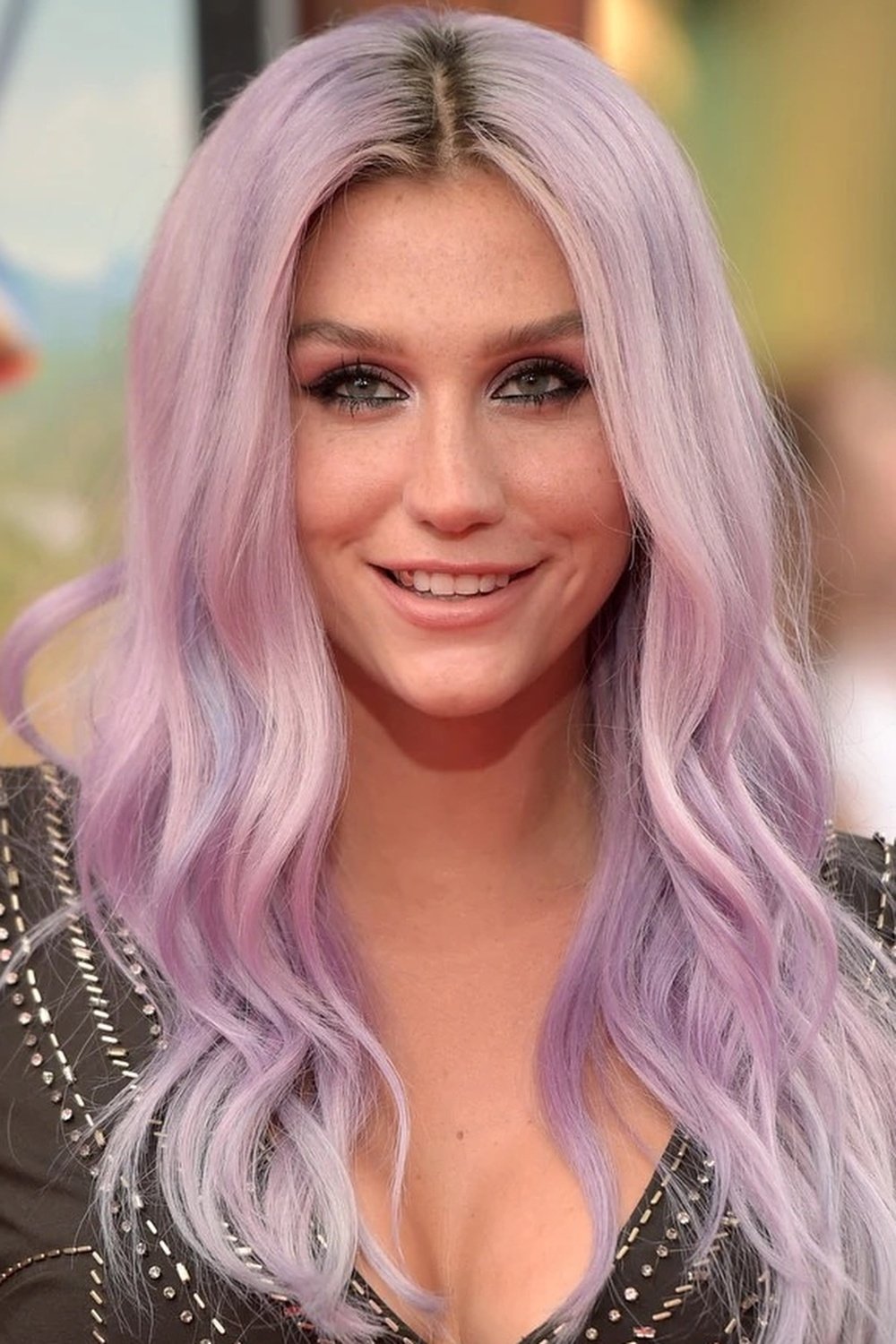
In 2014, this pop star filed a high-profile lawsuit against her long-time producer Lukasz Gottwald, known professionally as Dr. Luke. She alleged that he had exerted excessive control over her career and had given songs intended for her to other prominent artists. The legal battle involved complex claims regarding her contract and the ownership of her recordings. This case sparked a significant conversation about artist autonomy and the power dynamics within the music industry.
Kelis

This singer-songwriter has been vocal about her legal and professional disputes with the production duo The Neptunes. She alleged that she was misled into signing contracts that allowed the producers to take full ownership of her early tracks and publishing rights. Kelis claimed that she did not receive proper compensation or credit for her work on albums like ‘Kaleidoscope’. The conflict highlighted the vulnerabilities solo artists face when entering production deals early in their careers.
Frank Ocean
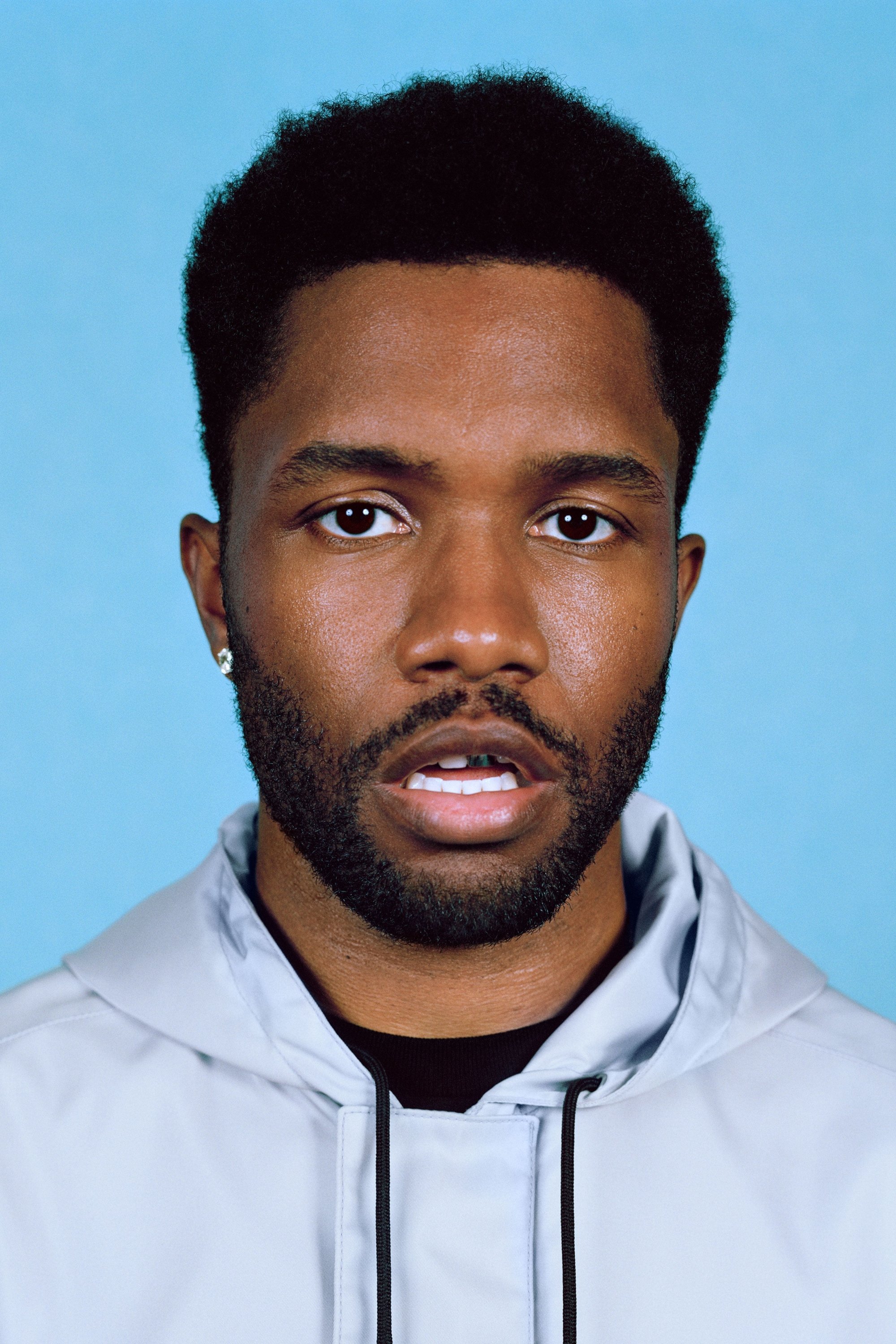
This artist filed a lawsuit against producer Om’Mas Keith in 2018 to protect the integrity of his album ‘Blonde’. The dispute began when Keith attempted to register as a co-writer for several songs, an action Ocean claimed was unauthorized. By gaining co-writing credits, the producer would have been legally allowed to license or give the tracks to third parties without Ocean’s sole consent. The court eventually ruled in favor of Ocean, ensuring he maintained full control over the distribution of his work.
Taylor Swift
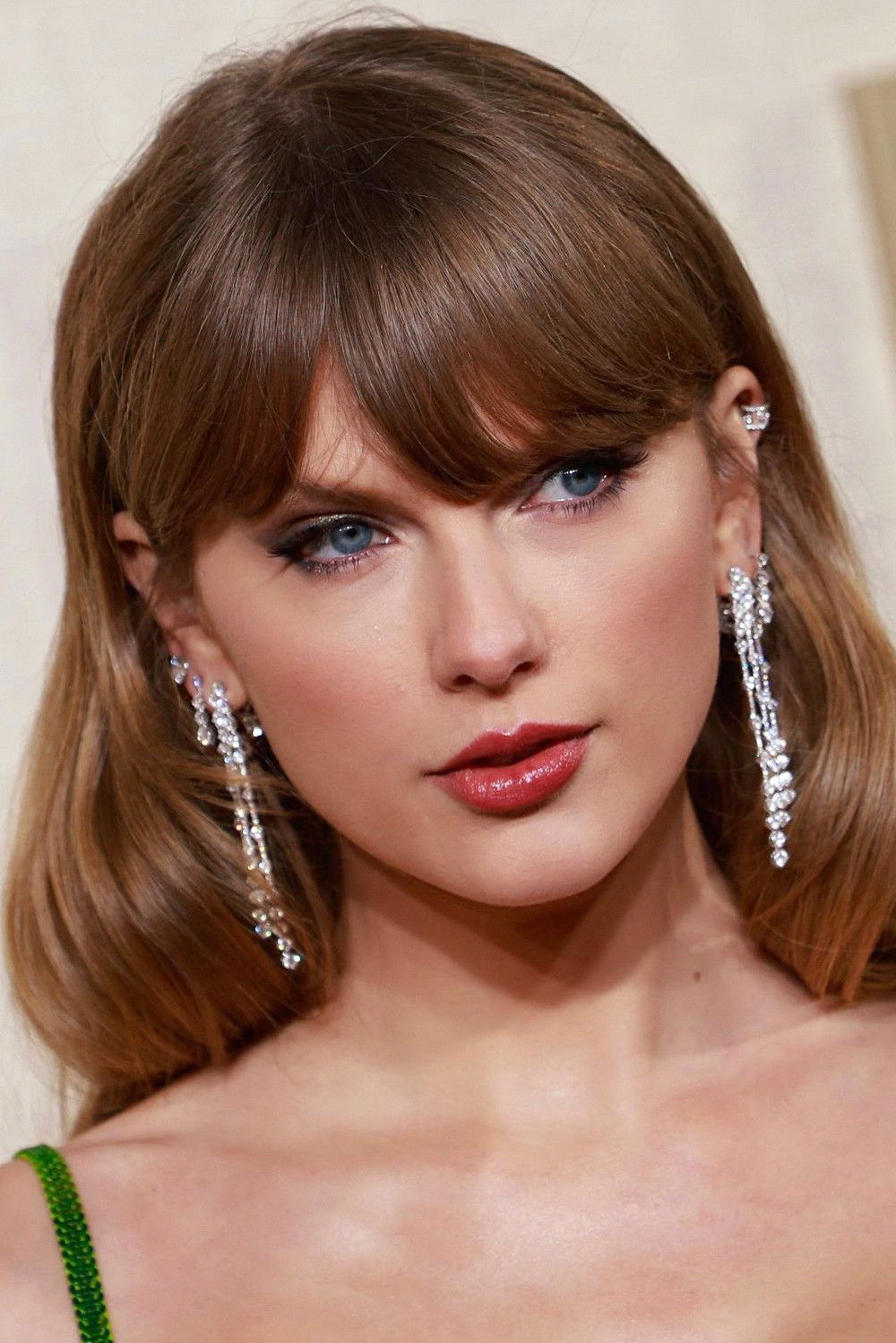
This global superstar entered a public legal battle after her former label head sold her master recordings to a third-party producer and executive. Swift argued that she was never given the opportunity to purchase her own tracks before they were transferred to Scooter Braun. The sale included the rights to her first six studio albums, effectively giving control of her catalog to an outside entity. In response, she began the process of re-recording her music to regain ownership and devalue the original masters.
Lil Wayne
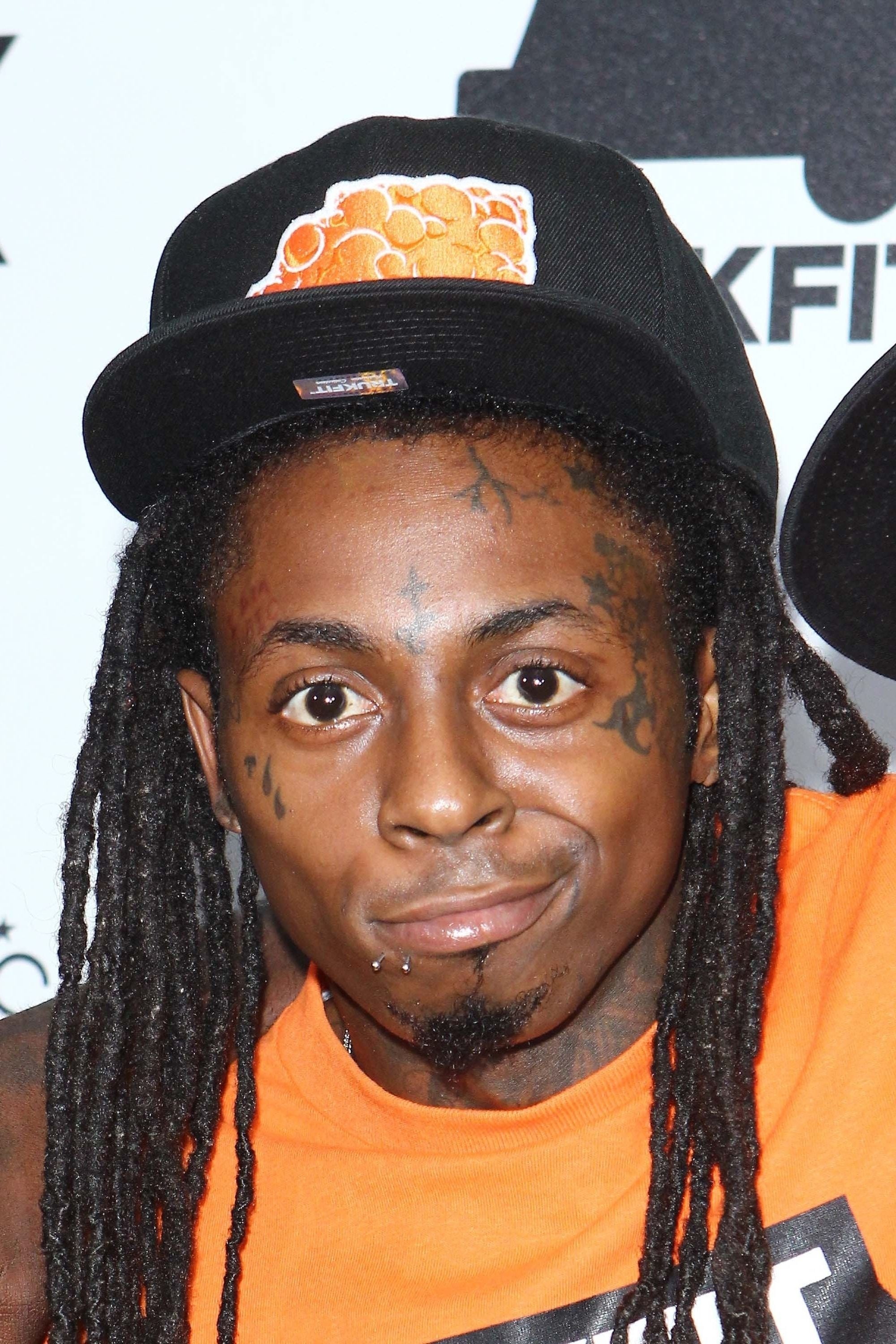
In 2015, this rapper sued Cash Money Records and its co-founder Birdman for $51 million over the withholding and mismanagement of his music. The lawsuit alleged that the label and its production team had failed to release his highly anticipated album ‘Tha Carter V’. Wayne claimed that the entity breached their contract by failing to pay earned royalties and refusing to give him control over his recordings. After years of legal gridlock, he reached a settlement that allowed him to release the album under his own terms.
Dr. Dre
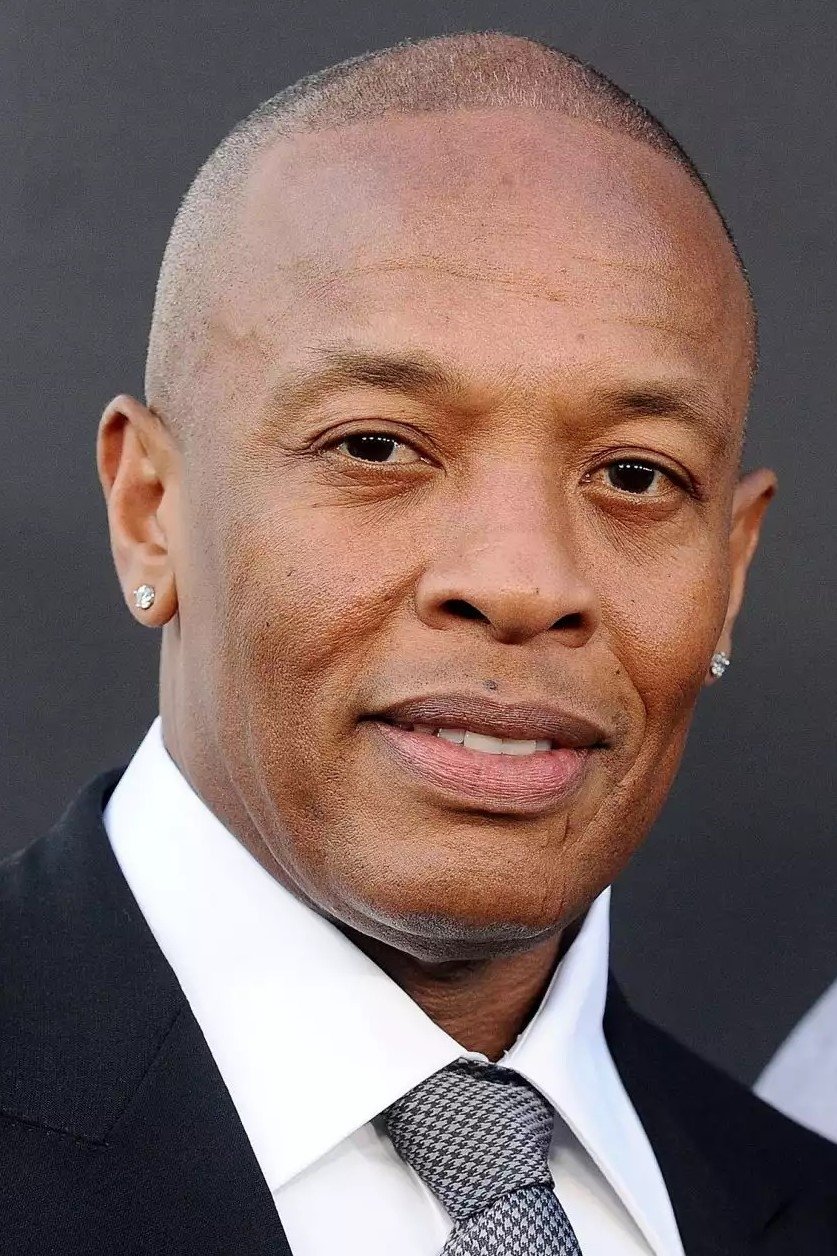
This hip-hop icon filed a lawsuit against WTM, an entity associated with his former label, regarding the digital distribution of his work. The dispute centered on the iconic album ‘The Chronic’, which Dre claimed was being sold online without his permission. He argued that his original contract from the early 1990s did not grant the producers or the label the right to distribute his tracks in digital formats. A judge ultimately ruled that Dre held the digital rights, preventing the unauthorized sale of his recordings.
Megan Thee Stallion
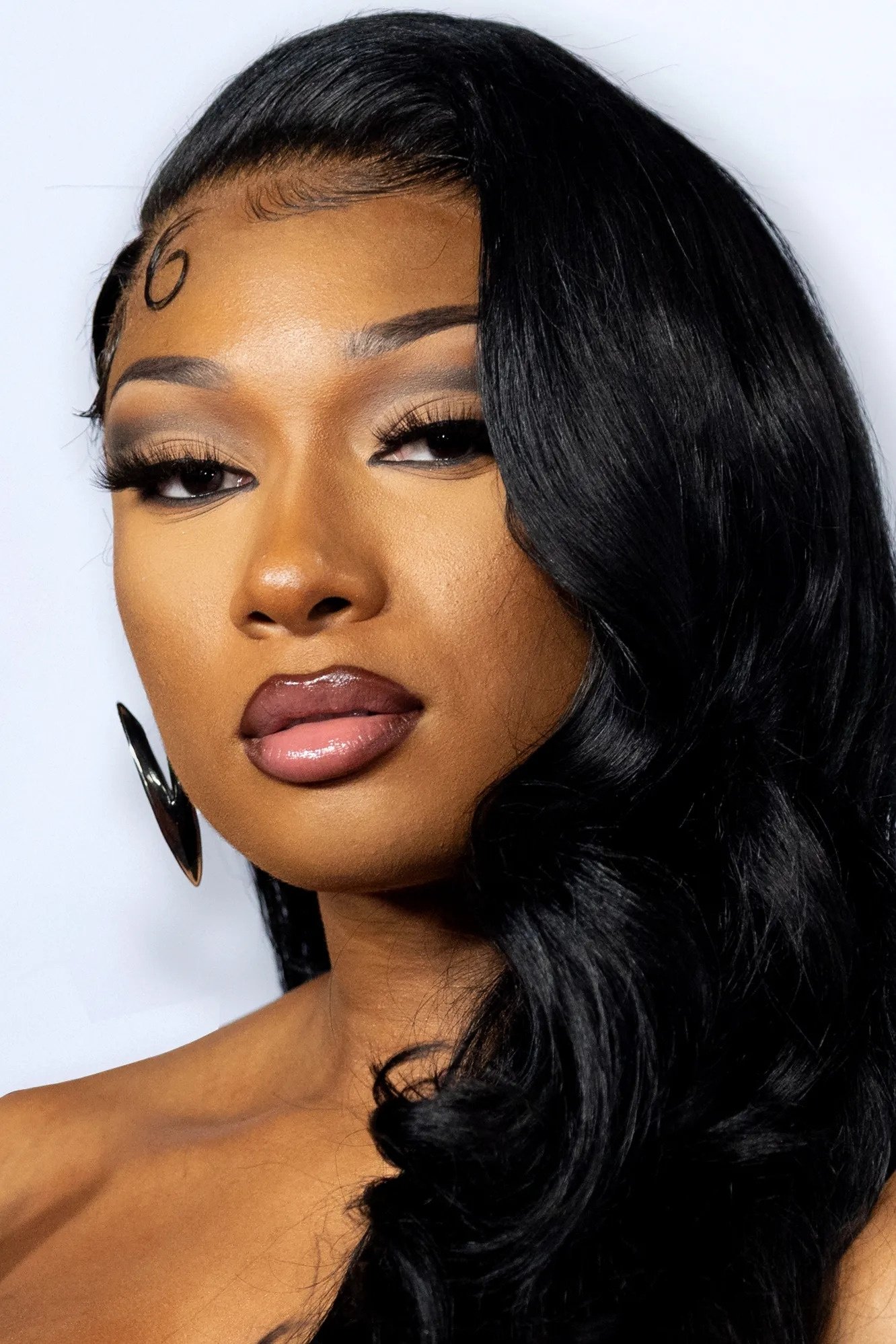
This Houston rapper took legal action against 1501 Certified Entertainment and its leadership to secure the release of her music. She alleged that the production entity was preventing her from putting out new tracks because she requested to renegotiate her contract. The lawsuit claimed that the label was withholding her work while simultaneously profiting from her established brand without proper compensation. Megan was eventually granted a temporary restraining order that allowed her to release the project ‘Suga’ to her fans.
JoJo
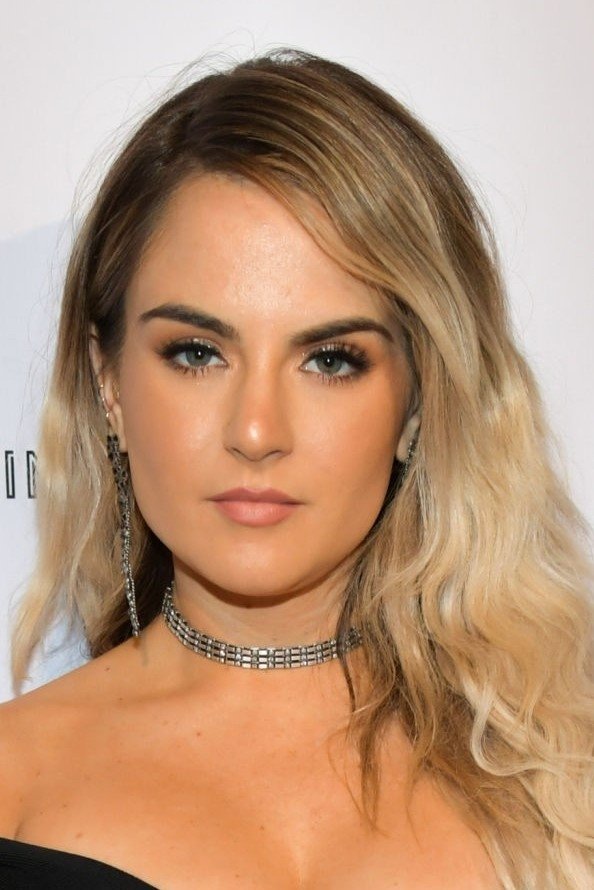
This vocalist spent years in legal limbo while suing Blackground Records and its production team. She claimed the label refused to release her third studio album and would not allow her to take her tracks to another distributor. This situation resulted in a significant career hiatus as her recorded music remained locked in the company’s vault. After a long battle, she successfully exited the contract and re-recorded her early hits to ensure she owned her own masters.
Prince
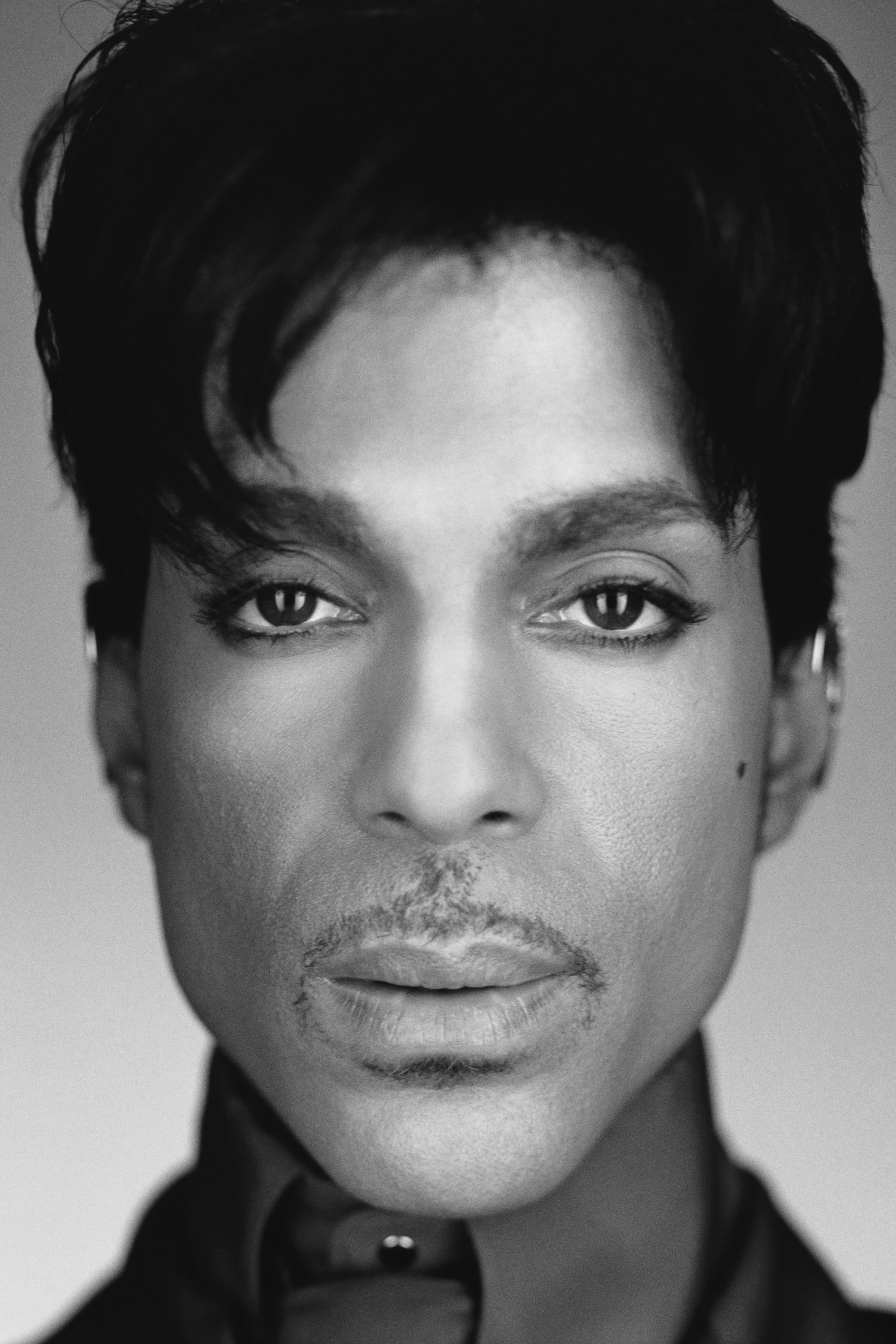
This legendary musician engaged in a famous multi-year battle with Warner Bros. over the ownership of his master recordings. He famously wrote the word “slave” on his cheek to protest the label’s control over his tracks and release schedule. Prince wanted the freedom to distribute his music on his own terms rather than adhering to corporate production timelines. He eventually reached an agreement that allowed him to reclaim his catalog and manage his own vault of unreleased tracks.
Dolly Parton
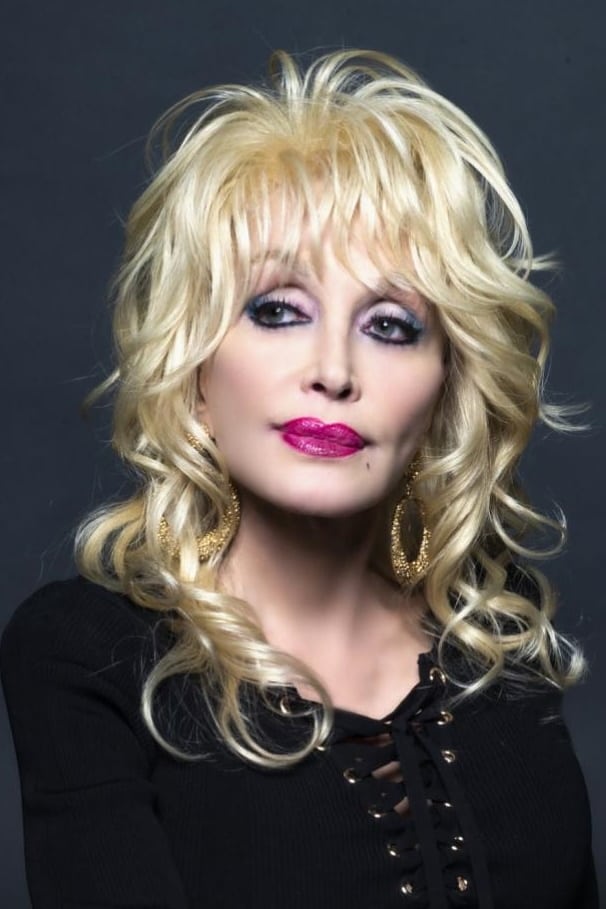
In the 1970s, this country music icon faced a legal challenge from her former partner and producer, Porter Wagoner. After she decided to pursue a solo career, Wagoner sued her for $3 million, claiming he had rights to her professional output. The dispute involved the tracks they had created together and the control over her future recordings. Parton eventually settled the lawsuit, a move that allowed her to maintain her independence and build her own musical empire.
Courtney Love
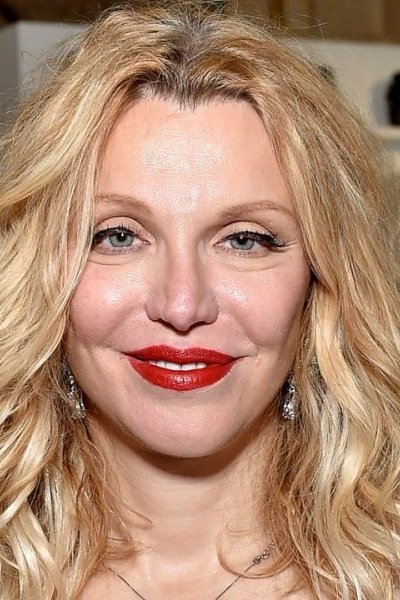
This singer and songwriter filed a lawsuit against Universal Music Group to challenge the ownership of her recordings. She argued that the contracts she signed as a solo artist were unconscionable and effectively stripped her of her intellectual property. The legal action also sought to prevent the unauthorized distribution of rare tracks and demos in box sets. Her efforts were part of a larger movement to reform how major production entities treat their talent.
Beck
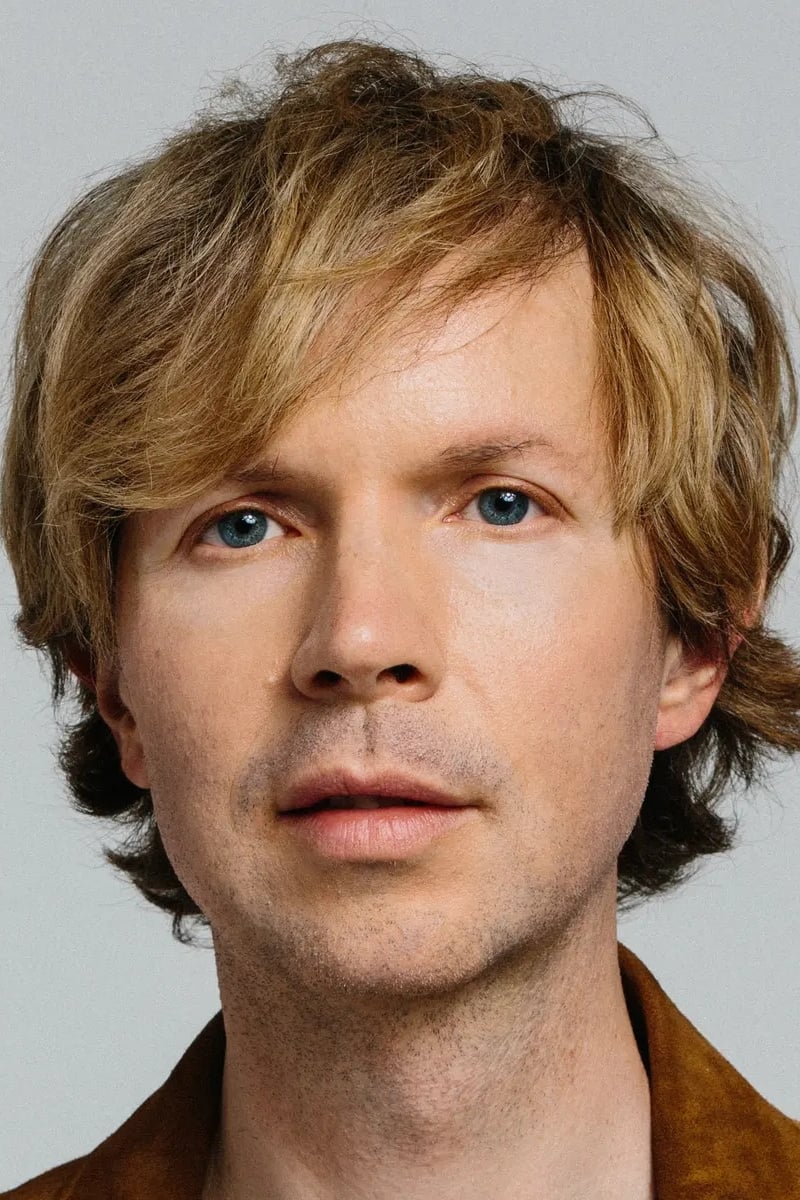
This innovative musician sued his former producers at Flipside Records to stop the release of an unauthorized album of his work. The project, titled ‘Banjo Story’, consisted of early demos that Beck claimed were never meant for commercial sale. He argued that the production team was trying to capitalize on his fame by selling tracks without his consent. The legal intervention successfully blocked the distribution of the recordings, protecting his official discography.
George Michael
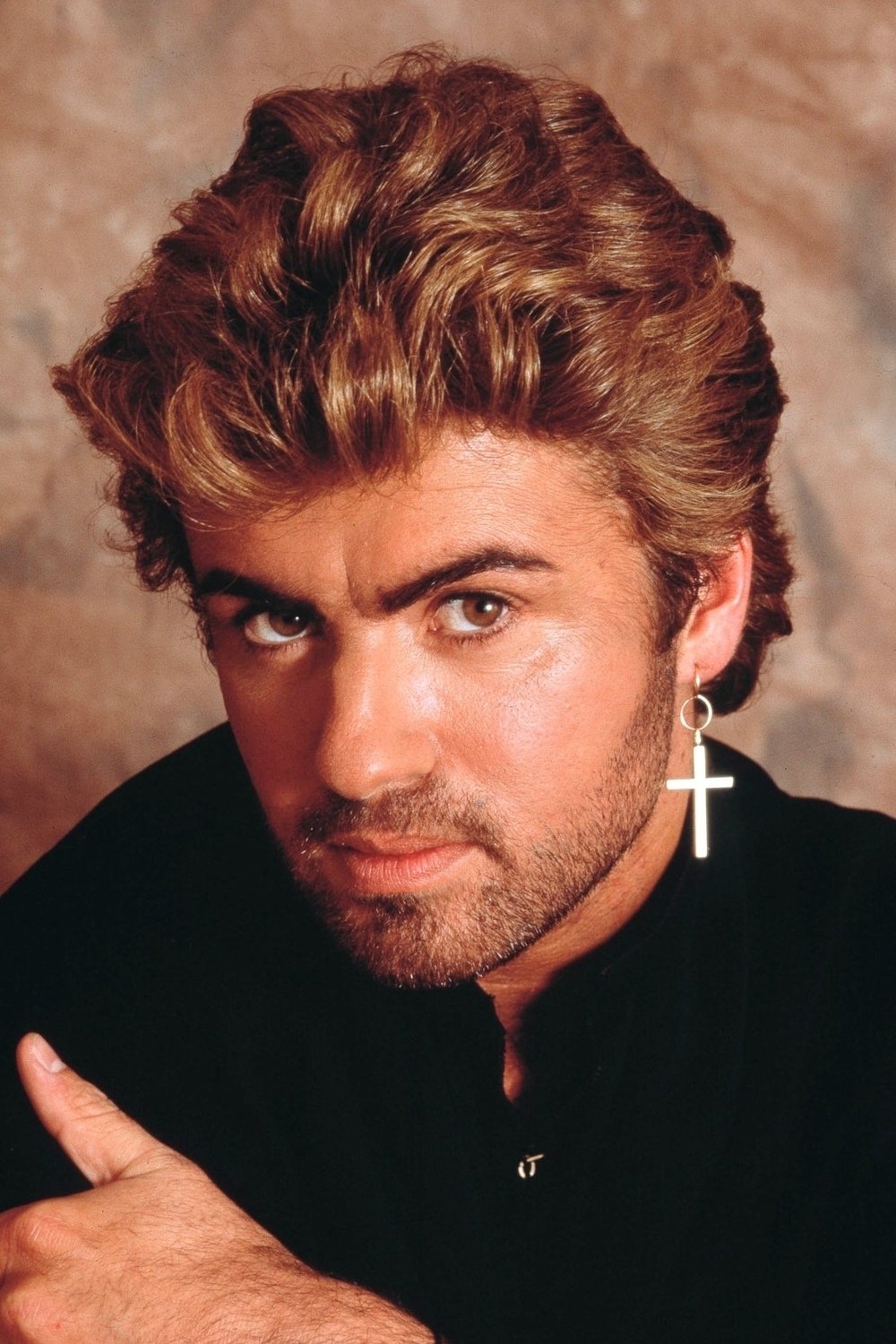
This British pop star took Sony Music to court in 1992 in an attempt to break his long-term production and distribution contract. He claimed that the label exerted too much control over his creative direction and the way his tracks were marketed. Michael felt that the company viewed his music as mere commodities rather than artistic expressions. Although he initially lost the case, it remains a pivotal moment for artists seeking autonomy from major production houses.
Kanye West
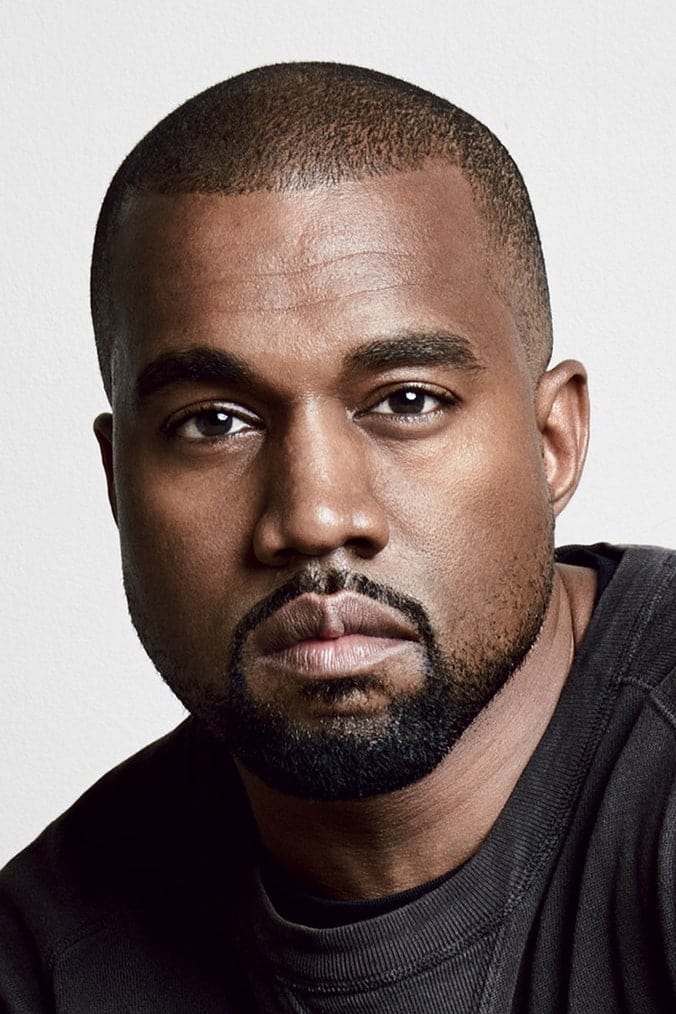
This influential artist sued EMI and Roc-A-Fella in 2019 to gain control over his extensive musical publishing and tracks. His legal team argued that the contract featured an “indefinite” duration, which they claimed violated California labor law. West sought to be declared the owner of his own work so he could manage the distribution of his songs independently. The lawsuit was eventually settled, marking another chapter in his ongoing quest for artist-led ownership.
Toni Braxton

This R&B singer has filed multiple lawsuits against her producers at LaFace Records and Arista regarding her financial and creative rights. She claimed that her initial contracts were heavily biased toward the production team, leaving her with little profit from her hit tracks. The legal disputes were complicated by her filing for bankruptcy, which she attributed to the unfair distribution of her music’s earnings. These cases served as a cautionary tale for solo artists regarding the fine print in production and royalty agreements.
Rita Ora
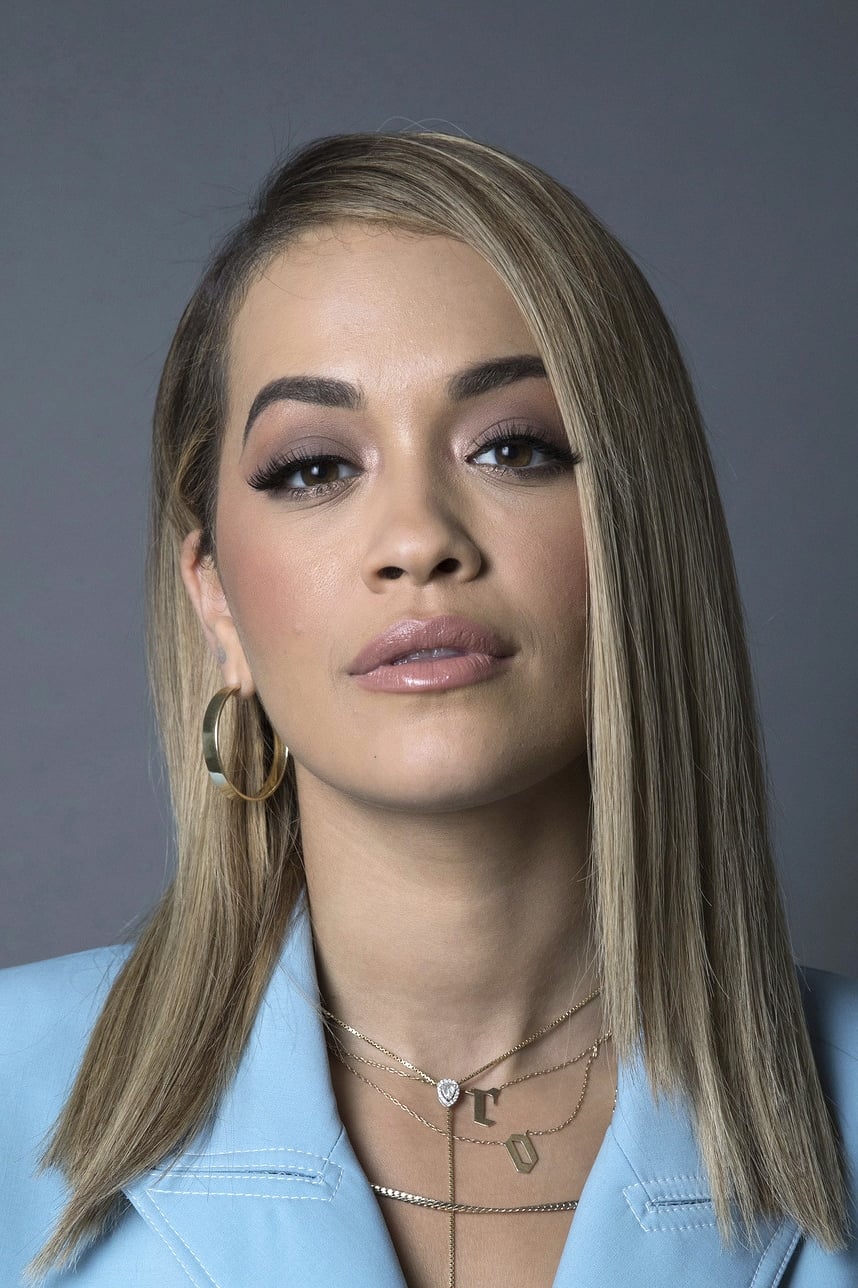
In 2015, this pop singer filed a lawsuit against her production entity and label, Roc Nation, citing a lack of support for her music. She alleged that she was being “orphaned” as the company pivoted to other business interests, leaving her tracks unreleased and ignored. The singer sought to be released from her contract under a California law that limits personal service agreements to seven years. Ora claimed that the lack of distribution for her tracks was damaging her professional reputation and career trajectory. A settlement was eventually reached that allowed her to sign with a different label and continue her career.
Tell us which of these legal battles surprised you the most in the comments.