


Musicians Who Were Accused of “Queerbaiting” in Their Music Videos

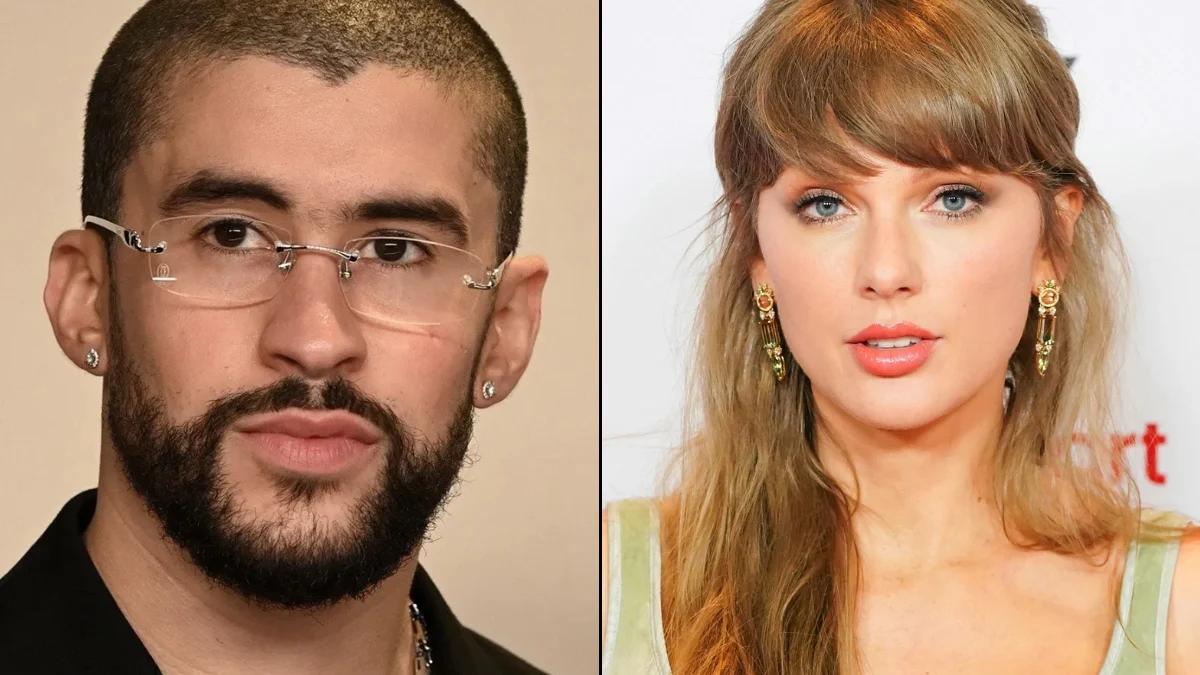


Queerbaiting in the music industry has become a significant topic of discussion as artists increasingly incorporate LGBTQ+ themes and aesthetics into their visual storytelling. This practice involves using queer-coded imagery or suggestive narratives to attract an LGBTQ+ audience without a genuine commitment to representation or the artist identifying as part of the community. While some fans view these creative choices as a form of allyship or fluid expression, others argue that it exploits marginalized identities for commercial gain and social media engagement. The following musicians have all faced public scrutiny and accusations of queerbaiting following the release of specific music videos or promotional campaigns.
Harry Styles
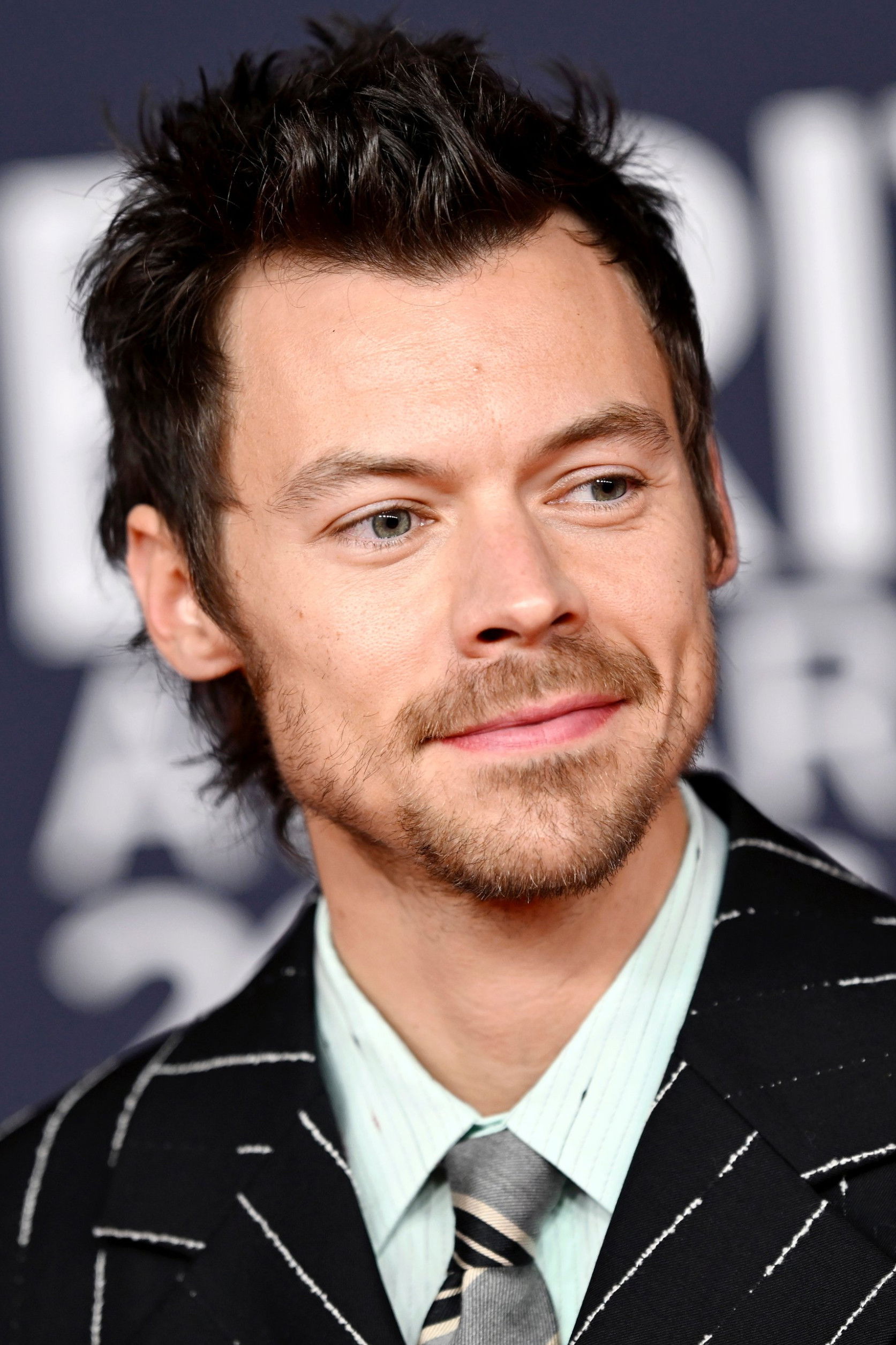
Accusations of queerbaiting have followed Harry Styles since the release of his music videos for ‘Lights Up’ and ‘Watermelon Sugar’. Critics often point to his use of androgynous fashion and queer aesthetics while he maintains ambiguity regarding his personal sexuality. Many fans argued he was profiting from queer culture and the “soft boy” aesthetic without explicitly identifying as part of the community. Styles has consistently defended his right to privacy, stating that his artistic expression is not a calculated marketing move. His wardrobe choices often feature lace, jewelry, and traditionally feminine silhouettes that continue to stir debate on gender expression.
Taylor Swift
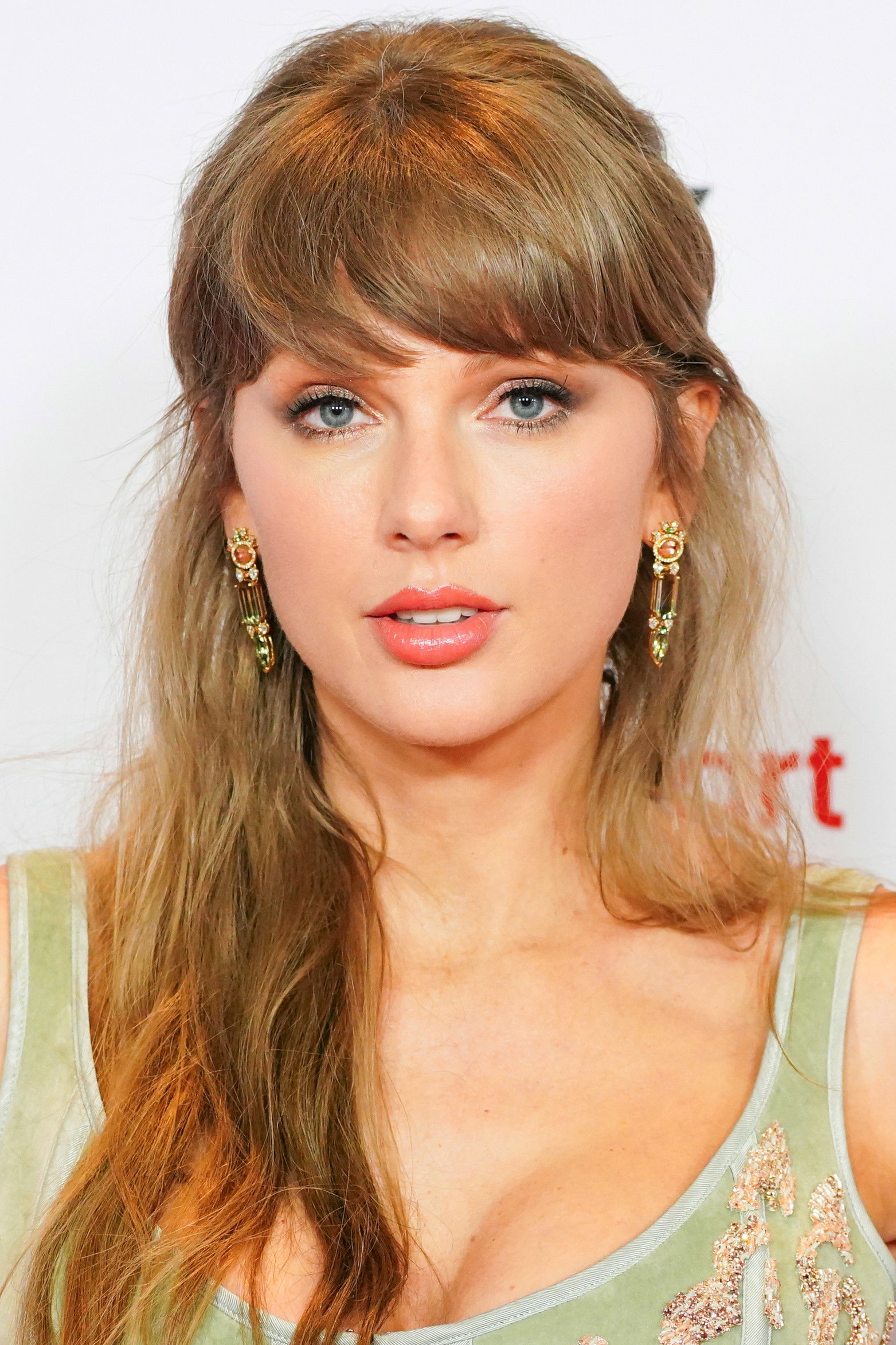
The music video for ‘You Need To Calm Down’ drew significant criticism for its heavy use of LGBTQ+ symbols and numerous celebrity cameos from the community. Some critics argued that Swift was positioning herself at the center of a movement she does not belong to, essentially using the community as a colorful backdrop. While the song was intended as an ally anthem, discussions arose regarding whether the timing of the release leaned into queerbaiting for commercial appeal during Pride Month. Swift later clarified her role as an ally in her documentary ‘Miss Americana’ to address these concerns. The video remains a polarizing point in her career regarding the boundaries of celebrity allyship.
Billie Eilish
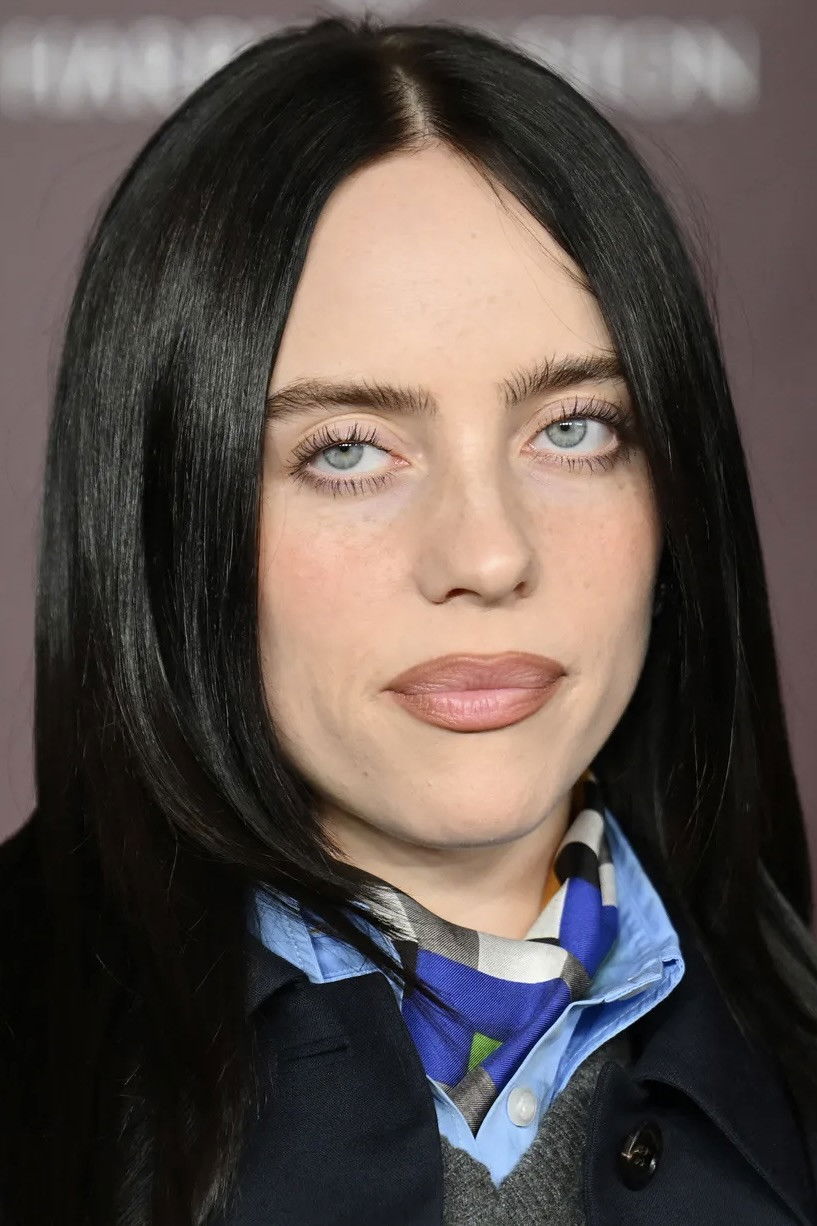
In 2021, Billie Eilish released the music video for ‘Lost Cause’, which featured her at a high-energy slumber party with several female friends. Following the video, she shared a social media post with the caption “I love girls,” which triggered intense scrutiny and accusations of queerbaiting. Critics suggested she was using queer-coded imagery and suggestive captions to promote her music to a specific demographic. Eilish eventually addressed the speculation regarding her sexuality in a 2023 interview, noting she did not realize her attraction to women wasn’t already obvious to the public. The backlash highlighted the growing tension between an artist’s personal growth and public expectations of transparency.
Ariana Grande
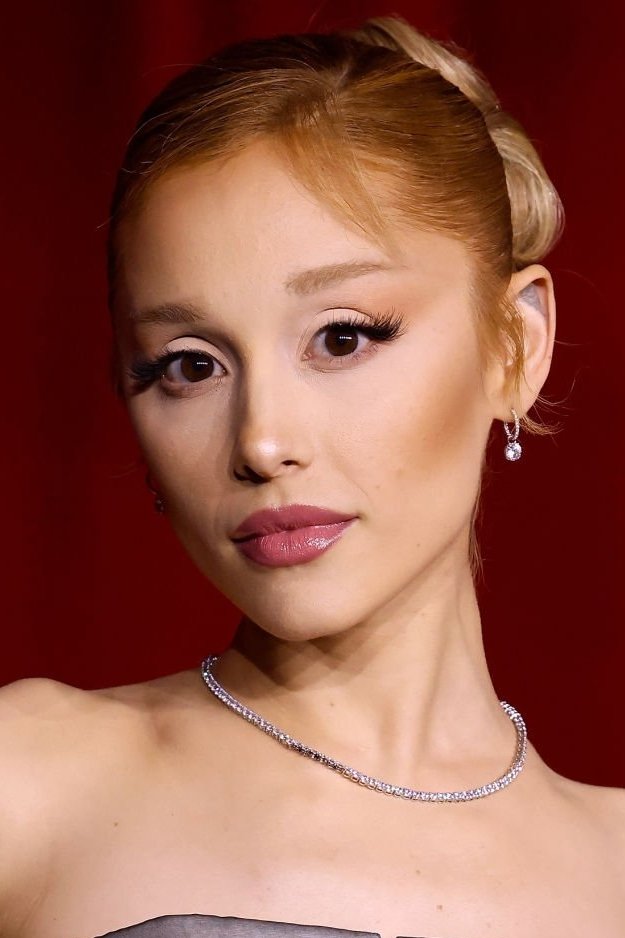
The music video for ‘break up with your girlfriend, i’m bored’ featured a plot twist involving a close encounter and a near-kiss between Grande and another woman. This led to a wave of social media backlash, with viewers claiming the scene was used for shock value and aesthetic appeal rather than genuine representation. Similar criticisms were leveled against her lyrics in ‘7 rings’ regarding her supposed attraction to both men and women. Grande has generally refrained from providing specific labels for her sexuality in response to these recurring claims. Some fans defended the singer, noting that the video could be interpreted as a message of self-love rather than intentional queerbaiting.
Rita Ora
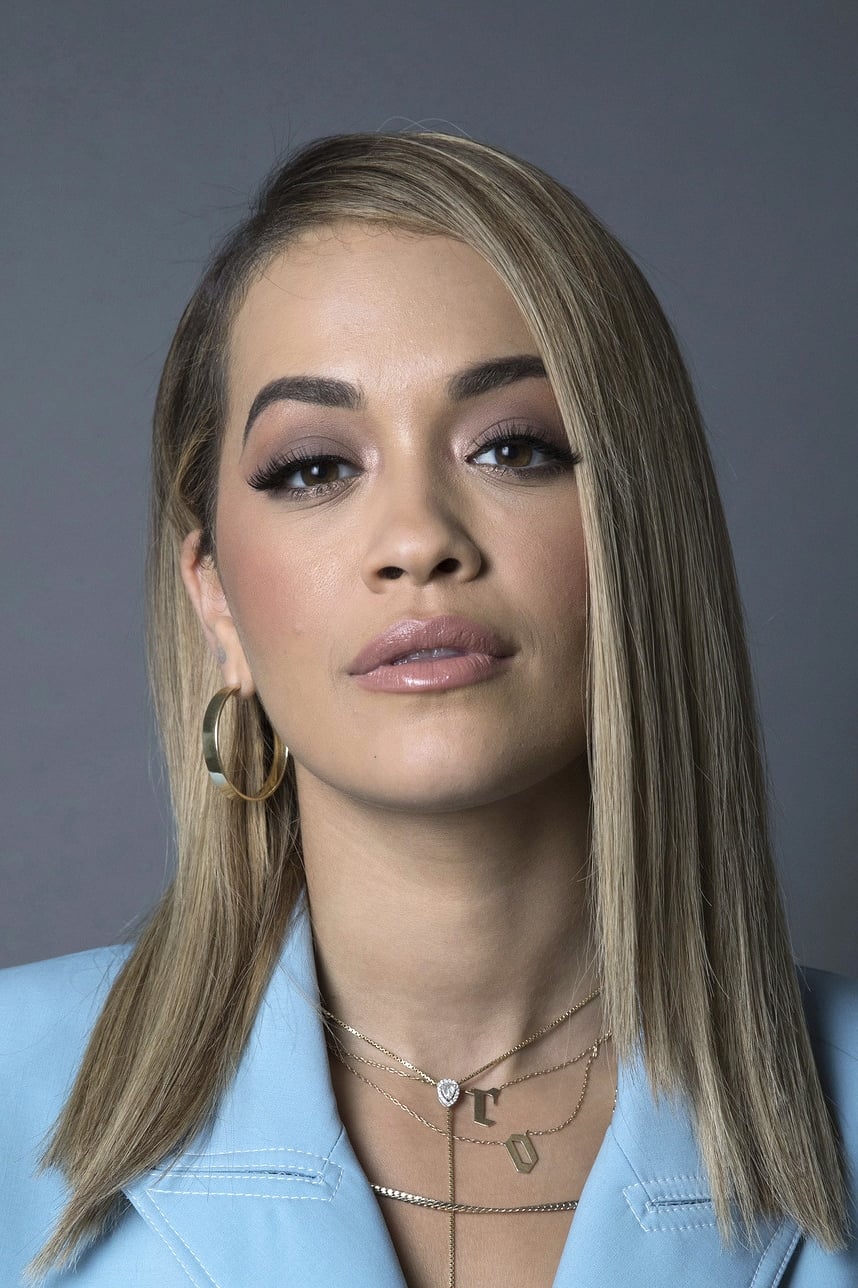
The release of ‘Girls’ in 2018, featuring Cardi B, Bebe Rexha, and Charli XCX, sparked a major controversy within the LGBTQ+ community. Artists like Hayley Kiyoko criticized the song and its video for portraying same-sex attraction as a result of alcohol consumption or a “phase.” The music video’s portrayal of female intimacy was labeled by many as a marketing tactic designed to appeal to the male gaze. Ora subsequently apologized for any harm caused and came out as bisexual, explaining the lyrics were based on her actual romantic history. The track remains a case study in how major labels approach LGBTQ+ themes in pop music.
Bad Bunny
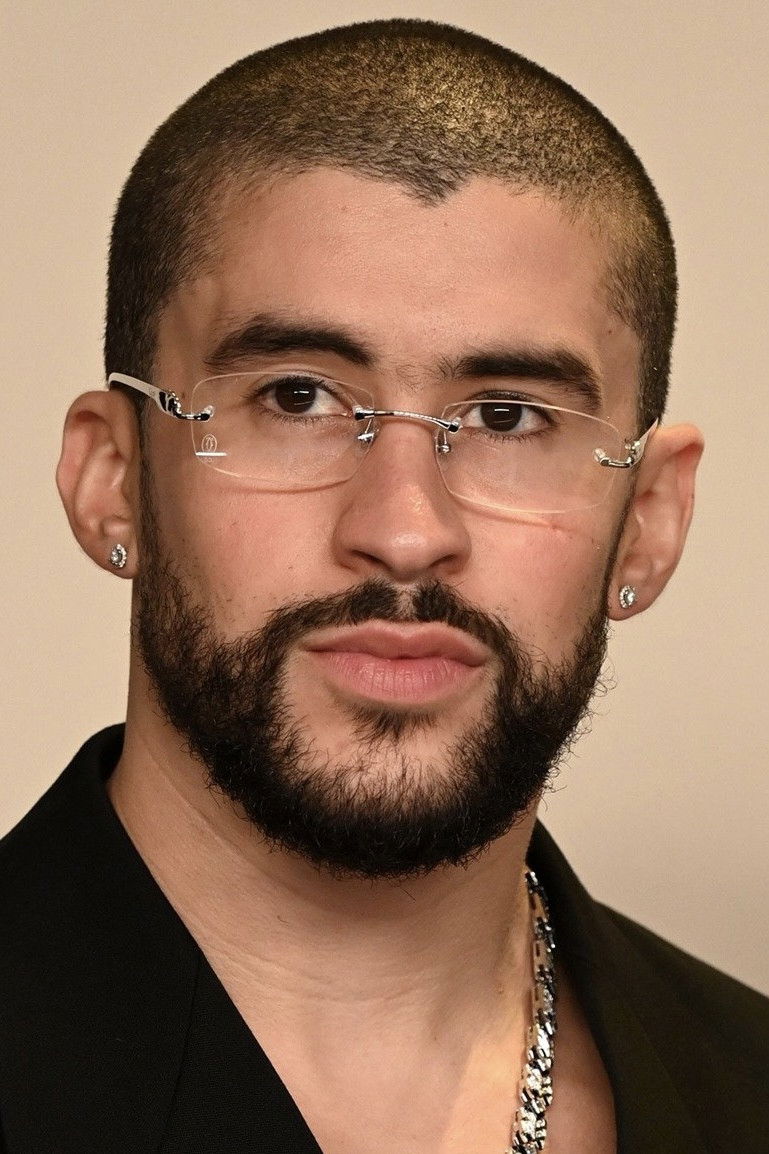
The Puerto Rican rapper faced accusations of queerbaiting following the release of his music video for ‘Yo Perreo Sola’. In the video, he performs in full drag, which led to a divide between fans praising his subversion of machismo and critics accusing him of appropriation. Some activists argued that as a cisgender man, he was using drag culture and trans aesthetics for aesthetic gain without facing the real-world dangers those communities encounter. Bad Bunny has maintained that his intention is to support the LGBTQ+ community and challenge traditional gender norms in Latin music. He often uses his platform to address violence against trans women, which complicates the queerbaiting narrative.
Nick Jonas
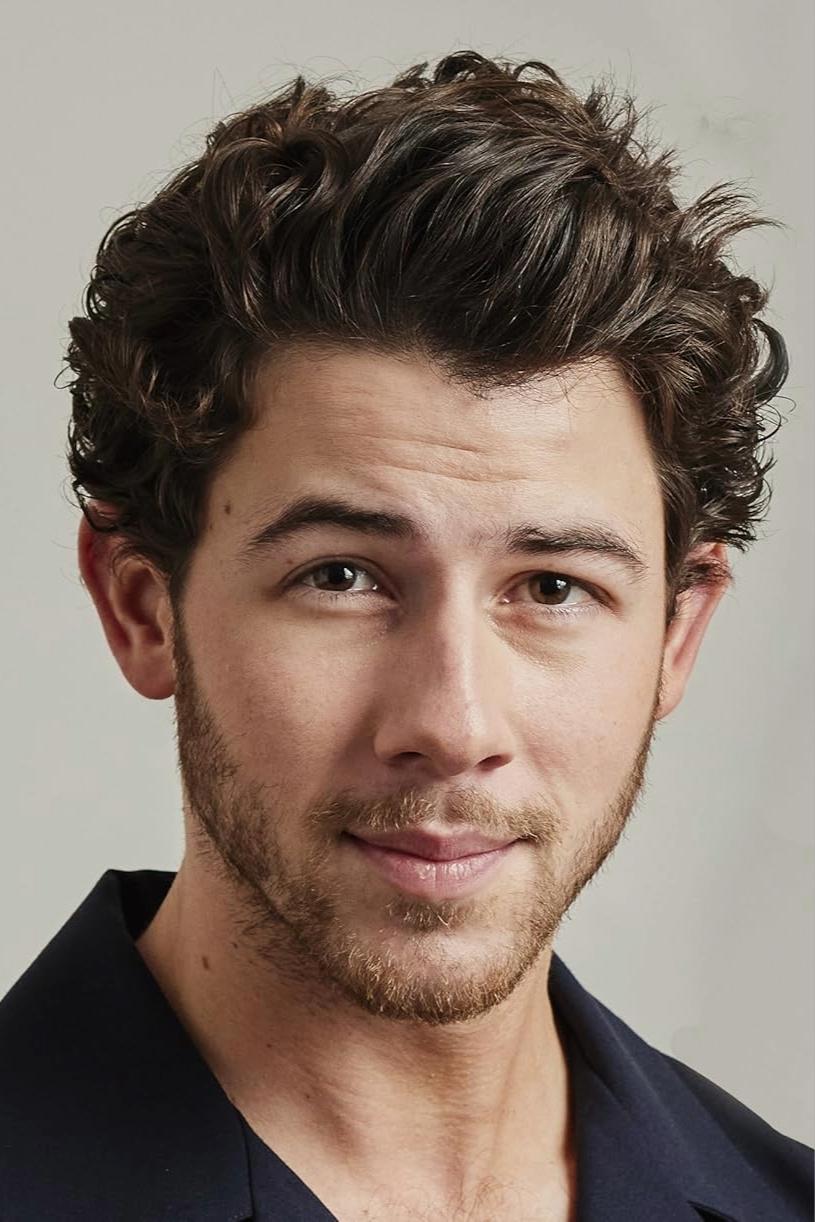
Early in his solo career, Nick Jonas was frequently accused of queerbaiting due to his performances at gay clubs and his role in the television series ‘Kingdom’. The music video for ‘Chains’ and various shirtless photo shoots were cited as examples of him catering to a gay audience without identifying as queer. Critics pointed out that his marketing strategy heavily relied on his status as a sex symbol for queer men while he maintained a heterosexual public identity. Jonas addressed these claims by stating he is comfortable with his fans and appreciates his loyal gay following. He has frequently participated in pride events, which further fueled the conversation about his true intentions.
Katy Perry
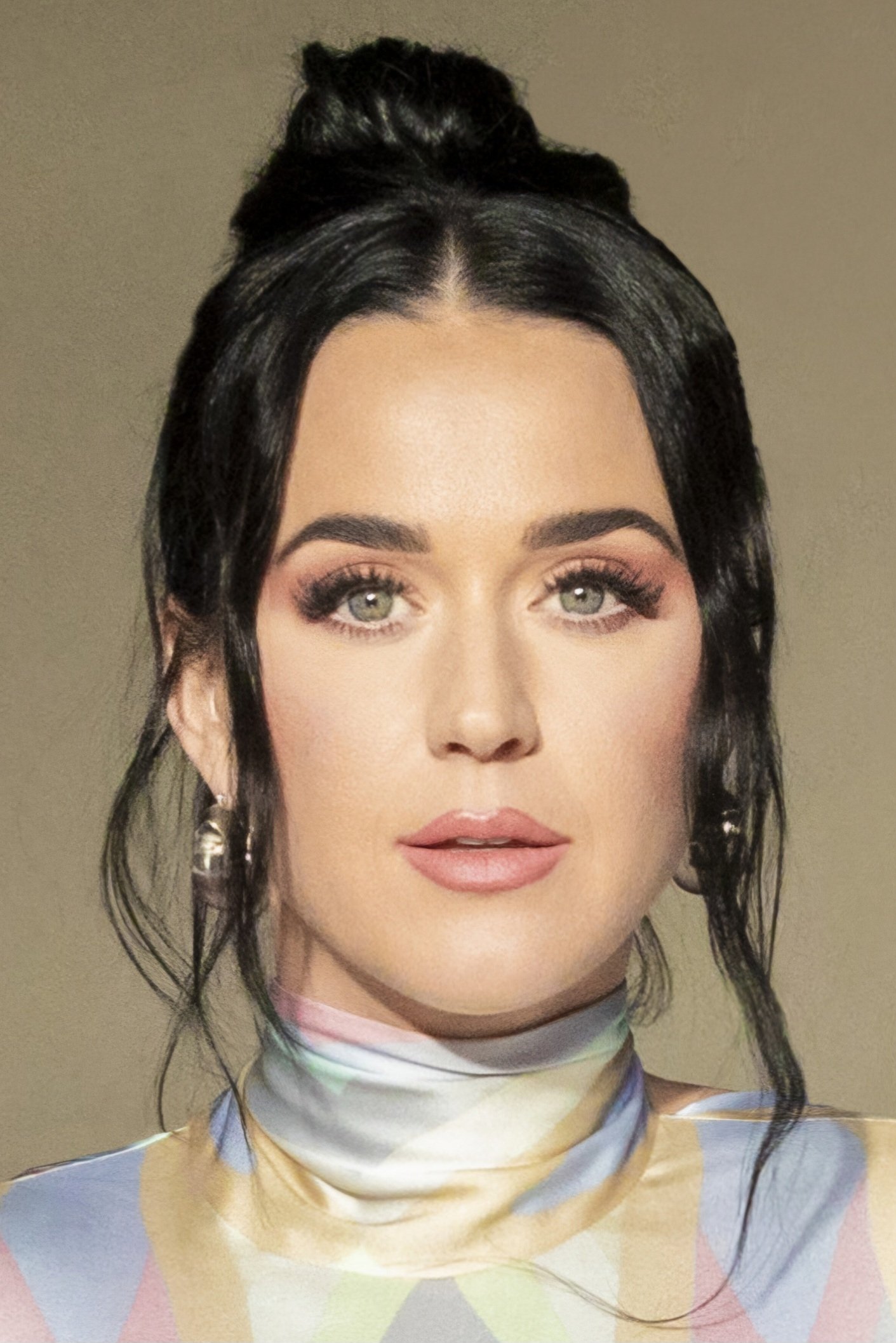
The 2008 hit ‘I Kissed a Girl’ is often cited as a definitive early example of queerbaiting in modern pop music. The song and its accompanying music video were criticized for framing same-sex experimentation as a “sinful” or curious phase intended for male entertainment. While the track was a massive commercial success, many in the LGBTQ+ community felt it exploited queer themes for notoriety and shock value. Perry has since spoken about her religious upbringing and how her perspective on the song’s lyrics has evolved over time. Despite the criticism, the song became a defining anthem of the late 2000s pop landscape.
Madonna
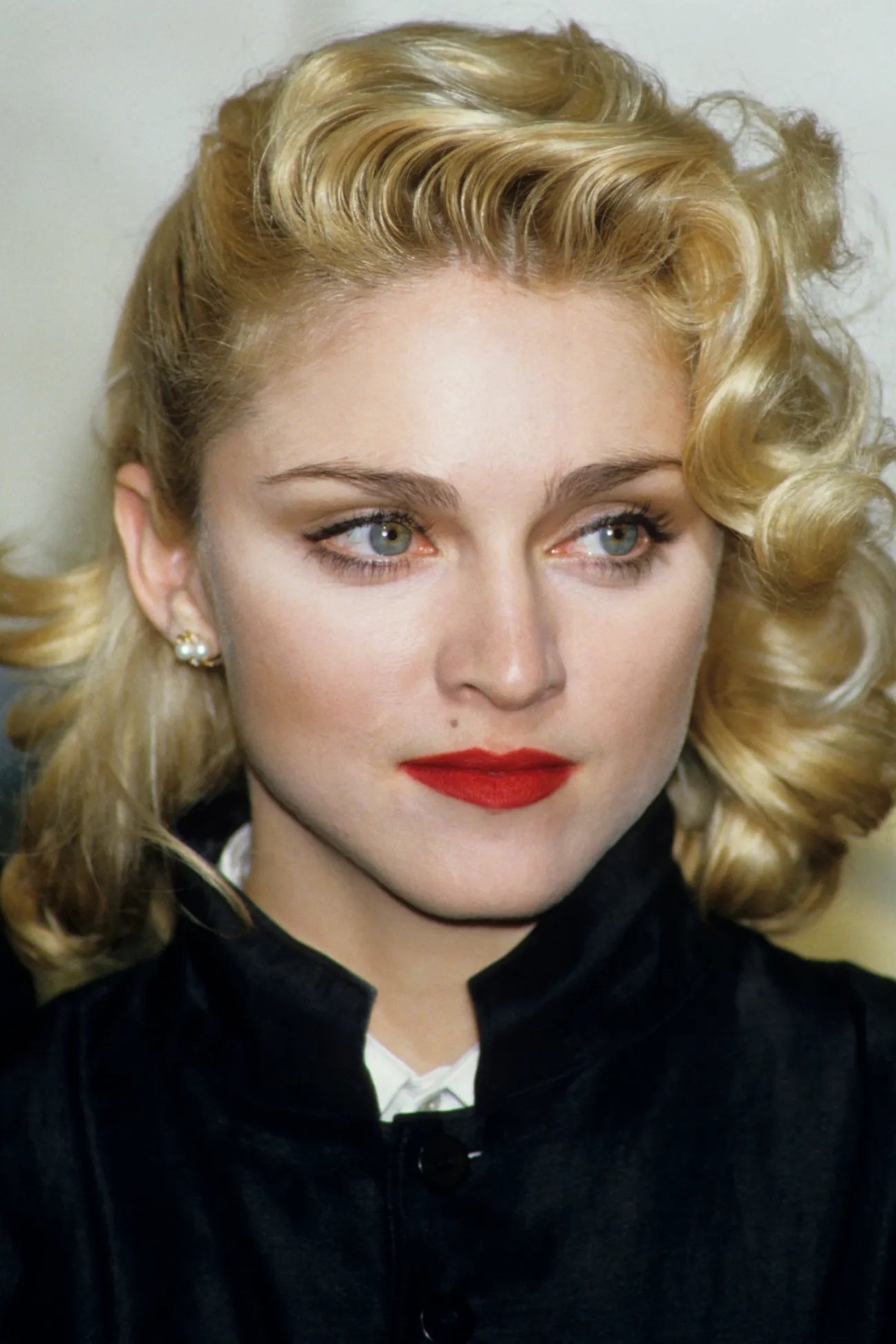
Throughout her career, Madonna has been both hailed as a gay icon and accused of queerbaiting, most notably during the ‘Justify My Love’ era. The music video’s depiction of androgyny and same-sex intimacy was highly controversial and was famously banned by several networks. Critics argued she used these themes primarily to push boundaries and maintain her status as a global provocateur. Despite the accusations of exploitation, Madonna has been a long-time advocate for LGBTQ+ rights and was a pioneer in HIV/AIDS awareness. Her impact on the inclusion of queer culture in the mainstream is often weighed against these historical accusations of appropriation.
Charlie Puth
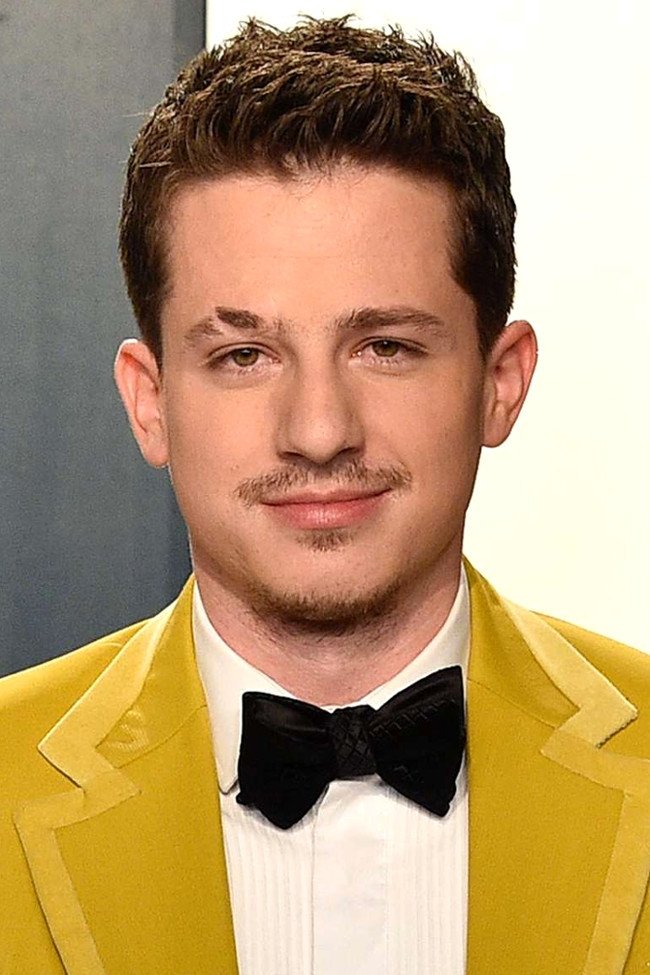
Charlie Puth has faced recurring accusations of queerbaiting due to his specific social media presence and visual aesthetics. Critics often point to his frequent “thirst traps” and flirtatious interactions with his male audience as a strategic way to garner engagement. While he has not explicitly used queer narratives in his song lyrics, the visual language used to promote his music is often scrutinized for being intentionally ambiguous. Puth has clarified in various interviews that he identifies as straight and is simply comfortable with his body and his fans. The singer continues to engage with his fanbase through visual content that plays with traditional concepts of masculinity.
Matty Healy
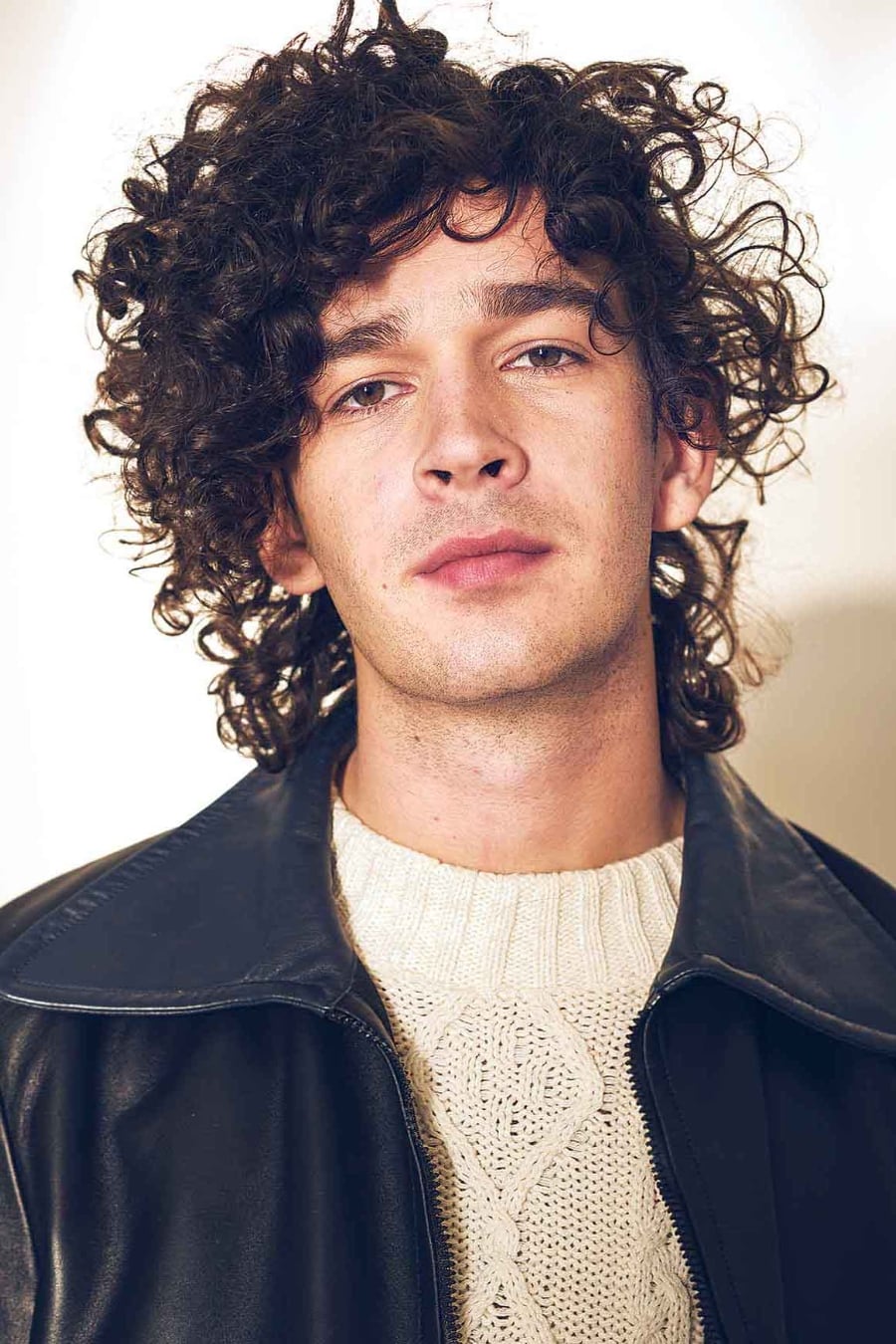
The frontman of The 1975 has been criticized for his onstage behavior, which includes kissing male fans and bandmates during performances of ‘Robbers’. These actions, combined with the band’s use of rainbow imagery in their visuals, led to widespread accusations of queerbaiting. Critics argued that these stunts were performative and lacked genuine personal weight, especially coming from a heterosexual man. Healy has defended his actions as a form of protest against anti-LGBTQ+ laws in various countries where the band performs. These moments have gone viral multiple times, leading to both praise for his boldness and criticism for his perceived performativity.
Drake
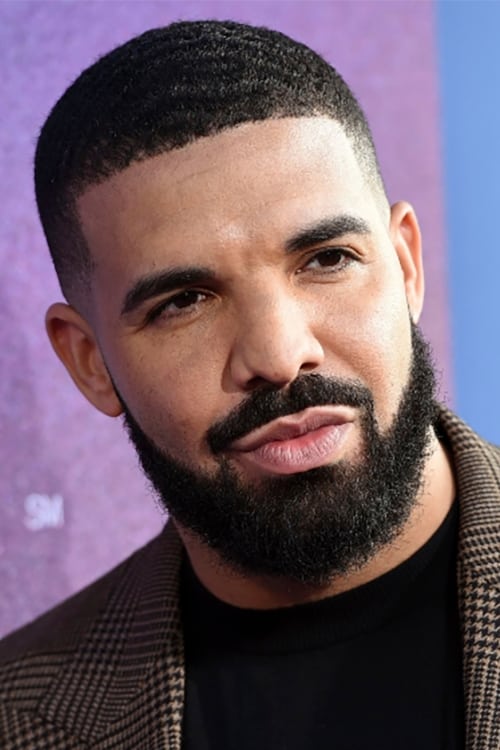
The release of the track ‘Girls Want Girls’ from the album ‘Certified Lover Boy’ led to widespread accusations of queerbaiting and the fetishization of lesbianism. The lyrics, which include Drake claiming to be a “lesbian” because of his attraction to women, were widely mocked and criticized by the LGBTQ+ community. While the song does not have a formal music video focusing on these themes, the promotional imagery and lyrical content were seen as exploitative. Critics argued that the song reduced lesbian identity to a punchline for heterosexual male consumption. The backlash to the track highlighted a demand for more respectful treatment of lesbian identities in hip-hop.
Cardi B
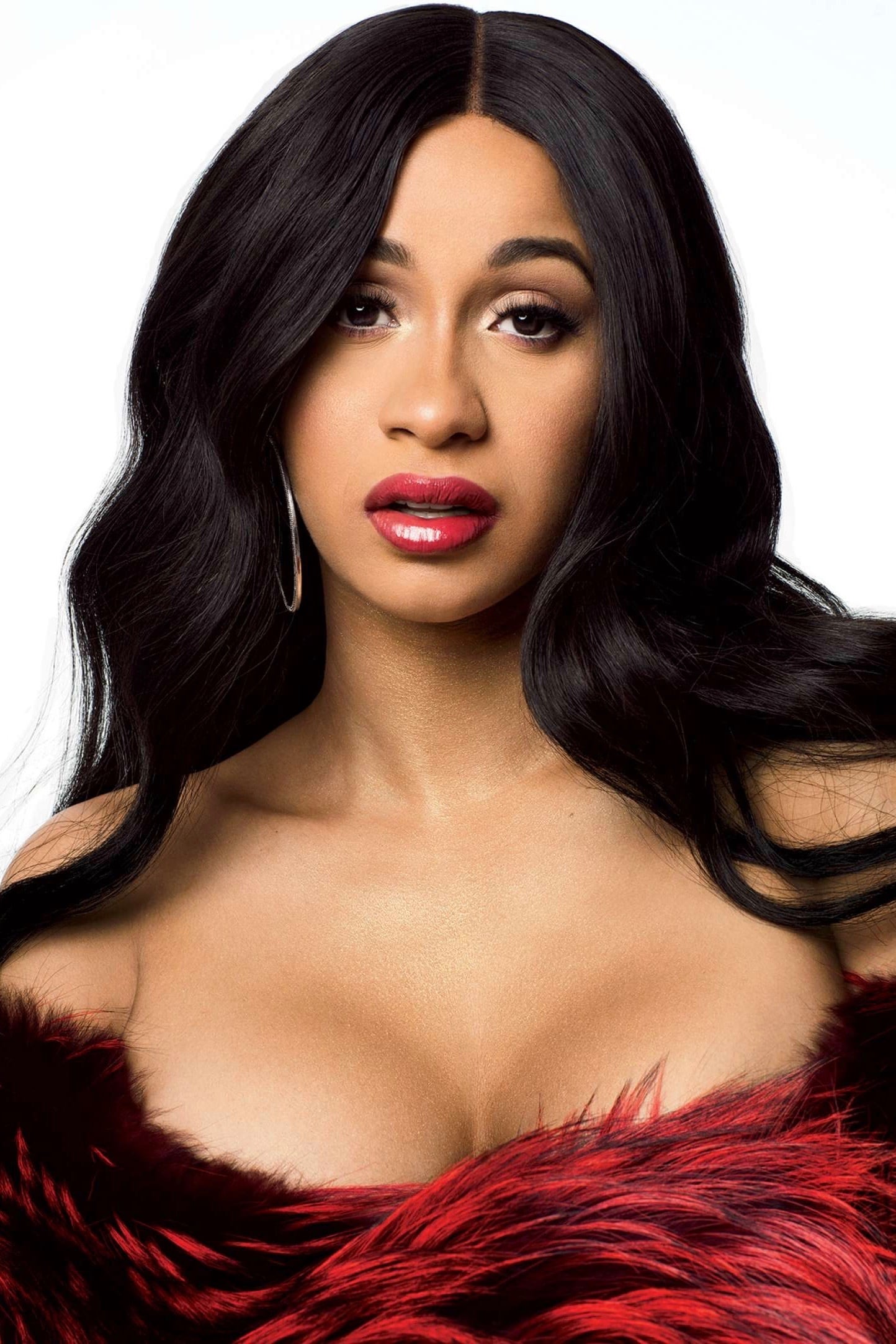
Cardi B faced significant backlash for her involvement in the song ‘Girls’ alongside Rita Ora and the accompanying music video. The video was criticized for portraying female relationships through a voyeuristic lens that catered to the male gaze. Following the controversy, Cardi B took to social media to defend her participation and spoke about her own past experiences with women. She emphasized that she did not intend to cause harm or misrepresent the community she has been a part of. She further stated that her own sexuality should not be erased during discussions of her artistic and commercial choices.
Demi Lovato

Before coming out as non-binary and later returning to she/her pronouns, Lovato faced accusations for her 2015 song ‘Cool for the Summer’. The music video and lyrics suggested a secretive and experimental same-sex encounter, which some critics felt was used to create an “edgy” image for her transition into adult pop. At the time, Lovato remained vague about her sexuality in interviews, leading to claims that she was queerbaiting for commercial success. She later opened up about her sexual fluidity, clarifying that the song was a genuine reflection of her internal feelings. Her eventual transparency about her identity provided a new context for her earlier artistic choices.
Shawn Mendes
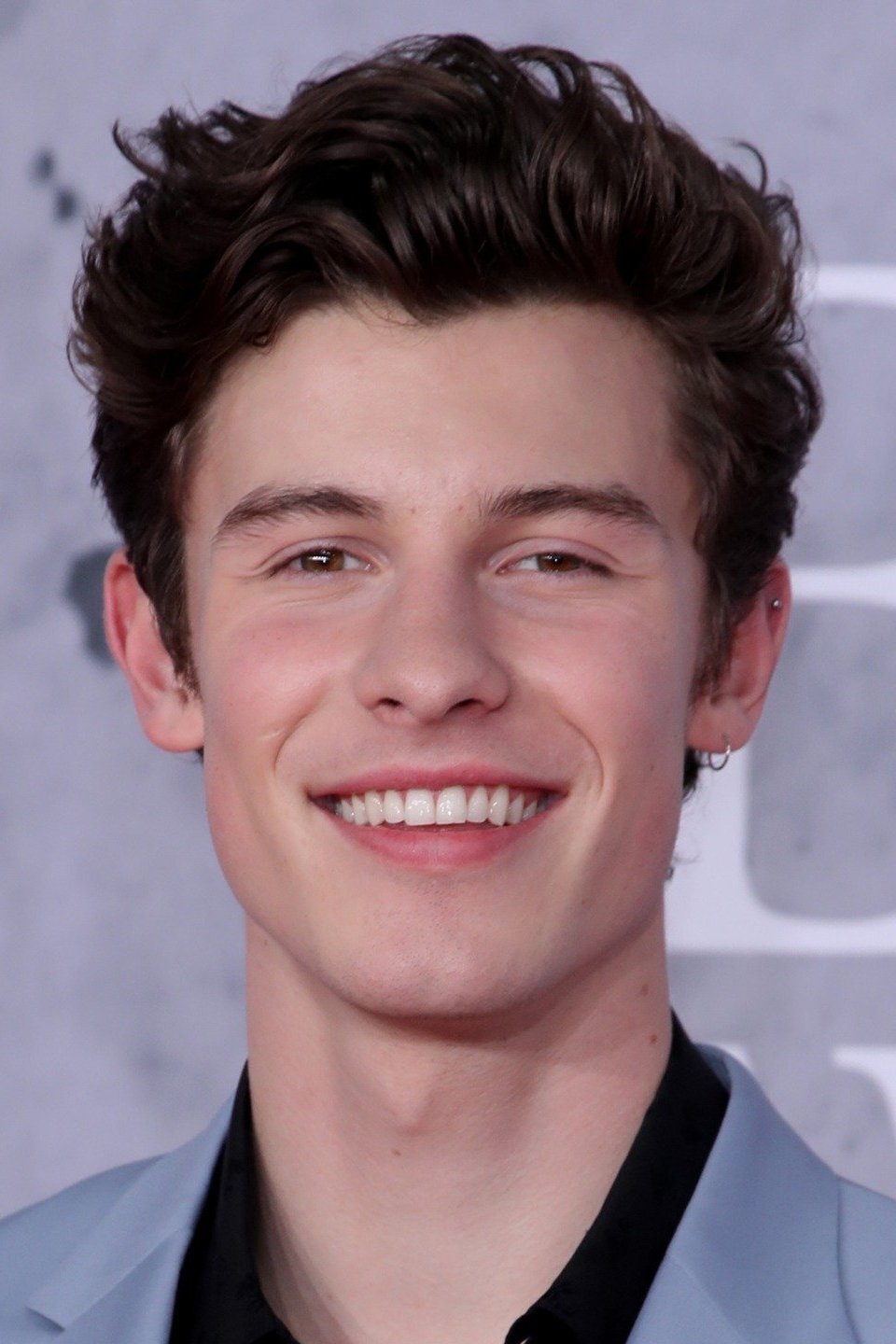
Shawn Mendes has spent years addressing rumors and accusations regarding his sexuality and how his music videos are marketed to his audience. Critics have pointed to the emotional vulnerability and specific aesthetics in videos like ‘Lost in Japan’ as examples of appealing to a queer demographic. Mendes has spoken publicly about the intense pressure he feels to prove his heterosexuality and the toll these accusations have taken on his mental health. He has consistently maintained that he is straight while continuing to voice support for his LGBTQ+ fans. This ongoing scrutiny illustrates the intense pressure modern pop stars face regarding their private lives and public personas.
Tell us what you think about the conversation surrounding queerbaiting in the comments.