


Musicians Whose Careers Were Derailed by Controversial Statements

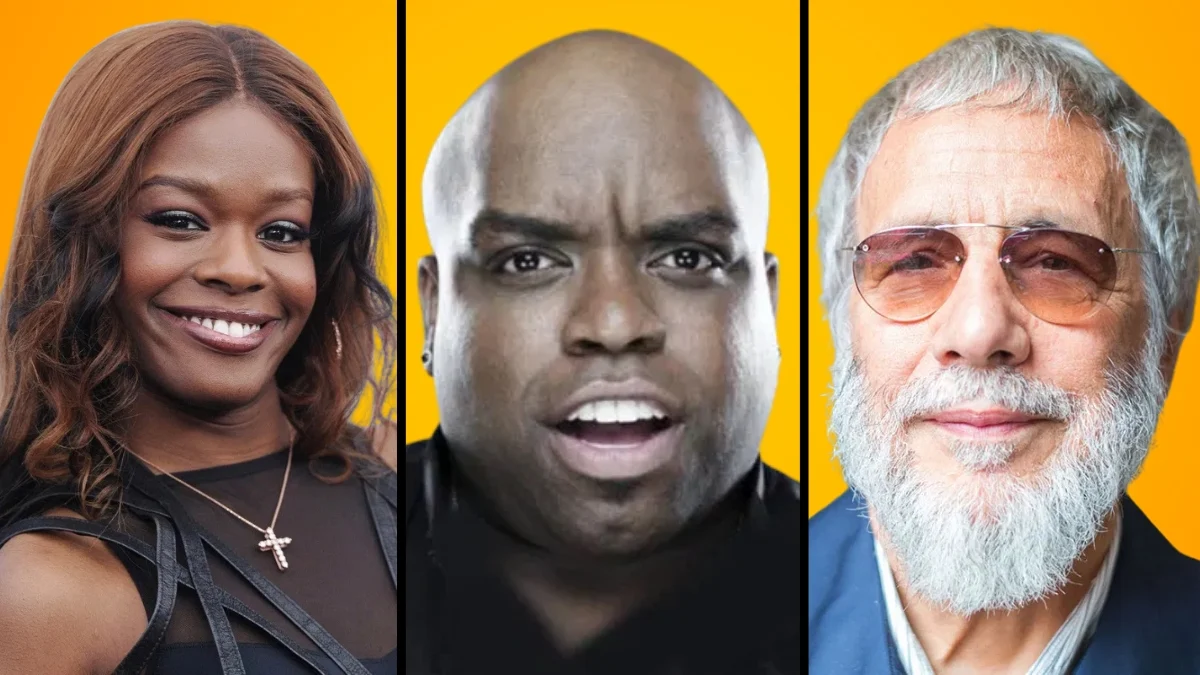


The intersection of celebrity influence and public discourse often leads to significant professional consequences when artists voice polarizing or offensive views. In the music industry, where brand partnerships and radio airplay are vital for commercial success, a single statement can dismantle years of career momentum. While some artists eventually manage to stage comebacks, others find themselves permanently sidelined from the mainstream spotlight. This list examines musicians whose careers were fundamentally altered by their own words.
Kanye West
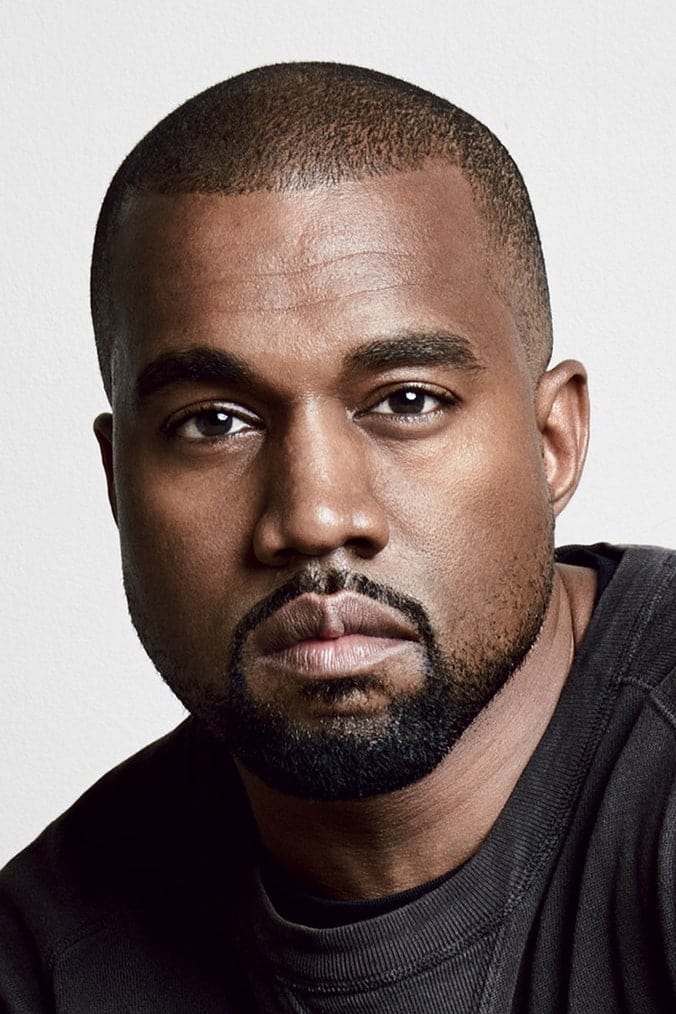
In late 2022, Kanye West, who now goes by the name Ye, engaged in a series of antisemitic remarks during televised interviews and on social media platforms. These comments resulted in the immediate termination of his long-standing partnership with Adidas, which produced the ‘Yeezy’ footwear line. Other major corporate entities, such as Gap and Balenciaga, as well as his talent agency CAA, also severed ties with him. The financial fallout was substantial, leading to the loss of his billionaire status and a significant reduction in his media presence. This period marked a definitive shift as he moved toward independent distribution amidst widespread industry condemnation.
Sinéad O’Connor
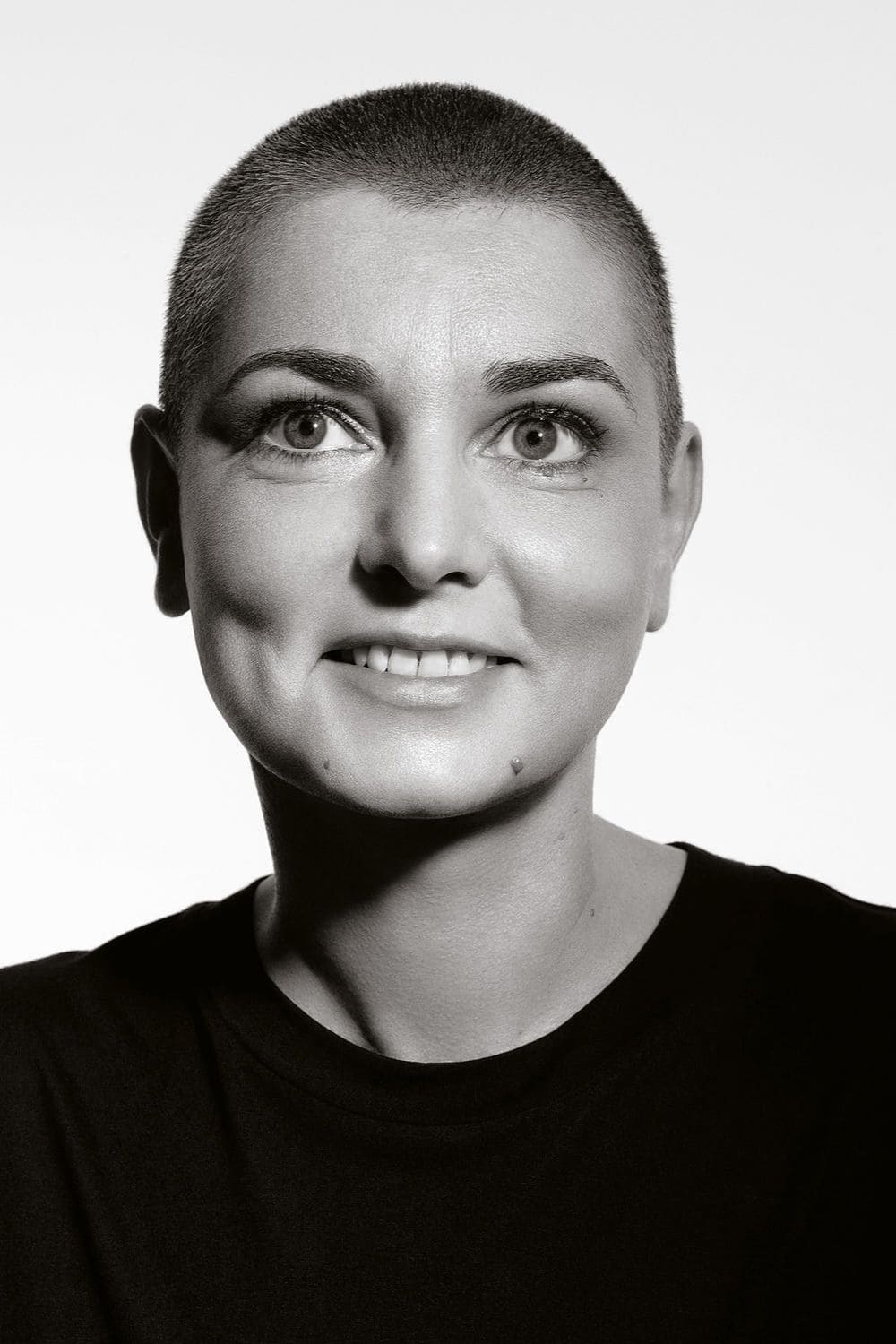
Sinéad O’Connor experienced a drastic career shift following her 1992 appearance as a musical guest on ‘Saturday Night Live’. After performing an a cappella cover of Bob Marley’s ‘War’, she held up a photograph of Pope John Paul II and tore it into pieces to protest sexual abuse within the Catholic Church. The act caused an immediate national uproar, leading to a permanent ban from the television program and intense booing at subsequent live events. Her commercial standing in the United States declined rapidly as radio stations and retailers faced immense pressure to boycott her work. Although she continued to record music for decades, she never returned to the level of pop stardom she achieved with ‘Nothing Compares 2 U’.
Morgan Wallen
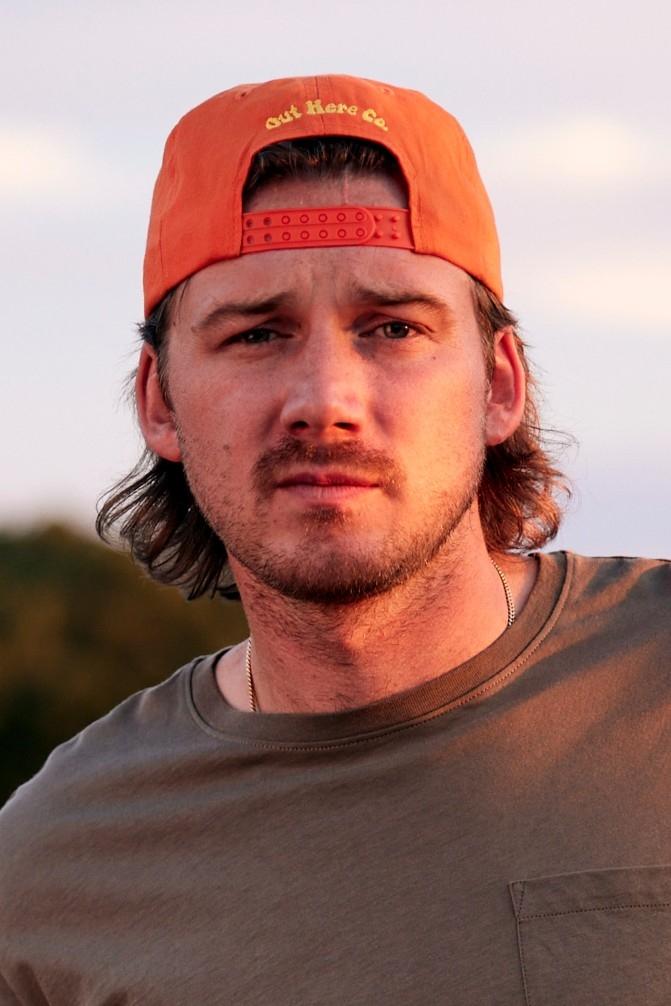
In early 2021, a video surfaced showing country star Morgan Wallen using a racial slur outside his residence in Nashville. In response, major radio conglomerates like iHeartMedia and SiriusXM pulled his music from their rotations, and his label, Big Loud Records, suspended his contract indefinitely. Additionally, organizations including the Academy of Country Music and the Country Music Association disqualified him from their respective award ceremonies that year. While his album ‘Dangerous: The Double Album’ continued to perform well on streaming services, he was largely excluded from industry platforms for a significant period. This controversy ignited a broad debate regarding accountability and racial sensitivity within the Nashville music scene.
DaBaby
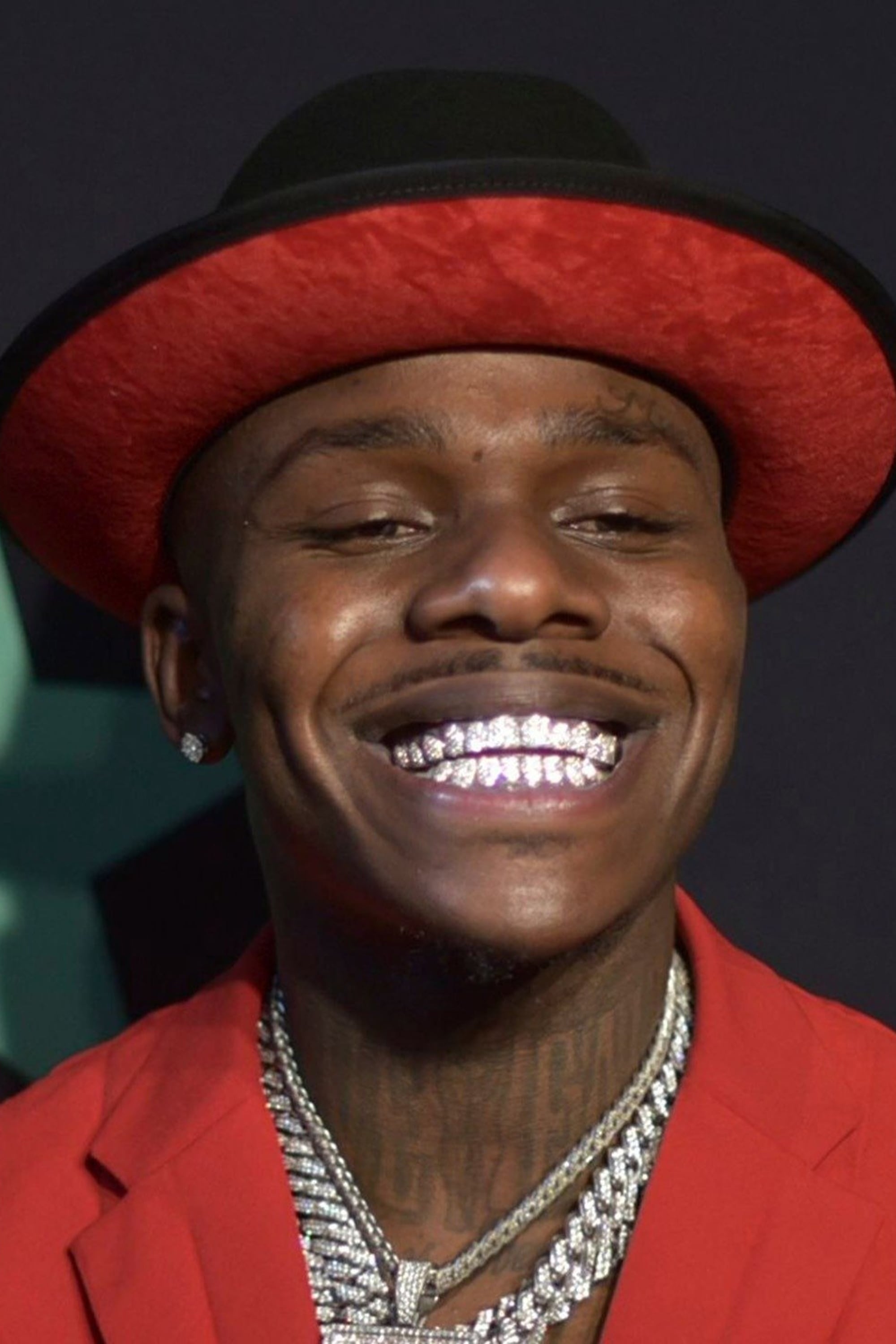
Rapper DaBaby faced severe professional repercussions after making homophobic and insensitive remarks regarding HIV/AIDS during his 2021 performance at the ‘Rolling Loud’ festival. His comments were quickly condemned by health organizations and former collaborators, such as Dua Lipa, who had featured him on the hit single ‘Levitating’. Within days of the performance, several major music festivals, including ‘Lollapalooza’, ‘Governor’s Ball’, and ‘Day N Vegas’, removed him from their lineups. While he issued several apologies, the industry-wide backlash resulted in a notable loss of commercial momentum. His subsequent musical releases struggled to match the chart success of his previous projects.
Azealia Banks
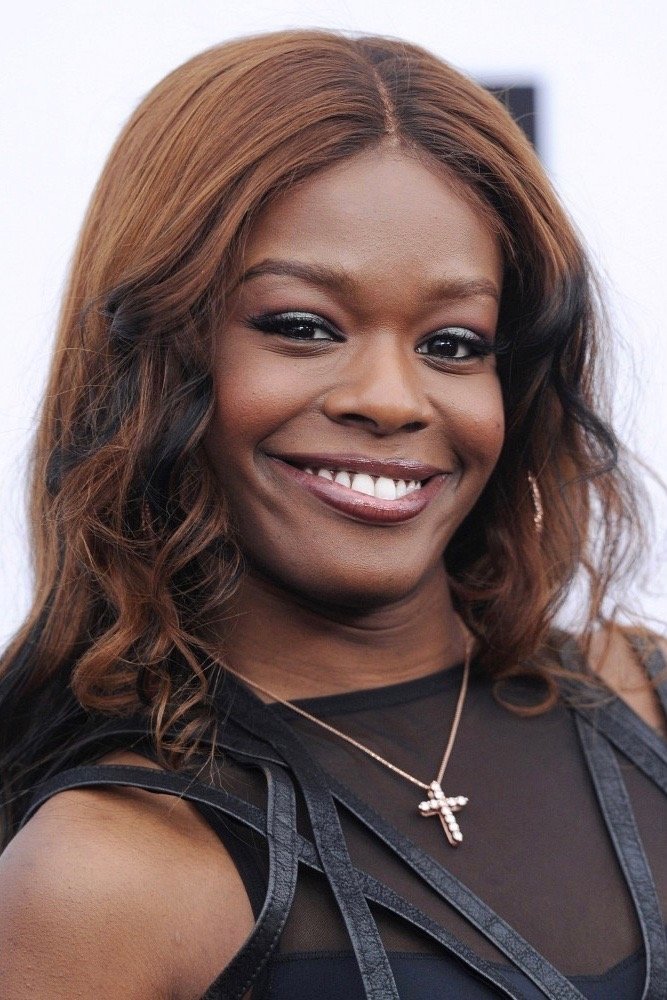
Azealia Banks has been involved in a long series of public disputes that have largely overshadowed her musical output since her debut single ‘212’. She has been repeatedly banned from social media platforms for using homophobic and racial slurs directed at fellow musicians and public figures. These repeated controversies led to her being dropped from festival lineups, such as ‘Born & Bred’, and made it difficult for her to maintain a traditional major label contract. Despite receiving critical acclaim for her album ‘Broke with Expensive Taste’, her reputation for volatility became the primary focus of her media coverage. Many industry analysts have noted that her digital rhetoric consistently prevented her from achieving sustained mainstream success.
Morrissey

Morrissey, the former lead singer of ‘The Smiths’, has alienated a large portion of his audience through increasingly controversial political statements. He has publicly supported the far-right ‘For Britain’ party and made several comments regarding national identity and immigration that were widely criticized as xenophobic. In 2020, his longtime record label BMG ended their partnership with him, stating that their plans for new projects had changed. This professional split occurred amid rising public protests at his live shows and a shift in how his cultural legacy is treated in music journalism. While he maintains a dedicated fan base, his statements have limited his access to mainstream distribution and media platforms.
John Lennon
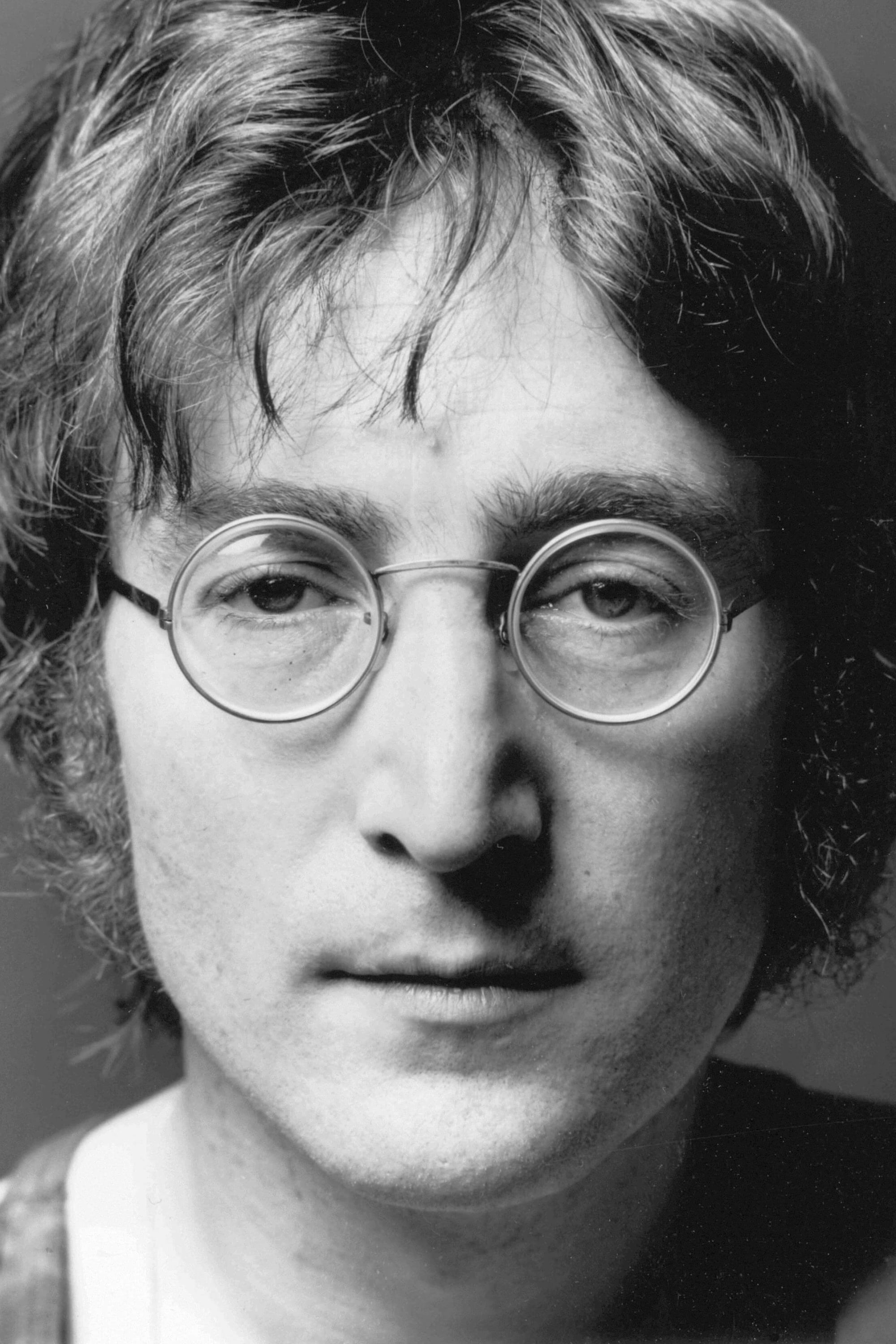
In a 1966 interview with the ‘London Evening Standard’, John Lennon stated that ‘The Beatles’ were “more popular than Jesus” at that time. When this quote was republished in the United States several months later, it sparked a massive wave of protests, particularly in the Southern states. Christian groups organized public bonfires to burn the band’s records, and many radio stations refused to play their music. The backlash became so intense and threatening that the band members feared for their safety during their final U.S. tour. The incident was a significant factor in ‘The Beatles’ deciding to retire from live performances and focus exclusively on studio work.
Cee Lo Green
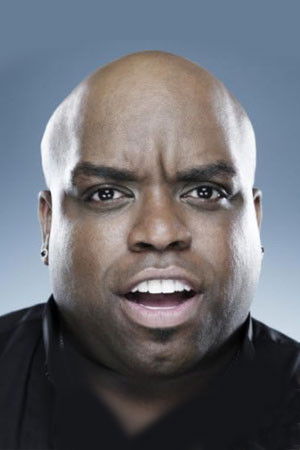
CeeLo Green’s career trajectory changed sharply in 2014 following a series of controversial posts on social media regarding sexual consent. These comments were made around the same time he pleaded no contest to a felony charge of furnishing a controlled substance in an unrelated case. The public outcry led to the cancellation of his TBS reality series, ‘The Good Life’, and several festival performances were pulled from his schedule. He also lost his visible role as a coach on the popular singing competition ‘The Voice’. Despite attempts to relaunch his brand in the years following, he has not returned to the high level of mainstream popularity he saw during the ‘Forget You’ era.
Erykah Badu
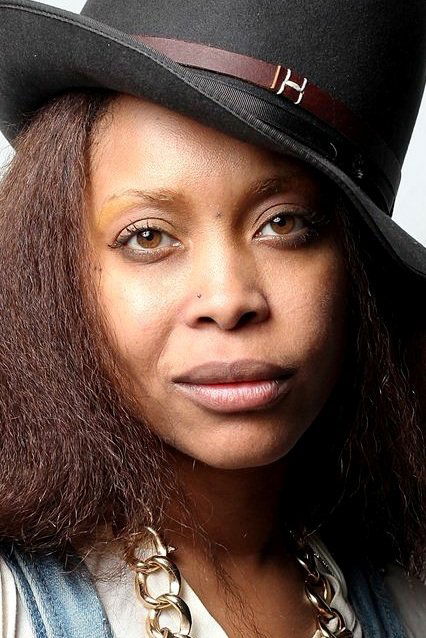
Erykah Badu sparked considerable controversy in 2019 when she made comments during a live performance that were interpreted as defending R. Kelly during his legal trials. This followed a previous instance in a ‘Vulture’ interview where she made remarks about finding good in historical figures like Adolf Hitler. These statements led to intense backlash from fans and social activists, resulting in calls for boycotts of her concerts. While she remains a highly respected figure in the neo-soul genre, these incidents created a lasting rift with segments of her audience. The media narrative surrounding her career began to focus more on her polarizing public stances than her musical innovations.
Matty Healy
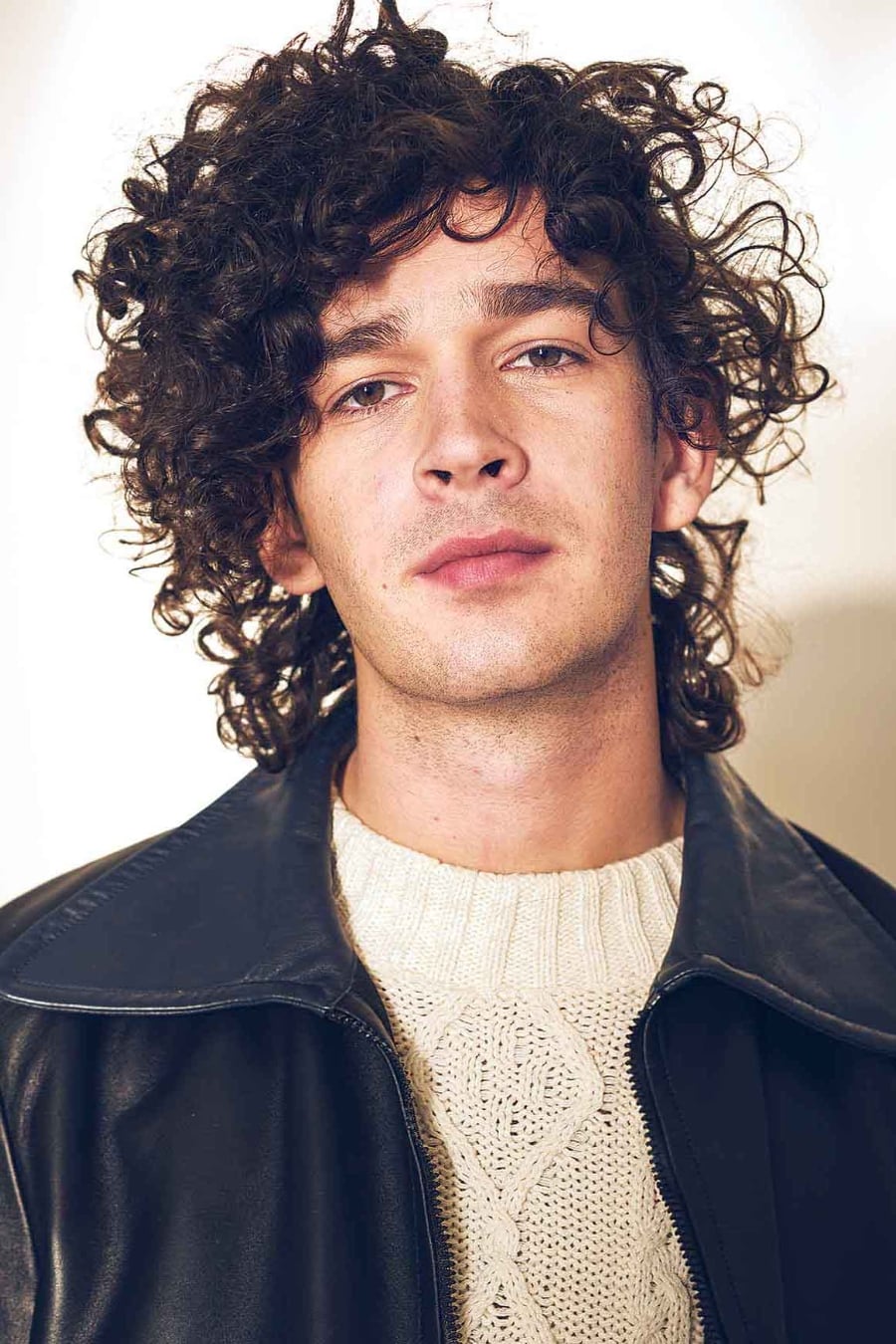
Matty Healy, the lead singer of ‘The 1975’, faced substantial backlash in 2023 for comments made during an appearance on ‘The Adam Friedland Show’. During the podcast episode, he participated in derogatory jokes regarding rapper Ice Spice and made remarks that were criticized as being insensitive to various ethnic and marginalized groups. This controversy led to public condemnation from other artists and fans, complicating the band’s promotional cycle. Shortly thereafter, the band’s set at a festival in Malaysia was cut short after Healy protested local laws, leading to the cancellation of the entire event. These incidents have fueled a continuous public debate regarding his persona and its impact on the band’s global reputation.
Cat Stevens
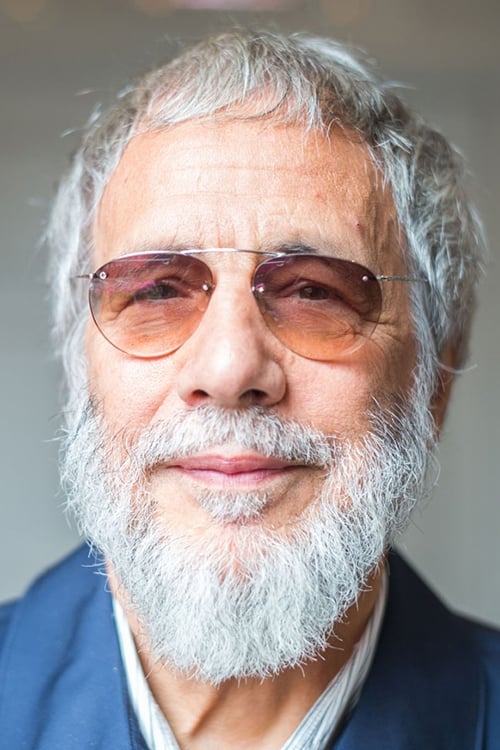
In 1989, the musician known as Cat Stevens, who had converted to Islam and changed his name to Yusuf Islam, made statements that appeared to support the fatwa against author Salman Rushdie. During a television appearance, he suggested that the death penalty was a proper punishment for blasphemy under religious law. The fallout was swift, with numerous radio stations in the United States and the United Kingdom removing his classic hits like ‘Wild World’ from their rotations. Other musicians, including the band 10,000 Maniacs, requested that their covers of his songs be removed from future pressings of their own albums. He retreated from the secular music industry for many years before eventually returning to the stage.
Jerry Lee Lewis
Jerry Lee Lewis was a dominant force in rock and roll in 1958 when he arrived in London for a highly publicized concert tour. However, the tour was abruptly canceled after the press discovered he had married his 13-year-old cousin, Myra Gale Brown, and that he had not finalized his previous divorce. The revelation caused a massive public scandal in both the United Kingdom and the United States, leading to him being blacklisted by most radio stations. His performance fees dropped from thousands of dollars per night to mere hundreds in small venues. It took over a decade of work in the country music circuit for him to regain any measure of commercial relevance.
Professor Griff
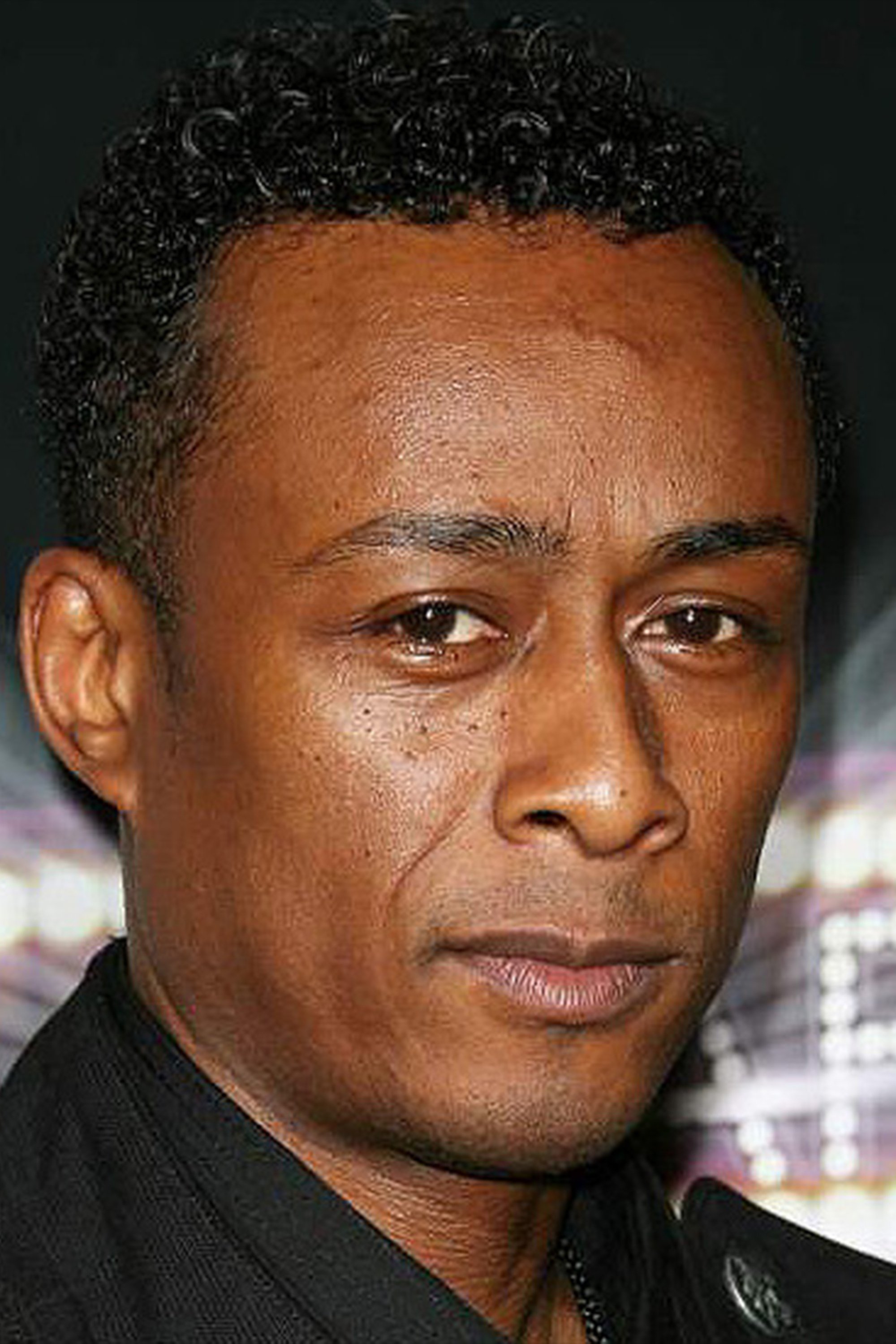
Professor Griff, a member of the legendary hip-hop group ‘Public Enemy’, caused a major industry crisis in 1989 after an interview with ‘The Washington Times’. In the piece, he made several antisemitic remarks, claiming that Jewish people were responsible for the majority of wickedness across the globe. These statements led to a firestorm of criticism and immense pressure on the group’s record label, Def Jam Recordings. Group leader Chuck D eventually felt compelled to dismiss Griff from the group to mitigate the controversy and prevent a complete boycott of their work. Although Griff eventually returned for later projects, the incident fundamentally altered the group’s relationship with the media and the public during their commercial peak.
Tell us in the comments which of these career-altering moments surprised you the most.