

10 Mythic Games That Vanished and Became Legends



Some video games leave a mark so deep that even after they’re gone, their legacy lingers. These are the titles that were pulled from shelves—digital or physical—yet grew into legends, cherished by players and whispered about in gaming circles. Whether due to licensing issues, controversy, or developer decisions, their disappearance only fueled their fame.
This article dives into ten games that vanished from stores but became iconic. From arcade classics to modern flops, each has a story that keeps it alive in the hearts of gamers. Let’s explore why these games, despite being yanked from availability, earned a place in gaming history.
E.T. the Extra-Terrestrial (1982)
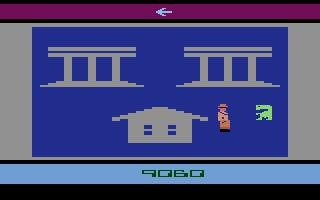
Atari’s ‘E.T. the Extra-Terrestrial’ was meant to be a blockbuster tie-in with the beloved movie. Rushed to market in just five weeks, it became infamous for its clunky gameplay and confusing mechanics, with players falling into inescapable pits. Atari buried unsold cartridges in a New Mexico landfill, a tale confirmed in 2014 when the site was excavated. The game’s failure contributed to the 1983 video game crash, sinking Atari into bankruptcy.
Despite its flaws, ‘E.T.’ is a legend for its sheer notoriety. Its story of corporate missteps and buried treasure fascinates gamers and historians alike. Collectors now hunt those unearthed cartridges, turning a commercial disaster into a cultural icon. The game’s legacy reminds us how even failures can shape an industry.
Night Trap (1992)
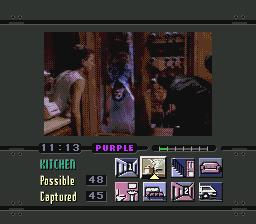
‘Night Trap’, a Sega CD title, stirred controversy with its mix of live-action video and mild violence. You played as a protector watching over teens in a vampire-infested house, using security cameras to spring traps. Its suggestive content caught the eye of U.S. Senators in 1993, leading to a hearing on violent games. Stores like Toys “R” Us pulled it, and Sega later discontinued it.
The backlash made ‘Night Trap’ a symbol of gaming’s growing pains. It helped spark the creation of the ESRB rating system, forever changing how games are regulated. Re-releases years later cemented its cult status, proving its quirky charm still captivates players who love its B-movie vibe.
Custer’s Revenge (1982)
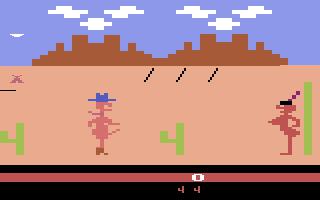
‘Custer’s Revenge’ for the Atari 2600 is a grim footnote in gaming history. Its offensive premise—depicting a sexual assault on a Native American woman—ignited outrage upon release. Retailers quickly banned it, and its developer, Mystique, faced heavy criticism. The game’s short shelf life ended as fast as the controversy erupted.
Though reviled, ‘Custer’s Revenge’ became legendary for its infamy. It’s a cautionary tale of what happens when games cross ethical lines. Collectors and historians discuss it as a low point that pushed the industry to rethink content boundaries, ensuring its place in gaming’s darker lore.
Marvel vs. Capcom 2 (2000)
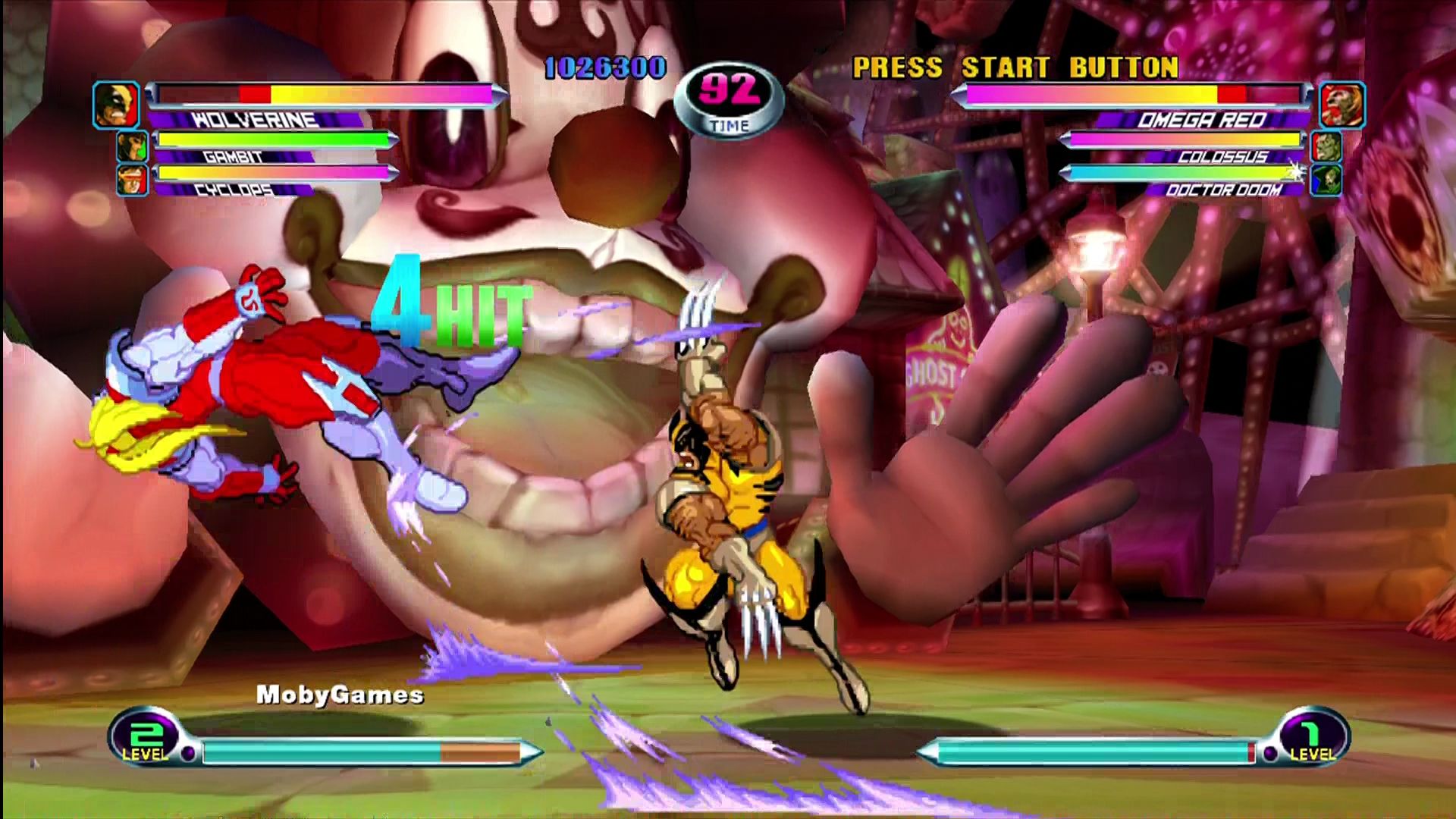
‘Marvel vs. Capcom 2’ was a fighting game masterpiece, blending Marvel superheroes with Capcom’s iconic characters. Its fast-paced combat and vibrant roster made it a hit in arcades and on consoles. But when Disney acquired Marvel, licensing issues led to its removal from digital stores like PSN and Xbox Live by 2013, leaving fans scrambling for physical copies.
The game’s scarcity only boosted its legend. Tournaments still draw crowds, with players mastering its chaotic three-on-three battles. Its enduring popularity has pushed Capcom to consider re-releases, proving ‘Marvel vs. Capcom 2’ remains a benchmark for crossover fighters.
DuckTales: Remastered (2013)
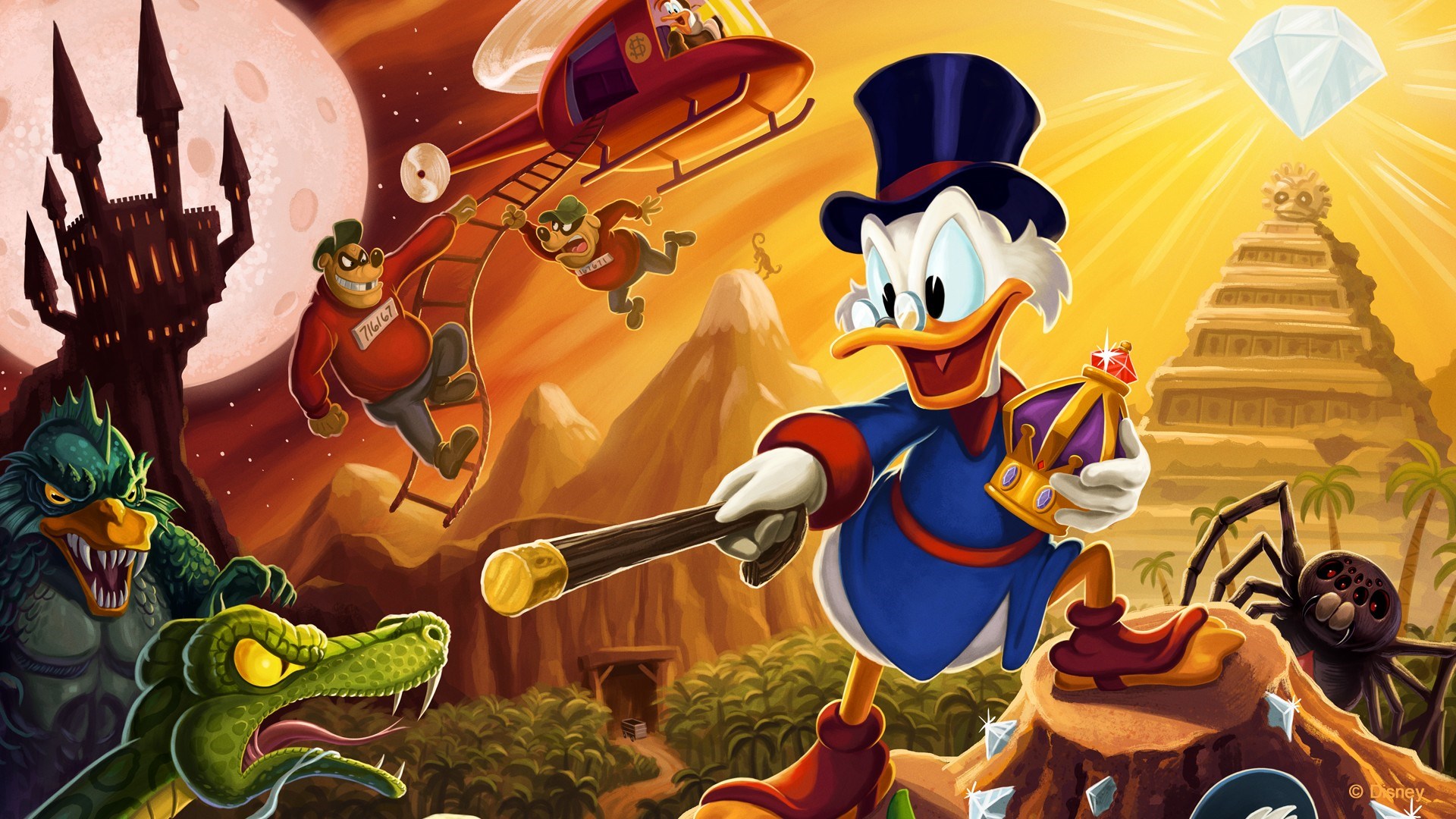
‘DuckTales: Remastered’ was a vibrant remake of the 1989 NES classic, bringing Scrooge McDuck’s adventures to modern platforms. Launched in 2013, it earned praise for its gorgeous visuals and tight platforming. Yet, in 2019, Capcom suddenly pulled it from digital storefronts, likely due to expiring Disney licenses, leaving only physical copies for new players.
Its abrupt exit turned ‘DuckTales: Remastered’ into a collector’s gem. Fans cherish its nostalgic charm, and its absence from stores has only heightened its allure. The game’s quality and rarity keep it alive in discussions, with players hoping for a future comeback.
Monster Hunter Freedom Unite (2014)
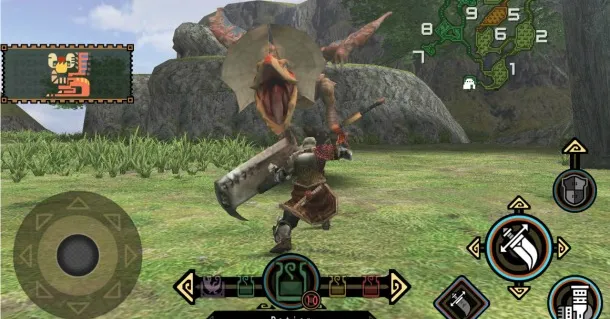
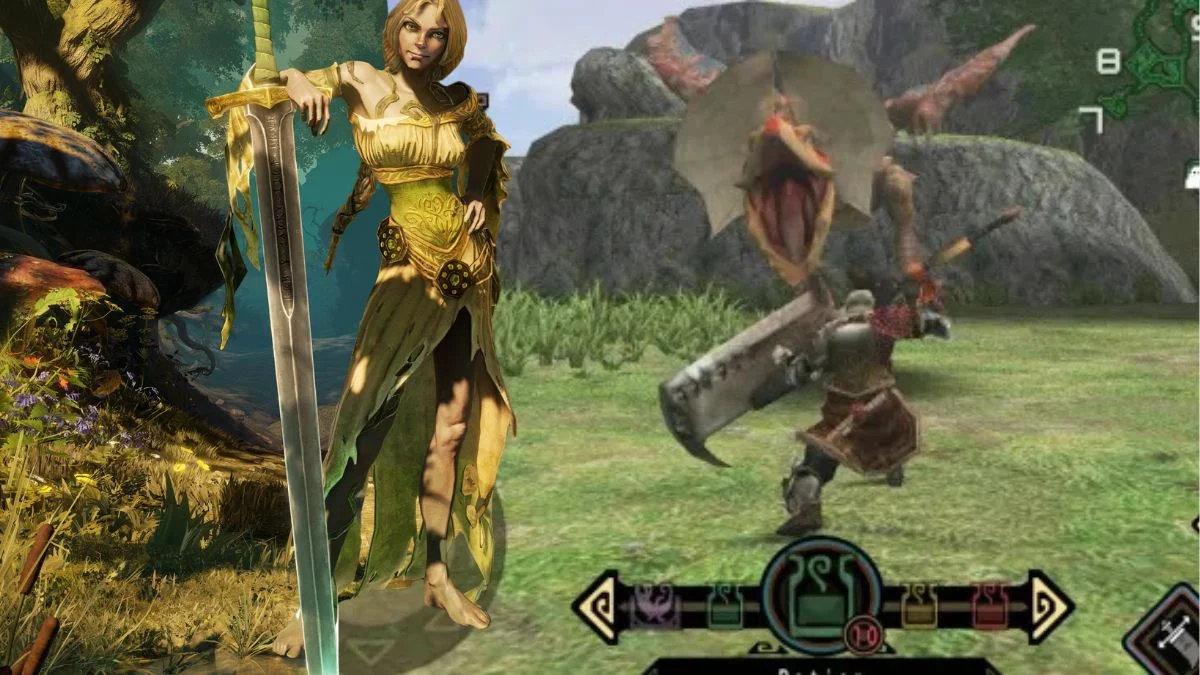
‘Monster Hunter Freedom Unite’ brought Capcom’s beast-slaying action to mobile in 2014. Despite clunky touch controls, it won over fans with its deep gameplay and cooperative hunts. Capcom inexplicably removed it from the App Store in 2019, and iOS updates later broke compatibility, locking out even those who owned it.
The game’s removal sparked frustration, but its legacy endures in the Monster Hunter community. Players still share tales of epic hunts, and its influence lives on in newer titles like ‘Monster Hunter Now’. Its disappearance only amplified its status as a mobile gaming legend.
Gridlee (2013)

‘Gridlee’, a 1983 arcade shooter prototype, found new life on iOS in 2013 via the MAME4iOS emulator. Its open-source nature allowed players to run other arcade ROMs, turning iPhones into retro gaming hubs. Apple quickly pulled it from the App Store, citing concerns over unauthorized emulation.
Though short-lived, ‘Gridlee’ became a legend among retro enthusiasts. Its brief stint showed the potential of mobile emulation, sparking debates about preserving arcade history. Collectors now seek out devices with the app installed, keeping its rebellious spirit alive in gaming lore.
Sword & Poker 2 (2010)
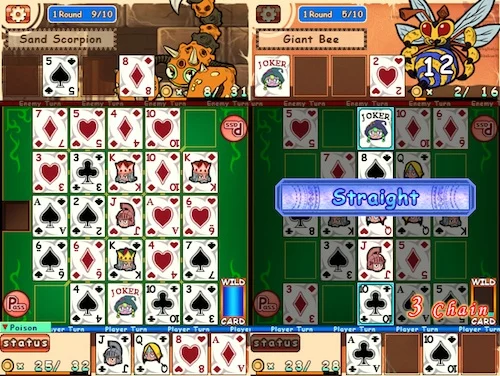
‘Sword & Poker 2’ was an iOS gem that mixed RPG battles with poker mechanics. You fought monsters using poker hands, a clever twist that hooked players. The iOS 11 update and the developer’s closure killed the game, leaving it unplayable and removed from the App Store.
Its innovative gameplay made ‘Sword & Poker 2’ a cult favorite. Fans still mourn its loss, with some recreating its mechanics in fan projects. Its disappearance highlights the fragility of digital-only games, cementing its status as a lost treasure of mobile gaming.
Star Wars: Tiny Death Star (2013)
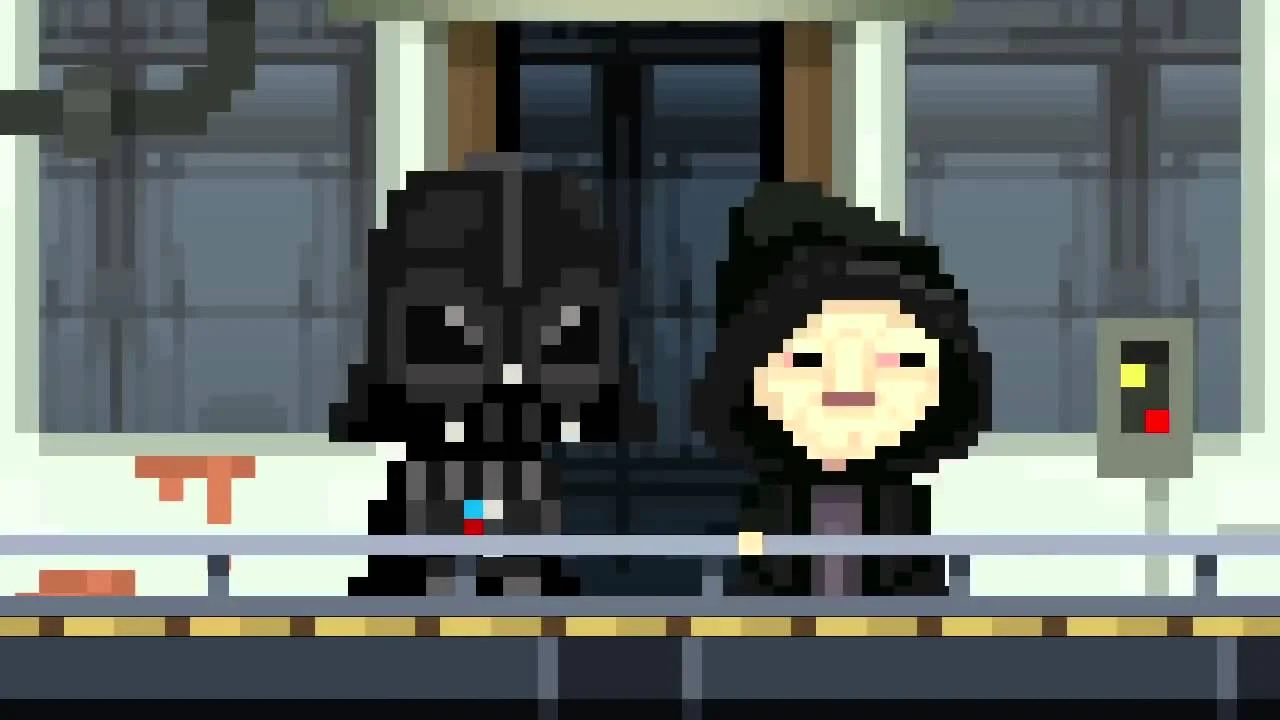
‘Star Wars: Tiny Death Star’ blended the Star Wars universe with ‘Tiny Tower’ gameplay, letting you build a Death Star floor by floor. Released in 2013, it was a hit until Disney and Lucasfilm pulled it in 2014 to focus on other Star Wars titles, leaving developer Nimblebit in the dark.
The game’s charm and Star Wars branding made its removal a sore spot for fans. Its addictive management sim style still sparks nostalgia, and players trade stories of running their own Death Star. Its sudden exit only deepened its legendary status.
Fable Legends (2016)
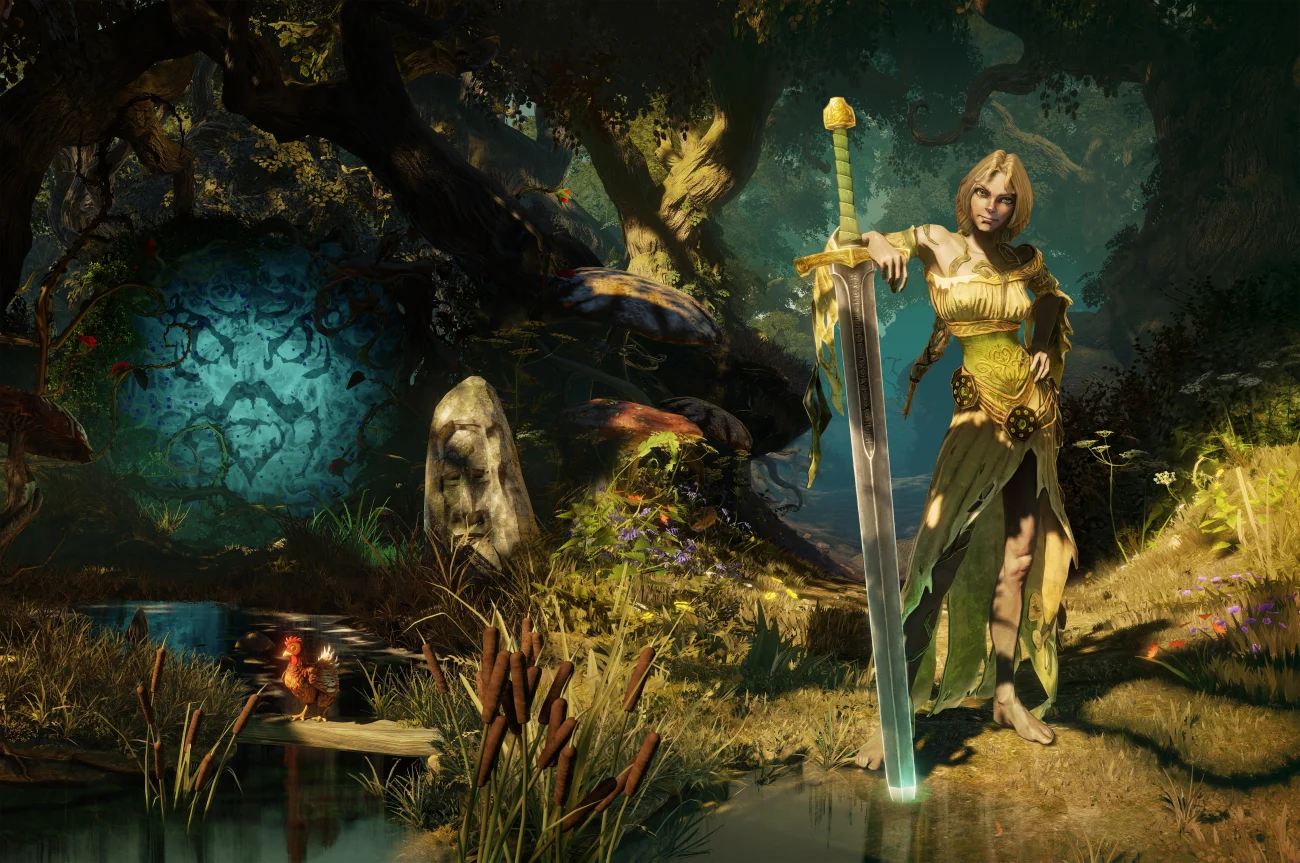
‘Fable Legends’ was an ambitious Xbox One and PC title, blending cooperative RPG action with a villain-led multiplayer twist. Built by Lionhead Studios with a $75 million budget, it entered beta in 2014. Microsoft canceled it in 2016, shutting down the studio and refunding players, citing a shift in priorities.
Despite never fully launching, ‘Fable Legends’ left a mark with its bold ideas. Beta testers still rave about its unique gameplay, and its cancellation fuels “what could have been” debates. Its grand vision ensures it lives on as a legendary near-miss in gaming history.
Which lost game do you wish could make a comeback, or did I miss a legendary title? Share your thoughts in the comments!