

‘Naruto’ Mistakes You’ll Never Be Able to Unsee

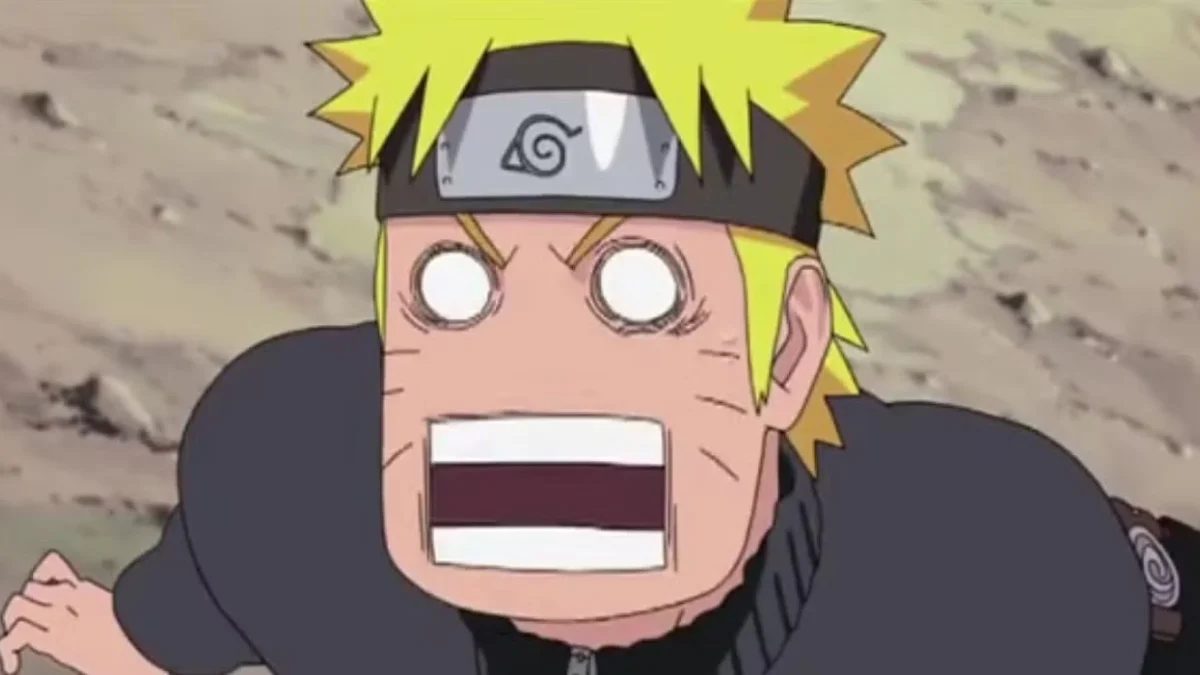


Long-running series like ‘Naruto’ and ‘Naruto: Shippuden’ are packed with detailed animation, complex timelines, and huge casts, which naturally leads to the occasional slip-up sneaking onto the screen. Some of these are tiny continuity glitches, while others affect character design, battle damage, or even village landmarks. Once you know where to look, these small errors can stand out every time they appear and become part of how you remember certain episodes. Here are some of the best-known examples that fans have spotted over the years and still point out on rewatches.
The Ever-Changing Forehead Protector Scratches
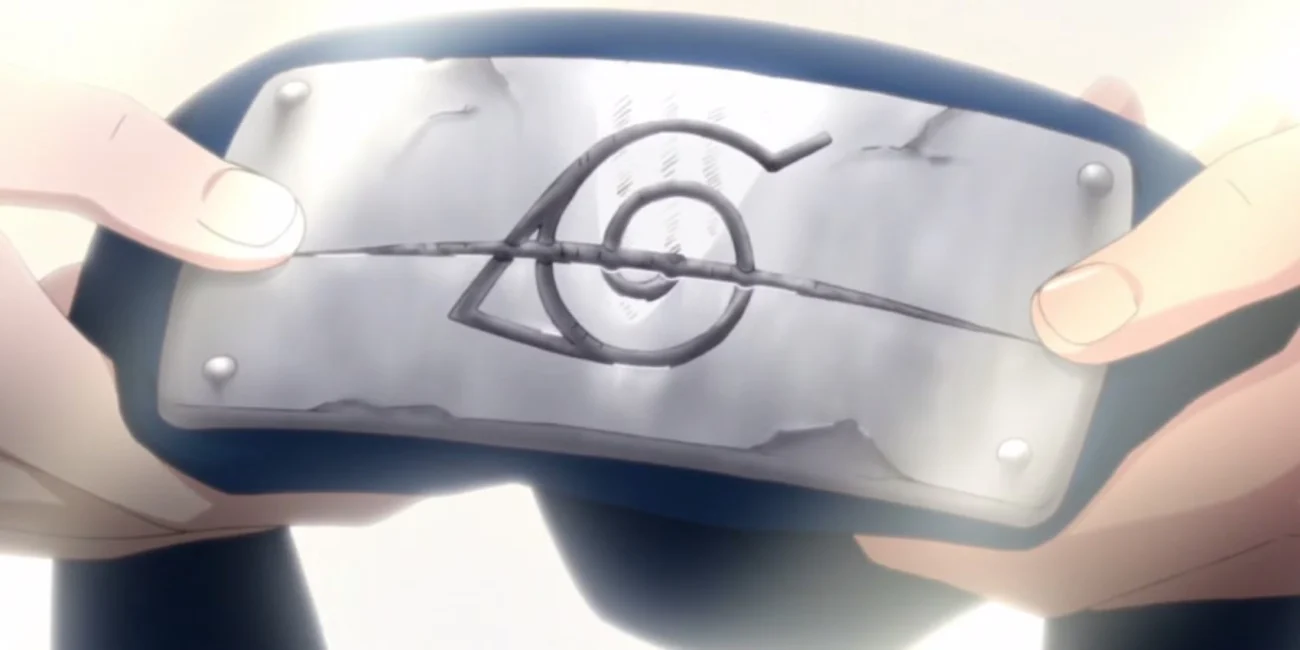
Forehead protectors in ‘Naruto’ are more than simple accessories, since details like scratches mark key moments in the story, such as Sasuke’s decision to sever his bond with the Leaf. In several scenes, especially during flashbacks and reused cuts, the iconic scratch on certain characters’ headbands disappears or appears at the wrong point in the timeline. Animators often reuse cels or digital frames to save time, which can result in an earlier, “pre-scratch” version of a headband slipping into a later episode. This creates a visual mismatch between the emotional context of the scene and the symbol that is meant to represent it. For viewers who follow character arcs closely, this kind of continuity slip becomes very noticeable once it has been pointed out.
Kakashi’s Sharingan Switching Sides
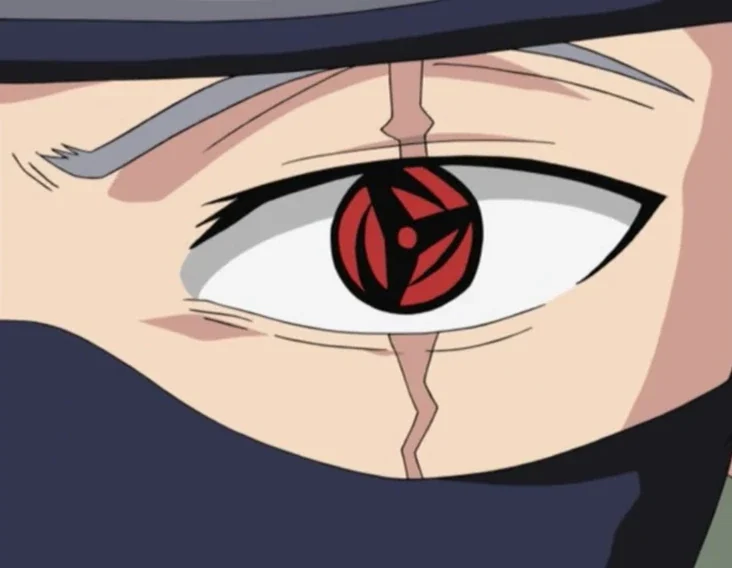
Kakashi is famous for having the Sharingan in his left eye, which stays covered by his forehead protector when not in use. In a few fast-paced action cuts and distant shots, his Sharingan has been drawn on the right eye instead, reversing his iconic design. These flipped shots often come from mirrored animation frames, a common shortcut used to keep fight scenes fluid and on schedule. Because the Sharingan and Kakashi’s scar are such recognizable features, any reversal of their position is immediately visible when you know to look for it. The mistake highlights how easy it is for a single mirrored frame to override established character layout.
Hokage Rock’s Out-of-Time Faces
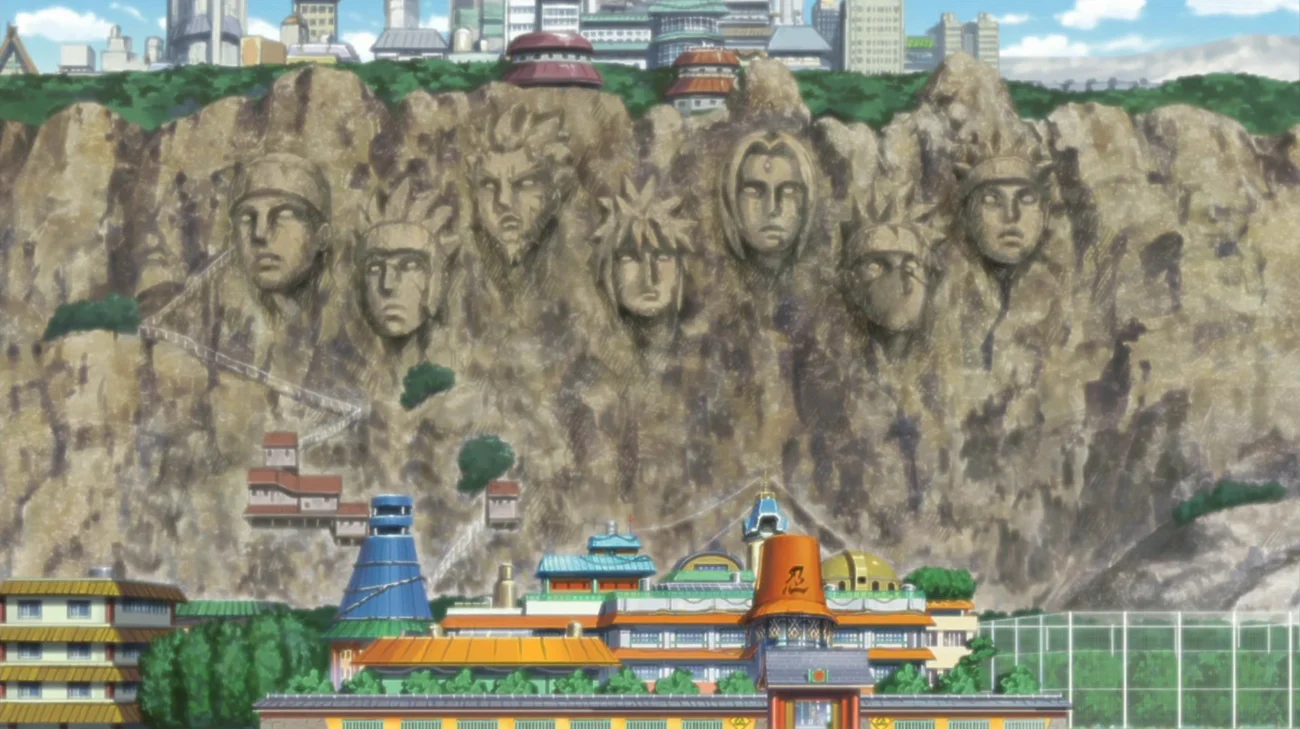
The Hokage Rock overlooking the Hidden Leaf is a constant visual reminder of the village’s leadership history. Throughout ‘Naruto’ and ‘Naruto: Shippuden’, there are a few moments where the carved faces do not line up perfectly with the story’s point in time, such as later Hokage faces appearing in scenes set earlier. These errors usually occur in wide establishing shots, where older background plates or generic “village view” assets are reused. Since the monument directly reflects who has already been appointed Hokage, any extra or missing face creates a quiet contradiction with the plot. Once noticed, fans can track how different episodes reuse or update Hokage Rock art across the series.
Tailed Beast Cloak Tail Miscounts
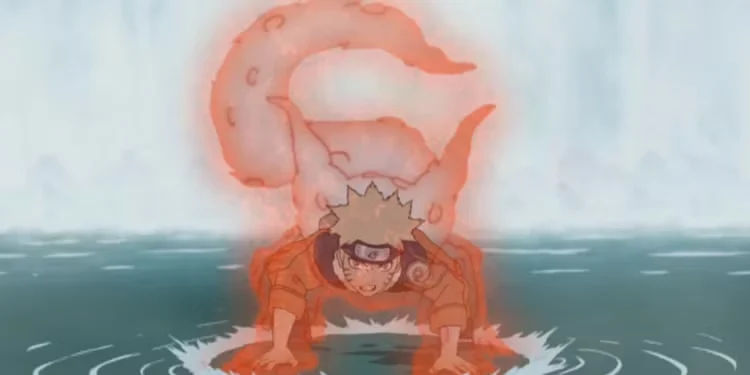
Naruto’s transformations using the Nine-Tails chakra cloak are supposed to show a clear progression, with the number of tails reflecting how much power he is tapping into. In practice, some scenes display a tail count that does not match the level implied by the story or dialogue, especially in fast-moving battle sequences. These inconsistencies often come from separate animation teams handling different cuts, each working from slightly different model sheets or references. When schedules are tight, minor details like exact tail numbers are more likely to be drawn from memory rather than double-checked. For viewers tracking Naruto’s power escalation through visual cues, a mismatched tail count stands out once it has been spotted.
Clone Armies of Background Ninja
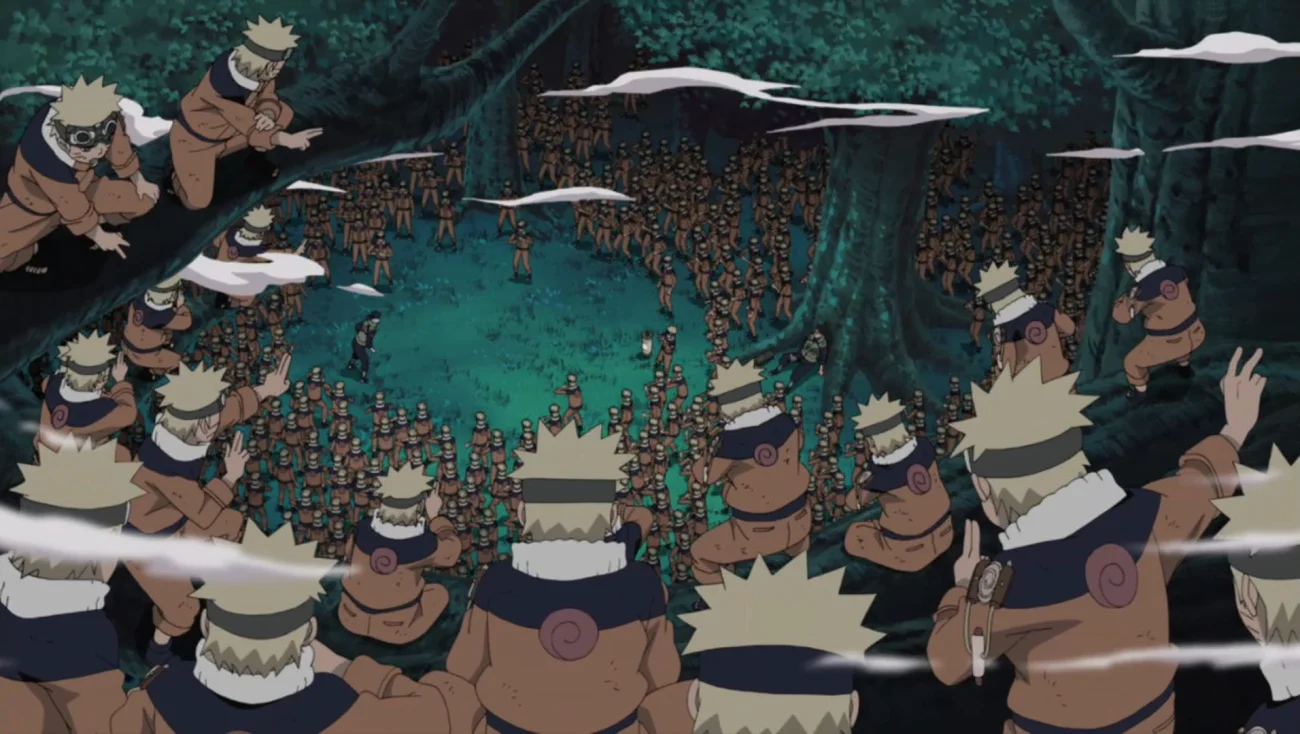
To populate large battles and village scenes, the ‘Naruto’ anime frequently reuses character models and background ninja designs. In some shots, you can see the exact same ninja model copied and pasted multiple times across the frame, sometimes even standing nearly side by side. This approach is a standard production technique for big crowd scenes, as it keeps staffing and drawing time manageable while still making the world feel busy. However, distinct outfits, hairstyles, or weapons on these reused designs make the duplication easier to notice on close viewing. Once you recognize a particular “background ninja template,” it becomes simple to pick them out again and again in different episodes.
Vanishing and Reappearing Battle Damage
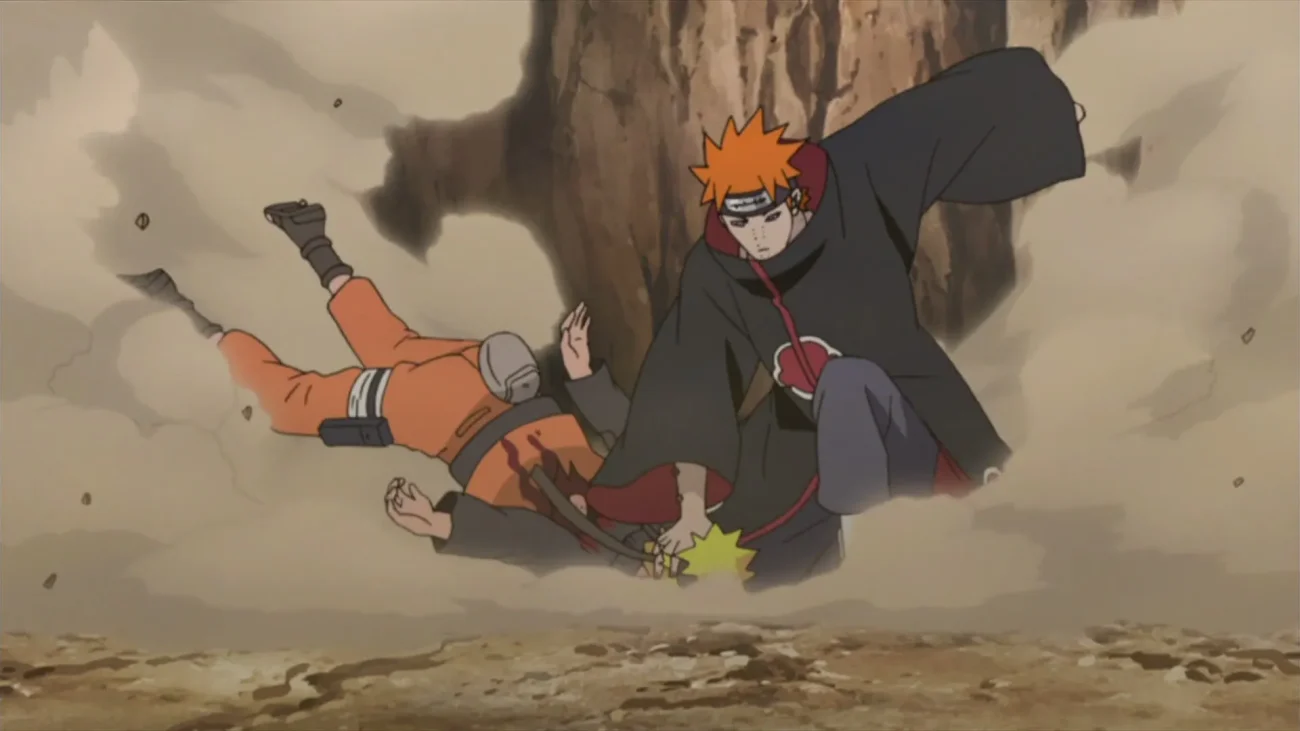
During longer fights in ‘Naruto: Shippuden’, characters accumulate cuts, bruises, torn clothing, and dirt that signal how intense the battle has become. In some episodes, especially those with complex multi-part fights, this damage can briefly vanish between cuts or return after seemingly being healed. The problem often arises because different episodes or cuts are assigned to separate teams, each maintaining their own continuity notes and reference sketches. If those references fall out of sync, a character might be drawn using an earlier, less-damaged design even though the story has already progressed past that point. The result is a visual reset that becomes very noticeable to anyone following the wear and tear of a particular fight.
Hand Seals That Do Not Match the Jutsu
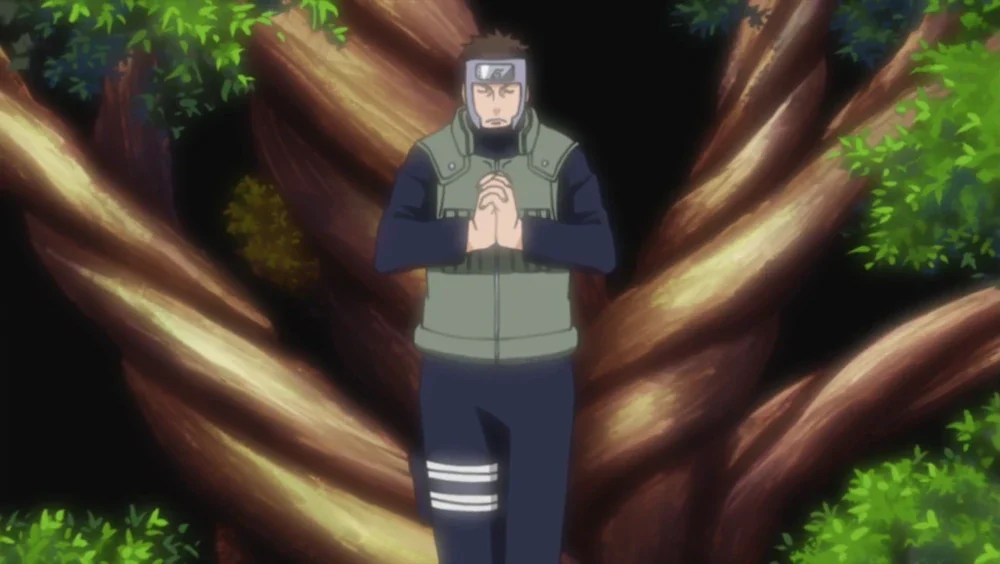
Ninjutsu in ‘Naruto’ is closely associated with specific hand seal sequences, which fans have cataloged and compared over time. However, the on-screen hand seals do not always match the techniques being performed, especially in quick-cut or lower-detail shots. Animators sometimes use generic or simplified seal patterns instead of the precise sequence listed in production materials, particularly for minor or repeatedly used jutsu. In some cases, entire sections of the seal sequence are skipped while the technique still activates on cue. For viewers who have memorized common hand seal orders, these discrepancies become a recurring technical error that is easy to spot.
Height and Age Inconsistencies in Flashbacks
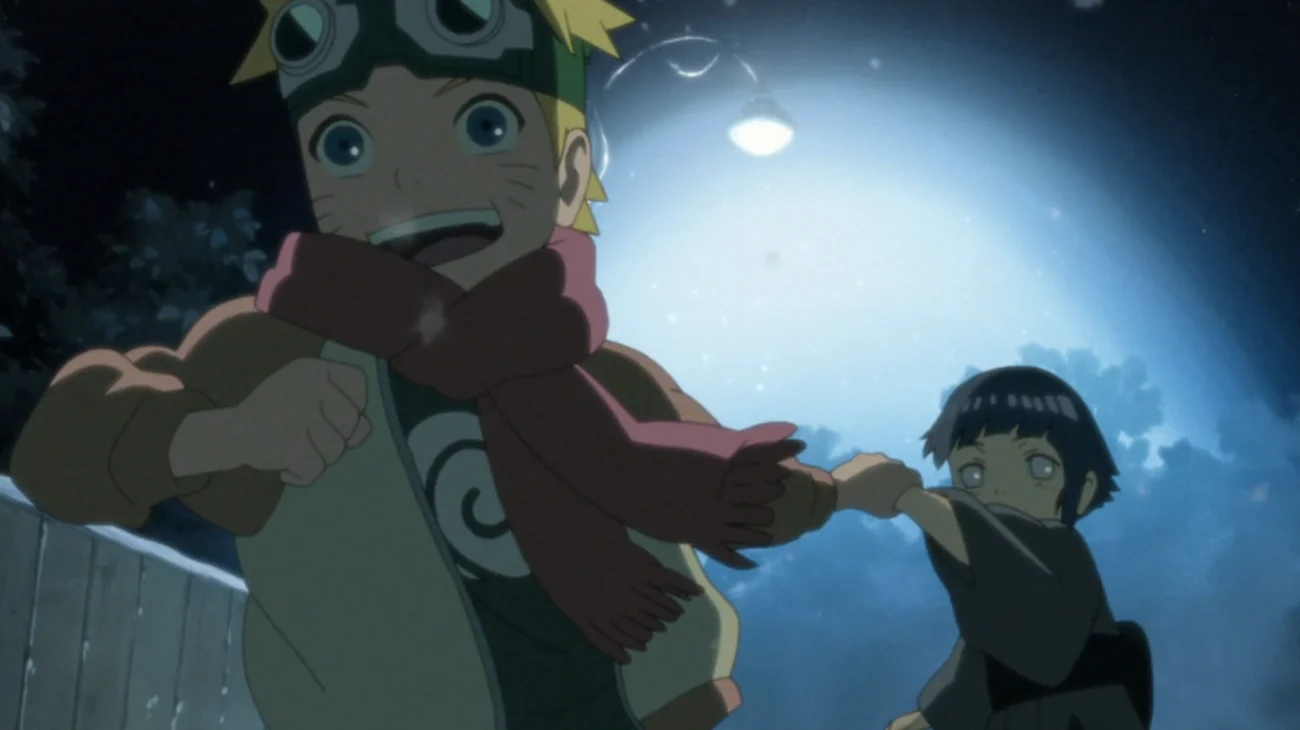
Flashbacks in ‘Naruto’ and ‘Naruto: Shippuden’ are designed to show characters at different stages of their lives, anchoring key events to specific ages. Across the series, fans have noted that some characters, such as Itachi and Kakashi, occasionally appear taller, shorter, or otherwise physically inconsistent with their stated ages in certain flashback scenes. These variations usually result from different directors or episode teams interpreting the character design sheets in slightly different ways. When timelines are dense and involve multiple overlapping wars, missions, and promotions, keeping exact height and body proportions synchronized becomes challenging. Once you start comparing these flashbacks closely, the small shifts in character build and apparent age are easier to notice.
Recycled Running and Attack Animations
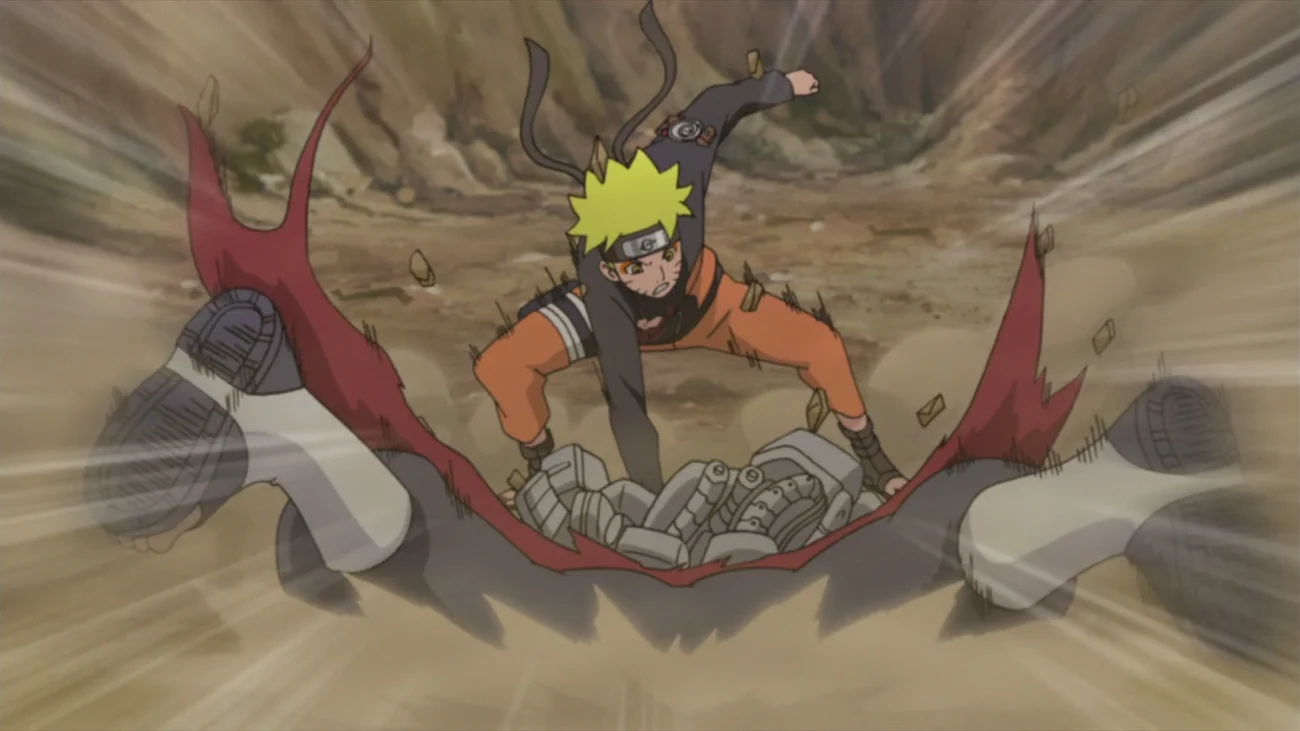
Because ‘Naruto’ features a huge number of chases and battles, the series often reuses running cycles, attack swings, and dodge movements. Sometimes the same run or jump animation is assigned to different characters, even when their fighting styles and body types differ. This practice helps maintain production efficiency by letting teams plug existing cels or digital sequences into new layouts with minimal editing. Over time, viewers can spot identical movements in different arcs, sometimes even with the same camera angle and timing. Once a particular reused sequence becomes familiar, it is easy to track its appearances throughout the show.
Village Destruction That Resets Too Quickly
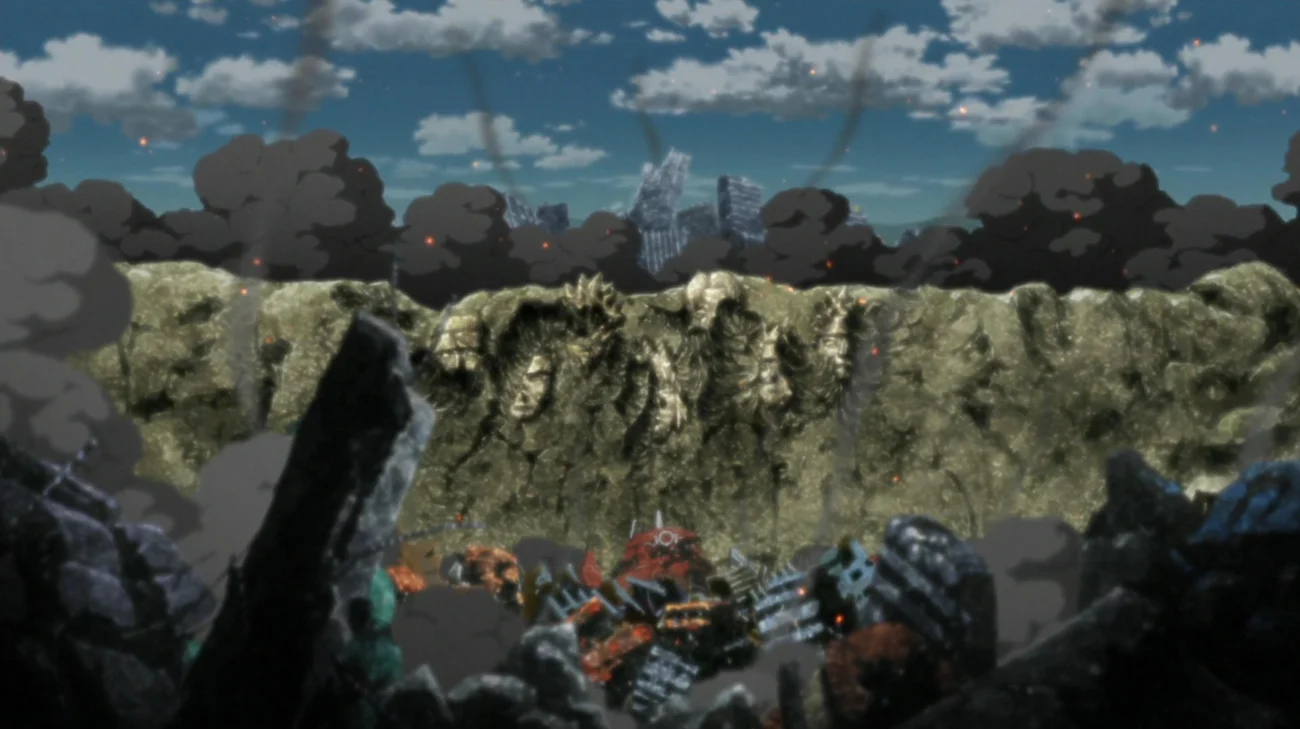
Major battles in ‘Naruto: Shippuden’, such as large-scale invasions or assaults on the Hidden Leaf, cause significant environmental damage to buildings, streets, and landmarks. In some follow-up episodes, especially those focusing on character interactions rather than ongoing conflict, parts of the village appear far less damaged than earlier scenes suggested. This kind of continuity slip often happens when different episode teams handle pre- and post-battle material without fully coordinating the state of the setting. Backgrounds may be drawn using standard “peace-time” references instead of the heavily damaged versions established in prior episodes. For viewers who pay attention to environmental storytelling, these quick visual resets stand out once they have been noticed.
Share your favorite ‘Naruto’ mistakes or continuity slips in the comments so everyone can compare what they have spotted on their own rewatches.