


Needle-Drops in Horror That Elevate the Entire Scene

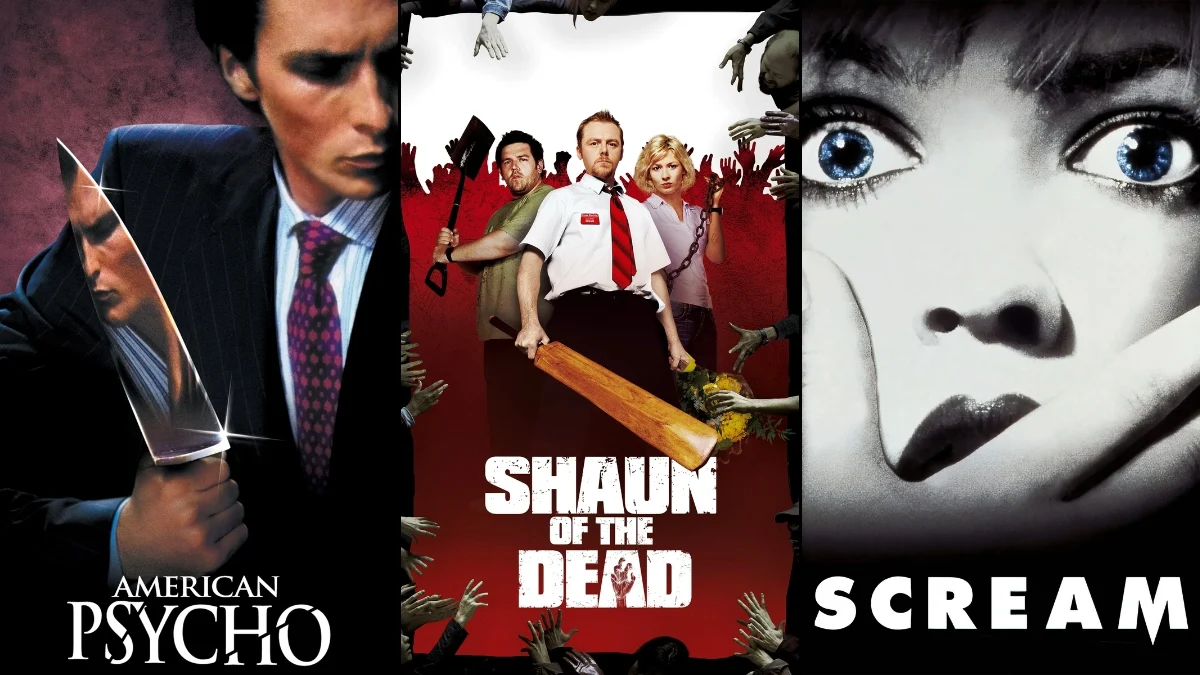


Music plays a crucial role in establishing the atmosphere and tension within the horror genre. Directors often utilize existing songs to create an emotional bridge or a jarring contrast between the audio and the visual terror onscreen. These specific musical choices known as needle-drops can transform a standard sequence into an unforgettable moment of cinema history. The following list highlights instances where a pre-existing track became inextricably linked with a frightening or intense scene.
‘Shaun of the Dead’ (2004) – “Don’t Stop Me Now” by Queen
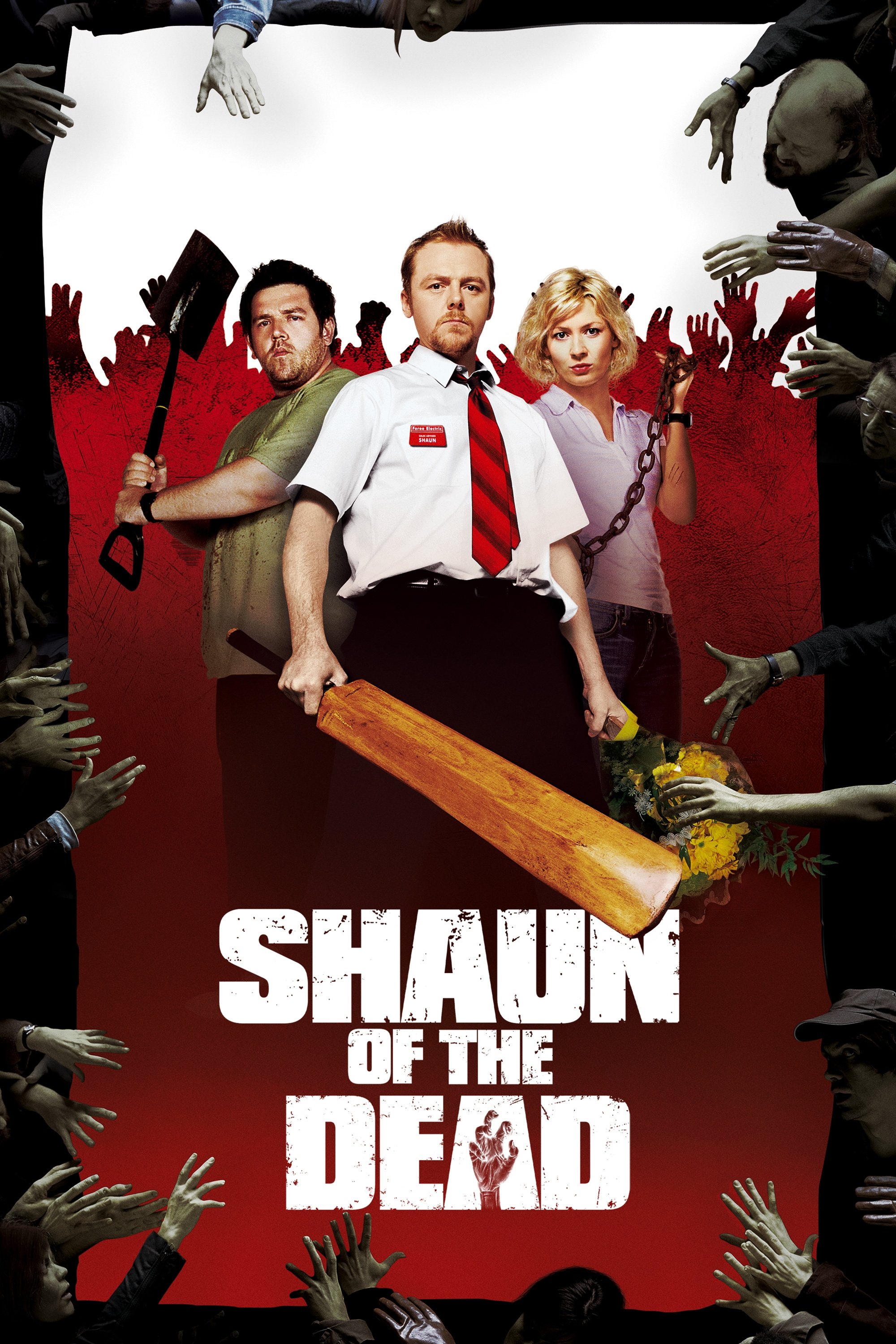
The protagonists find themselves cornered by a horde of zombies inside the Winchester pub when the jukebox unexpectedly activates. Queen’s energetic anthem plays as Shaun and his friends fight off the undead with pool cues in a choreographed sequence. The rhythmic beating of the zombies synchronizes perfectly with the upbeat tempo of the track to create a blend of action and comedy. This scene establishes the unique tone of the film by juxtaposing a joyful rock song with graphic violence.
‘American Psycho’ (2000) – “Hip to Be Square” by Huey Lewis and the News

Patrick Bateman puts on a raincoat and prepares to murder his colleague Paul Allen while lecturing him on the artistic merits of Huey Lewis and the News. The upbeat pop song contrasts sharply with the brutal violence that follows involving an axe and a pristine apartment. Bateman dances enthusiastically to the track before delivering the fatal blow. This moment emphasizes the satirical nature of the film and the disconnect between the protagonist’s surface charm and his violent psychopathy.
‘The Silence of the Lambs’ (1991) – “Goodbye Horses” by Q Lazzarus
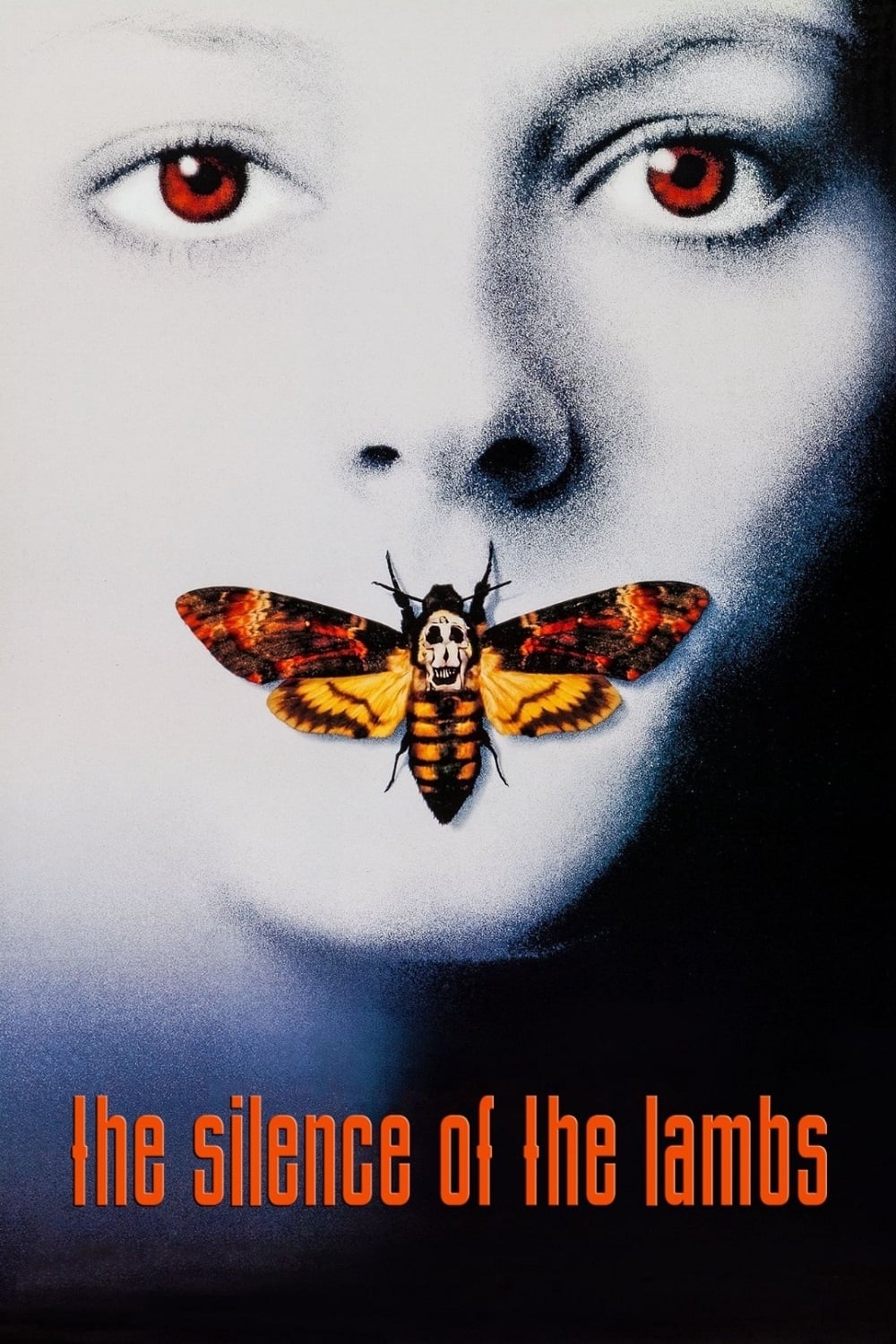
Buffalo Bill dances in front of a video camera while applying makeup and wearing the skin of his victims. The haunting synth-pop melody creates a surreal and disturbing atmosphere that highlights the killer’s detachment from reality. This sequence offers viewers a glimpse into the private world of the antagonist without any dialogue. The song has since become permanently associated with this specific moment of terrifying narcissism.
‘Us’ (2019) – “I Got 5 On It” by Luniz
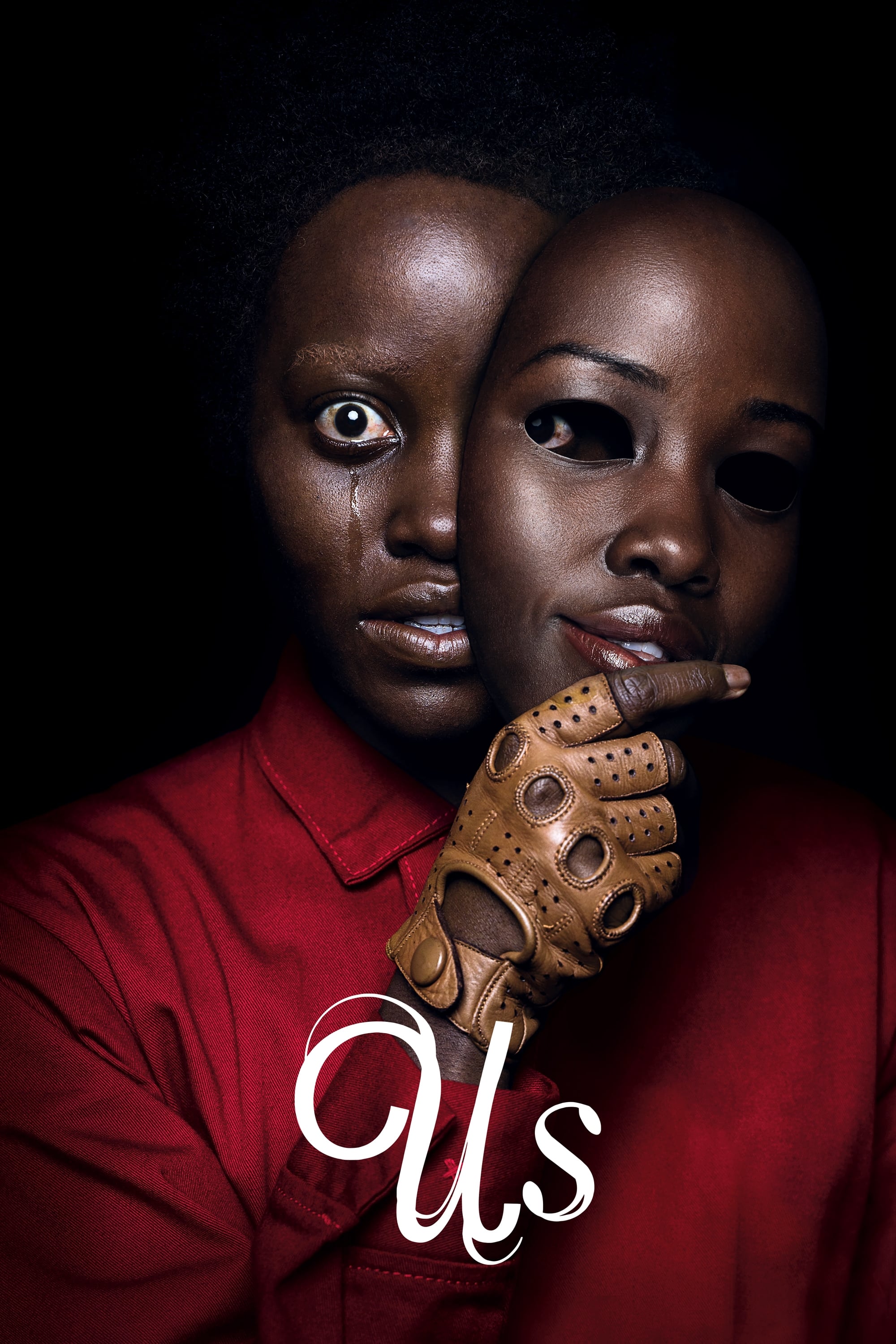
The Wilson family drives to their vacation home while listening to this classic hip-hop track on the radio. Later in the film the song returns as a slowed and orchestral “Tethered Mix” during the climactic confrontation between the protagonist and her doppelgänger. This musical motif serves to connect the carefree past with the horrific present reality. The transformation of the song mirrors the twisted distortion of the main characters themselves.
‘Insidious’ (2010) – “Tiptoe Through the Tulips” by Tiny Tim
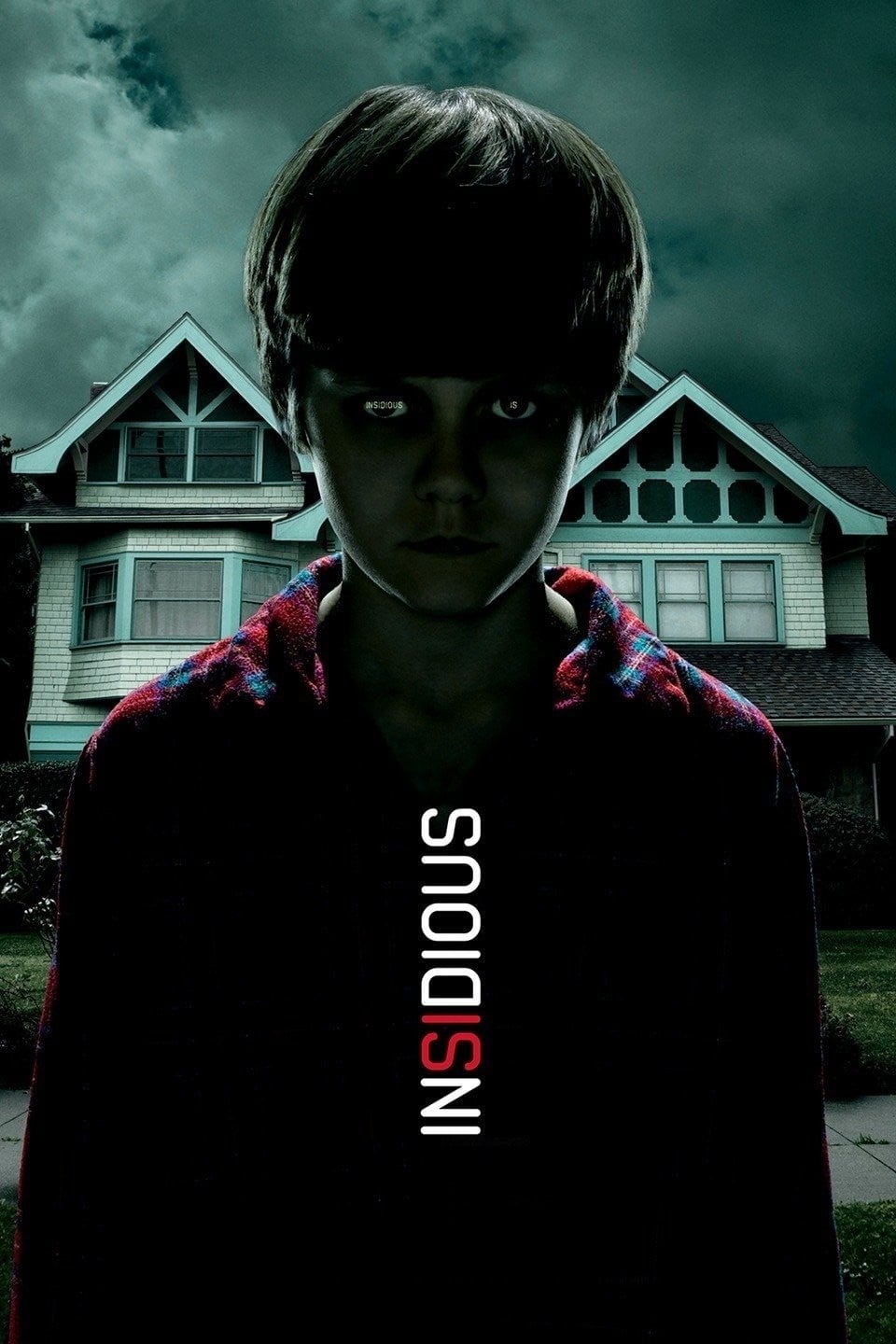
A family experiences supernatural occurrences that culminate in a demon appearing in their dining room. The high falsetto voice and ukulele strumming of Tiny Tim play on a record player to create a sense of unease. The old-fashioned and whimsical nature of the song clashes with the demonic imagery to produce a jarring effect. This musical choice turns an otherwise innocent tune into a signal of impending doom.
‘The Strangers: Prey at Night’ (2018) – “Total Eclipse of the Heart” by Bonnie Tyler
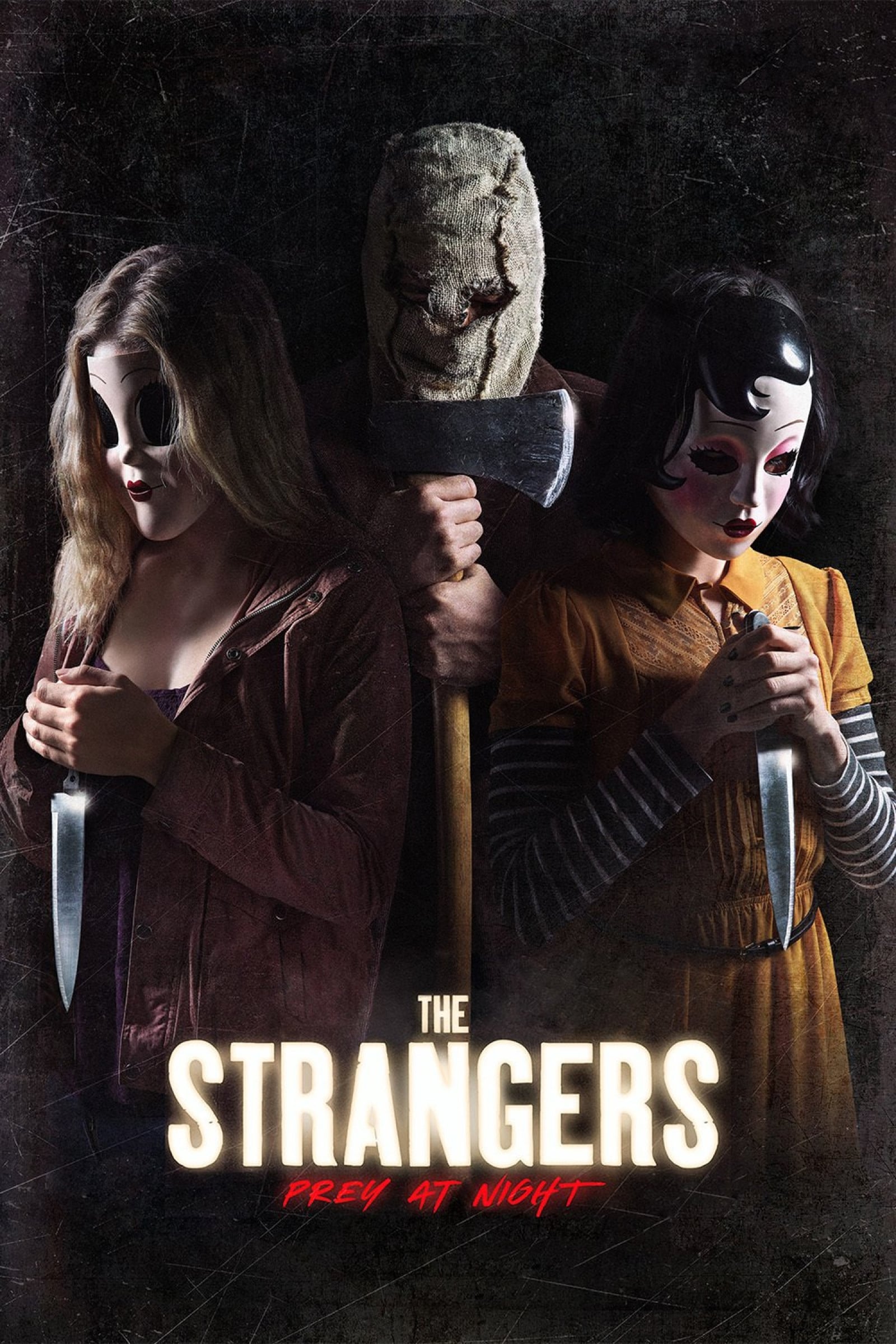
A masked killer attacks a character in a swimming pool while neon lights illuminate the water. The power ballad plays loudly over the outdoor speakers to drown out the sounds of the struggle. The dramatic swelling of the music matches the desperate fight for survival taking place in the water. This scene utilizes the emotional intensity of the song to heighten the stakes of the physical confrontation.
‘The Devil’s Rejects’ (2005) – “Free Bird” by Lynyrd Skynyrd
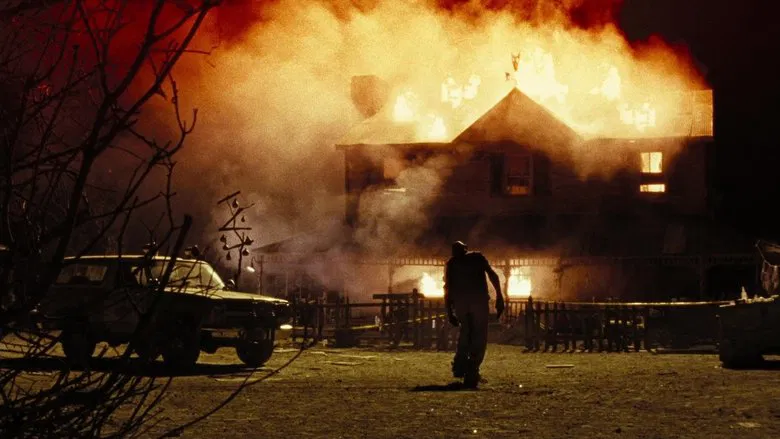
The Firefly family drives toward a police barricade in a final act of defiance as the extended guitar solo of the song plays. Slow-motion shots capture the gunfire and the inevitable demise of the antagonists. The southern rock anthem frames the villains in a tragic light despite their horrific crimes throughout the series. This needle-drop serves as a definitive conclusion to their violent road trip.
‘An American Werewolf in London’ (1981) – “Blue Moon” by The Marcels
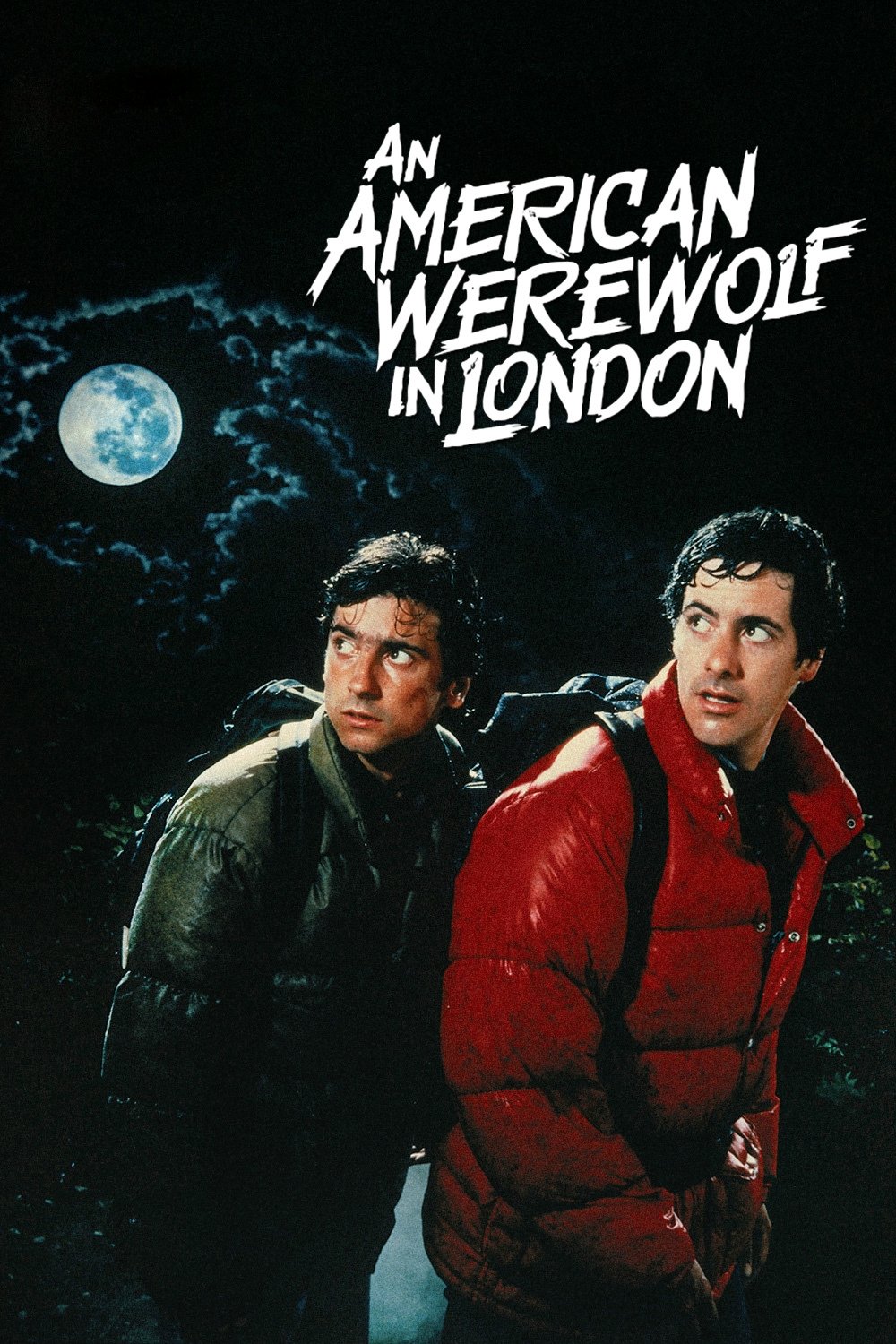
The film transitions to the end credits immediately following a tragic death caused by the werewolf. The doo-wop version of the classic ballad plays abruptly to create a shock for the audience. This tonal whiplash prevents the viewer from processing the grief of the final scene too quickly. The cheerful nature of the song underlines the dark humor that permeates the entire movie.
‘The Shining’ (1980) – “Midnight, the Stars and You” by Ray Noble and His Orchestra
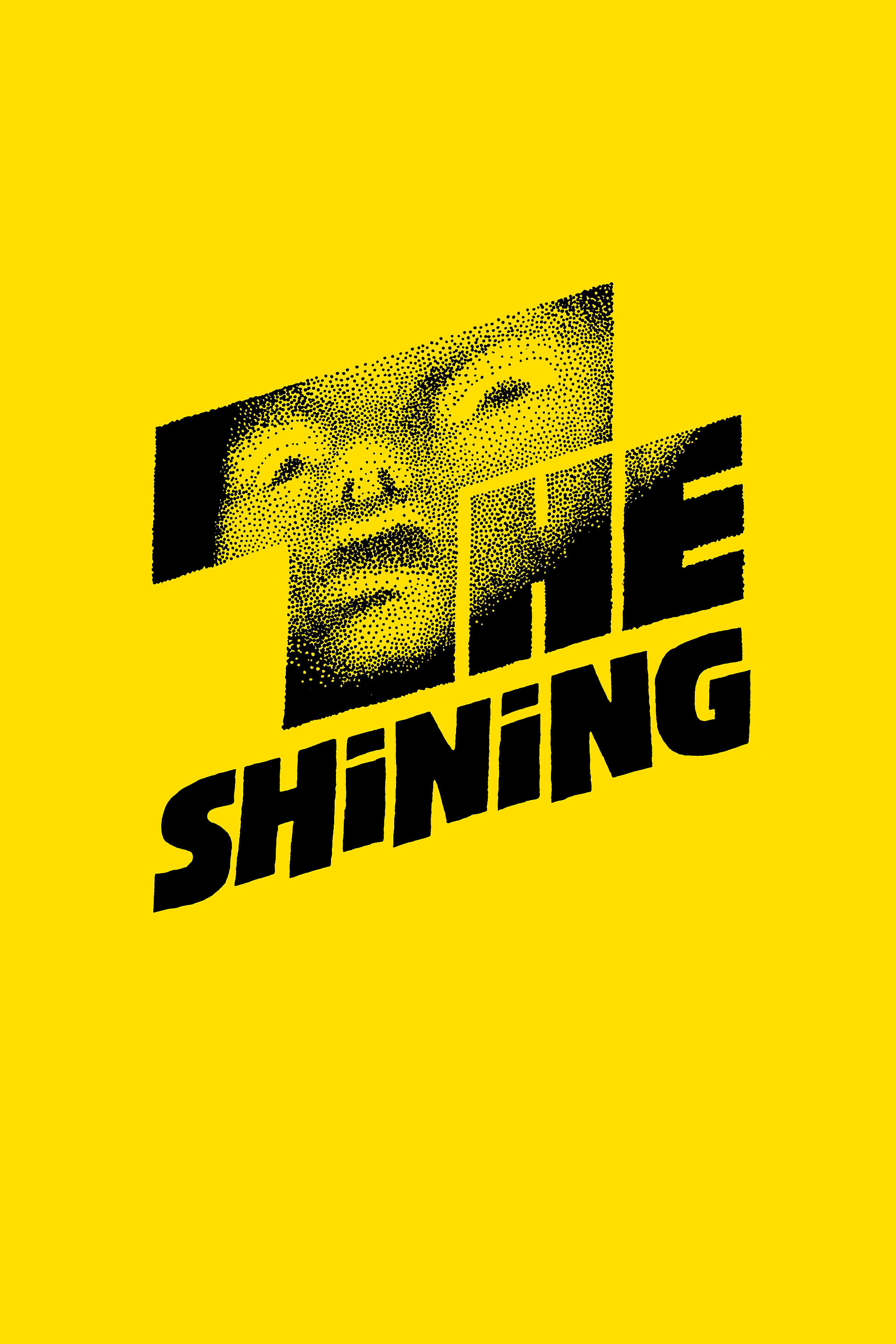
The camera slowly zooms in on a photograph from a July 4th ball in 1921 to reveal Jack Torrance standing among the crowd. The ghostly ballroom music echoes from the past to suggest the protagonist has always been the caretaker of the Overlook Hotel. This track reinforces the theme of reincarnation and the timeless evil inhabiting the location. The song serves as a haunting lullaby that closes the film on an ambiguous note.
‘Halloween II’ (1981) – “Mr. Sandman” by The Chordettes

The film opens and closes with this cheerful pop song from the 1950s. Its lyrics about dreaming and safety stand in direct opposition to the nightmare fueled by Michael Myers. The song plays as the credits roll over a burning hospital to signify the end of the terror for that specific night. This contrast became a staple trope for the franchise in subsequent installments.
‘You’re Next’ (2013) – “Looking for the Magic” by Dwight Twilley Band
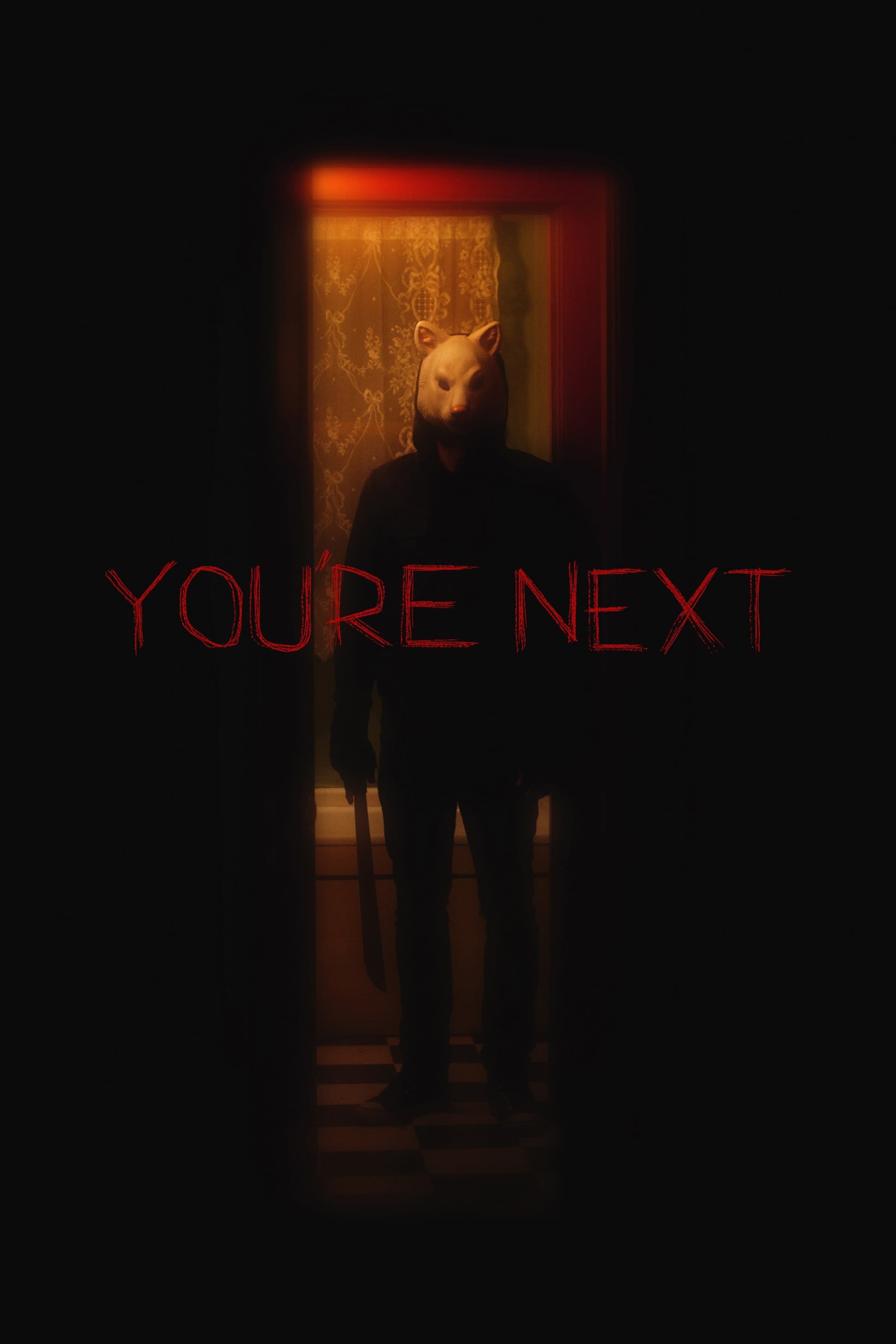
One of the killers plays this song on repeat next to a dead body to taunt the remaining survivors in the house. The relentless repetition of the catchy power pop track adds to the psychological stress of the situation. It signals to the protagonist that the invaders are comfortable and in control of the environment. The song becomes a diegetic element that the characters must physically turn off to gain silence.
‘Get Out’ (2017) – “Redbone” by Childish Gambino
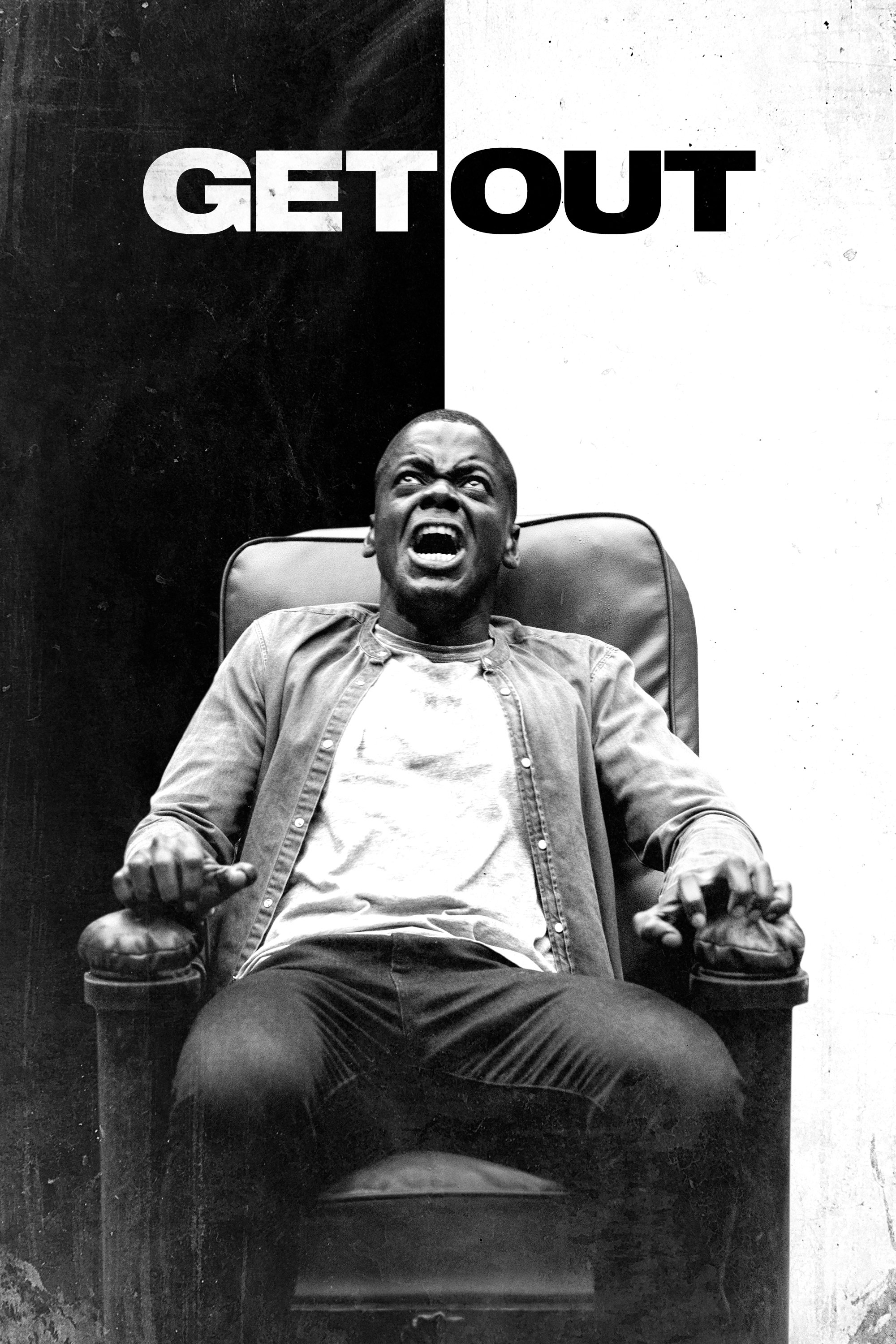
The film opens with this track playing as the protagonist prepares to visit the family of his girlfriend. The lyrics warn of staying awake and aware which foreshadows the themes of hypnosis and paranoia central to the plot. The song sets a relaxed tone that is slowly dismantled as the story progresses. This musical cue acts as a subtle warning to both the character and the audience.
‘Final Destination’ (2000) – “Rocky Mountain High” by John Denver
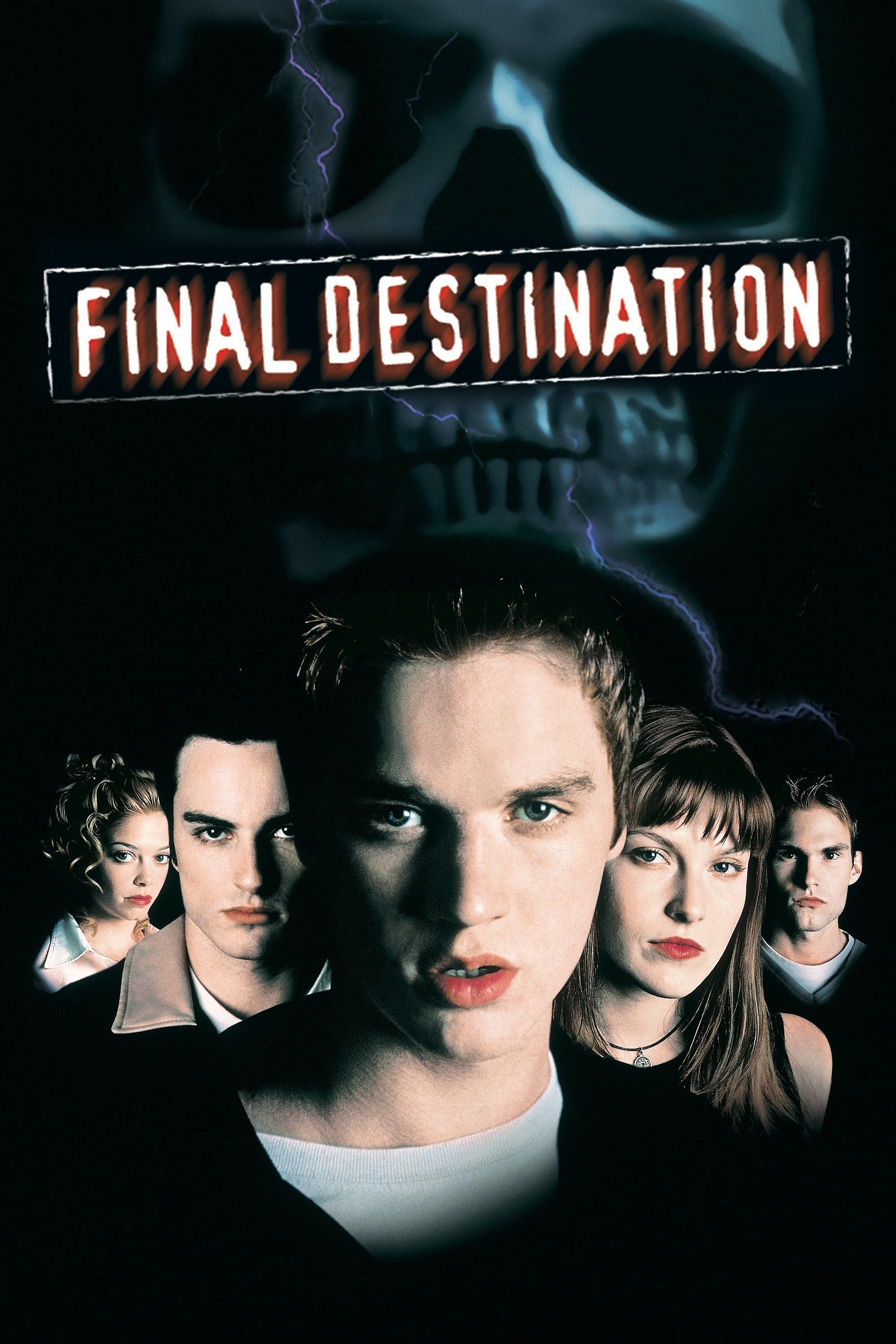
A character hears this folk song in a bathroom just before a chain reaction leads to his death by strangulation. The music serves as a grim omen since the singer John Denver died in a plane crash which mirrors the opening disaster of the film. The soothing acoustic guitar provides a stark contrast to the gruesome accident that occurs moments later. It establishes the rule that death follows a specific design within the movie universe.
‘Scream’ (1996) – “Red Right Hand” by Nick Cave & The Bad Seeds
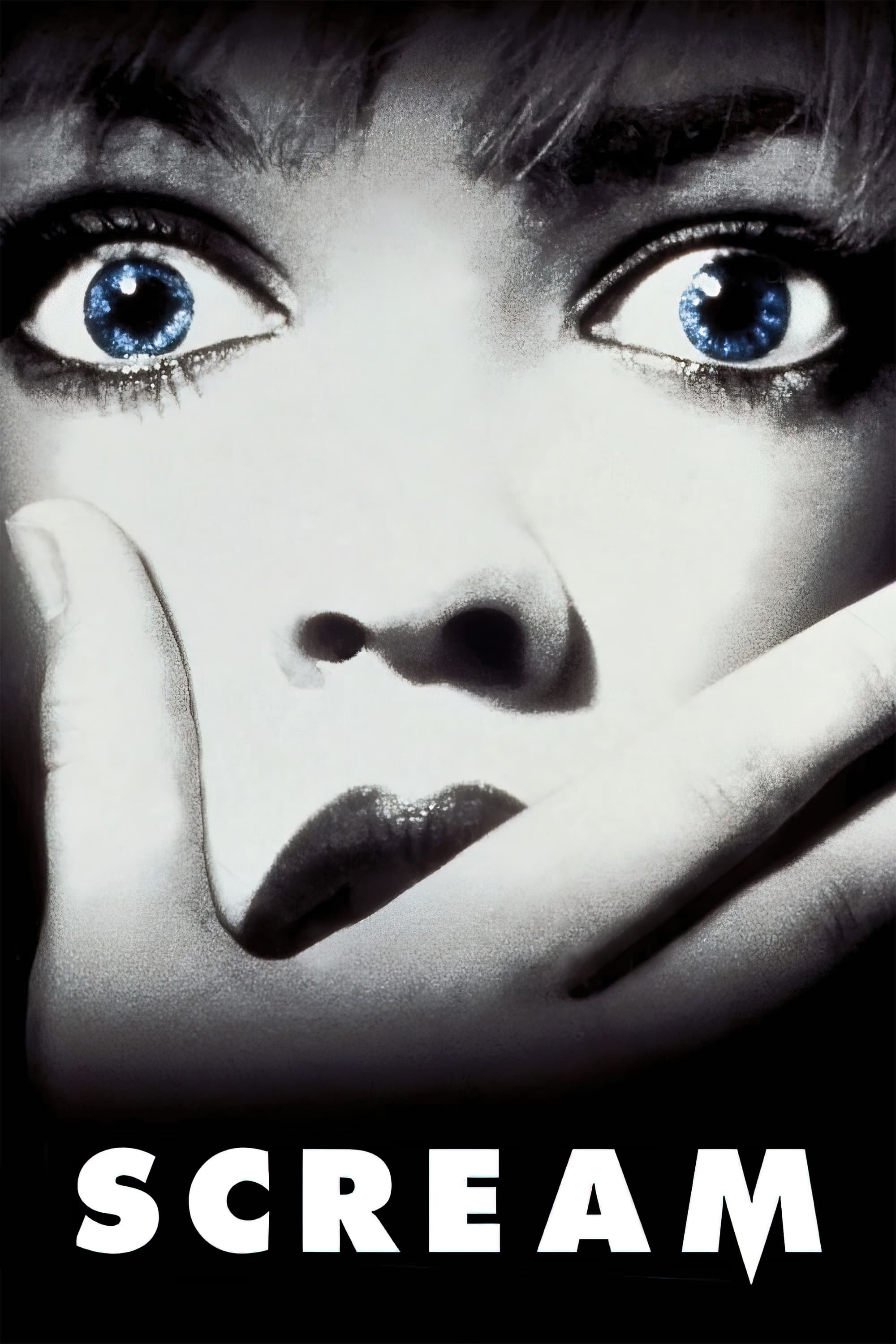
This song plays as the town of Woodsboro shuts down and prepares for the curfew due to the Ghostface murders. The bell chimes and ominous bass line underscore the feeling that a killer is lurking nearby. It captures the cool and self-aware attitude of the film while maintaining a sense of dread. The track became so synonymous with the franchise that it appeared in several sequels.
‘Zombieland’ (2009) – “For Whom the Bell Tolls” by Metallica
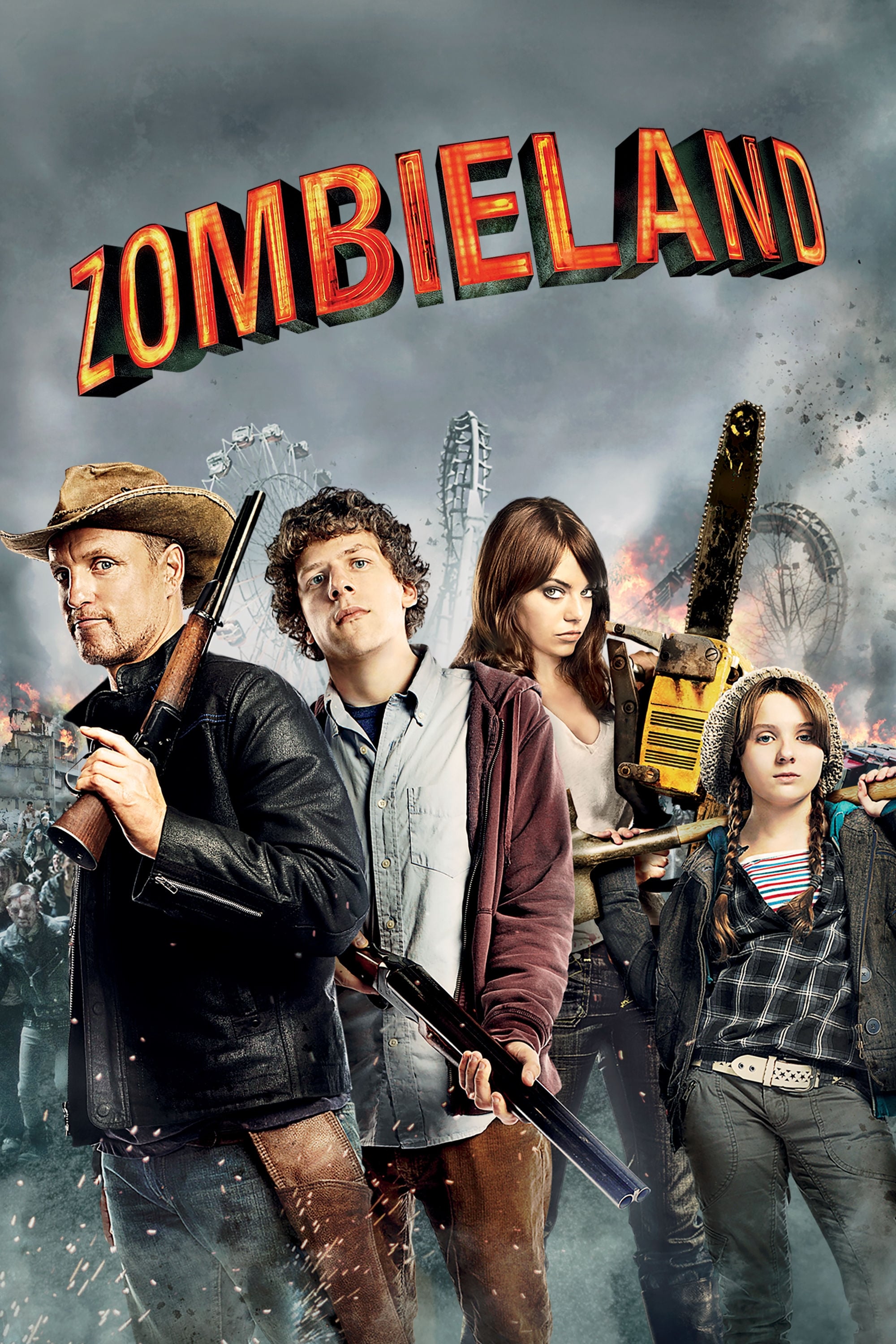
The opening credits feature a montage of zombie attacks filmed in extreme slow motion. The heavy metal track drives the visuals as people run from the undead in various comical and gruesome scenarios. The aggressive instrumentation matches the chaotic energy of the apocalypse depicted in the film. This introduction immediately tells the audience to expect a high-octane and action-oriented zombie movie.
‘Jennifer’s Body’ (2009) – “Through the Trees” by Low Shoulder
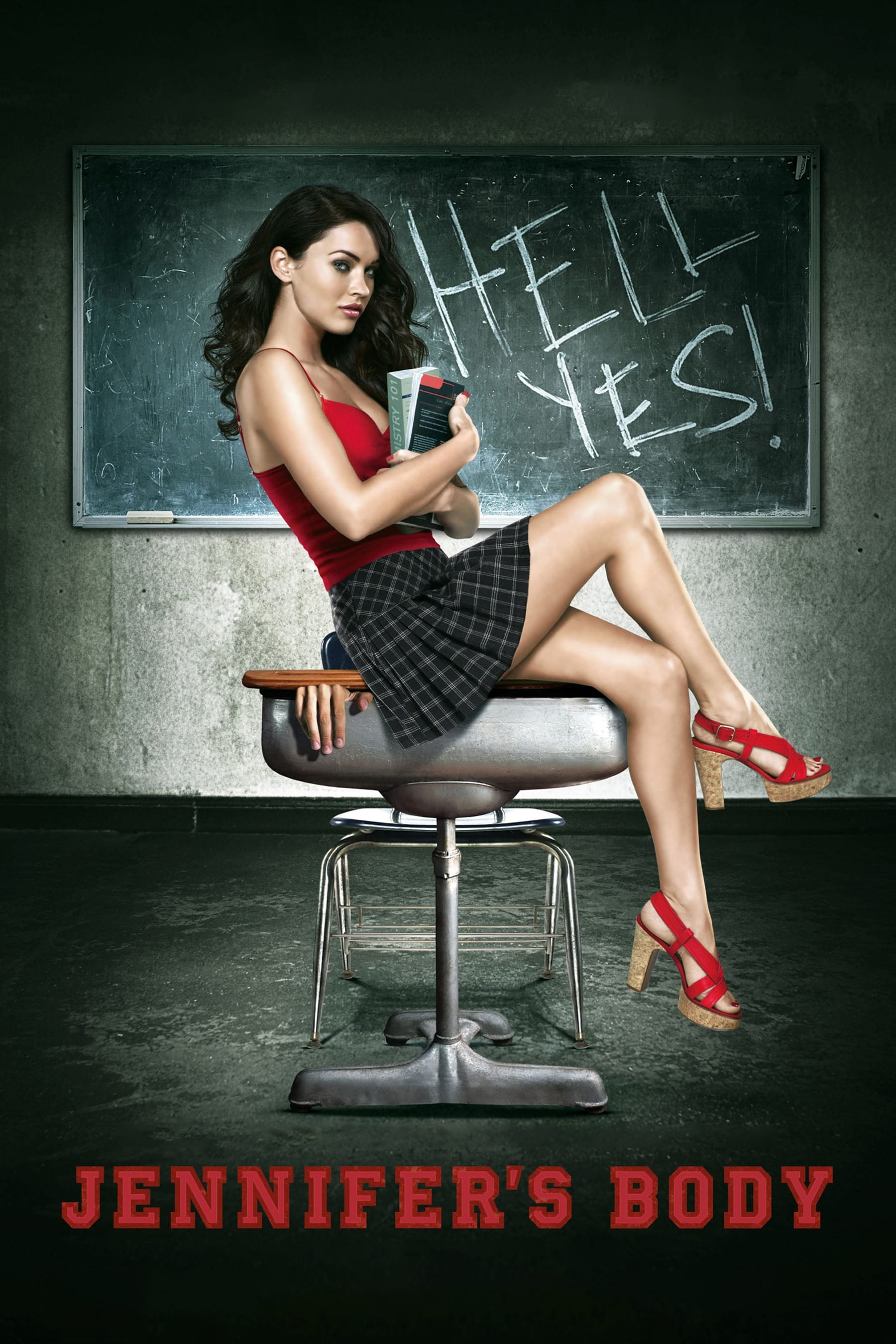
The fictional band in the movie plays this indie rock song during a bar fire sacrifice ritual. The track reappears throughout the film as the band gains success from their deal with the devil. Its catchy melody hides the sinister origins of their fame and the tragedy that befell the town. The song anchors the plot and serves as the primary motivation for the villains.
‘Donnie Darko’ (2001) – “Head Over Heels” by Tears for Fears
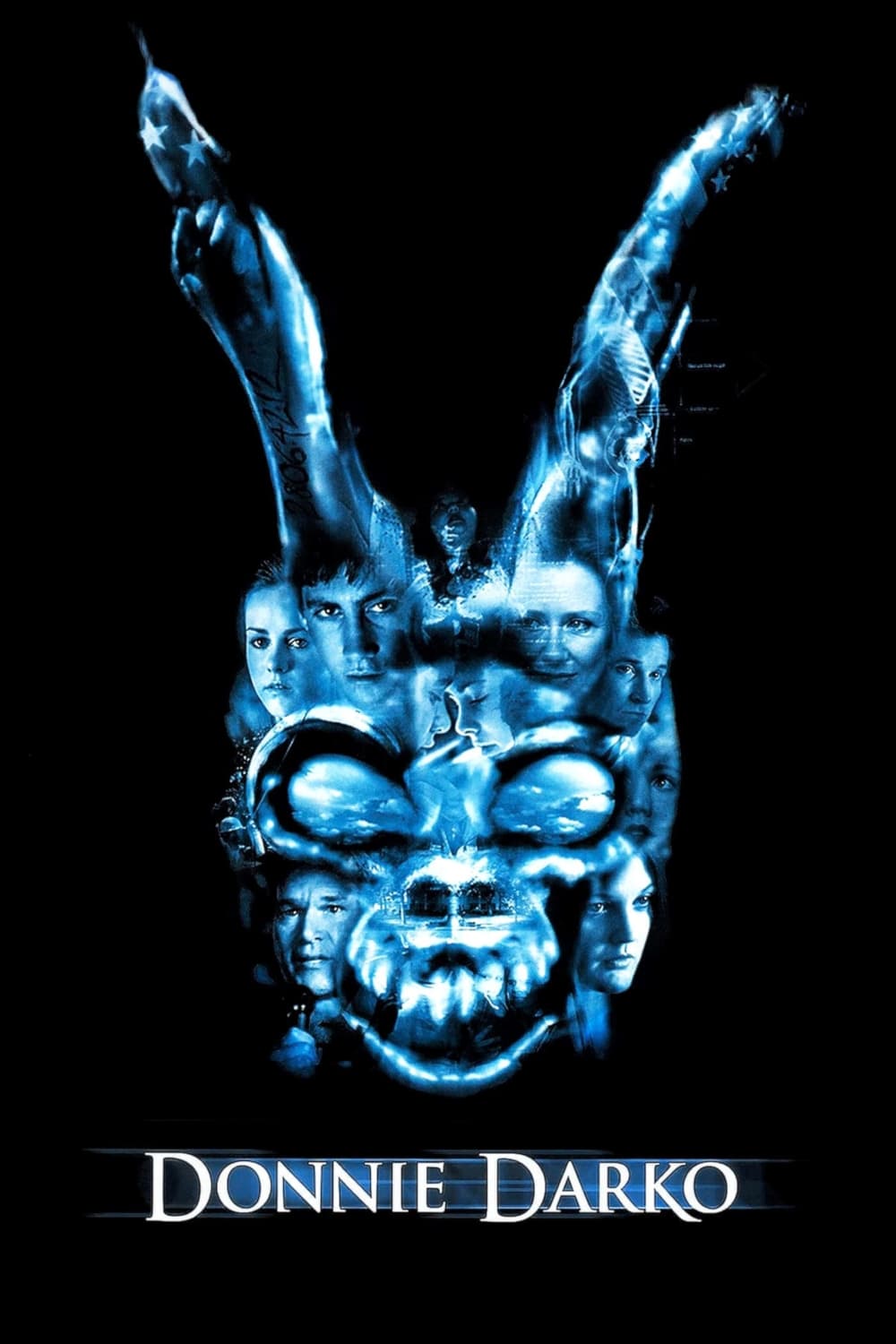
A long tracking shot follows Donnie as he walks through his high school and observes the various cliques and characters. The camera speeds up and slows down to match the rhythm of the 1980s synth-pop hit. This sequence efficiently introduces the social dynamics of the school without the need for dialogue. It captures the teenage angst and dreamlike quality that defines the atmosphere of the movie.
‘Christine’ (1983) – “Bad to the Bone” by George Thorogood & The Destroyers
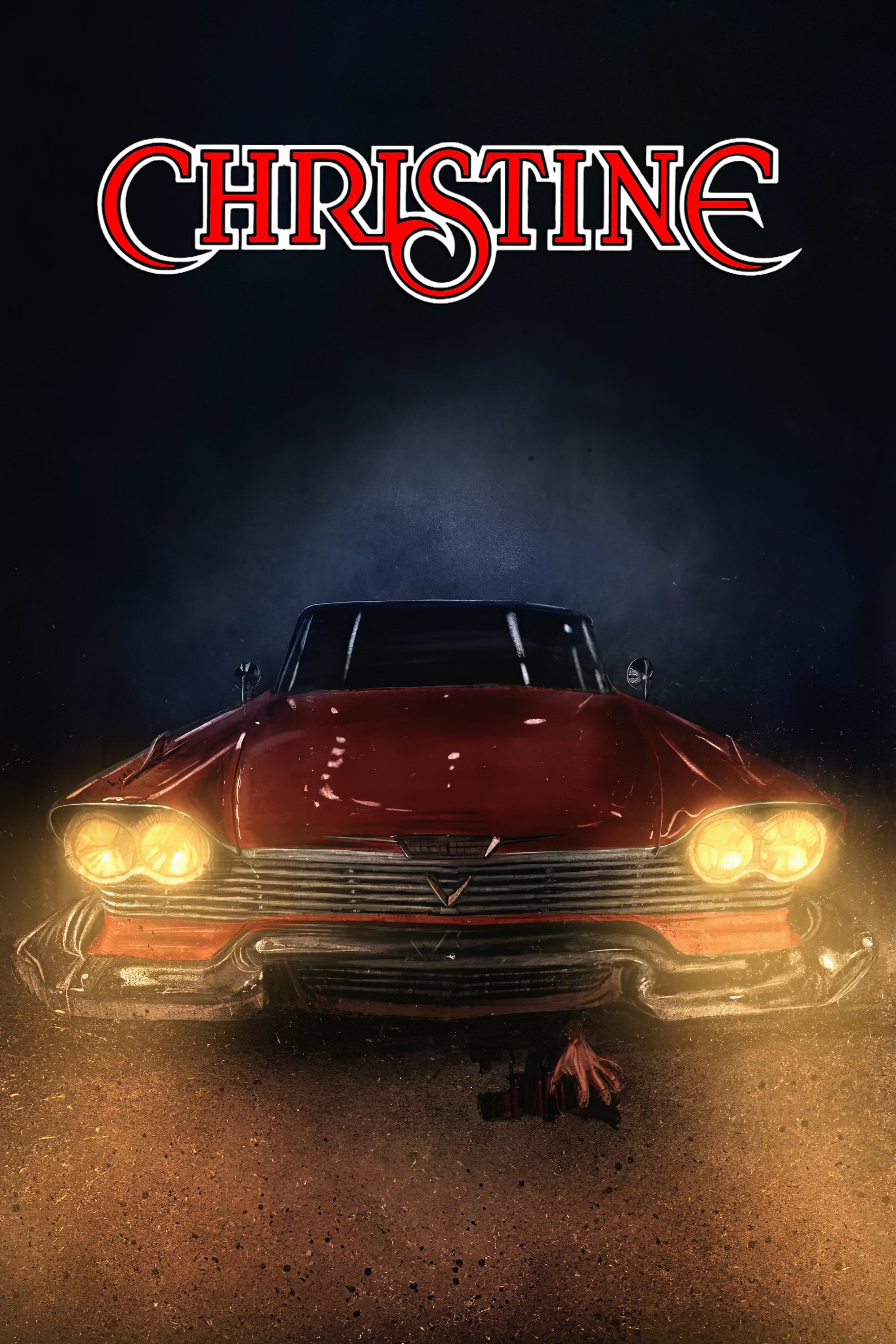
The sentient 1958 Plymouth Fury plays this song on its radio to announce its lethal intentions. The blues-rock riff kicks in as the car repairs itself or prepares to hunt down an enemy. This track personifies the vehicle and gives it a rebellious and masculine identity. The lyrics perfectly describe the inherent evil nature of the possessed automobile.
‘Funny Games’ (1997) – “Bonehead” by Naked City
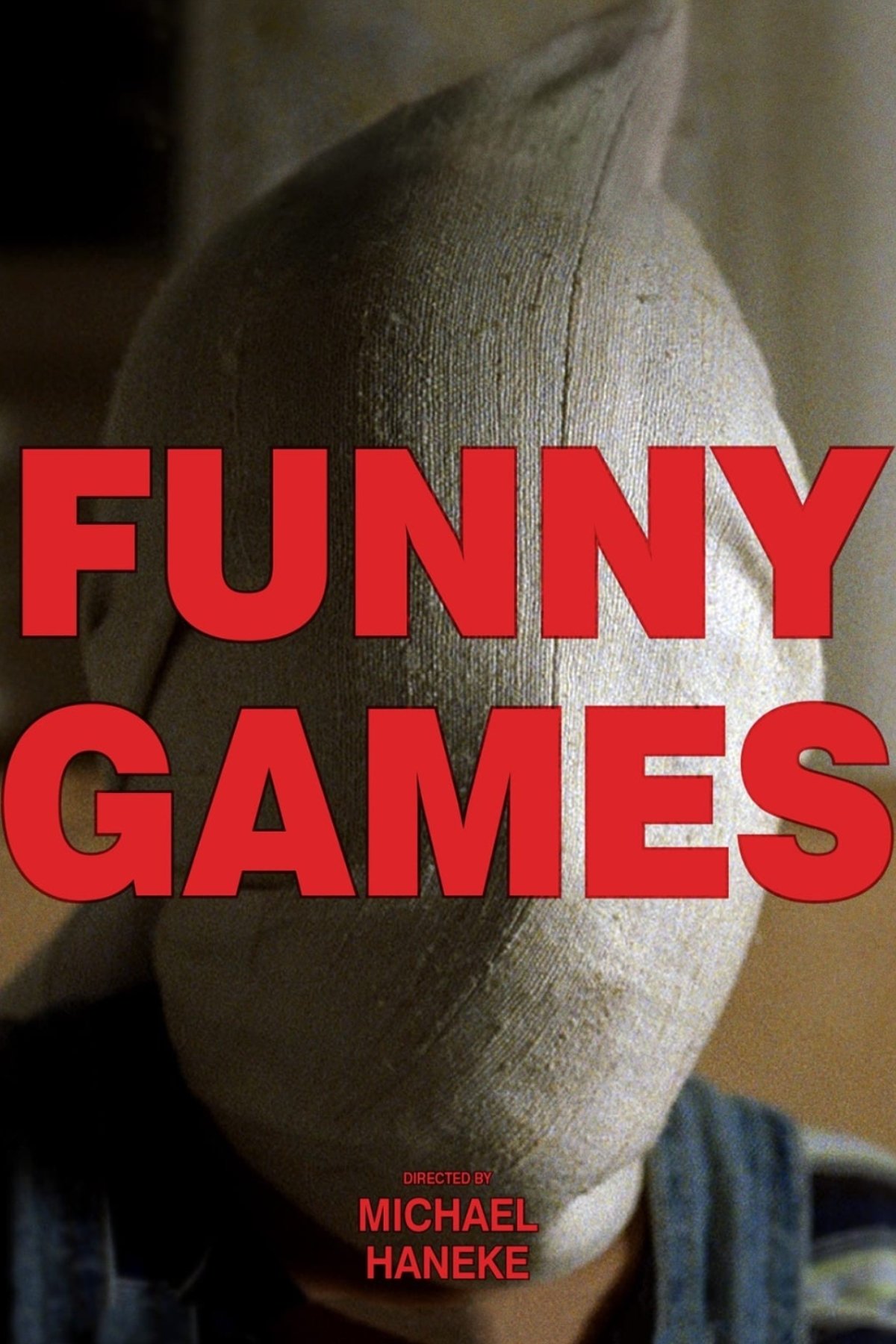
A family drives to their lake house listening to opera music before the track abruptly switches to this chaotic grindcore song. The sudden blast of noise screams and saxophone attacks creates an immediate sense of aggression and discomfort. The director uses this musical assault to break the fourth wall and tease the violence to come. It serves as a sonic representation of the senseless brutality the family will face.
‘The Lost Boys’ (1987) – “Cry Little Sister” by Gerard McMann
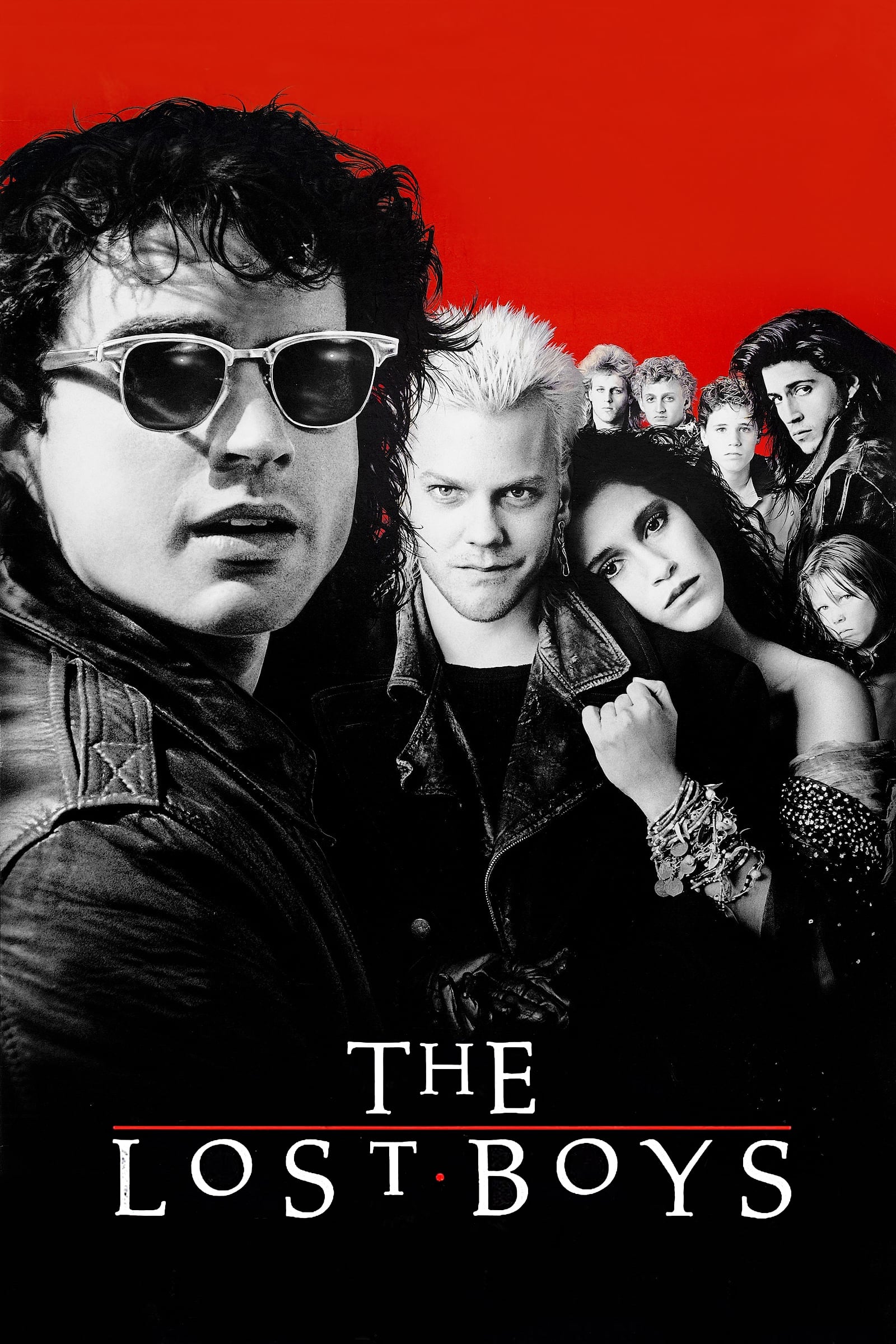
The theme song plays as the camera pans over the boardwalk and introduces the vampire gang. The choral backing vocals and industrial beat establish the gothic punk aesthetic of the film. It reinforces the themes of lost innocence and the seductive power of the vampire lifestyle. The song binds the visuals together to create a distinct music video style.
‘Barbarian’ (2022) – “Be My Baby” by The Ronettes

The credits roll immediately after a violent and shocking climax as this 1960s pop classic begins to play. The romantic lyrics about eternal love contrast ironically with the monstrous maternal themes explored in the movie. This needle-drop releases the tension of the final escape with a burst of auditory nostalgia. It leaves the viewer with a strange mixture of relief and horror.
‘Dawn of the Dead’ (2004) – “The Man Comes Around” by Johnny Cash
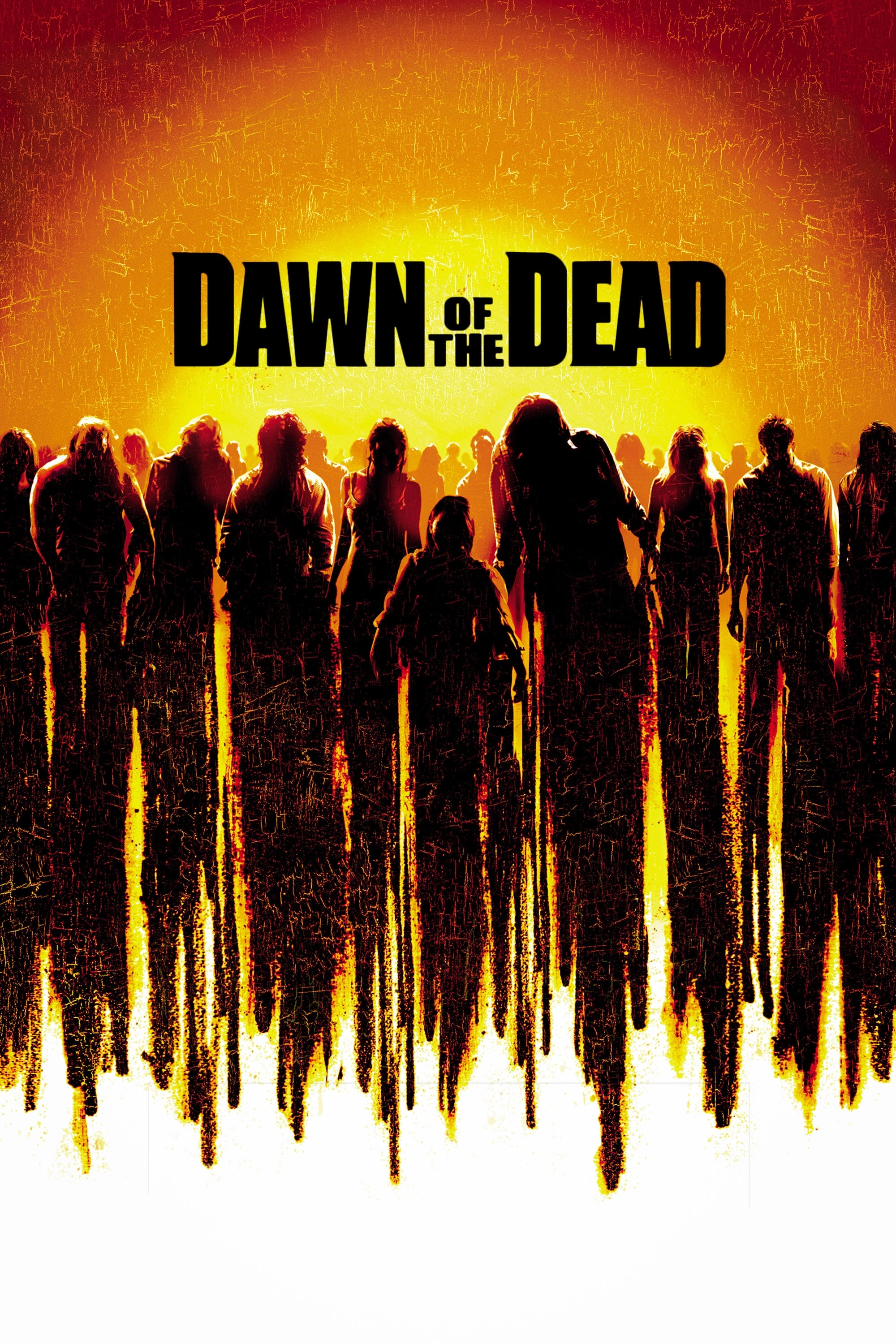
The opening credit sequence depicts the rapid collapse of civilization through news footage and chaotic clips. Johnny Cash’s apocalyptic lyrics about judgment day align perfectly with the visual representation of a global plague. The driving acoustic rhythm propels the montage forward as society crumbles. This song choice grounds the zombie outbreak in biblical and fatalistic imagery.
‘Misery’ (1990) – “I’ll Take You Home Again, Kathleen” by Emile Ford and the Checkmates
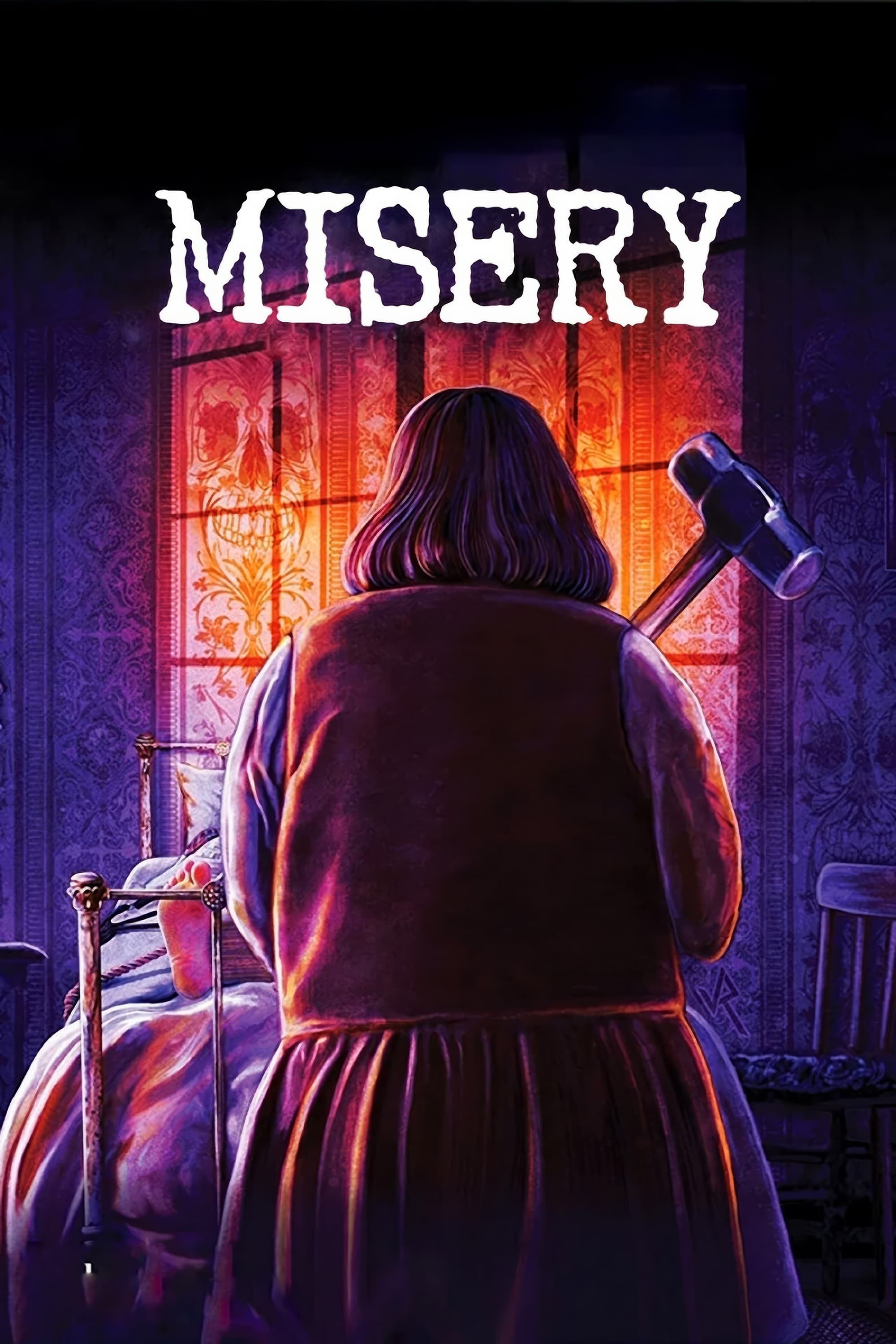
Annie Wilkes plays this song on her record player while she prepares to hobble her captive author Paul Sheldon. The romantic ballad creates a terrifying juxtaposition with the sledgehammer resting next to the bed. The slow tempo of the music stretches out the anticipation of the violence. It highlights the delusional romanticism Annie feels toward her prisoner.
‘X’ (2022) – “Landslide” by Fleetwood Mac
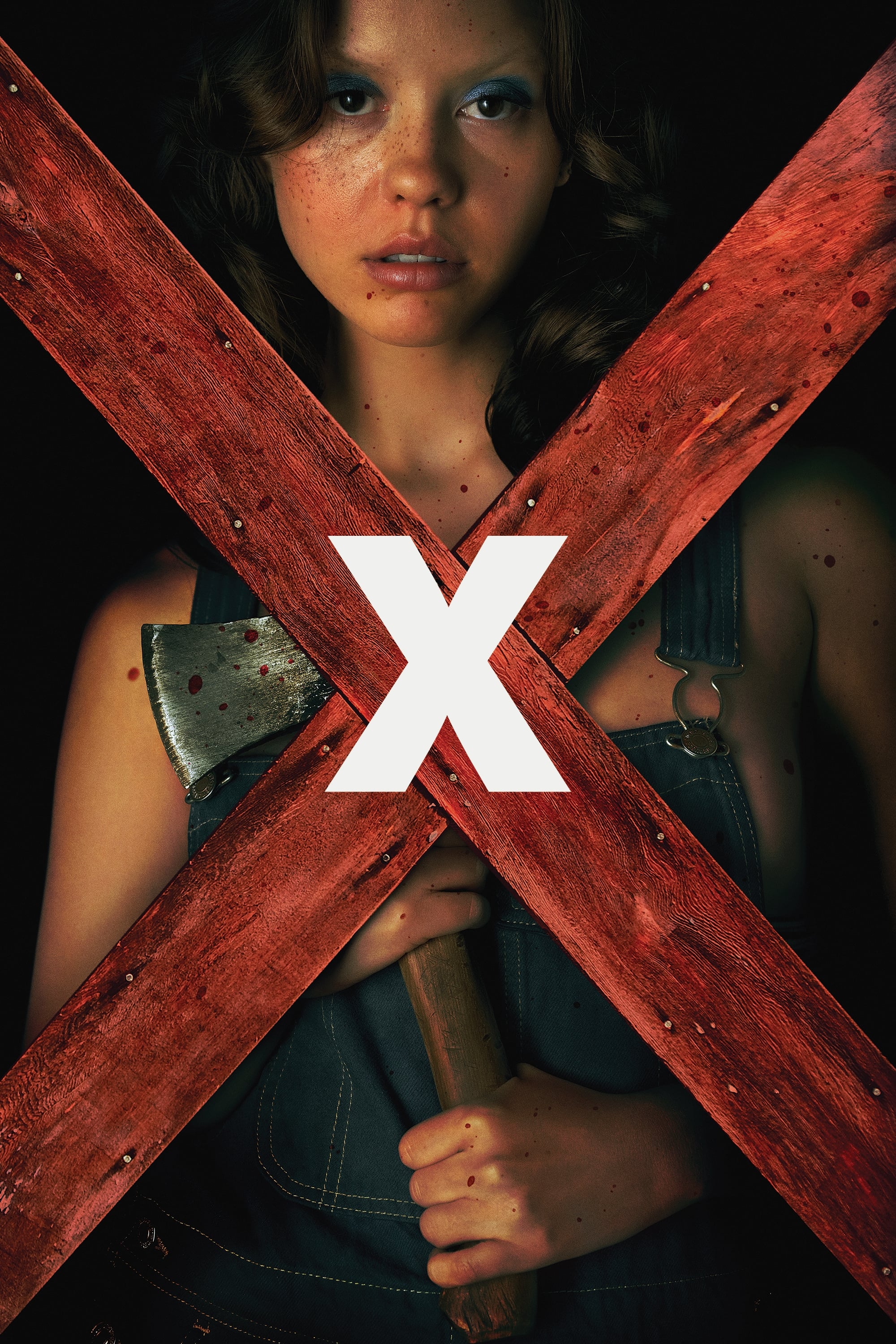
Maxine Minx listens to this song while the murderous Pearl watches her from the doorway. The lyrics about aging and the changing seasons resonate with both the young protagonist and the elderly villain. This scene draws a parallel between the two women and their shared desire for fame and love. The gentle acoustic track provides a moment of melancholy reflection amidst the slasher horror.
‘Jeepers Creepers’ (2001) – “Jeepers Creepers” by Paul Whiteman and His Swing Wing
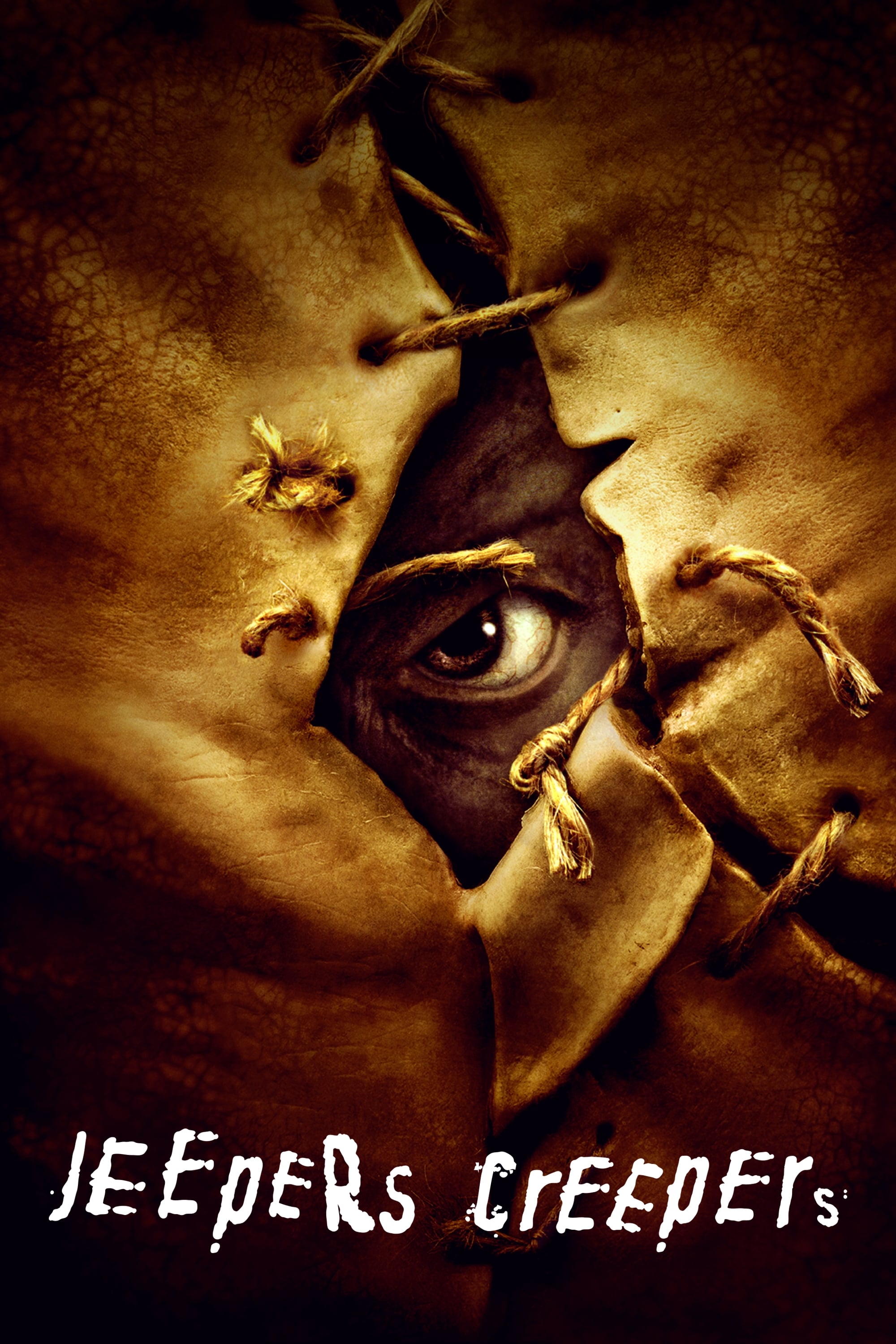
The creature uses this jazz standard to identify his victims based on their eyes. The crackling audio from the radio warns the characters that the monster is approaching. The upbeat brass section contrasts with the dread of the characters realizing they are being hunted. This song transforms from a pleasant tune into a signature auditory cue for the antagonist.
Share your favorite horror movie music moments in the comments.