


Needle-Drops So Perfect They Became Bigger Than the Movie

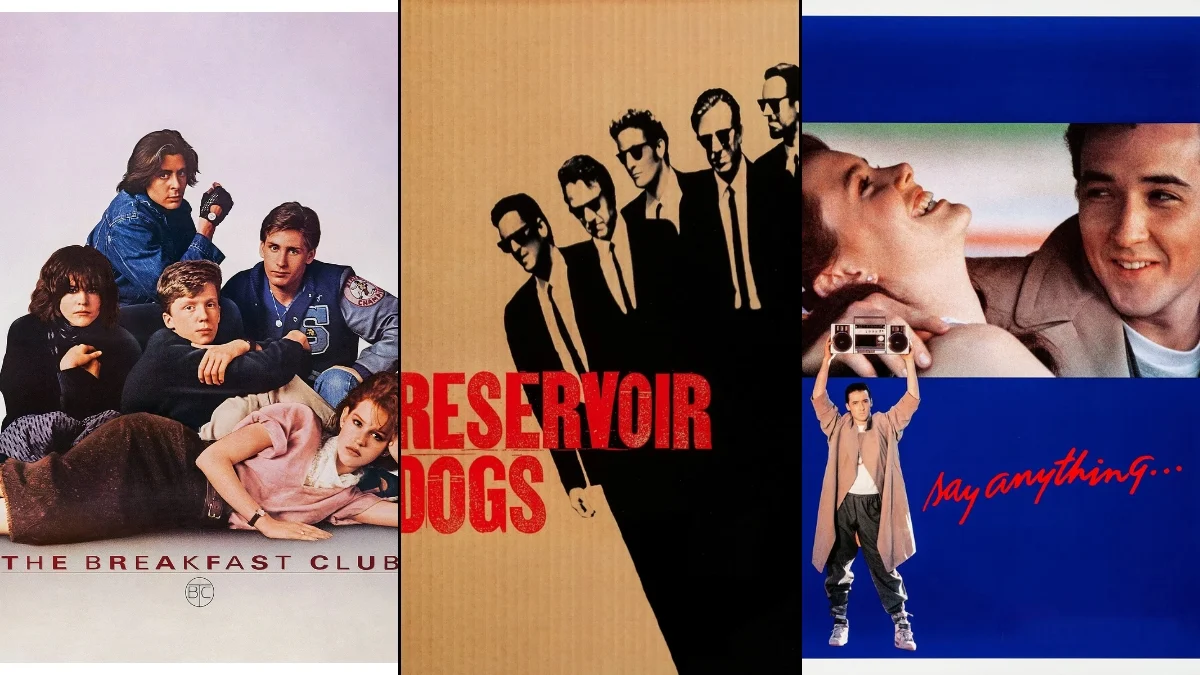


Film soundtracks have the power to elevate a scene from memorable to legendary through the perfect placement of a pre-existing song. A well-timed needle-drop can redefine the emotional stakes or create a permanent association between a track and a cinematic moment. Directors often search for tracks that capture the essence of a character or the rhythm of a sequence. The following films utilized specific songs so effectively that it becomes impossible to hear the music without visualizing the movie scene.
‘Wayne’s World’ (1992)
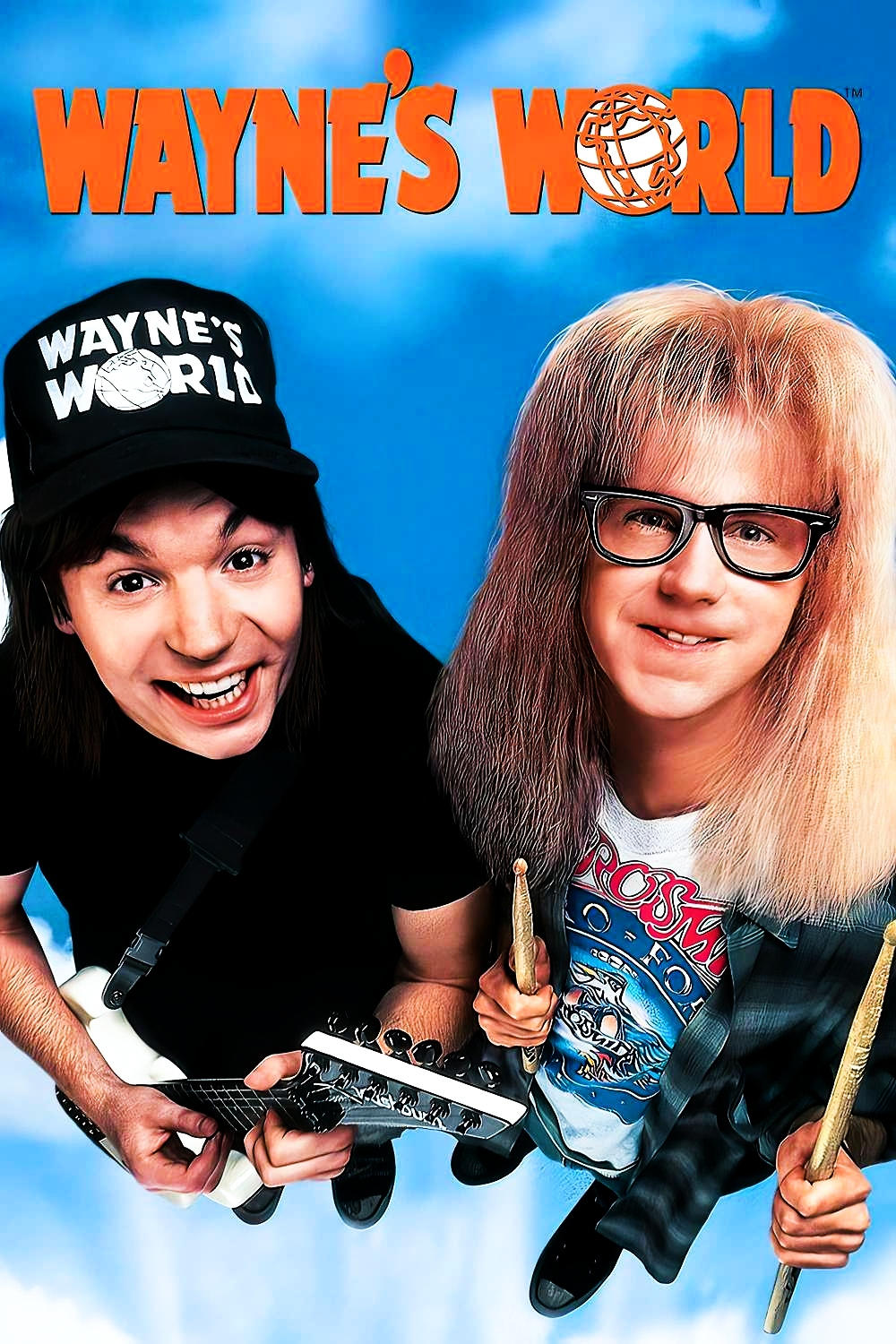
Wayne and his friends cram into the Mirthmobile for a night out that defines the entire film. They insert a cassette tape of Queen’s operatic rock anthem to sing along with enthusiastic headbanging. The scene revitalized the popularity of ‘Bohemian Rhapsody’ and sent it back up the charts decades after its release. It remains the most memorable moment in ‘Wayne’s World’ for audiences worldwide.
‘Reservoir Dogs’ (1992)
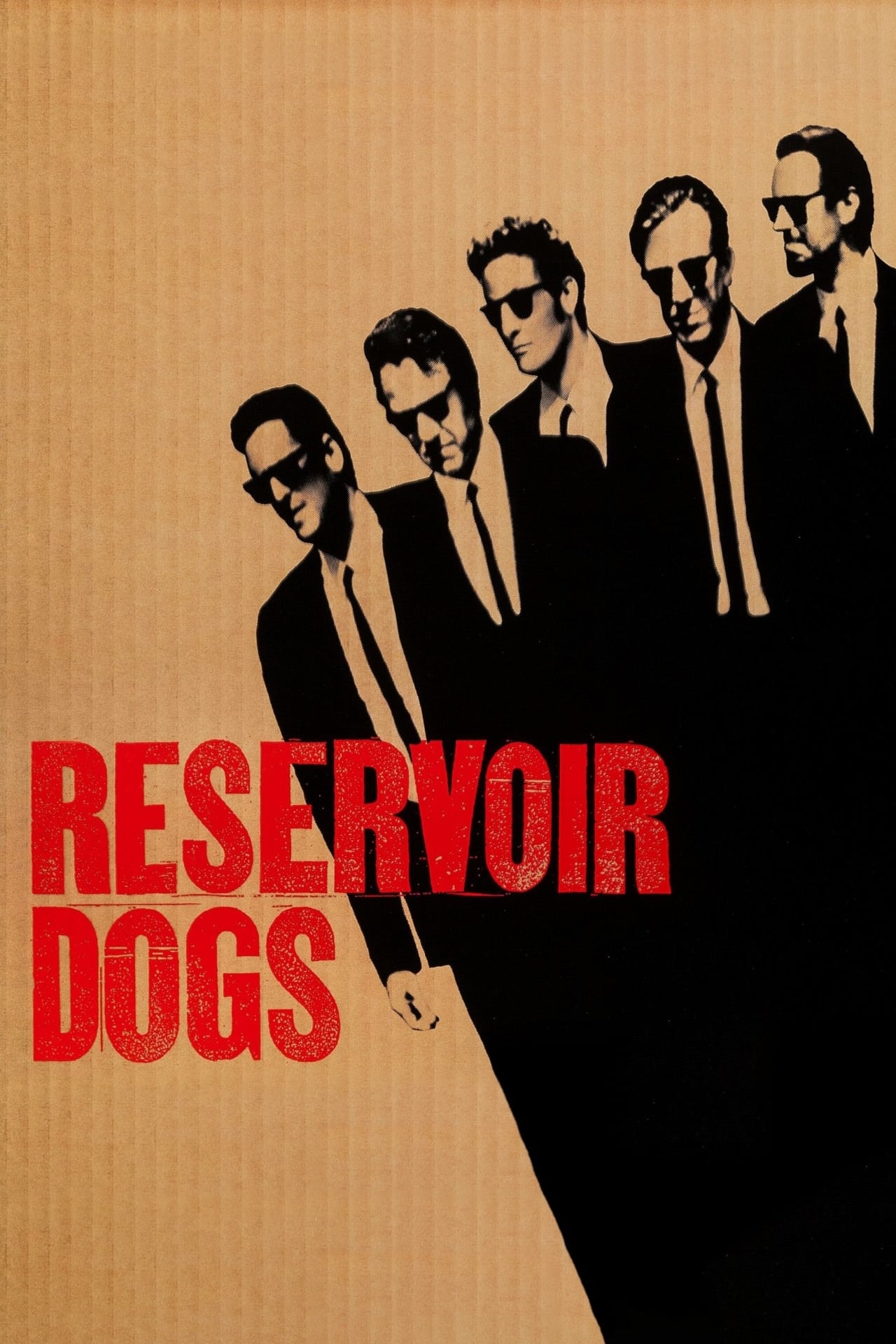
Mr. Blonde turns on the radio to hear K-Billy’s Super Sounds of the Seventies before torturing a bound police officer. The upbeat groove of ‘Stuck in the Middle with You’ creates a disturbing contrast with the graphic violence on screen. Tarantino cuts away at the most gruesome moment while the song continues to play cheerfully. This juxtaposition cemented the scene as one of the most shocking in independent cinema history.
‘Say Anything…’ (1989)

Lloyd Dobler stands outside a bedroom window holding a boombox high above his head in an iconic gesture of romance. The song ‘In Your Eyes’ by Peter Gabriel blasts from the speakers to convey his devotion. This imagery became the definitive symbol of teen romance movies in the eighties. Cameron Crowe chose the track to perfectly capture the desperation and hope of young love.
‘The Breakfast Club’ (1985)

Five high school students finish their Saturday detention and leave the school with newfound perspectives on their social hierarchy. Simple Minds’ ‘Don’t You (Forget About Me)’ plays as John Bender thrusts his fist into the air while walking across the football field. The song became an anthem for teenage angst and rebellion due to this specific usage. It remains inextricably linked to the closing credits of ‘The Breakfast Club’.
‘Risky Business’ (1983)
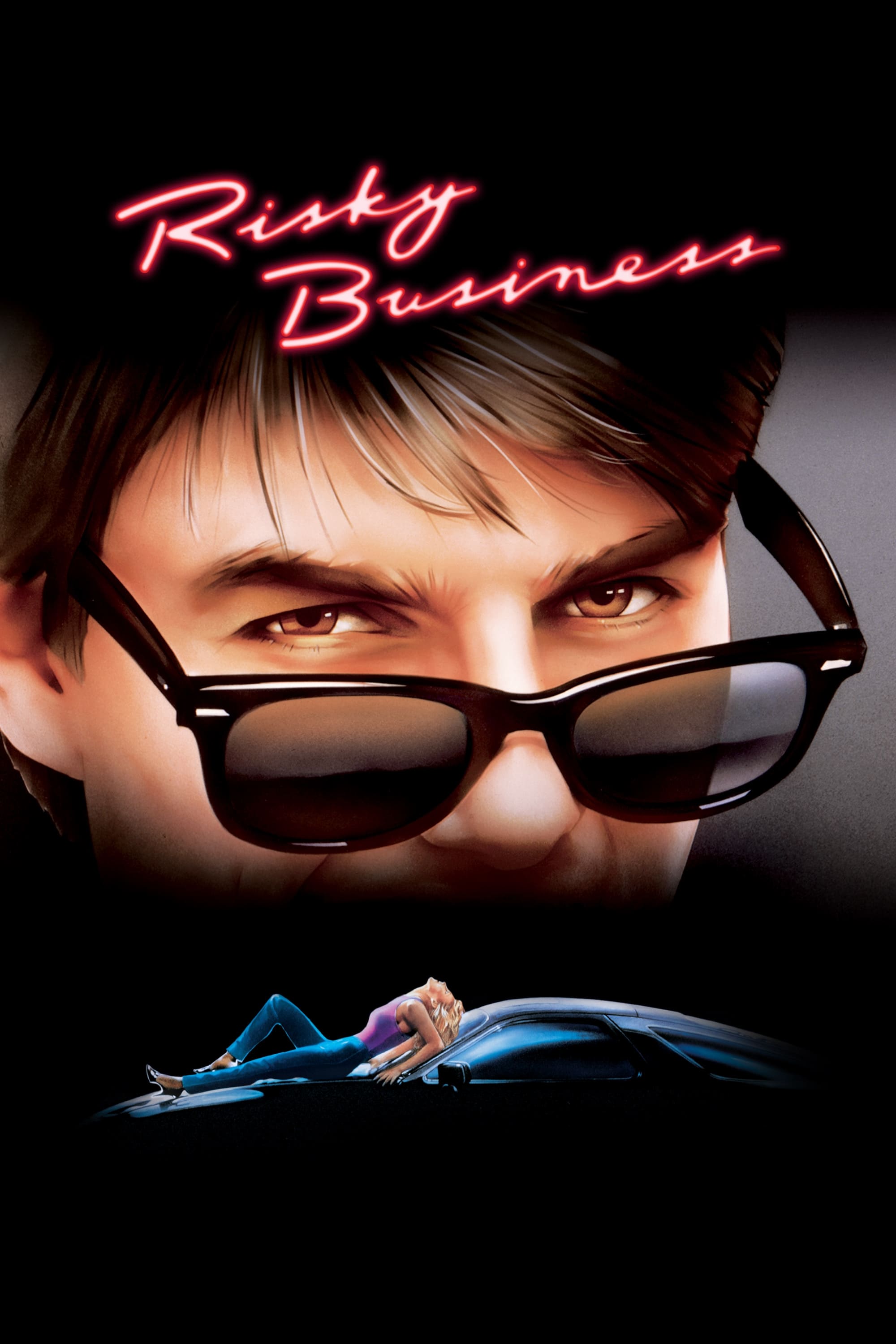
Joel Goodsen celebrates an empty house by sliding across the floor in his socks and underwear. He lip-syncs into a candlestick holder while ‘Old Time Rock and Roll’ by Bob Seger plays loudly. This improvised moment turned Tom Cruise into a global superstar almost overnight. The scene is frequently parodied but the energy of the original performance remains unmatched.
‘Fight Club’ (1999)
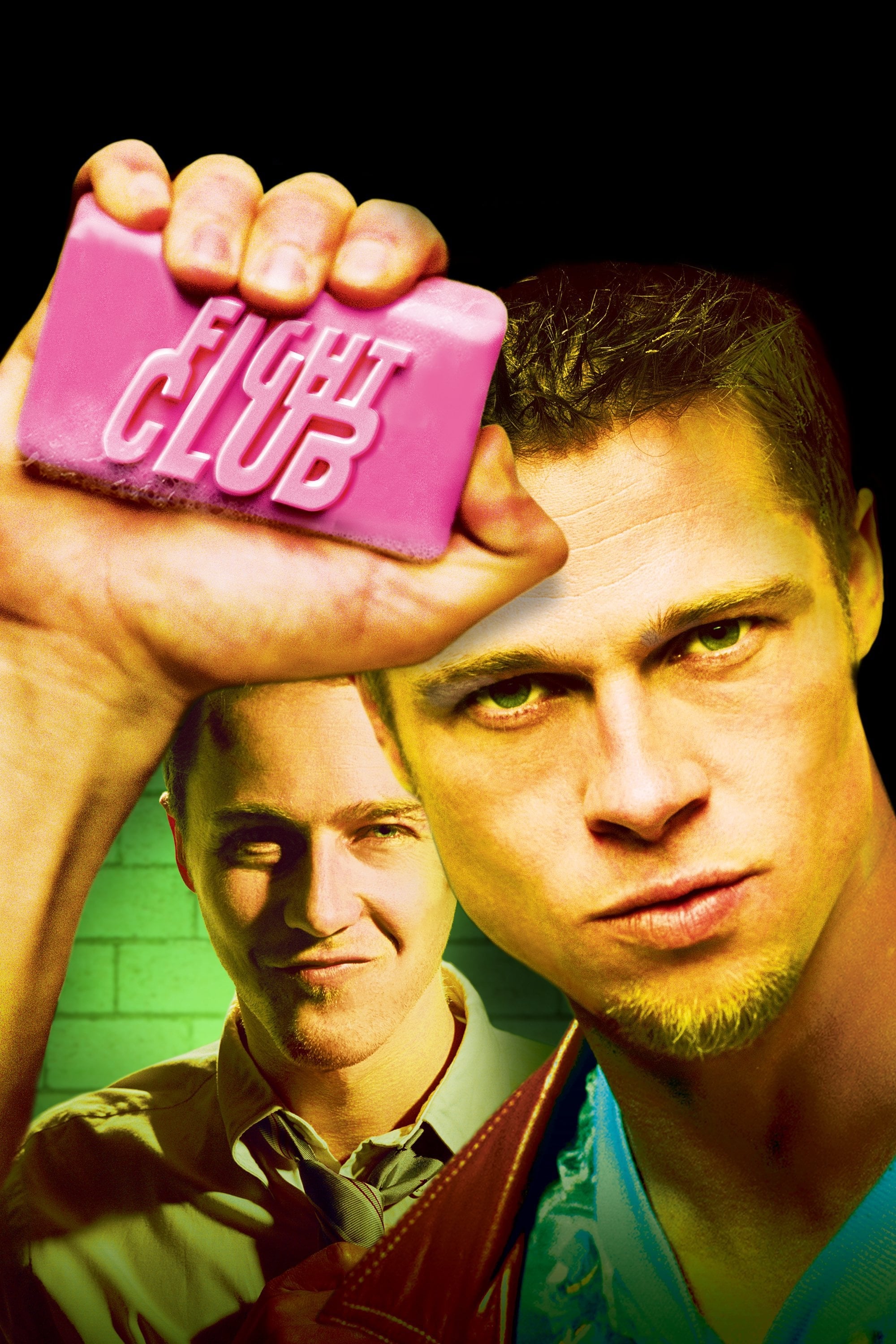
The Narrator and Marla Singer hold hands while watching skyscrapers crumble to the ground through a large window. The Pixies’ track ‘Where Is My Mind?’ surges as the buildings collapse in perfect symmetry. The distorted guitars and haunting vocals underscore the chaos and resolution of the film’s climax. This ending sequence in ‘Fight Club’ introduced the band to a massive new generation of listeners.
‘Goodfellas’ (1990)
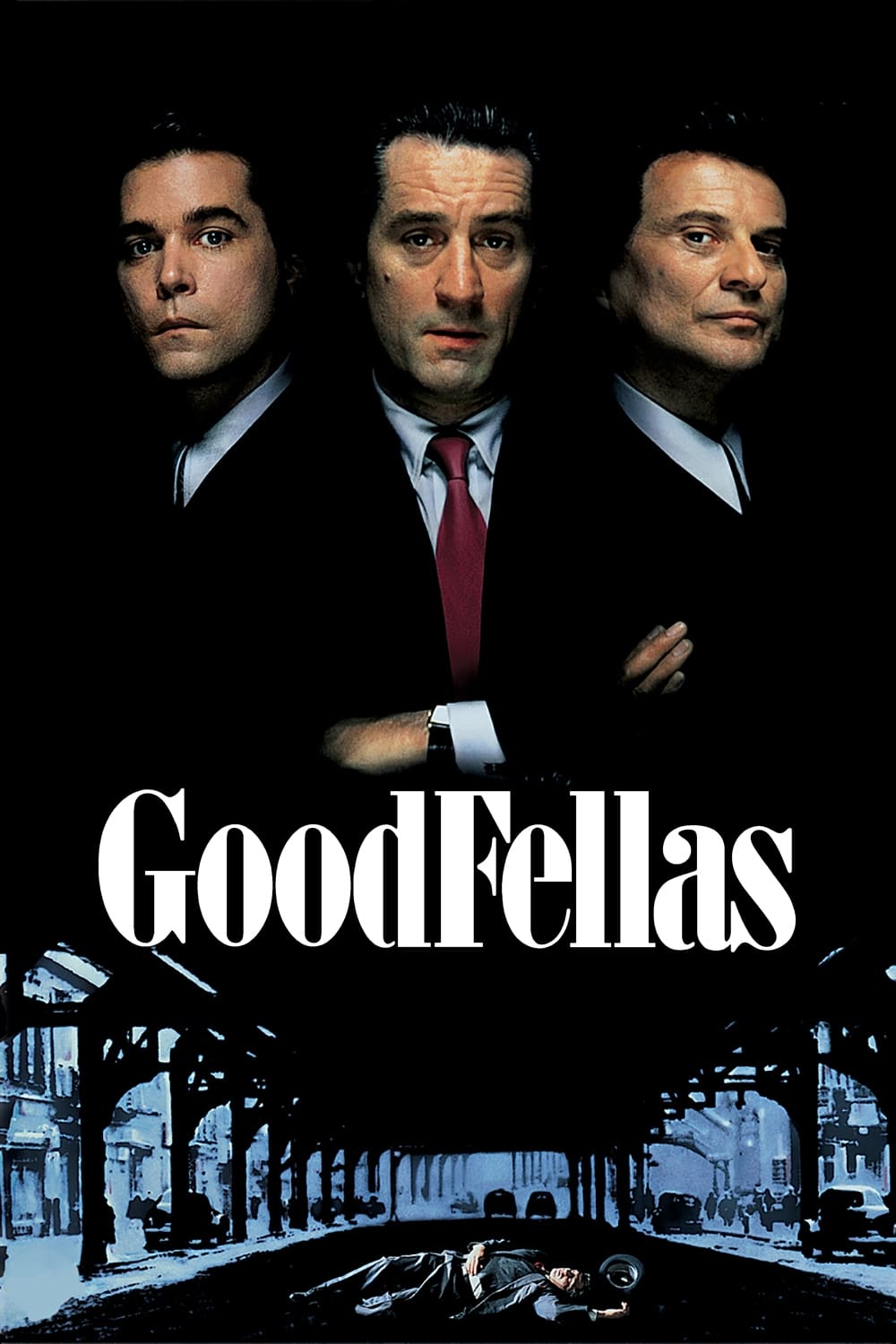
The bodies of various mobsters are discovered across the city following the Lufthansa heist. Martin Scorsese utilizes the piano exit of ‘Layla’ to accompany the grim reveal of the victims. The sweeping and melancholic instrumental provides a stark counterpoint to the brutal imagery of the gangland hits. This sequence in ‘Goodfellas’ is widely cited as a masterclass in editing and musical selection.
‘Pulp Fiction’ (1994)
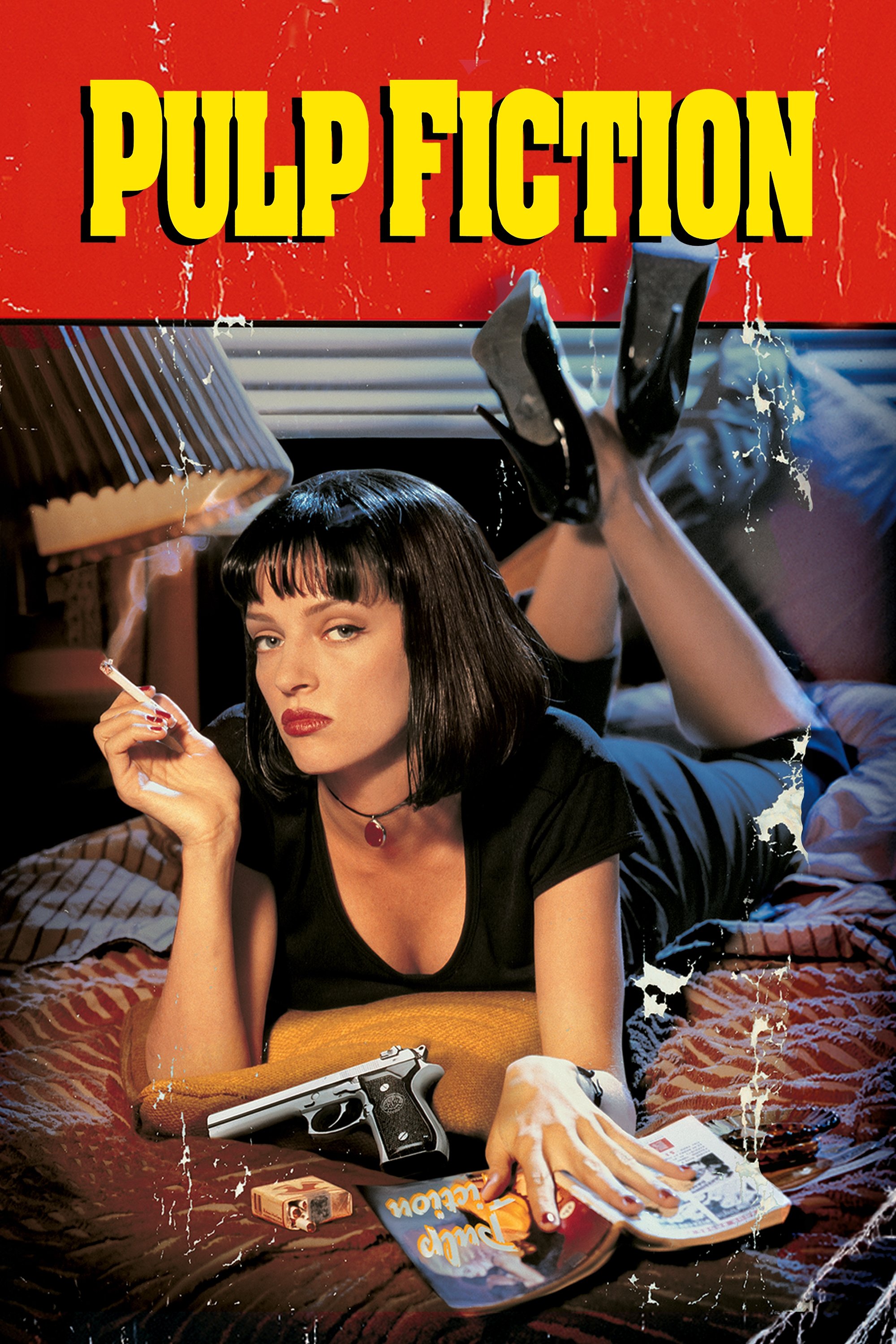
Mia Wallace and Vincent Vega participate in a twist contest at a retro-themed restaurant. They dance barefoot to Chuck Berry’s ‘You Never Can Tell’ while the camera captures their eccentric moves. Tarantino revived the career of John Travolta with this singular scene of cool detachment. The needle-drop established the unique tone and style that defines ‘Pulp Fiction’.
‘American Psycho’ (2000)

Patrick Bateman delivers a monologue about the artistic merits of Huey Lewis and the News while preparing for a murder. He puts on a raincoat and grabs an axe as ‘Hip to Be Square’ blasts through the speakers. The upbeat pop track highlights the absurdity of the violence that follows in his apartment. Christian Bale improvised a dance that made the moment instantly meme-worthy and unforgettable.
‘Almost Famous’ (2000)

A fractured rock band and their entourage sit in silence on a tour bus after a chaotic night. Elton John’s ‘Tiny Dancer’ begins to play and everyone slowly joins in to sing along. The scene represents the healing power of music and the bond between the characters on the road. It stands as the emotional centerpiece of ‘Almost Famous’ and a tribute to the seventies rock era.
‘Easy Rider’ (1969)
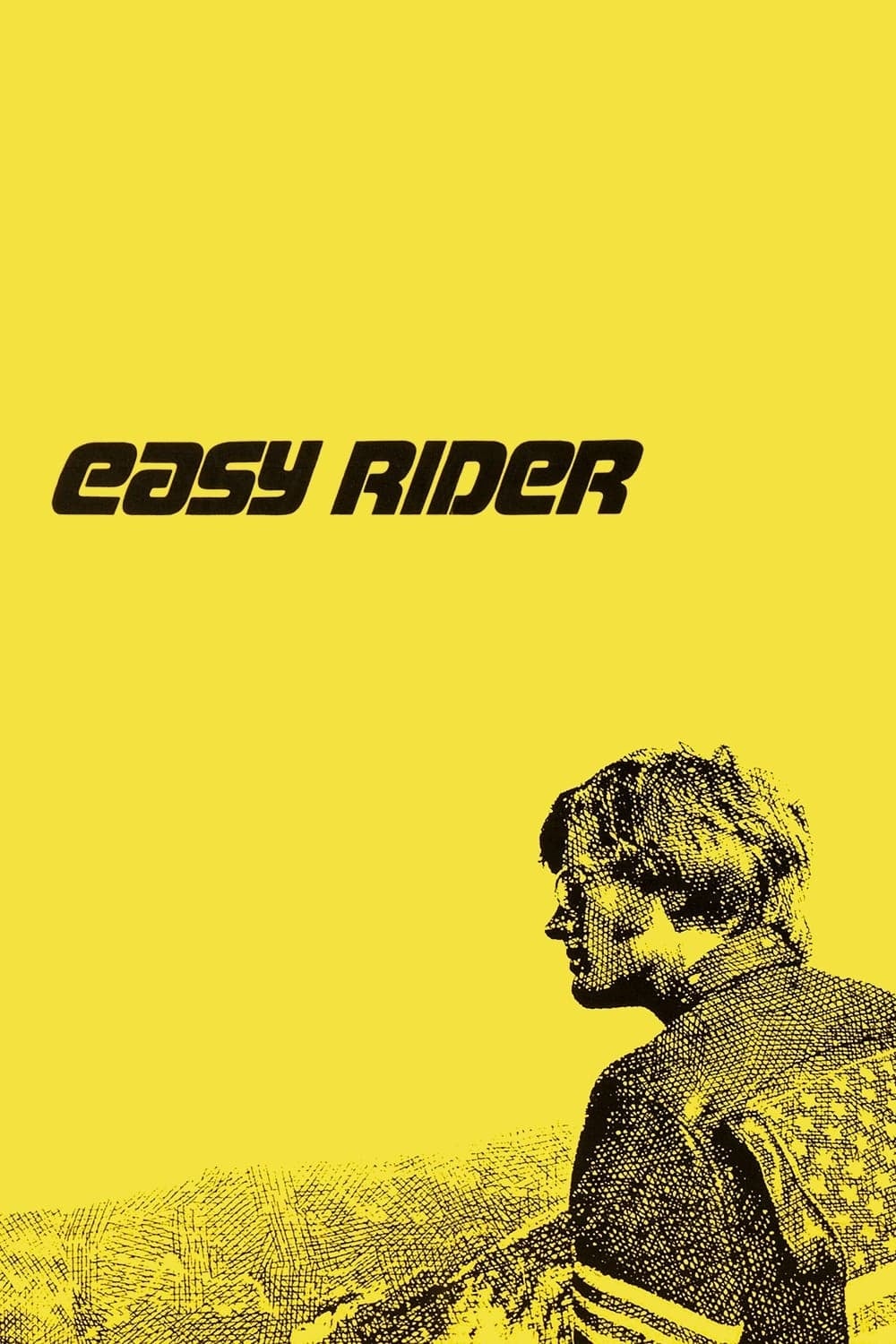
Two bikers hit the open highway to start their journey across America in search of freedom. Steppenwolf’s ‘Born to Be Wild’ roars over the soundtrack as the motorcycles speed down the road. This credit sequence came to define the counterculture movement of the late sixties. The song and ‘Easy Rider’ are now synonymous with the image of the American road trip.
‘The Graduate’ (1967)
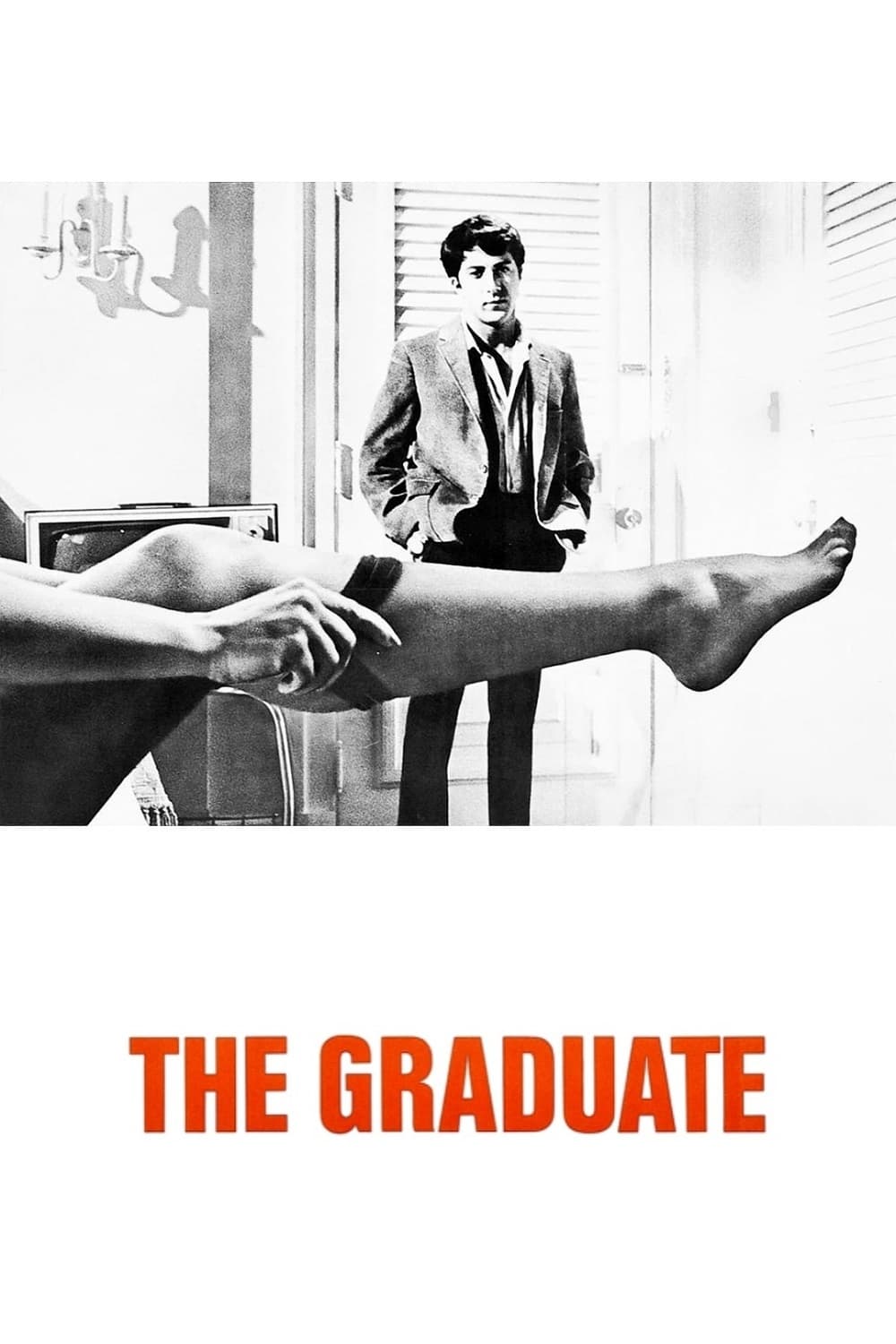
Benjamin Braddock drifts through his summer of uncertainty while Simon and Garfunkel play softly in the background. The song ‘The Sound of Silence’ captures the alienation and aimlessness of the protagonist perfectly. It returns at the end of the film to underscore the ambiguity of the final bus ride. This musical choice helped define the mood of New Hollywood cinema in the late sixties.
‘Apocalypse Now’ (1979)
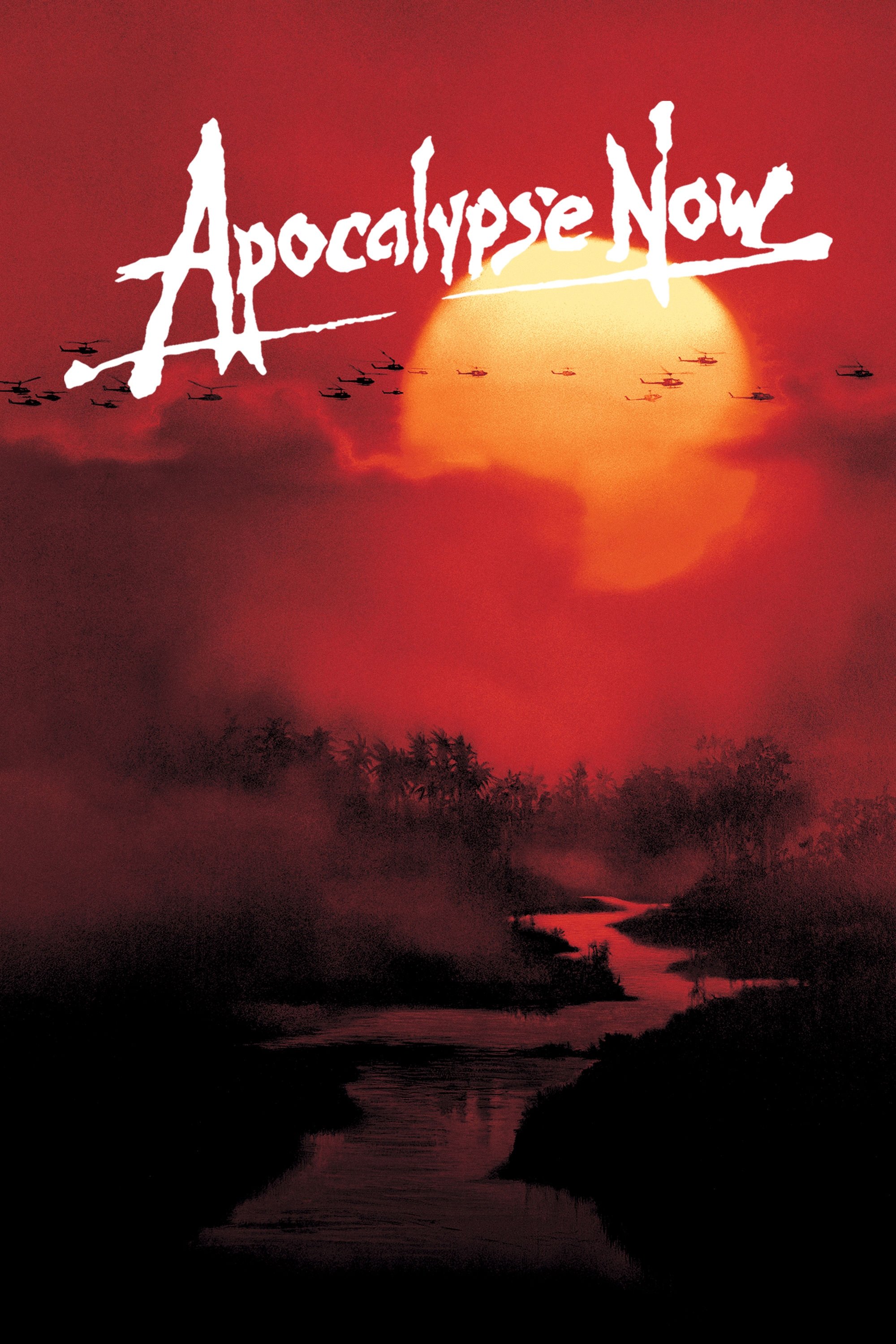
Captain Willard lies in a Saigon hotel room while staring at a ceiling fan that mimics the sound of a helicopter. The Doors’ epic track ‘The End’ creates a hypnotic and nightmarish atmosphere right from the opening frames. Francis Ford Coppola matched the psychedelic rock sound with images of napalm destruction. The song sets the tone for the surreal descent into madness found in ‘Apocalypse Now’.
‘Ferris Bueller’s Day Off’ (1986)
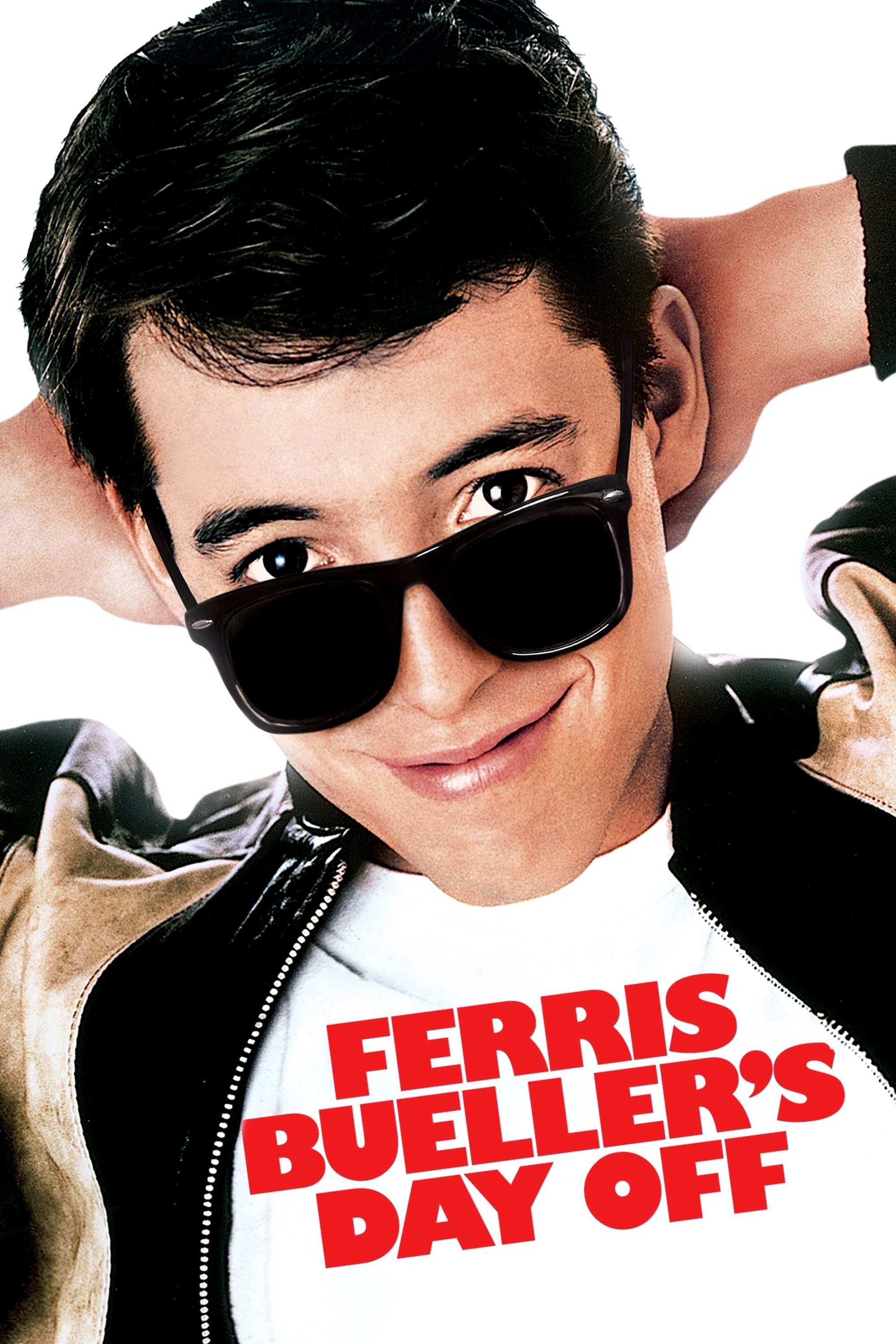
Ferris hijacks a parade float in downtown Chicago to lead the crowd in a massive musical number. He lip-syncs to The Beatles’ version of ‘Twist and Shout’ while the entire city dances along. The sheer joy and scale of the scene make it the high point of his truancy adventure. This sequence in ‘Ferris Bueller’s Day Off’ brought the classic song back into the Billboard charts.
‘Trainspotting’ (1996)
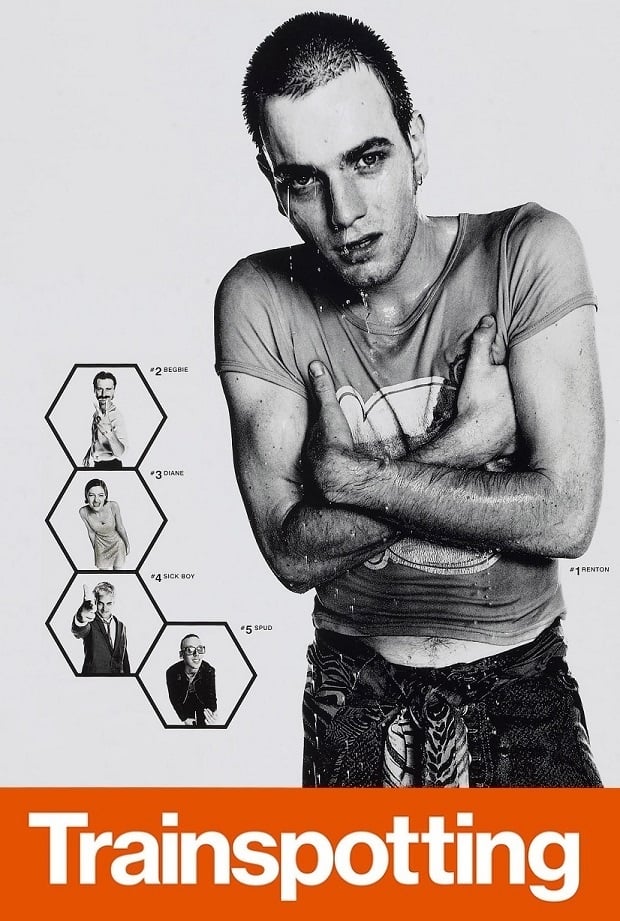
Mark Renton and his friends sprint down Princes Street in Edinburgh to escape security guards. The driving drum beat of Iggy Pop’s ‘Lust for Life’ propels the opening chase sequence forward. The song matches the frenetic energy and nihilism of the characters perfectly. It instantly establishes the adrenaline-fueled tone of ‘Trainspotting’.
‘Donnie Darko’ (2001)
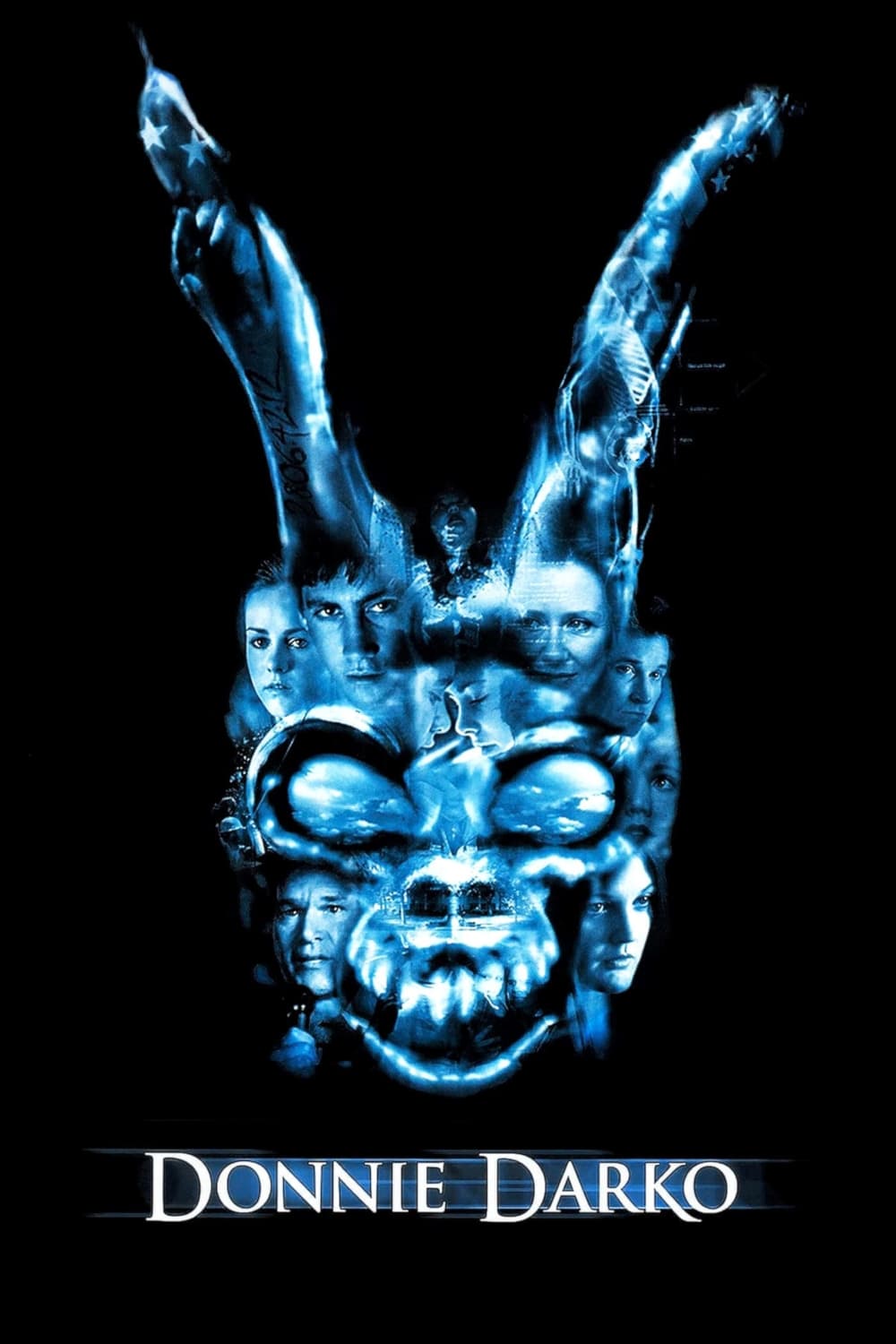
The camera pans through a high school hallway to reveal the hidden lives and secrets of various students. Tears for Fears’ ‘Head Over Heels’ plays as the scene introduces the interconnected web of characters. The fluid camera movement and the eighties synth-pop create a dreamlike quality. This sequence creates a moment of surprising beauty amidst the dark themes of ‘Donnie Darko’.
‘Ghost’ (1990)
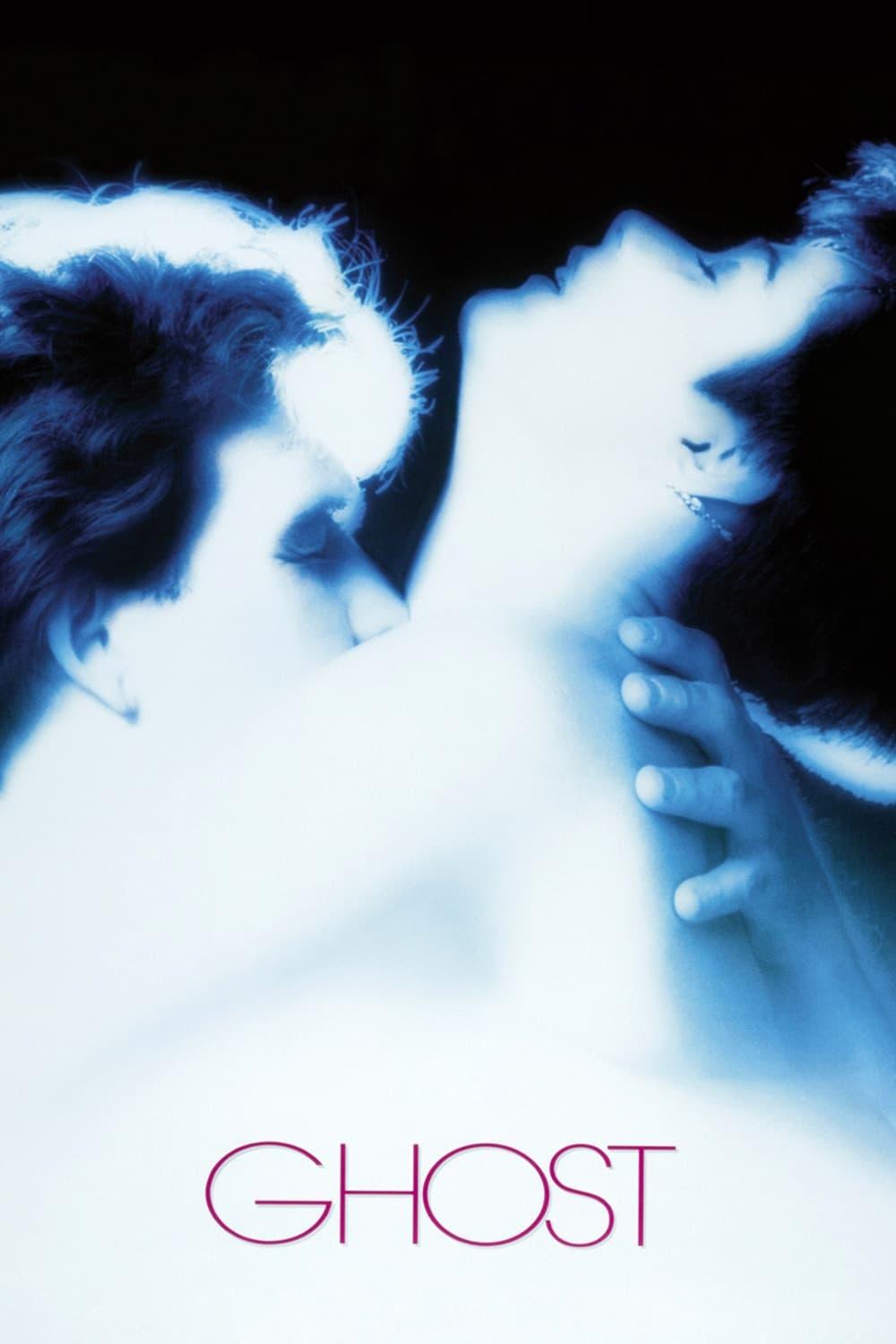
Sam and Molly share an intimate moment at a pottery wheel late at night. The Righteous Brothers’ ‘Unchained Melody’ builds slowly as the scene shifts from pottery making to romance. The song re-entered the charts and became a massive hit again due to the popularity of the film. Audiences forever associate pottery wheels with this specific track from ‘Ghost’.
‘Guardians of the Galaxy’ (2014)
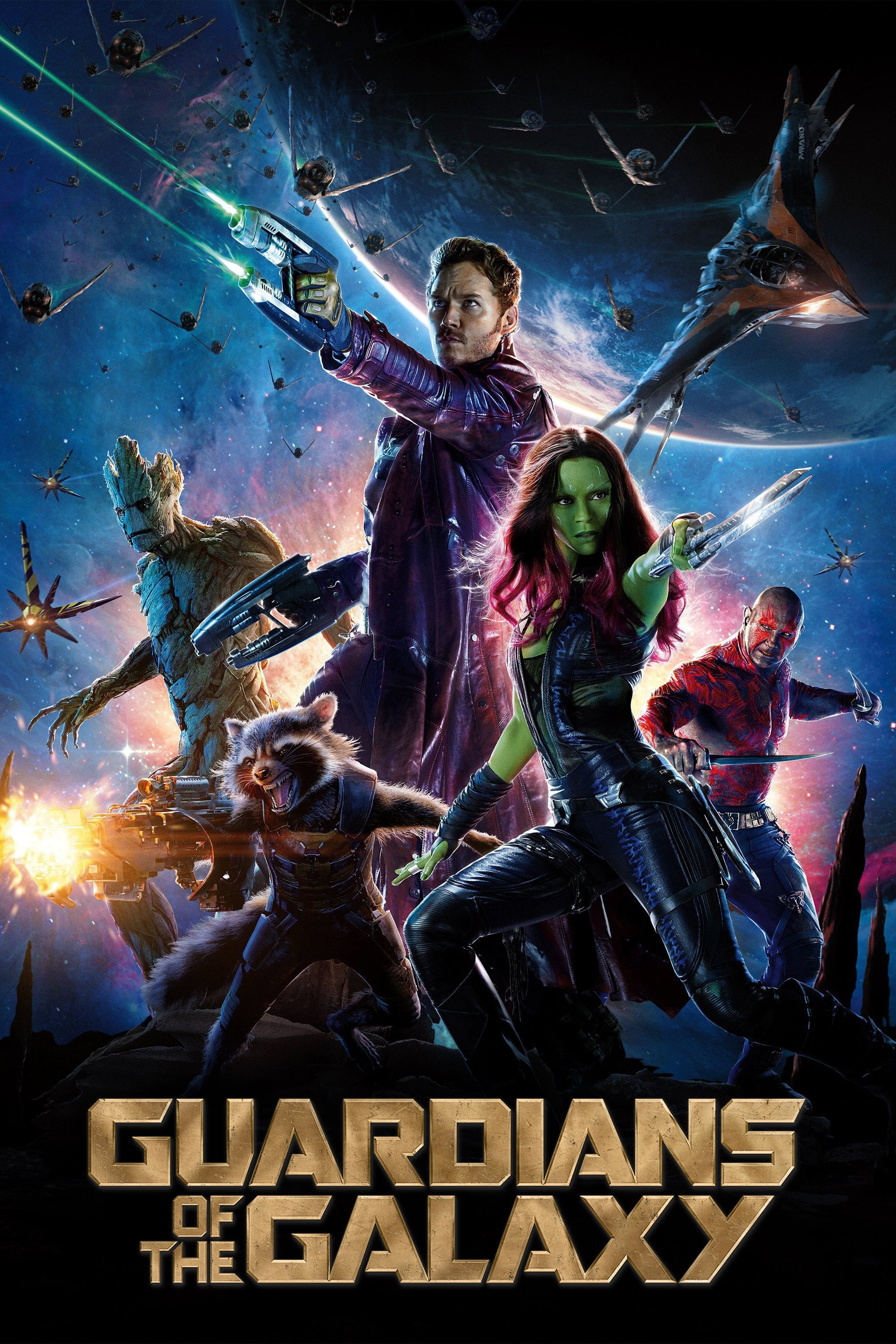
Peter Quill dances through a dangerous alien landscape while listening to his beloved Walkman. The opening credits roll to the groovy sounds of ‘Come and Get Your Love’ by Redbone. This scene immediately establishes the irreverent tone and humor that distinguishes the franchise from other superhero films. It proves that a retro soundtrack can act as a character in itself.
‘Boogie Nights’ (1997)
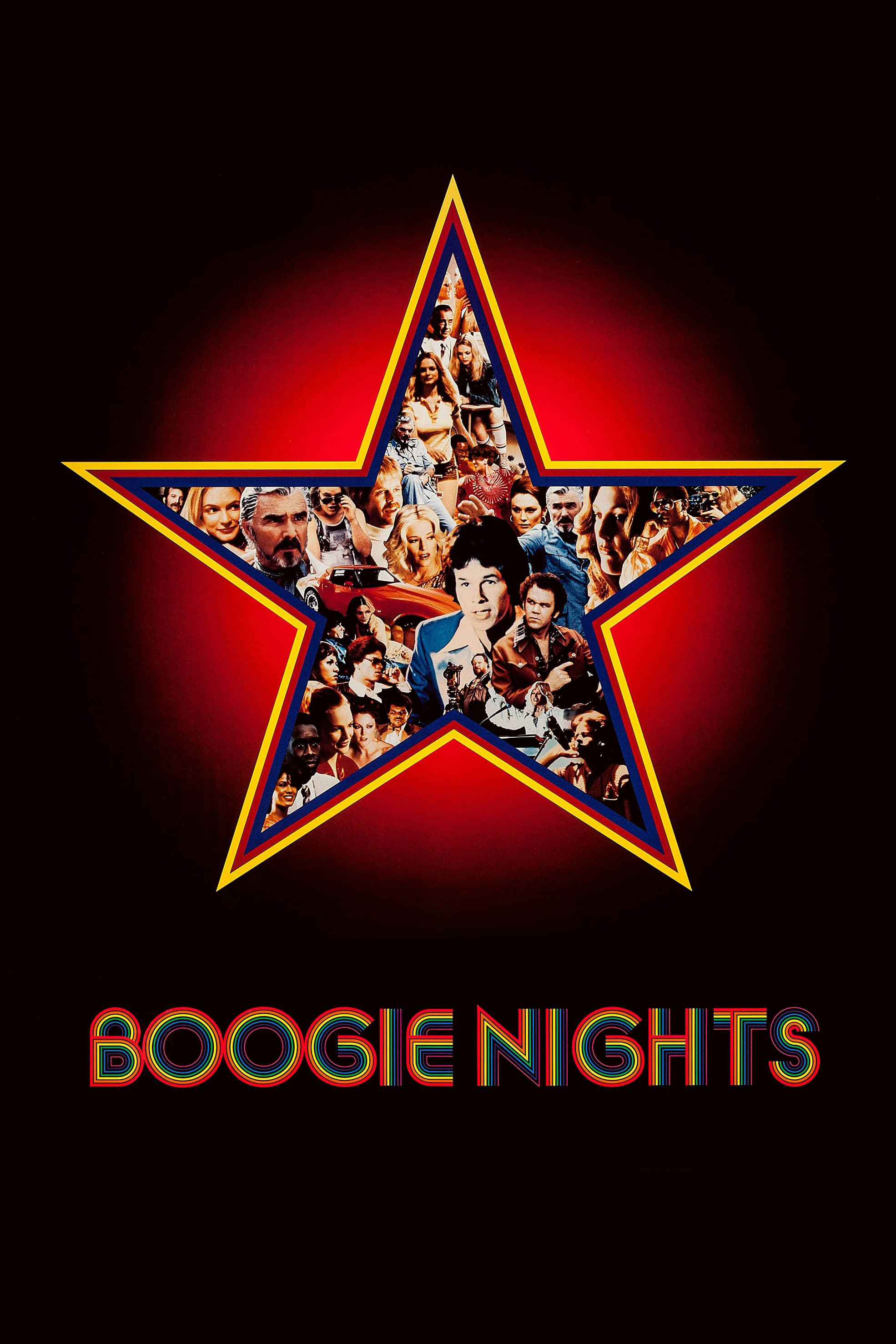
A drug deal goes wrong in a tense living room scene featuring firecrackers and a erratic host. Night Ranger’s power ballad ‘Sister Christian’ plays in the background to build unbearable tension. The contrast between the sentimental song and the impending violence creates a distinct sense of dread. Paul Thomas Anderson uses the track in ‘Boogie Nights’ to heighten the anxiety of the situation.
‘A Clockwork Orange’ (1971)
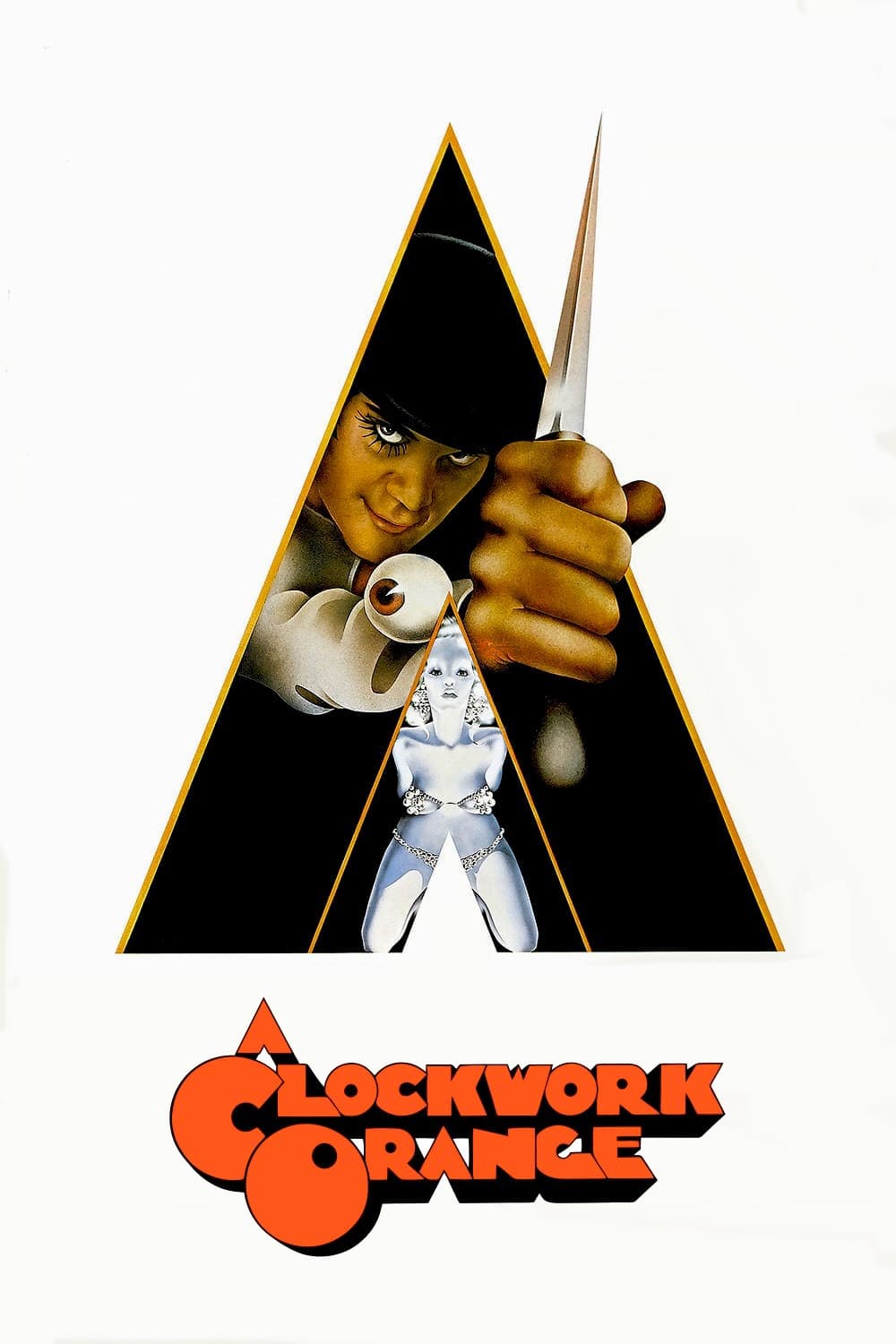
Alex DeLarge sings a cheerful tune while committing a horrific act of home invasion and violence. He croons the title track from the musical ‘Singin’ in the Rain’ while kicking his victims. Stanley Kubrick used the song to subvert its original innocent meaning into something terrifying. The scene remains one of the most controversial uses of music in ‘A Clockwork Orange’.
‘Baby Driver’ (2017)

Baby waits in the getaway car and syncs his movements perfectly to the music in his earbuds. The Jon Spencer Blues Explosion’s ‘Bellbottoms’ dictates every gear shift and turn during the opening bank robbery chase. Edgar Wright choreographed the entire action sequence to match the rhythm of the track. This scene in ‘Baby Driver’ set a new standard for musical synchronization in action films.
‘The Royal Tenenbaums’ (2001)
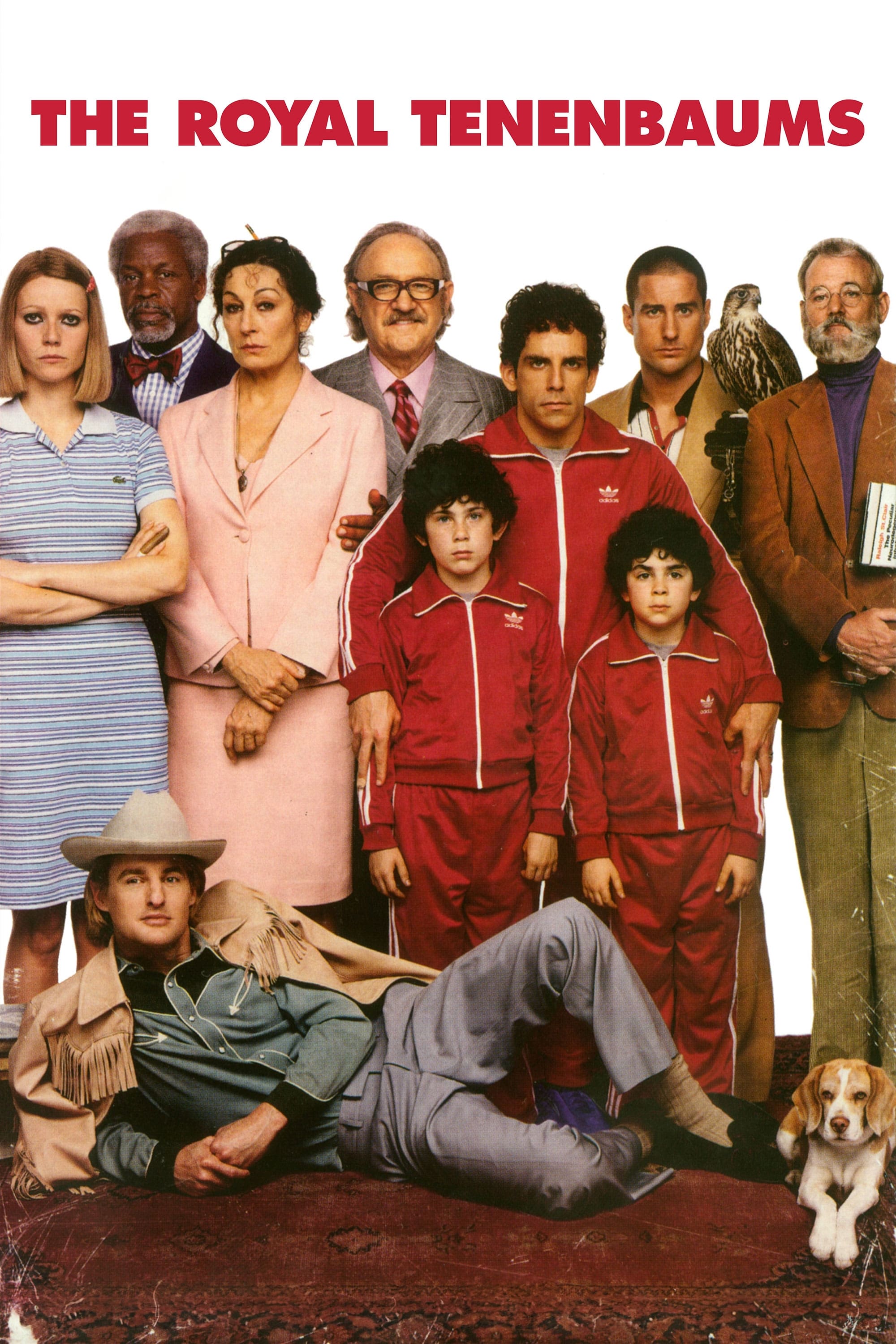
Margot Tenenbaum steps off the Green Line bus to meet her brother Richie at the harbor. The frame slows down as Nico’s ‘These Days’ underscores the longing and hidden history between them. Wes Anderson frames the reunion with his signature symmetrical style and melancholic tone. The song captures the regret and nostalgia central to the narrative of ‘The Royal Tenenbaums’.
‘Shrek’ (2001)
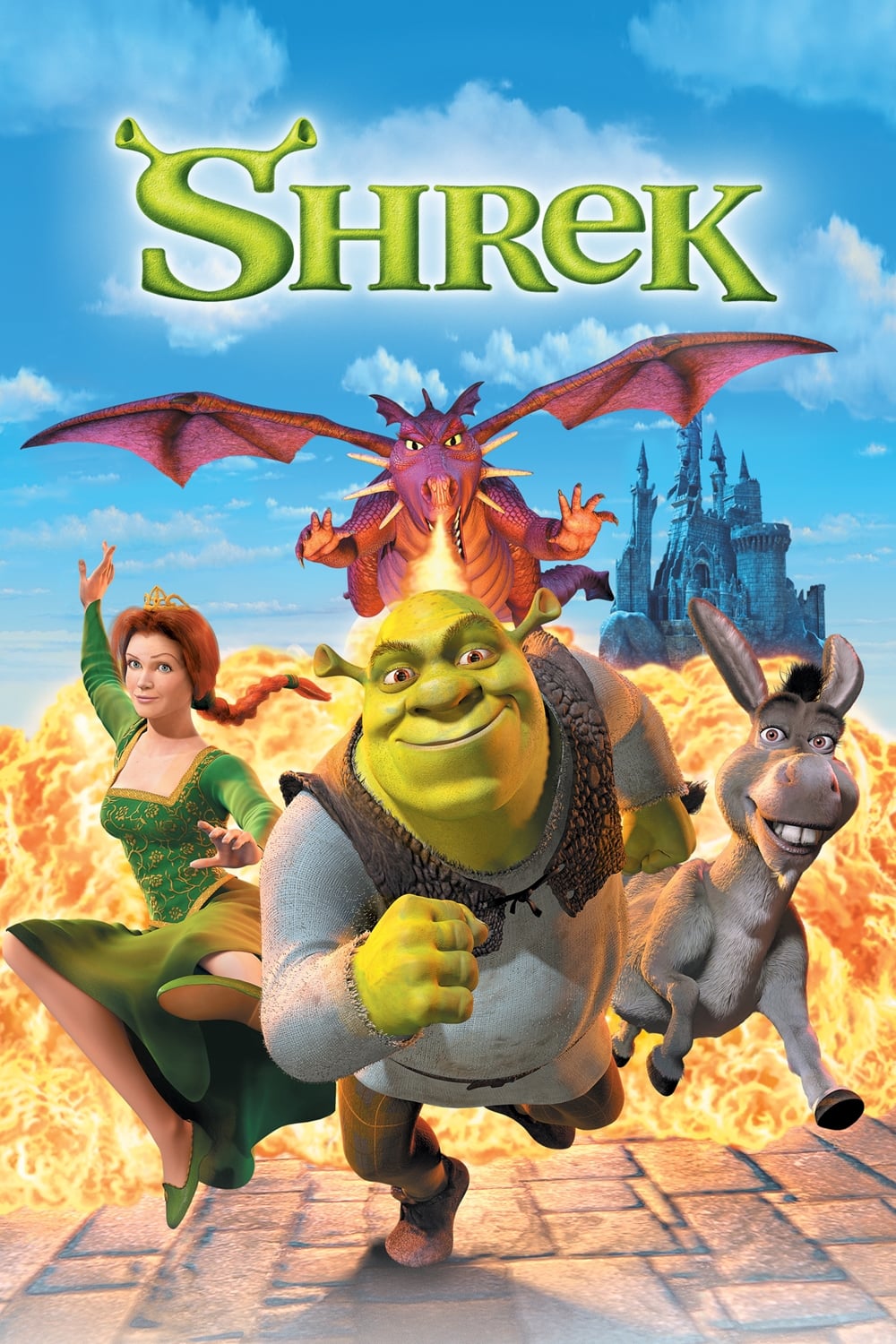
An ogre bursts out of his outhouse to begin his morning routine in the swamp. Smash Mouth’s ‘All Star’ plays as he showers in mud and brushes his teeth with bug paste. The song became an internet phenomenon and a defining track of the early millennium because of this intro. ‘Shrek’ used the track to establish its modern and satirical take on fairytales.
‘Stand By Me’ (1986)
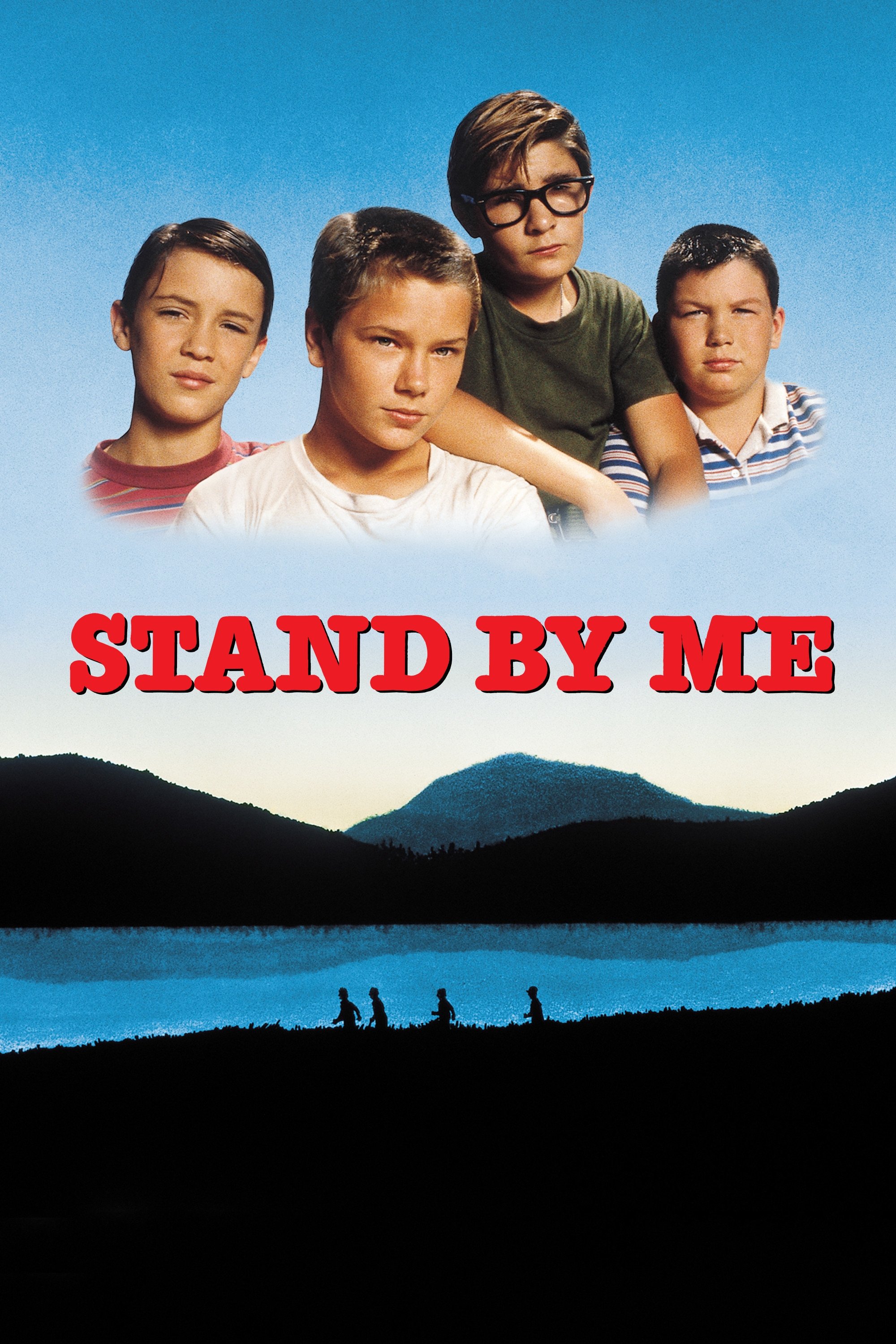
Gordie Lachance finishes his memoir as the film fades to the credits. The bassline of Ben E. King’s ‘Stand By Me’ kicks in to provide a poignant conclusion to the coming-of-age story. The movie revived the song’s popularity and introduced it to a new demographic. The track encapsulates the themes of friendship and nostalgia present throughout the film.
‘Shaun of the Dead’ (2004)
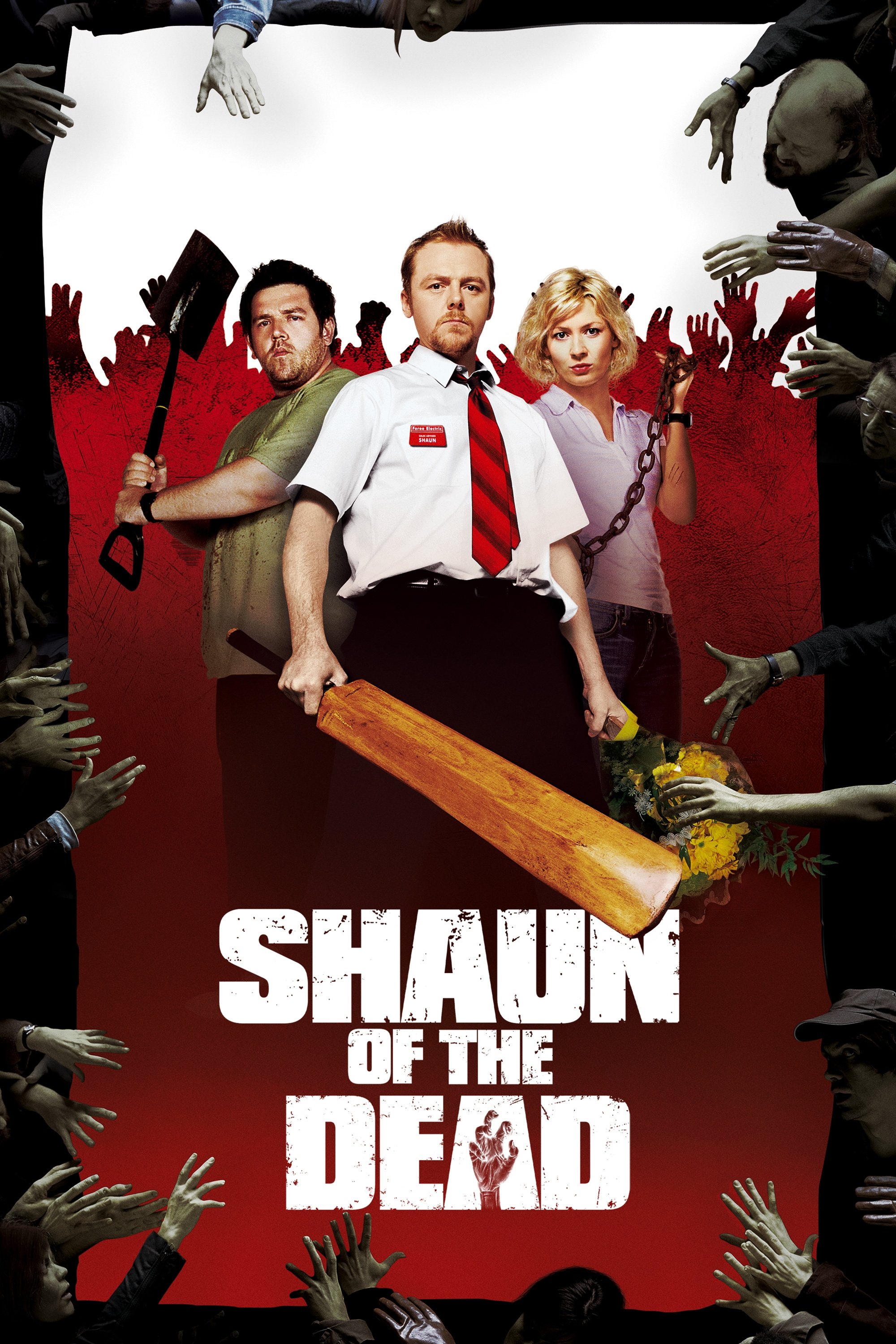
The survivors fight off a horde of zombies inside the Winchester pub using pool cues. The jukebox randomly selects Queen’s ‘Don’t Stop Me Now’ to accompany the desperate brawl. The choreography of the beatdown matches the upbeat tempo of the track for comedic effect. This needle-drop in ‘Shaun of the Dead’ is a fan favorite for its perfect timing and energy.
Tell us which movie soundtrack moment is your personal favorite in the comments.