


Neo-Noir Films that Outdo the Classics

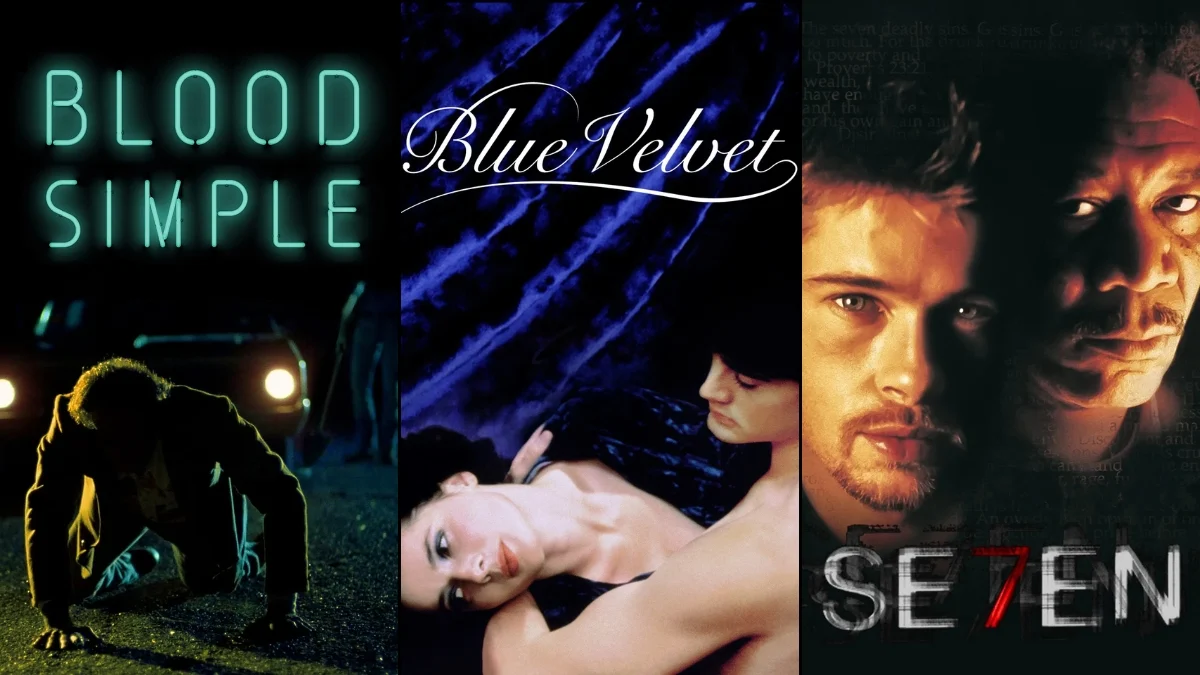


The neo-noir genre emerged as filmmakers sought to update the visual style and thematic cynicism of classic film noir for modern audiences. These movies retain the shadows and moral ambiguity of their predecessors while introducing color, graphic violence, and complex psychological elements. Directors utilize contemporary settings to explore corruption and crime in ways that were not possible under the restrictions of the Golden Age. The following films represent significant evolutions of the genre that have left a lasting impact on cinema history.
‘Chinatown’ (1974)
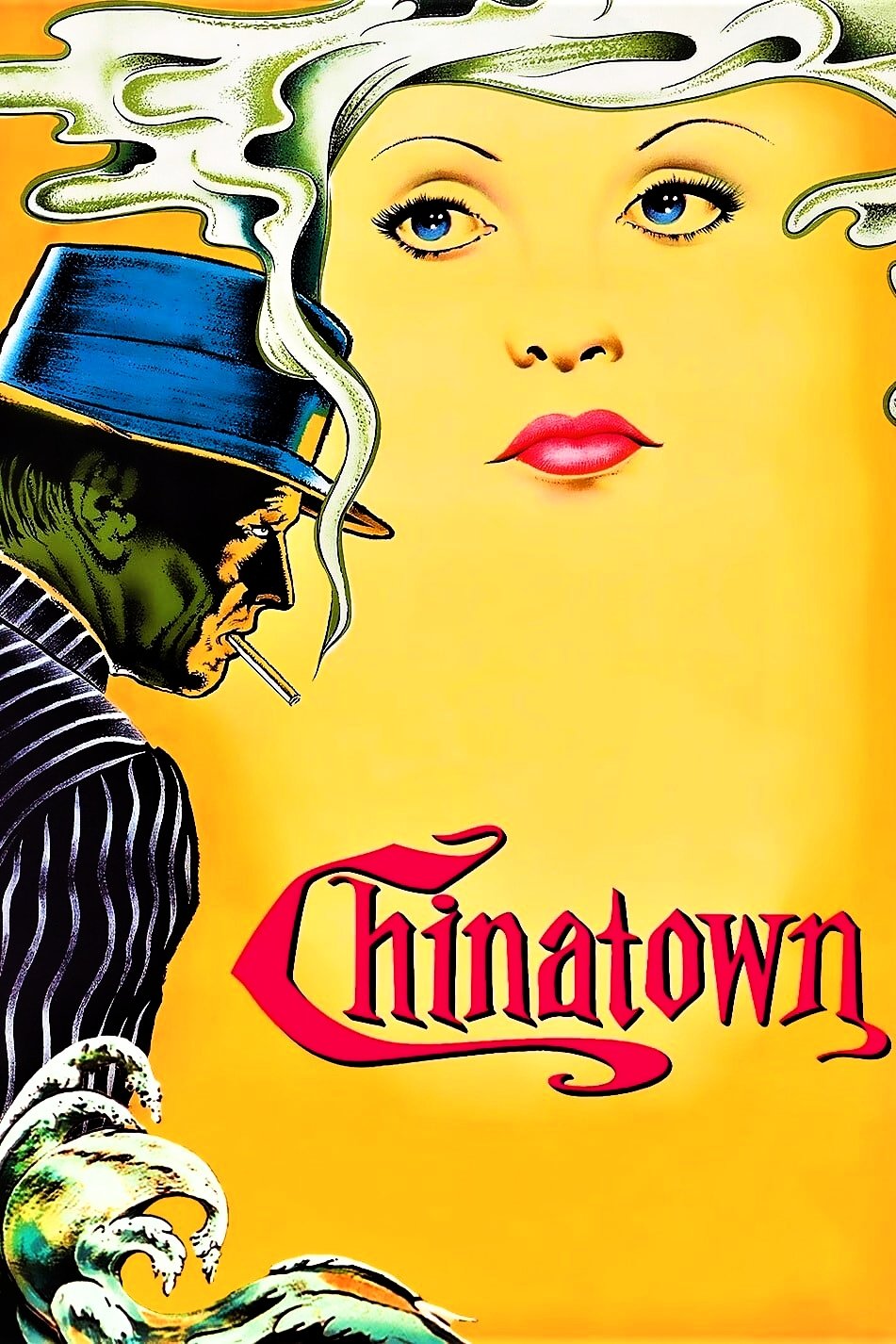
Private investigator J.J. Gittes uncovers a vast conspiracy regarding water rights in 1930s Los Angeles. His investigation leads him into a web of deceit and familial corruption that exposes the rot at the heart of the city. Roman Polanski directs this film that subverts the traditional noir ending with a notably bleak conclusion. Jack Nicholson delivers a grounded performance as the investigator who learns too much about the powers that be. The screenplay is widely studied for its intricate plotting and masterful handling of exposition.
‘Blade Runner’ (1982)
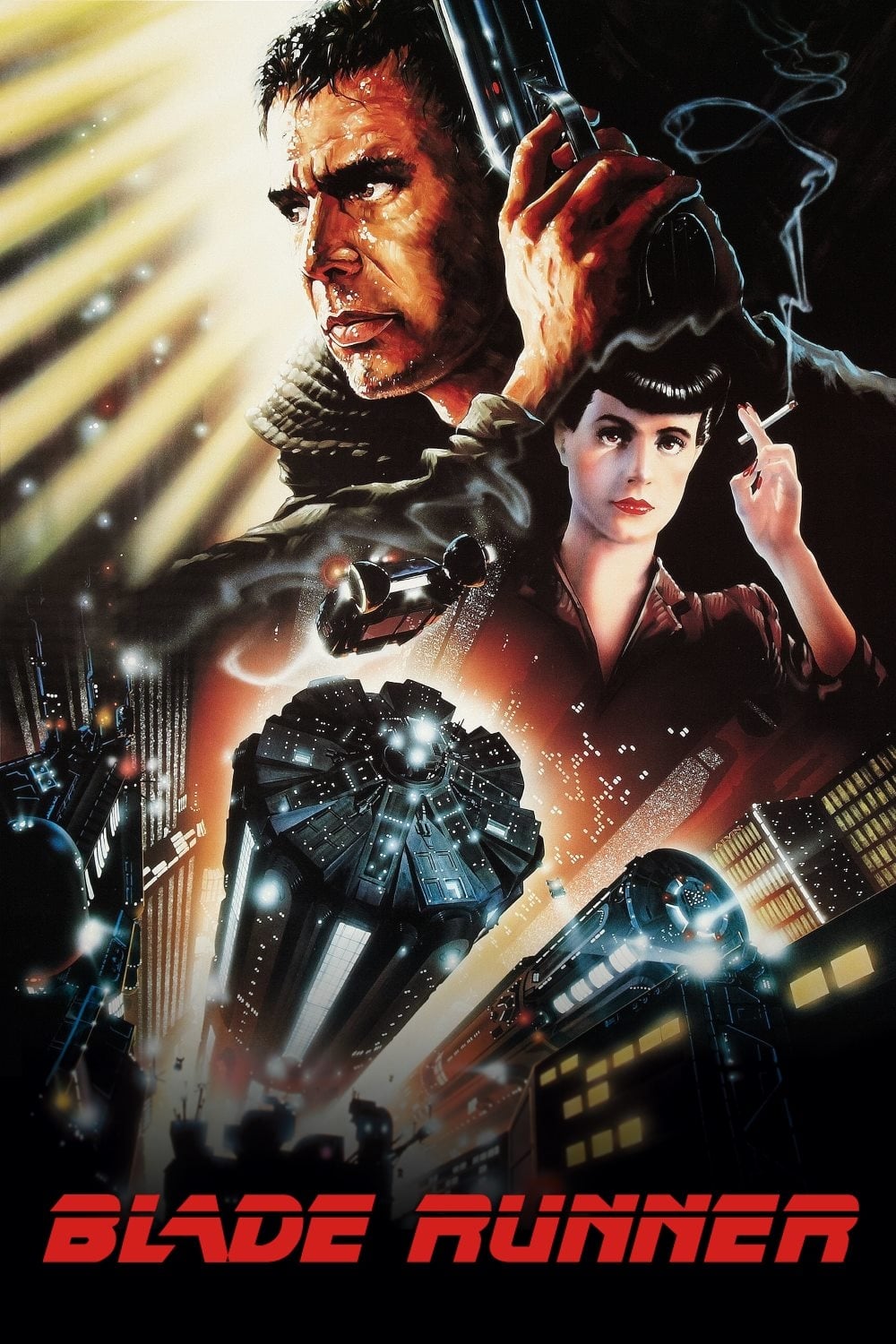
Rick Deckard works as a specialist officer who must hunt down four rogue replicants in a dystopian futuristic Los Angeles. The film blends hardboiled detective tropes with high-concept science fiction to explore themes of humanity and artificial intelligence. Ridley Scott presents a world where constant rain and neon lights evoke a classic noir atmosphere within a high-tech setting. The narrative questions the nature of the soul through the lens of a weary bounty hunter. Visual effects and production design combine to create one of the most influential aesthetic visions in cinema.
‘L.A. Confidential’ (1997)

Three policemen with different methods and morals navigate deep-seated corruption in 1950s Los Angeles. They eventually join forces to solve a multiple homicide at a coffee shop that connects to a high-class prostitution ring. The script weaves together intricate plotlines involving Hollywood scandals and tabloid journalism. This adaptation of James Ellroy’s novel captures the glamour and grime of the era with meticulous historical detail. The narrative complexity highlights the compromises law enforcement officers make to achieve justice.
‘Se7en’ (1995)
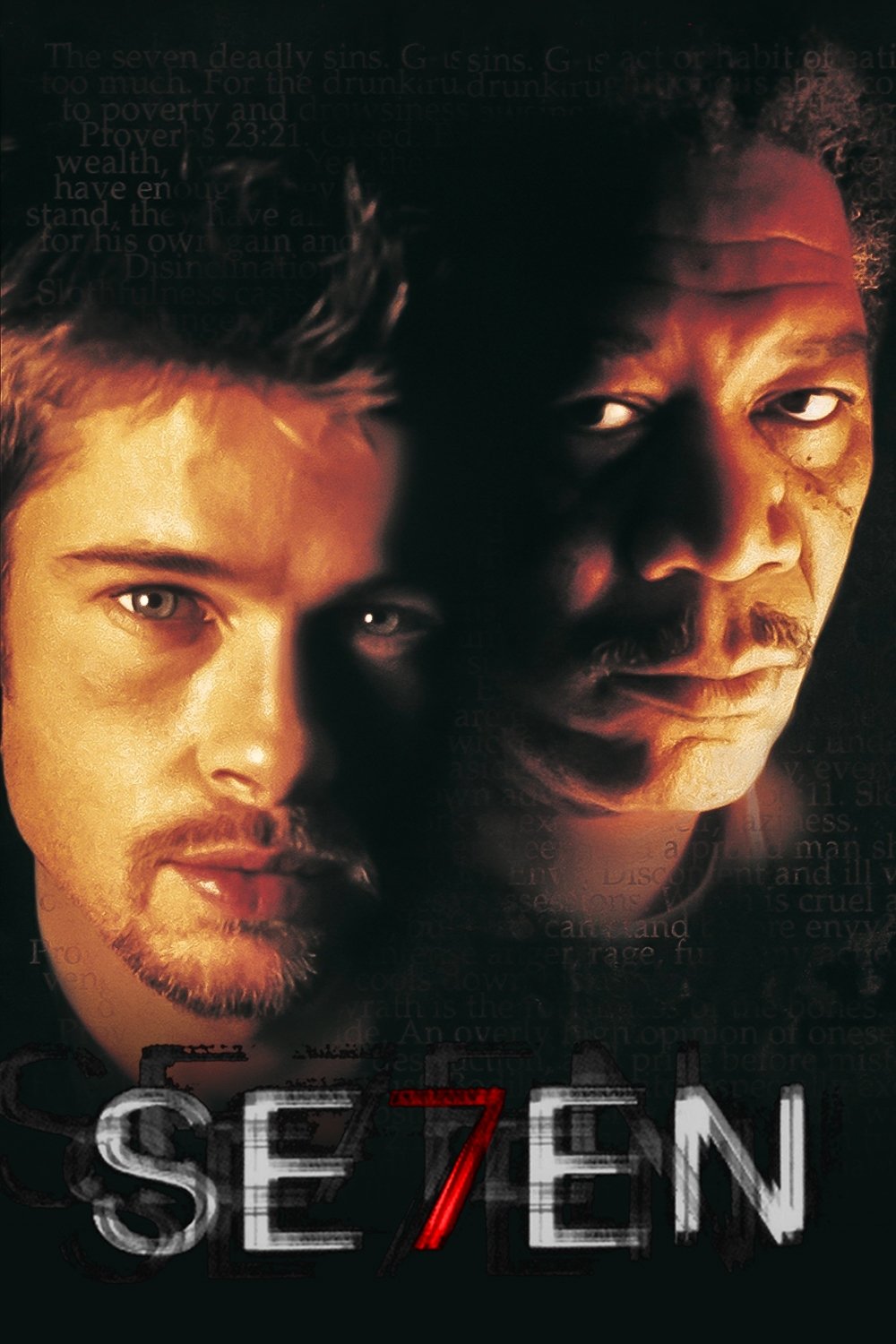
Two homicide detectives track a serial killer who uses the seven deadly sins as motifs for his gruesome murders. The younger detective Mills clashes with the retiring veteran Somerset as they move closer to the elusive suspect. Heavy rain and urban decay create an oppressive atmosphere that reflects the moral nihilism of the antagonist. The film builds tension relentlessly until it reaches a shocking climax in a remote desert location. David Fincher utilizes low-key lighting and a bleached color palette to modernize the noir aesthetic.
‘No Country for Old Men’ (2007)
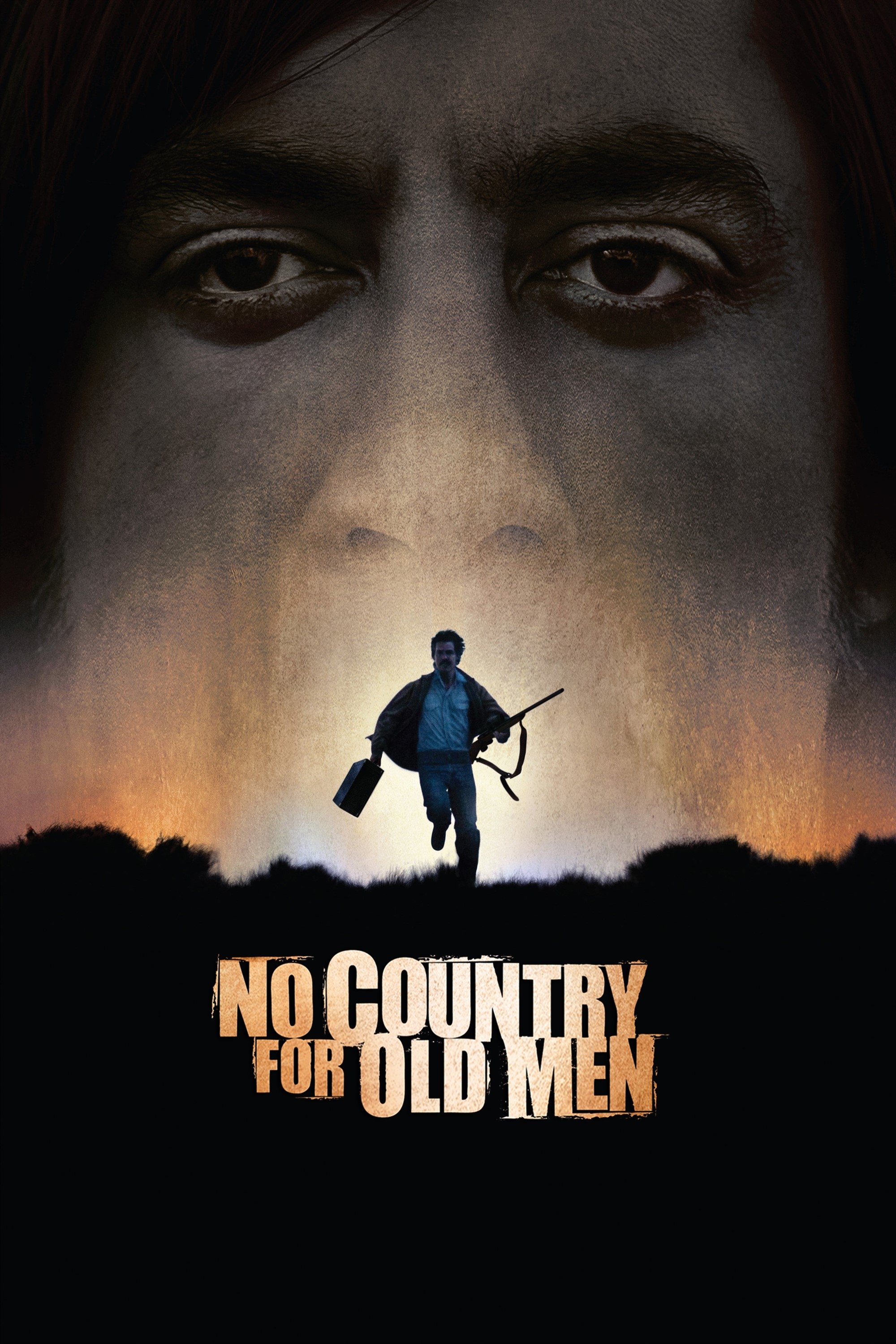
A hunter stumbles upon a drug deal gone wrong and takes a suitcase full of cash found near the Rio Grande. He finds himself pursued by a relentless hitman named Anton Chigurh who determines fate with a simple coin toss. Sheriff Bell tries to intercept the violence but finds himself overwhelmed by the changing nature of crime in his jurisdiction. The Coen brothers strip away music and sentimentality to present a stark vision of the modern American West. This film replaces the traditional noir city with desolate landscapes that offer no place to hide.
‘Drive’ (2011)
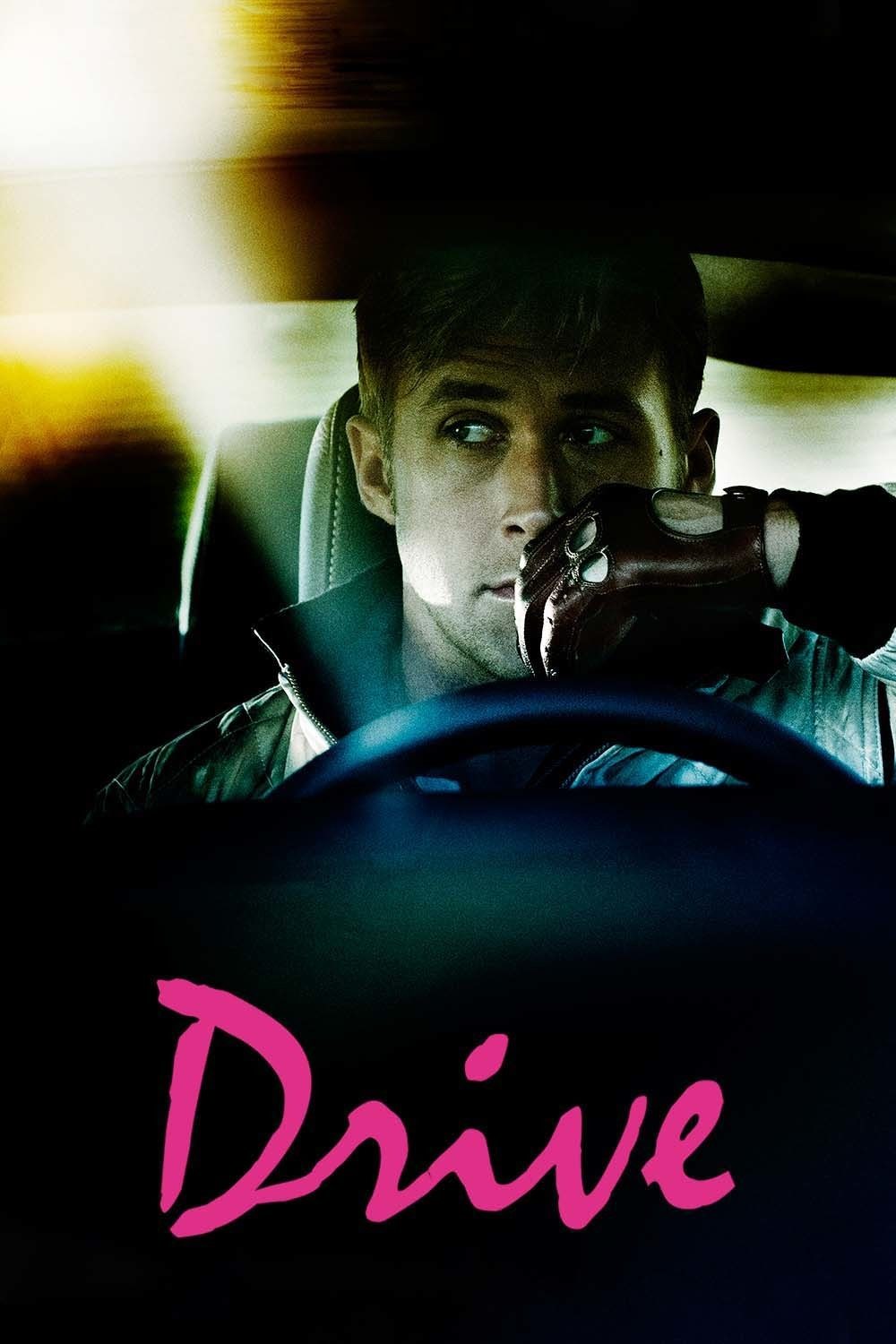
A Hollywood stunt performer who moonlights as a getaway driver finds himself in trouble after helping his neighbor. The protagonist remains nameless throughout the story and communicates mostly through action rather than dialogue. His attempt to protect the neighbor and her son leads to a violent conflict with dangerous mobsters. Nicolas Winding Refn utilizes a synth-pop soundtrack and neon visuals to create a distinct aesthetic style. The film builds tension through long silences and sudden bursts of extreme graphic violence.
‘Memento’ (2000)
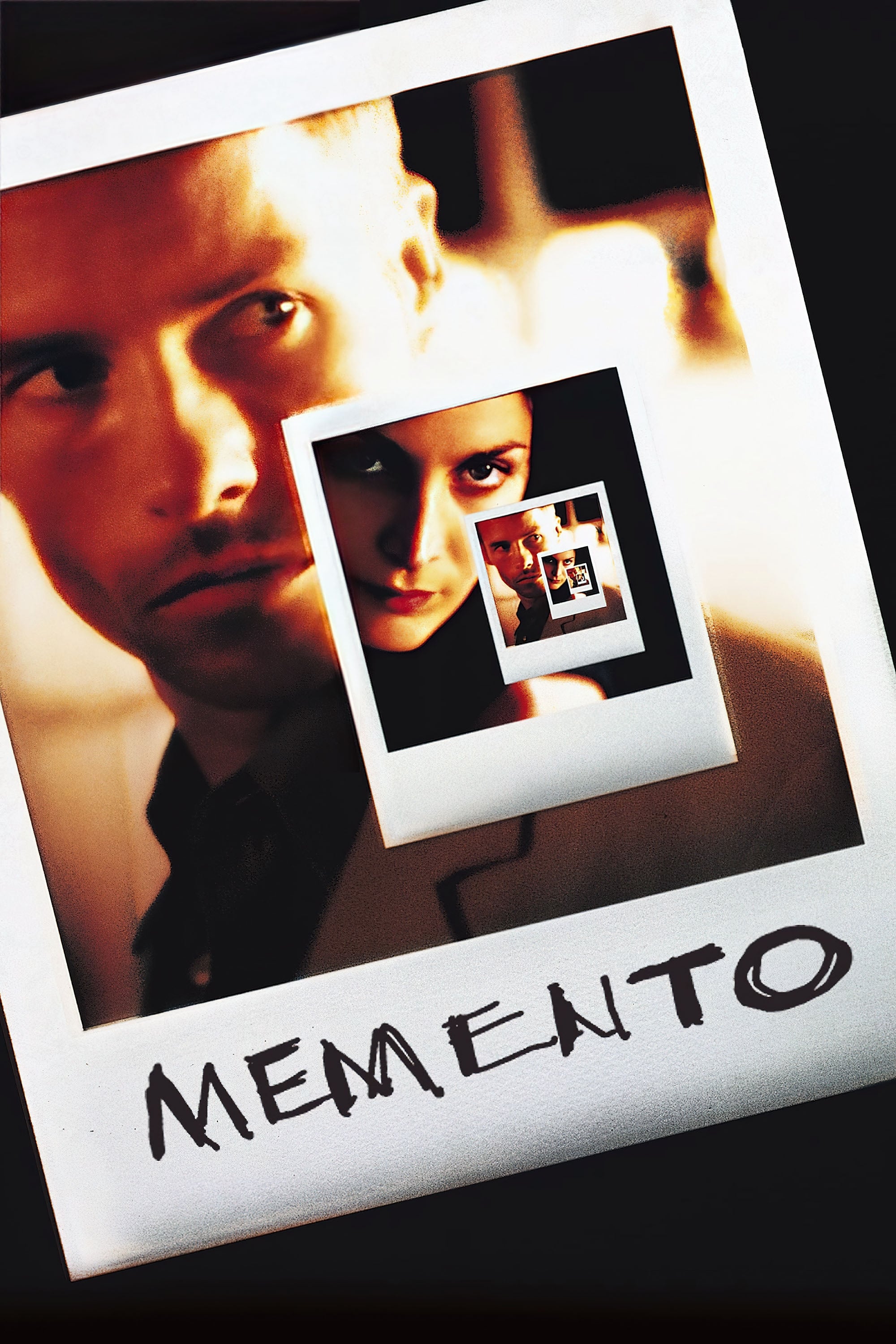
A man suffering from short-term memory loss attempts to find the person who murdered his wife. He uses tattoos and Polaroid photos to track clues because he cannot form new memories. The narrative unfolds in reverse chronological order to simulate the severe disorientation of the protagonist for the audience. Christopher Nolan constructs a puzzle box mystery that challenges the viewer to piece together the truth. The film explores the unreliability of memory and the subjective nature of personal truth.
‘Fargo’ (1996)
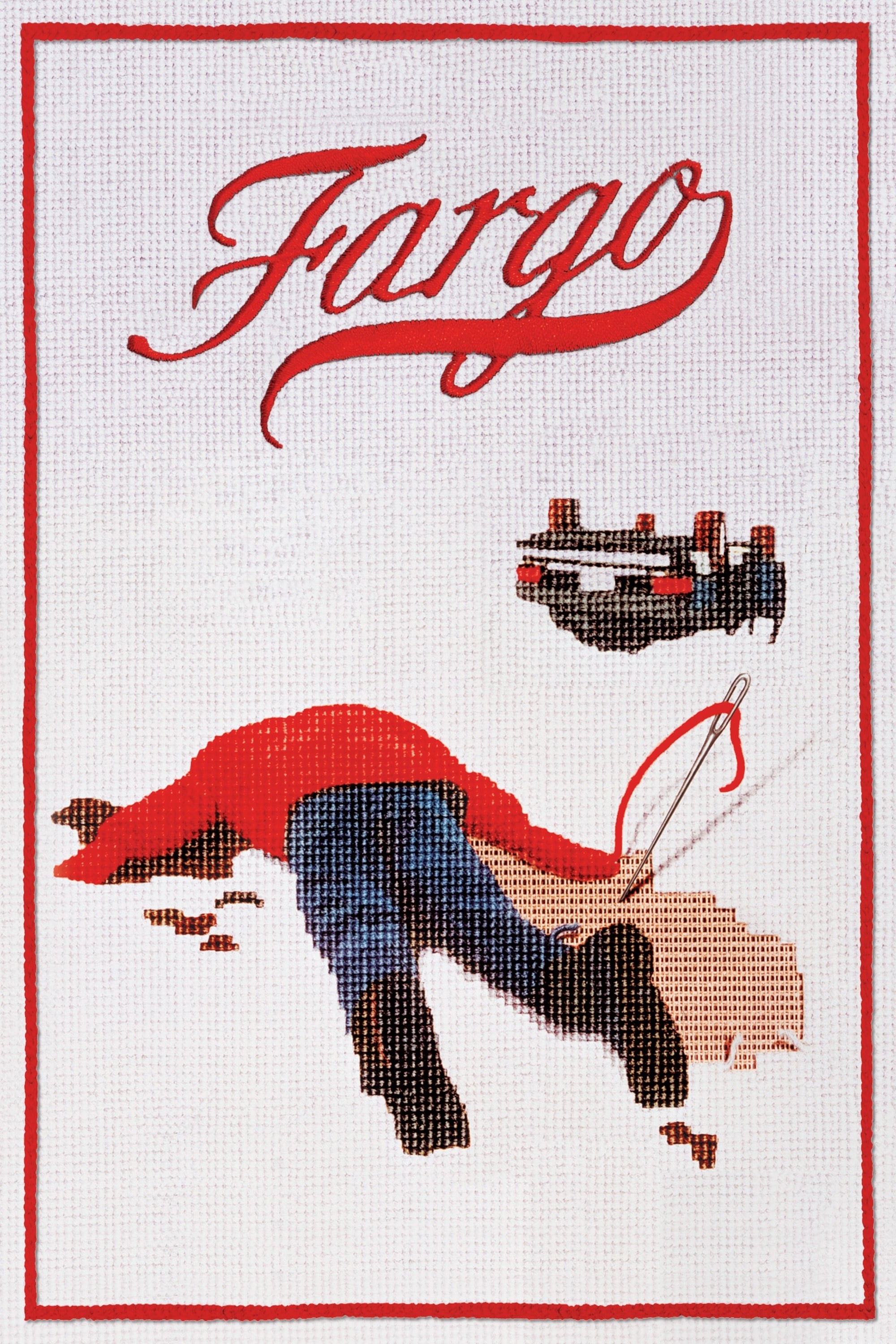
A car salesman hires two criminals to kidnap his wife in a desperate scheme to extort money from his wealthy father-in-law. The plan goes terribly wrong and leads to a series of murders across the snowy landscapes of Minnesota and North Dakota. Police chief Marge Gunderson investigates the crimes with a polite demeanor that hides her sharp deductive skills. The film contrasts extreme violence with the mundane politeness of the local culture. It stands as a unique entry in the genre by swapping dark alleys for blinding white snow.
‘Nightcrawler’ (2014)
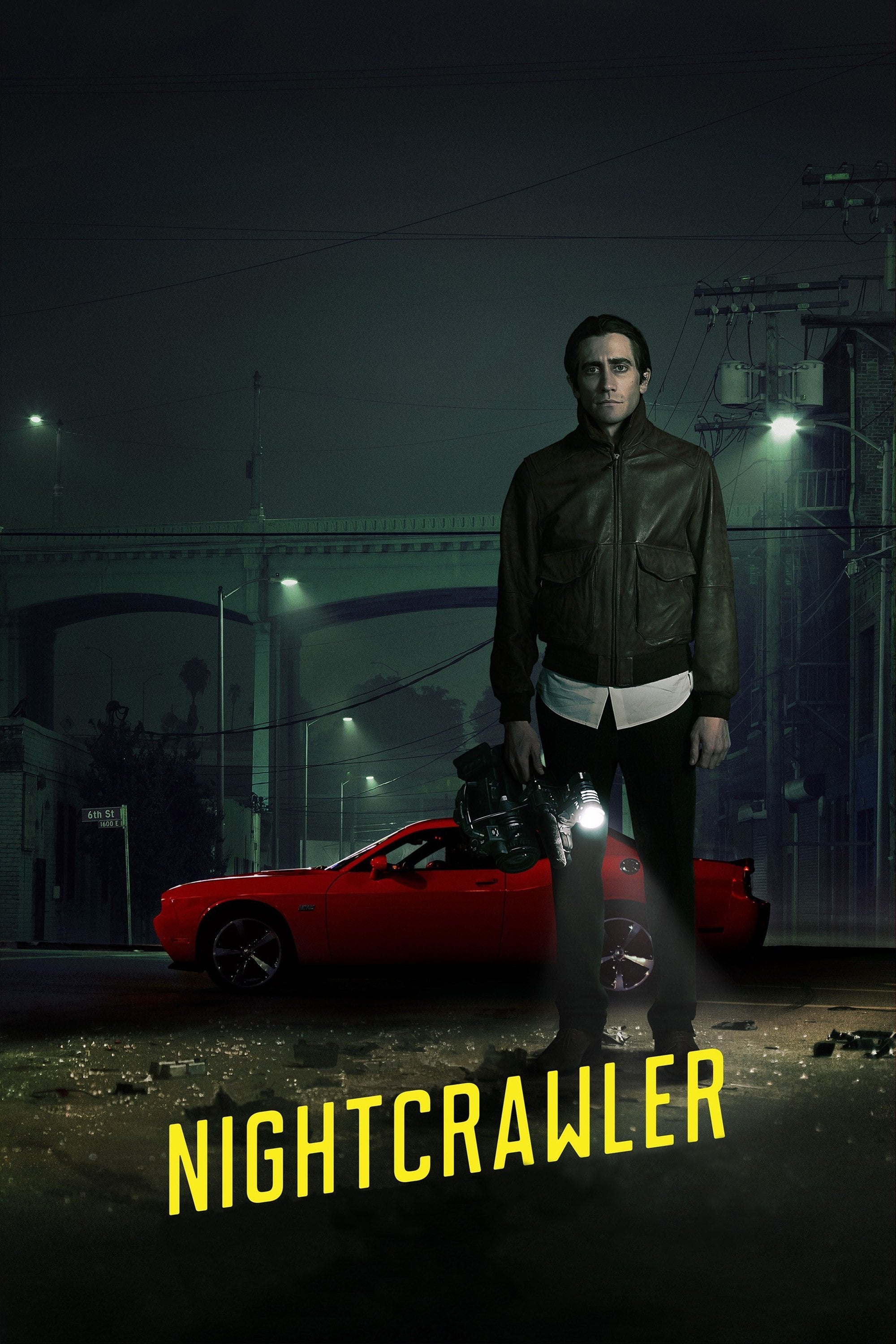
Louis Bloom is a driven loner who discovers the unregulated world of freelance crime journalism in Los Angeles. He begins recording violent accidents and crimes to sell the footage to local news stations. His ambition leads him to cross ethical lines and manipulate crime scenes to get better camera angles. The movie serves as a satire on media sensationalism and the corporate demand for shocking imagery. Jake Gyllenhaal portrays the protagonist as a hollow man who thrives in the nocturnal underbelly of the city.
‘Zodiac’ (2007)
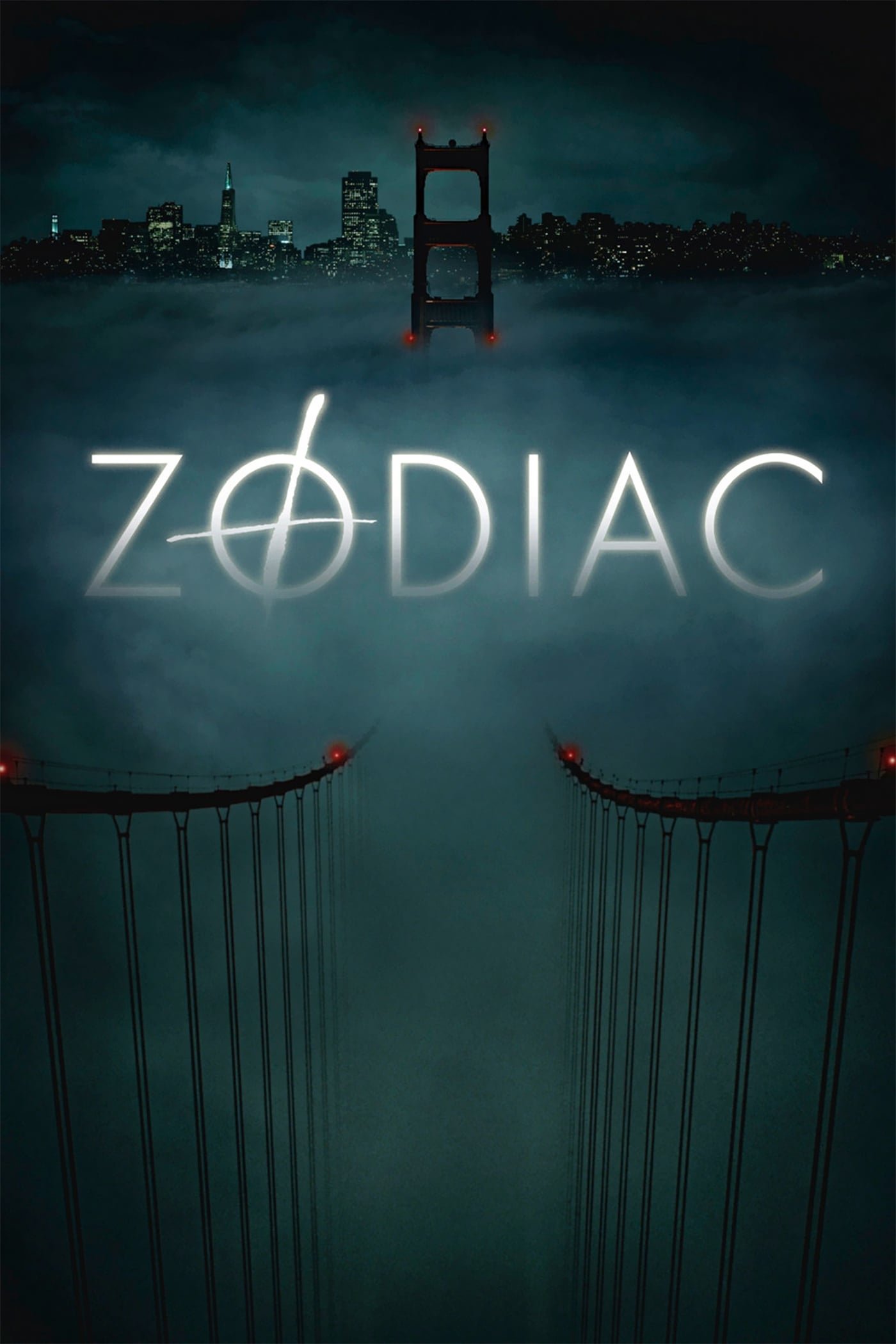
Cartoonist Robert Graysmith becomes obsessed with tracking down the Zodiac Killer who terrorized the San Francisco Bay Area. Journalists and detectives spend decades following leads that often result in dead ends or insufficient evidence. The narrative focuses on the procedural aspects of the investigation and the toll it takes on those involved. David Fincher directs a detailed account of the real-life case that remains officially unsolved. The film emphasizes the frustration of the hunt rather than the satisfaction of a capture.
‘Mulholland Drive’ (2001)
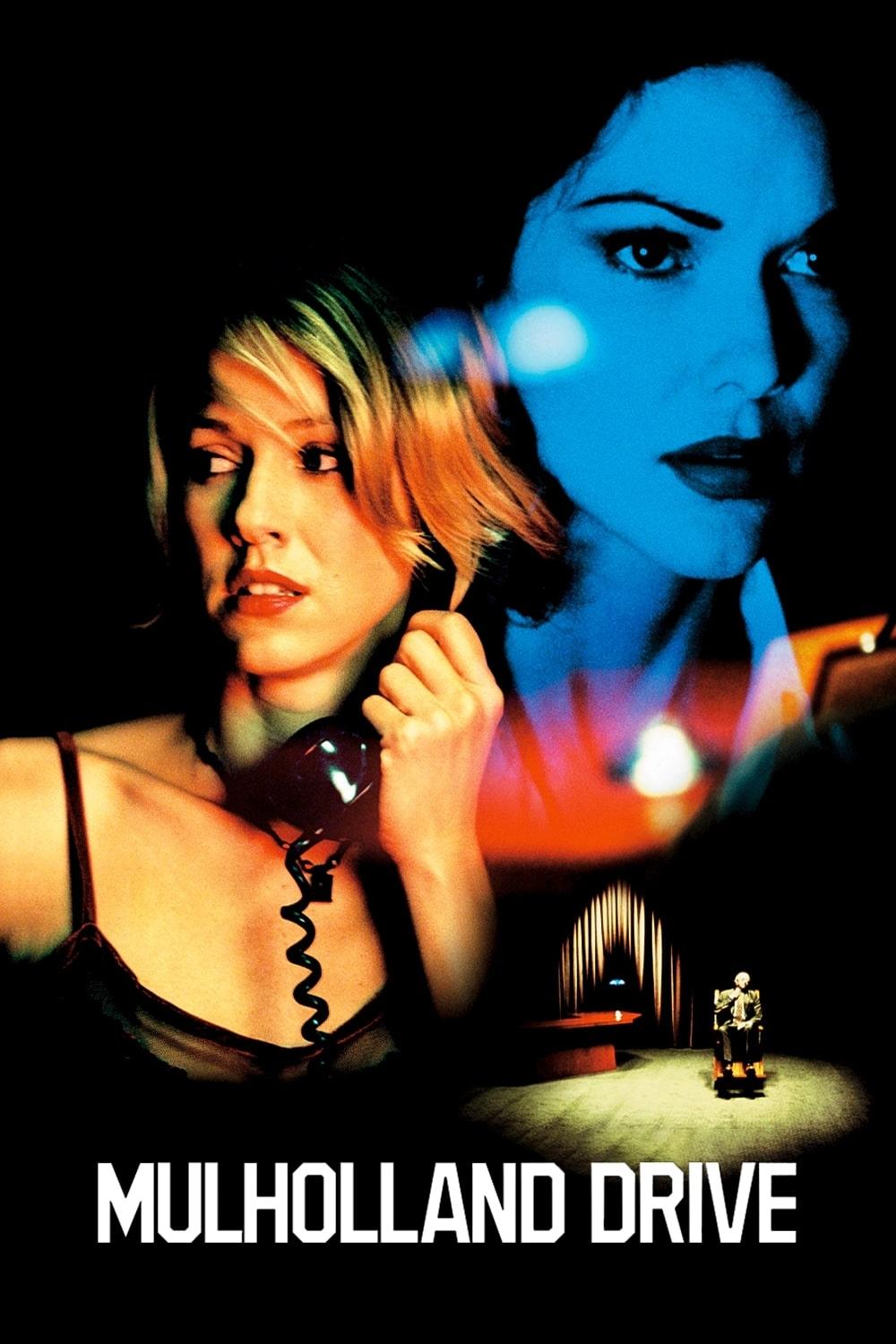
An aspiring actress arrives in Los Angeles and befriends a woman with amnesia hiding in her aunt’s apartment. They try to uncover the stranger’s identity while surreal and frightening events unfold around them in the city. The story blurs the lines between dreams and reality to explore the dark side of Hollywood ambition. David Lynch crafts a non-linear narrative that resists easy interpretation and relies on dream logic. The film uses noir archetypes to deconstruct the mythology of the film industry.
‘Taxi Driver’ (1976)
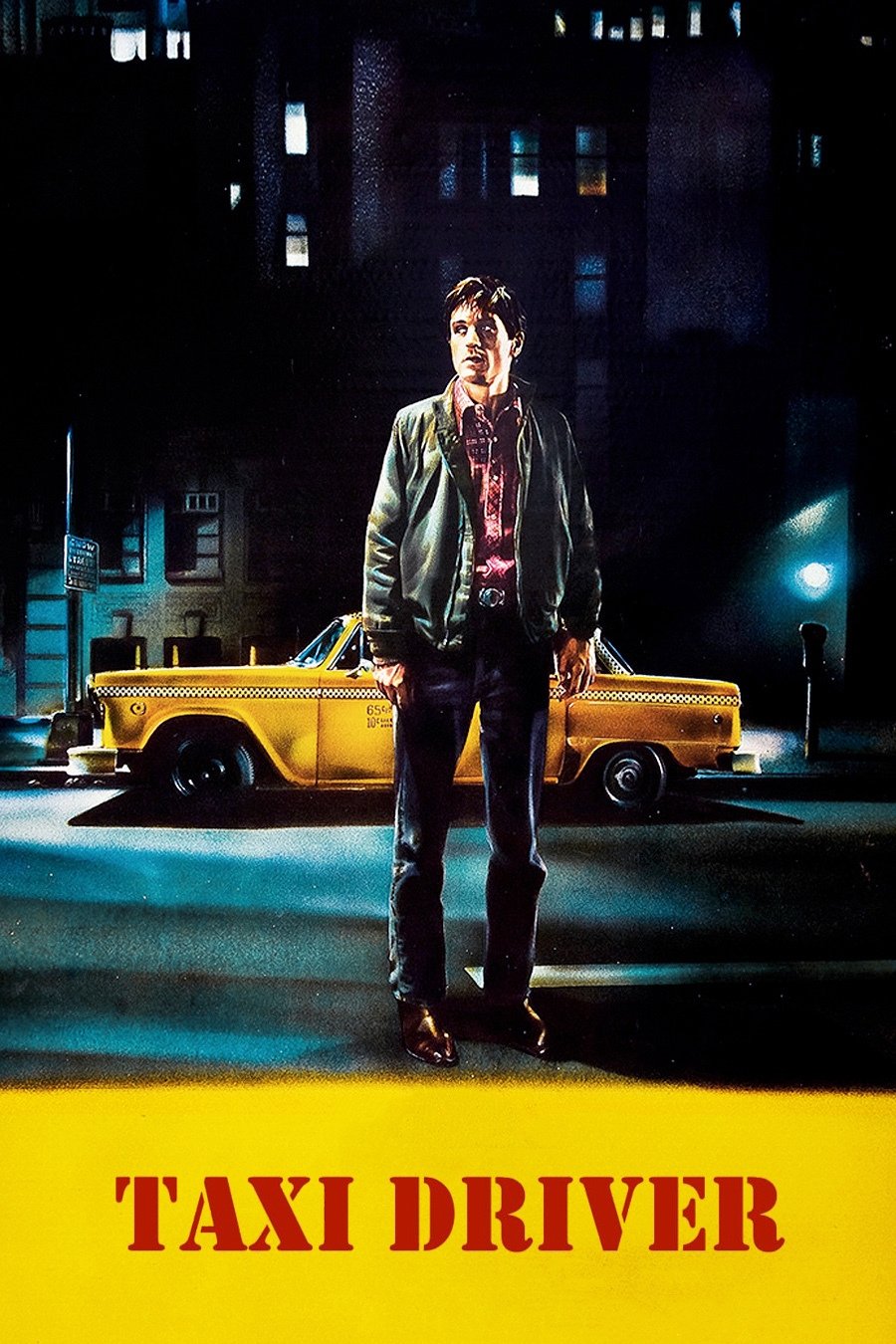
Travis Bickle is a mentally unstable Vietnam veteran working as a night shift taxi driver in New York City. He becomes increasingly disgusted by the crime and urban decay he witnesses on the streets. His obsession with saving a child prostitute leads him down a path of violent vigilantism. Martin Scorsese captures the gritty atmosphere of 1970s New York through the eyes of an isolated protagonist. Bernard Herrmann provides a haunting jazz score that underscores the psychological unraveling of the main character.
‘Prisoners’ (2013)
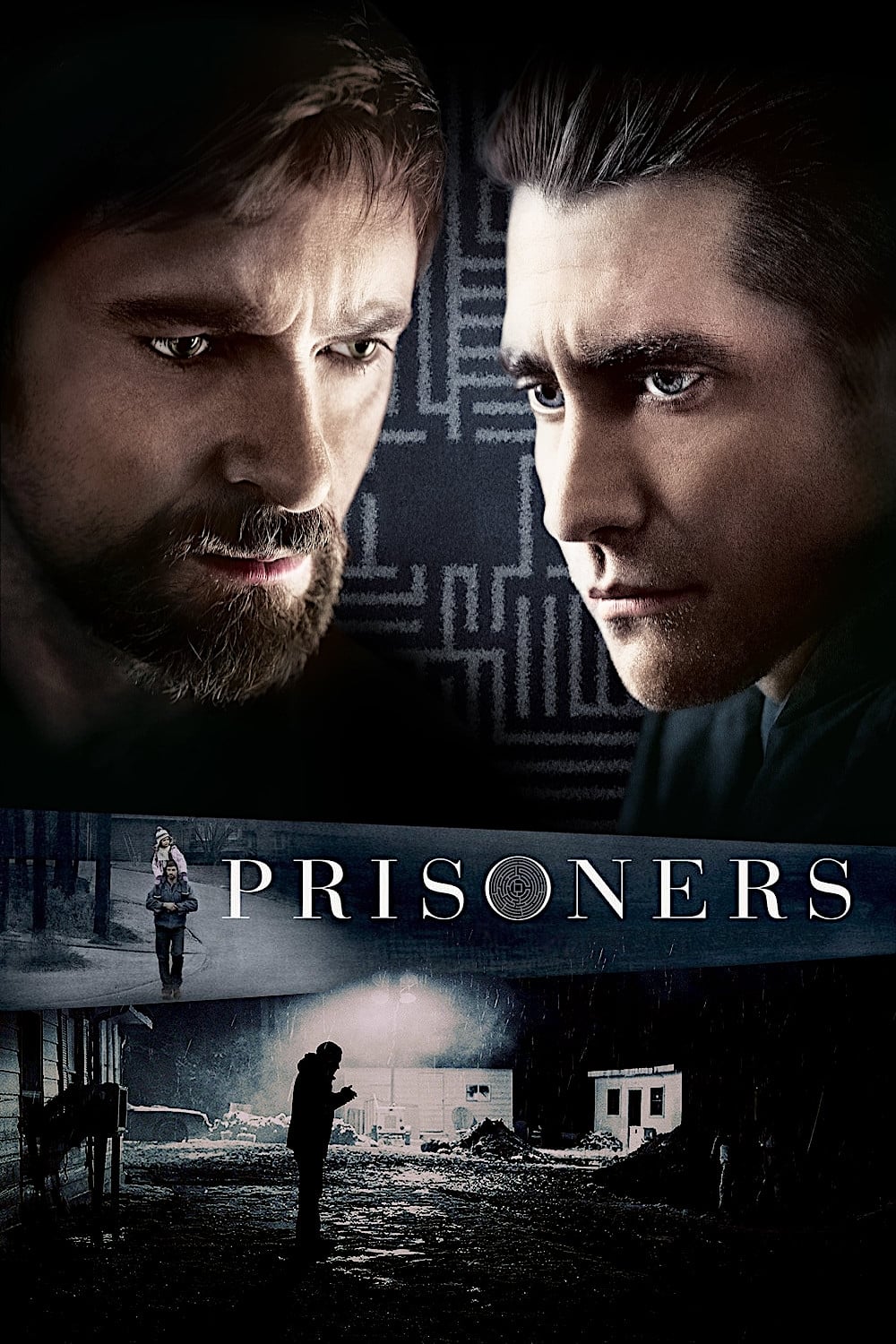
Keller Dover takes matters into his own hands when his young daughter and her friend go missing. He kidnaps the primary suspect whom the police were forced to release due to a lack of physical evidence. Detective Loki races against time to find the girls while trying to uncover the truth behind Dover’s suspicious actions. The film explores the moral gray areas of vengeance and the desperation of a parent. Denis Villeneuve creates a bleak and rainy atmosphere that heightens the sense of dread.
‘The Long Goodbye’ (1973)
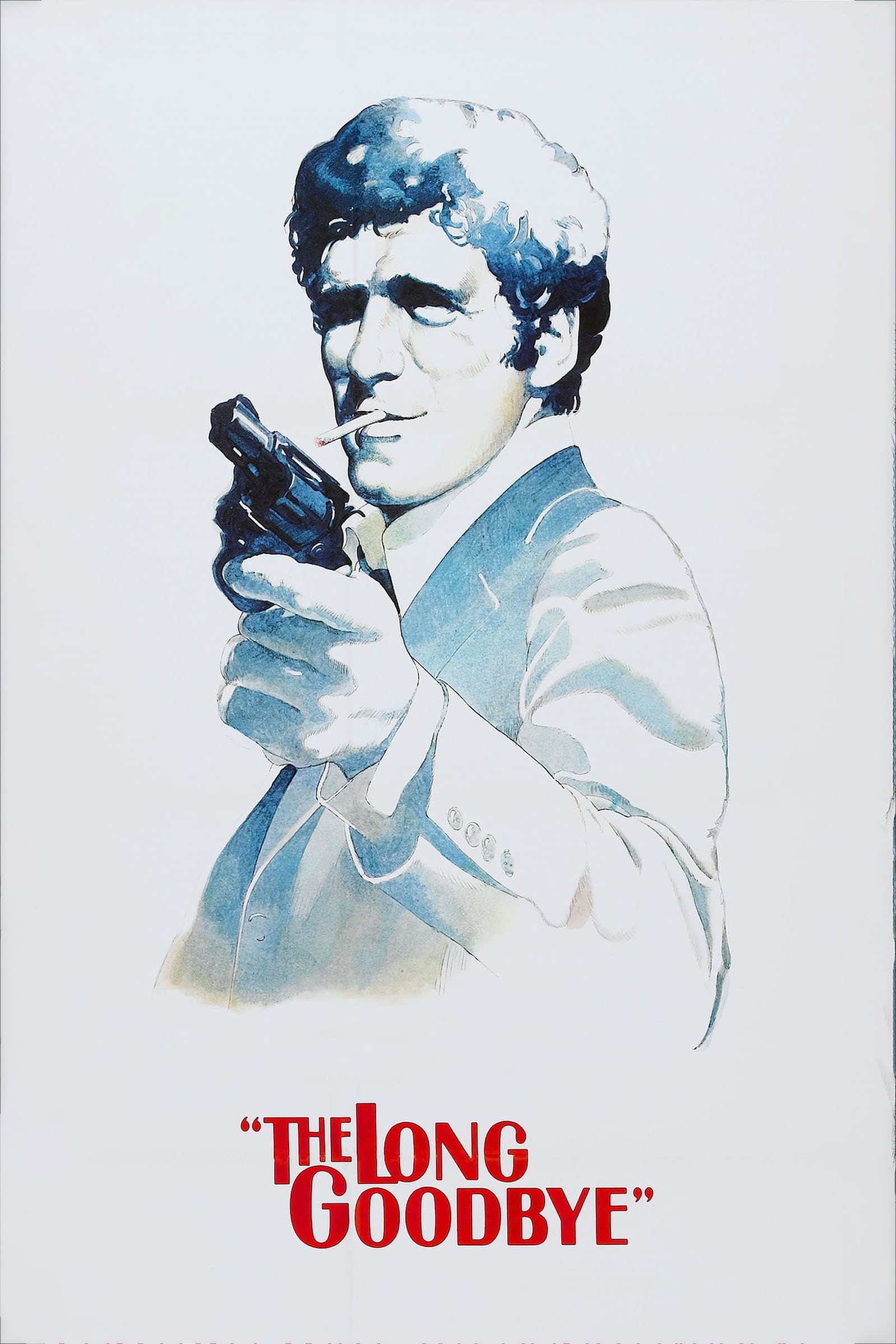
Private investigator Philip Marlowe tries to help a friend who is accused of murdering his wife. He navigates a sun-drenched Los Angeles filled with eccentric characters and shifting loyalties. Robert Altman updates the classic character for the 1970s by making him a man out of time. The plot meanders intentionally to emphasize the atmosphere and the singular personality of the detective. The film satirizes the genre while simultaneously paying homage to its literary roots.
‘Blood Simple’ (1984)
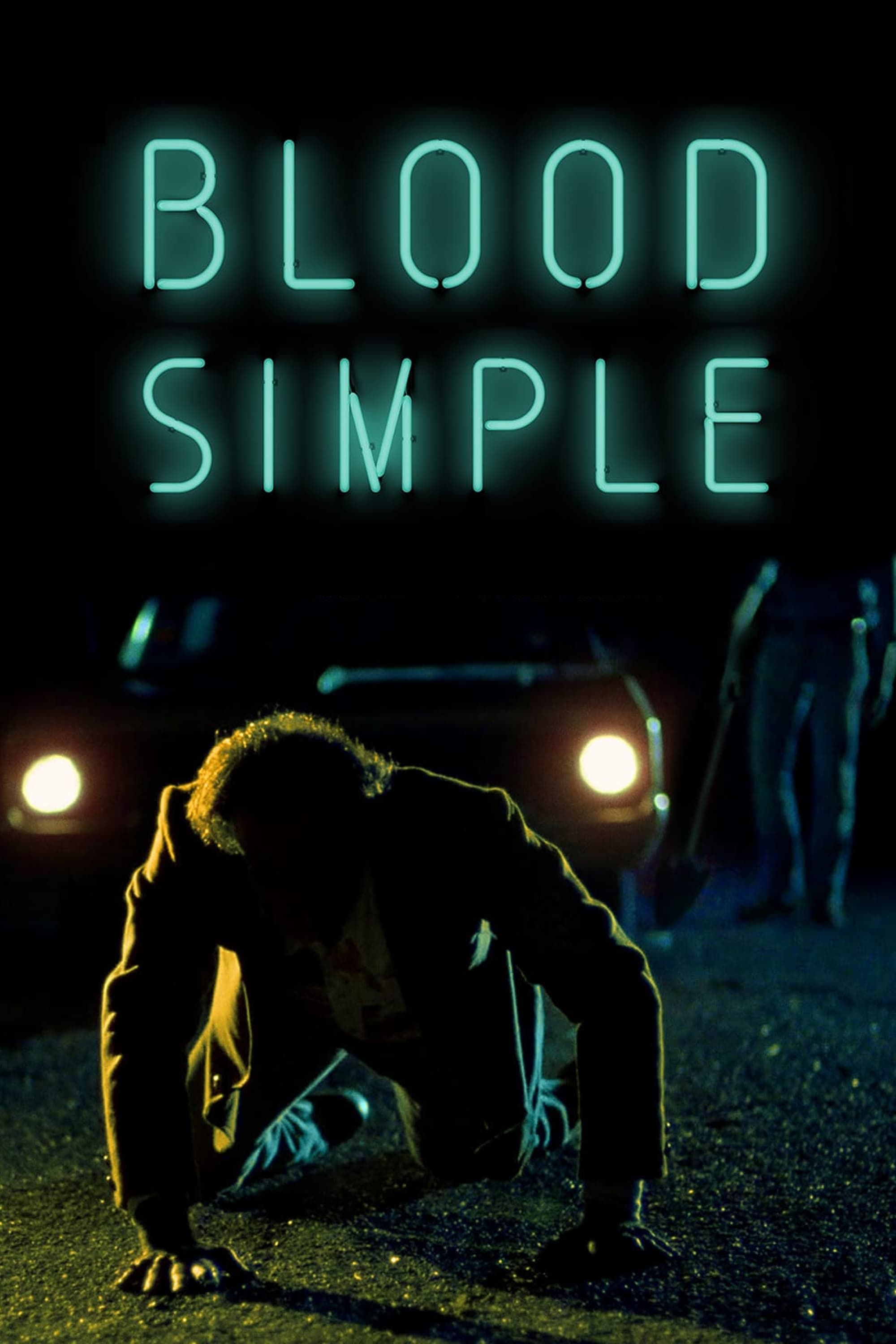
A wealthy bar owner hires a seedy private investigator to kill his wife and her lover. The plan unravels quickly due to misunderstandings and double-crosses among the four main characters. Suspicion and paranoia drive the characters to commit acts of violence they cannot undo. The Coen brothers debut features their signature blend of dark humor and tension in a Texas setting. Neon lights and shadows play a crucial role in the visual storytelling of this tight thriller.
‘Heat’ (1995)
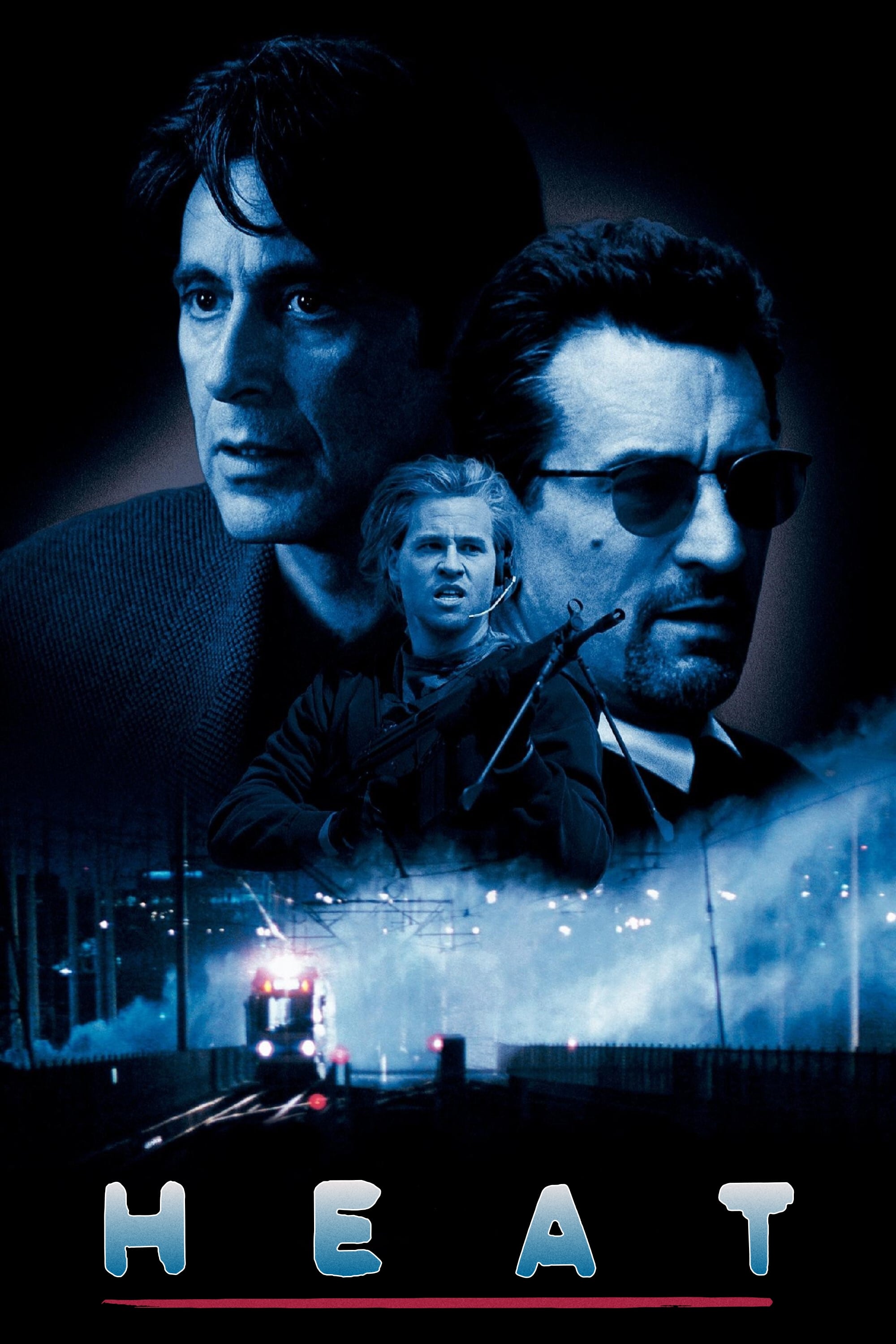
A master thief plans one last major bank heist while a dedicated detective obsessively tracks his crew. The two men recognize a mutual respect for each other despite standing on opposite sides of the law. Their conflict plays out across the sprawling urban landscape of Los Angeles with intense action sequences. Michael Mann explores the toll that professional obsession takes on personal relationships. The film is renowned for its realistic depiction of police procedures and tactical gunfights.
‘Blue Velvet’ (1986)
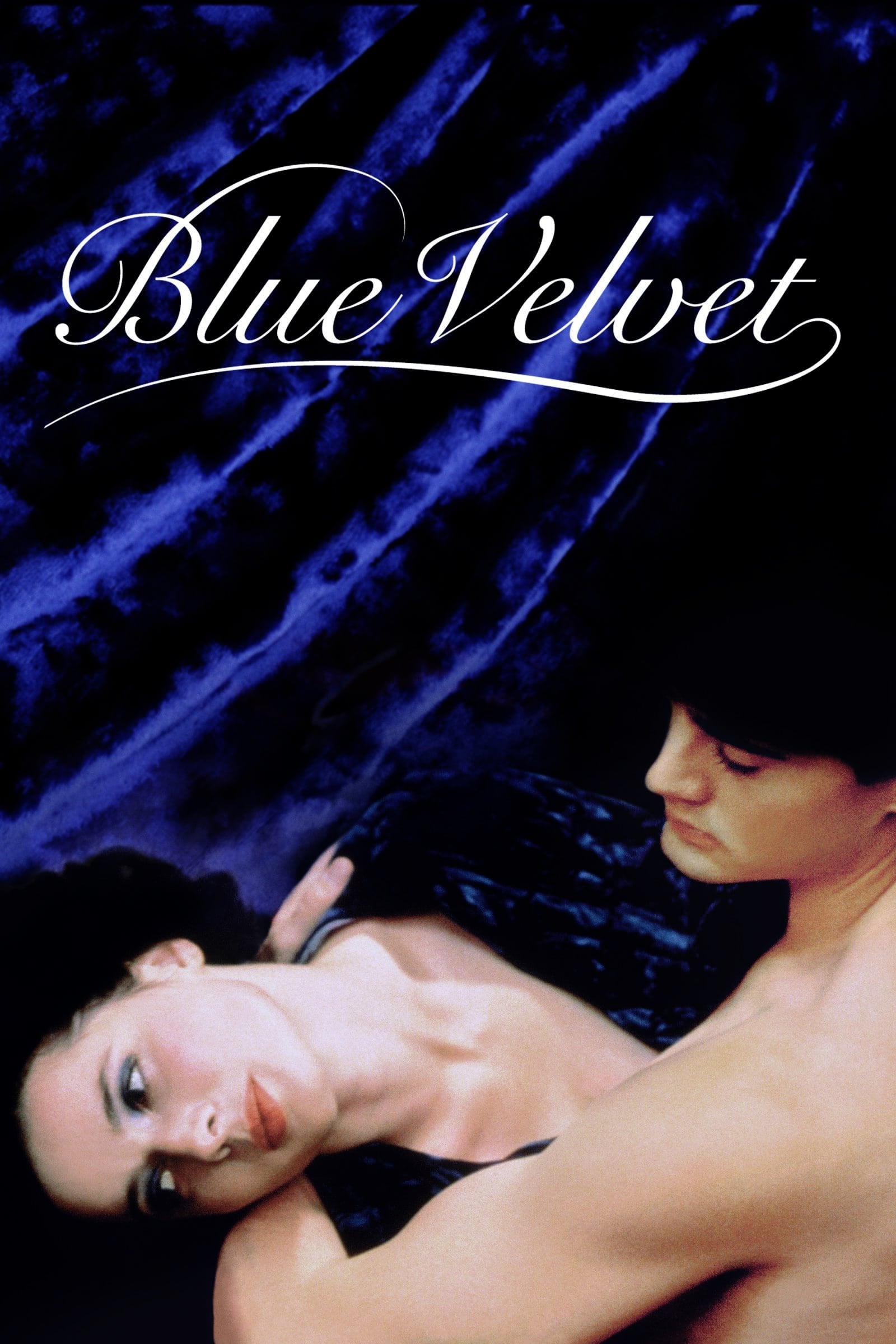
College student Jeffrey Beaumont returns home and discovers a severed ear in a field. His curiosity pulls him into a criminal underworld involving a lounge singer and a psychopathic gangster. The film exposes the dark underbelly lurking beneath the surface of an idyllic American small town. David Lynch uses surreal imagery to create a disturbing yet compelling mystery. The contrast between the bright suburban setting and the dark interior scenes defines the tone.
‘Gone Girl’ (2014)
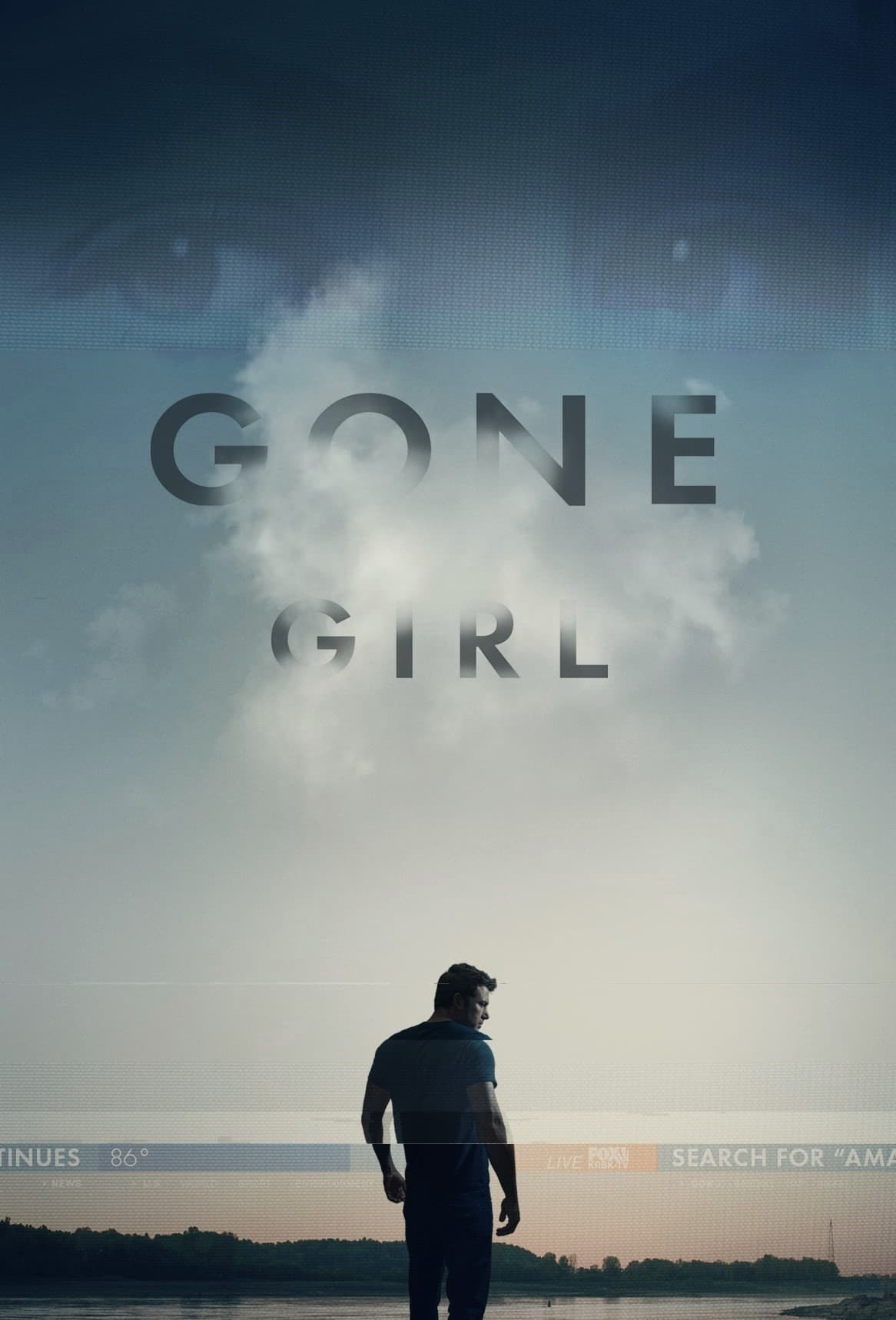
Nick Dunne becomes the prime suspect in the sudden disappearance of his wife Amy on their fifth wedding anniversary. Media frenzy and public scrutiny intensify as secrets from their marriage come to light. The narrative shifts perspectives to reveal a complex game of manipulation between the couple. David Fincher adapts the novel to examine the performative nature of marriage and media narratives. The stylish cinematography emphasizes the cold and calculated actions of the central characters.
Tell us which of these modern classics is your favorite in the comments.