

‘Neon Genesis Evangelion’ Mistakes You’ll Never Be Able to Unsee




From production shortcuts to continuity hiccups, ‘Neon Genesis Evangelion’ is packed with tiny errors that slipped through a famously hectic schedule—and they’re fascinating once you know where to look. Below are ten concrete slip-ups and inconsistencies that appear across episodes and even into ‘The End of Evangelion’, along with what specifically goes wrong and where these issues tend to show up.
Eva Scale That Changes Shot-to-Shot
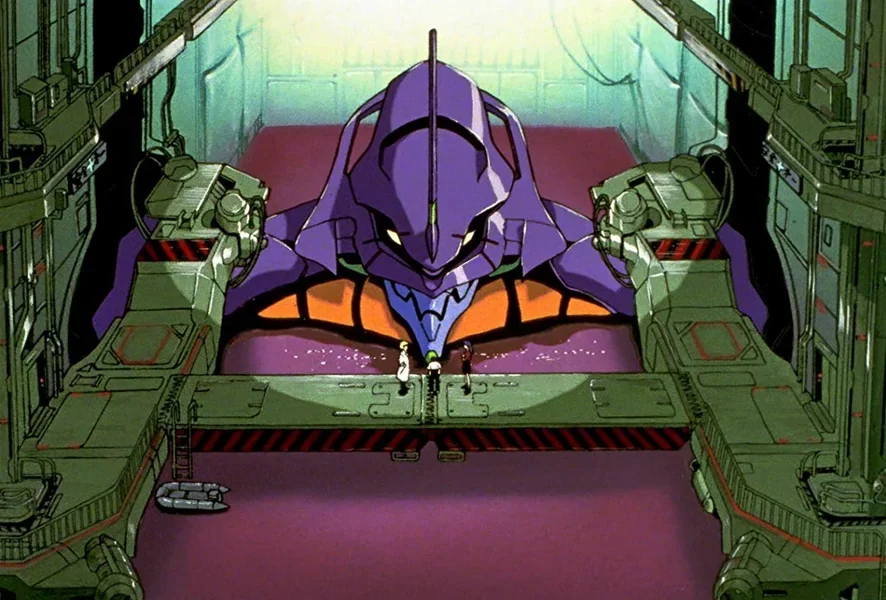
The Evangelions are generally depicted at skyscraper height, but their scale fluctuates depending on the scene and layout. In city battles, an Eva may loom over high-rises in one cut and then stand roughly level with mid-rise rooftops in the next. Runway and carrier scenes also swing between believable and compressed proportions, especially when ground vehicles or aircraft share the frame. These shifts typically stem from background plate reuse and deadline-driven layout adjustments.
The NERV Motto’s Punctuation Problem
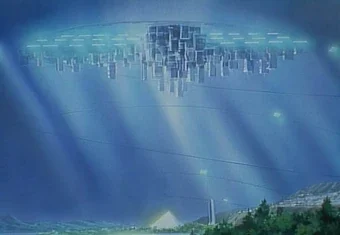
The NERV logo features the motto “God’s in his heaven, all’s right with the world,” yet punctuation, capitalization, and spacing vary across signage, ID cards, and monitors. Some shots show a comma after “heaven,” others swap in a period, and kerning changes subtly between assets. Variants appear on walls, binders, and presentation slides throughout the facility. The differences point to multiple art templates being used rather than a single standardized graphic.
English UI Text and Tactical Map Typos
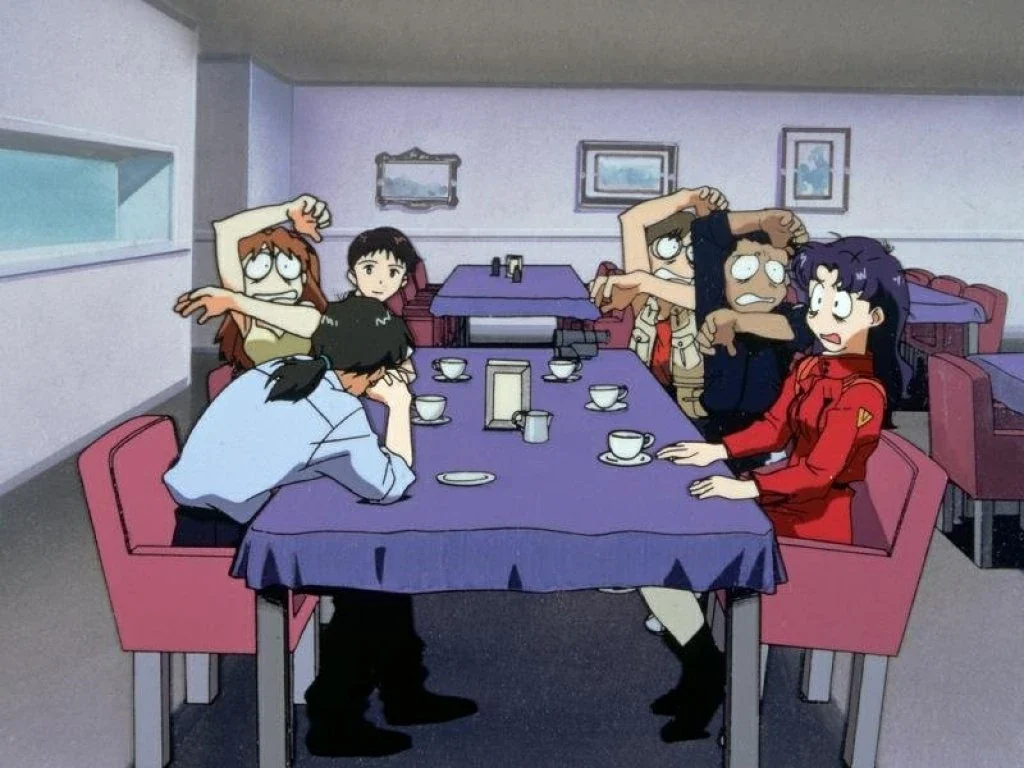
Status screens, HUD overlays, and command-room maps frequently include misspellings and grammar slips. Words like “emergency,” “evacuation,” and technical labels on weapon systems or power readouts sometimes appear with dropped letters or unusual phrasing. These inconsistencies are most visible during alert sequences when the camera lingers on full-frame overlays. They reflect fast-turnaround lettering passes and era-typical limitations in on-screen English proofreading.
LCL Color and Clarity Inconsistencies
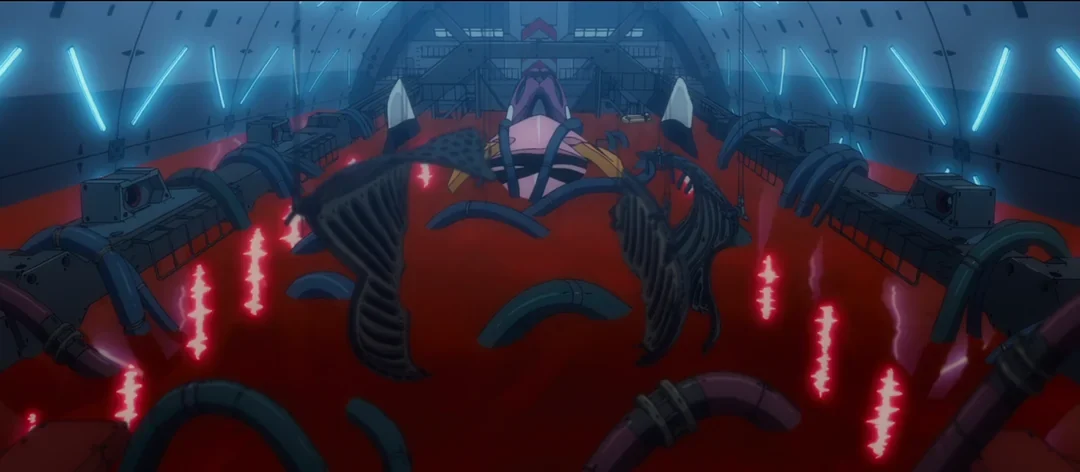
The life-support fluid LCL alternates between vibrant orange, amber, and near-transparent tones across episodes and scenes. Its turbidity also shifts, ranging from misty, opaque depictions to clear views of pilots inside entry plugs. Lighting direction explains some variation, but shots with similar illumination still differ in hue and opacity. The variations align with different compositing approaches and film stock processing between cuts.
Umbilical Cable Length That Doesn’t Add Up
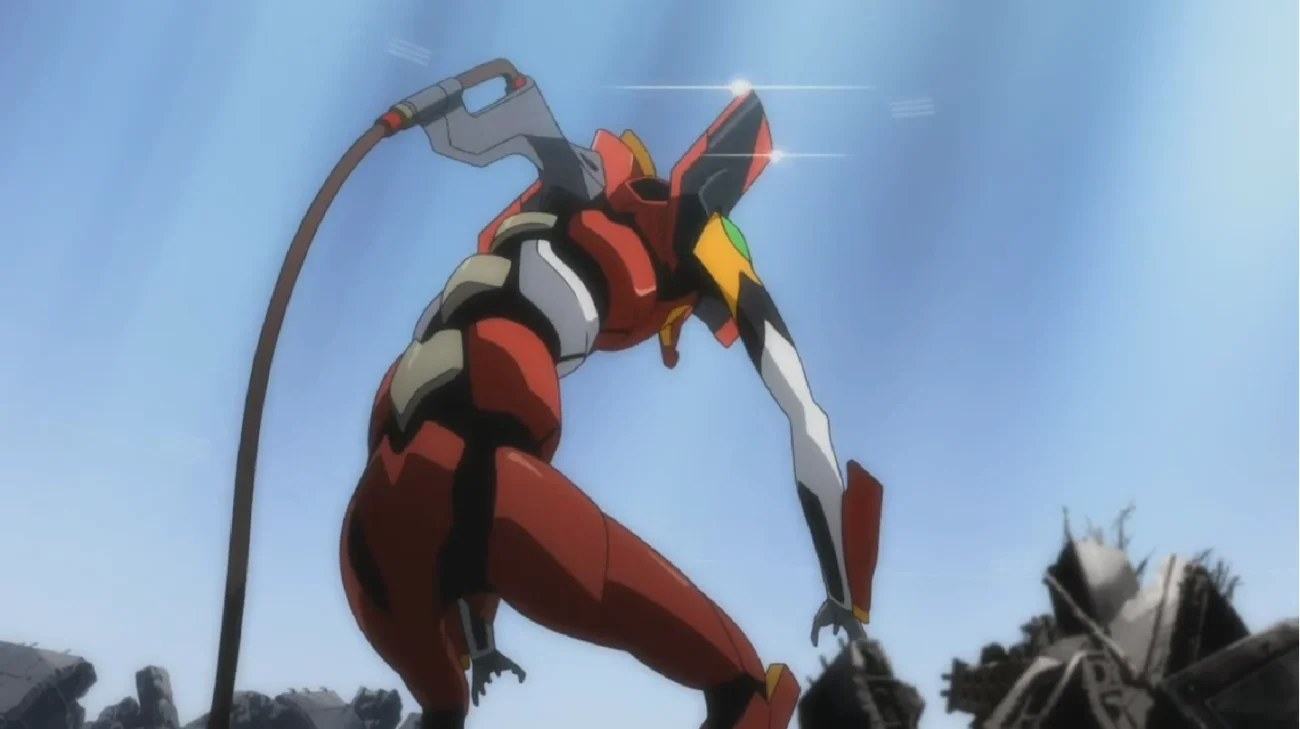
The Evangelions’ external power cables are supposed to severely limit range and mobility, yet the on-screen cable length expands or vanishes depending on camera angle. In several fights the cable appears taut and short, then becomes slack or effectively infinite between edits. Mid-battle repositioning occasionally happens with no visible retract or disconnect. The inconsistency comes from staging priorities that favor dynamic blocking over strict equipment continuity.
Five-Minute Battery Limits That Outlast the Scene
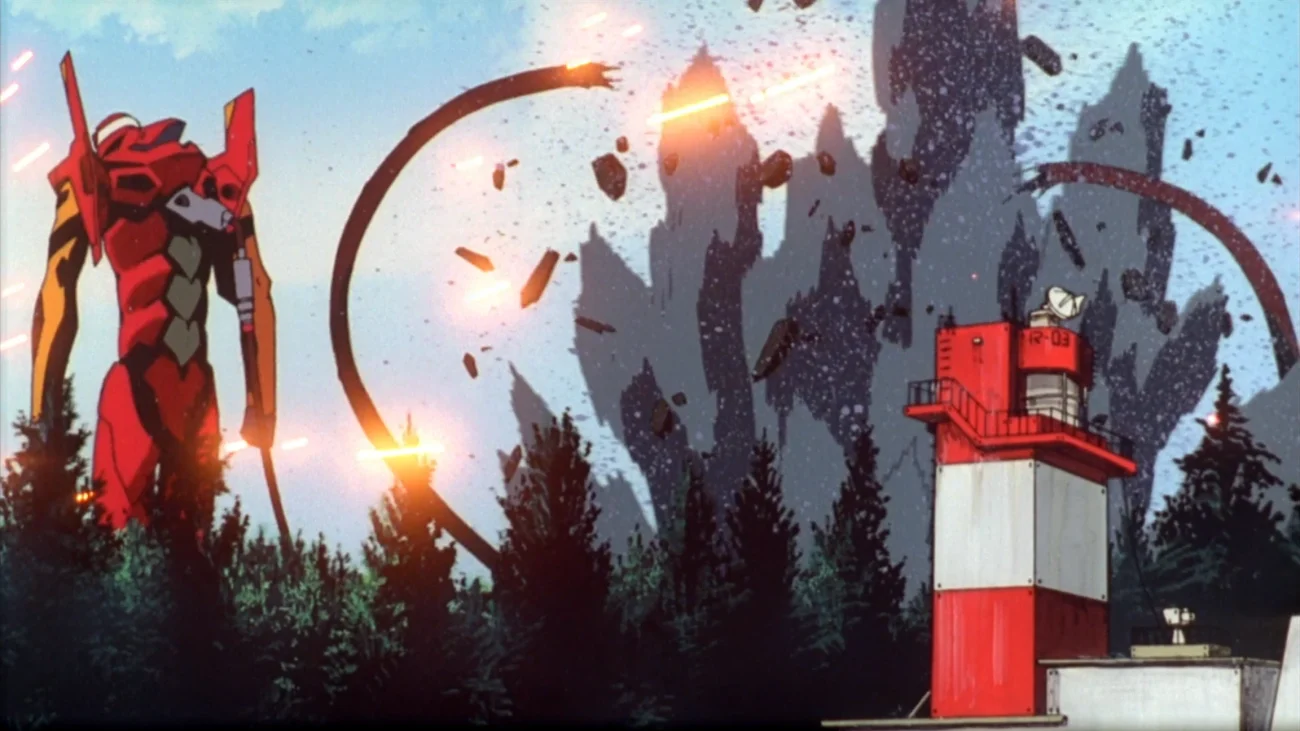
When an Eva operates on internal power, a hard countdown is emphasized, but action often continues longer than the implied window once the cable is pulled. Multi-phase engagements, conversations, and repositioning beats sometimes extend beyond the stated reserve. Inserts of timers are not always synchronized with surrounding cuts, causing mismatched tension cues. This reflects editorial pacing choices overriding exact diegetic timekeeping.
Battle Damage That Heals Between Cuts
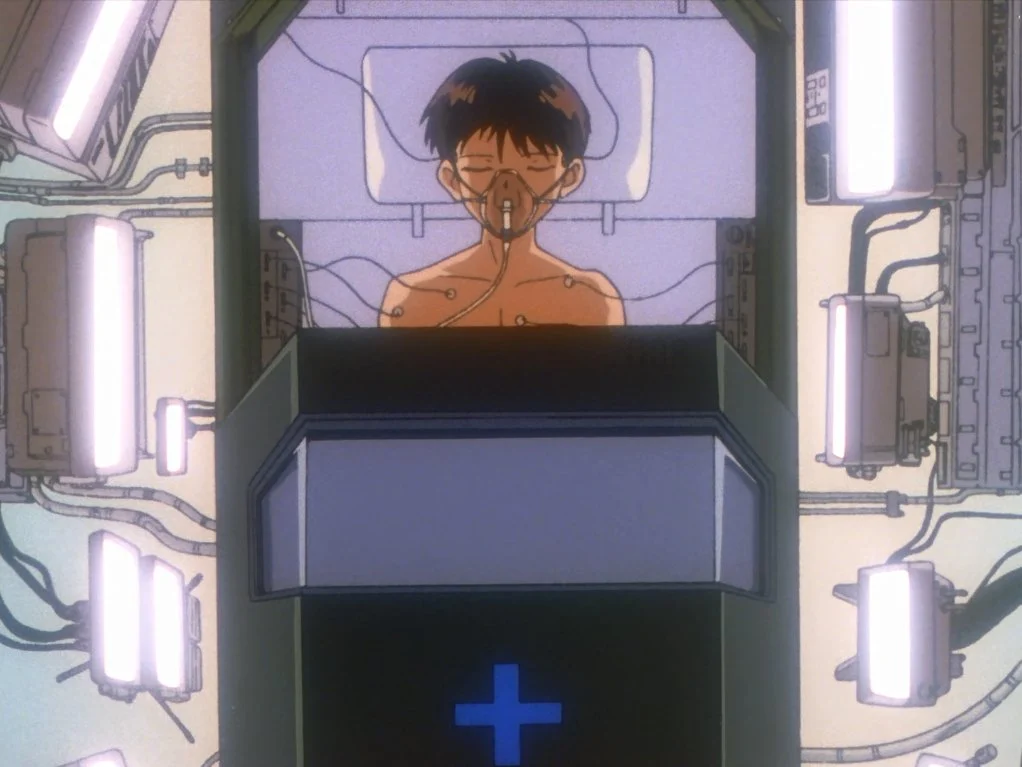
Armor gouges, broken restraints, and missing plates can briefly “reset” or reappear depending on the shot source in hectic sequences. Damage continuity may align within a single cut but then revert when the camera switches to a reused or earlier layout. Blood staining and scorch marks also jump in position or intensity from angle to angle. These resets are typical of productions that interleave revised cels with existing cuts close to broadcast.
Interface Headset and Plug-Suit Detail Drift

Pilot interface clips, suit seams, and indicator lights don’t remain perfectly consistent across scenes. The shape of hair-line sensors, the placement of small suit markings, and the presence of minor decals shift with key animator and correction pass. Close-ups tend to be the most faithful while medium shots show simplified or altered details. The drift is a by-product of multiple animation teams interpreting fine-line model sheets under time pressure.
Tokyo-3 Geography That Rearranges Itself
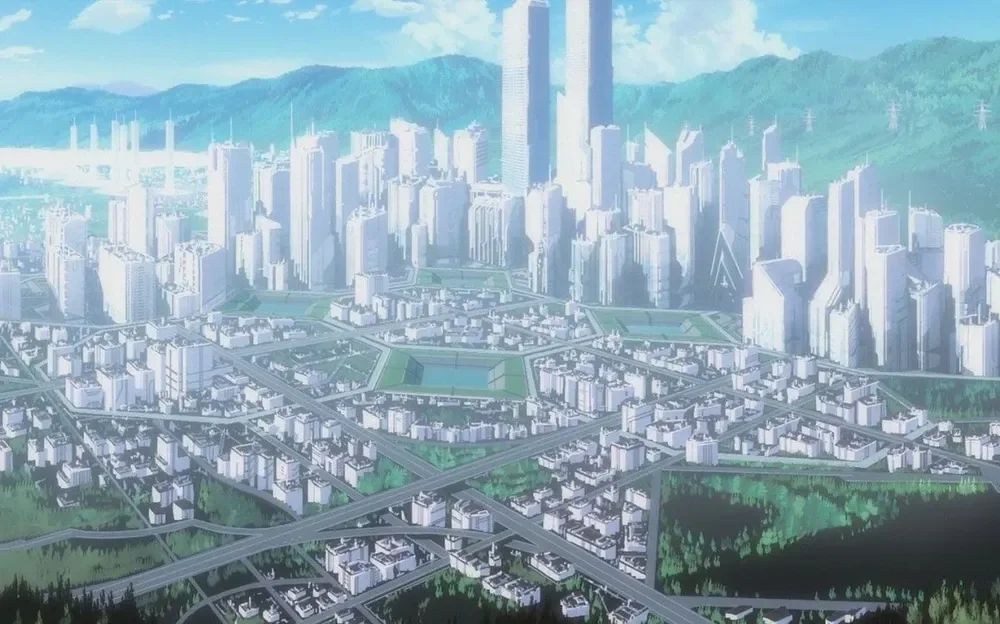
Map cutaways, skyline silhouettes, and transit approaches don’t always line up with prior establishing shots of Tokyo-3. Defensive plates and retractable buildings shift relative positions, and access routes to NERV sometimes change orientation between episodes. Waterfront and mountain backdrops also swap sides in certain composites. The layout fluidity stems from prioritizing dramatic compositions over a fixed city plan.
‘The End of Evangelion’ Continuous-Action Continuity Slips
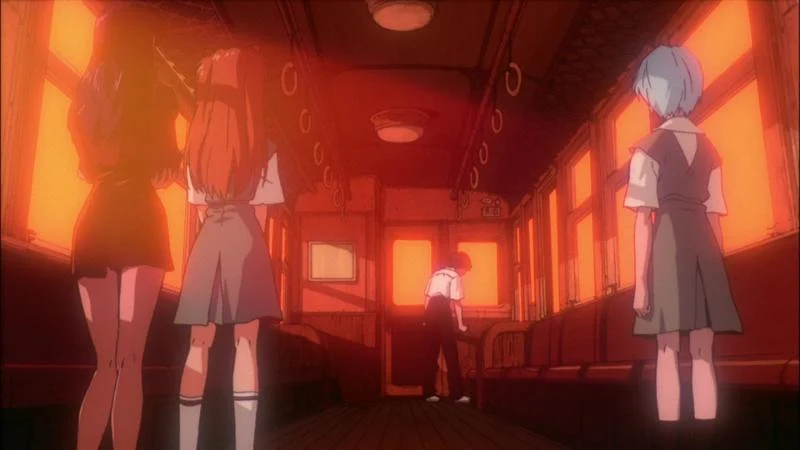
During extended set-piece sequences in ‘The End of Evangelion’, prop positions, weapon magazines, and debris fields occasionally jump between edits. Blood pooling and tracer trajectories can reset or realign after a cut that maintains continuous time. Character placement across multi-camera-style coverage sometimes compresses distances in ways that conflict with earlier blocking. These issues arise from intercutting parallel animation units to sustain momentum over long, complex beats.
Share your favorite Evangelion goofs—and where you spotted them—in the comments!