Netflix ‘Heartland’ Ending Explained: How Misty Jones Finally Finds Her Daughter

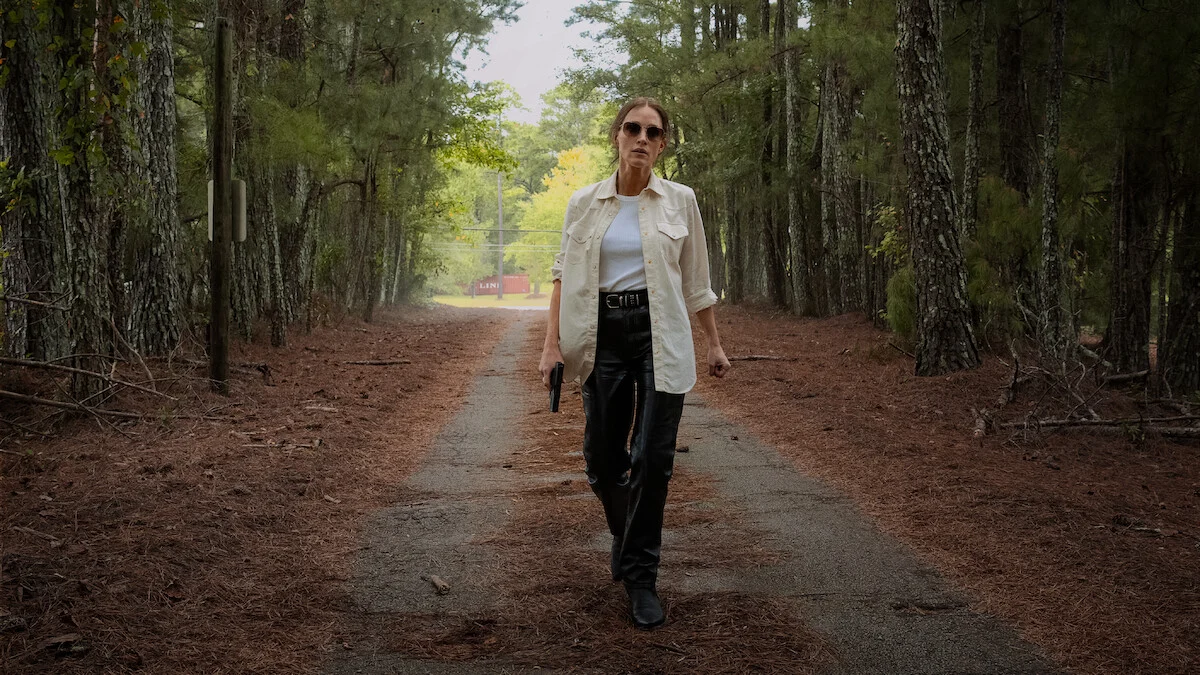
The ‘Heartland’ ending explained comes down to a missing person case that proves far more personal than it first appears. Jessica Chastain plays Misty Jones, a former country star living off the grid, who is asked by her brother to track down his daughter Charlie Heart after Charlie stops taking his calls. What begins as a search for a runaway star becomes a story about family secrets and control.
The Netflix film is written and directed by Shana Feste and also stars Carter Faith, Garrett Hedlund, John Hawkes, Jennifer Nettles and Ross Lynch. The ending of ‘Heartland’ brings several reveals in quick succession, and each one changes how the earlier clues should be read.
What Happened to Charlie Heart
The central twist is that Charlie was never murdered. She faked her own death, framed her stalker and escaped from Roy Combs, the record executive who had groomed her since childhood. Her disappearance was a deliberate act of survival rather than a crime.
Charlie also reveals that she planted bloody clothes and left a note for the police to find, which led the public to believe she was dead. The staged evidence is what turns a missing person report into a murder investigation in the first place.
The film saves one more surprise for Misty herself. Although Misty calls Charlie her niece at the start, she is actually Charlie’s mother. She makes that family secret public on a local talk show to draw attention to the case.
How Misty Jones Uncovers the Truth
Misty’s investigation first points toward the obvious suspect. The police focus on Jared Granger, Charlie’s longtime stalker, and Misty finds a shed in his backyard filled with photos and merchandise, along with a bloody sweatshirt. Before Jared can explain himself, Roy arrives and shoots him, which ends any chance of answers.
Misty senses that the case closes a little too neatly. She notices a note with numbers on it in a bar and realizes the numbers in Charlie’s home were betting odds, which connects them to Roy’s gambling addiction. That realization sends her home, where Charlie is waiting alive.
Charlie then lays out why she vanished. Roy kept compromising photos of her on his laptop as potential blackmail material, and Detective White refused her a restraining order because of his own connections to Roy’s business. With the police compromised, staging her own death was her only way out.
Feste says the reveal was always part of the plan. She wanted to build a romantic lead and then pull the rug out from under the audience, which explains why Roy first appears as a helpful ally.
What Happens to Roy Combs and Misty
Misty enlists an old rival to help her. She leaves Charlie with Winnie Jo Lean and asks her to arrange a surprise show, where Winnie reveals that Misty never punched her years ago and only took the blame to protect her from her abusive ex-husband. The confession recasts a Nashville scandal as an act of loyalty.
While Winnie keeps Roy occupied onstage, Misty goes after the evidence. She finds his laptop at his office, and when Roy tracks her down in the truck that ran her off the road, she shoots out a tire and flips the vehicle. Roy is left to be arrested.
Misty takes a drastic step before the police arrive. She cuts off one of Roy’s fingers to unlock the laptop, which allows Charlie to file a lawsuit alongside his other victims. The violence is brutal, and it is also what gives Charlie a legal path forward.
Misty then faces consequences of her own. She receives a prison sentence, though it is relatively short and she is released.
What the Heartland Ending Means
The final scenes settle into a quieter register. Charlie visits her mother in jail, and after Misty is released she attends Charlie’s performance at Nashville’s Bluebird Cafe, where Charlie sings a song written for the film. Feste says that scene is the first moment the audience hears Faith sing, and the lyrics carry the story of Charlie’s journey.
The ending is hopeful, since Charlie can pursue music without living under Roy’s control and Misty gets another chance to be part of her daughter’s life. The justice here is personal rather than procedural, and it comes through family rather than the police.
The film’s themes reach beyond one family. The story is largely about exploitation and the abuse of power in the entertainment industry. In an interview with Netflix Tudum, Chastain describes the film as a story about women reclaiming authorship of their own lives.
Chastain also hopes Misty lets people back into her life, perhaps writing music with Charlie, rather than staging a grand comeback. Given how Misty spends the film, taking the fall for Roy’s arrest and nearly everything else, do you think a short prison sentence was the right price for protecting Charlie, and did the Bluebird Cafe finale give Misty the ending she deserved?