Netflix’s ‘Chompoo: Lost & Forgotten’ Release Date and Everything to Know About Thailand’s First True Crime Documentary

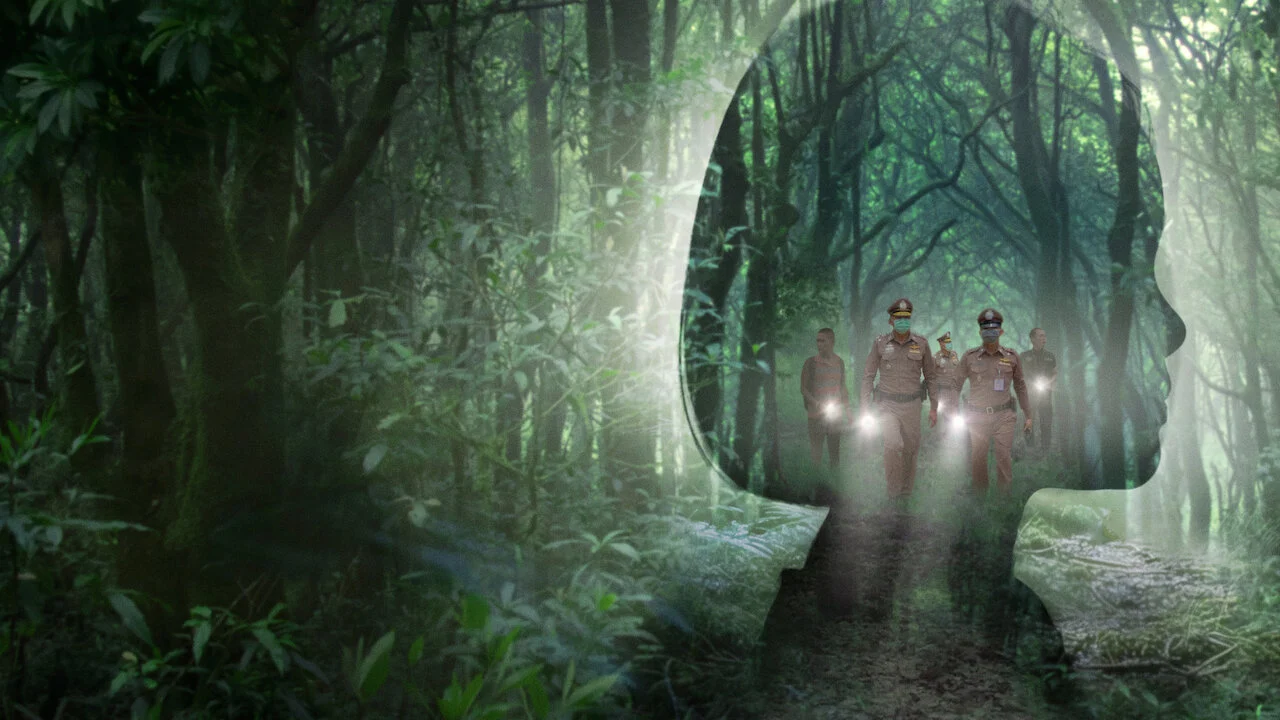

Netflix has confirmed the arrival of its first Thai true crime documentary, and the story behind it has already been generating conversation among fans of the genre. ‘Chompoo: Lost & Forgotten’ revisits a case that dominated headlines in Thailand for years, and the film’s premiere marks a notable step for Netflix Thailand’s originals slate.
The documentary lands on the platform on August 20, 2026, giving subscribers their first real look at a case that turned a rural tragedy into a nationwide media obsession. Here is what audiences should know about the release, the case it covers, and why the film has already caught attention ahead of launch.
‘Chompoo: Lost & Forgotten’ Netflix Release Date
‘Chompoo: Lost & Forgotten’ begins streaming globally on Netflix on August 20, 2026, alongside a lineup of other new titles arriving on the platform that week. The documentary marks Netflix Thailand’s first local true-crime documentary feature, positioning it as a fresh entry point for viewers interested in exploring more international stories. The film carries a TV-14 rating and runs as a standalone documentary feature rather than a limited series.
The project was co-produced with Singapore’s Beach House Pictures and Thai Film Works, and it was first announced as part of Netflix Thailand’s broader 2026 programming slate. According to Netflix Thailand, the country’s entertainment industry has grown rapidly in recent years, and the streamer pointed to the global recognition earned by other Thai titles as part of the reasoning behind expanding into local true crime content.
The film sits alongside a mix of other releases hitting Netflix the same week, including the final season of ‘Outer Banks’ and the Japanese drama series ‘S&X’, giving the documentary a crowded but high visibility release window.
The Real Case Behind ‘Chompoo: Lost and Forgotten’
The documentary takes viewers back to 2020, when three-year-old Orawan, known as Nong Chompoo, vanished from a remote village in Thailand, prompting a large scale police investigation. The disappearance unfolded on May 11, 2020, in Kok Kork village in the Dong Luang district of Mukdahan province in northeastern Thailand, after the girl went missing following breakfast while her parents were away doing chores. Her body was discovered three days later in Phu Pha Yon National Park, and the case immediately triggered an intense media storm.
The story took an unusual turn as the investigation dragged on, with the case triggering a media frenzy in which two television channels covered it like a reality show, providing daily updates for months. That coverage transformed the family’s relative into an unlikely public figure rather than simply a person of interest in an active investigation.
Chaiphol Wipha, the uncle of Nong Chompoo’s mother and a rubber tapper by trade, was one of the last people known to have had contact with her before she disappeared. Public sympathy initially ran in his favor, and he went on to receive donations from supporters that allowed him to build a new house, while also starting a YouTube channel that attracted more than 358,000 subscribers. At one point he became a minor celebrity, hired as a product presenter and even featured in a music video by a well known Isan folk singer.
From Suspect to Celebrity and the Eventual Verdict
Investigators eventually found evidence connecting Chaiphol to the crime, including strands of hair discovered in his pickup truck that had been cut with a sharp blade, with one matching hairs collected near where the girl was found. Forensic teams also found that the girl had not been sexually assaulted, but that her clothes and shoes had been removed and that she had been left to die from lack of food and water.
In December 2023, the Mukdahan Provincial Court convicted Chaiphol on charges of recklessness causing death and depriving a child of parental care, sentencing him to 20 years, while his wife Somporn Lappho was acquitted. That sentence was later increased when the Court of Appeal found him guilty of premeditated murder, child abduction, and concealing a body, raising his total sentence to 26 years.
A detail that has already drawn attention ahead of the film’s premiere is that the documentary includes on screen footage of Chaiphol, believed to have been filmed before the Court of Appeal handed down his final sentence in August 2025. That means the man ultimately convicted of the crime appears in the documentary itself, seemingly recorded during the period when he was still publicly maintaining his innocence.
What the Documentary Explores About Media and True Crime
Netflix described the film’s core question as an examination of how a criminal investigation became a cultural spectacle and what forces propelled that transformation. The documentary also features Trynh Phoraksa, a criminologist specializing in psychology and criminal behavior, who offers expert context throughout the film.
Rather than functioning purely as a whodunit, the documentary leans into questions about how public sympathy, television ratings, and social media fame intersected with an active criminal case. That angle sets ‘Chompoo: Lost & Forgotten’ apart from many true crime documentaries that focus narrowly on the crime itself rather than the media ecosystem surrounding it.
The television stations that covered the case in real time have themselves faced criticism for trivializing the crime in pursuit of viewer ratings and for potentially interfering with the course of the investigation. That criticism forms part of the backdrop the documentary is expected to unpack, given how directly it engages with the role media coverage played in shaping public opinion before the truth was established.
For a streamer expanding its footprint in Southeast Asian originals, ‘Chompoo: Lost & Forgotten’ represents a significant swing into true crime territory built entirely around a domestic story with international resonance. Viewers who remember the case as it unfolded in real time, and those discovering it for the first time through the documentary, will likely find plenty to discuss once they see how the film frames Uncle Phol’s strange rise and fall.