Netflix’s ‘Idaho Murders: College Nightmare’ Digs Into Bryan Kohberger’s Past, But The Motive Still Isn’t Clear

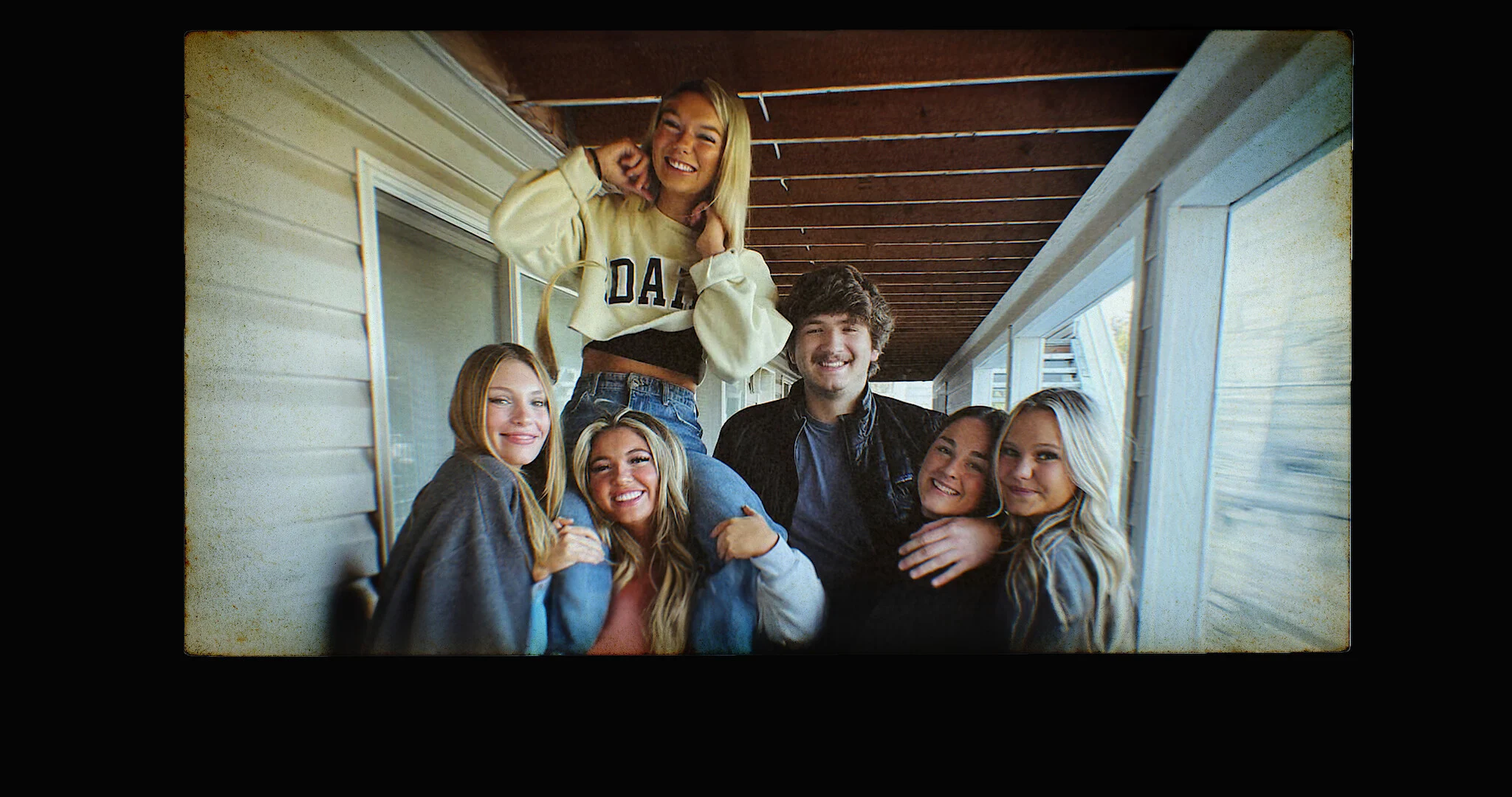

Netflix’s new true crime docuseries about the murders of four University of Idaho students has reignited public interest in the case, even as the documentary itself stops short of naming a definitive motive for Bryan Kohberger’s actions. The three part series, titled ‘The Idaho Murders: College Nightmare,’ arrived on the streamer on July 29 and traces the investigation from the November 2022 killings through Kohberger’s eventual guilty plea.
Rather than centering the perpetrator, the filmmakers built the project around the four victims, Madison Mogen, Kaylee Goncalves, Xana Kernodle, and Ethan Chapin, using new access to police footage and family interviews to fill in a fuller picture of who they were before their deaths.
Bryan Kohberger’s Motive Remains Officially Unconfirmed
Authorities have not uncovered a confirmed motive for Kohberger, who pleaded guilty to the November 2022 murders of Kaylee Goncalves, Madison Mogen, Xana Kernodle and Ethan Chapin and is now serving four consecutive life sentences. The documentary does not claim to solve that mystery, instead using interviews with law enforcement and forensic experts to sketch out patterns in Kohberger’s behavior leading up to the crime.
Filmmakers described him in the three part series as a troubled criminology student, drawing on details like his sparse digital footprint. Digital forensic experts from Cellebrite, the firm the FBI brought in to assist the investigation, noted that Kohberger’s seized phone contained only 18 contacts, which one expert called an unusually low number for someone living a normal life.
The series also points to Kohberger’s interactions with women during his time as a PhD student in criminology at Washington State University, a short drive from the University of Idaho campus, including an account from a female student who said he followed her to her car and spoke to her in a manner that made her uncomfortable. The documentary additionally highlights a questionnaire Kohberger reportedly posted on Reddit under the guise of a research project, asking formerly incarcerated people how they selected and approached victims.
Slate’s review of the series was blunt about the limits of that material, noting that viewers will not come away with a clearer understanding of why Kohberger may have killed four people, even after sitting through all three episodes. That absence of a clean explanation is treated by the filmmakers less as a gap and more as an honest reflection of where the case actually stands.
How The University of Idaho Murders Case Was Solved
The case went cold for weeks after the murders before DNA evidence recovered from a knife sheath at the scene pointed investigators toward Kohberger. Investigators used DNA analysis from that sheath along with investigative genetic genealogy to match the sample to trash collected from the Kohberger family home in Pennsylvania.
Cell phone data further tied him to the crime, showing that Kohberger had made repeated trips to the area near the King Road house during late night hours, and that his phone was active and moving during the early morning hours when the murders took place. He was taken into custody in Monroe County, Pennsylvania, more than a month after the bodies were discovered, and was extradited back to Idaho in early January 2023.
Investigators later matched DNA collected from a Q Tip found at his parents’ home to the material recovered from the knife sheath at the crime scene, according to the Associated Press. That forensic connection became the central piece of evidence prosecutors relied on as the case moved toward its resolution.
Inside The Making Of The Netflix Documentary
‘The Idaho Murders: College Nightmare’ benefited from video footage pulled from bodycams, Ring cameras, and law enforcement interviews that only became accessible once a gag order tied to the case was lifted following Kohberger’s plea. Director Skye Borgman told TODAY that Kohberger’s name is not mentioned until well into the series, when police first announce they have a suspect in custody, a choice she made to keep the focus on the victims rather than their killer.
“From the beginning I wanted it to be victim-forward,” Borgman explained to TODAY, adding that the team tried to limit how often images of Kohberger appeared and how often his name was spoken, in keeping with the wishes of the families, who have said they will never speak his name.
Joe Berlinger, who directed the series alongside Borgman, said the case struck a personal nerve as a father of two daughters who had positive college experiences of their own, and described the project as the definitive account of the case built on unprecedented access to family members and forensic material. Netflix is not the first streamer to tackle the story. Peacock released ‘The Idaho Student Murders’ and Amazon Prime released the four part series ‘One Night in Idaho: The College Murders’ within weeks of each other the previous summer, with the Amazon project later greenlit for a second season.
Bryan Kohberger’s Push To Withdraw His Guilty Plea
In July 2025, a judge sentenced Kohberger to life in prison after he pleaded guilty to stabbing the four students to death, and roughly a year later he told the New York Times by phone from prison that he had filed a petition challenging his conviction, arguing that he is innocent and did not mean to confess to the killings. He told the outlet that a lot went wrong during his plea discussions and that he wants that argument to be heard.
Kohberger was formally sentenced on July 23, 2025, to four consecutive life terms without the possibility of parole, plus an additional 10 years for burglary. He is currently held at the Idaho Maximum Security Institution in Kuna, in a restrictive housing unit where he is confined to his cell 23 hours a day, and reportedly filed a request last summer to be transferred over safety concerns, though no transfer has taken place.
Legal experts note that it is especially rare for a postconviction plea withdrawal like his to succeed, though the filing has added another unexpected turn to a case that has remained a fixture of true crime coverage for years. One of the more striking moments in the series comes from a family member’s statement directed at Kohberger himself, refusing to give him the emotional reaction he may have wanted. “Disappointments like you thrive on pain, on fear, and on the illusion of power, and I won’t feed your beast,” the family member said.
With Kohberger’s bid to withdraw his plea still working through the courts and the documentary framing his motive as an open question rather than a solved one, readers who followed the case are likely to have their own theories about what the series left unresolved, and this feels like the right moment to weigh in on whether ‘The Idaho Murders: College Nightmare’ answered the questions you had going in.