Netflix’s ‘Plastic Beauty’ Isn’t Based on a True Story, But the Research Behind It Runs Deep

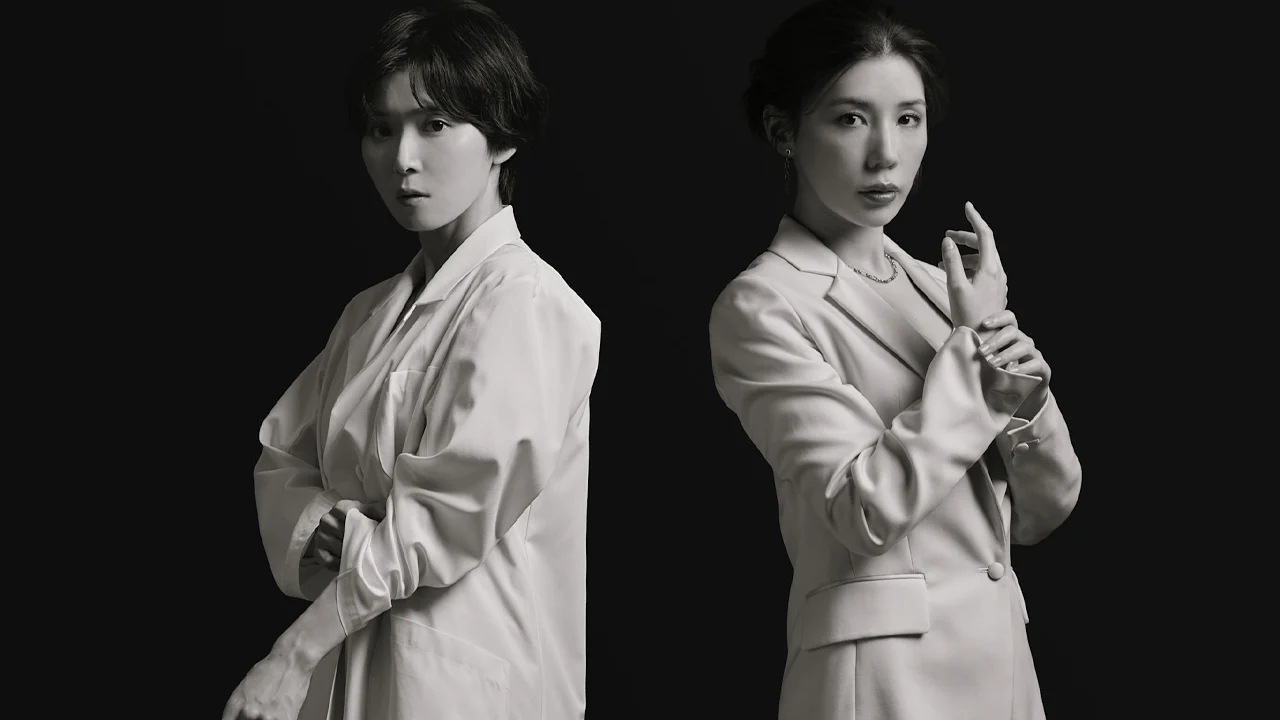

Netflix’s new Japanese drama ‘Plastic Beauty’ has drawn attention for the way it dramatizes the world of cosmetic surgery, prompting many viewers to wonder whether the story is pulled from real events. The answer is more nuanced than a simple yes or no, and it says a lot about how the series was built from the ground up.
‘Plastic Beauty’ is an original Japanese drama and not an adaptation of any named real case. That distinction matters, because the show still leans heavily on real world context to shape its characters and conflicts.
What ‘Plastic Beauty’ Is Actually Based On
Rather than adapting a book, manga, or a specific true story, Netflix Japan built ‘Plastic Beauty’ around an original screenplay by Junya Ikegami, known for ‘The Blood of Wolves’. The series comes from a creative team that wanted to explore an industry rather than retell a single person’s experience.
Director Yuki Saito, previously behind ‘Unmet: A Neurosurgeon’s Diary,’ and producer Shinichi Kudo, along with Harue Miyake of ‘Tokyo Swindlers’ and Katsuhito Motegi of ‘The Queen of Villains,’ conducted extensive research into Japan’s modern cosmetic surgery industry to craft the story. That research process is really the foundation the show is based on, even if no single patient or clinic inspired the plot directly.
Netflix and the creative team spent months researching that world firsthand, and it shows in how honestly the series treats both the glamour and the fallout. That research even extended into the makeup department, where special effects artist Amazing JIRO led a team that crafted a distinct before, downtime, and after progression for every patient character featured across the cast.
The Cosmetic Surgery Industry Setting
The show unfolds against a very specific cultural backdrop. The series unfolds against Japan’s ongoing debate over beauty standards, a culture increasingly open to diversity in appearance, yet still fueling one of its fastest growing industries in cosmetic surgery.
That tension is not treated as a backdrop for shock value. Rather than glorifying cosmetic surgery, the series focuses on the emotional struggles that lie in the space between what can be changed and what cannot. Producer Harue Miyake has spoken directly to that framing, noting that plastic surgery is no longer a rare choice and that the possibility of becoming more beautiful can be both empowering and imprisoning.
The trailer material backs this up with a range of patient stories rather than one clean narrative. The footage moves through several patients rather than presenting cosmetic surgery as one simple success story, including a child content creator who wants more attention online, a patient who says she is bored with her face, a woman already dependent on surgery who keeps making detailed requests, and a bedridden patient who sees one last procedure as her chance to feel beautiful again.
Cast and Characters Driving the Story
At the center of the series are two doctors with opposing philosophies. Fumi Numata, played by Mayu Matsuoka, is a surgeon in the plastic and reconstructive surgery field who is gifted at her job and focused on saving lives, but circumstances force her to switch into cosmetic surgery. That places her at odds with Rin Tohyama, played by Riisa Naka, a famous cosmetic surgeon who believes in saving lives by achieving beauty.
Their professional clash becomes the engine of the plot. Fumi takes a job at Rin’s clinic planning to expose its darker side, and their standoff drives the series, with the story more interested in what pushes people toward transformation than in the surgeries themselves. Matsuoka, known for ‘Shoplifters,’ plays a doctor whose principles are tested once she enters a profession with its own rules, while Naka, known for ‘Alice in Borderland,’ plays the clinic’s public face and its most committed defender against Fumi’s efforts.
The two leads are joined by a large supporting ensemble. Netflix released the series’ teaser trailer alongside 23 additional cast members joining leads Mayu Matsuoka and Riisa Naka, filling out the world of patients and colleagues that surround the central rivalry.
Release Date and What to Expect
‘Plastic Beauty’ has a confirmed arrival window that fans can now plan around. The series will premiere September 17, as Netflix announced alongside the additional cast members joining stars Mayu Matsuoka and Riisa Naka. Netflix lists the series as a TV-MA Japanese drama, and the service has released both a teaser and a two minute fourteen second main trailer, though there is no episode count or release time detail on the official title page yet.
The series arrives as part of a broader pattern in Netflix’s Japanese originals. ‘Plastic Beauty’ follows Netflix’s earlier dives into hidden corners of society, from the adult film industry in ‘The Naked Director’ to real estate scams in ‘Tokyo Swindlers’, suggesting the streamer is treating the cosmetic surgery world with the same investigative curiosity it has applied to other closed off industries.
For viewers drawn in by the trailer’s mix of ambition, insecurity, and medical ethics, the show’s grounding in real research rather than a single true story may end up being its strongest asset once episodes start rolling out. With Fumi and Rin’s clash over what beauty is really worth set to play out on screen this September, how do you think their rivalry will hold up once patients start choosing sides.