Netflix’s ‘The Trap’ Ending Explained: Who Killed Anna and What Lisa’s Role Means


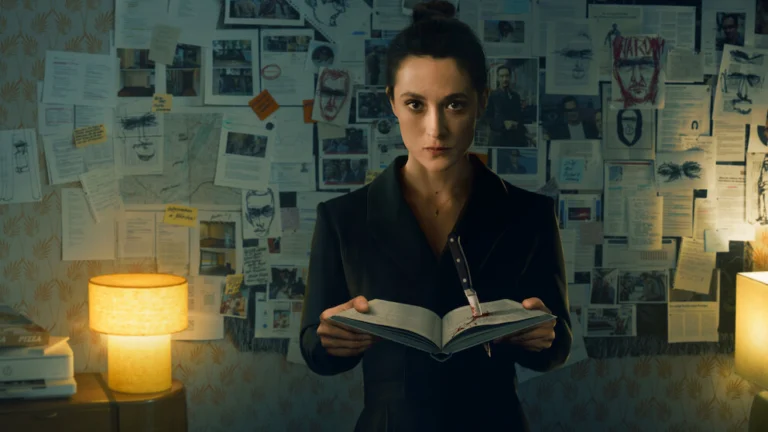
The ending of ‘The Trap’ resolves the question that has driven Lisa Konrad for nearly ten years, yet it leaves her own part in the story uncomfortably open. Lisa is an author who has not left her house in nearly ten years, ever since she witnessed the murder of her sister Anna, and she sets out to trap the killer using herself as bait. Netflix made all six episodes of the German series available on October 13.
The limited series is a psychological mystery thriller written and directed by Isabel Kleefeld, based on Melanie Raabe’s novel. What follows looks at what the finale reveals, how the confrontation in Lisa’s home unfolds, and how reviewers have responded to the final turn.
Who Killed Anna in the Final Episode
Throughout the six episodes, Lisa is convinced that journalist Robert Lenzen is responsible for her sister’s murder, because she caught a glimpse of him when she found Anna. The finale confirms that her suspicion was aimed at the right man. Robert killed Anna after she threatened to expose their affair.
Lisa arrived at the apartment while he was still there, and he had to run, but not before she saw his face. That brief look is what sets everything in motion years later. Lisa sees the man on live television and he turns out to be Robert Lenzen, a well respected and award winning reporter.
Lisa’s plan grows out of that moment of recognition. She decides to write a book about her sister’s murder and then invite Lenzen to her home for an exclusive interview, knowing a reclusive author rarely grants one.
Lisa Konrad and the Question of Her Own Guilt
The most consequential reveal in the finale concerns Lisa herself. Robert tells her that he stabbed Anna only six times, which means the other two wounds must have come from Lisa, who delivered the killing blow. The detail reframes the decade she spent avoiding the outside world.
Reviewers have noted how that turn recasts the protagonist. The ending shows that Lisa, though set on vengeance, was not as innocent as she wanted to be portrayed. According The Review Geek, the implication that Lisa is not wholly innocent is a reasonably decent twist, and her therapist already believed her memories had been distorted.
The relationship between the sisters adds weight to that reading. The two were highly competitive, Anna often manipulated Lisa emotionally, and she was visibly jealous when Lisa found success as an author. The history helps explain why the truth of that night proved so difficult for Lisa to face.
Robert Lenzen and How the Interview Turns
Lisa prepares carefully for the confrontation. Her book reconstructs the murder in detail that no one outside the case should know, and she offers Lenzen an interview with an author who never gives them. She also plans to use physical training and interrogation tactics, and the line between imagination and reality blurs as her preparations deepen.
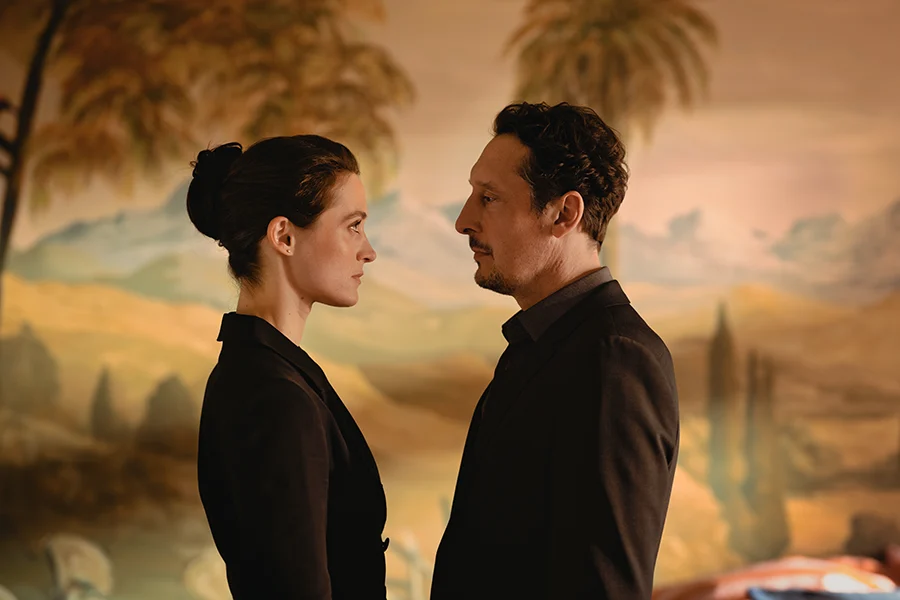
The balance of power does not hold. Lisa believes she has complete control over the interview, but she has stepped into her own trap, and Robert uses the situation to his advantage. The title therefore applies to both of them, since the scheme meant to expose a killer also exposes what Lisa has avoided remembering.
The closing moments turn violent. After hearing his account, Lisa rushes outside, but Robert grabs the gun and shoots her. Robert is also described as choosing to die on his own terms rather than spend the rest of his life in prison, while the investigator Leon records his conversation with Lisa.
Critics Weigh In on the ‘The Trap’ Finale
Critical reception of the ending has been mixed. One review gave the series three out of five stars and noted that reviewers criticized the final revelation for not fully matching the tension built earlier. The same review credits Friederike Becht with giving the story its emotional center.
Another critic called the ending disappointing, since the finale answers every question after many episodes spent wondering whether Lisa is telling the truth. The Review Geek made a similar point, describing the ending as clichéd and Robert as the most obvious solution, while saying that many surrounding questions are never fully explained.
Those objections sit alongside the twist about Lisa’s own blow, which gives the finale its real surprise. Whether Robert was the killer was never the harder question, and whether Lisa can live with what she did to Anna is where the story ends up. Did the revelation about Lisa’s two wounds change how you read her years of isolation, or did you already suspect her memories of that night could not be trusted?