

Next-Gen Features That Were Just Marketing Gimmicks




The video game industry frequently pushes new hardware capabilities with flashy features that promise to redefine the medium. Developers and publishers often highlight these technical innovations during promotional campaigns to drive pre-orders and console sales. While some advancements genuinely move the industry forward, many turn out to be superficial additions that vanish in subsequent sequels. These features often serve as tech demos rather than meaningful gameplay mechanics.
‘Crackdown 3’ (2019) – Cloud-Based Destruction
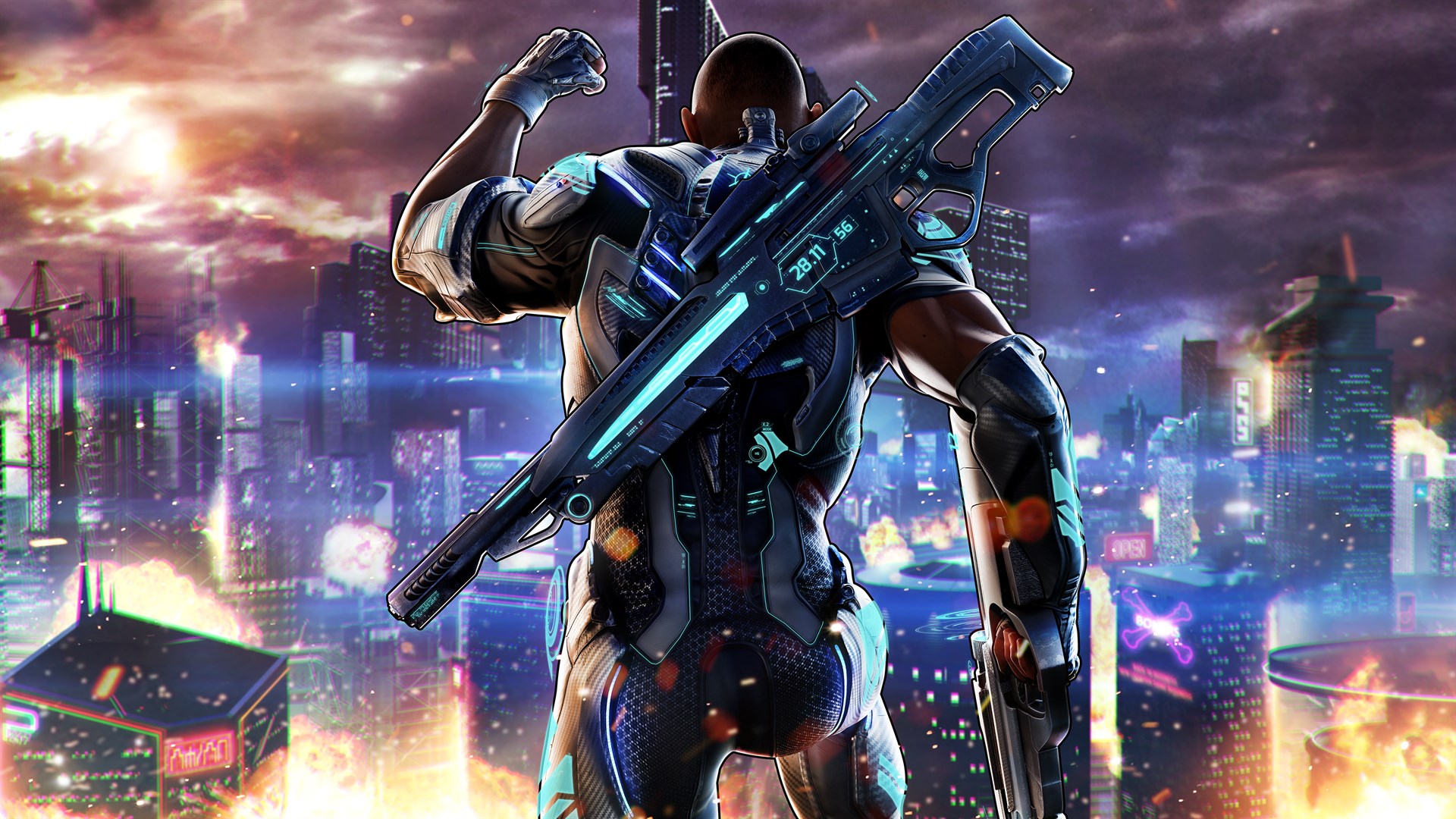
Microsoft Studios promised that this open-world action game would revolutionize gaming with fully destructible environments powered by cloud computing. The final release significantly scaled back this feature and limited it to a lackluster multiplayer mode with simple geometry destruction. Sumo Digital developed the title but struggled to implement the complex cloud-based physics that were originally showcased in early tech demos. Players found the destruction impressive only in isolation rather than being a core gameplay mechanic that enhanced the experience.
‘Call of Duty: Ghosts’ (2013) – Intelligent Fish AI

Activision and Infinity Ward marketed the next-generation engine of this shooter by strangely highlighting fish that moved out of the way when players swam near them. This specific detail became a widely mocked example of the diminishing returns regarding graphical fidelity during that console transition. The developers intended to show off dynamic environments but focused on a trivial detail that added nothing to the tactical gameplay loop. The campaign remained a standard linear shooter experience despite the claims of an immersive underwater ecosystem.
‘SimCity’ (2013) – Cloud Computing Necessity

Electronic Arts claimed that the complex simulation of this city builder required constant internet connectivity to offload calculations to the cloud. Maxis designed the game with this always-online requirement that resulted in a disastrous launch filled with server crashes and lockouts. Modders eventually proved that the game could run offline on standard PCs without significant performance issues. The publisher later removed the requirement after admitting the simulation could indeed be handled locally by the user hardware.
‘L.A. Noire’ (2011) – MotionScan Technology

Rockstar Games published this detective thriller that utilized MotionScan technology to capture every facial nuance of its actors using thirty-two cameras. Team Bondi bet the entire gameplay loop on players analyzing these hyper-realistic faces to detect lies during interrogations. The technology produced uncanny results where characters bodies felt disconnected from their floating high-fidelity heads. This expensive capture method prevented the developers from making necessary changes to the script or scenes later in development.
‘Ryse: Son of Rome’ (2013) – Kinect Combat Integration

Microsoft positioned this title as a flagship release that would seamlessly integrate controller inputs with Kinect motion gestures. Crytek initially designed the game as a dedicated Kinect title before shifting it to a standard third-person brawler to ensure playability. The final game included optional voice commands and physical gestures that felt forced rather than immersive during battle sequences. Most players ignored the motion features entirely in favor of the traditional button-mashing combat system.
‘Battlefield 4’ (2013) – Levolution

Electronic Arts and DICE introduced the term Levolution to describe dynamic map-changing events in their multiplayer shooter. These scripted sequences allowed players to topple skyscrapers or flood streets to drastically alter the flow of matches. The novelty wore off quickly as players realized the events played out exactly the same way every time they were triggered. It became a repetitive mechanic that felt more like a theatrical set piece than a dynamic tactical variable.
‘The Order: 1886’ (2015) – Cinematic Letterboxing

Sony Computer Entertainment marketed this shooter as a seamless cinematic experience with no visual distinction between gameplay and cutscenes. Developer Ready at Dawn utilized a widescreen aspect ratio with black bars at the top and bottom to mimic film lenses. Gamers criticized this artistic choice for limiting the field of view and reducing the visible screen real estate during combat. The visual fidelity was high but the restrictive framing made the gameplay feel claustrophobic and limited.
‘Fable’ (2004) – Real-Time Tree Growth

Lionhead Studios and designer Peter Molyneux famously claimed that acorns in this RPG would eventually grow into full trees over real time. This promise of a living and breathing world was a core pillar of the pre-release marketing campaign for the Xbox exclusive. The released game contained no such mechanic and trees remained static objects throughout the adventure. This specific unfulfilled promise became a historical symbol of overambitious marketing in the video game industry.
‘Watch Dogs’ (2014) – E3 Graphics Setting

Ubisoft unveiled this open-world hacker title with a spectacular E3 demo featuring advanced lighting and density that defined next-generation expectations. The retail version developed by Ubisoft Montreal arrived with significantly downgraded visuals and atmospheric effects compared to the reveal. Modders later discovered that many of the high-quality graphical assets were hidden within the PC game files but disabled by default. The controversy highlighted the disparity between vertical slice marketing demos and final console optimization realities.
‘Heavy Rain’ (2010) – Sixaxis Motion Controls

Quantic Dream incorporated specific motion controls into this narrative adventure to utilize the Sixaxis functionality of the PlayStation 3 controller. Players had to physically shake the controller to perform mundane actions like brushing teeth or drying off with a towel. Sony Computer Entertainment pushed these features to justify the inclusion of motion sensors in their standard gamepad hardware. The motion inputs often felt unresponsive and broke the immersion of the otherwise serious narrative.
‘Mass Effect 3’ (2012) – Kinect Voice Commands

BioWare implemented voice recognition features for this sci-fi RPG that allowed players to shout commands at squad members. Electronic Arts marketed this as a way to streamline combat and dialogue choices without breaking the action flow with menus. The system frequently misinterpreted commands or failed to register them during loud combat sequences. Players generally found navigating the command wheel with a controller to be faster and more reliable than speaking to the television.
‘Brink’ (2011) – S.M.A.R.T. System

Bethesda Softworks published this shooter with a heavy emphasis on its Smooth Movement Across Random Terrain system. Splash Damage designed this parkour mechanic to allow players to automatically vault over obstacles by holding a single button. The marketing suggested this would revolutionize first-person shooter mobility and verticality in competitive play. The actual gameplay felt floaty and the automated nature of the movement removed the skill ceiling found in other shooters.
‘Dead Rising 3’ (2013) – SmartGlass Integration

Capcom Vancouver developed this zombie survival game with exclusive features for the Xbox SmartGlass companion app. Microsoft marketed this second-screen experience as a way to call in airstrikes or access exclusive missions via a tablet or smartphone. The requirement to look away from the main screen to interact with a mobile device disrupted the gameplay rhythm. Support for the app eventually ceased and rendered those specific in-game features inaccessible to future players.
‘Knack’ (2013) – Social Part Sharing

Sony Computer Entertainment launched the PlayStation 4 with this platformer to showcase the particle processing power of the new console. The game featured a social mechanic where friends could exchange relic parts found in chests to help complete collections. Japan Studio designed this system to encourage community interaction but it felt tacked on to a mediocre experience. The feature added no depth to the gameplay and served only as a bullet point for network connectivity.
‘Killzone: Shadow Fall’ (2013) – Touchpad Drone Controls

Guerrilla Games utilized the new DualShock 4 touchpad in this shooter to control a support drone called the OWL. Sony needed launch titles to demonstrate the utility of the touchpad beyond it acting as a giant button. Swiping in different directions to change drone modes felt less intuitive than a simple radial menu or button press. The mechanic felt like a mandatory inclusion to justify the new hardware design rather than a gameplay innovation.
‘Fallout 4’ (2015) – Second Screen Pip-Boy

Bethesda Game Studios released a collector edition of this RPG that included a plastic wrist mount for a smartphone. The accompanying app allowed players to manage their inventory and view the map in real time on their phone screen. Navigating menus on a small touch screen proved far more cumbersome than using the in-game interface. Most players abandoned the second-screen novelty quickly due to battery drain and the inconvenience of looking down constantly.
‘The Elder Scrolls V: Skyrim’ (2011) – Kinect Dragon Shouts

Bethesda Softworks updated this massive RPG to support Kinect voice commands for the famous Dragon Shouts. Players could yell actual dragon language words at their screen to activate magic powers in the game. The novelty of shouting Fus Ro Dah quickly faded when the recognition latency caused delays in critical combat moments. The feature was a marketing attempt to extend the life of the game and the peripheral rather than improve the experience.
‘Gran Turismo 5’ (2010) – Face Tracking

Polyphony Digital included a feature in this racing simulator that used the PlayStation Eye camera to track the head movements of the player. Sony hoped this would allow drivers to look into corners naturally by physically turning their heads in the living room. The system suffered from significant lag and often lost track of the player if the lighting conditions were not perfect. It was a primitive precursor to VR that failed to provide a comfortable or competitive driving advantage.
‘Tom Clancy’s H.A.W.X’ (2009) – Voice Command Aviation

Ubisoft marketed this flight combat game with a feature that allowed players to fire missiles and release flares using voice commands. The arcade flight simulator attempted to simulate the feeling of a pilot communicating with onboard systems via a headset. The technology was inconsistent and often resulted in weapons not firing or flares deploying at the wrong time. Players realized that mapping these critical actions to buttons was infinitely more precise than relying on voice recognition.
‘1-2-Switch’ (2017) – HD Rumble Ice Cubes

Nintendo launched the Switch with a collection of minigames designed specifically to show off the HD Rumble capabilities of the Joy-Con. The marketing focused heavily on a game where players had to guess how many virtual ice cubes were shaking inside the controller. While the haptic feedback was impressive tech it served no purpose in substantial games beyond this tech demo. Most third-party developers ignored the intricate vibration features in favor of standard rumble implementation.
Let us know which of these features you actually tried using or if we missed any major flops in the comments.