Nolan’s ‘The Odyssey’ Backlash Missed What Scholars Actually Wanted to Talk About

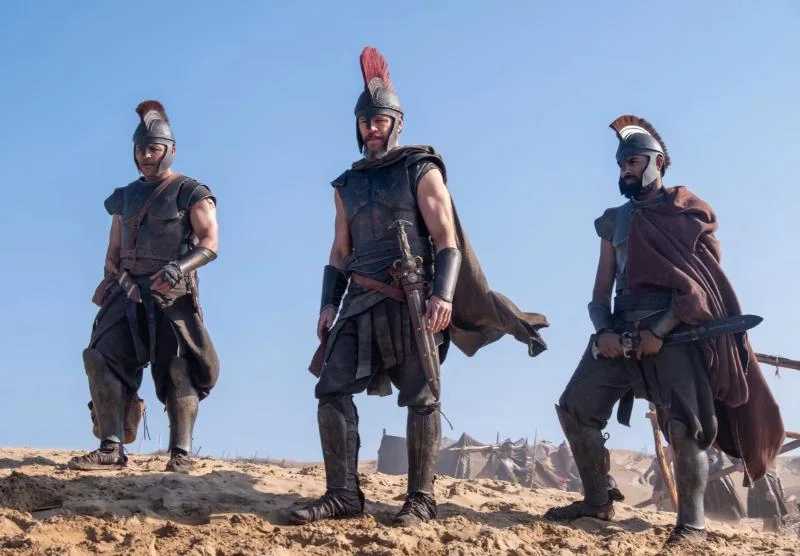

Christopher Nolan’s ‘The Odyssey’ arrived in theaters this month carrying the kind of expectations usually reserved for comic book franchises, not three-thousand-year-old Greek poetry. The film pulled in 17.6 million dollars during Thursday preview screenings alone, outpacing the previous record holder for live-action releases this year. It went on to post a 95 percent critics score and a 97 percent audience score on Rotten Tomatoes, along with an A grade on CinemaScore, numbers that put it in rare company even for a director who rarely misses.
Long before any of that box office data came in, though, the conversation online had already staked out its territory. In the months leading up to its release, Nolan’s film became a flashpoint for online culture-war debates, with critics arguing that the casting of Lupita Nyong’o and Elliot Page, along with certain production design choices, were historically inconsistent with the Mycenaean world traditionally associated with the story. The framing stuck, and it followed the movie straight into its opening weekend.
Variety decided to test that framing against the people who actually study Homer for a living, and the results did not match the narrative. After speaking with leading classicists and historians, the outlet found that those casting and design complaints were not the issues driving conversation in academic circles at all. Joel P. Christensen, editor of “The Oxford Critical Guide to Homer’s Odyssey,” put it bluntly, saying he was disturbed by how much of the discourse had fixated on how “woke” or progressive the film was expected to be.
Christensen’s actual read on ‘The Odyssey’ ran in the opposite direction from the online chatter entirely. He argued the film reads as conservative rather than progressive, pointing specifically to how constrained the roles for women remain and how the interracial casting mostly places women of color in marriages to white men rather than expanding their agency.
That reaction came out of a larger gathering Variety documented, where a group of seventeen scholars, including retired Homerists, editors, professors and public intellectuals, spent an evening after a screening doing what readers of the epic have done for millennia, arguing about it. Their debate reportedly ranged well beyond casting optics, touching on choices like Nolan’s decision to make the Cyclops Polyphemus nonverbal and the film’s broader treatment of language itself.
None of the academic pushback seems to have slowed the film down commercially. ‘The Odyssey’ is tracking toward a domestic opening in the range of 120 million dollars, which would rank as the biggest live-action debut of the year, and its global launch is on pace to top Nolan’s previous international opening record. The film’s starry ensemble, led by Matt Damon as Odysseus, has clearly found an audience regardless of which side of the culture war debate anyone lands on.
Now that scholars themselves are pushing back on the terms of the argument, does the loudest online criticism of ‘The Odyssey’ actually hold up, or did the real conversation about Penelope, Circe, and Nolan’s women get lost somewhere in the noise?