On This Day 62 Years Ago, First African American Won an Oscar for Best Actor

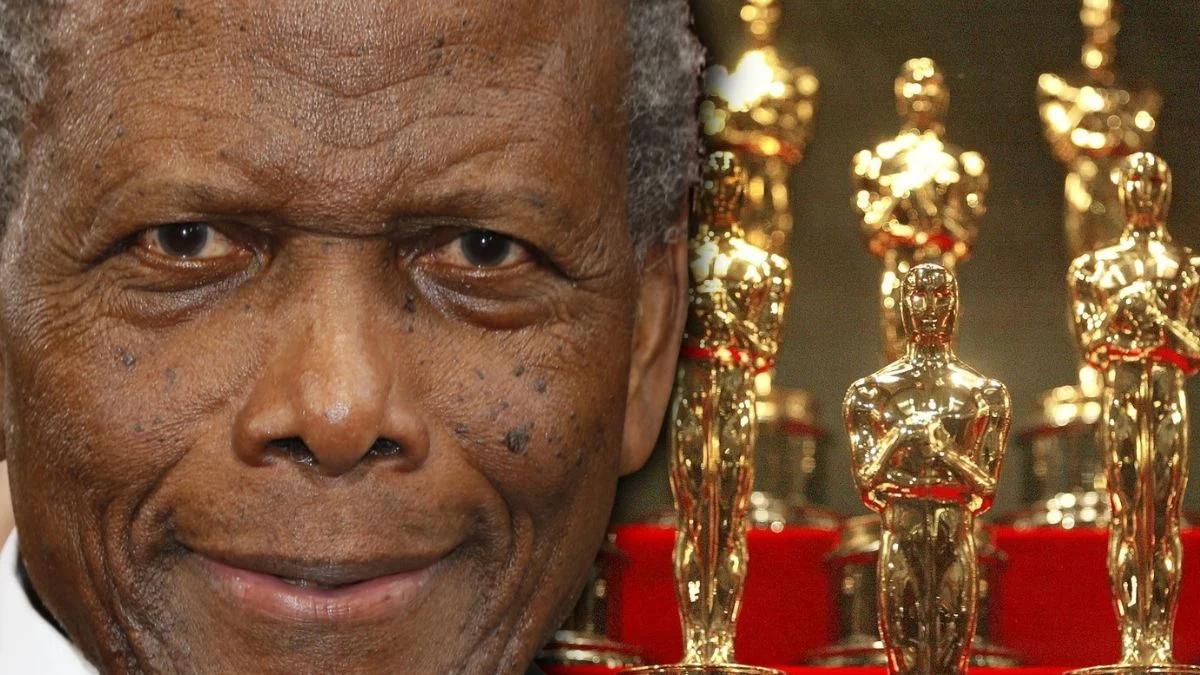

On April 13, 1964, Hollywood reached a major turning point. Sidney Poitier became the first African American man to win the Academy Award for Best Actor. His award came for his role in Lilies of the Field (1963).
The moment is still seen as a key shift in film history, especially in how Black actors were represented in mainstream cinema. Reports from sources like the Academy records, The New York Times, USA Today, and The Hollywood Reporter all highlight how important this win was for the industry.
In Lilies of the Field, Poitier plays a traveling worker named Homer Smith. He meets a group of German-speaking nuns who believe he has been sent to help them build a chapel in the desert. The story is simple, but it focuses on trust, faith, and human connection. The film also features actors like Lilia Skala and Stanley Adams. It was based on a novel by William Edmund Barrett.
Poitier’s performance stood out for its calm strength and dignity. At a time when Black actors were often given limited or stereotyped roles, his character was different. He was central to the story and fully respected within it. That is one reason his Oscar win carried so much weight.
His victory at the 36th Academy Awards made him a symbol of progress during a tense time in American history. The civil rights movement was growing, and Hollywood was slowly starting to change. Many later critics, including The New York Times, said Poitier helped open doors for future generations of Black performers.
Before this historic moment, Poitier had already built a strong career. He struggled early on in theater and film, even being rejected at first due to his accent and lack of traditional training. He worked hard to improve his speech and acting skills. His early film breakthrough came with No Way Out in 1950, where he played a doctor facing racism.
He continued to take bold roles in films like Blackboard Jungle and Edge of the City, which brought him more attention. In 1958, he made history again by becoming the first Black male actor nominated for Best Actor at the Oscars for The Defiant Ones.
Poitier also faced political pressure during the McCarthy era. His involvement in cultural and political groups linked to left-wing ideas led to suspicion and blacklisting risks. Still, he refused to sign loyalty oaths and stayed committed to his beliefs and career.
By the 1960s, Poitier had become one of the most important actors in Hollywood. He starred in major films such as A Raisin in the Sun, In the Heat of the Night, and Guess Who’s Coming to Dinner. These roles often challenged racial boundaries and changed how Black characters were shown on screen.
His legacy has been praised by many public figures. Denzel Washington once said, “Before Sidney, African American actors had to take supporting roles in major studio films…” Barack Obama also noted that Poitier helped advance national conversations about race and respect.
Poitier is often described as a pioneer who shaped modern Hollywood. He was not just an actor but also a symbol of dignity and change.
Sidney Poitier’s Oscar win in 1964 was more than just an award. It was a moment that reshaped film history and opened new paths for others who followed.
What do you think about Sidney Poitier’s legacy and impact on Hollywood? Share your thoughts in the comments.