‘One Piece’ and ‘Dragon Ball’ Publisher Shueisha Threatens Legal Action Against OpenAI Over AI Copyright Infringement

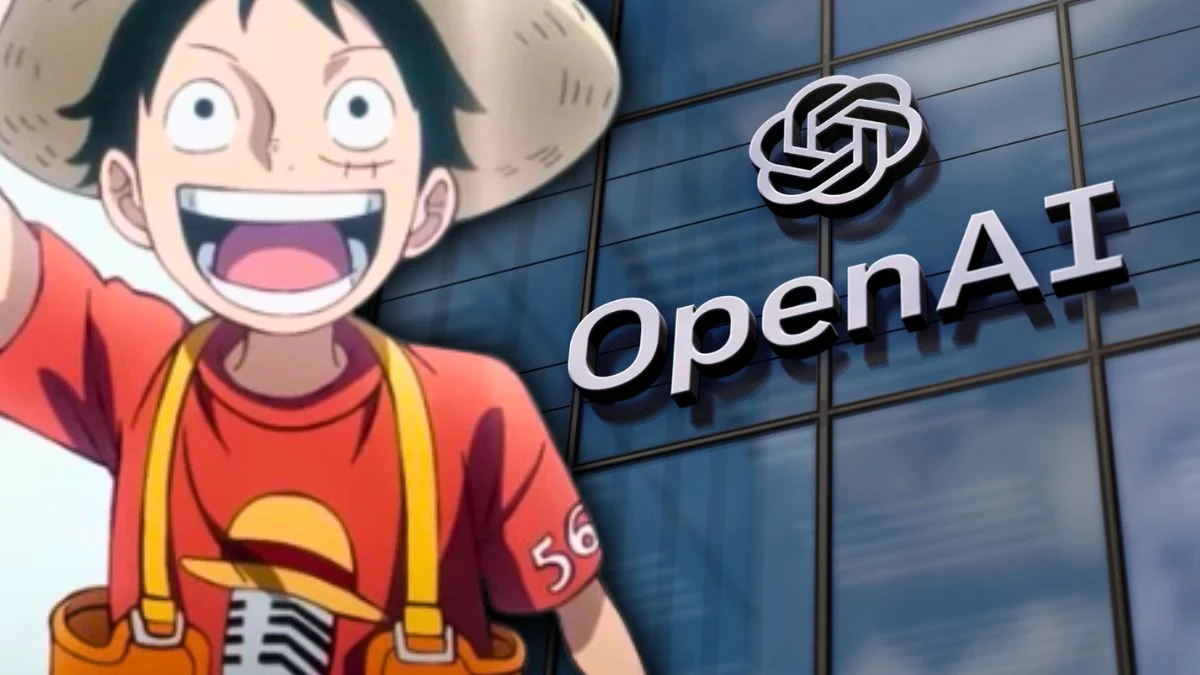

Following a growing trend among creators worldwide, the famous Japanese publisher Shueisha, known for Weekly Shonen Jump titles like One Piece, Dragon Ball, and Mazinger Z, has publicly warned that it will take legal action if OpenAI’s new model, Sora2, violates its copyrights.
In an official press release published on October 31st, Shueisha said it is ready to defend its intellectual property against any kind of misuse by generative AI.
The statement came after several AI-generated videos began spreading online that seemed to copy or imitate popular anime and manga content.
According to the company, “This fall, with the release of a new generative AI service (OpenAI’s Sora2), a massive number of videos resembling famous content appeared online. These videos, which infringe on the copyrights of anime and characters, are generated based on AI training.”
Shueisha explained that while new technology should be welcomed for inspiring creativity, it should not come at the cost of artists’ rights. The publisher added, “While the evolution of generative AI should be welcomed for enabling more people to share in the joy of creation and enjoy creative works, it must not be built upon trampling the dignity of creators who poured their heart and soul into their work or infringing on the rights of many.”
The company further called on AI developers to take stronger steps to prevent copyright abuse, saying that relying only on opt-out systems is not enough.
“Unless providers of generative AI services, under their responsibility, promptly implement effective countermeasures against infringement—going beyond an ‘opt-out system’—and provide remedies for rights holders, the spiral of infringement using generative AI services, which continues to undermine the foundation of the content industry, will reach a point of no return.”
Shueisha also believes that governments must take part in solving this problem. “National-level responses, including legal frameworks, are also essential for content protection.”
The publisher made it clear that it will act if it finds anyone using its properties without permission. “Regardless of whether generative AI is used, our company will take appropriate and strict measures against any use we determine infringes upon rights related to our works. We will also actively engage in activities to build and maintain a sustainable creative environment through collaboration and cooperation with copyright holders and relevant organizations.”
Despite this strong stance, the company could face challenges in Japan, where current AI regulations do not include strict penalties for breaking copyright laws. Japan’s government has also said it wants to make the country “the world’s most AI-friendly,” which might make things more difficult for rights holders like Shueisha.
Shueisha is not alone in this fight. In the United States, companies like Disney and Universal are suing the AI platform Midjourney, claiming it trained its models using countless copyrighted images without permission.
At the same time, several well-known authors, including Jonathan Franzen and Game of Thrones writer George R.R. Martin, are taking OpenAI to court, accusing the company of using their books to train ChatGPT without authorization.
This wave of pushback shows that creators across the world are becoming increasingly worried about how AI models use their work. For Shueisha, this may be just the start of a long legal battle to protect the stories and characters that have defined Japanese pop culture for decades.
Have something to add? Let us know in the comments!