

‘One Piece’ Mistakes You’ll Never Be Able to Unsee




Even the most beloved series has its hiccups, and ‘One Piece’ is no exception—decades of weekly production, multiple studios, and worldwide releases inevitably left tiny visual and continuity slips behind. What follows are production quirks, animation goofs, and localization inconsistencies that fans have documented over the years. These aren’t value judgments on quality; they’re straightforward examples of how fast schedules and evolving standards can create small errors. If you’re curious about how big, long-running shows really get made, these are instructive little case studies.
Zoro’s Scar and Earrings Swap
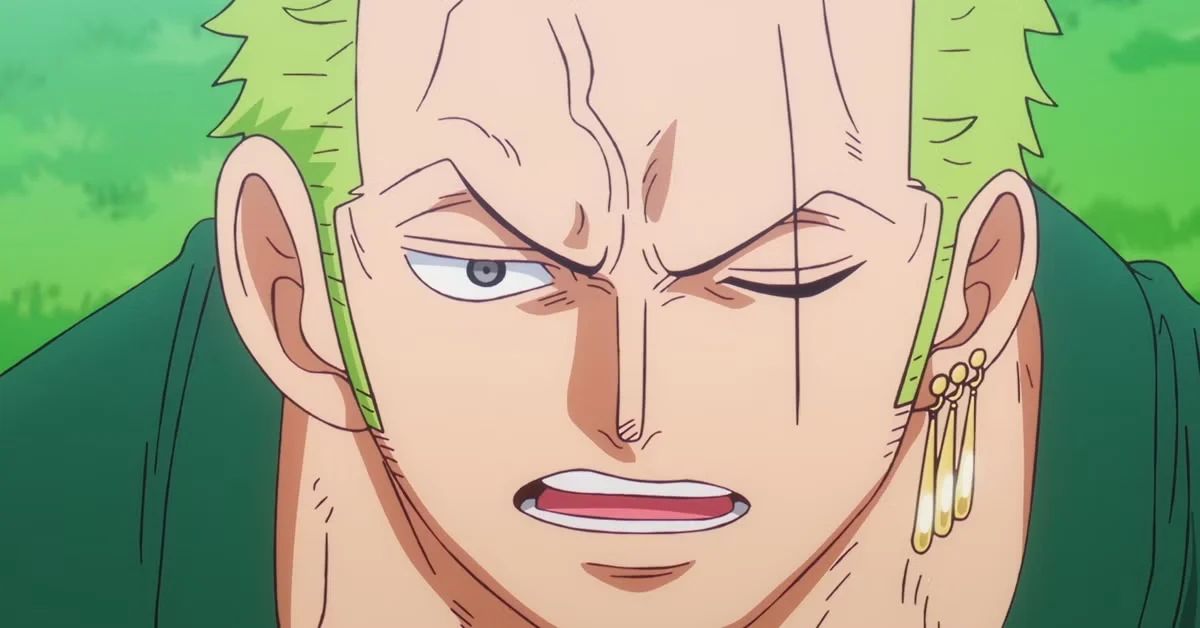
In various cuts and promotional materials, Roronoa Zoro’s distinctive features have occasionally been drawn inconsistently. Frames exist where his post–timeskip eye scar appears softened or less defined, and earlier sequences sometimes downplay the length of his chest scar. His three earrings—normally on the left ear—have been seen mirrored in a handful of shots due to reversed cels or compositing. Such inconsistencies are typical in long productions where multiple animation teams handle layouts and in-betweens simultaneously.
Mirrored Shots Flip Sanji’s Eyebrow
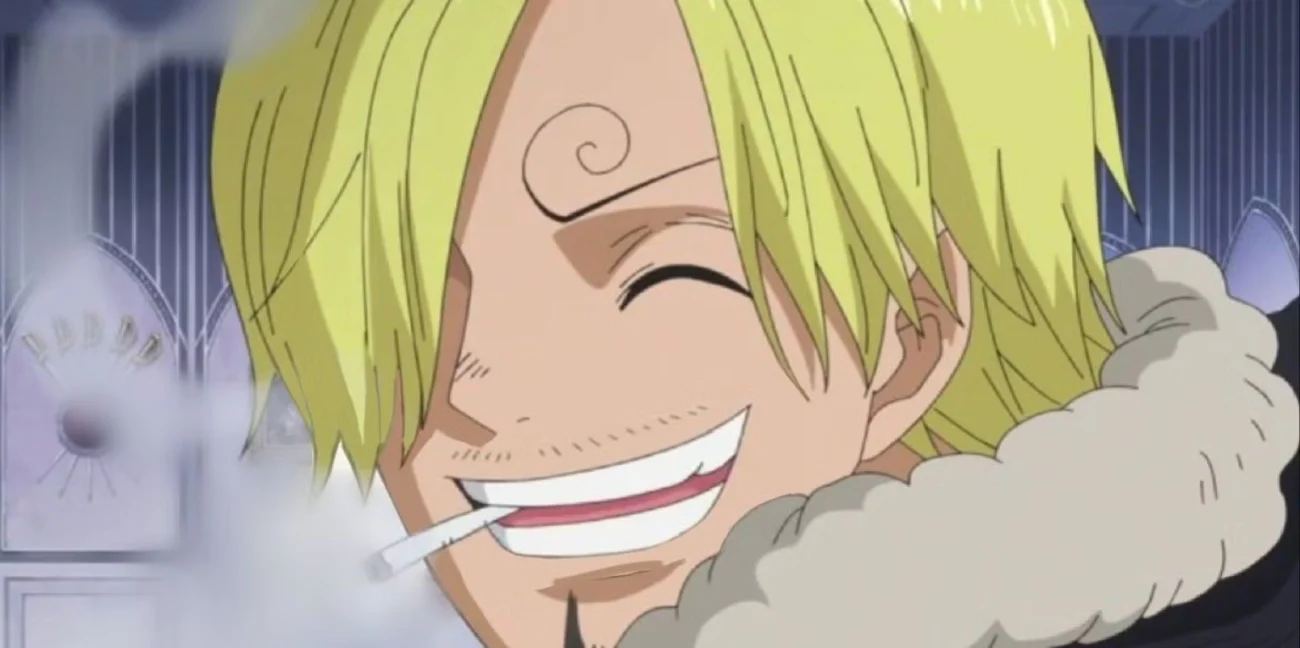
Because editors sometimes mirror animation for direction or continuity, Sanji’s signature curled eyebrow can appear to switch sides in isolated frames. This isn’t a story change; it’s a byproduct of flipping an entire shot during post-production. Mirroring can also affect the placement of his lighter or cigarette between cuts, creating a brief mismatch within the same scene. These edits are practical tools for pacing and screen direction, but they can produce quick, noticeable asymmetry.
Nami’s Tattoo Variations Across Early Animation
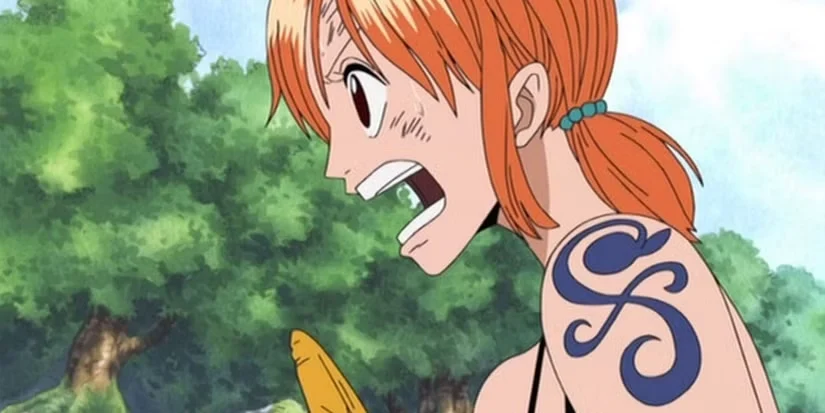
Nami’s tattoo—the pinwheel-and-tangerine design adopted after the Arlong arc—has seen occasional color saturation and line-weight variations. Early broadcast masters and later remasters sometimes render the hues differently, reflecting changes in color grading and transfer standards. In a few sequences, the level of detail drops for distant shots, simplifying the motif more than model sheets specify. Such tweaks are normal when animators prioritize readability at different zoom levels.
Straw Hat Band and Jolly Roger Color Swaps
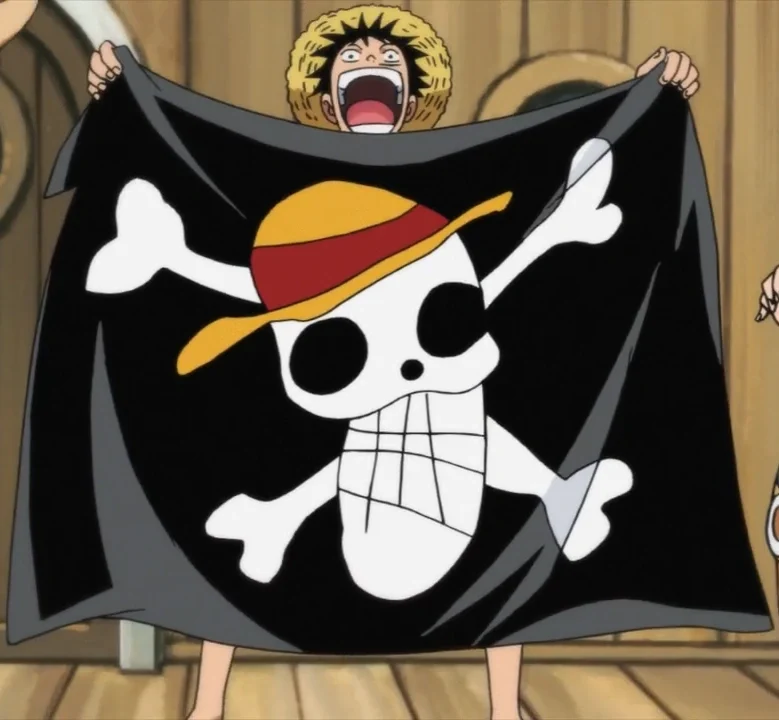
Luffy’s straw hat typically features a red band, yet isolated frames and merchandise runs have shown band hues drifting due to lighting setups and batch color variance. The crew’s Jolly Roger has also appeared with simplified shading or missing stitch lines on distant sails, especially in wide shots. These simplifications are part of standard animation economy to maintain clarity during motion. When scenes are composited with atmospheric effects, color grading can further nudge the palette away from reference tones.
Bounty Posters With Canon “Errors”
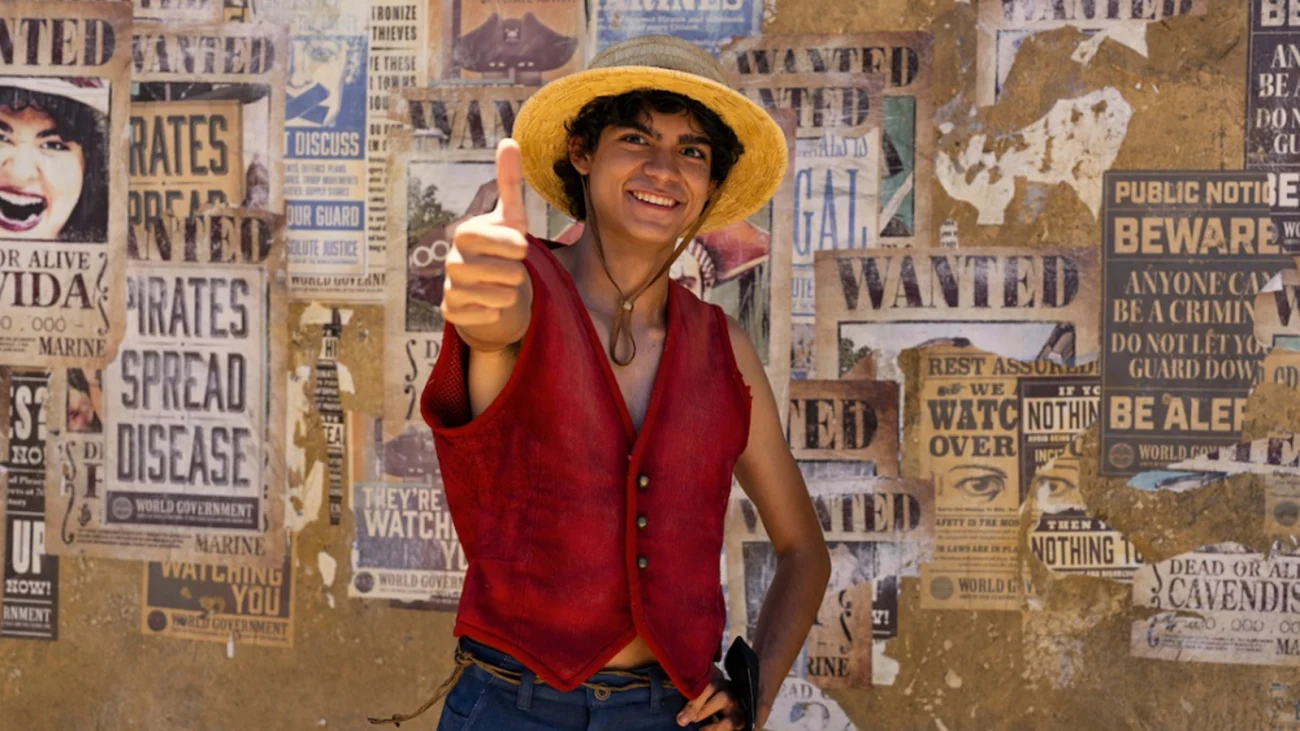
Within the story, several bounty posters intentionally feature misprints or outdated images, and real-world materials sometimes echo those assets. Sanji’s initial sketch-only poster and “Only Alive” status differ from later versions, while Usopp’s Sogeking poster circulates separately from his usual identity in some contexts. Reproductions in guides and promotional displays have, at times, reused those older assets, creating visual mismatches next to updated character designs. These artifacts persist because licensers and partners draw from large, mixed-generation asset libraries.
The Grand Line Map Shifts Between Materials

Printed guidebooks, episode backgrounds, and promo art have not always aligned perfectly on the layout of the Grand Line, the Calm Belt, and certain island placements. Scale bars are rarely provided, and stylized map projections in different media can distort distances and bearings. When new arcs introduce islands, earlier illustrative maps can look inconsistent with later, more detailed depictions. These differences stem from using schematic, story-first cartography rather than a single technical reference map.
Sword Count and Placement Continuity for Zoro
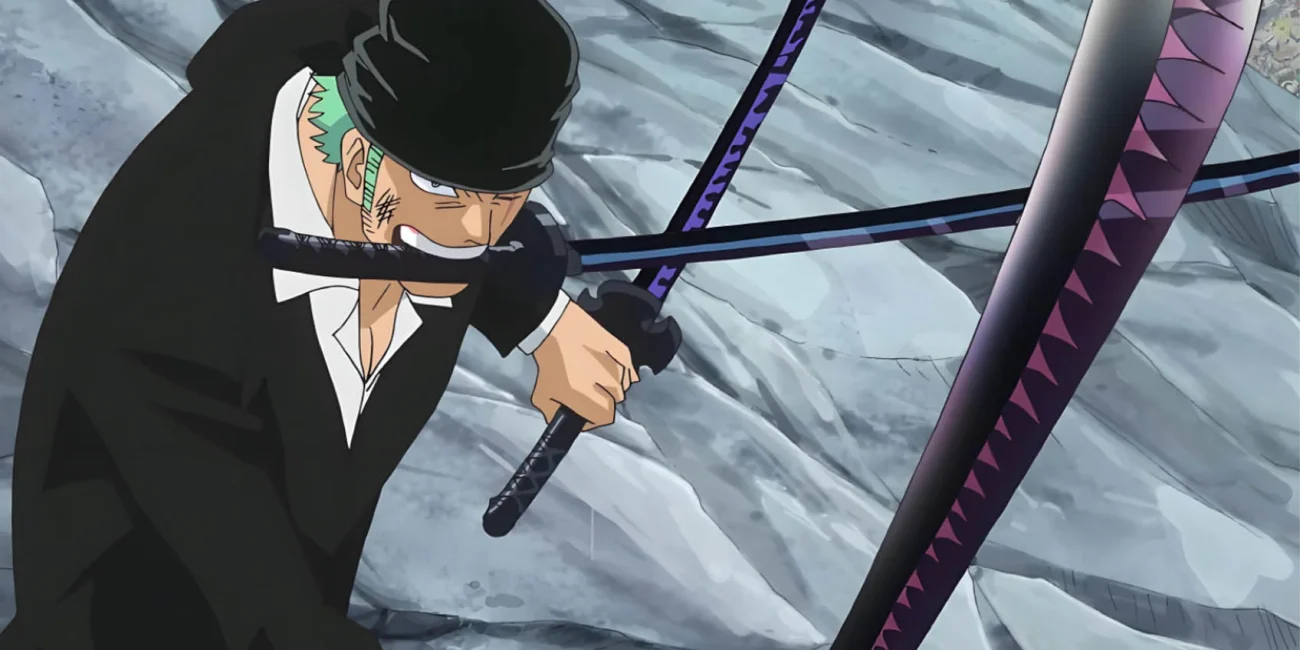
Zoro’s three-sword style relies on precise prop staging, and a few scenes have momentary mismatches in scabbard count or sword placement. Background corrections sometimes omit a sheath or place hilts at slightly off angles compared with layout sheets. Action-heavy cuts—especially with smears and speed lines—may simplify guard shapes for readability. Such frames are usually on screen for fractions of a second but stand out when paused.
Ship and Character Scale Drift Between Cuts

The relative size of the crew versus the Going Merry or Thousand Sunny can drift across establishing shots, depending on lensing choices and parallax in multiplane setups. Wide pans may enlarge or shrink deck features to keep characters legible against moving backgrounds. Prop doors, rails, and figureheads are occasionally redrawn at simplified scales for distance, then return to model dimensions in close-ups. This is a common tradeoff in TV animation where clarity and motion take precedence over strict architectural scale.
Chopper’s Hat Cross and Hue Changes
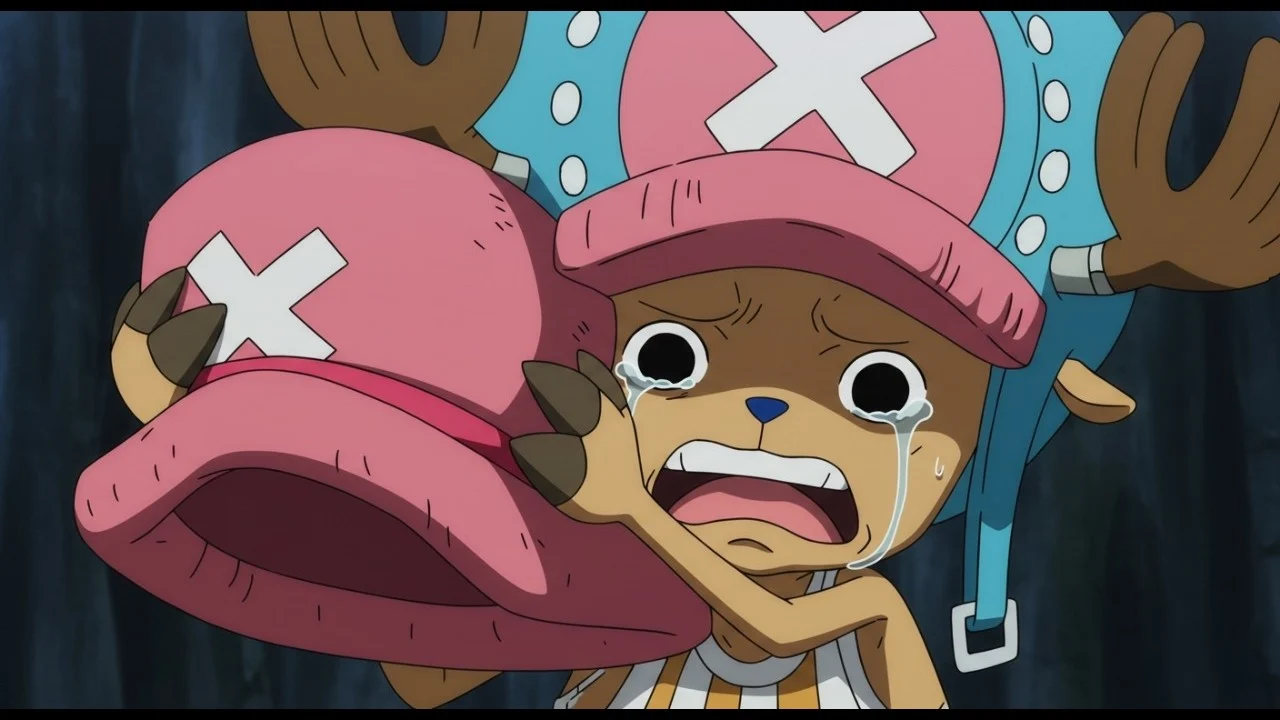
Tony Tony Chopper’s hat features a white “X” over a pink cap, but broadcast, DVD, and remaster pipelines have produced slight hue and contrast differences. In fast motion or distant shots, the cross is sometimes rendered with reduced line width or simplified shading to avoid flicker. Color space conversions between production and distribution formats can also shift saturation. As assets are re-encoded for new releases, these micro-variations accumulate across versions.
Name Spellings That Differ by Release
Official English releases have used different spellings for certain names due to trademark constraints and evolving localization standards. “Zoro” appears as “Zolo” in some editions, while place names such as Alabasta/Arabasta and Cacao/Cocoa Island vary across subtitles, dubs, and print. Merchandise and guidebooks produced for different regions sometimes lock in one variant, creating side-by-side inconsistencies. These differences arise from licensing agreements, romanization choices, and efforts to unify brands across territories.
Tell us which ‘One Piece’ slip-ups you’ve spotted and what we missed—share your findings in the comments!