

‘One-Punch Man’ Mistakes You’ll Never Be Able to Unsee

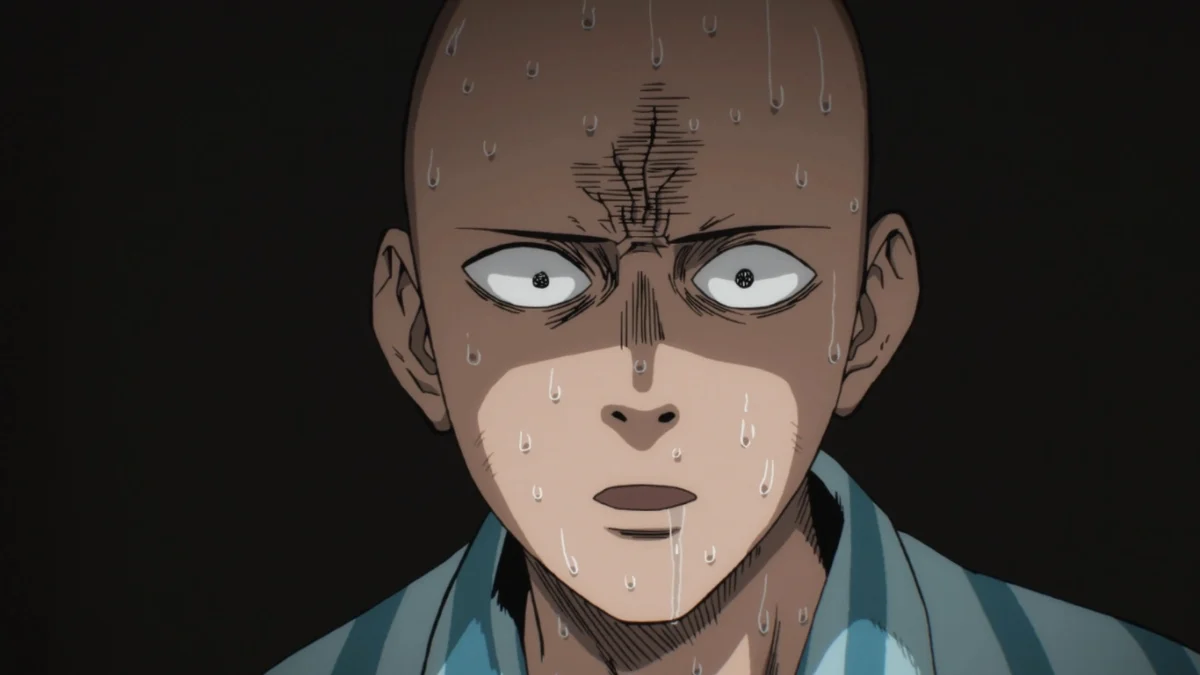


For a series as polished and stylish as ‘One-Punch Man’, it still has its share of continuity slips, animation hiccups, and lore quirks that stand out once you know where to look. Across different seasons, studio changes, and adaptations from webcomic to manga to anime, a handful of small errors and odd choices slipped through production and into the final episodes. Some of them are literal frame-by-frame mistakes, while others come from how the story’s world and power systems were adapted or explained over time. Together they form a little hidden layer of trivia underneath all the serious punches and serious faces.
Saitama’s Vanishing Censorship Sign
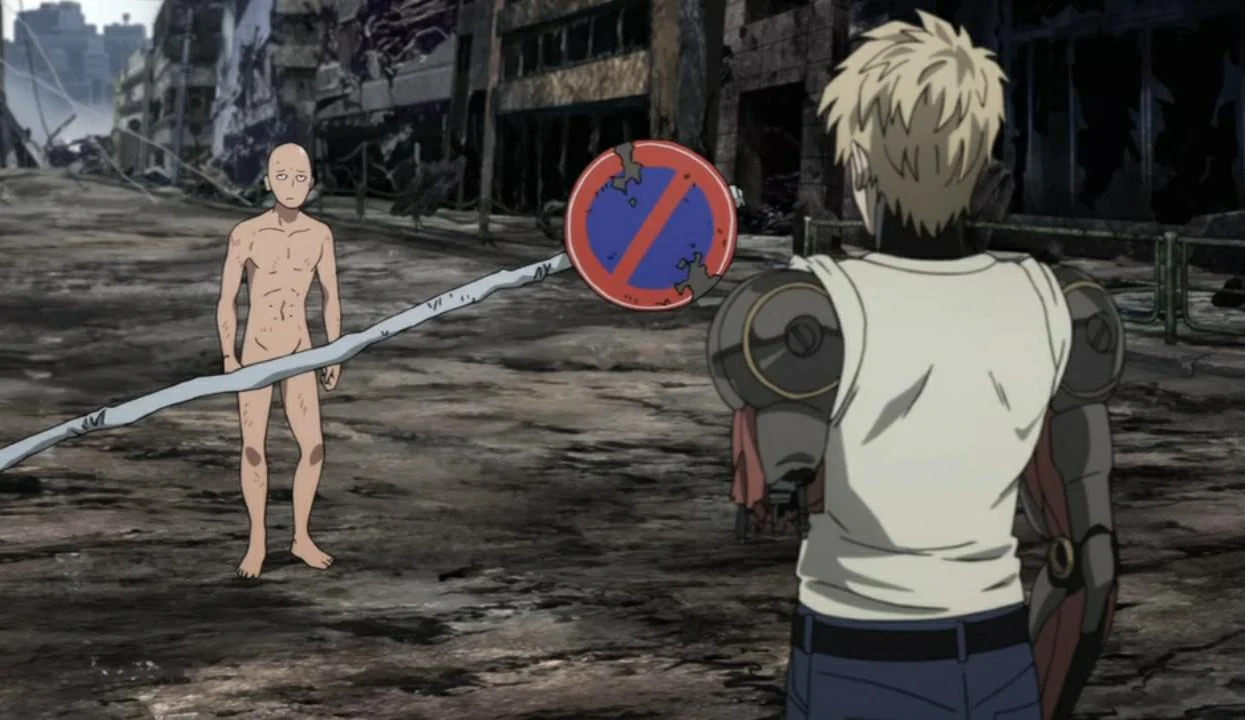
In the early battle where Genos unleashes a huge blast on a swarm of mosquitoes with Saitama stuck in the middle, the explosion burns off Saitama’s clothes and a sign comically drops in front of him to cover his nudity. In the very next angle from behind, that censor sign disappears completely even though Saitama has not moved to knock it away. This is listed as a continuity mistake, since the prop exists in one shot and simply vanishes in the reverse shot without an in-story reason. The moment is brief, but the layout of the scene makes the missing sign easy to track once you know it is supposed to stay in place.
Fukegao’s Shape-Shifting Super-Steroid Tube
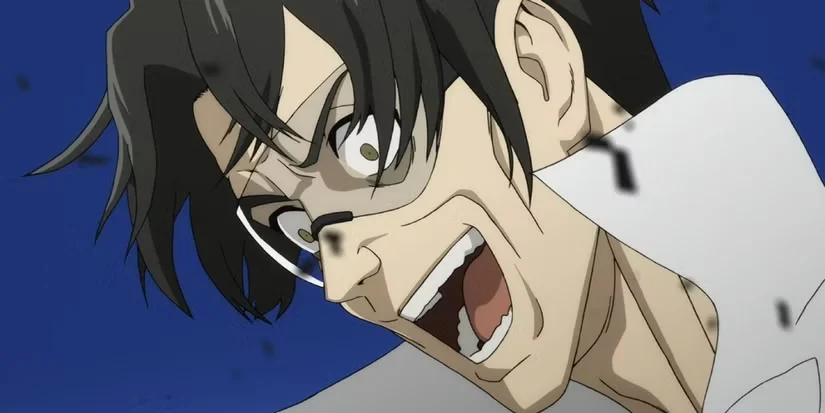
During the House of Evolution storyline, the mad scientist Fukegao holds up a test tube filled with a powerful experimental steroid while he explains his creation. The amount of liquid in that tube changes repeatedly between cuts, sometimes appearing much fuller and other times noticeably lower even though he is not shown using or spilling it. This kind of mistake is a classic continuity slip, where the level of a prop does not stay consistent between key animation frames. The inconsistency is documented as a specific error in episode breakdowns and appears clearly when the scene is watched in slow motion.
Royal Ripper’s Brief Gender Swap in Season 3
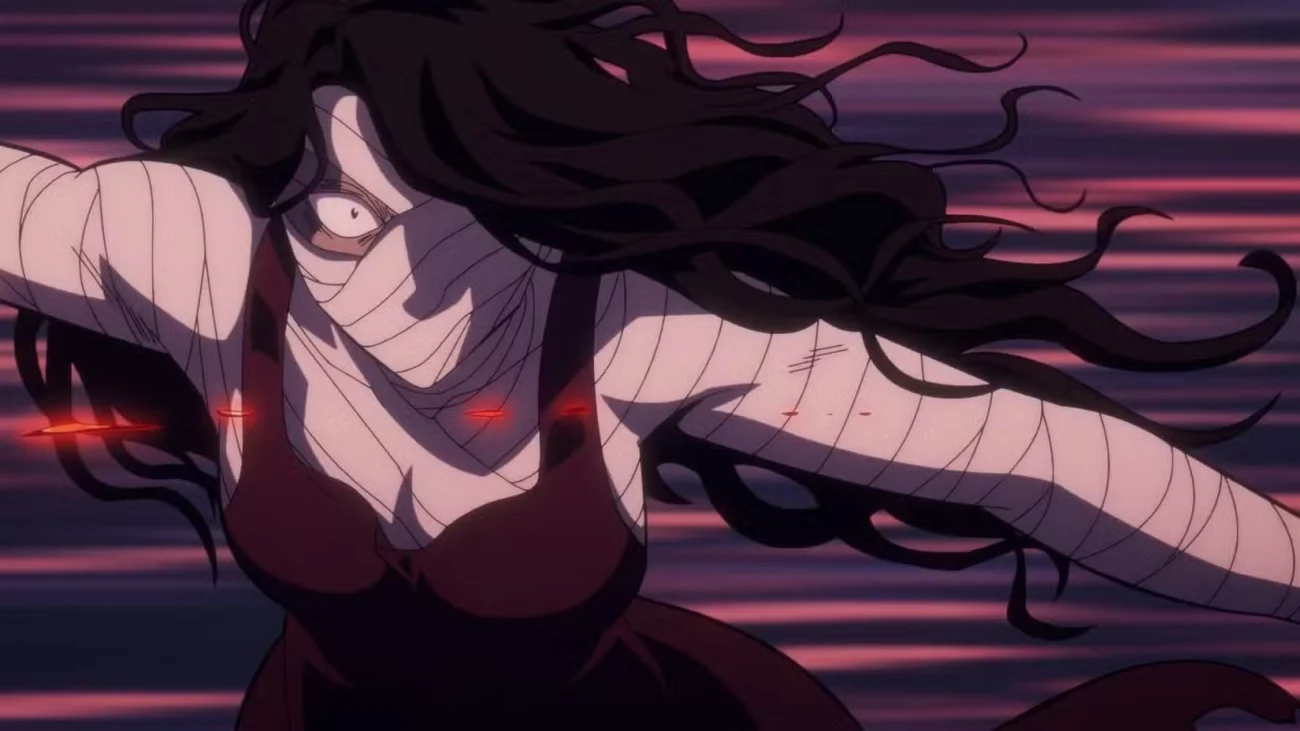
In season 3, the villain Royal Ripper is at the center of a widely discussed animation and labeling mistake. In one episode, a shot briefly presents the character with clearly feminine body proportions, and the on-screen or subtitled reference treats Royal Ripper as female, even though the character is established elsewhere as male. Reports on the episode describe this as an animation model or compositing error that slipped into the broadcast cut. The issue drew attention because it involves a main antagonist and appears in a high-stakes scene, making the mismatch especially visible once fans pointed it out.
Garou’s Changing Fence in the Background
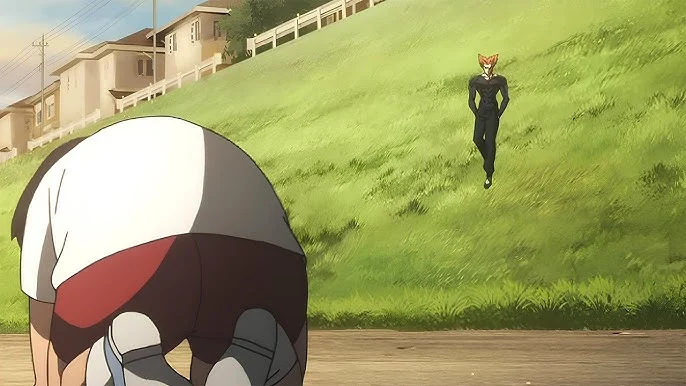
Season 2 includes a scene with Garou where a simple piece of background design turns into a continuity glitch. In one shot, the fence behind Garou has a specific shape and spacing between its bars, but in another angle from the same conversation, that fence appears with a completely different structure. Fans highlighted this as an example of background assets not being kept consistent between cuts in the same sequence. The change does not affect the story, yet it shows how rushed layout or background replacement can create jarring differences in what should be a stable environment.
Metal Bat vs Garou: Manga Shockwave vs Anime Soft Impact
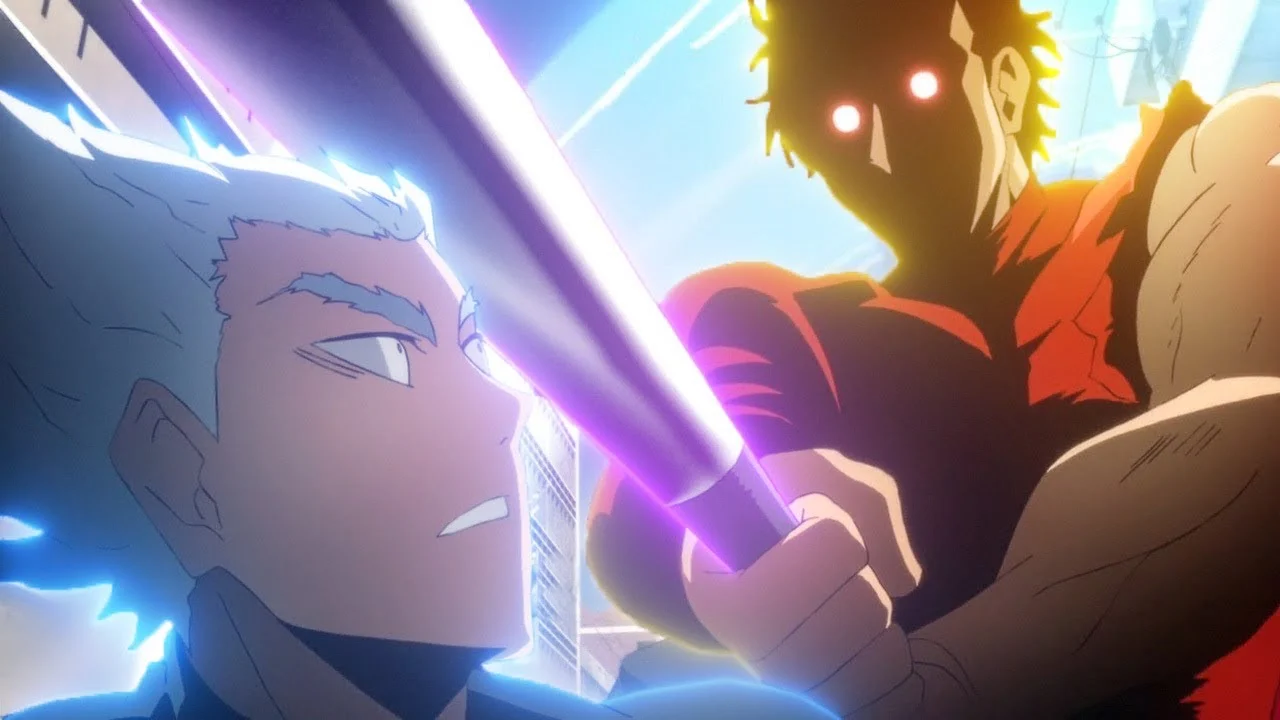
The adaptation of the Metal Bat vs Garou fight in season 2 illustrates how power and impact can be quietly reduced when moving from manga panels to animated scenes. In the manga, one of Metal Bat’s strikes is drawn with a dramatic shockwave that kicks nearby cars into the air, emphasizing the destructive force of his swing. In the anime version of the same moment, the ground impact is shown as a simpler smoky blast, without the same large-scale visual effect on the surroundings. Commentators and comparison articles often use this scene to show how some high-impact manga beats were toned down or simplified in the anime.
The Studio Switch That Rewrote the Show’s Look
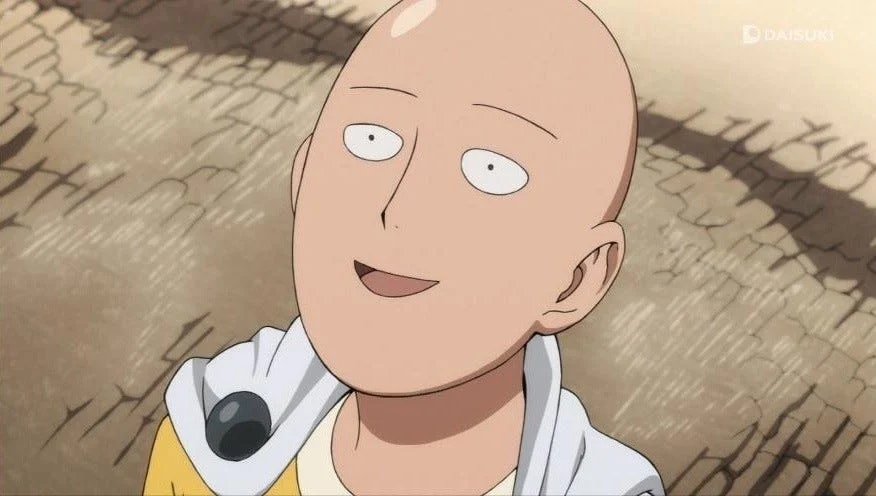
The first season of the ‘One-Punch Man’ anime was produced by Madhouse, while later seasons were handled by J.C. Staff, and that studio change created a clear visual and technical shift. Documentation on the series notes that the original season was praised for fluid animation, detailed backgrounds, and careful framing of action scenes, while later seasons drew attention for rougher cuts and more limited movement. Reviews and analysis pieces often describe the second season as having less consistent animation quality and a flatter art style even when character designs remained recognizable. This production change is now a standard part of how the anime’s history is explained, and it underpins many of the visual inconsistencies that viewers notice between seasons.
Slide-Show Style Action in Season 3’s Debut
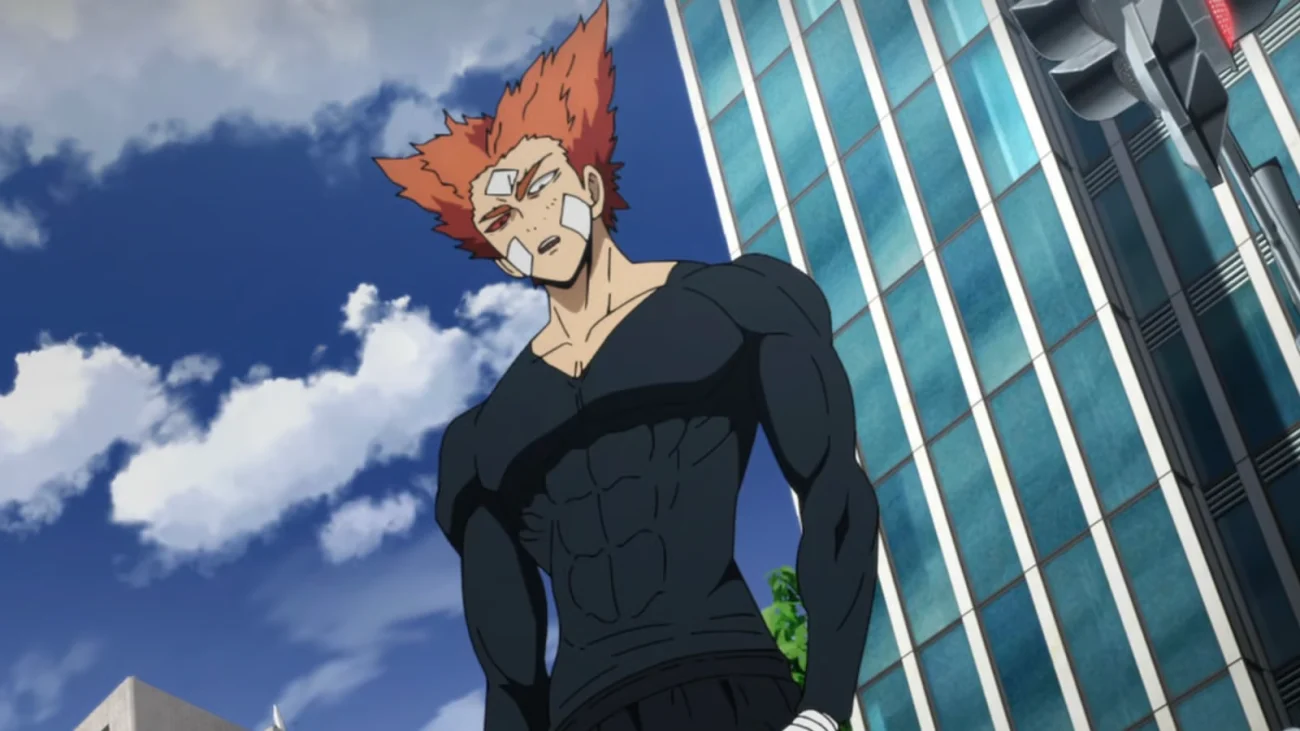
When season 3 finally arrived, early reactions focused heavily on how some action sequences used very limited animation. Reports on the premiere describe scenes that rely on panning over still images and repeated frames rather than fully animated movements, which led fans to compare parts of the episode to a slide show. Coverage of the season points out that these choices are tied to production schedule and resource constraints, not to story decisions. The result is that certain battles and intense moments feel visually disconnected from the high-energy motion established in earlier seasons, creating a noticeable contrast whenever old and new footage are compared.
Disaster Levels and Early Terminology Oddities
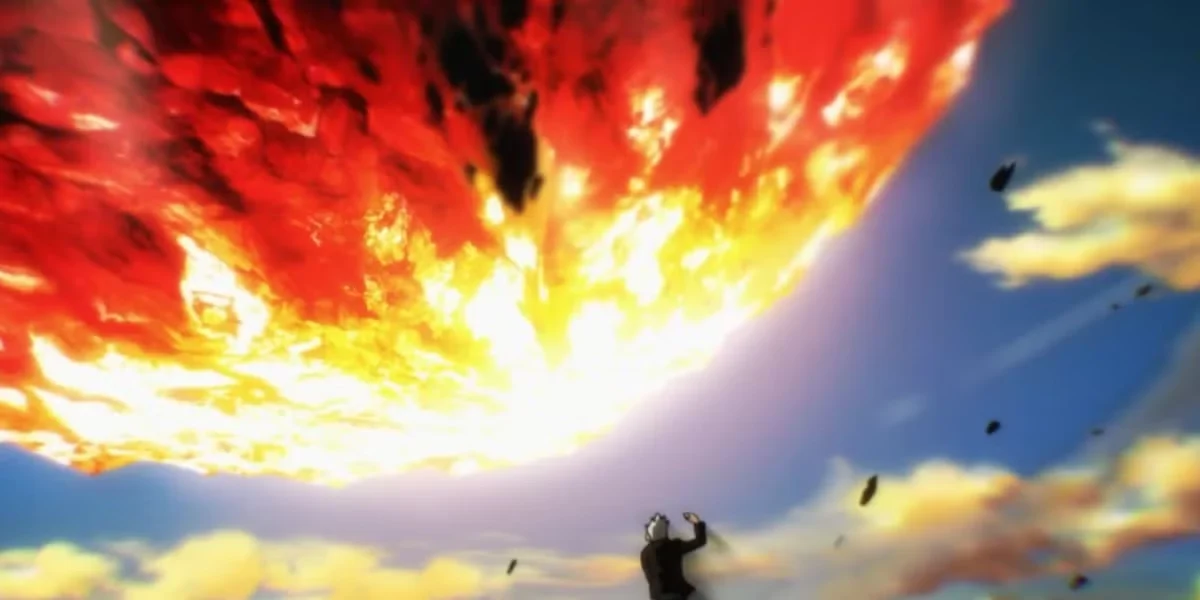
The ‘Hero Association’ classifies threats with disaster levels like Wolf, Tiger, Demon, Dragon, and God, but early descriptions of those categories were not always presented in the polished form later viewers know. Materials explaining the association’s history mention that what is now called a Demon-level threat was originally described more vaguely as a “mysterious being that could only be defeated by a group of A-Class heroes,” and the terminology evolved over time into the standardized labels used in the present-day story. This background detail shows that the system seen on charts and mission reports in later episodes is the result of in-universe reclassification as well as real-world refinement by the creators. The shift means that some early explanations, guides, or references feel slightly out of sync with the way the scale is presented in later seasons and supplemental material.
Saitama’s Training Versus His Official Hero Rank
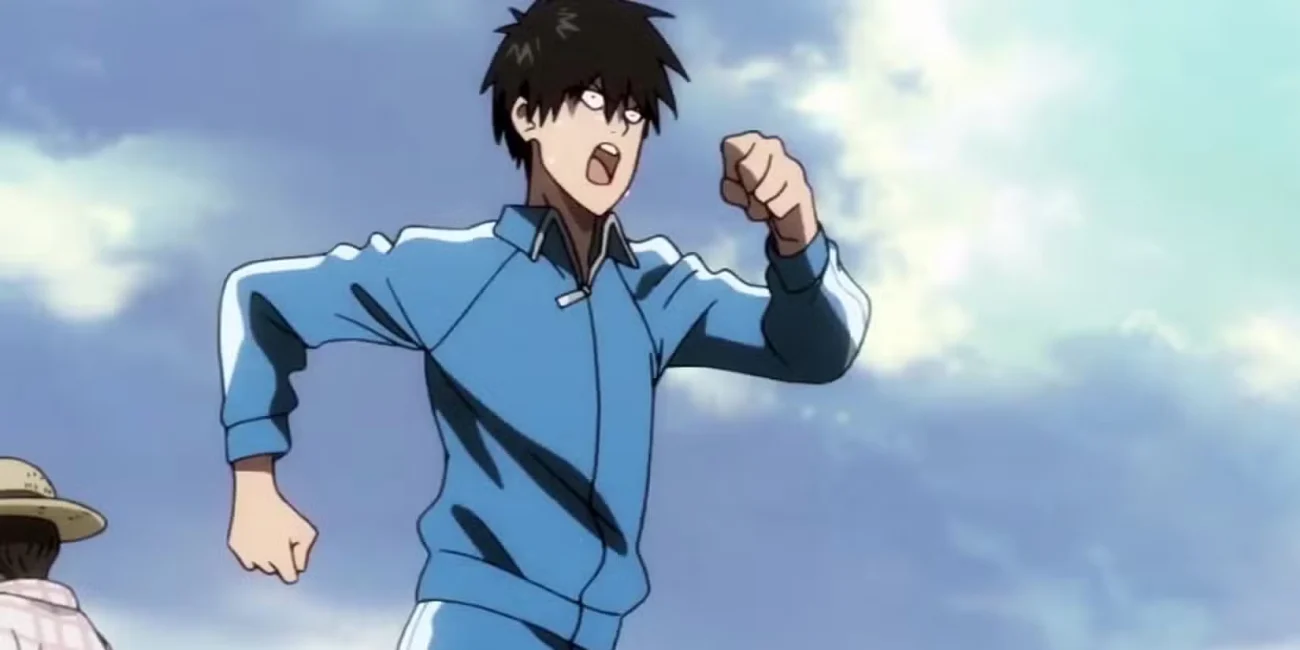
Saitama’s personal history establishes that he trained for three straight years with a simple but extreme routine, pushing his strength, speed, and durability far beyond any other hero in the setting. Official descriptions of the character note that he breaks every physical record in the Hero Association entrance tests by enormous margins, yet his poor performance on the written exam leaves him placed at the lowest C-Class tier at first. Sources that outline the ranking system explain that his achievements in the field are often misattributed to higher-ranked heroes or overshadowed by collateral damage, so his public reputation lags far behind his actual power. The combination of record-shattering test data and a modest, sometimes scorned hero ranking is documented as a deliberate contrast built into the series’ portrayal of bureaucracy and recognition.
The Hero Association Timeline That Barely Lines Up
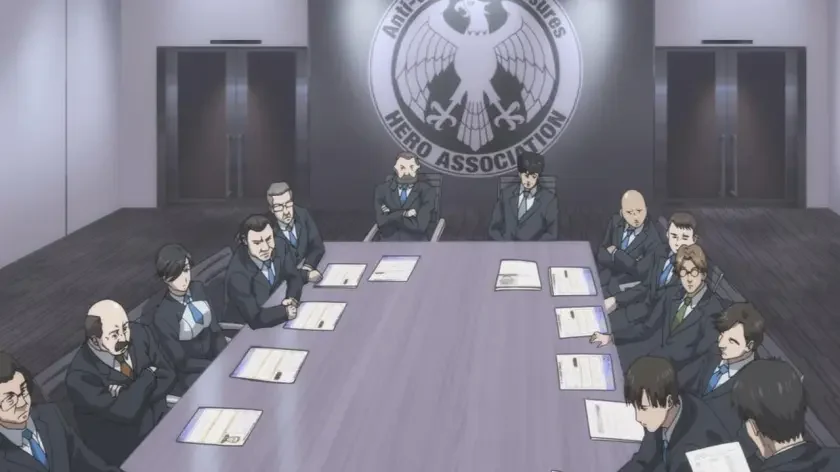
Official timelines for the story explain that Saitama saves a child from the monster Crablante and begins his training roughly three years before the main plot, and that the ‘Hero Association’ is founded after this incident. Chronology guides and reference wikis describe how multi-millionaire Agoni starts the association in response to that rescue, creating the modern hero registry that Saitama later joins. At the same time, material summarizing Saitama’s life usually states that he trains for three continuous years before becoming the overwhelmingly strong hero seen at the start of the series. Because these events all cluster around the same three-year span and are sometimes phrased in slightly different ways, fans and timeline compilers have had to line up the order carefully so the founding of the association and Saitama’s training period do not contradict each other.
Share your favorite ‘One-Punch Man’ slip-ups or inconsistencies in the comments so everyone can compare which ones they noticed first.