


20 One-Take Scenes in Films That Took Days to Get Right



Achieving a seamless long take is one of the most difficult technical challenges in filmmaking because it requires perfect synchronization between actors and crew. A single mistake from an extra or a slight focus error means the entire production team must reset the scene from the very beginning. Directors often spend weeks planning these sequences to ensure the lighting and choreography align perfectly with the camera movement. The following films feature ambitious one-take scenes that demanded days of grueling rehearsals and repeated attempts to capture the final version.
‘The Shining’ (1980)
Director Stanley Kubrick was notorious for pushing his cast to the brink of exhaustion to get the exact performance he wanted. The scene where Wendy Torrance swings a baseball bat at her husband while backing up the stairs took one hundred and twenty-seven takes to finish. Shelley Duvall suffered from immense physical and emotional stress during the process as she had to maintain a state of hysteria for days. This specific sequence holds a world record for the highest number of retakes for a scene with dialogue. The result creates an uncomfortable and palpable tension that defines the horror of the film.
‘Children of Men’ (2006)
The ambush scene inside the car is a technical marvel that required weeks of planning and a specially modified vehicle to allow the camera to move freely. Director Alfonso Cuarón and cinematographer Emmanuel Lubezki had to coordinate stunts and explosions that were visible through the car windows in real time. The crew faced numerous failed attempts because the complex mechanical camera rig would often malfunction during the shoot. A mistake near the end of the four-minute sequence meant resetting the entire elaborate setup for another attempt. The final cut immerses the viewer directly into the chaos of the sudden attack.
‘Atonement’ (2007)
The five-minute tracking shot on the beach at Dunkirk depicts the sheer scale of the British military evacuation during World War II. Director Joe Wright utilized over one thousand extras and utilized a steadicam operator who had to navigate difficult terrain. The scene could only be filmed during a specific window of natural light known as the golden hour. The crew managed to get the final usable shot on the third take just as the light was fading completely. This haunting visual captures the devastation and confusion of war without a single cut.
‘Oldboy’ (2003)
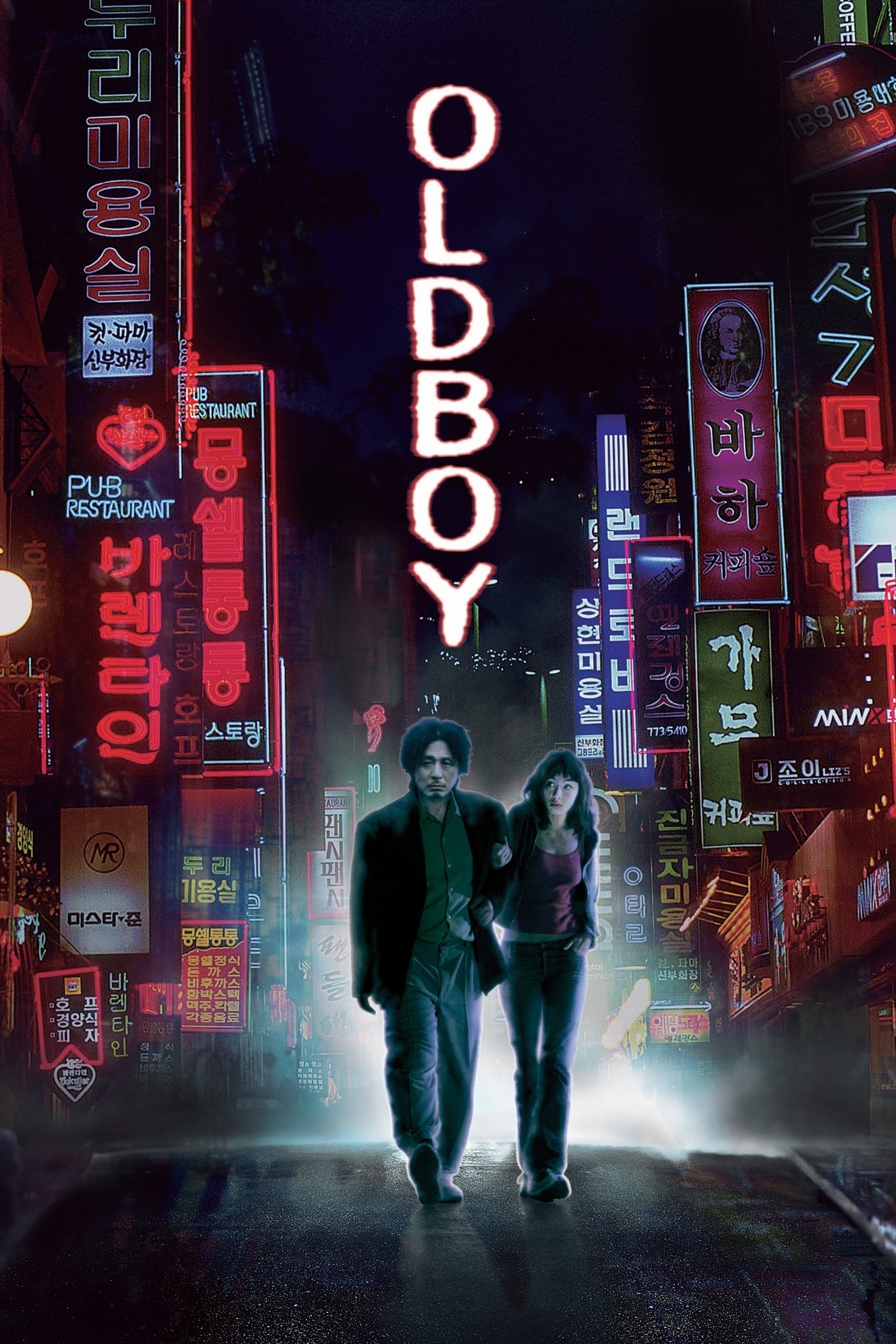
The iconic hallway fight scene features the protagonist battling nearly two dozen henchmen in a single continuous lateral shot. Actor Choi Min-sik performed the exhausting stunt choreography himself and required oxygen between attempts due to the physical demand. The production team spent three full days filming this sequence to ensure every punch and fall looked authentic. Seventeen takes were filmed before the director was satisfied with the raw and messy energy of the brawl. The scene has since become a benchmark for action choreography in modern cinema.
‘Russian Ark’ (2002)
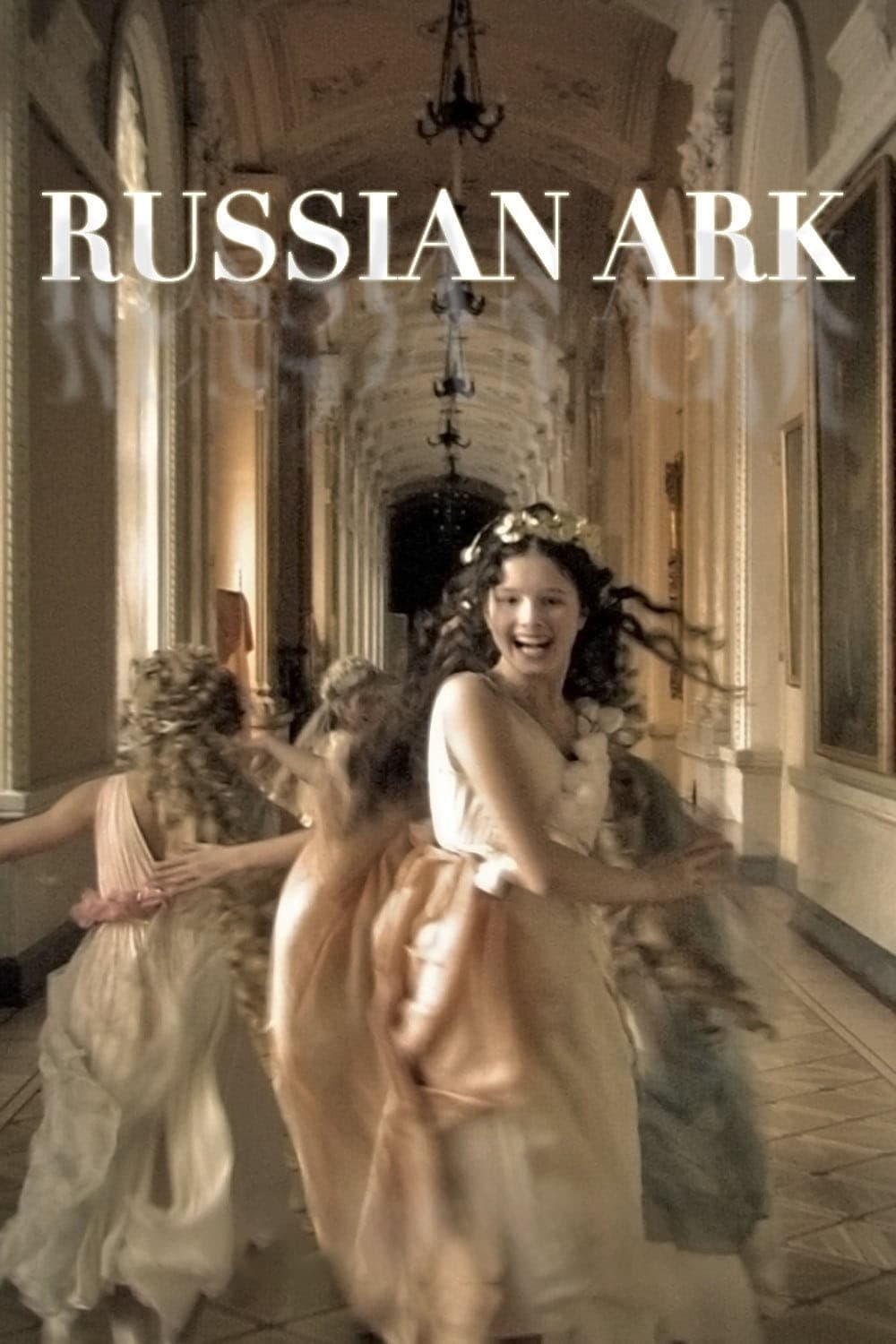
This entire ninety-six-minute film consists of one uninterrupted shot that moves through the Winter Palace in Saint Petersburg. Director Alexander Sokurov had only one day to film the movie because the museum was closed to the public for a limited time. The first three attempts failed due to technical glitches or timing errors with the thousands of actors involved. The fourth and final take was completed successfully just as the camera batteries were about to die. It remains a monumental achievement in logistics and artistic coordination.
‘La La Land’ (2016)
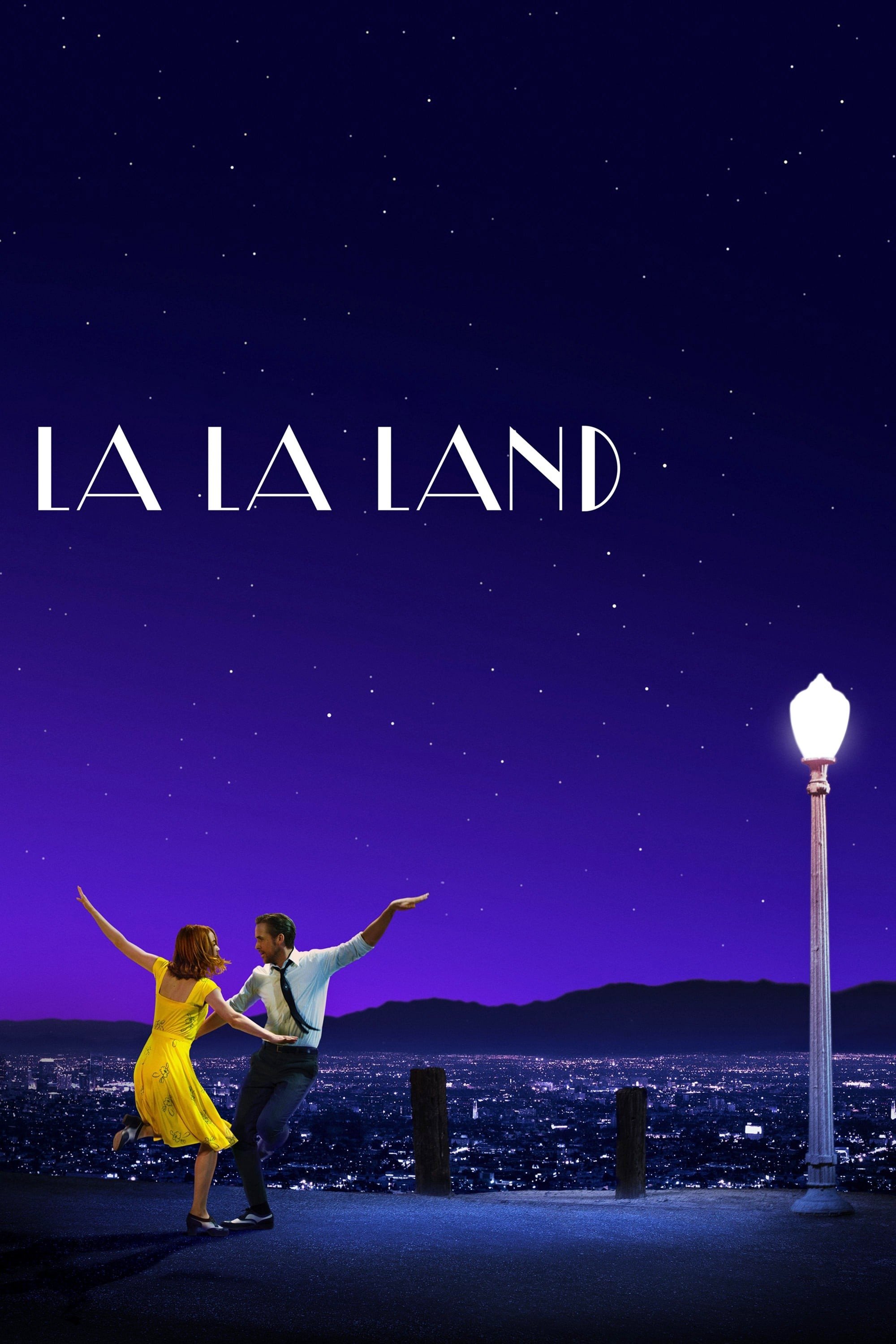
The opening musical number takes place on a jammed Los Angeles freeway ramp that was shut down specifically for the production. Choreographer Mandy Moore led huge groups of dancers who had to jump over cars and perform in the sweltering heat. The camera crane had to move seamlessly between vehicles while hiding its own shadow from the shot. They filmed the sequence over a weekend and stitched hidden edits to make it look like one fluid movement. The energetic start sets the tone for the technicolor dreamscape of the rest of the movie.
‘Hard Boiled’ (1992)
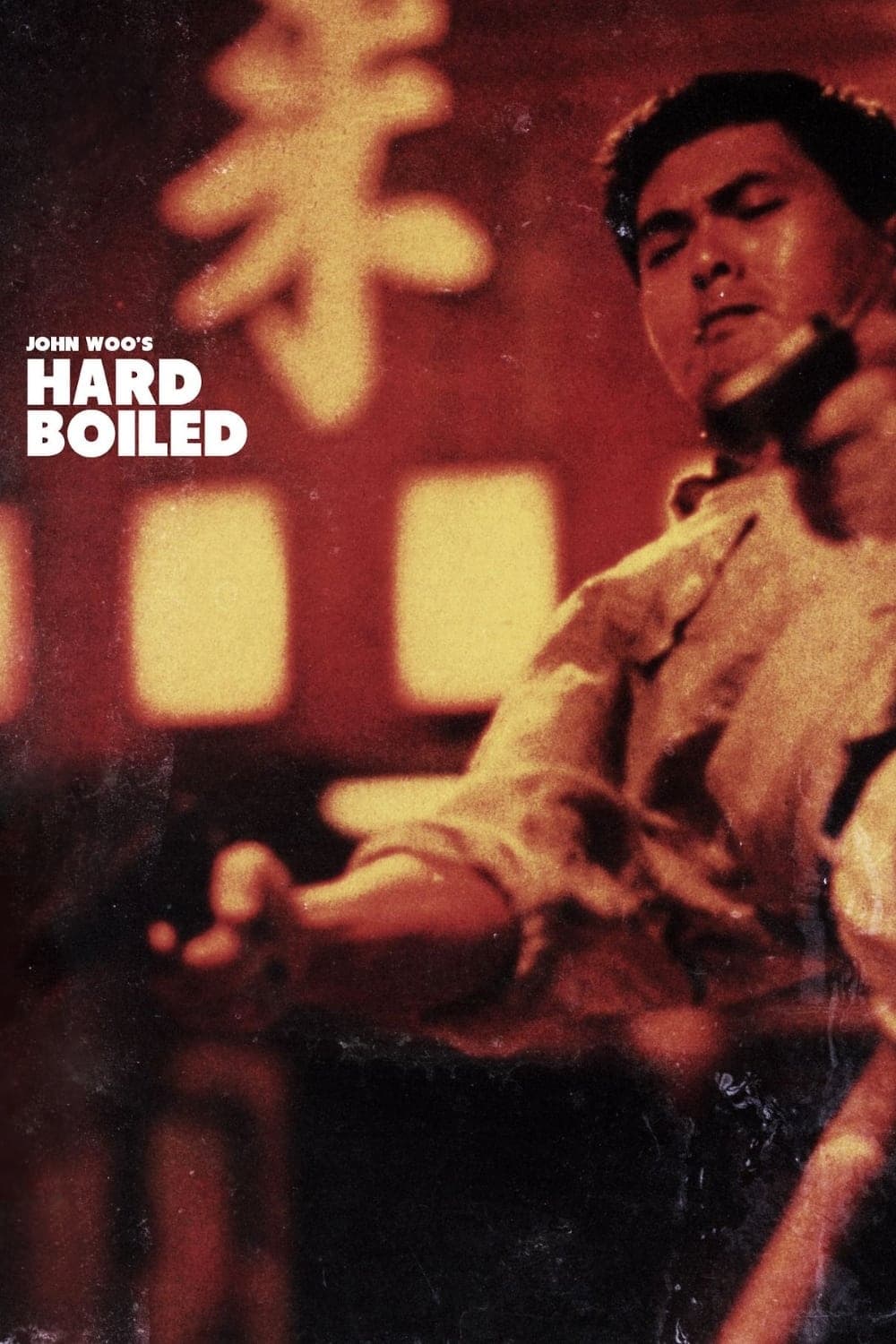
Director John Woo crafted a chaotic hospital shootout that lasts nearly three minutes without a cut. The scene required precise timing as the actors moved between floors using an elevator while the crew frantically reset the set behind closed doors. They had to change the lighting and debris on the fly to simulate the passage of time and destruction. Filming this sequence took days of rehearsal to ensure the squibs and explosions went off at the exact right second. It stands as one of the most complex action sequences ever filmed in Hong Kong cinema.
‘Spectre’ (2015)
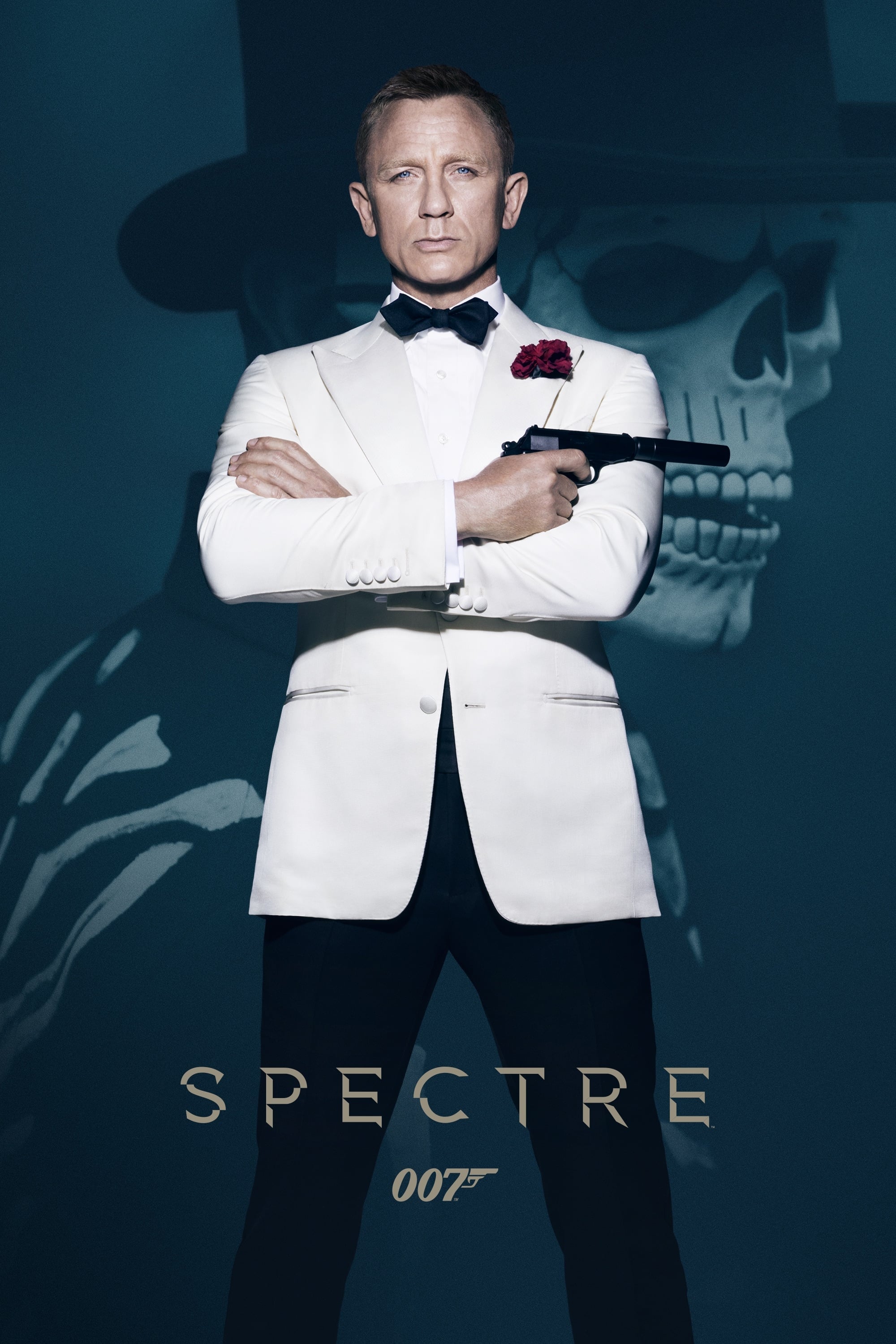
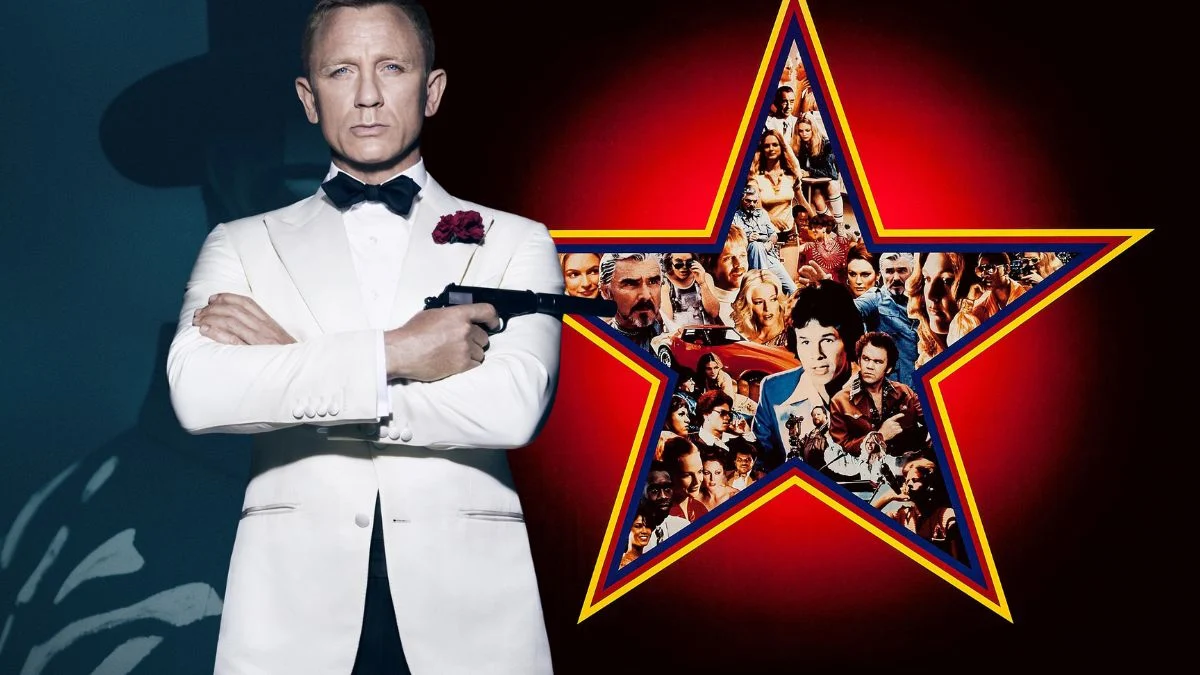
The pre-title sequence opens with a massive Day of the Dead parade in Mexico City that involved fifteen hundred extras. James Bond navigates through the dense crowd and moves into a hotel and out onto a ledge in one apparently continuous shot. The logistics of managing such a large crowd while tracking the main actors required immense coordination from assistant directors. It took several days to capture the various segments that were seamlessly blended to create the illusion of a single take. The scale of the scene effectively reestablished the grandeur of the franchise.
‘Touch of Evil’ (1958)
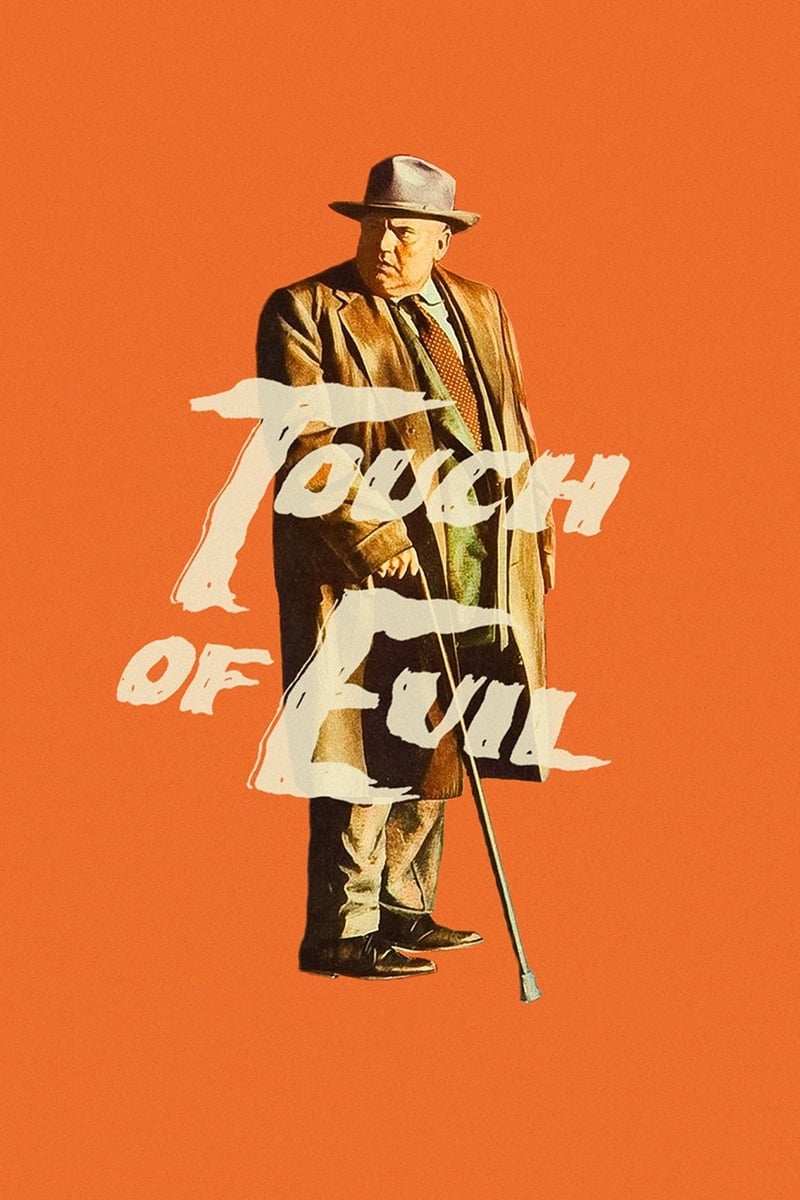
Orson Welles opens this film with a three-minute crane shot that tracks a car with a bomb in its trunk. The camera floats over buildings and crosses streets while synchronizing with the movement of actors and vehicles below. Timing the explosion at the very end of the shot was a major technical hurdle that required multiple resets. The crew spent an entire night filming this sequence to get the timing of the traffic and dialogue perfectly aligned. This opening is frequently studied in film schools as a masterclass in building suspense.
‘1917’ (2019)
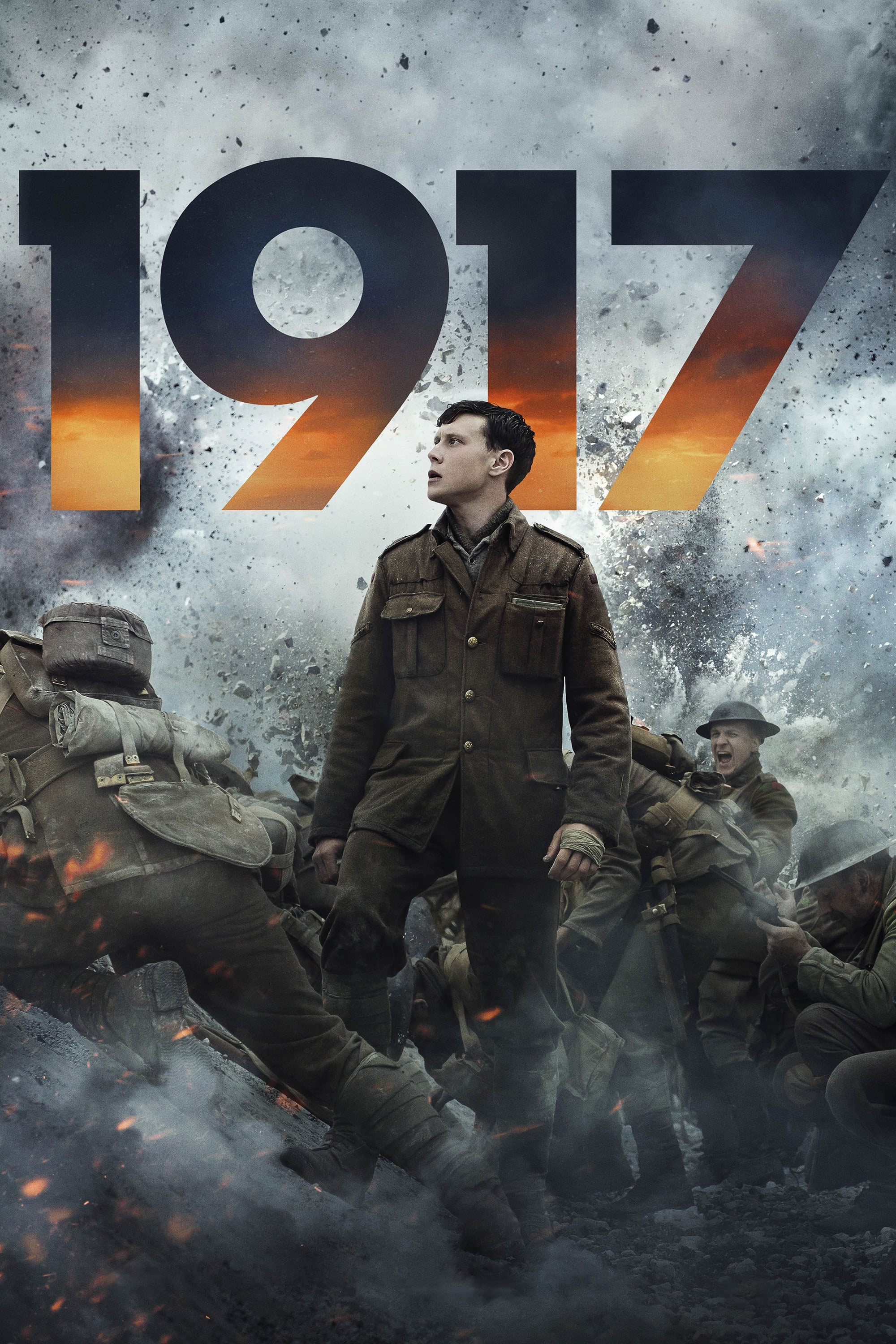
Roger Deakins and Sam Mendes designed this war film to look like one continuous shot by stitching together long takes. The scene where the protagonist runs through a burning city required a massive lighting rig to simulate moving flares. Weather conditions had to be consistent for continuity which meant the crew often waited days for the right cloud cover. A single mistake in the blocking meant that the entire set had to be reset and the pyrotechnics replaced. The result is an immersive experience that never lets the audience look away from the horror.
‘Boogie Nights’ (1997)
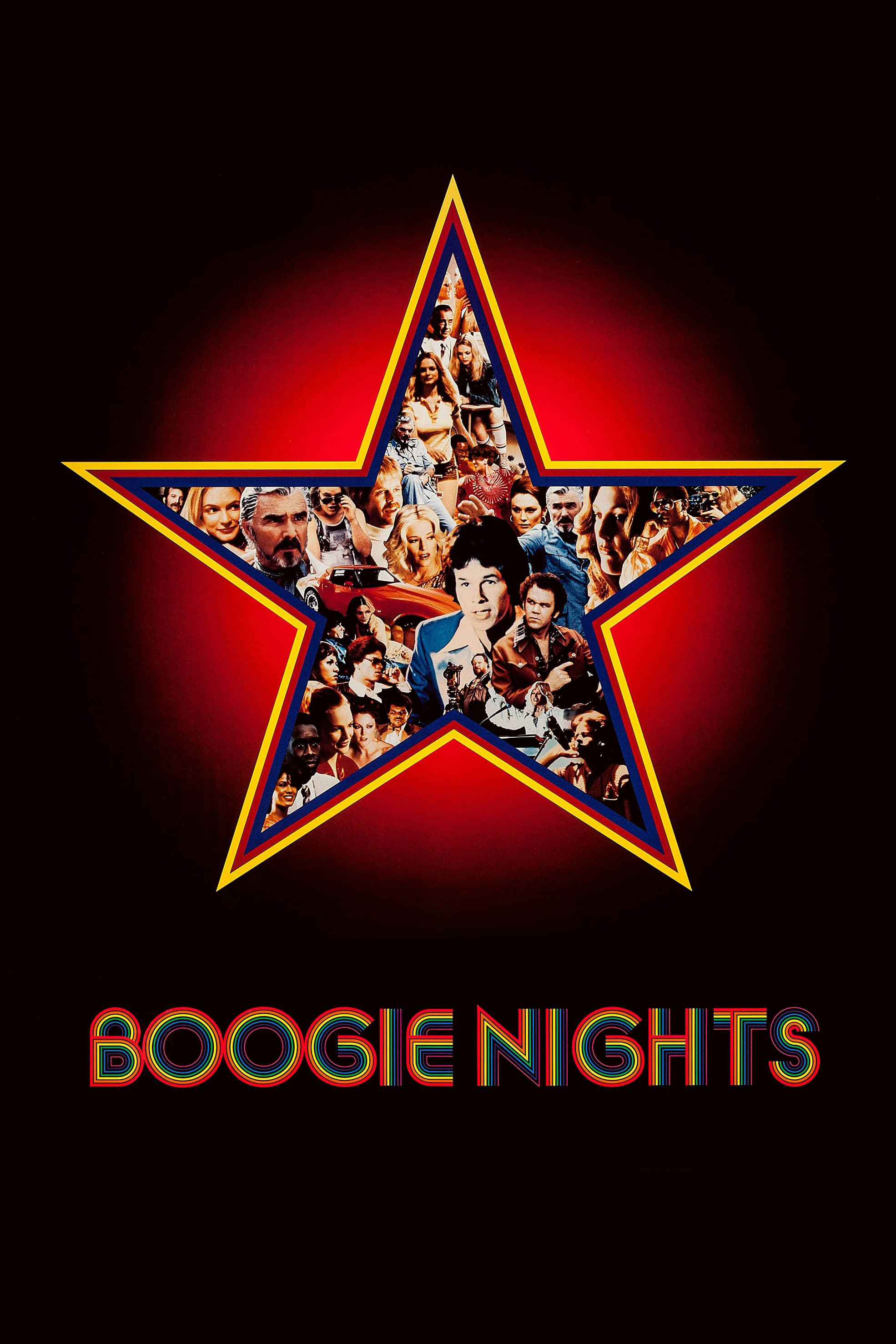
Director Paul Thomas Anderson introduces the main cast in a three-minute tracking shot that moves from the street into a crowded disco. The camera follows different characters as they weave through the club and requires the operator to step on and off a crane. The lighting changes drastically as the shot moves from the outdoors to the moody interior of the nightclub. It took numerous takes to coordinate the background actors and the complex dialogue cues. The scene perfectly establishes the setting and the ensemble nature of the story.
‘Goodfellas’ (1990)
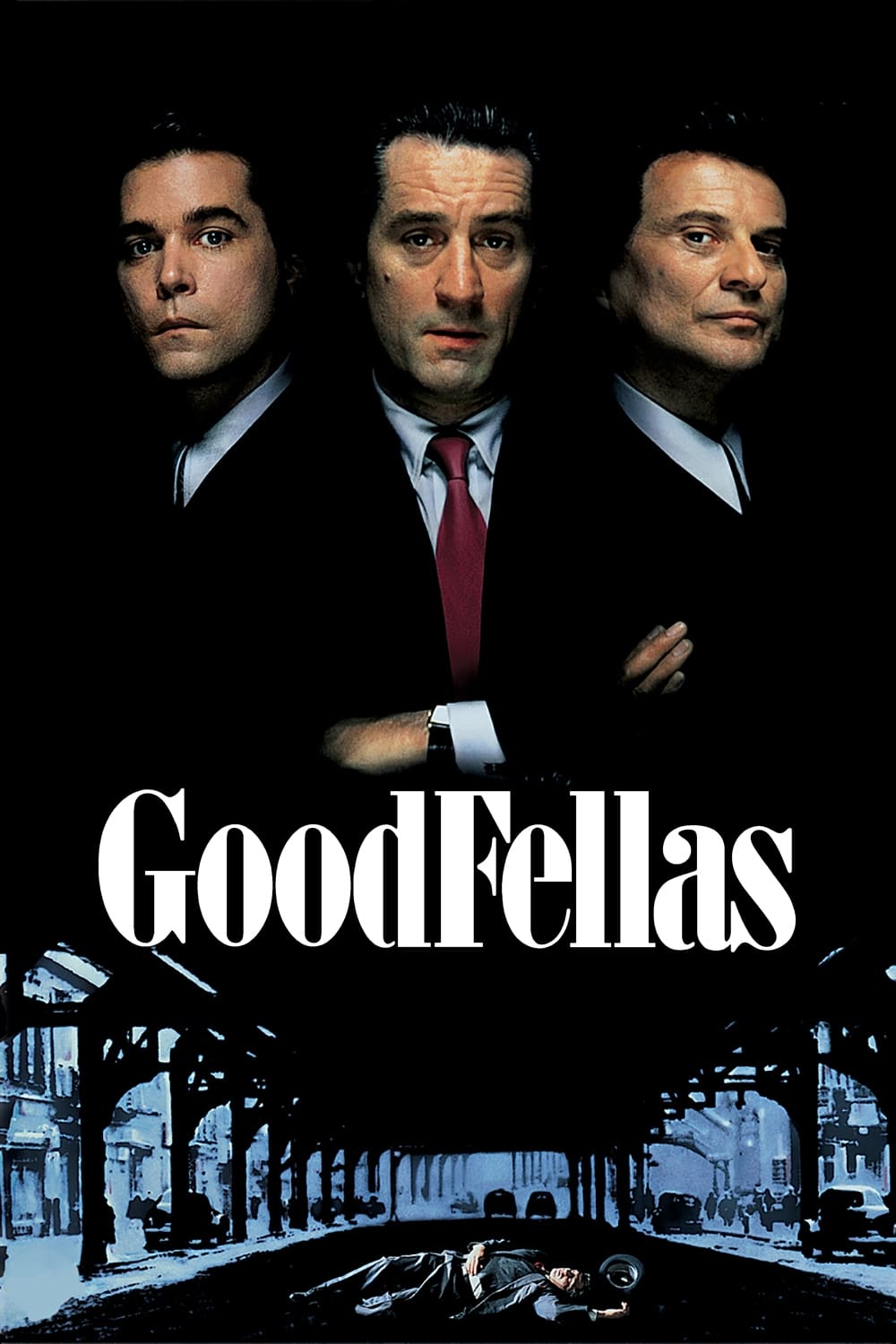
The famous Copacabana shot follows Henry Hill and Karen as they enter the club through the back kitchen entrance. Director Martin Scorsese chose this method to symbolize the exclusive access and lifestyle that the mob world provided. The crew had to navigate tight hallways and busy kitchen prep areas without bumping into the actors or staff. They filmed the sequence eight times to get the timing of the background interactions just right. This shot effectively seduces the audience into the gangster lifestyle just as Karen is being seduced.
‘The Player’ (1992)
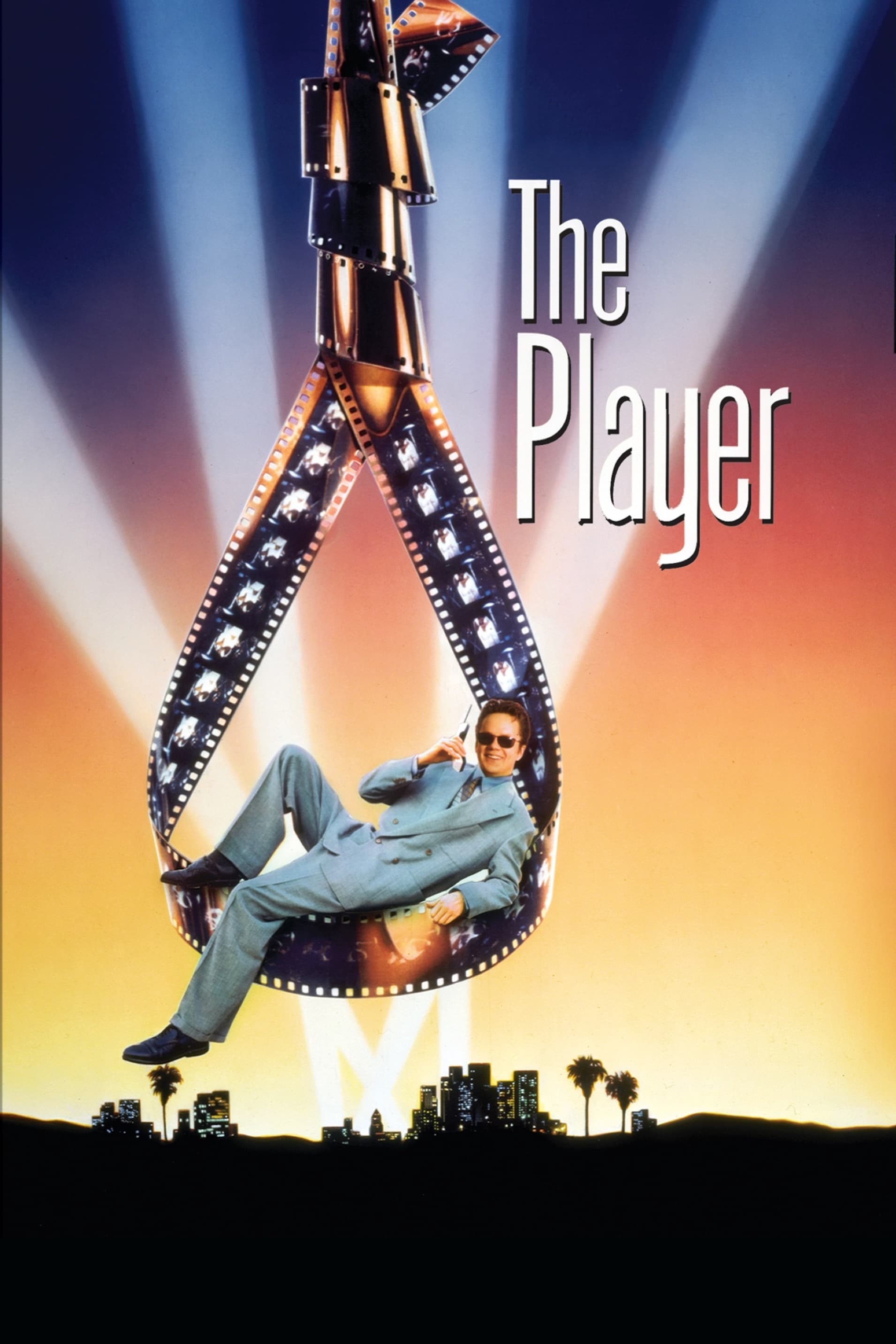
Robert Altman opens his satire of Hollywood with an eight-minute shot that ironically discusses famous long takes in cinema history. The camera moves around a studio lot and eavesdrops on various conversations while tracking the movement of cars and people. The sophisticated choreography required the actors to hit specific marks so they would be in focus when the camera passed them. It took fifteen takes over the course of a day to capture the intricate dance of dialogue and movement. The scene serves as both a technical flex and a thematic introduction to the industry.
‘Gravity’ (2013)
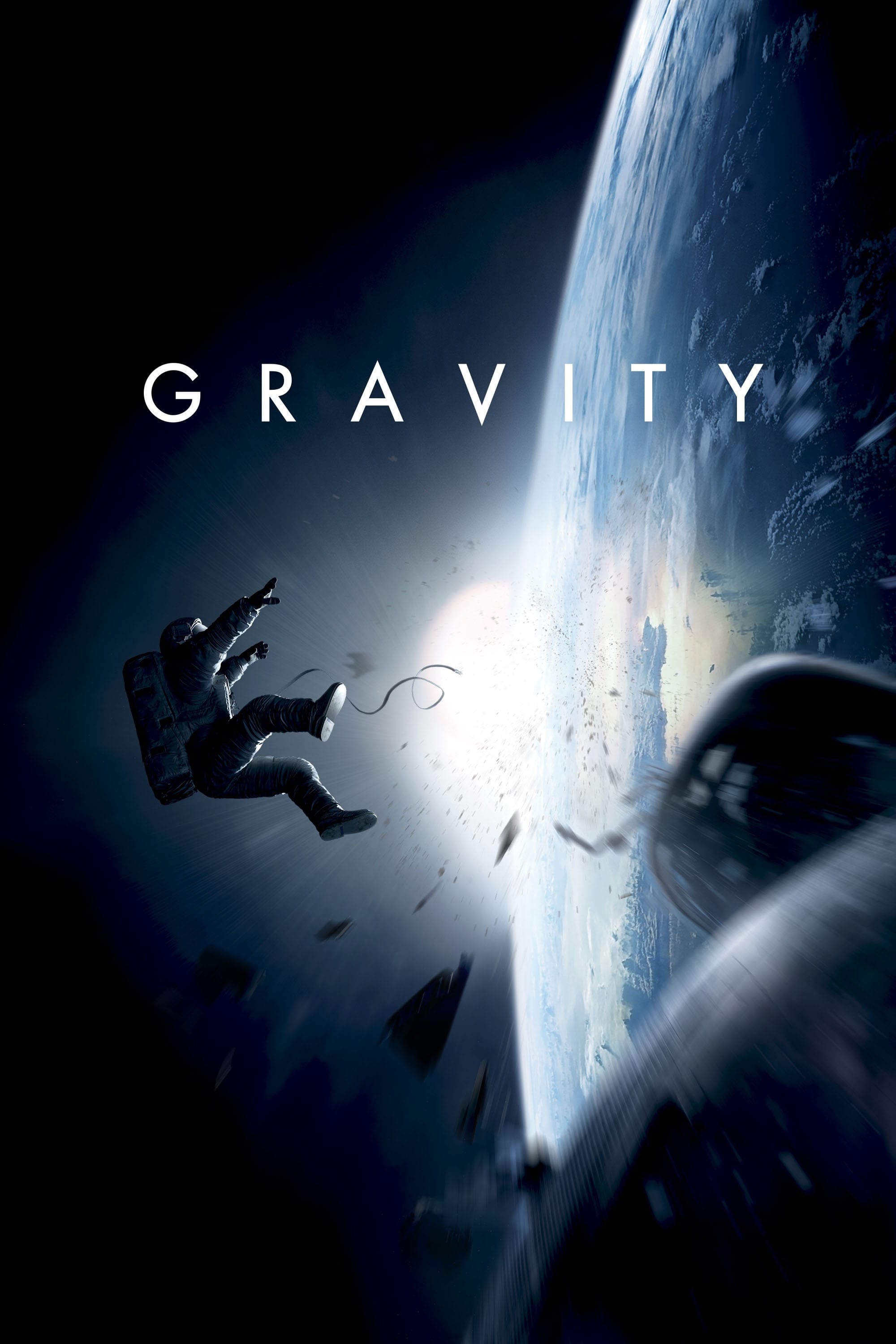
The opening sequence lasts for nearly seventeen minutes and depicts astronauts working on the Hubble Space Telescope. The filmmakers used robotic arms and a light box to simulate the lighting conditions of space on the actors’ faces. Pre-programming the camera moves took months of preparation before the actors even stepped onto the soundstage. Any deviation from the programmed movements resulted in a ruined take that wasted hours of setup time. The seamless integration of CGI and live-action performance created a groundbreaking visual experience.
‘Victoria’ (2015)
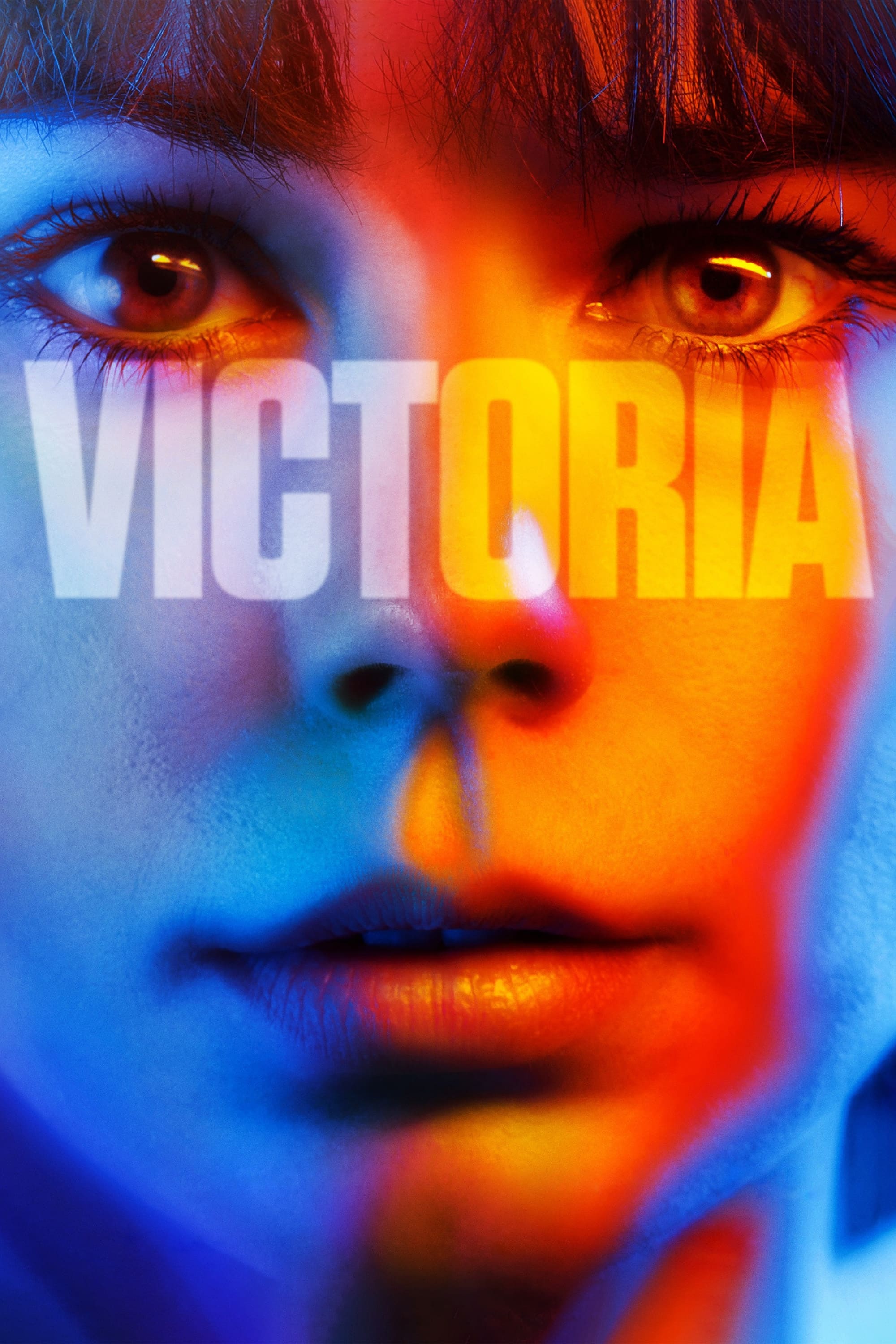
This German crime thriller was shot in a single continuous take that lasts for over two hours. The production team rehearsed the blocking for weeks to ensure the camera could move between twenty-two different locations. They only had three chances to film the movie because of the budget and the physical stamina required from the crew. The final version used in the film was the third and final attempt captured in the early morning hours. It is one of the few true one-shot feature films that does not rely on hidden edits.
‘The Revenant’ (2015)
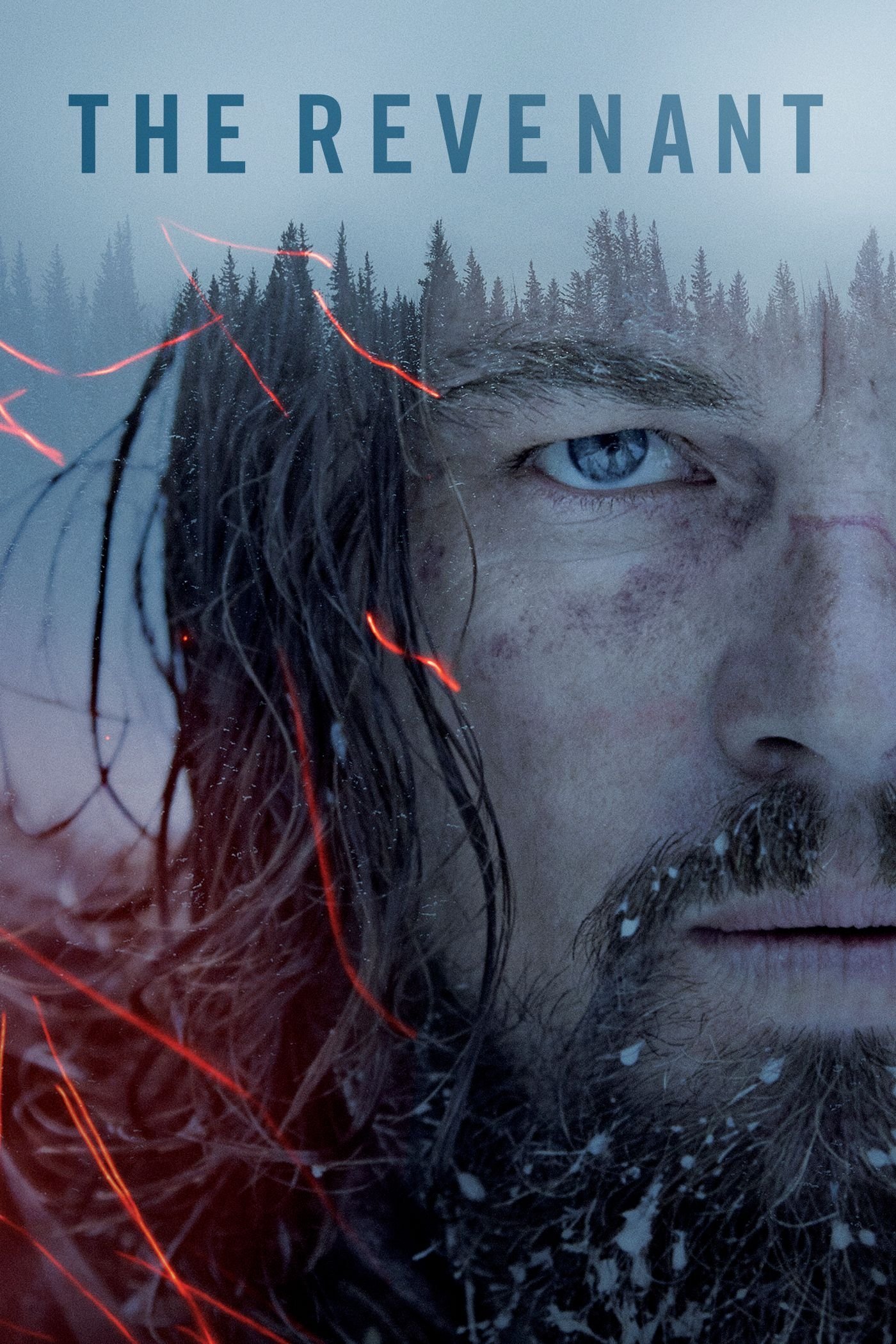
The opening battle scene immerses the audience in a chaotic ambush that was filmed in freezing natural conditions. Director Alejandro G. Iñárritu insisted on using only natural light which limited the shooting window to just a few hours a day. The camera moves fluidly between different characters engaging in brutal hand-to-hand combat. The complexity of the stunts and the harsh environment meant that getting a clean take took days of effort. This dedication to realism helped Leonardo DiCaprio secure his first Academy Award.
‘Atomic Blonde’ (2017)
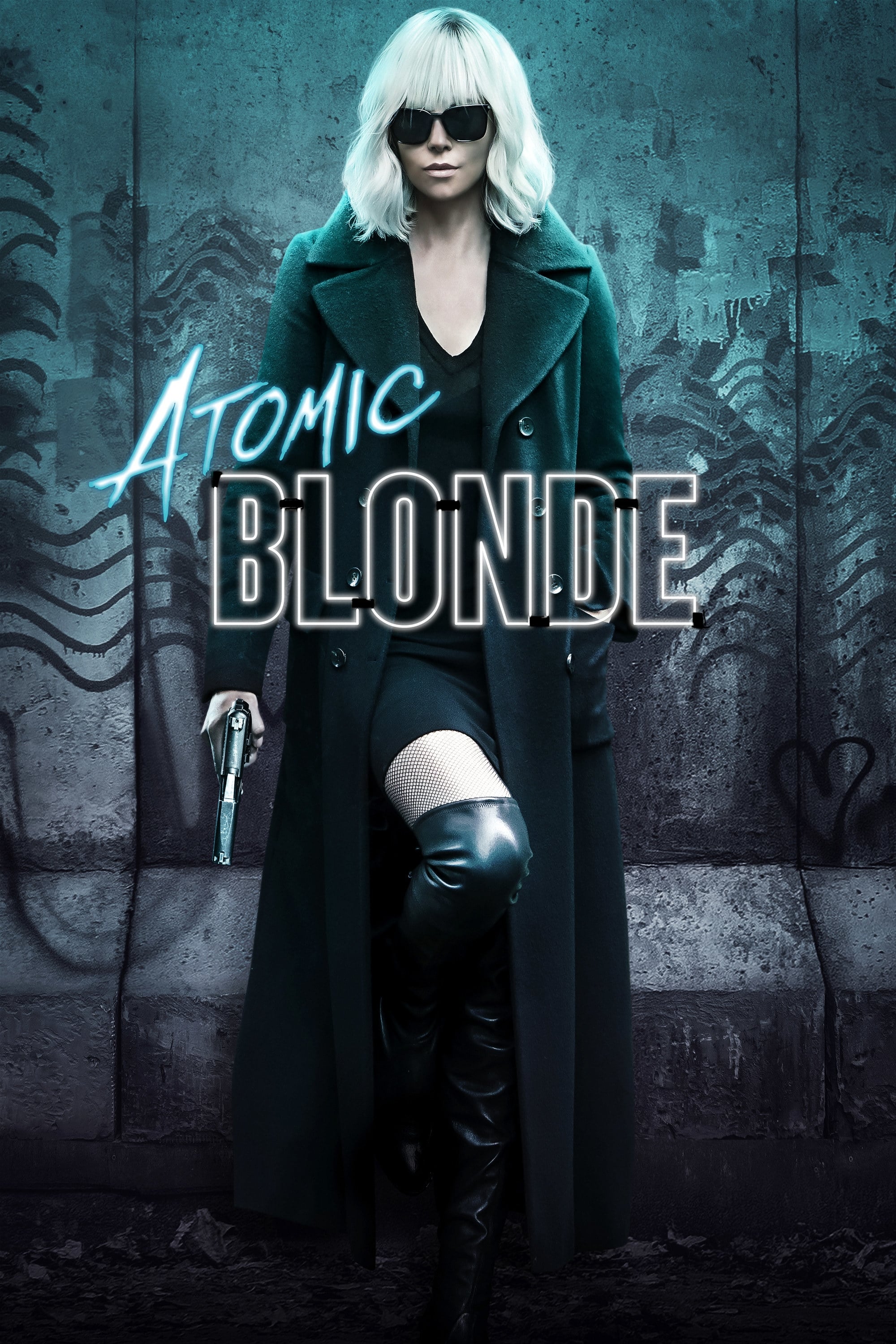
Charlize Theron performs a brutal stairwell fight sequence that appears to be a single uninterrupted shot. The scene was actually stitched together from several long takes that were filmed over four days. Theron performed most of her own stunts and had to memorize complex choreography that involved using props and fighting multiple opponents. The exhaustion shown by the character on screen mirrors the real fatigue the actress felt during the shoot. The sequence is praised for showing the physical toll of violence on the protagonist.
‘Creed’ (2015)
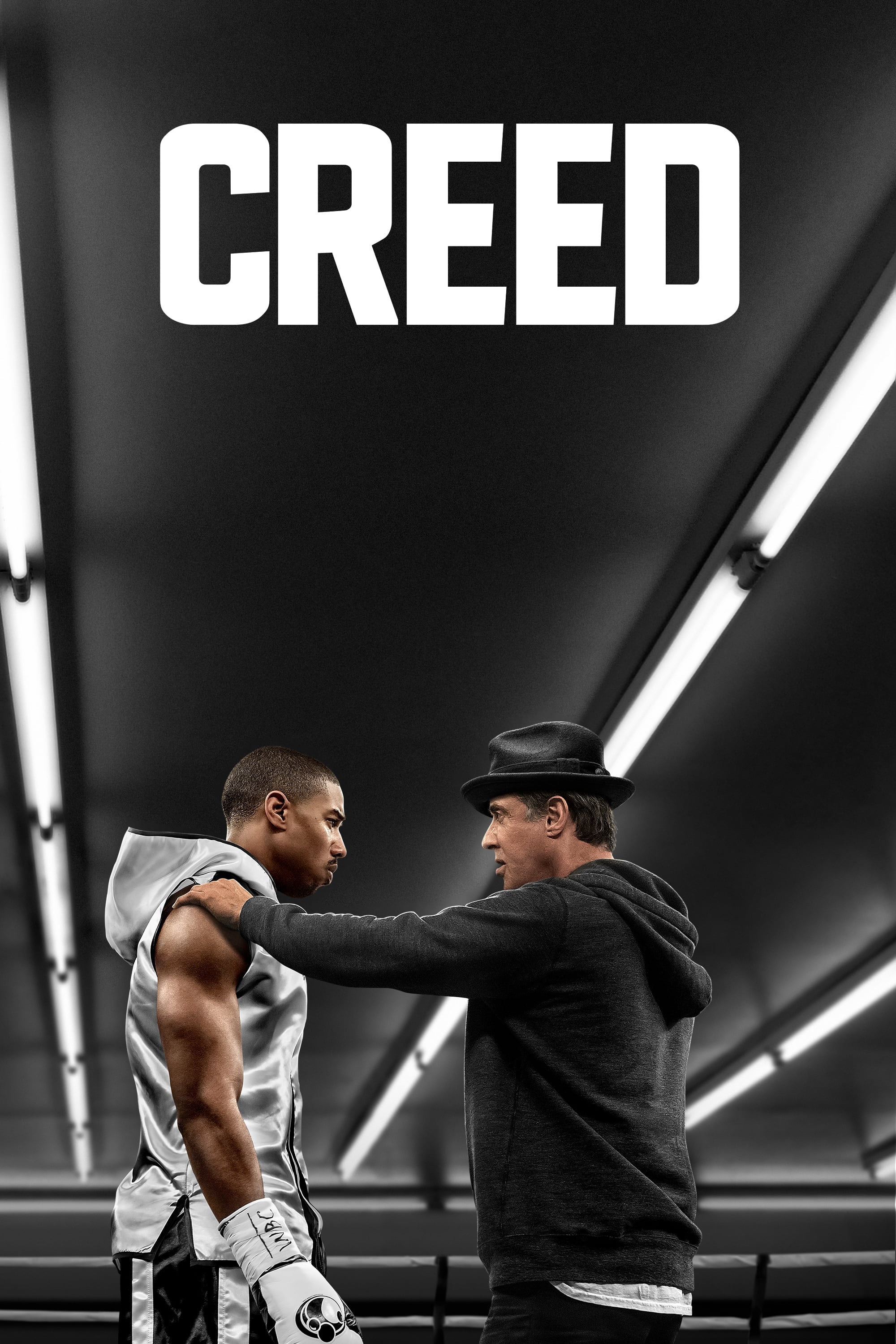
Director Ryan Coogler filmed the first major boxing match of the film in one continuous take to heighten the realism. The camera operator had to circle the actors in the ring and duck under punches while maintaining the frame. Michael B. Jordan and his opponent had to memorize the entire fight choreography like a dance to ensure safety and realism. The crew filmed the match thirteen times before they got the perfect balance of intensity and technical precision. The scene makes the audience feel like they are inside the ring with the fighters.
‘Extraction’ (2020)
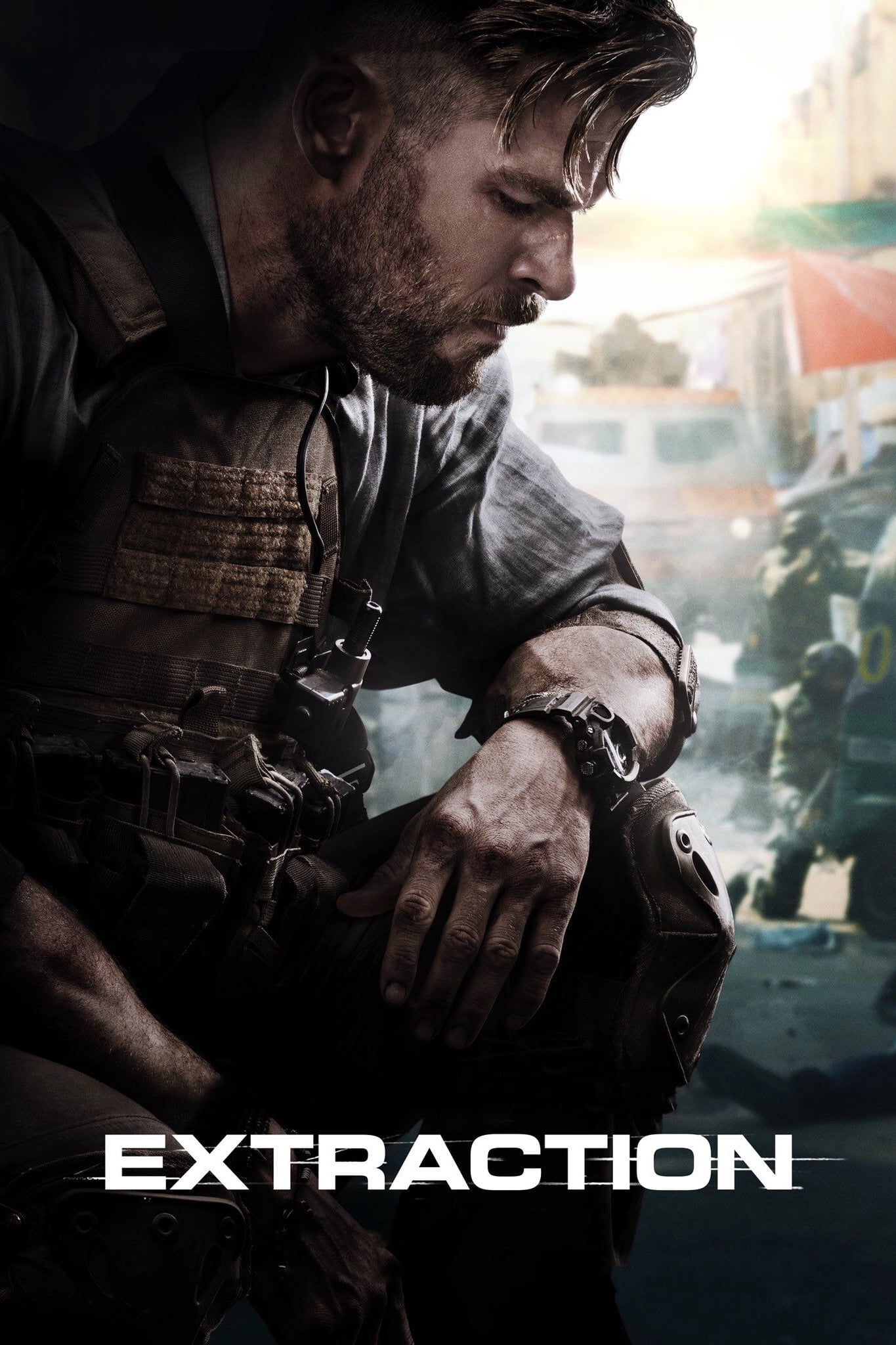
The twelve-minute extraction sequence involves a car chase, a foot chase, and a gunfight that flows through a busy city. Director Sam Hargrave strapped himself to the hood of a car to operate the camera during the high-speed pursuit. The sequence blends practical stunts with invisible digital edits to maintain the illusion of continuity. Filming the various segments took ten consecutive days of intense physical work from the stunt team. The result is a high-octane set piece that raises the bar for action movies.
‘Birdman’ (2014)
The scene where Michael Keaton runs through Times Square in his underwear had to be filmed in a real crowd of unsuspecting tourists. The production could not afford to close down the location so they had to rely on the actors to navigate the chaos. They hired a drum line to distract the pedestrians while the camera crew followed Keaton through the plaza. The crew filmed only four takes because the real crowd began to notice the Hollywood star and disrupt the shot. This guerilla filmmaking approach added a layer of frantic energy to the film’s climax.
Share your favorite long-take scene from this list in the comments.