


25 Opening Lines of Movies That Instantly Set the Tone




First impressions are crucial in cinema because they establish the atmosphere for the entire narrative within seconds. A powerful opening line acts as a hook that grabs the audience’s attention and refuses to let go until the credits roll. These introductory words often encapsulate the central themes or the protagonist’s worldview before the plot even begins to unfold. Screenwriters craft these moments to provide immediate context or to disorient the viewer in a calculated way. The most memorable opening lines remain etched in pop culture history long after the film has ended.
‘Goodfellas’ (1990)
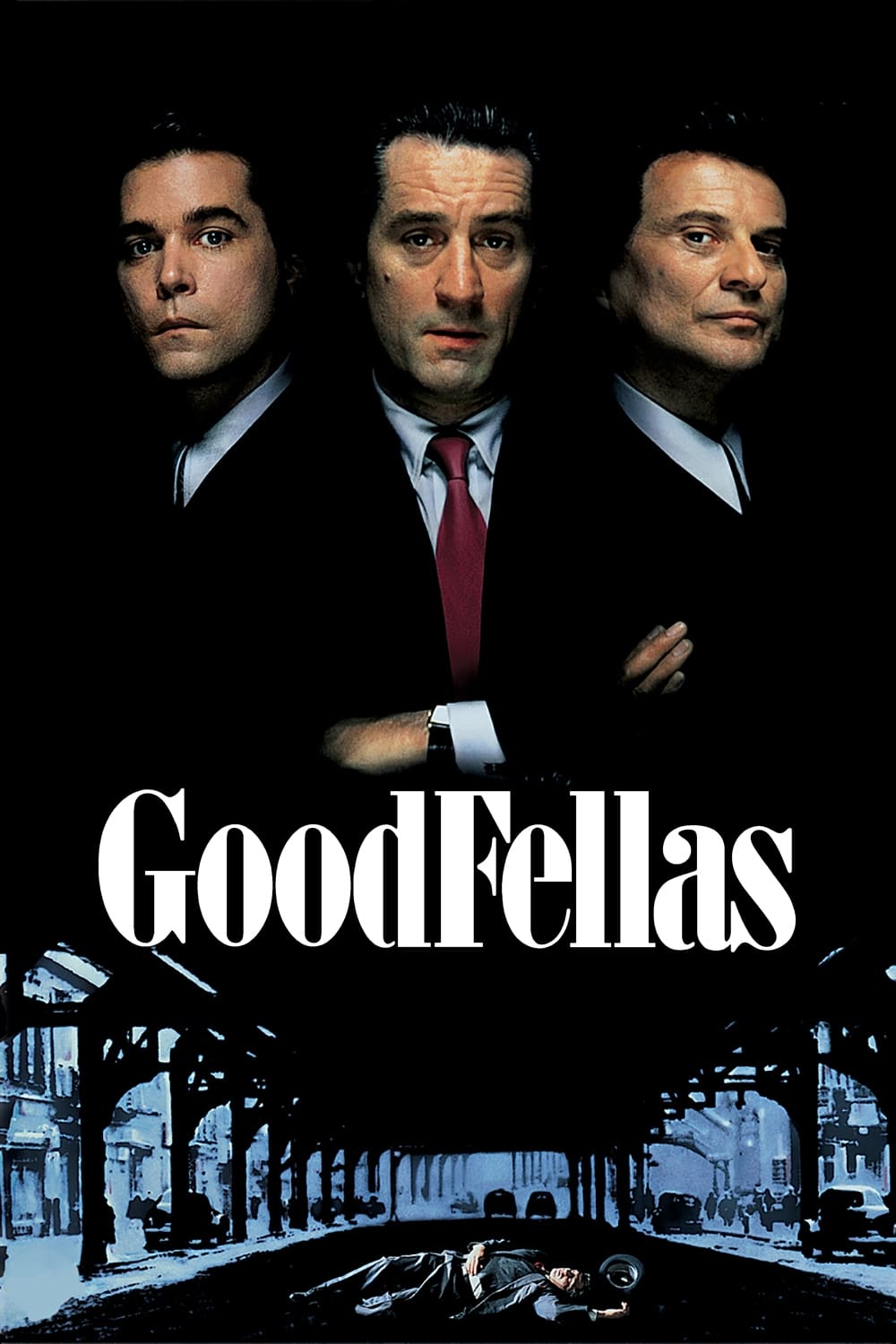
Henry Hill introduces the audience to his life ambition with a shocking level of candor in this crime classic. The line “As far back as I can remember, I always wanted to be a gangster” immediately establishes the protagonist’s twisted morality. Viewers are thrust into a world where organized crime is viewed as a vocational calling rather than a criminal act. This voiceover sets the kinetic rhythm for the fast-paced narrative that defines the entire film. It remains one of the most recognizable character introductions in cinematic history.
‘The Godfather’ (1972)
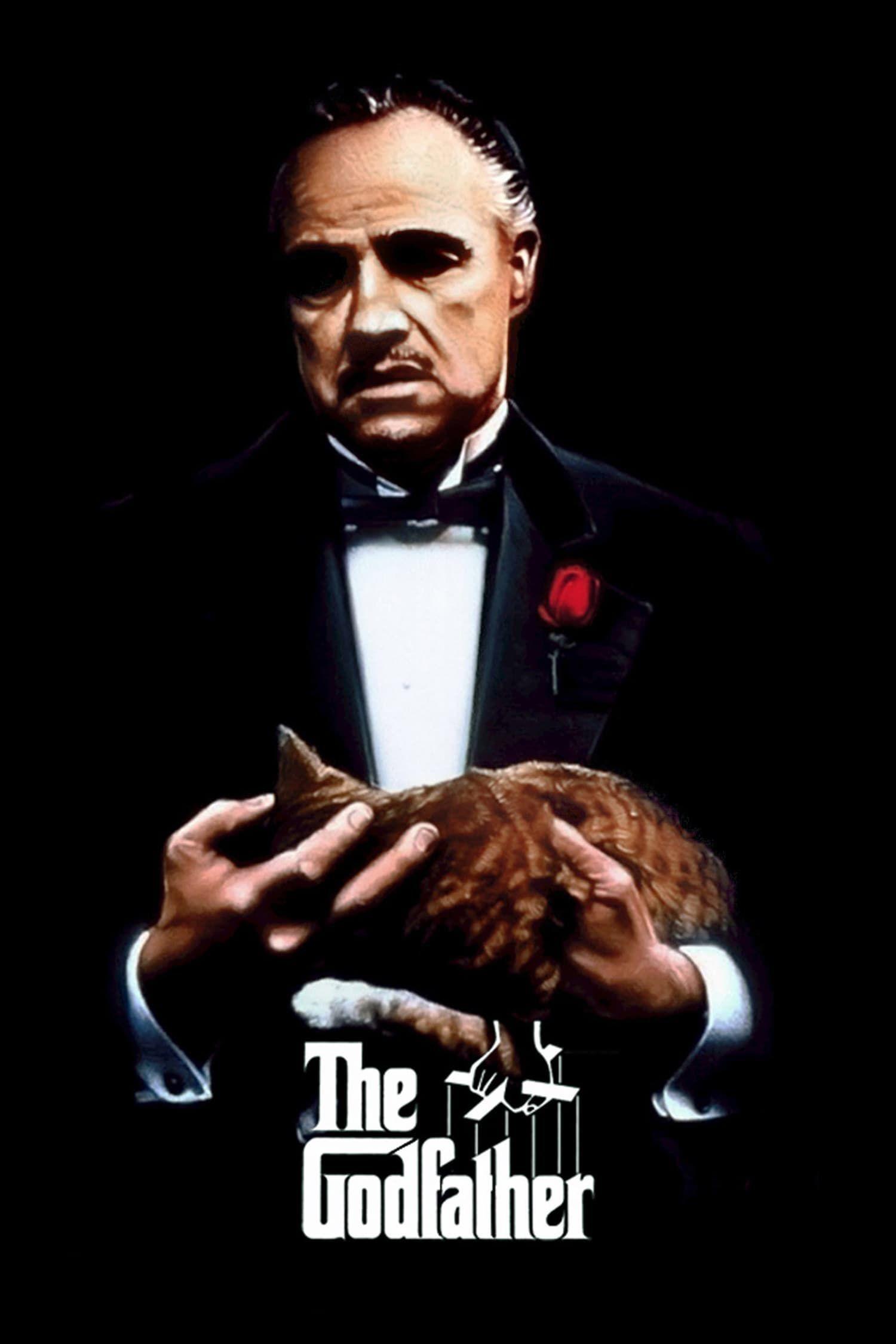
Bonasera creates a somber atmosphere as he declares “I believe in America” while sitting in total darkness. The scene slowly reveals the undertaker pleading for justice from a man he has avoided until necessity forced his hand. This opening monologue juxtaposes the American dream with the shadow world of the Corleone family business. Coppola uses this moment to highlight the failure of legitimate institutions to protect their citizens. The audience instantly understands that the Mafia operates effectively where the law falls short.
‘The Social Network’ (2010)

Mark Zuckerberg opens the film with a rapid-fire question about the number of people with genius IQs in China. The dialogue “Did you know there are more people with genius IQs living in China than there are people of any kind living in the United States?” showcases his intellect and social awkwardness simultaneously. This conversation immediately establishes the quick tempo and intellectual arrogance that permeates the movie. It frames the protagonist as someone obsessed with statistics and standing out in a crowded world. The line perfectly foreshadows the global scale of the empire he is about to build.
‘Trainspotting’ (1996)
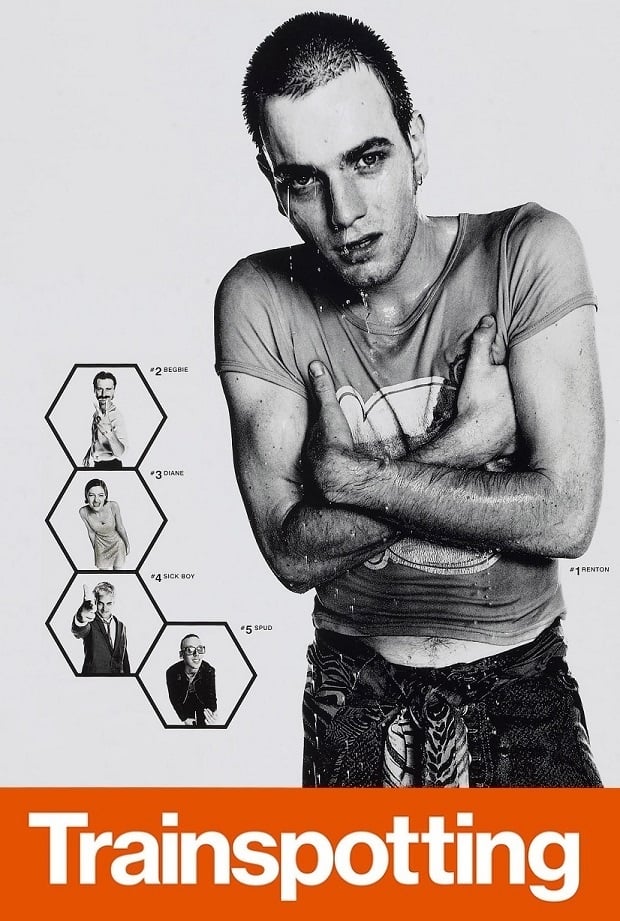
Mark Renton delivers a frantic monologue that rejects societal norms with the sarcastic command to “Choose life.” This opening speech lists the mundane aspects of a traditional existence such as washing machines and dental insurance. The narration serves as a manifesto for the counterculture lifestyle the characters have embraced. It establishes the rebellious and nihilistic tone that drives the narrative forward. The audience is immediately immersed in the chaotic energy of the Edinburgh drug scene.
‘Fight Club’ (1999)
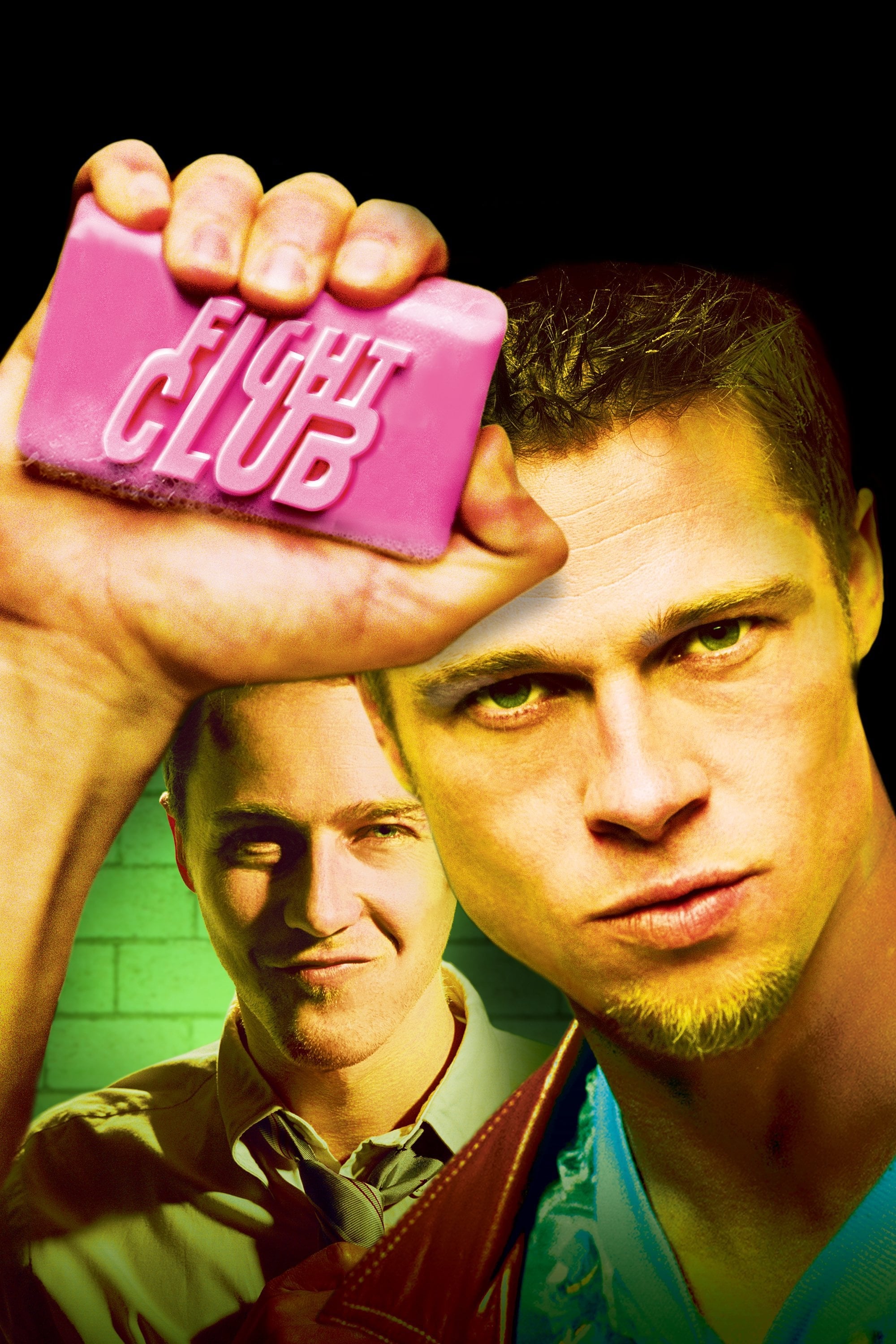
The narrator begins the story with a gun in his mouth while mentioning the film’s mysterious antagonist. His statement that “People are always asking me if I know Tyler Durden” creates immediate intrigue about the relationship between the two men. This line sets up the nonlinear narrative structure that keeps viewers guessing until the final twist. It establishes the omnipresence of Tyler Durden before he even appears on screen. The calm delivery amidst a chaotic situation perfectly encapsulates the film’s dark humor.
‘The Lord of the Rings: The Fellowship of the Ring’ (2001)
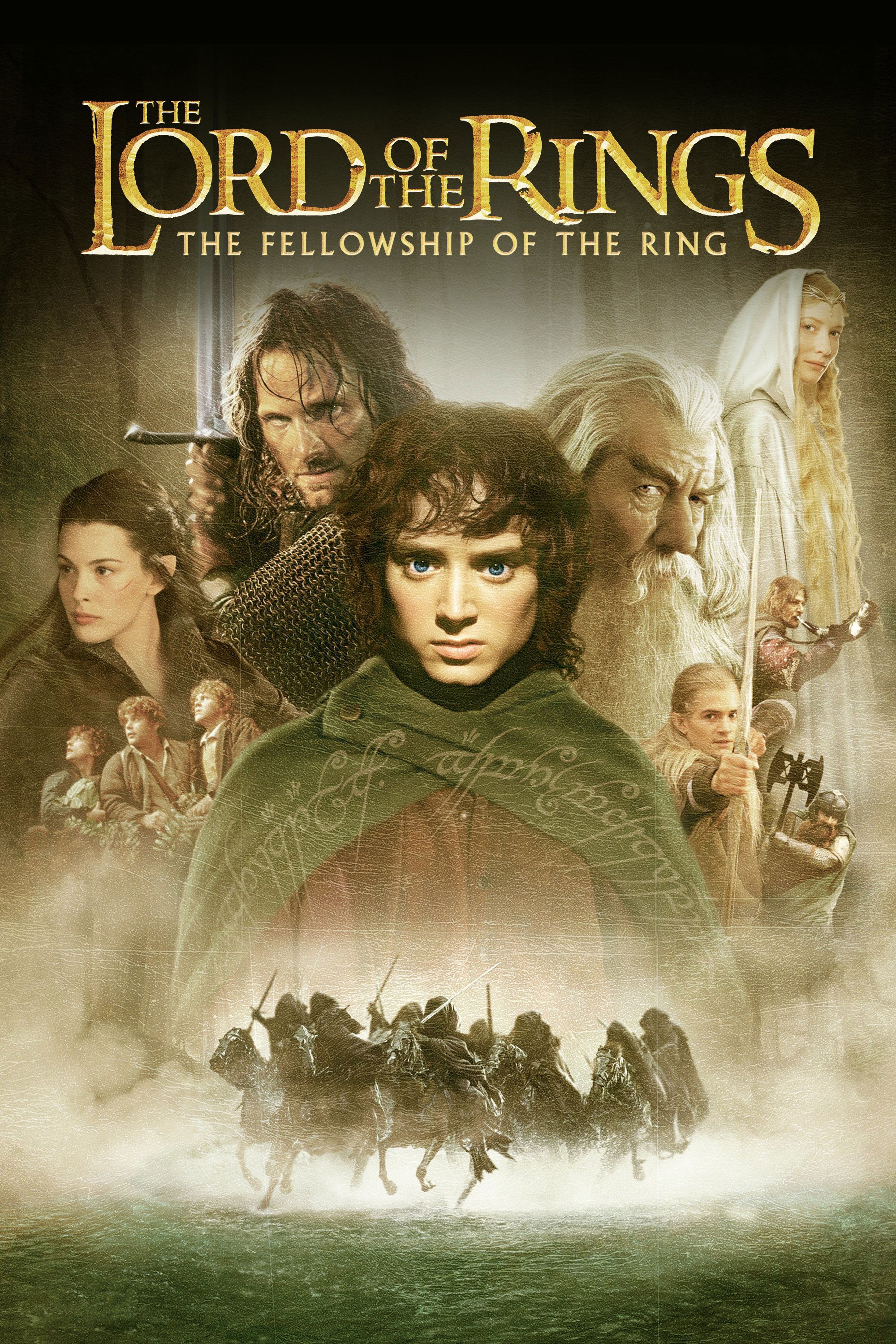
Galadriel delivers a haunting voiceover that speaks to the passage of time and the loss of ancient history. Her words “The world is changed” are spoken in Elvish and then English to bridge the gap between myth and reality. This introduction provides necessary exposition about the Rings of Power without feeling like a history lecture. It establishes the epic scale and high stakes of the fantasy saga immediately. The melancholic tone prepares the audience for a story about the end of an era.
‘Sunset Boulevard’ (1950)
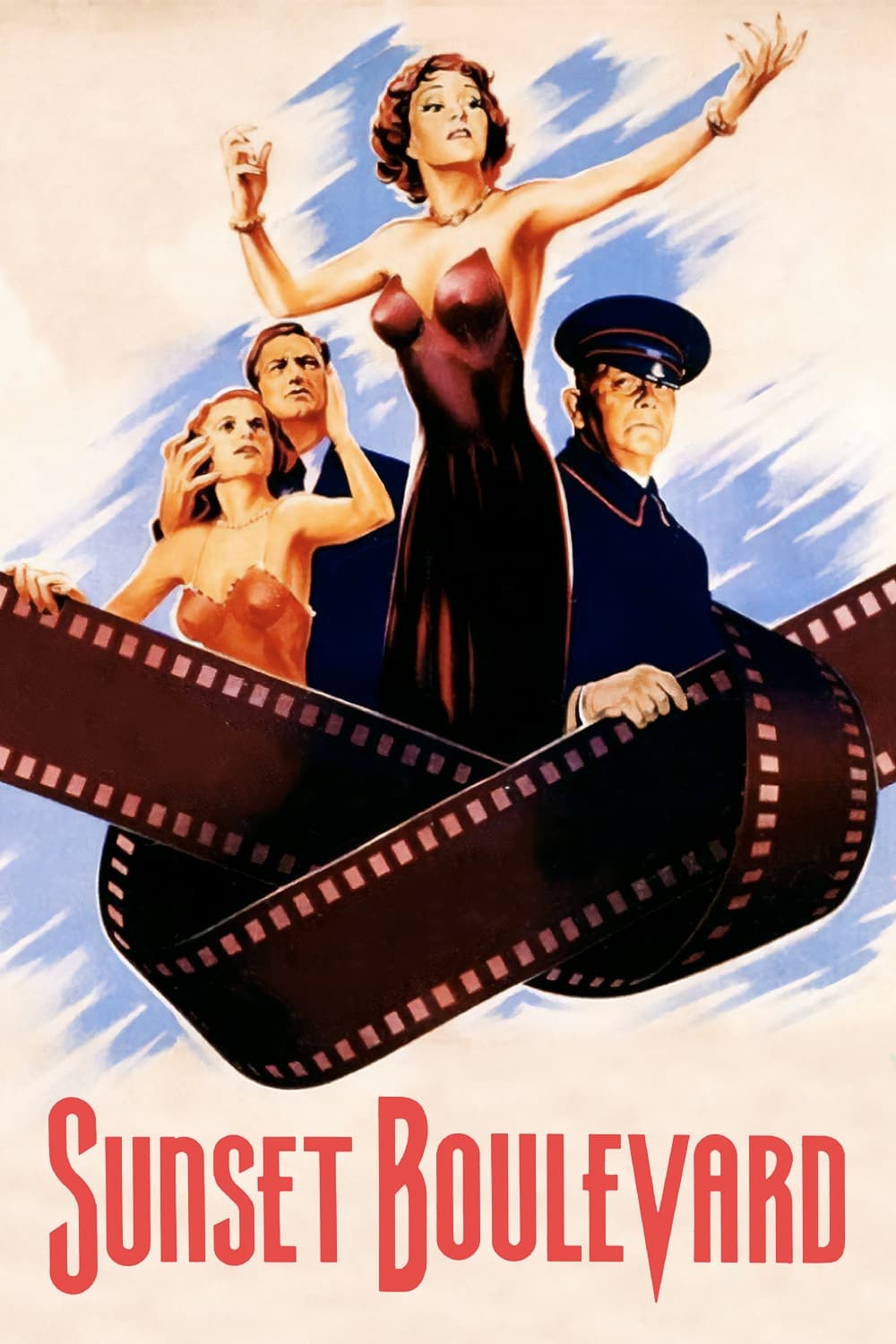
Joe Gillis speaks from beyond the grave to confirm his location with the line “Yes, this is Sunset Boulevard.” The narration accompanies a shot of the police rushing toward a mansion where a body floats in the swimming pool. This introduction subverts expectations by revealing the protagonist’s ultimate fate right at the start. It casts a cynical shadow over the glitz and glamour of Hollywood depicted in the film. The noir atmosphere is solidified instantly through this morbid confession.
‘Gone Girl’ (2014)
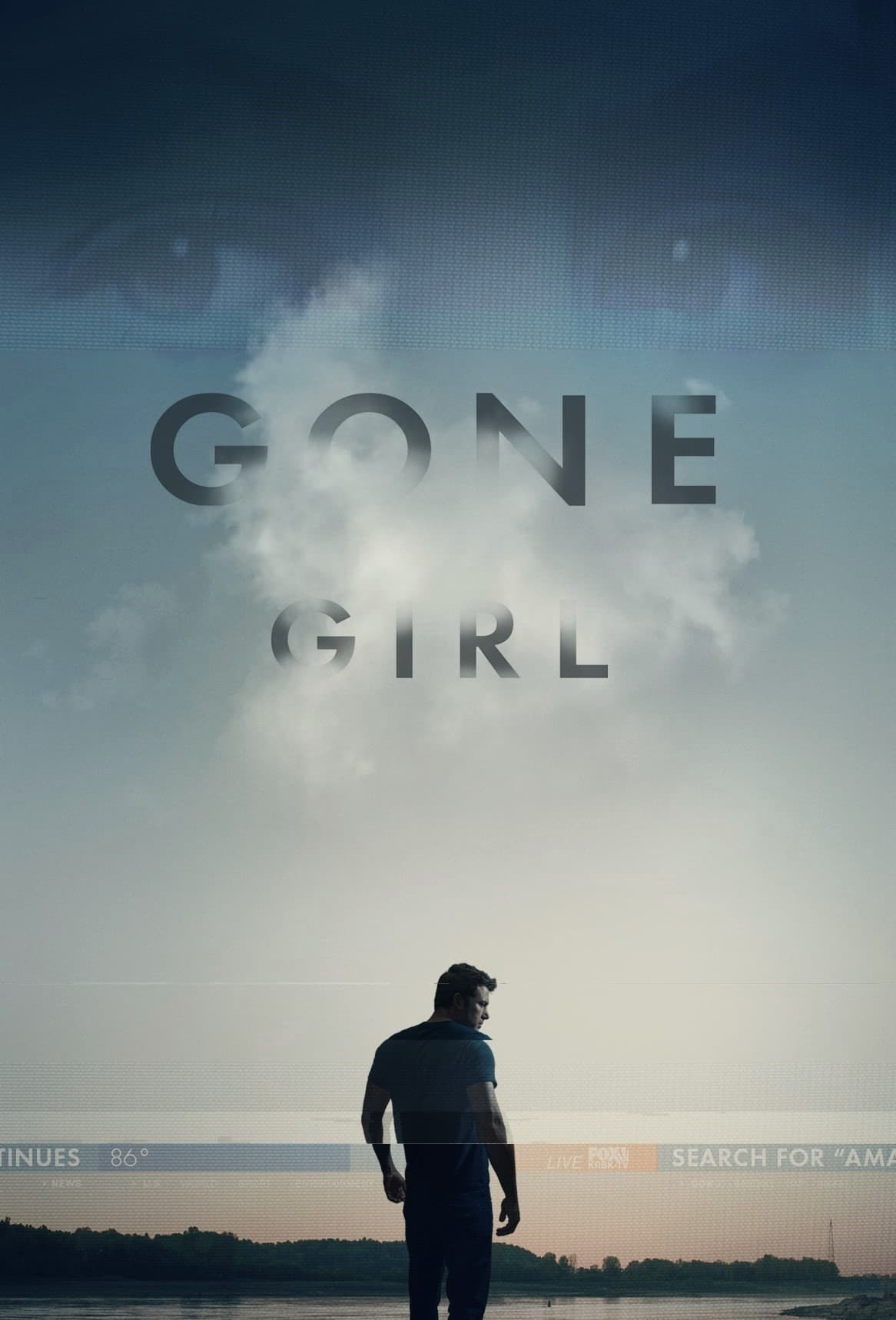
Nick Dunne delivers a chilling internal monologue while stroking his wife’s head. He muses “When I think of my wife, I always think of her head” before vividly describing cracking it open. This shocking opening statement immediately casts suspicion on the protagonist and establishes the toxic nature of their marriage. It sets the stage for a psychological thriller built on deception and hidden resentment. The line forces the audience to question the reliability of the narrator from the very first frame.
‘Fear and Loathing in Las Vegas’ (1998)
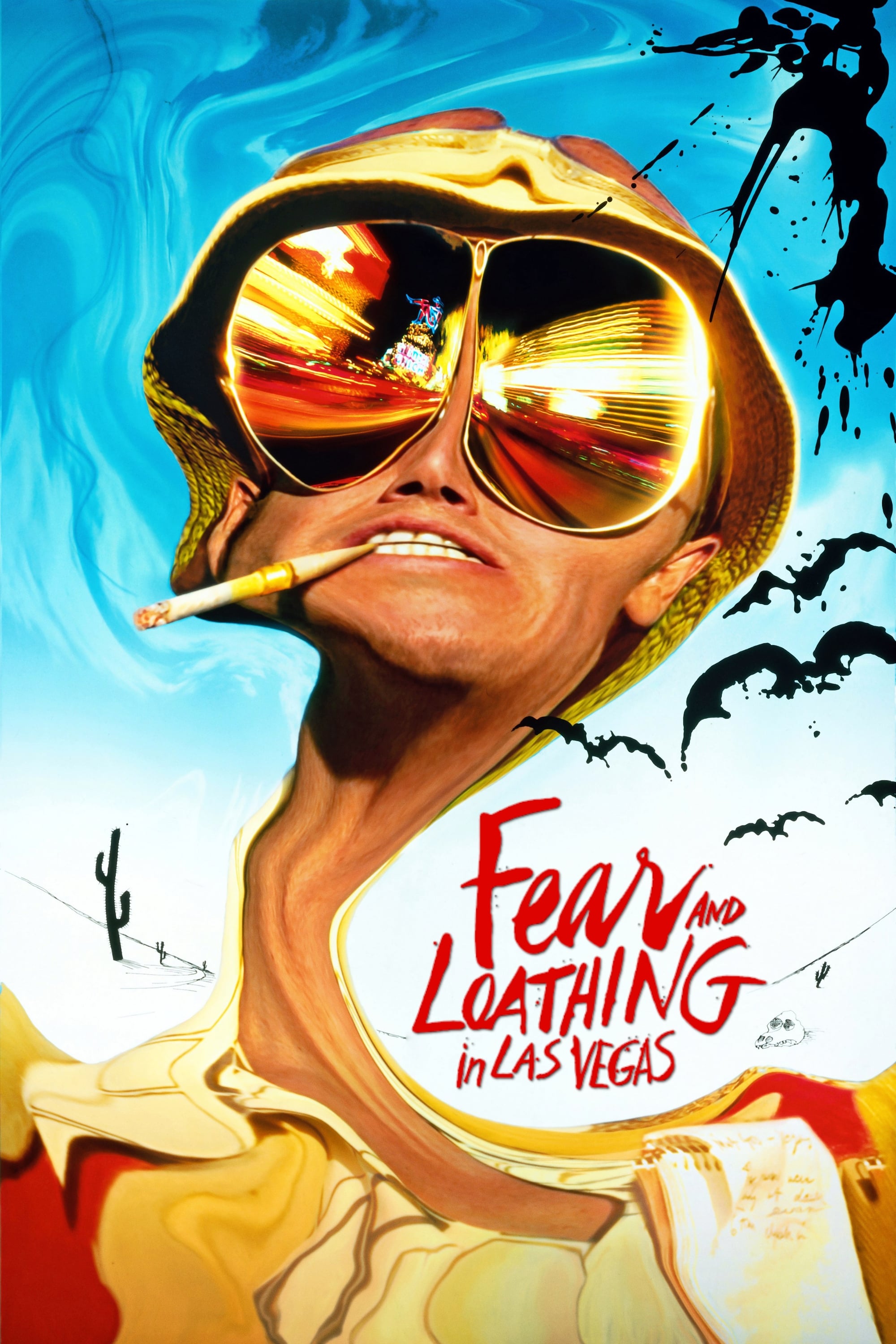
Raoul Duke describes the onset of a psychedelic trip with the line “We were somewhere around Barstow on the edge of the desert when the drugs began to take hold.” This sentence plunges the viewer directly into the drug-fueled chaos that characterizes the rest of the film. It establishes the unreliable narration and the hallucogenic visual style immediately. The specific mention of location grounds the surreal experience in a warped version of reality. It warns the audience that the journey ahead will be incoherent and wild.
‘Stand by Me’ (1986)
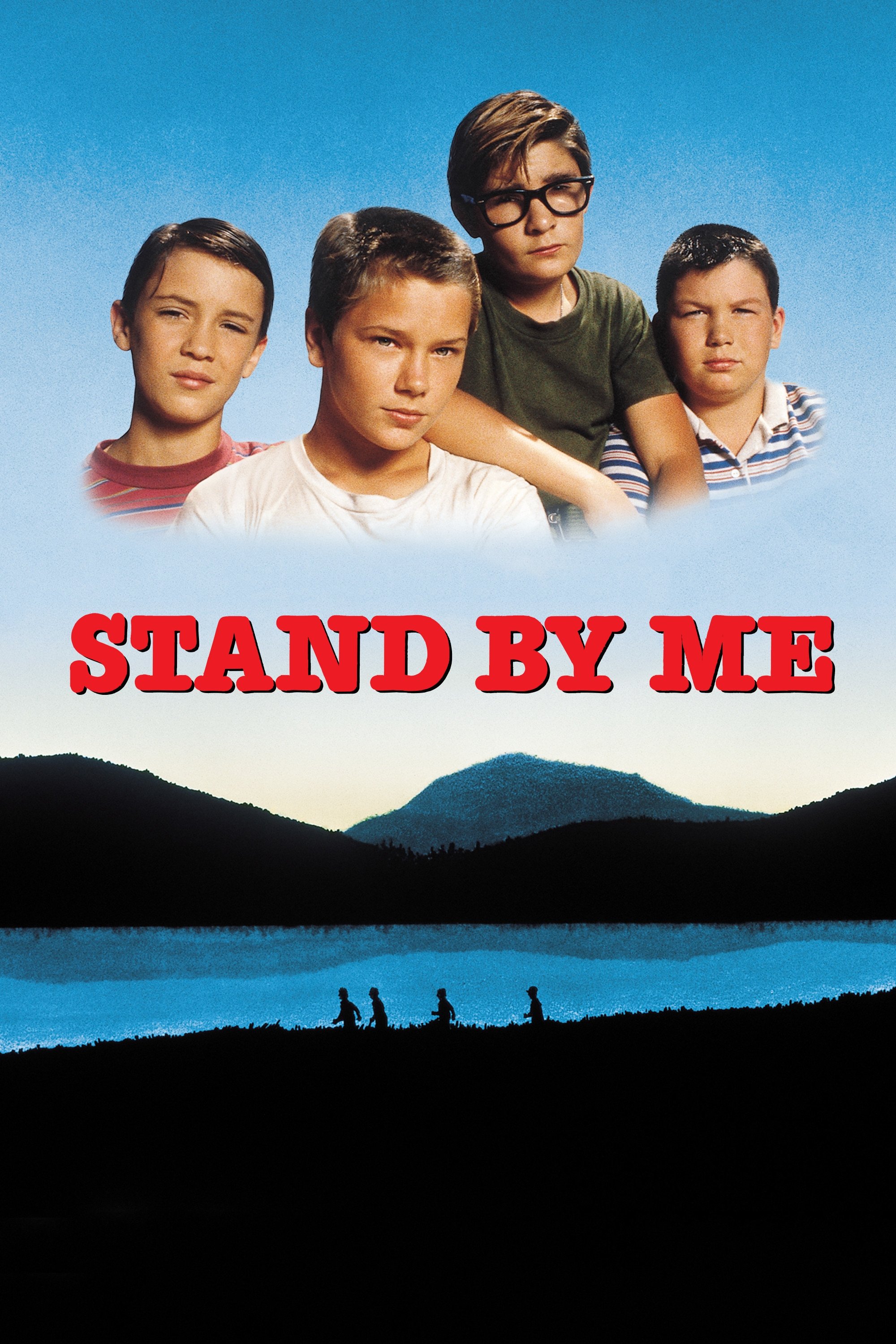
The narrator reflects on a pivotal moment in his childhood with the line “I was 12 going on 13 the first time I saw a dead human being.” This sentence instantly creates a sense of nostalgia tinged with a loss of innocence. It frames the coming-of-age story as a memory that has defined the adult writer’s life. The bluntness of the statement contrasts with the sentimental tone of the film. It prepares the viewer for a journey that balances youthful adventure with serious themes of mortality.
‘Apocalypse Now’ (1979)
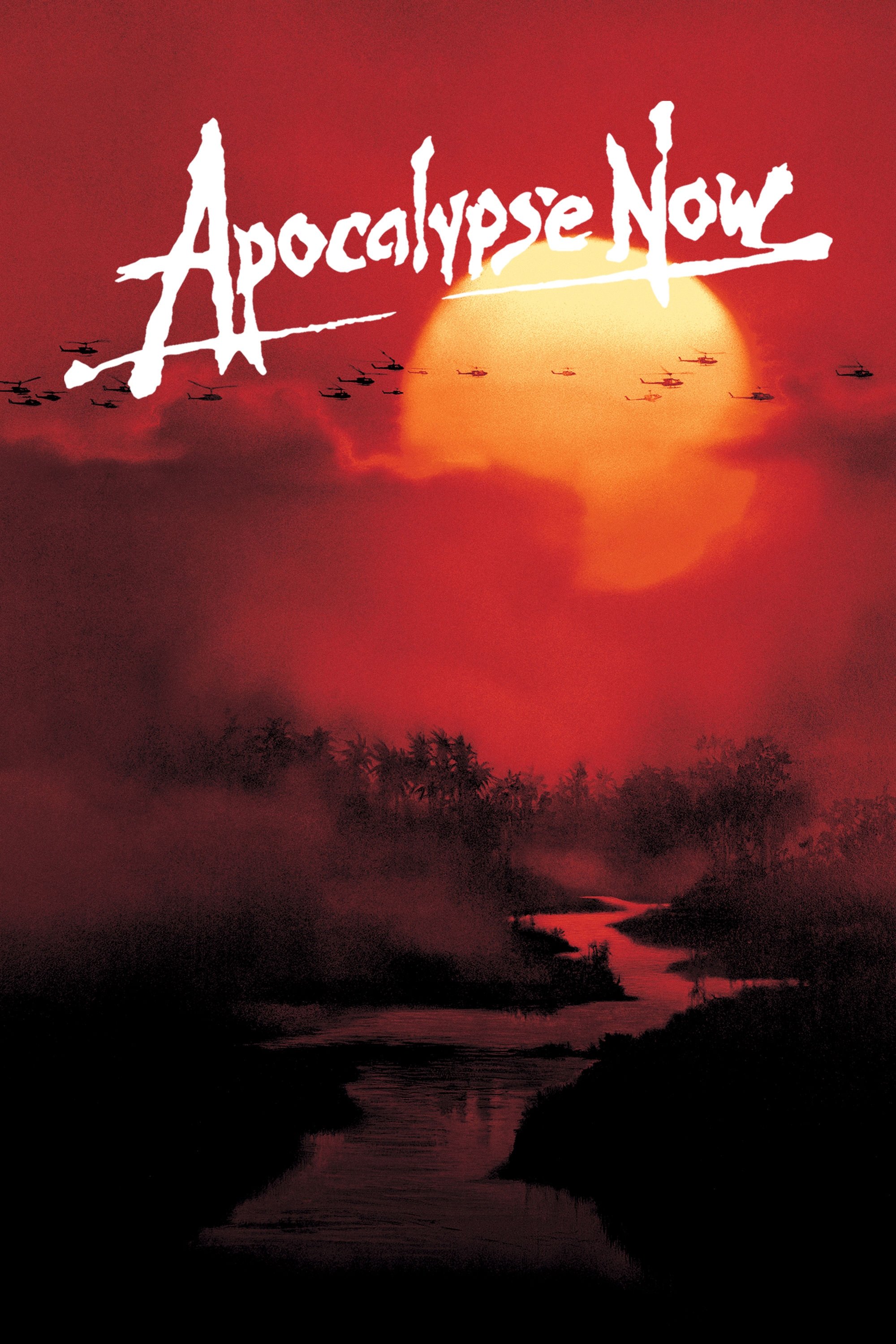
Captain Willard stares at a ceiling fan while his voiceover mutters “Saigon. Shit.” This succinct opening reveals the protagonist’s utter exhaustion and disillusionment with the war. It establishes that the character is trapped in a mental and physical purgatory from which he cannot escape. The line conveys the cyclical nature of his deployment and his deteriorating mental state. It sets a gritty and psychological tone for this harrowing war epic.
‘A Clockwork Orange’ (1971)
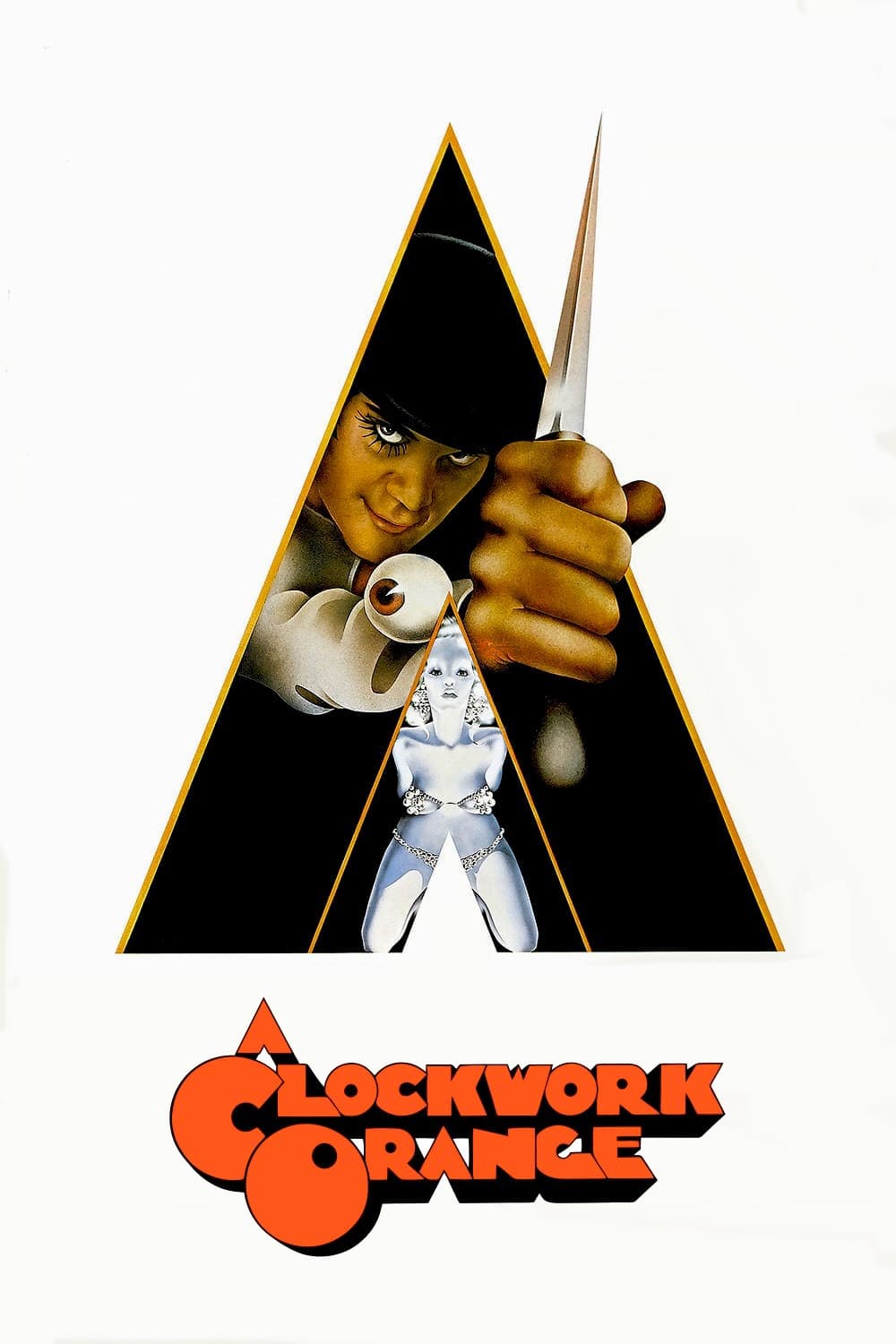
Alex DeLarge introduces himself and his gang with the distinct Nadsat slang saying “There was me, that is Alex, and my three droogs.” The camera pulls back slowly to reveal the menacing group sitting in the Korova Milkbar. This line forces the audience to adjust immediately to the unique dialect and futuristic setting of the film. It establishes Alex as the charismatic leader of a violent group of delinquents. The direct address challenges the viewer to judge or understand the sociopathic protagonist.
‘Patton’ (1970)
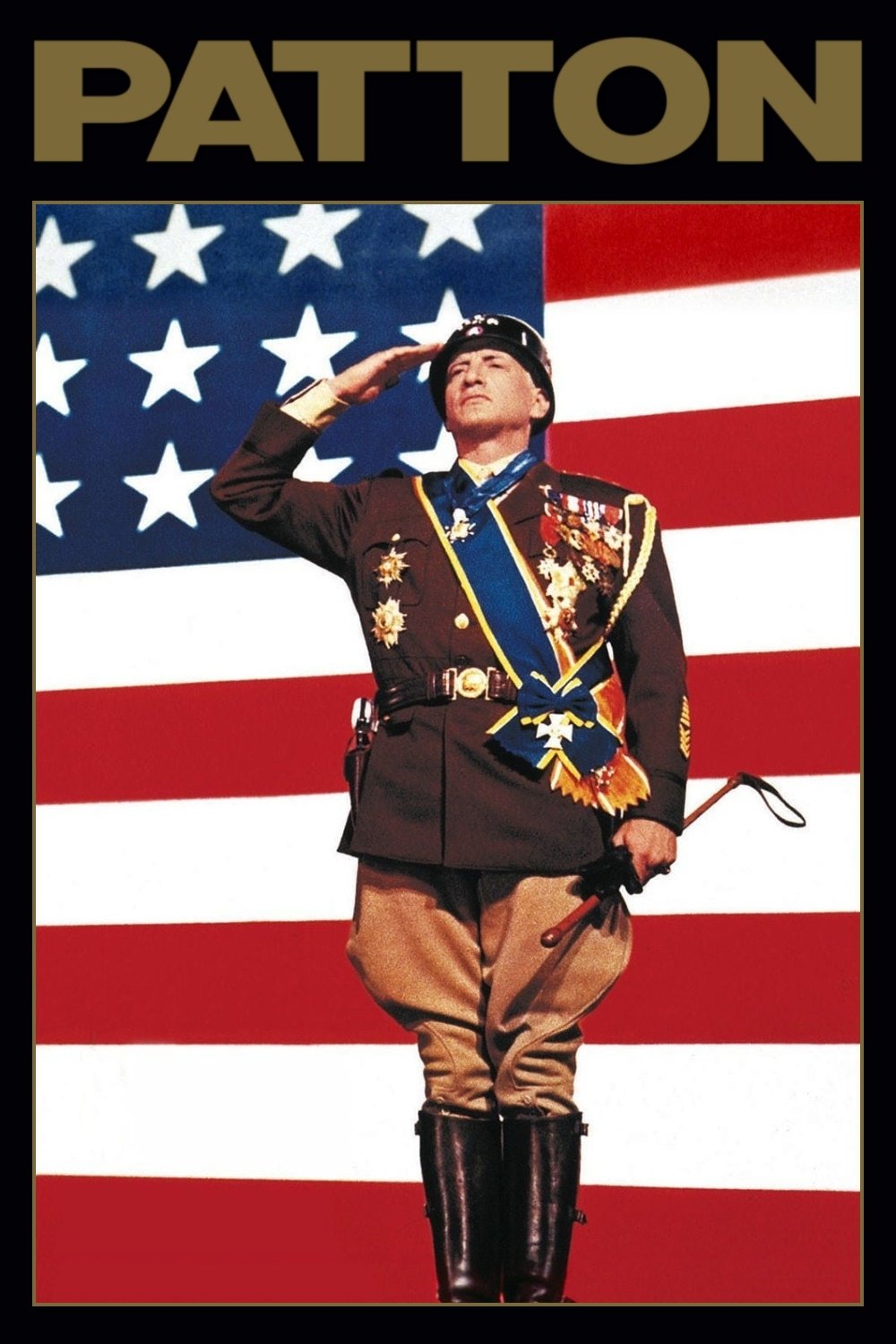
General George S. Patton stands before a massive American flag and addresses his troops with the command “Now I want you to remember that no bastard ever won a war by dying for his country.” This aggressive opening speech defines the character’s philosophy on warfare and leadership. It establishes his larger-than-life persona and his demand for absolute victory. The monologue removes the fourth wall and treats the movie audience as the soldiers being briefed. It remains the definitive portrayal of the complex historical figure.
‘The Prestige’ (2006)
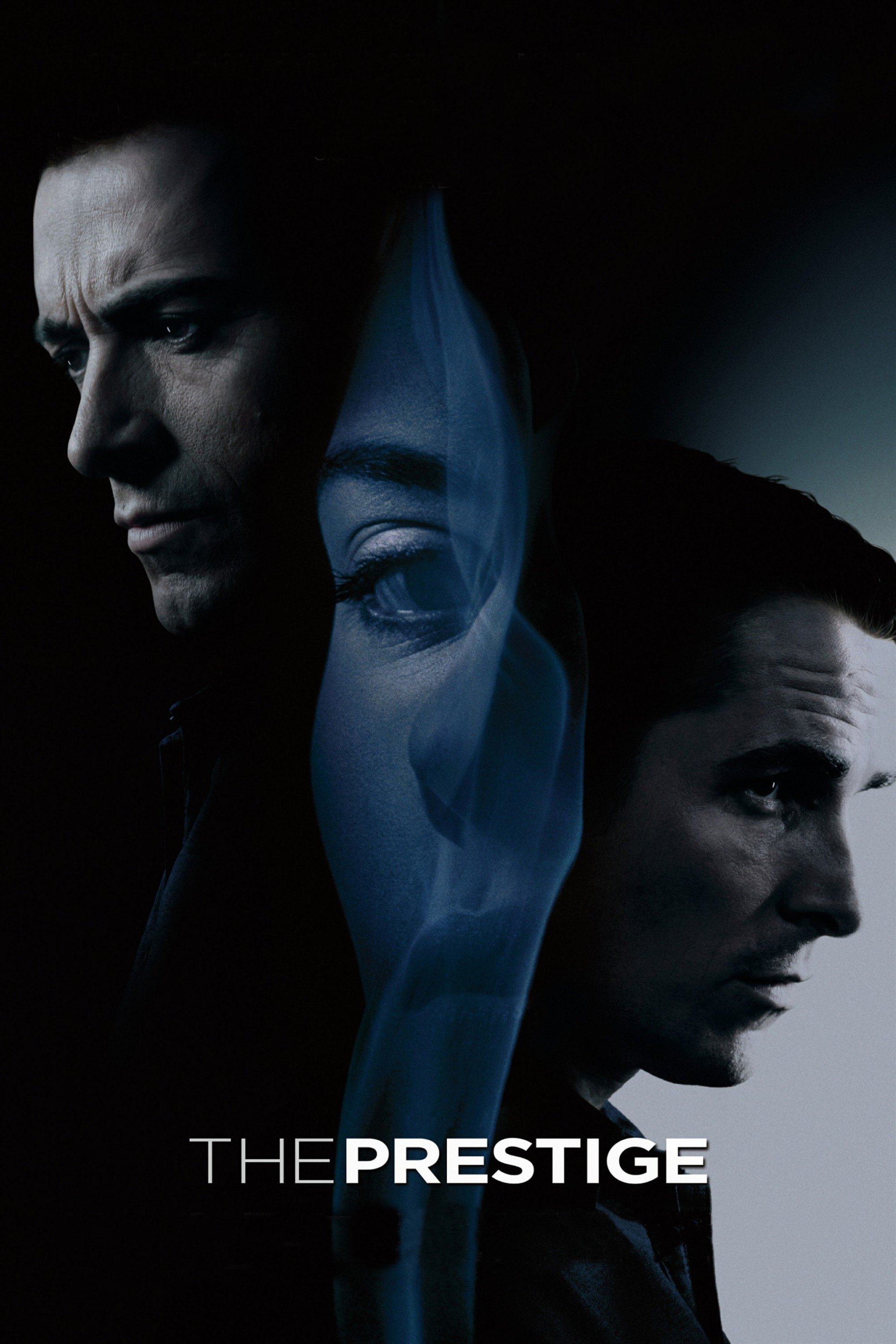
Michael Caine’s character introduces the three parts of a magic trick with the question “Are you watching closely?” This line serves as a direct challenge to the audience to spot the deception in the narrative. It establishes the film’s structural obsession with misdirection and hidden truths. The question is repeated throughout the movie to remind viewers that they are being manipulated. It perfectly encapsulates the themes of obsession and the art of the illusion.
‘Reservoir Dogs’ (1992)
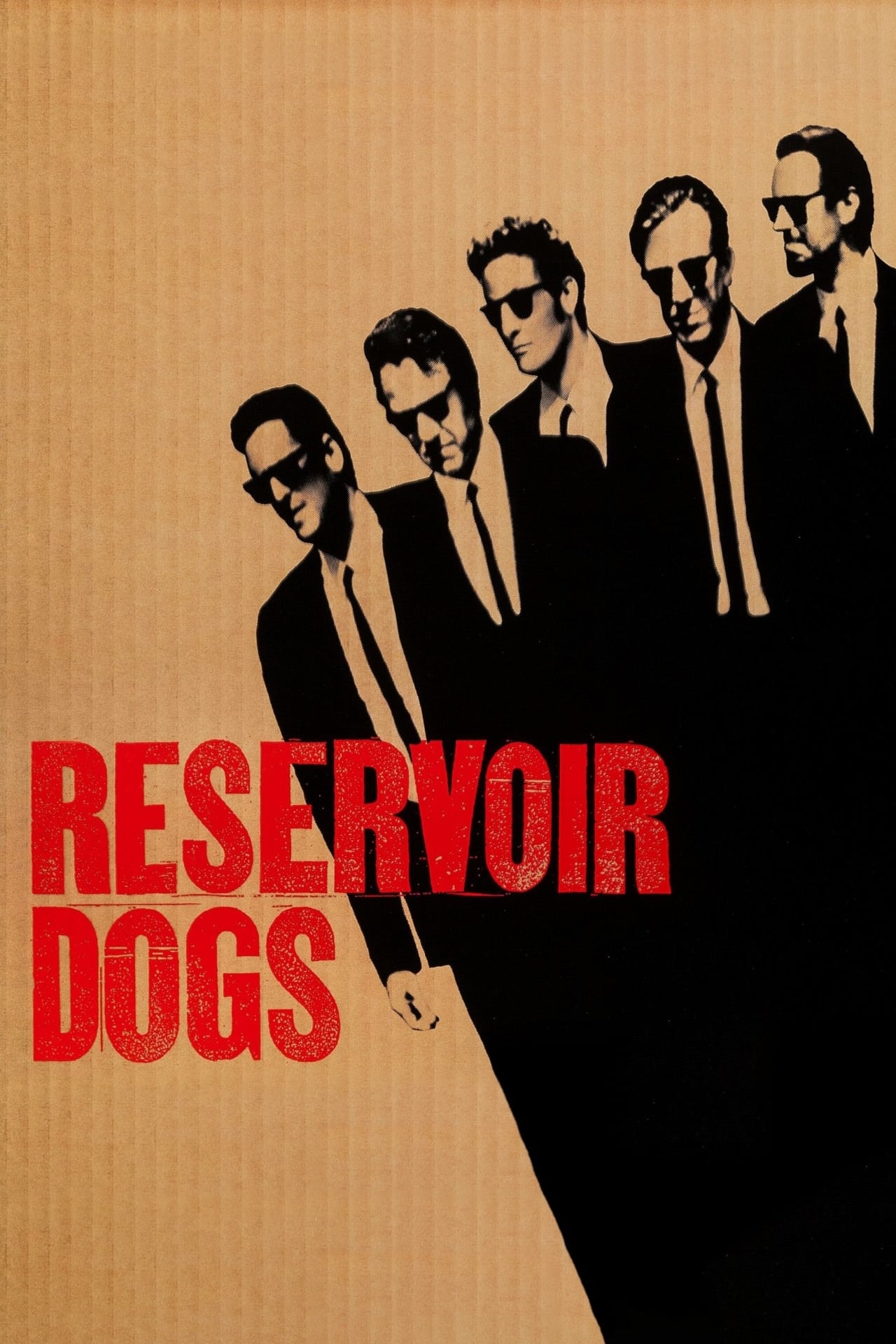
Mr. Brown begins a pop culture critique with the line “Let me tell you what ‘Like a Virgin’ is about.” This seemingly trivial conversation establishes the camaraderie among the criminals before the heist goes wrong. It introduces the signature dialogue style of Quentin Tarantino that blends mundane topics with dangerous characters. The casual nature of the chat contrasts sharply with the violence that follows. It humanizes the villains by showing them engaged in relatable arguments.
‘Annie Hall’ (1977)
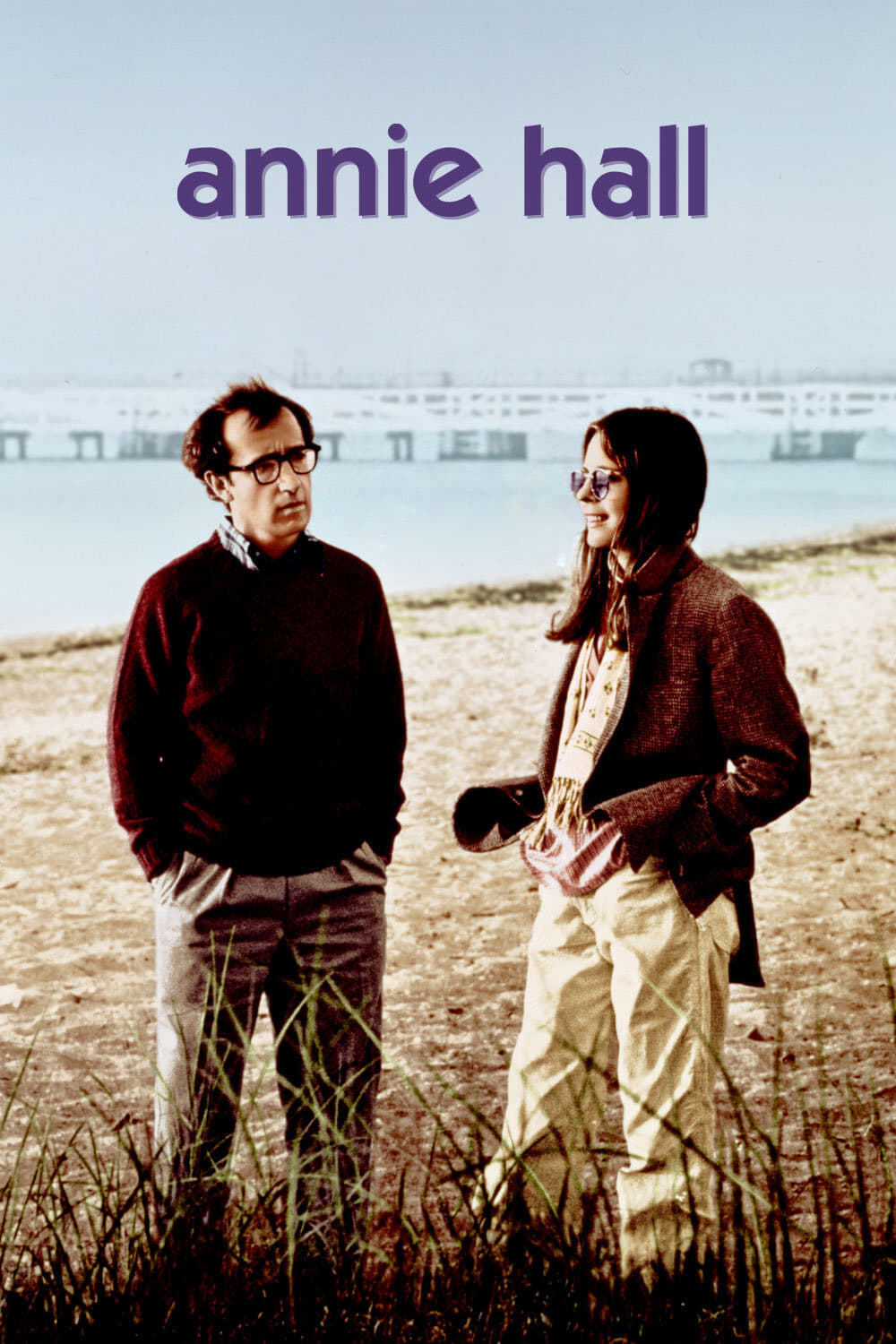
Alvy Singer breaks the fourth wall to tell a story about two elderly women at a Catskill mountain resort. He starts with “There’s an old joke” to explain his pessimistic outlook on life and relationships. This monologue establishes the neuroses and intellectual humor that define the protagonist. It sets the stage for a romantic comedy that is more about analyzing love than experiencing it. The opening speech functions as a therapy session involving the audience.
‘High Fidelity’ (2000)
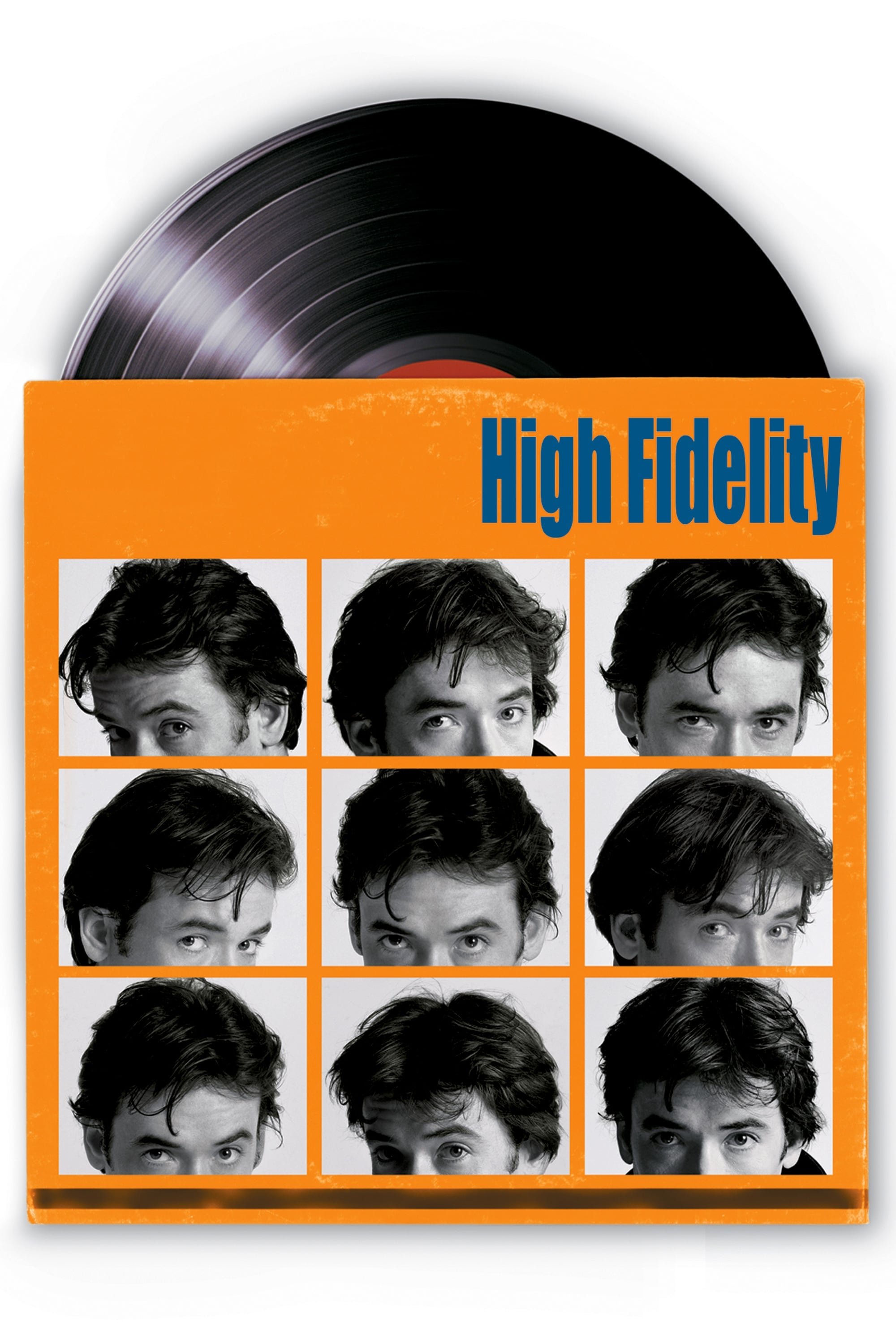
Rob Gordon contemplates the source of his unhappiness by asking “What came first, the music or the misery?” This question introduces the character’s obsession with pop culture and his tendency to categorize his emotions. It establishes the film’s exploration of how media consumption shapes personal identity. The line immediately endears the protagonist to anyone who has used songs to cope with heartbreak. It sets a reflective and music-centric tone for the romantic failures that follow.
‘Kill Bill: Vol. 1’ (2003)
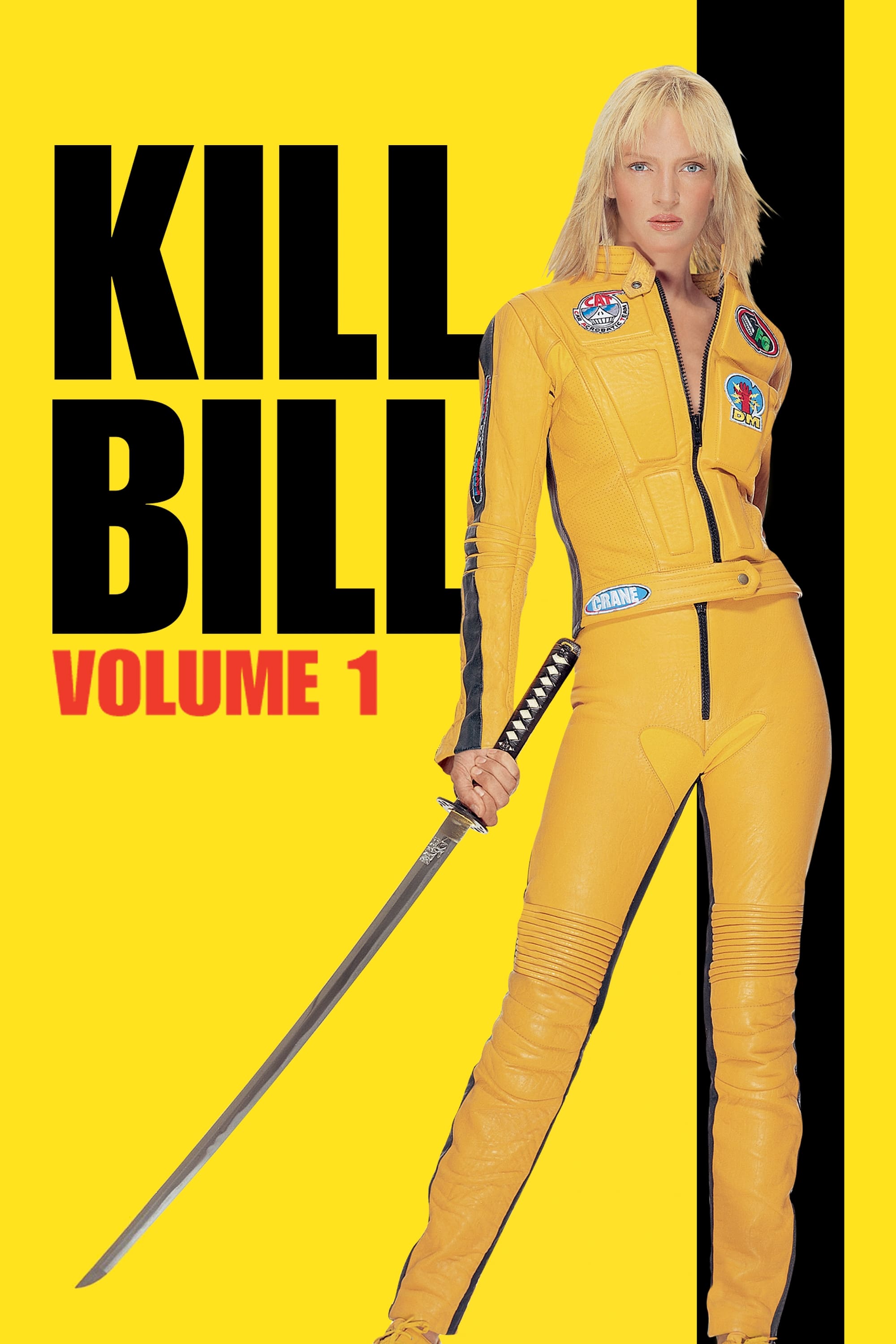
The Bride lies battered on a chapel floor as Bill asks her “Do you find me sadistic?” This terrifying question establishes the history of violence between the two characters before the revenge plot begins. It sets the stakes immediately by showing the protagonist at her absolute lowest point. The line reveals the cruel nature of the antagonist without needing to show his face. It promises a story driven by righteous anger and retribution.
‘Rebecca’ (1940)
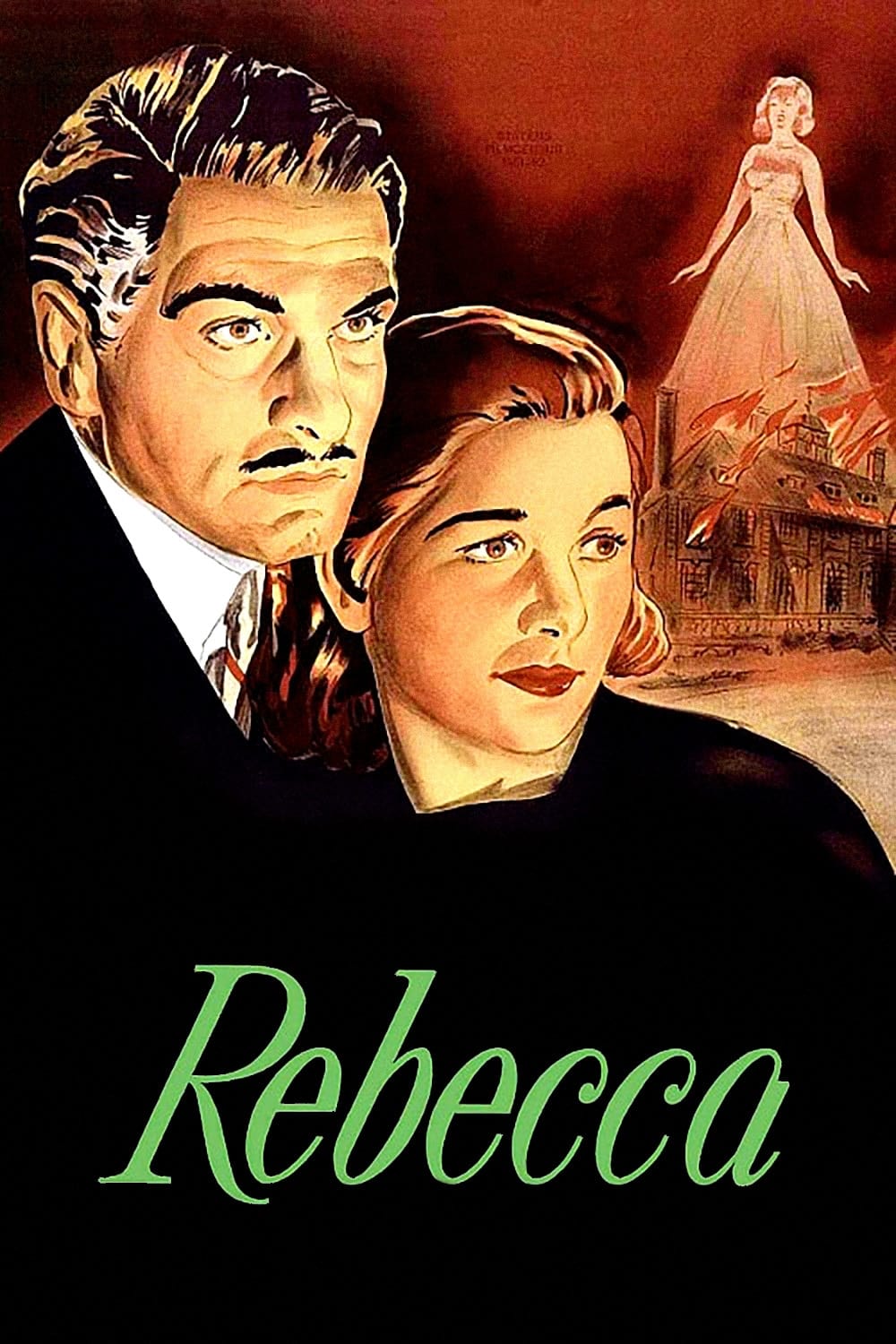
The narrator recounts a vivid dream with the famous line “Last night I dreamt I went to Manderley again.” This atmospheric opening establishes the haunting presence of the past that looms over the story. It creates a gothic mood and emphasizes the narrator’s obsession with the estate. The line suggests that the location itself is a character with a hold over the protagonist. It remains the quintessential introduction for a romantic mystery.
‘Casino’ (1995)
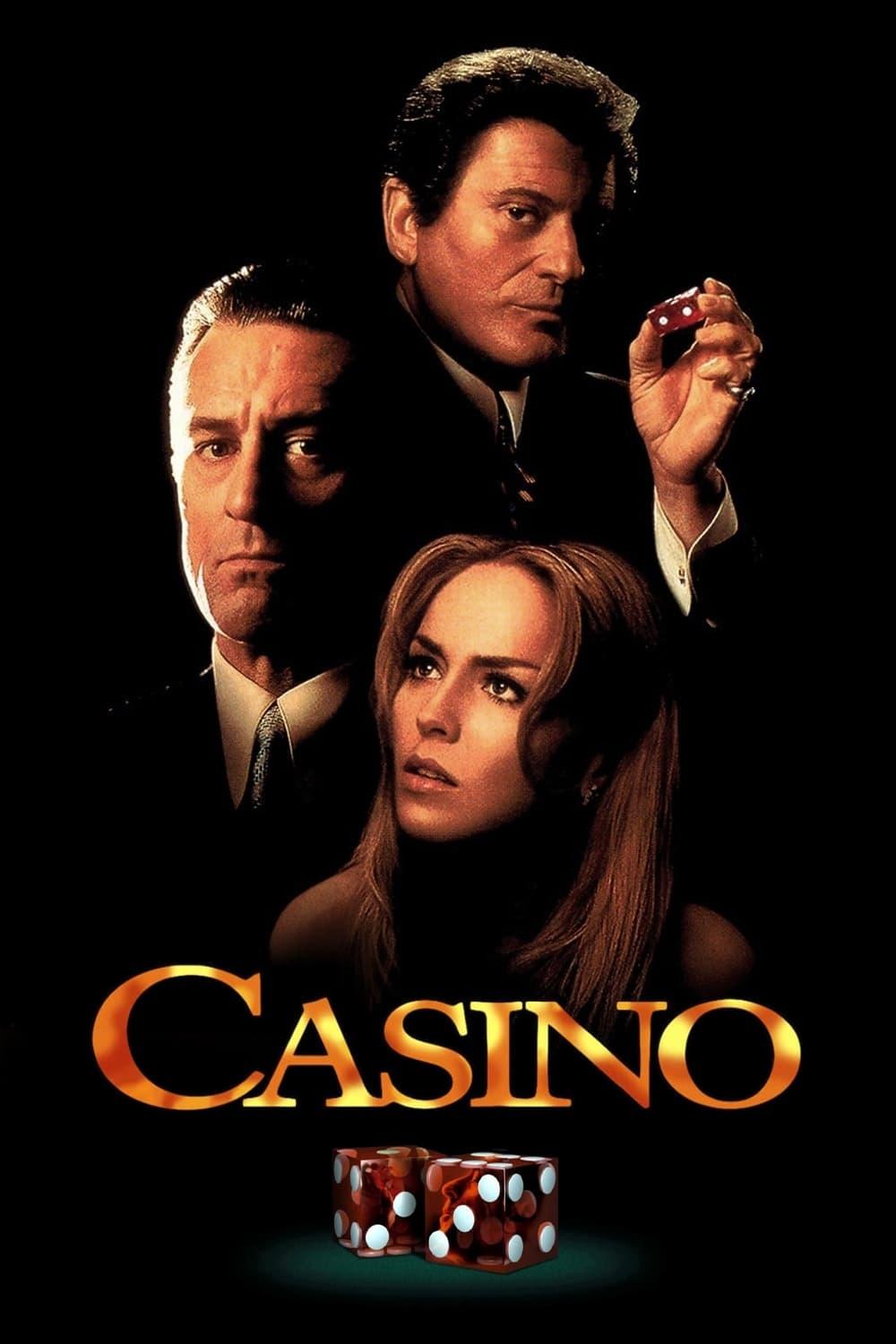
Sam Rothstein narrates his own attempted murder with the wisdom “When you love someone, you’ve gotta trust them.” This line is spoken as his car explodes and launches his body into the air. It establishes themes of betrayal and the high price of loyalty in the mob world. The juxtaposition of a calm observation with a violent explosion sets the film’s operatic tone. It hints that the story is a tragedy about fatal flaws rather than just crime.
‘American Beauty’ (1999)

Lester Burnham introduces himself and his mundane suburban existence with the statement “My name is Lester Burnham.” He follows this by calmly announcing that he will be dead in less than a year. This opening removes the suspense of his fate to focus on the journey of his final days. It establishes a tone of detachment and irony regarding the American suburban dream. The narration invites the audience to look closer at a seemingly perfect life.
‘Snatch’ (2000)
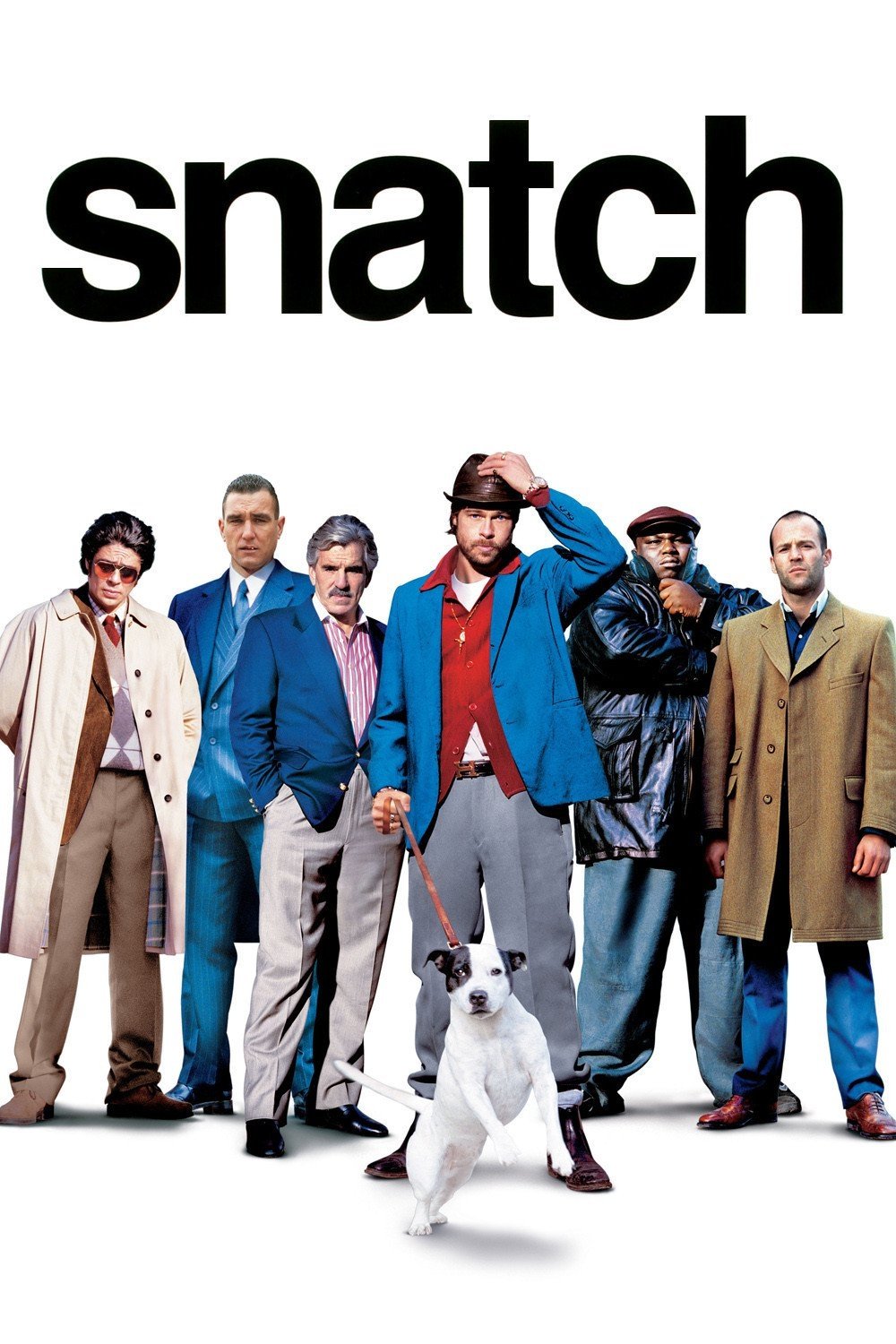
Turkish introduces himself and his frantic lifestyle with the simple statement “My name is Turkish.” He explains the origin of his name and his precarious position in the underground boxing world. This voiceover establishes the dry humor and fast-paced editing style of the film. It sets up the ensemble cast and the interconnected nature of the various criminal plots. The narration grounds the viewer in the specific slang and culture of London’s underworld.
‘Lord of War’ (2005)
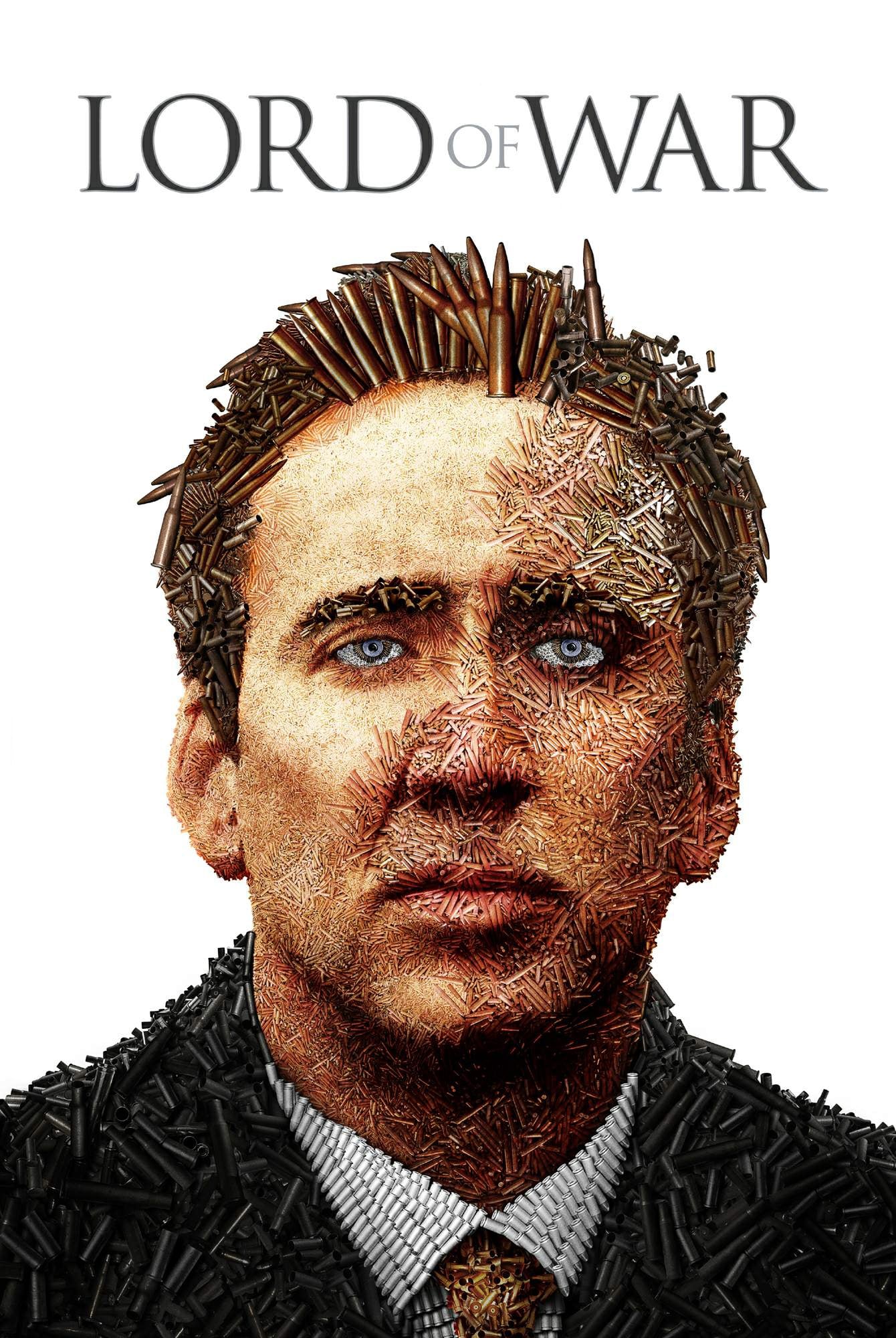
Yuri Orlov stands in a sea of spent shell casings and states that “There are over 550 million firearms in worldwide circulation.” He follows this statistic with the grim joke about how to arm the other everyone else. This opening line establishes the cynical and business-like approach the protagonist takes toward death. It sets the satirical tone for a film that exposes the global arms trade. The direct address forces the audience to confront the reality of war profiteering.
‘The Departed’ (2006)
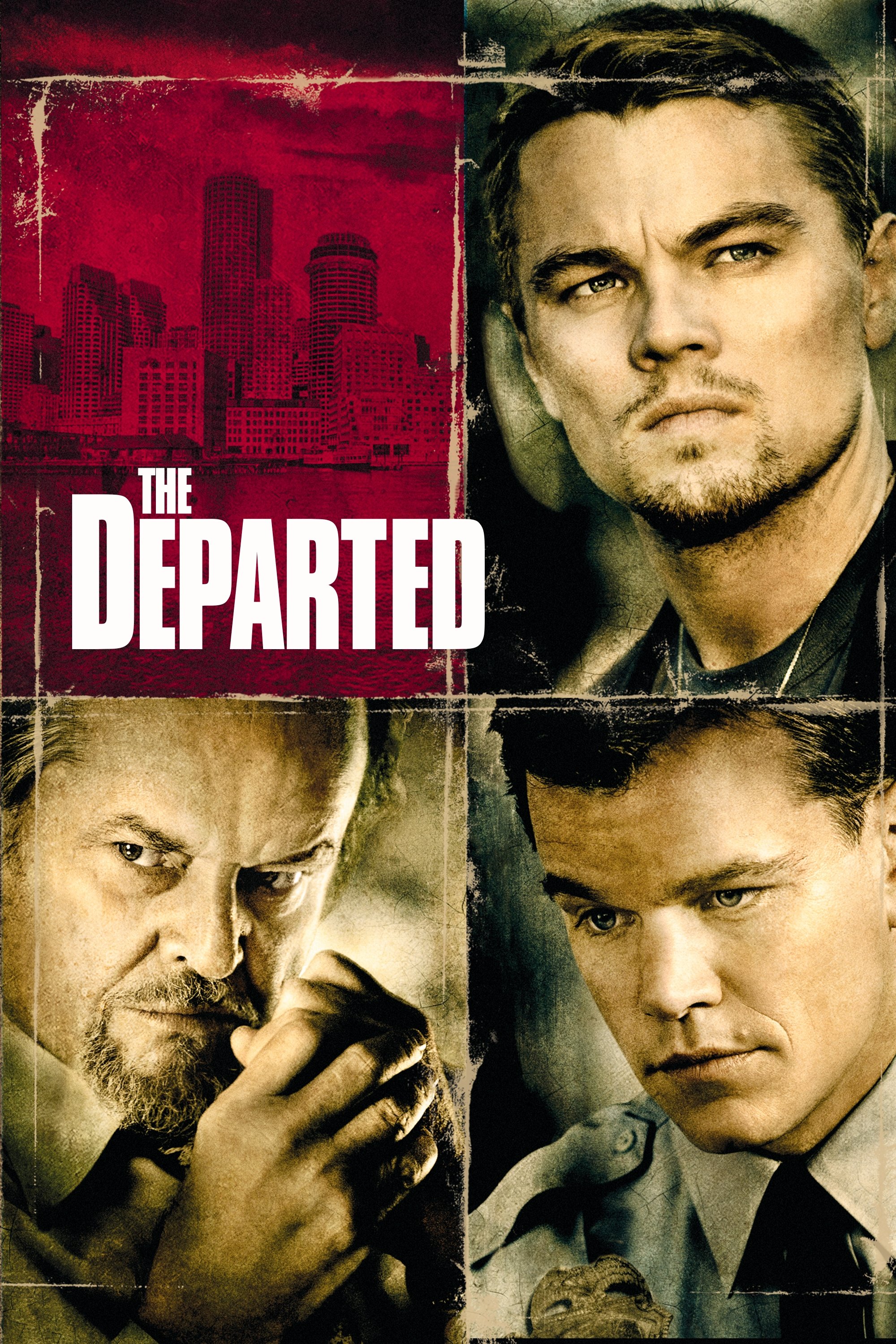
Frank Costello outlines his criminal philosophy in voiceover by saying “I don’t want to be a product of my environment.” He asserts his desire to make the environment a product of him. This introduction establishes the character’s immense power and refusal to be a victim of circumstance. It sets the stage for a story about identity and the struggle for control in Boston’s underworld. The line defines the ruthless ambition that drives the film’s conflict.
‘Jerry Maguire’ (1996)
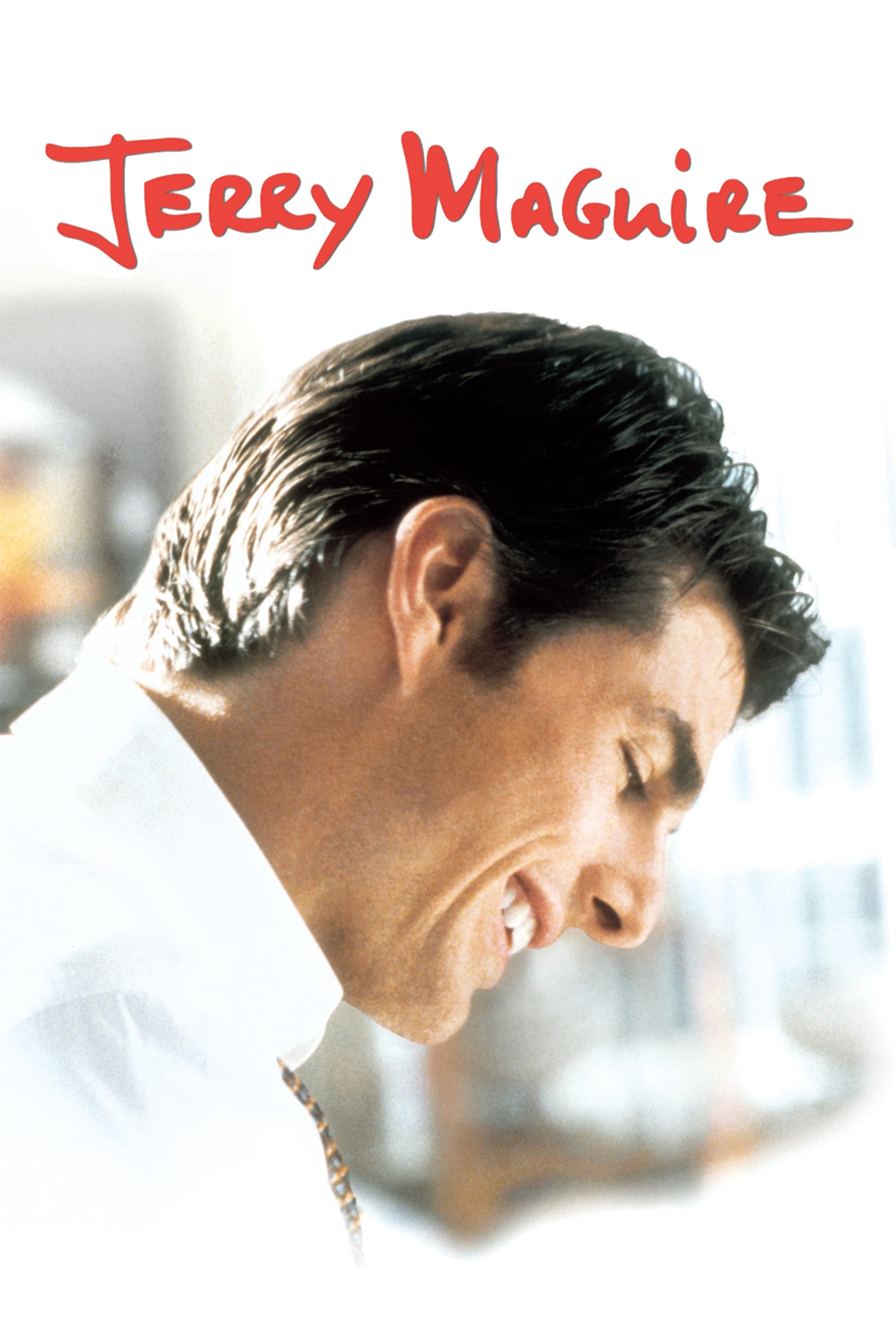
The protagonist introduces the vastness of the planet with the line “So this is the world, and there are five billion people in it.” He narrows this down to the absurdity of his own life as a sports agent. This opening establishes the character’s initial idealism and his eventual crisis of conscience. It sets the tone for a film about finding personal meaning in a cynical industry. The voiceover invites the audience to root for a man trying to find his place in the crowd.
Let us know which movie opening line you think is the most memorable in the comments.