


Openly Gay Stars Who Refuse to Play Gay Roles

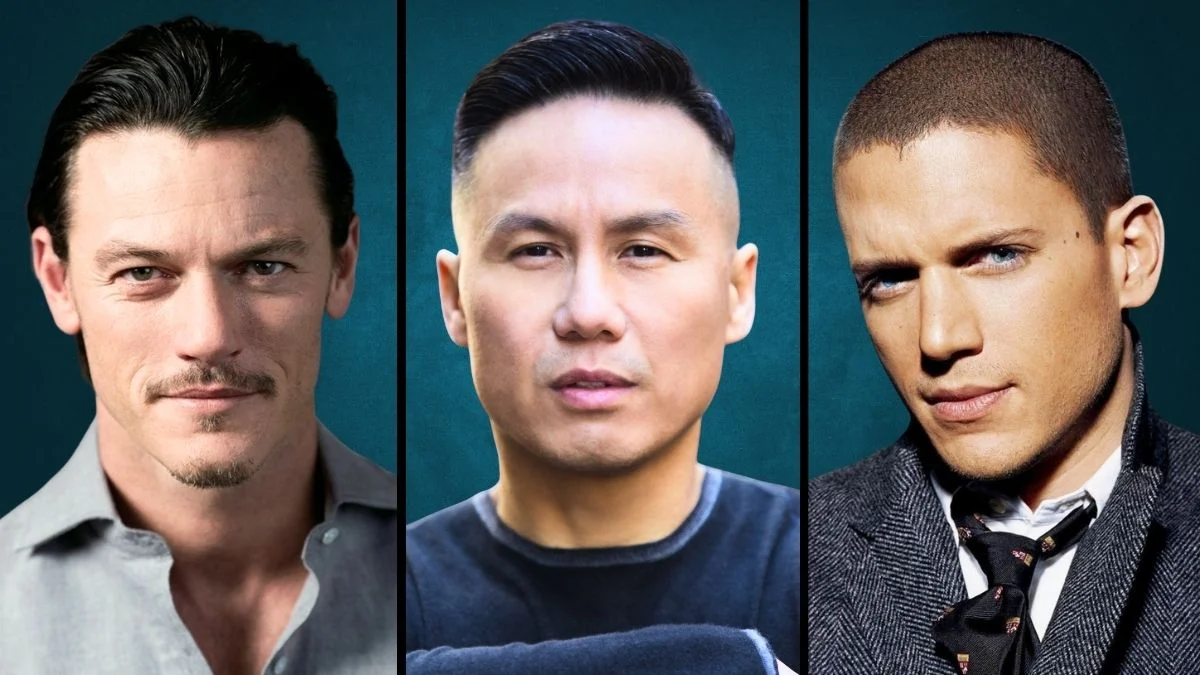


Some openly gay actors have chosen not to portray gay characters for reasons that range from concerns about typecasting to a desire to explore roles that challenge their range in different ways. These decisions often spark conversations about representation and the evolving expectations placed on LGBTQ performers in the entertainment industry. Their choices reflect personal boundaries as well as professional strategies shaped by past experiences and industry pressures. This list looks at notable stars who have publicly stated that they avoid or refuse playing gay roles due to these factors.
Rupert Everett
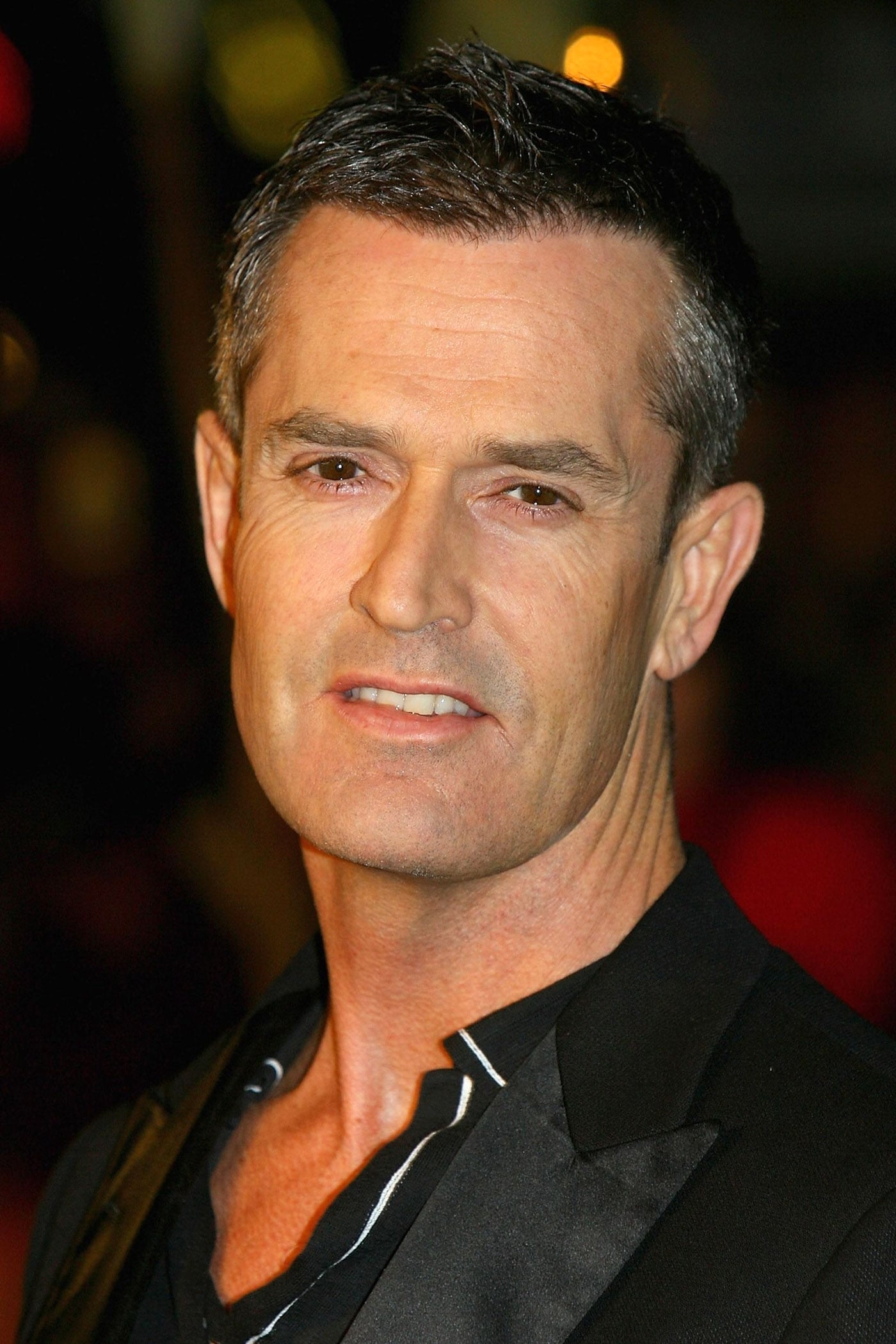
Rupert Everett has openly shared that he avoids gay roles because of how earlier performances led to unwanted typecasting that limited his opportunities. He explained that playing gay characters early in his career resulted in studios seeing him through a narrower lens that restricted the parts he was offered. Everett has said that this experience shaped his long term strategy to seek roles that would not further reinforce industry assumptions. His stance highlights how market perceptions can influence an actor’s choices.
Milo Yiannopoulos
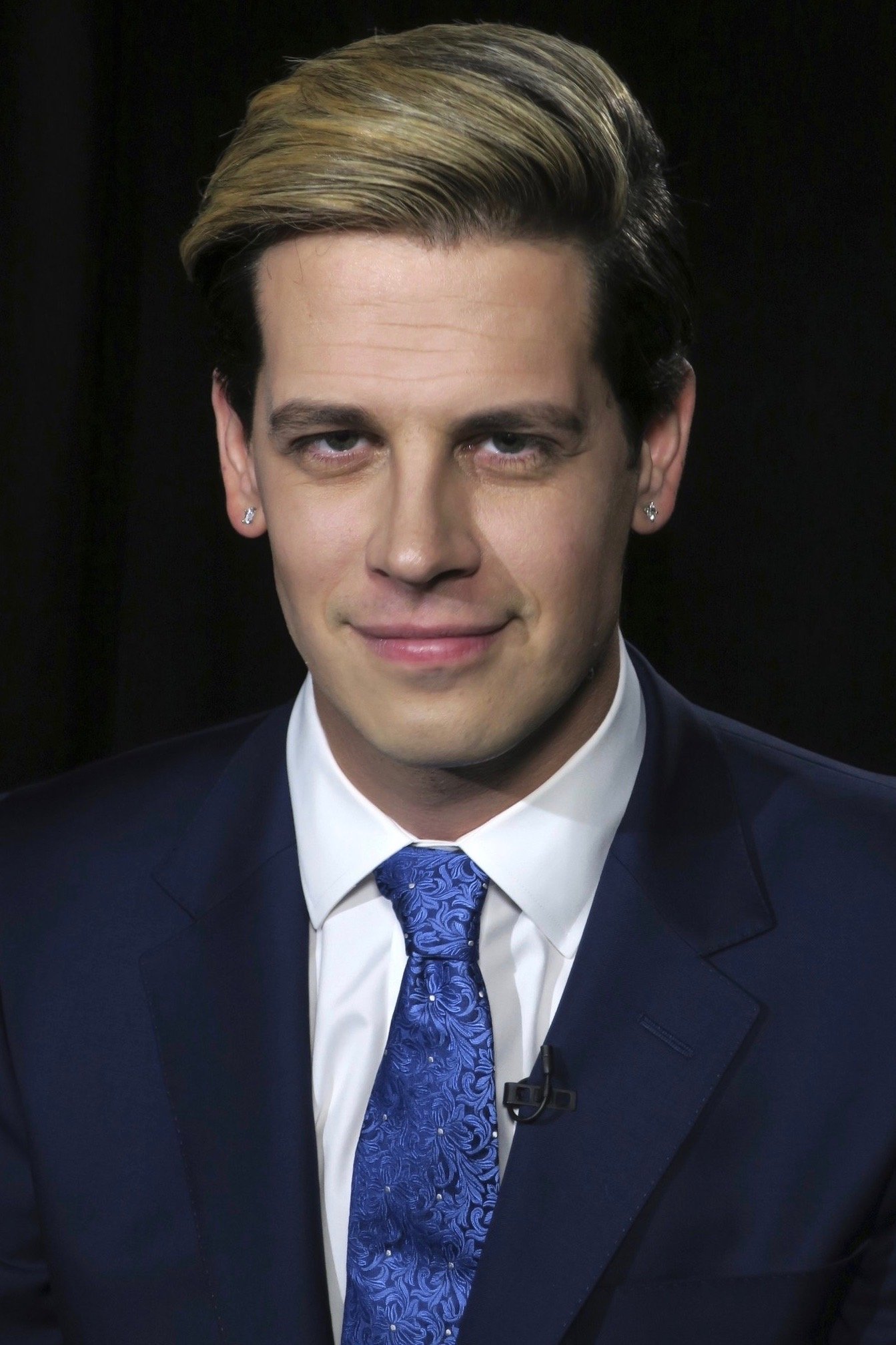
Milo Yiannopoulos has stated that he turns down gay roles because he believes such portrayals might misrepresent the persona he chooses to maintain in public life. His approach reflects a focus on brand identity that he carefully curates in media appearances. Yiannopoulos has said that playing gay characters would conflict with the way he positions himself culturally. His decision shows how image management can guide opportunities outside the political sphere.
Wentworth Miller
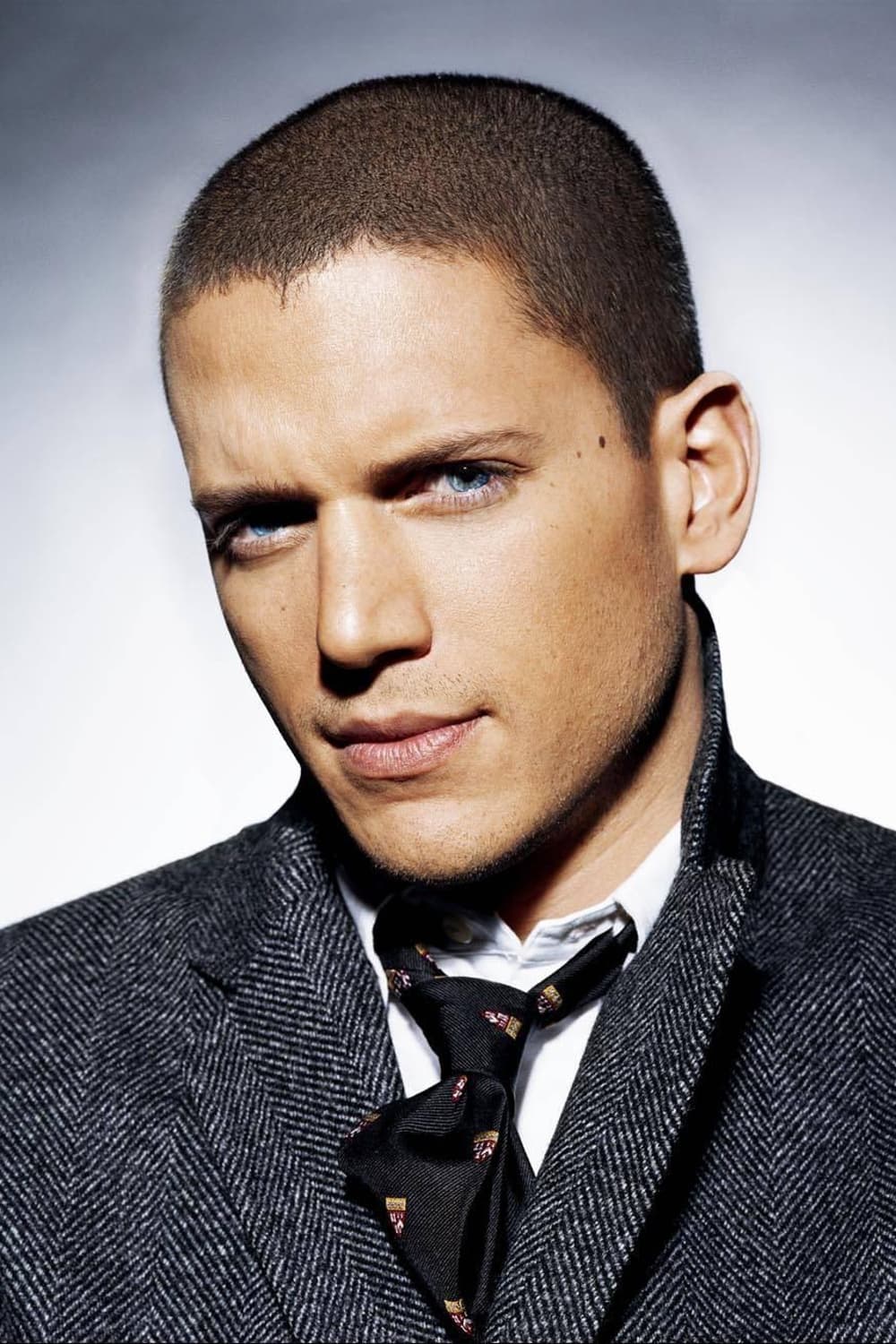
Wentworth Miller has said he avoids playing gay roles because he prefers to keep a boundary between his personal identity and the characters he portrays. He has noted that audiences often project real life narratives onto actors which can overshadow fictional work. Miller has emphasized that separating the two helps him maintain creative distance that supports his professional goals. His choice reflects a desire for broader character variety.
Luke Evans
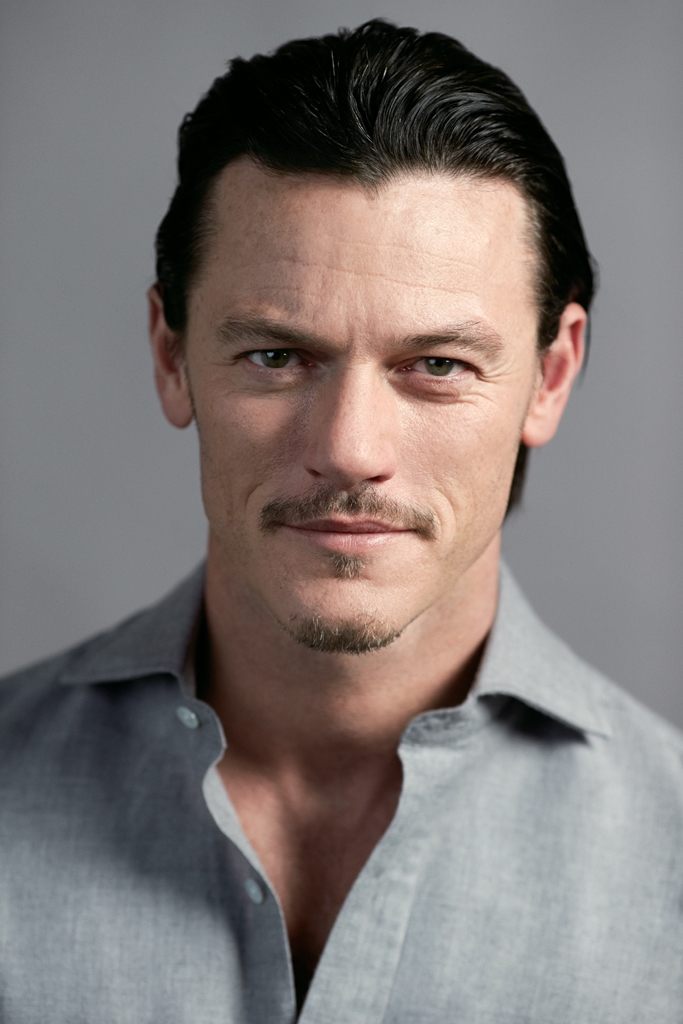
Luke Evans has expressed that he frequently turns down gay roles because he wants to avoid being limited to characters defined solely by sexuality. He has said that he seeks parts where identity traits do not overshadow storylines or emotional development. Evans aims for roles that allow him to demonstrate range without industry assumptions tied to his personal life. His stance reflects a push for more nuanced casting possibilities.
Ben Whishaw
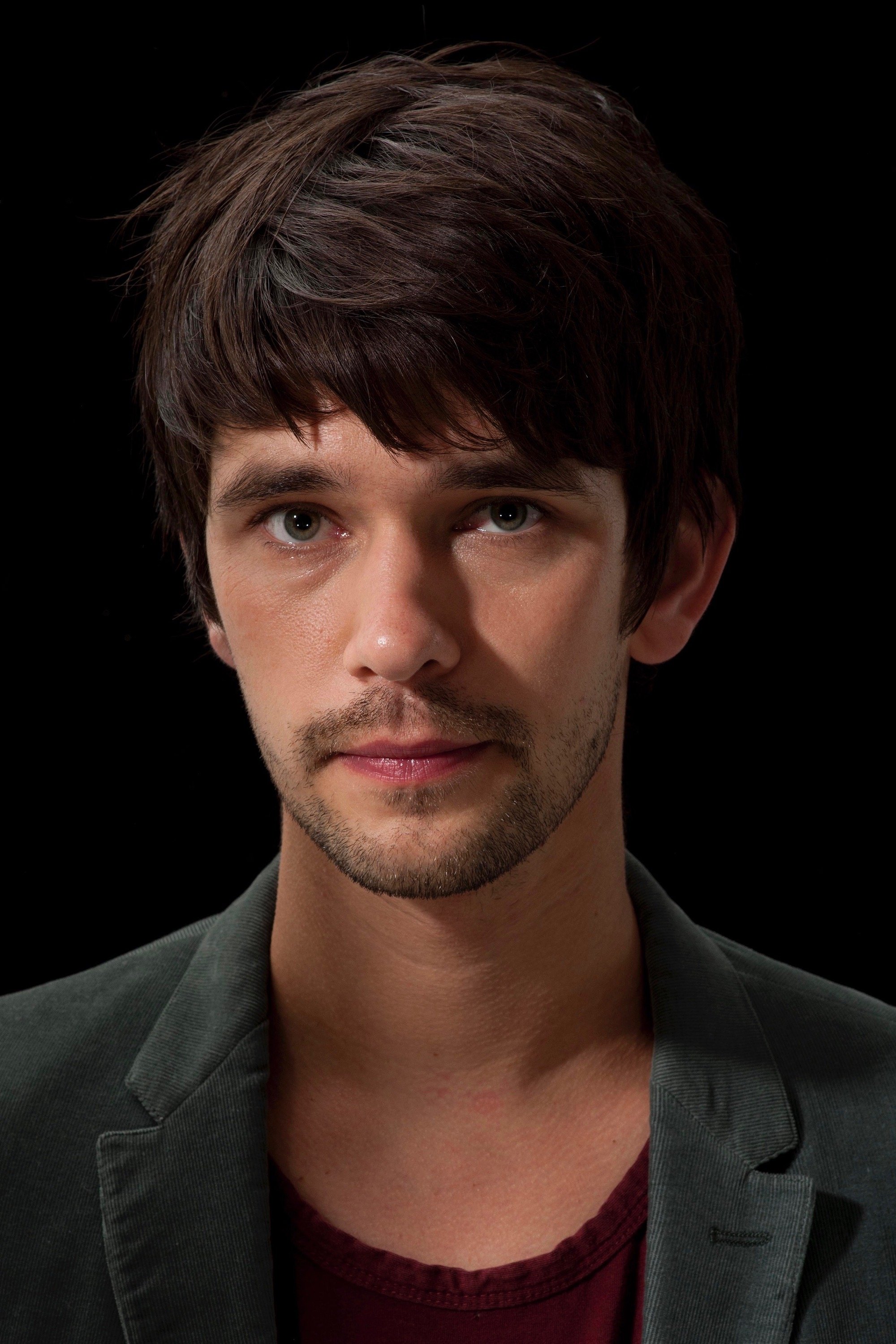
Ben Whishaw has mentioned that he does not seek out gay roles because he wants to avoid being categorized based on orientation. He has said that actors should be free to explore any emotional or narrative landscape without expectations linked to their real lives. Whishaw’s choices show an interest in preserving flexibility in the roles he takes. His perspective challenges assumptions about alignment between actors and characters.
Jonathan Groff
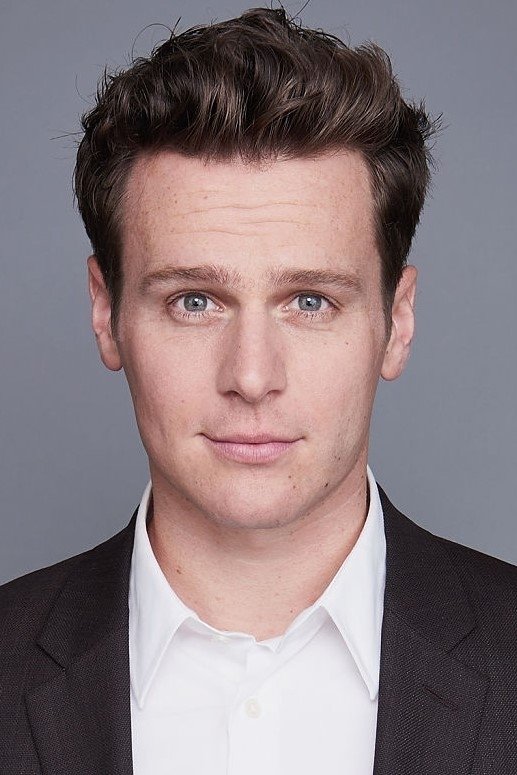
Jonathan Groff has noted that he occasionally declines gay roles to avoid becoming associated too closely with narratives that mirror his personal experiences. He has explained that playing only gay characters can create a pattern that limits future opportunities. Groff has said that he aims to build a diverse portfolio that reflects multiple facets of storytelling. His choices highlight how actors balance identity and career longevity.
Zachary Quinto
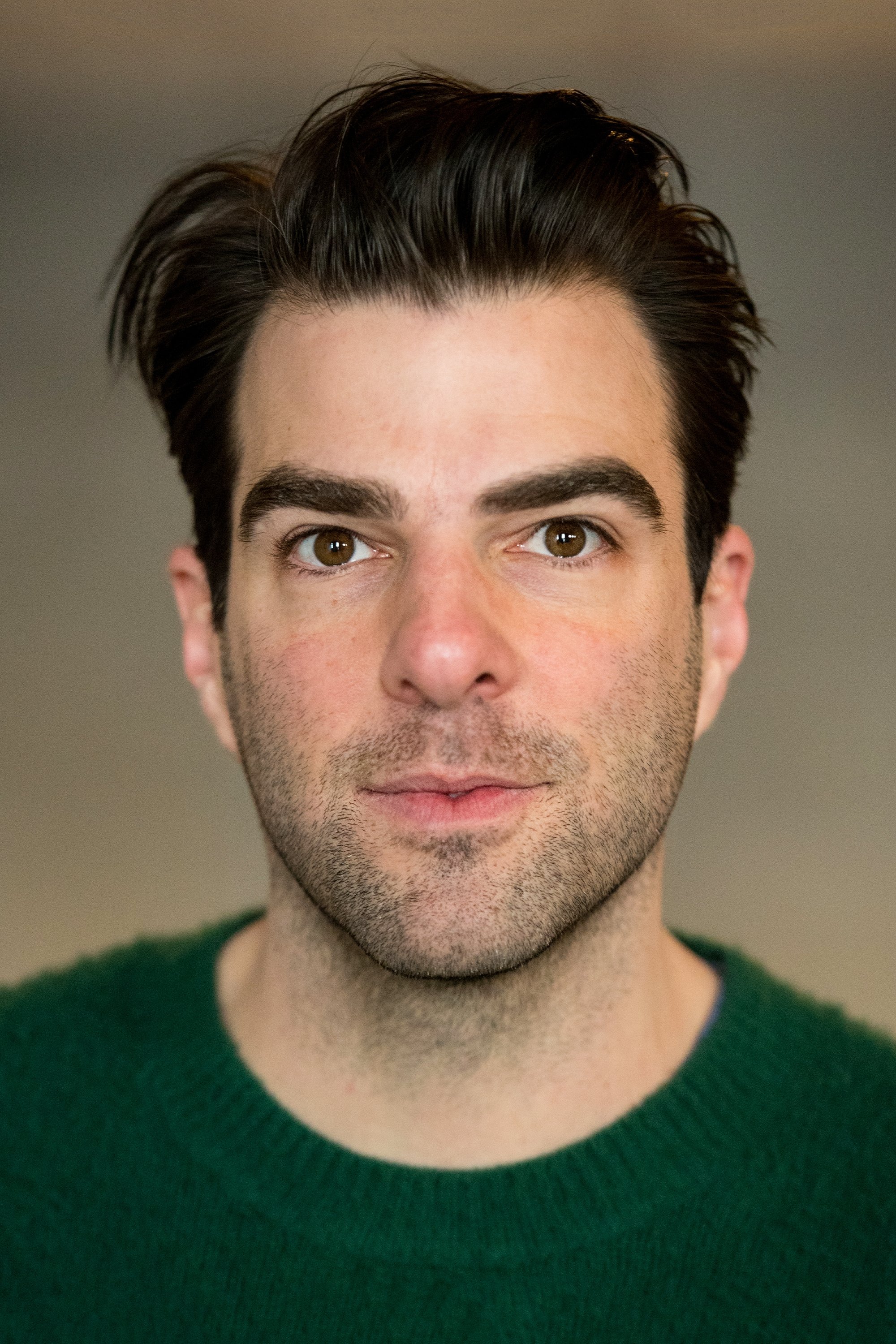
Zachary Quinto has stated that he is selective about gay roles because some scripts reduce characters to stereotypes. He has shared that he avoids portrayals lacking nuance or depth that could reinforce outdated depictions of LGBTQ life. Quinto aims to participate in work that advances representation rather than repeating tropes. His approach underscores how actors evaluate quality when aligning with personal identity.
Colton Haynes
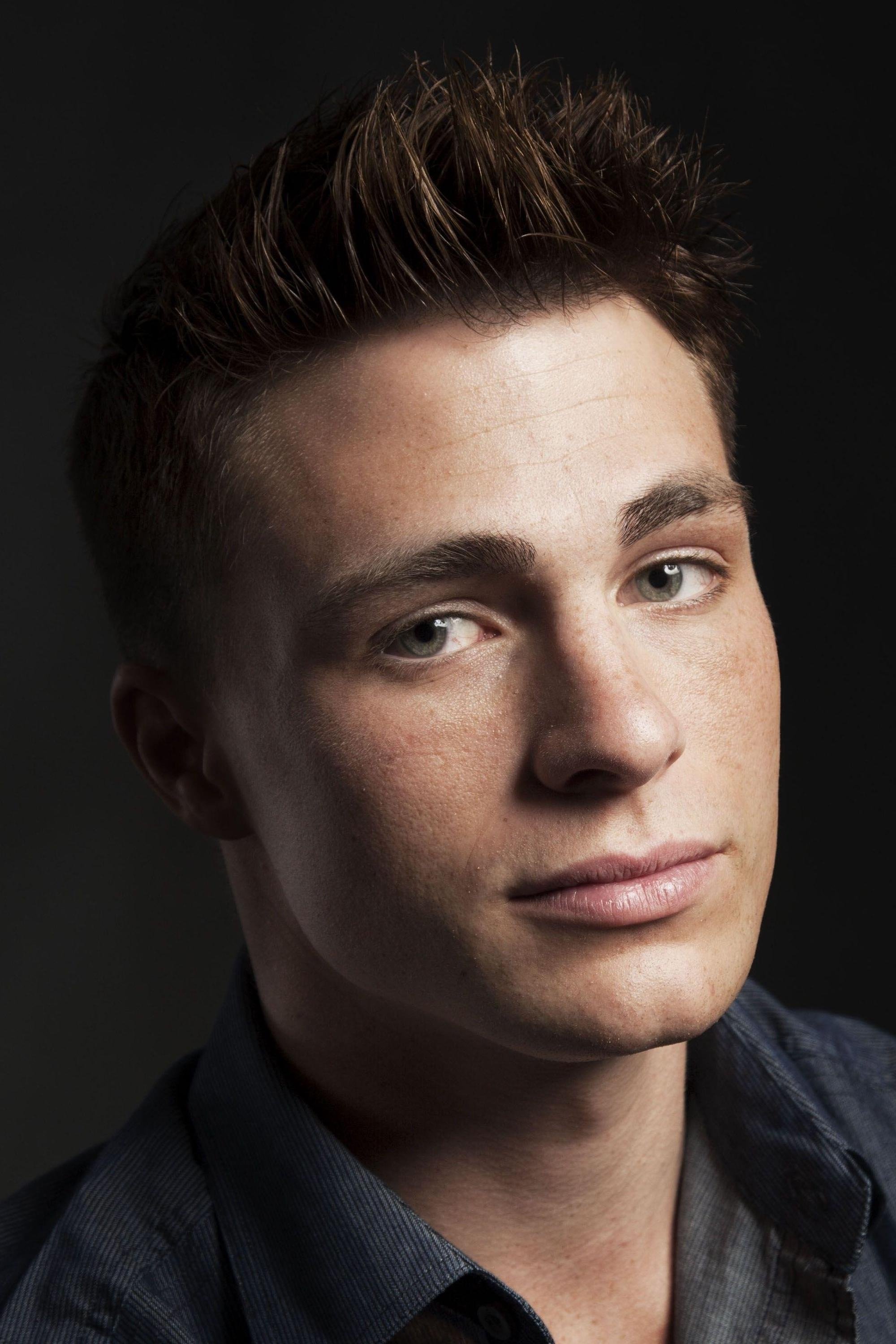
Colton Haynes has said he sometimes turns down gay roles because he wants to avoid limiting his career path as he continues rebuilding after coming out. He has explained that he hopes to pursue characters that challenge him in unexpected ways beyond sexuality. Haynes often emphasizes that he seeks roles that push emotional and physical boundaries. His stance reflects a desire for reinvention.
Dan Levy
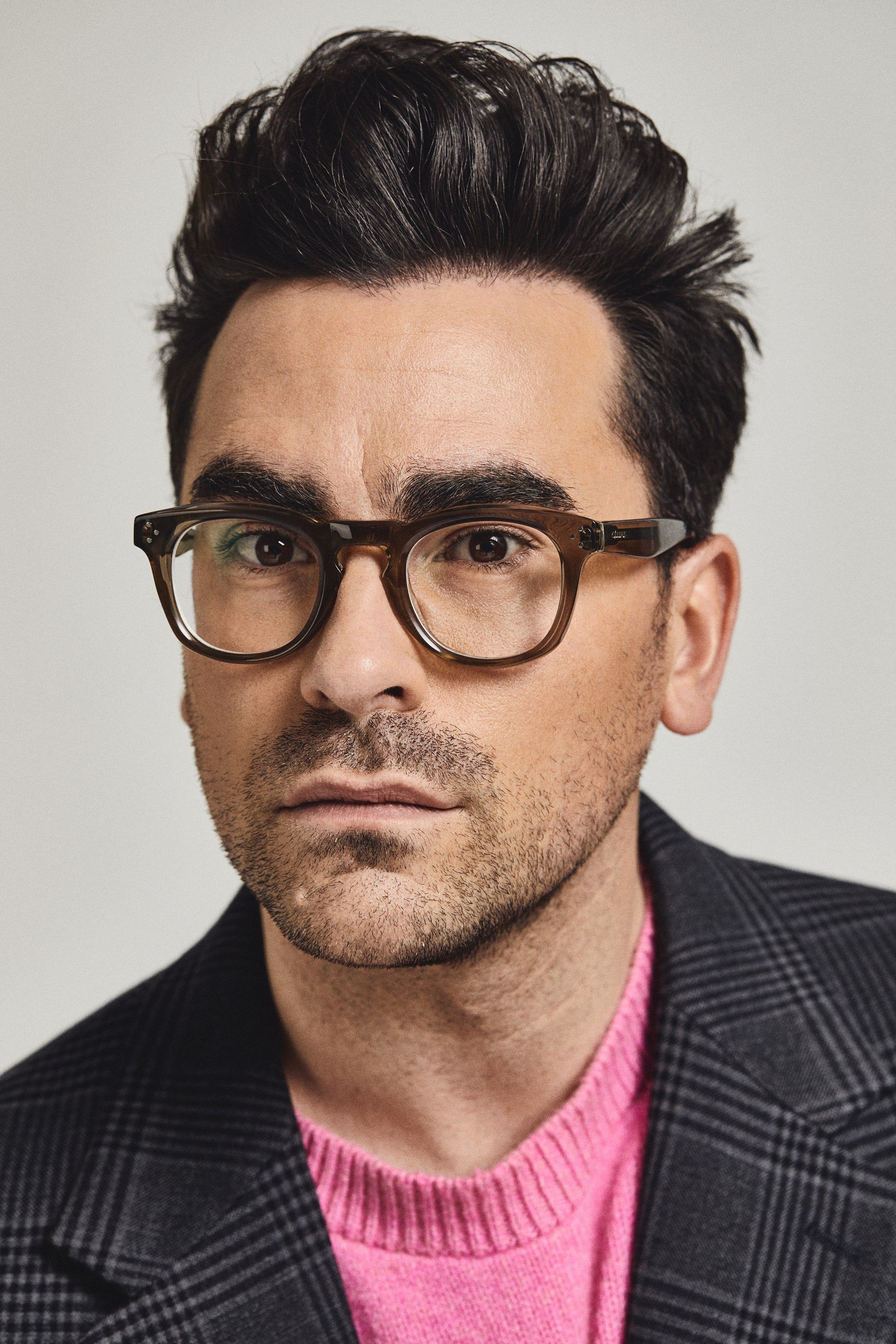
Dan Levy has mentioned that he declines certain gay roles because he is cautious about repeating narratives too similar to ones he has already explored. He has said that playing varied characters helps him grow as an actor and storyteller. Levy focuses on roles with unique emotional arcs that do not rely mainly on orientation. His decisions demonstrate an interest in protecting creative evolution.
BD Wong
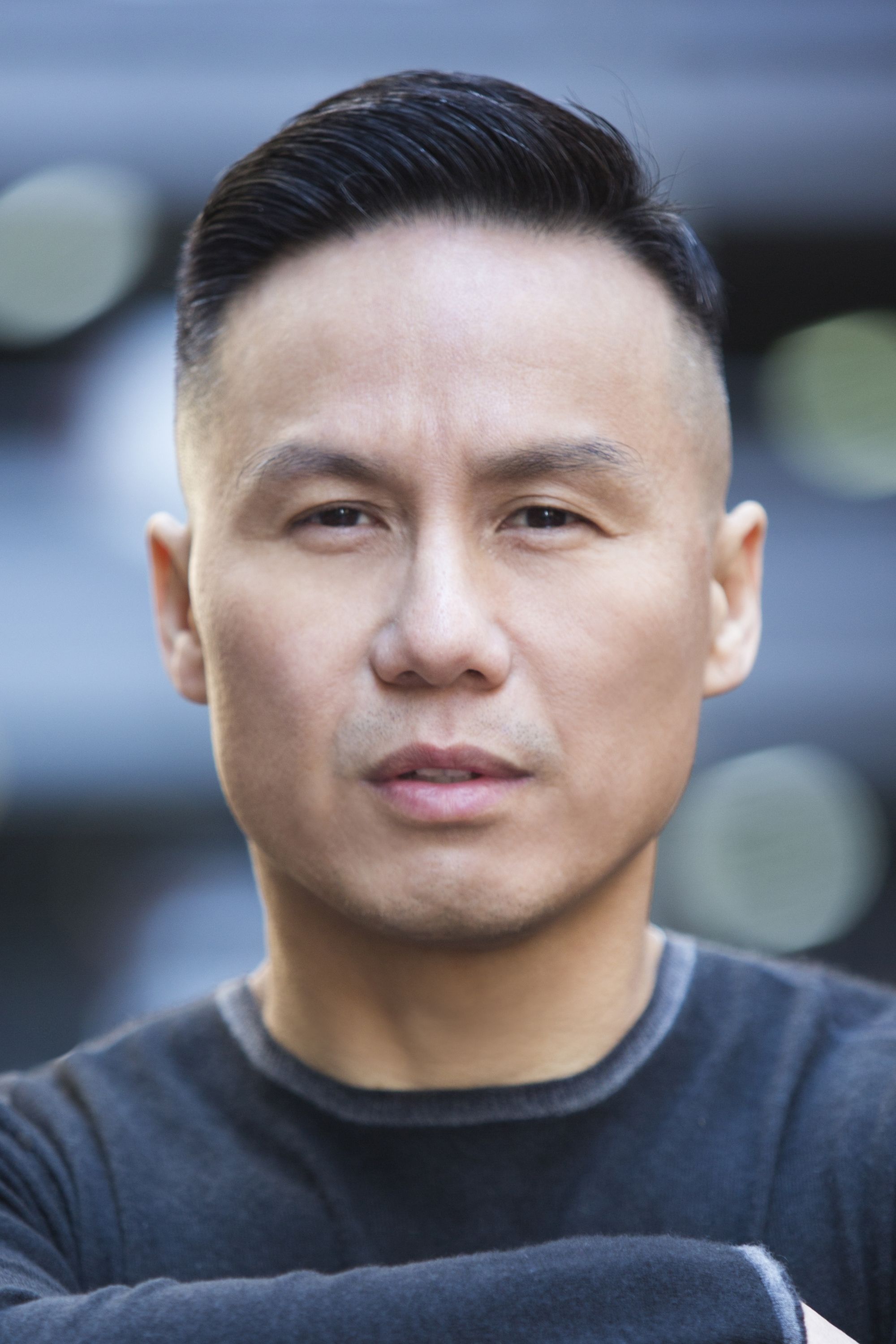
BD Wong has discussed how he avoids gay roles that feel inauthentic or overly simplified. He has explained that he seeks characters with complex motivations and relationships that go beyond identity categories. Wong has shown caution toward projects that do not treat LGBTQ experiences with thoughtful detail. His stance reflects a quality driven approach to representation.
Share your thoughts in the comments and tell us which actors you think handle this choice most thoughtfully.