


Overrated Comedy TV Shows Everyone Seems To Like




Television history is filled with comedies that captured massive audiences and dominated cultural conversations for years. While high ratings suggest universal appeal, popularity does not always equate to critical acclaim or lasting quality. Many of these shows rely heavily on repetitive tropes, excessive laugh tracks, or characters that fail to evolve over time. Retrospective viewing often reveals flaws that were overlooked during the initial broadcast hype. The following series achieved immense success but frequently appear in discussions about overrated television.
‘The Big Bang Theory’ (2007–2019)
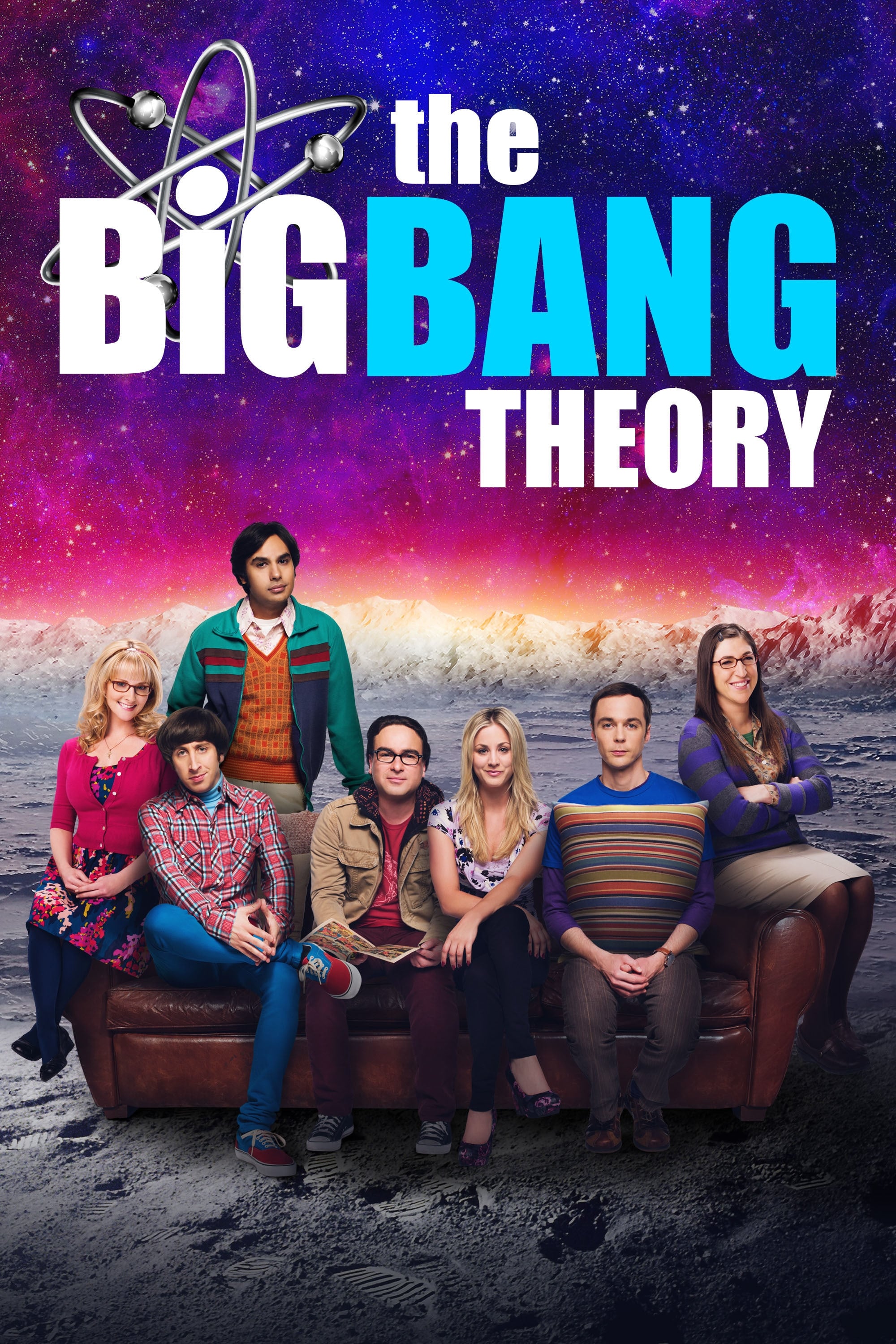
This massive hit centers on a group of socially awkward scientists and their aspiring actress neighbor. Critics often point to the heavy reliance on stereotypes about geek culture and the persistent use of a laugh track as major flaws. Many viewers feel the character development stagnated over the twelve seasons while the humor became increasingly predictable. The portrayal of neurodivergent traits for comedic effect has also drawn significant retrospective criticism regarding sensitivity. Despite its massive ratings, it remains a polarizing topic in modern sitcom discourse.
‘Friends’ (1994–2004)
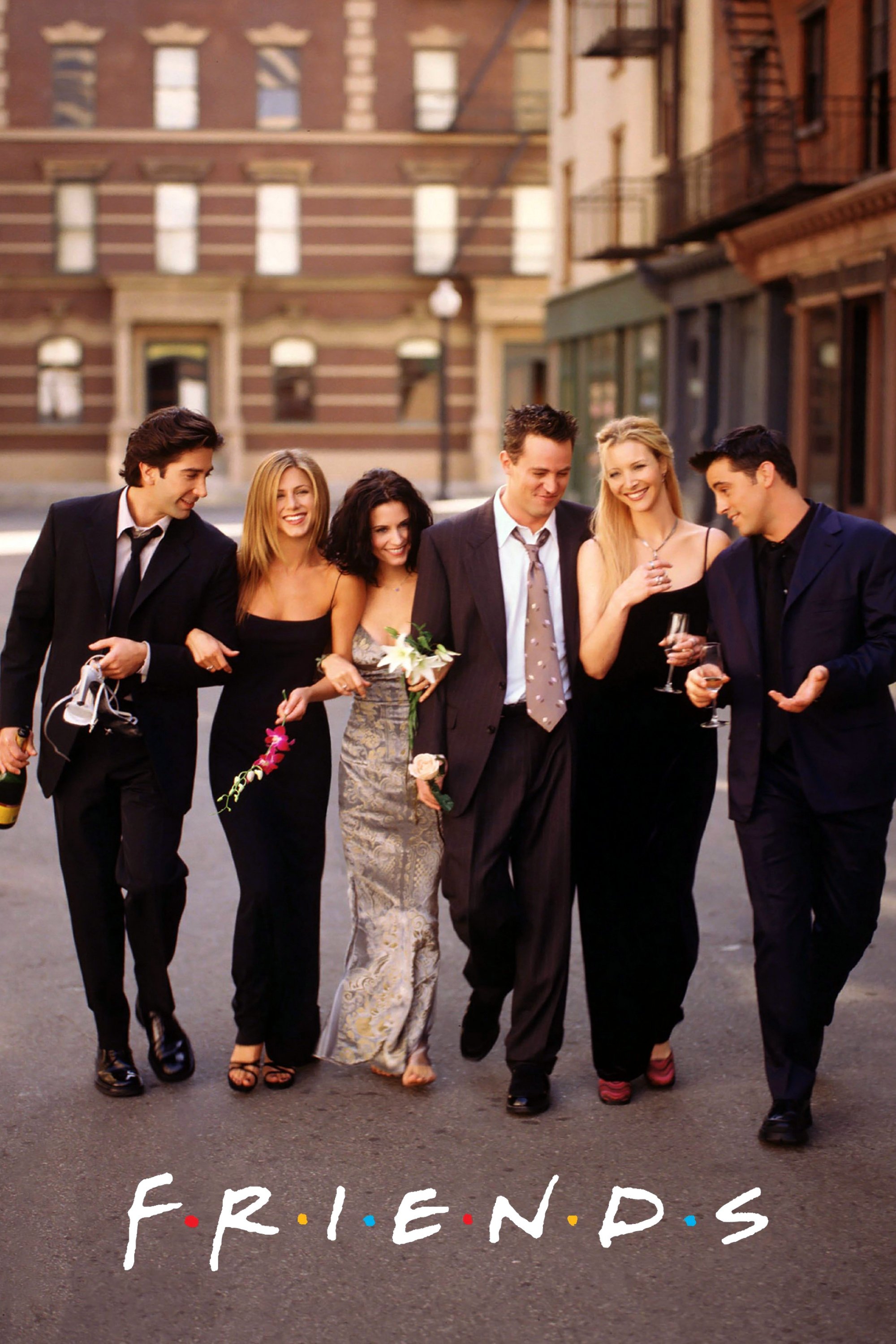
Six friends living in New York City navigate life and love in this defining sitcom of the 1990s. While it maintains a massive global fanbase, modern audiences often critique its lack of diversity and reliance on problematic jokes. The romantic arc between Ross and Rachel is frequently cited as toxic rather than romantic by contemporary standards. Many of the punchlines regarding gender and body image have aged poorly since the original airing. The show is often viewed as a comfort watch rather than a pinnacle of comedic writing.
‘How I Met Your Mother’ (2005–2014)
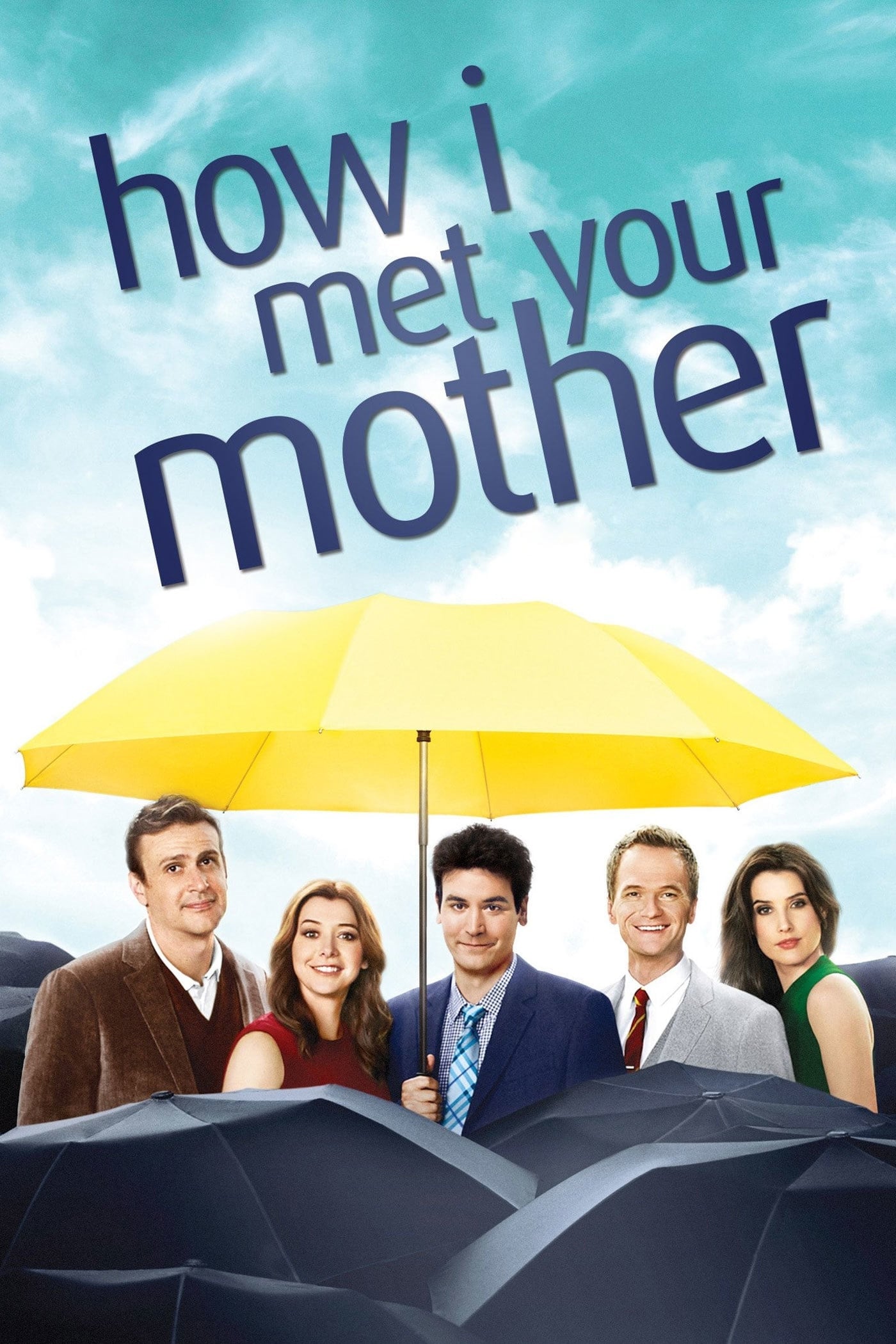
Ted Mosby recounts the lengthy story of how he met his future wife to his children in this narrative-driven sitcom. The show garnered a dedicated following but suffered from a widely reviled series finale that undid years of character growth. Ted is frequently criticized as being an unreliable and self-absorbed narrator who obsessively pursues women. The character of Barney Stinson relies heavily on predatory behavior disguised as charm which sits uncomfortably with modern viewers. Fans often argue the payoff did not justify the nine-year investment.
‘Two and a Half Men’ (2003–2015)
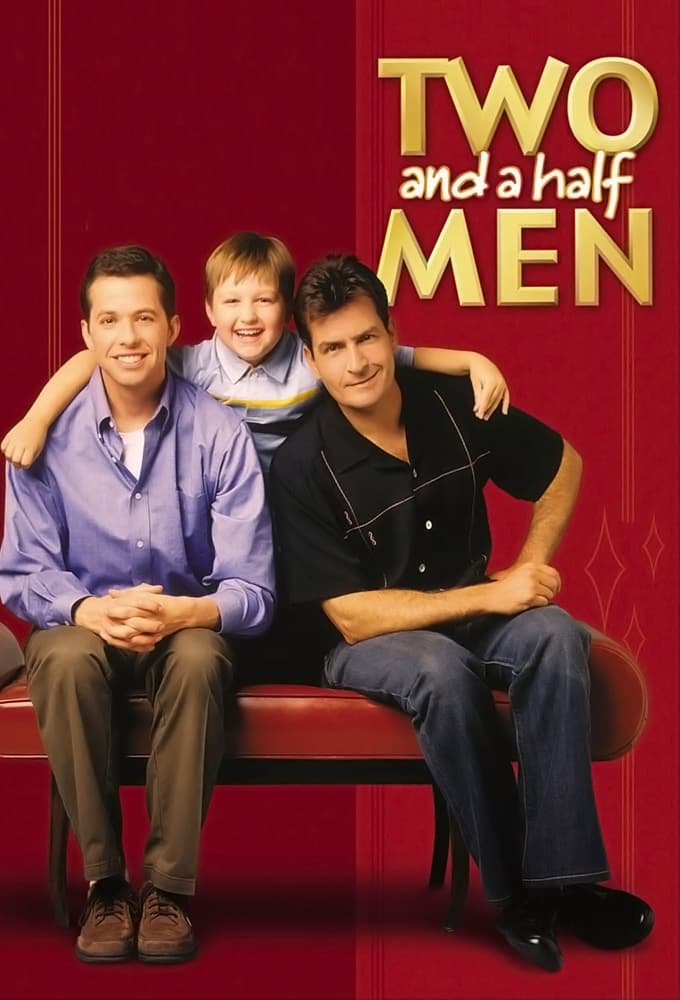
This long-running series follows a hedonistic jingle writer whose life is disrupted when his brother and nephew move in. The humor relies almost exclusively on crude sexual innuendos and misogynistic tropes that offer little depth. Internal conflicts between the cast and production team eventually overshadowed the on-screen narratives. The switch in lead actors later in the series highlighted the repetitive nature of the scripts. It stands as a prime example of a ratings juggernaut that prioritized easy laughs over substance.
‘Family Guy’ (1999–Present)
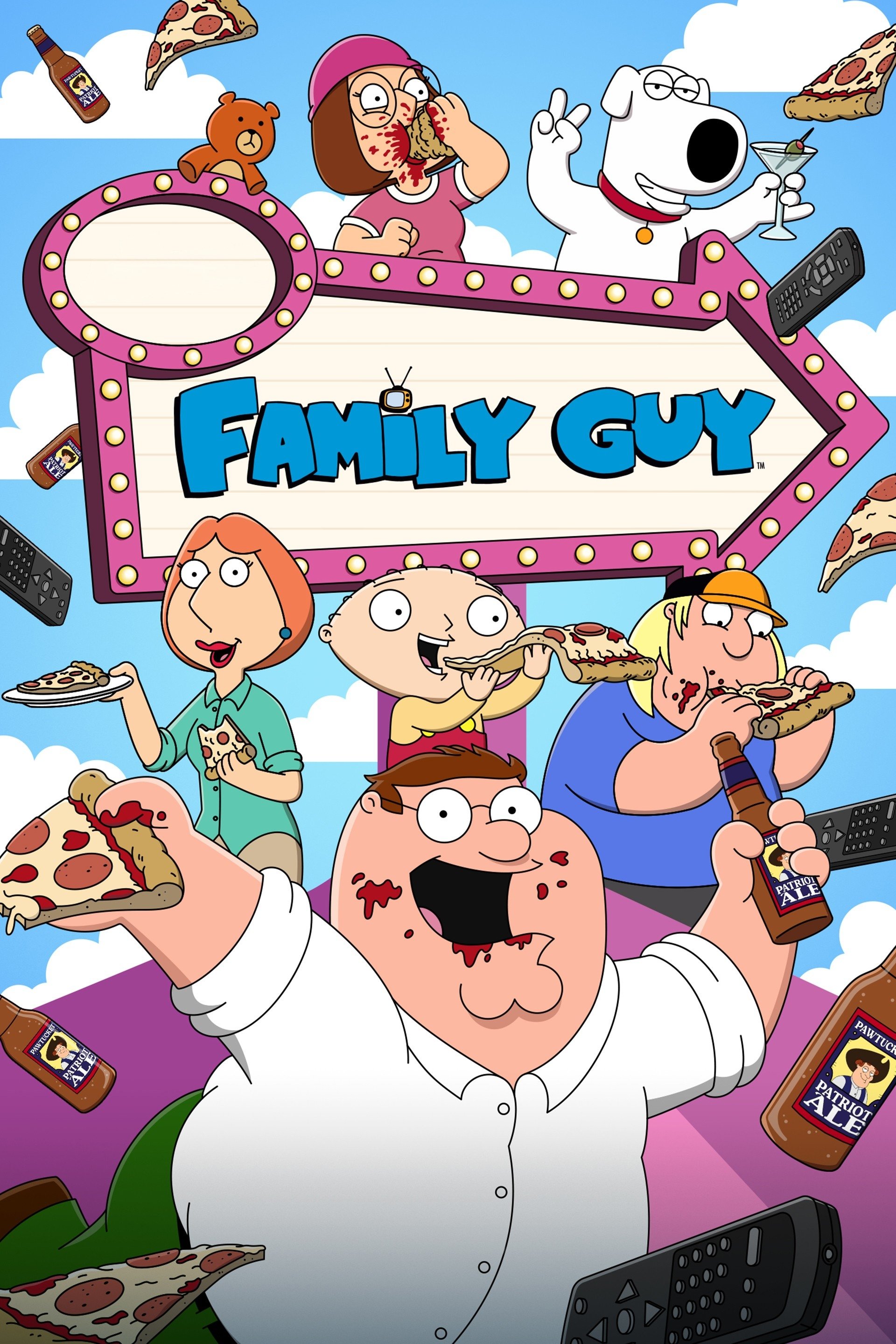
Peter Griffin and his eclectic family experience absurd adventures in Quahog, Rhode Island. The show is infamous for its heavy use of cutaway gags that often have no relevance to the main plot. Critics argue that the reliance on shock value and offensive stereotypes replaces genuine wit or storytelling. The characters have become increasingly mean-spirited over the decades without offering satirical redemption. It is frequently compared unfavorably to its animated predecessors for lacking emotional resonance.
‘Glee’ (2009–2015)
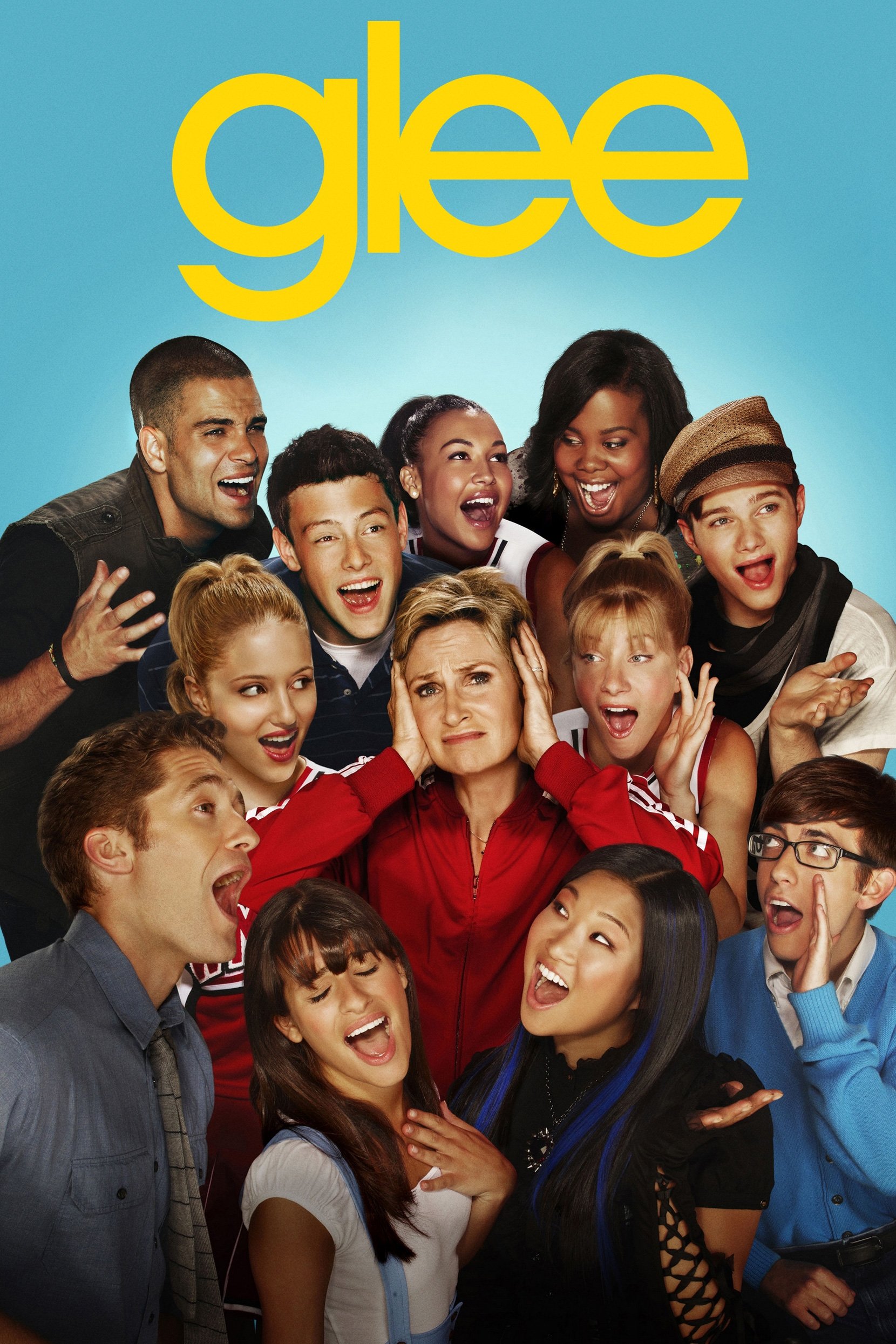
A high school Spanish teacher attempts to transform a group of misfits into a champion show choir. The first season received acclaim, but the writing quality dipped significantly as the series progressed. Narrative inconsistencies and abandoned plotlines became common frustrations for the dedicated audience. The show often tackled serious social issues with a heavy hand that felt preachy rather than insightful. Musically impressive numbers could not mask the increasingly chaotic and nonsensical character arcs.
‘2 Broke Girls’ (2011–2017)

Two waitresses from opposite backgrounds attempt to raise funds to start a cupcake business in Brooklyn. The sitcom drew immediate fire for its reliance on broad racial stereotypes and crude humor. Every character outside the main duo often served as a one-dimensional caricature for easy punchlines. The dialogue frequently prioritized sexual innuendo over actual character development or plot progression. Despite a long run, it is rarely cited as a highlight of the sitcom genre.
‘Emily in Paris’ (2020–Present)

A Chicago marketing executive lands her dream job in Paris and navigates a new life abroad. Viewers and critics alike have panned the show for its shallow interpretation of French culture and professional marketing. The protagonist often succeeds despite her lack of qualifications and questionable decision-making skills. Many plot points rely on serendipitous contrivances that eliminate any real stakes or tension. It is widely regarded as a hate-watch phenomenon rather than a quality comedy.
‘Fuller House’ (2016–2020)

This revival of the classic family sitcom brings the Tanner family back together under one roof. The series leans entirely on nostalgia and references to the original show rather than creating new humor. Adults behaving with the exaggerated mannerisms of children creates an uncanny and often cringe-inducing tone. The laugh track is relentless and often underscores jokes that lack punch or wit. It serves as a reminder that not every popular property needs a modern continuation.
‘The Ranch’ (2016–2020)
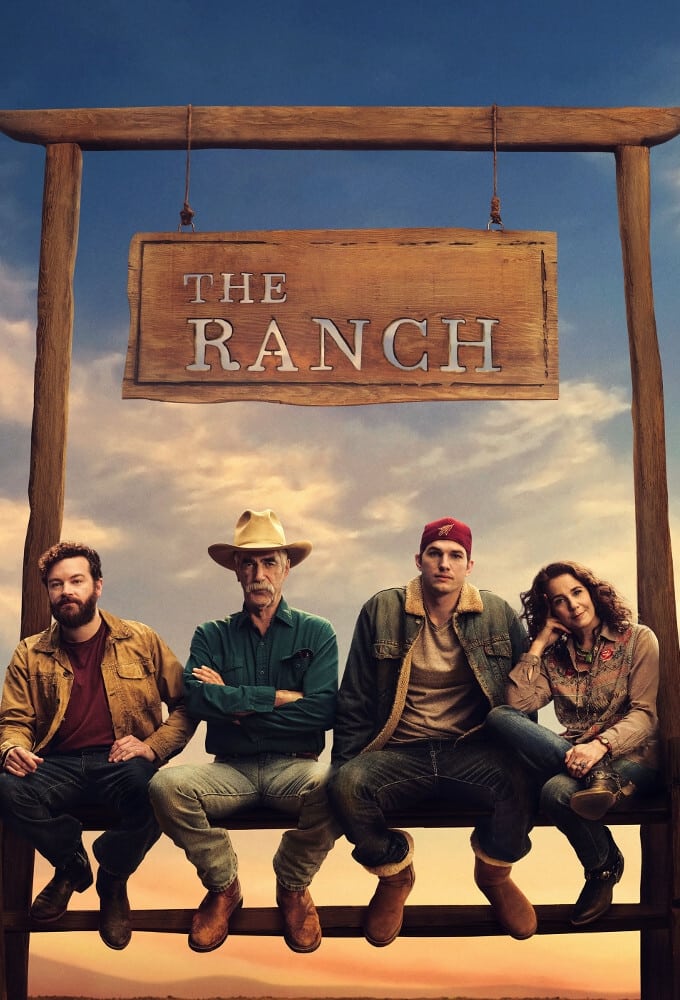
A failed semi-pro footballer returns home to run the family ranching business with his father and brother. The show attempts to blend an old-school sitcom format with darker dramatic themes and strong language. This tonal clash often results in a jarring viewing experience that fails to satisfy fans of either genre. The laugh track feels out of place against the backdrop of serious family dysfunction and financial struggle. Plot lines frequently circle the same conflicts without meaningful resolution.
‘Entourage’ (2004–2011)
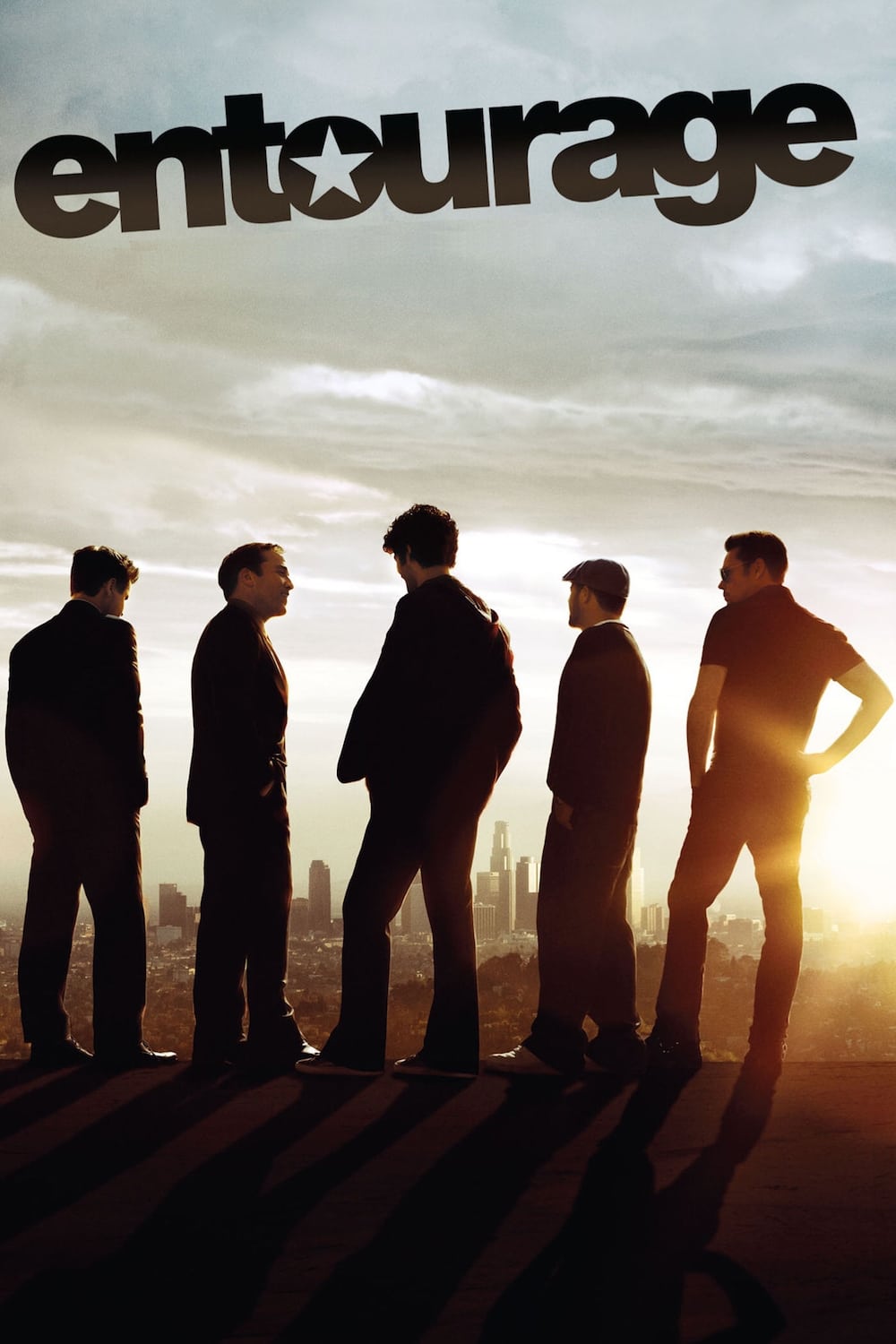
A movie star brings his childhood friends along for the ride as he navigates fame in Los Angeles. The series is frequently criticized for celebrating a lifestyle of excess without offering critical examination. Female characters largely serve as accessories to the male leads rather than fully realized people. The stakes for the main character are famously low as things almost always work out in his favor. It is often viewed as a time capsule of early 2000s materialism that lacks depth.
‘Sex and the City’ (1998–2004)
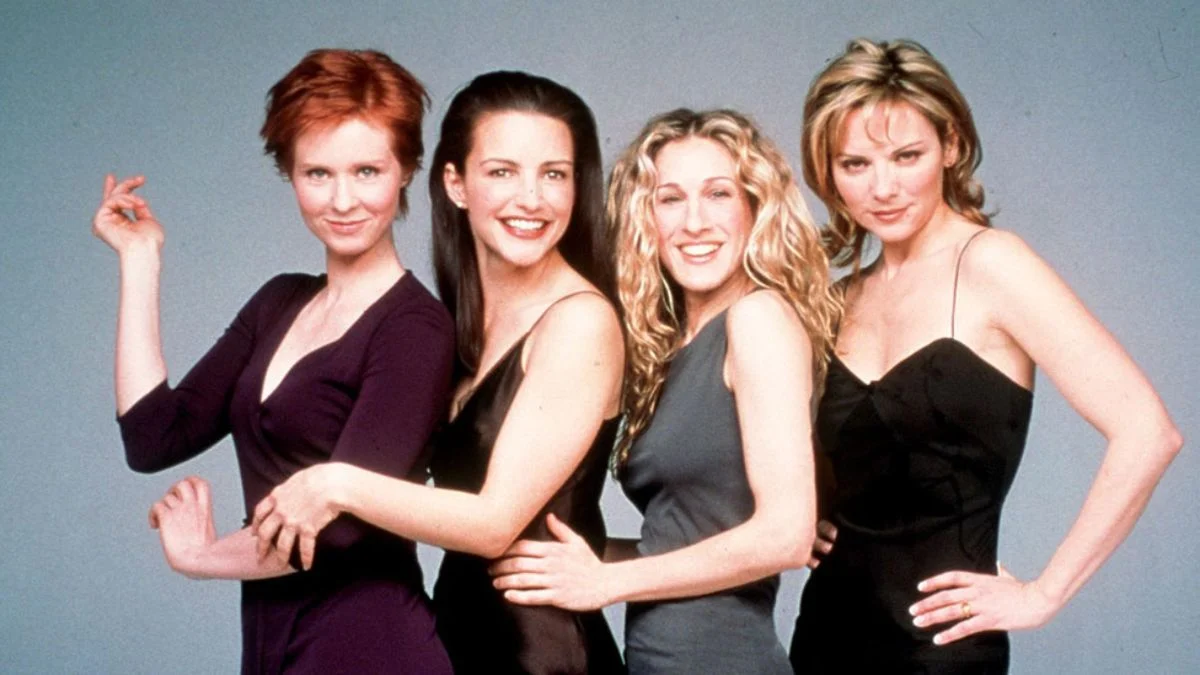
Four women navigate the complex dating scene of Manhattan while discussing their personal lives. While groundbreaking for its time, modern critiques focus on the rampant consumerism and lack of economic reality. The protagonist Carrie Bradshaw is often cited as a toxic friend who prioritizes her drama over others. Relationships are frequently depicted through a superficial lens that ignores compatibility issues. The lack of diversity in such a major cultural hub remains a significant point of contention.
‘Girls’ (2012–2017)

A group of women in their early twenties struggle to navigate life and employment in New York City. The show aimed for realism but often presented characters so unlikable that they alienated the audience. Critics pointed out the immense privilege of the characters that undermined their supposed struggles. The nudity and sexual content frequently felt gratuitous rather than narrative-driven. It became a cultural lightning rod that was discussed more for its controversies than its comedy.
‘Mike & Molly’ (2010–2016)
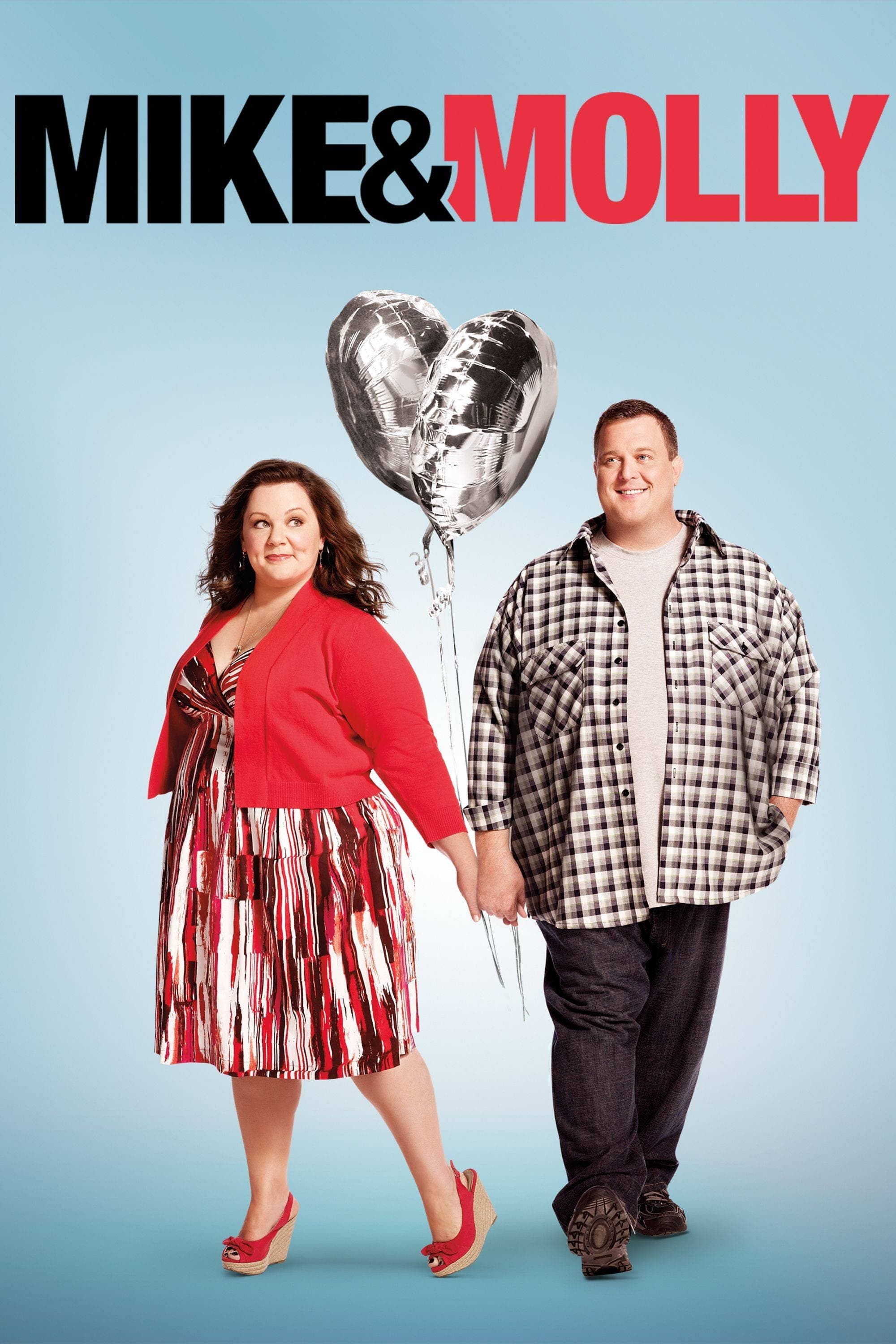
A police officer and a teacher find love after meeting at an Overeaters Anonymous meeting. The show often relied on fat jokes and self-deprecation rather than exploring the characters’ other traits. Supporting characters were drawn as loud caricatures that distracted from the central relationship. The humor rarely elevated beyond standard sitcom tropes found in previous decades. It wasted the talents of a charismatic cast on safe and repetitive material.
‘Rules of Engagement’ (2007–2013)
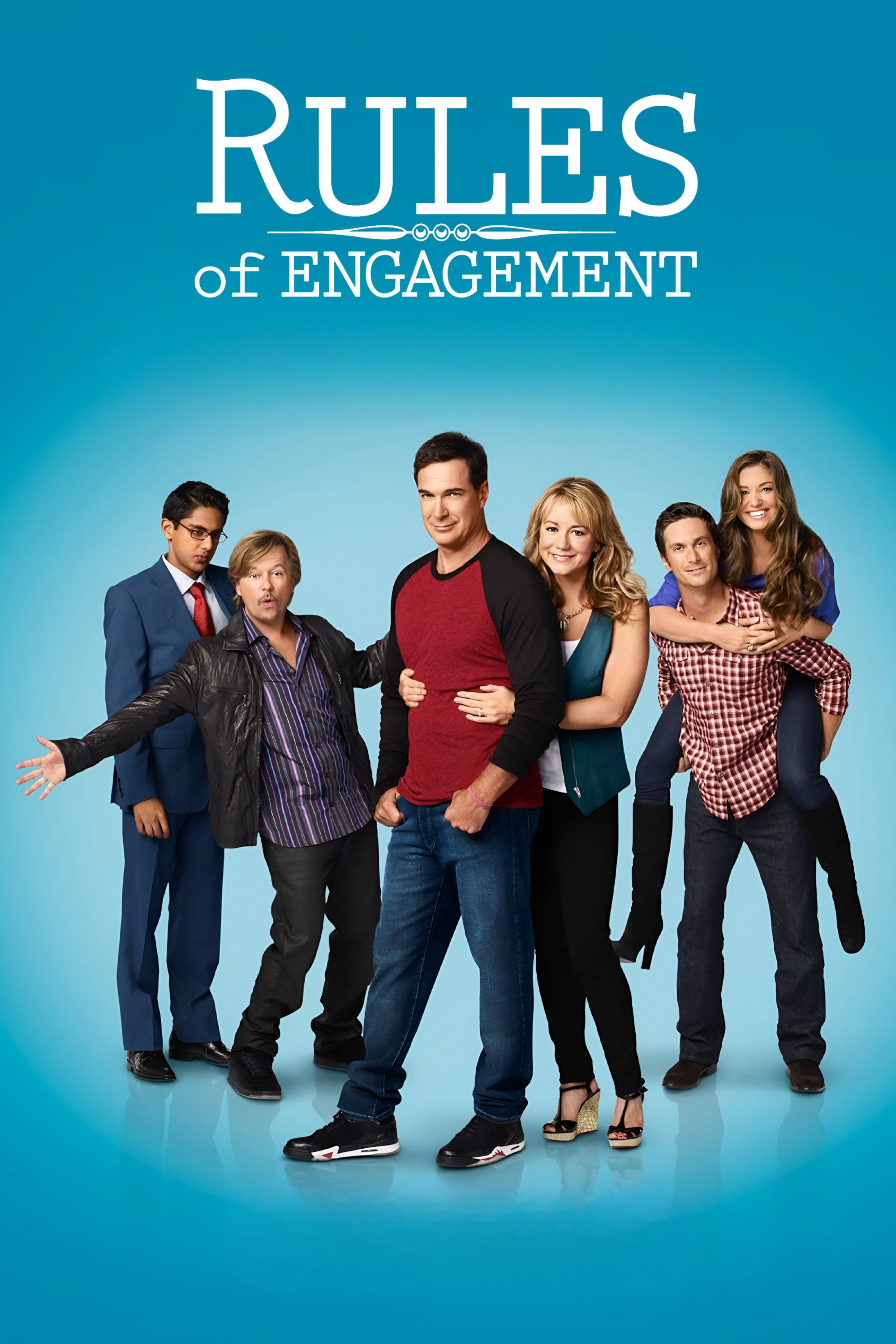
Two couples and their single friend deal with the complications of dating, marriage, and commitment. The format felt dated even upon its premiere and offered little innovation to the genre. Gender dynamics were presented in a stereotypical fashion with nagging wives and incompetent husbands. The laugh track seemed to dictate the humor rather than the script itself. It occupied a prime time slot for years without leaving a lasting cultural footprint.
‘According to Jim’ (2001–2009)
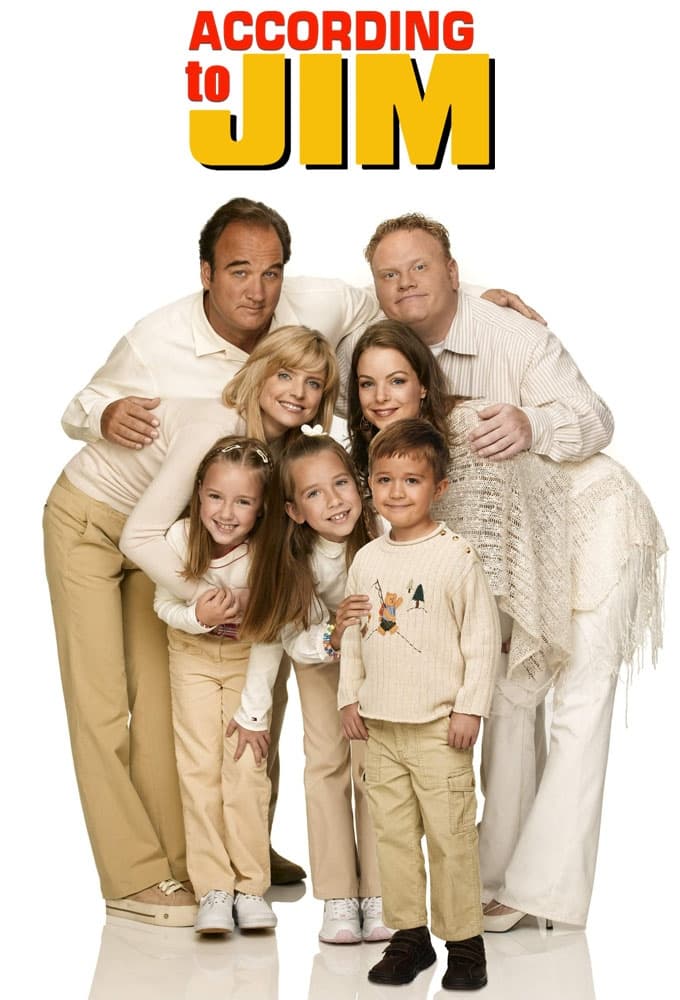
A suburban father constantly creates problems through dishonesty and laziness while his wife cleans up the mess. The premise is a carbon copy of numerous other sitcoms featuring a schlubby husband and a patient wife. Plots usually revolve around the main character lying to avoid minor responsibilities. The humor is safe and predictable with very few surprises across eight seasons. It represents a generic era of television comedy that took few creative risks.
‘Everybody Loves Raymond’ (1996–2005)
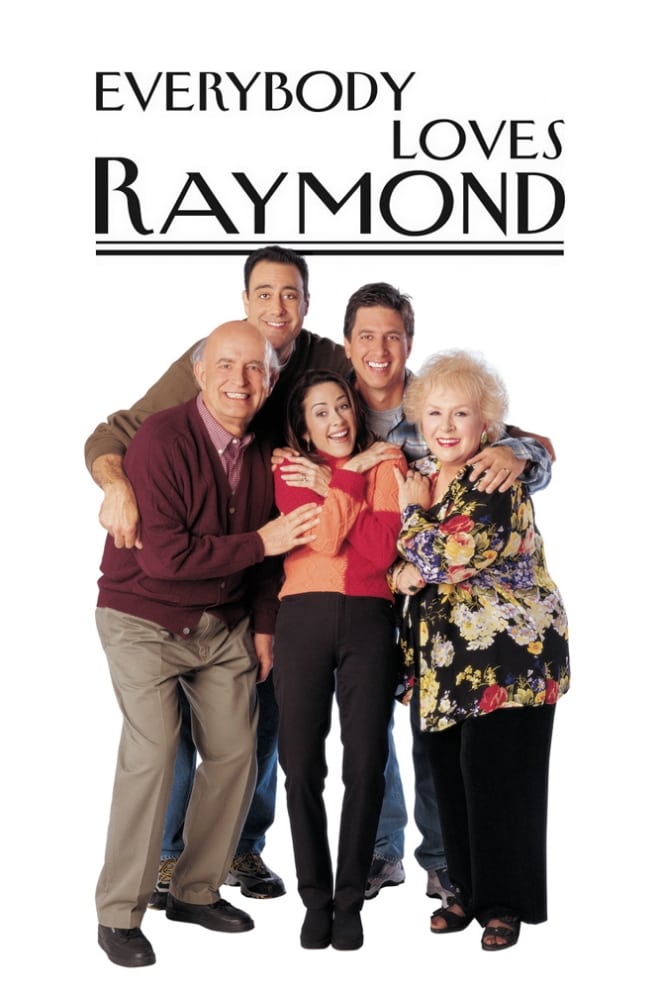
A sportswriter deals with his intrusive parents and jealous brother living across the street. While critically acclaimed during its run, some modern viewers find the family dynamics more exhausting than funny. The incompetence of the husband and the constant shouting matches can become grating upon binge-viewing. Debra Barone is frequently cited as a character trapped in a thankless marriage. The show relies heavily on the weaponized incompetence trope that has fallen out of favor.
‘The King of Queens’ (1998–2007)
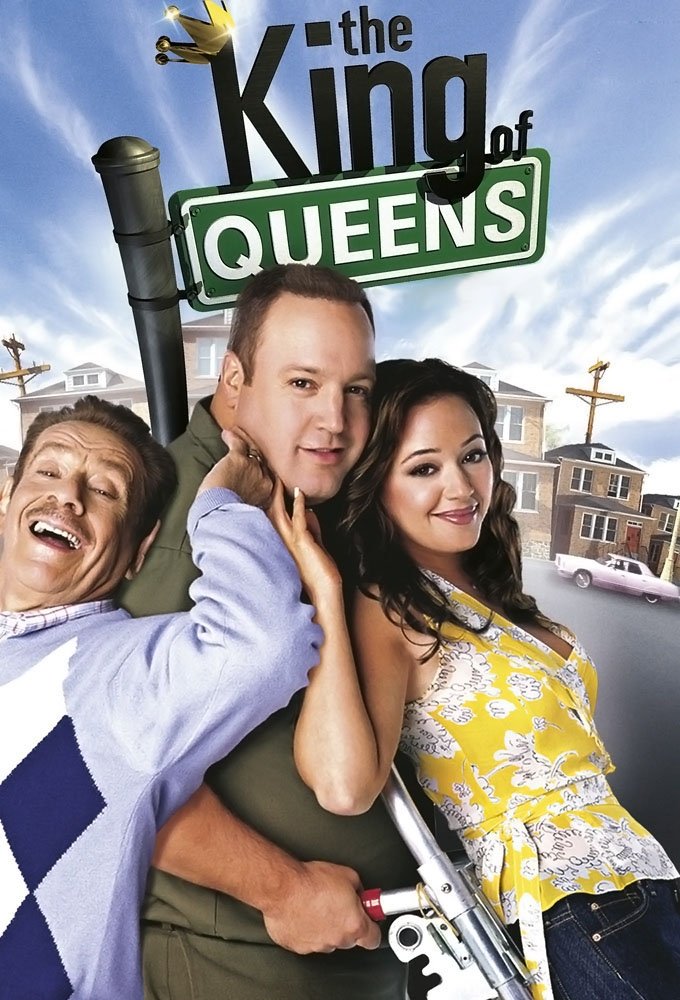
A delivery driver and his wife share their home with her eccentric father in Queens. The series adheres strictly to the bickering couple formula that dominated the era. Doug Heffernan often acts selfishly while his wife Carrie is portrayed as a shrew for demanding maturity. The constant arguing constitutes the majority of the comedic interaction. It provided comfort food television but offered little in terms of narrative innovation.
‘Modern Family’ (2009–2020)

This mockumentary followed three diverse branches of the same family in Los Angeles. The early seasons were praised, but the quality of writing noticeably declined as the years went on. Characters became caricatures of their former selves and learned the same lessons repeatedly. The mockumentary format lost its novelty and logic as the seasons dragged. It is a classic example of a show that ran far longer than its premise could sustain.
‘The Goldbergs’ (2013–2023)
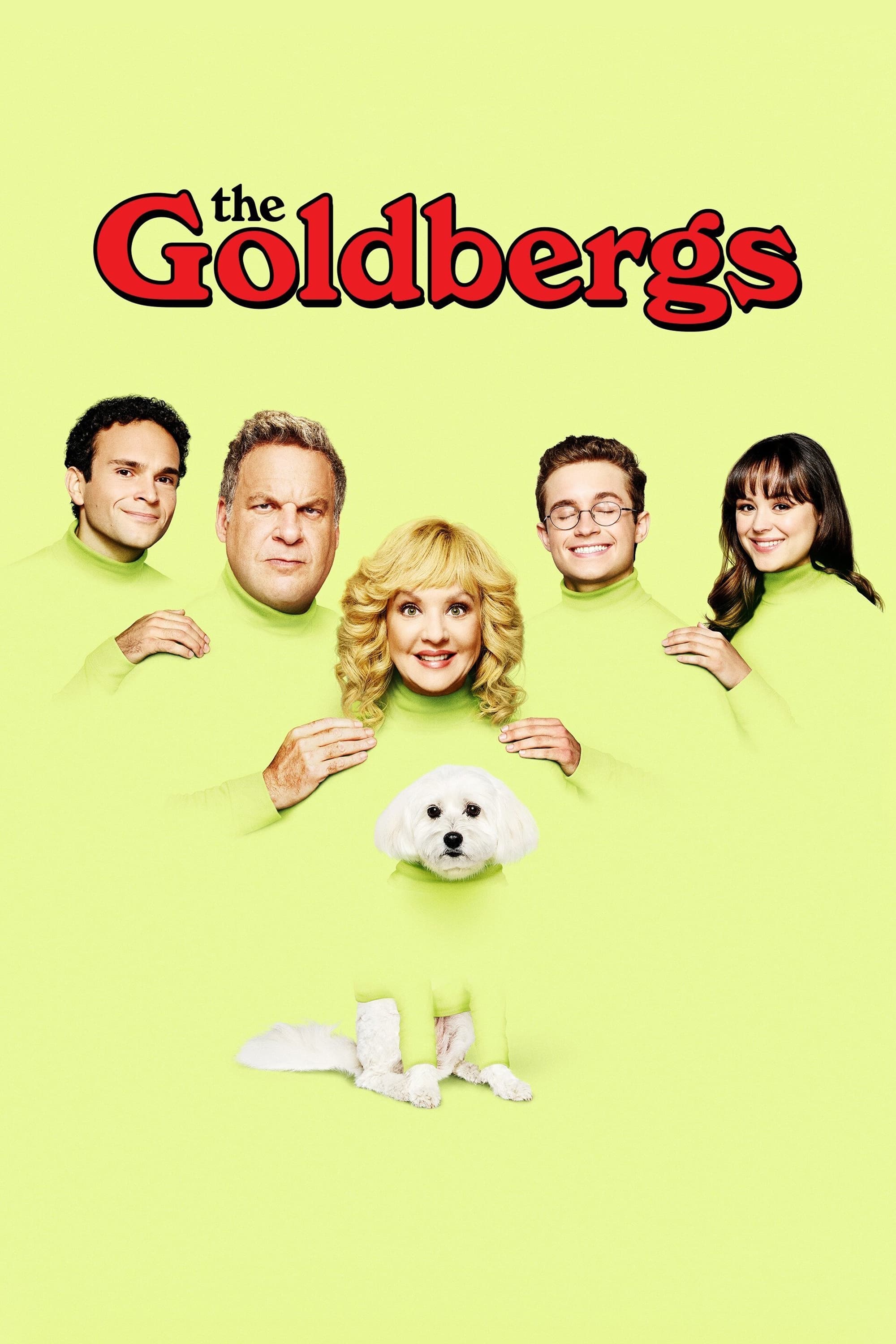
A young boy documents his chaotic family life in the 1980s using his video camera. The show relies almost exclusively on loud shouting matches and pop culture references for humor. Beverly Goldberg’s smothering behavior crosses the line from funny to concerning for many viewers. The formula of the show became incredibly repetitive with each episode following the same emotional beats. Nostalgia does the heavy lifting where character development fails.
‘American Housewife’ (2016–2021)
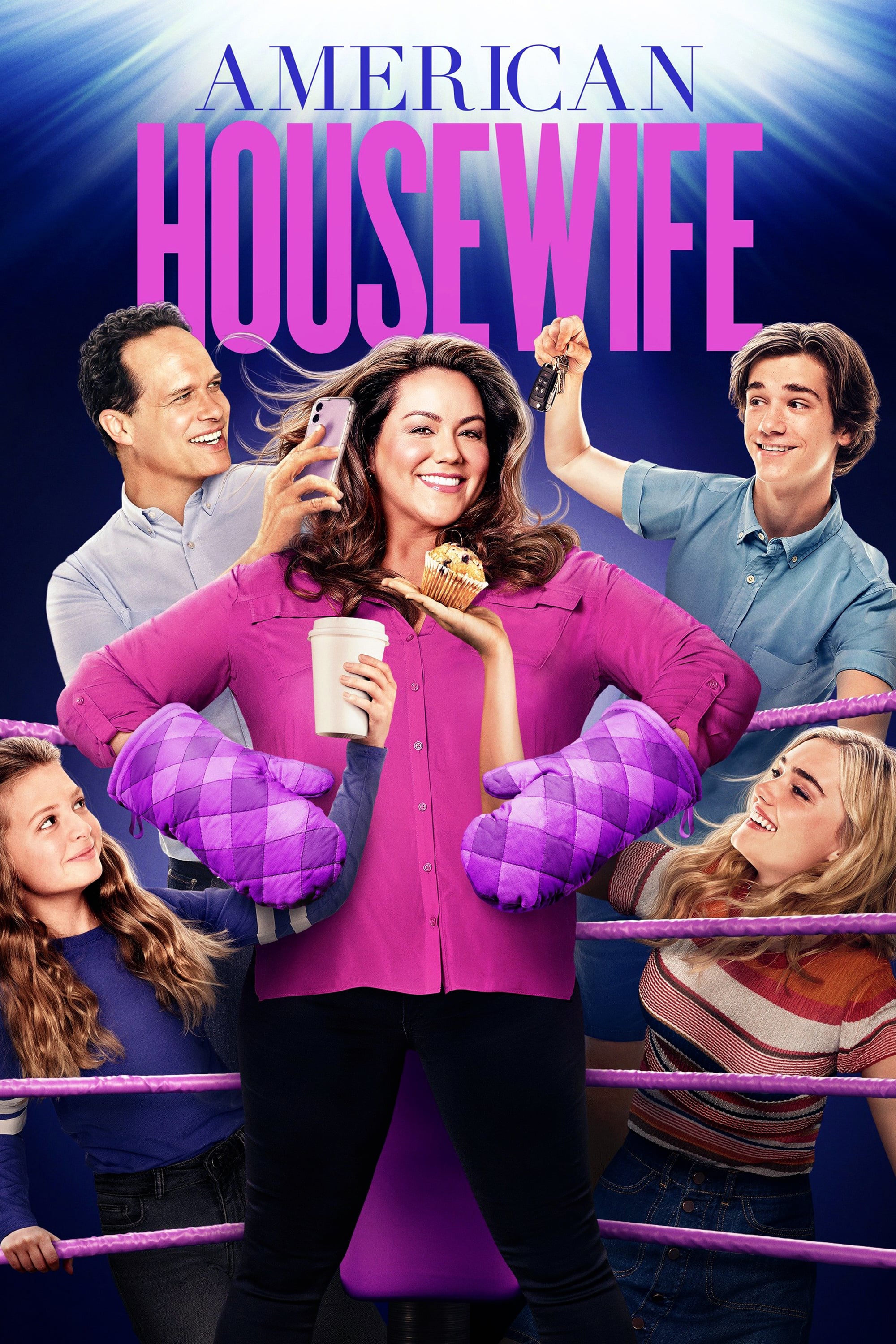
A mother tries to raise her flawed family in a wealthy town filled with perfect parents. The protagonist often comes across as judgmental and petty while criticizing those around her. Jokes about weight and class status form the bulk of the comedic material. The satire of suburban life lacks the bite or wit to be truly subversive. It falls into the trap of becoming the very thing it attempts to mock.
‘Last Man Standing’ (2011–2021)

A conservative marketing director tries to maintain his masculinity in a house dominated by women. The show is often criticized for prioritizing political commentary over actual character-driven humor. Jokes frequently target perceived societal shifts in a way that feels divisive rather than inclusive. The recasting of family members created a disconnect for long-time viewers. It served a specific niche but struggled to find broad appeal outside of it.
‘The Middle’ (2009–2018)

A working-class family struggles to make ends meet in a small Indiana town. While it offers a realistic look at poverty, the characters often remain stagnant for nine seasons. The character of Sue Heck is viewed by some as endearing and by others as intolerably annoying. Repetitive plotlines about the family’s bad luck can make for a depressing viewing experience. It often lived in the shadow of more successful sitcoms of the same era.
‘Mom’ (2013–2021)

A mother and daughter struggle with sobriety and their dysfunctional relationship. While it tackled serious issues, the tonal shifts between tragedy and sitcom humor were often jarring. The characters frequently treated each other with a level of cruelty that made them hard to root for. The departure of Anna Faris in the later seasons left a void the show could not fill. It struggled to balance the darkness of addiction with the requirements of a network sitcom.
‘New Girl’ (2011–2018)
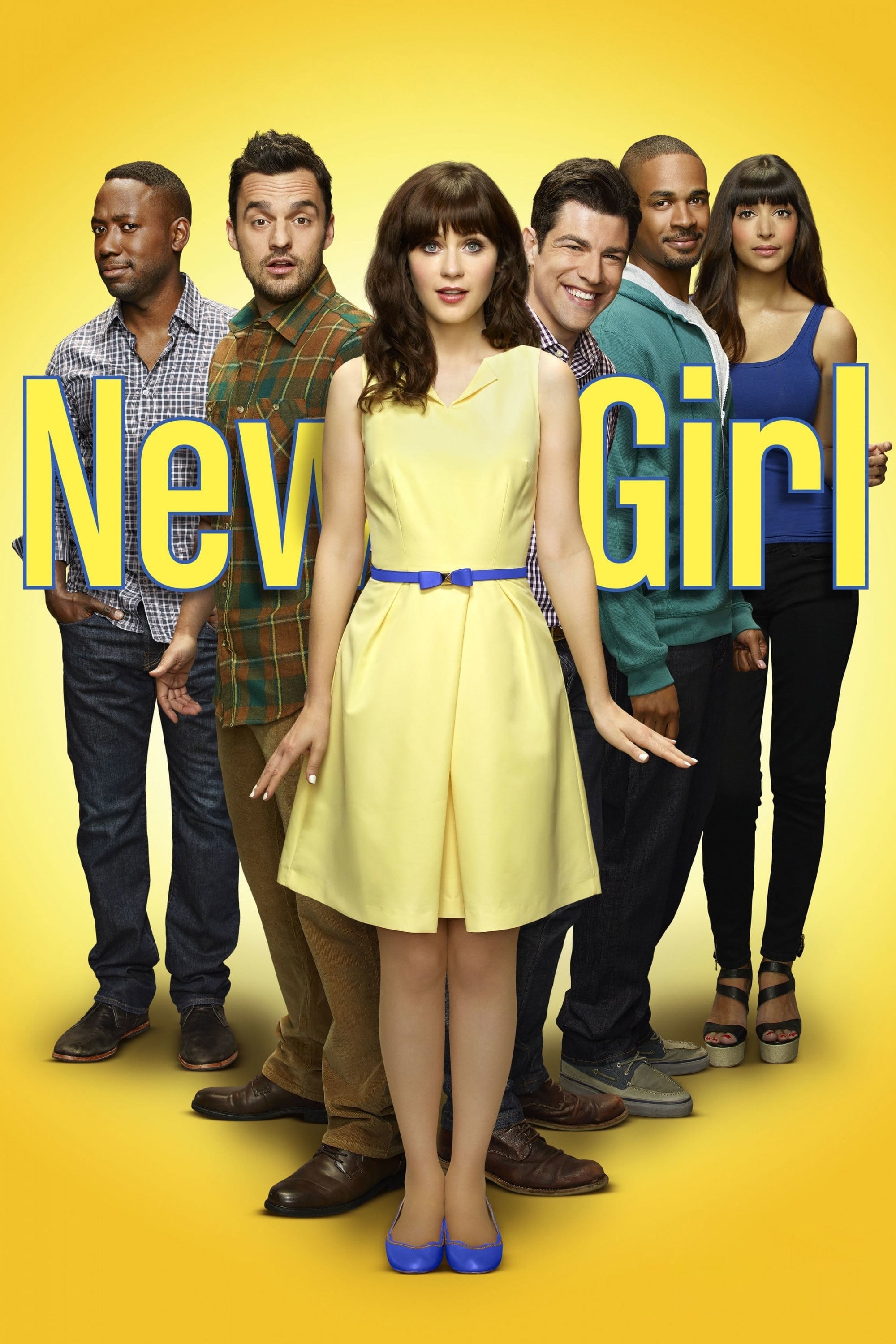
A quirky teacher moves into a loft with three men after a bad breakup. The lead character is often criticized as the ultimate example of the manic pixie dream girl trope. Her quirkiness frequently feels forced and infantile rather than charming or genuine. The show found better footing when focusing on the ensemble, but the premise remained divisive. Many viewers found the whimsy to be exhausting over long stretches.
‘Gilmore Girls’ (2000–2007)
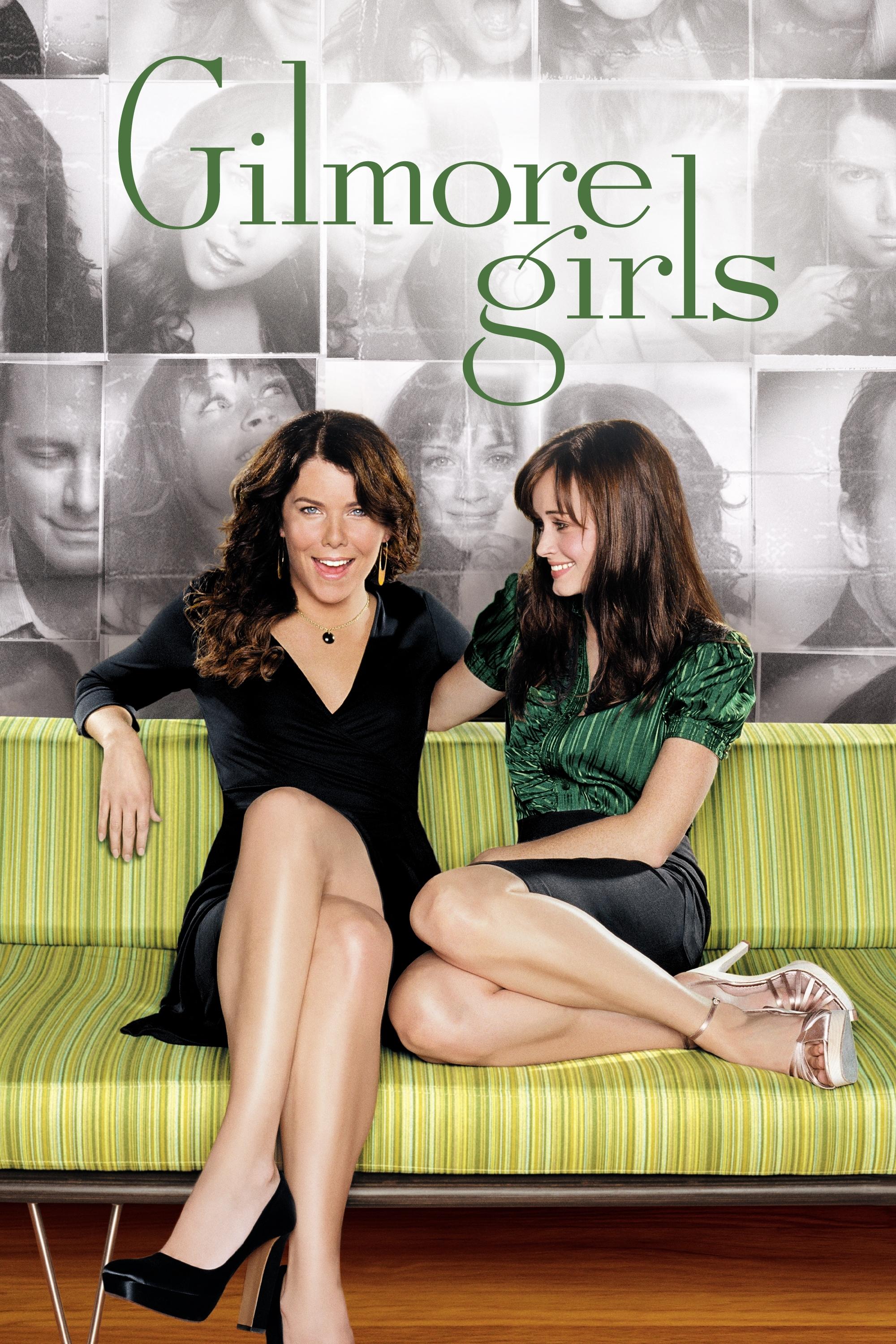
A young single mother raises her intellectual daughter in a quirky Connecticut town. The rapid-fire dialogue is a trademark that some find witty and others find pretentious and unrealistic. Lorelai Gilmore is often critiqued for her emotional immaturity and selfishness in relationships. The show presents a world of immense privilege where consequences rarely stick to the main characters. Retrospective discussions often focus on how poorly the protagonists treat those around them.
‘Full House’ (1987–1995)
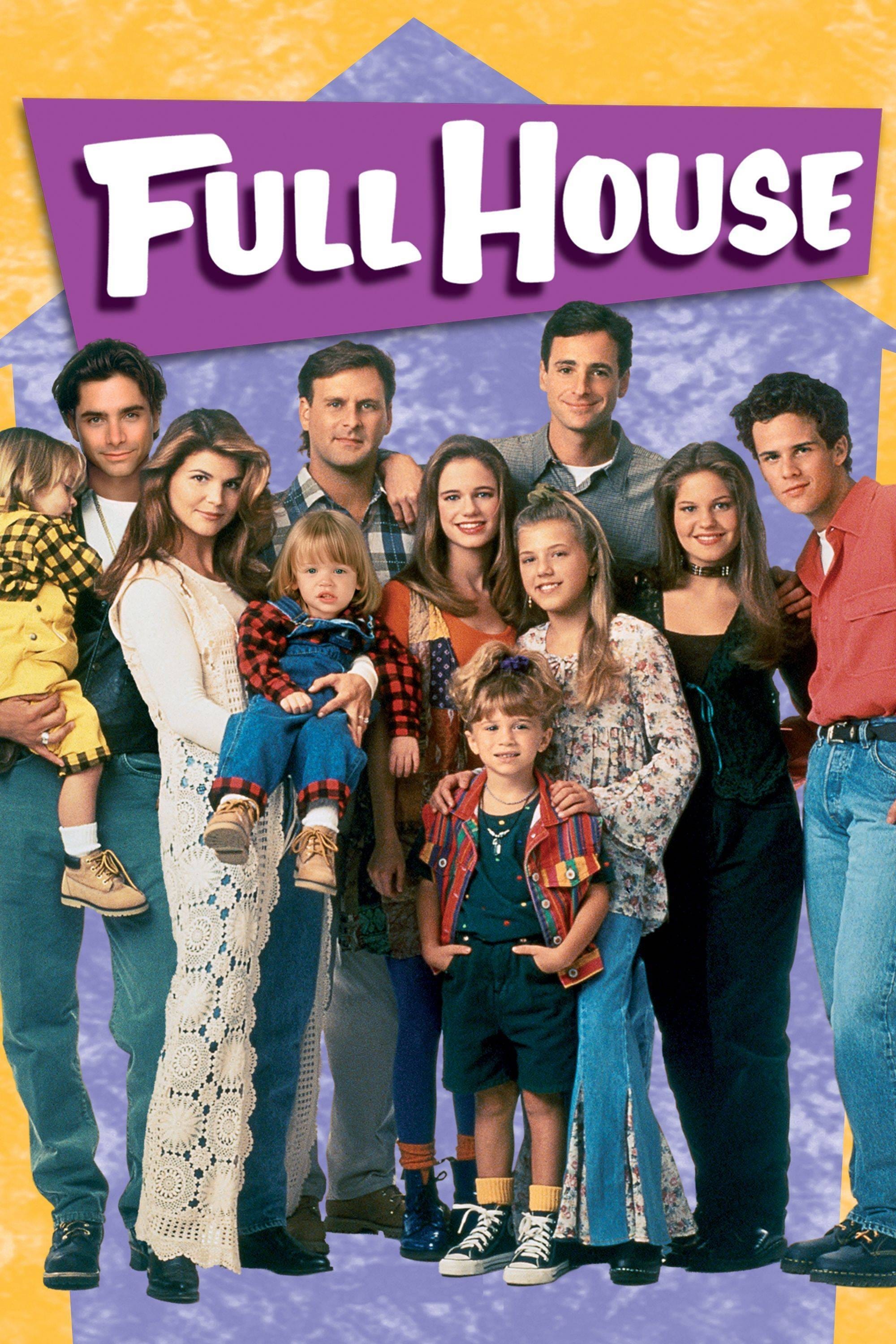
A widowed father enlists his brother-in-law and best friend to help raise his three daughters. The show is synonymous with cheesy music swells and heavy-handed moral lessons. The humor is incredibly safe and designed to appeal to the youngest common denominator. It relies on catchphrases and cute reaction shots rather than written jokes. Nostalgia keeps it in the conversation despite its simplistic writing.
‘Saved by the Bell’ (1989–1993)
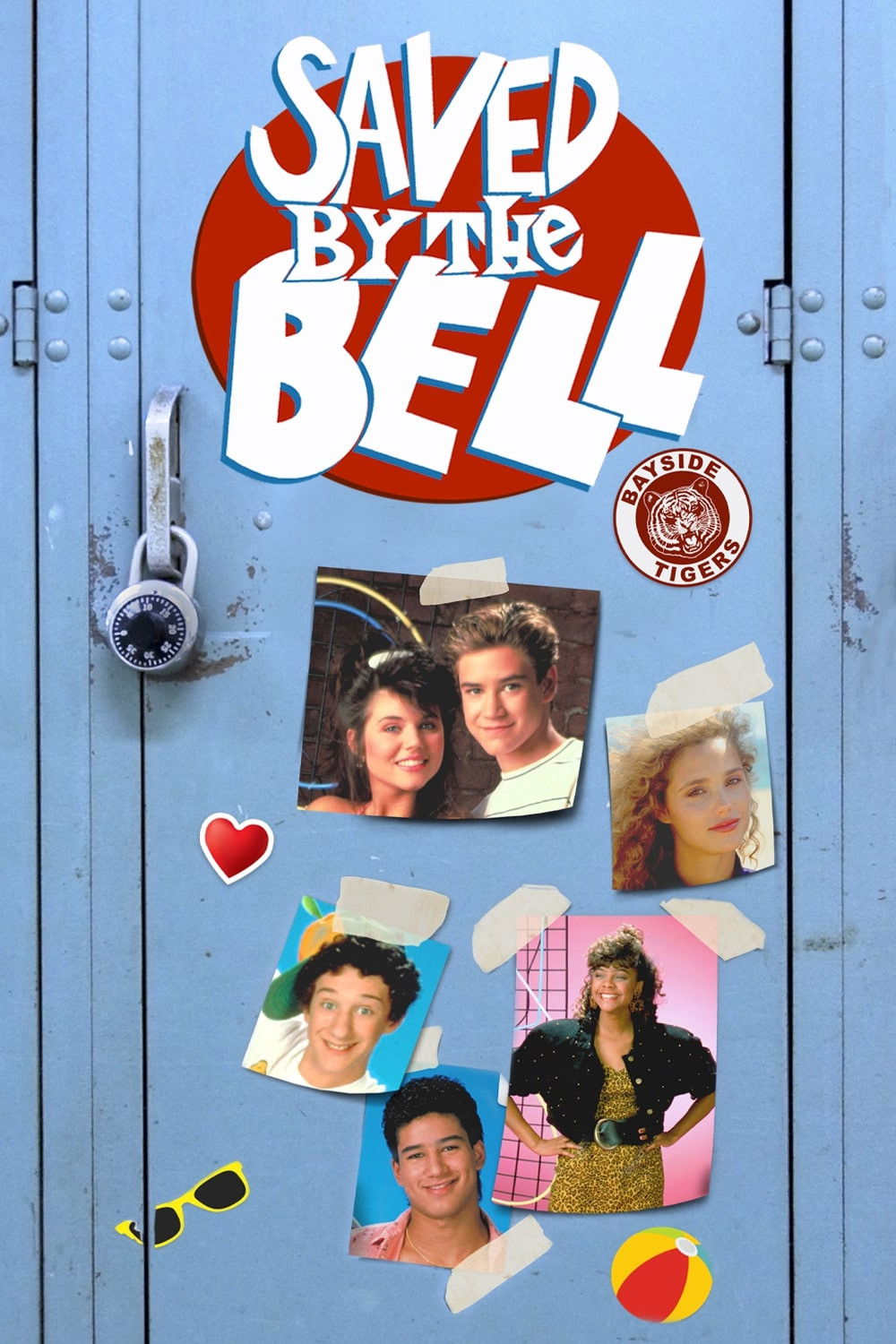
Six students at Bayside High navigate friendship and school schemes. The show is packed with plot holes, continuity errors, and unrealistic scenarios. Zack Morris is frequently analyzed today as a manipulative sociopath rather than a charming prankster. The acting is often melodramatic and the sets look intentionally cheap. It remains a cult favorite despite being objectively poor in production quality.
‘Home Improvement’ (1991–1999)
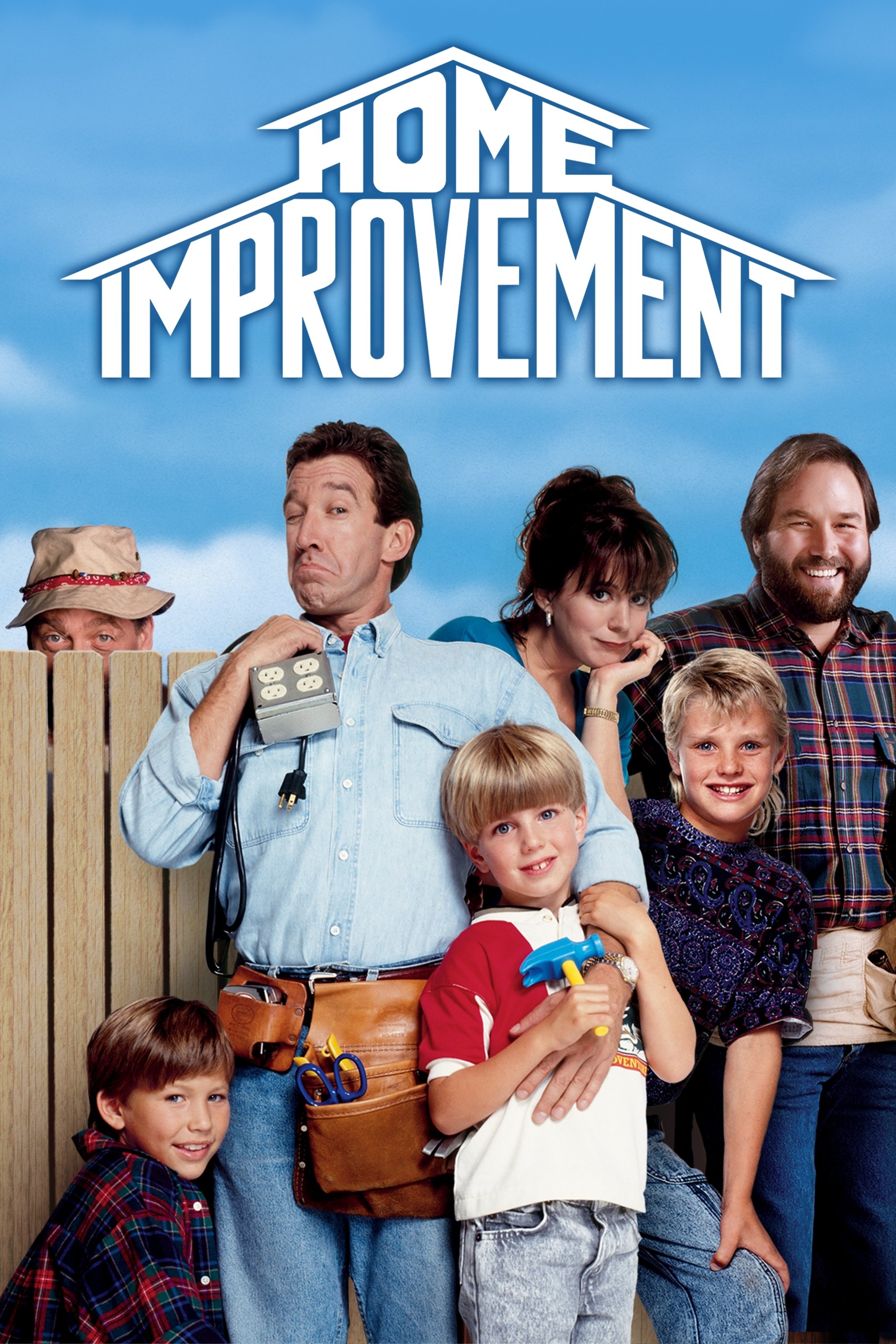
A television host raises three mischievous sons while obsessing over power tools. The gender dynamics are strictly traditional and often rely on stereotypes about men and women. Tim Taylor’s grunt-based humor and constant accidents became repetitive very quickly. The show offered little evolution for the characters over its long run. It was a massive ratings hit that has faded significantly from cultural relevance.
‘Scrubs’ (2001–2010)
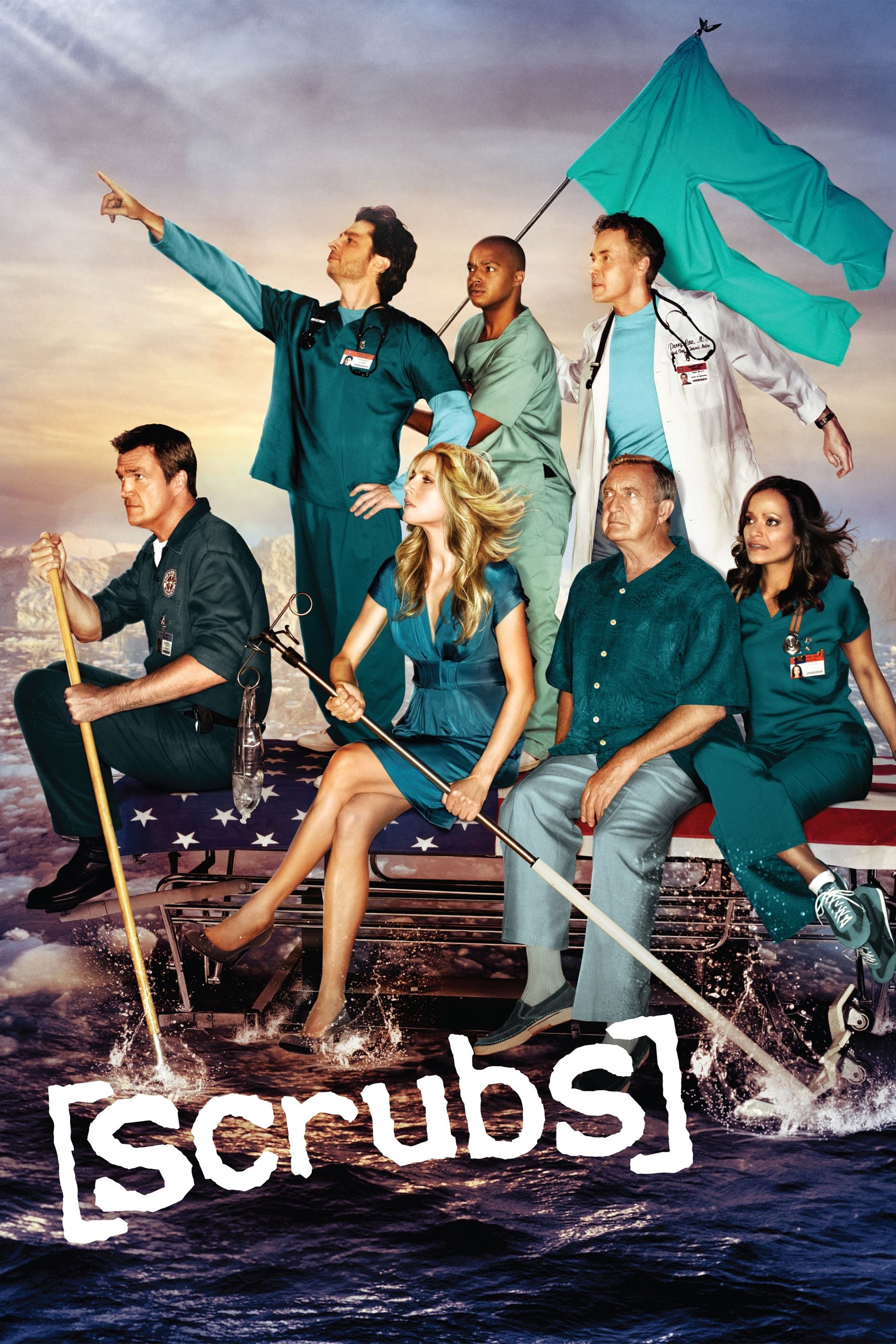
Interns navigate the absurd and emotional world of a teaching hospital. The main character J.D. is often viewed as needy, selfish, and professionally inappropriate. The final season, which acted as a soft reboot with a new cast, is universally reviled. The blend of slapstick and drama sometimes resulted in tonal whiplash. Fans often advise skipping the later years to preserve the legacy of the show.
‘Arrested Development’ (2003–2019)
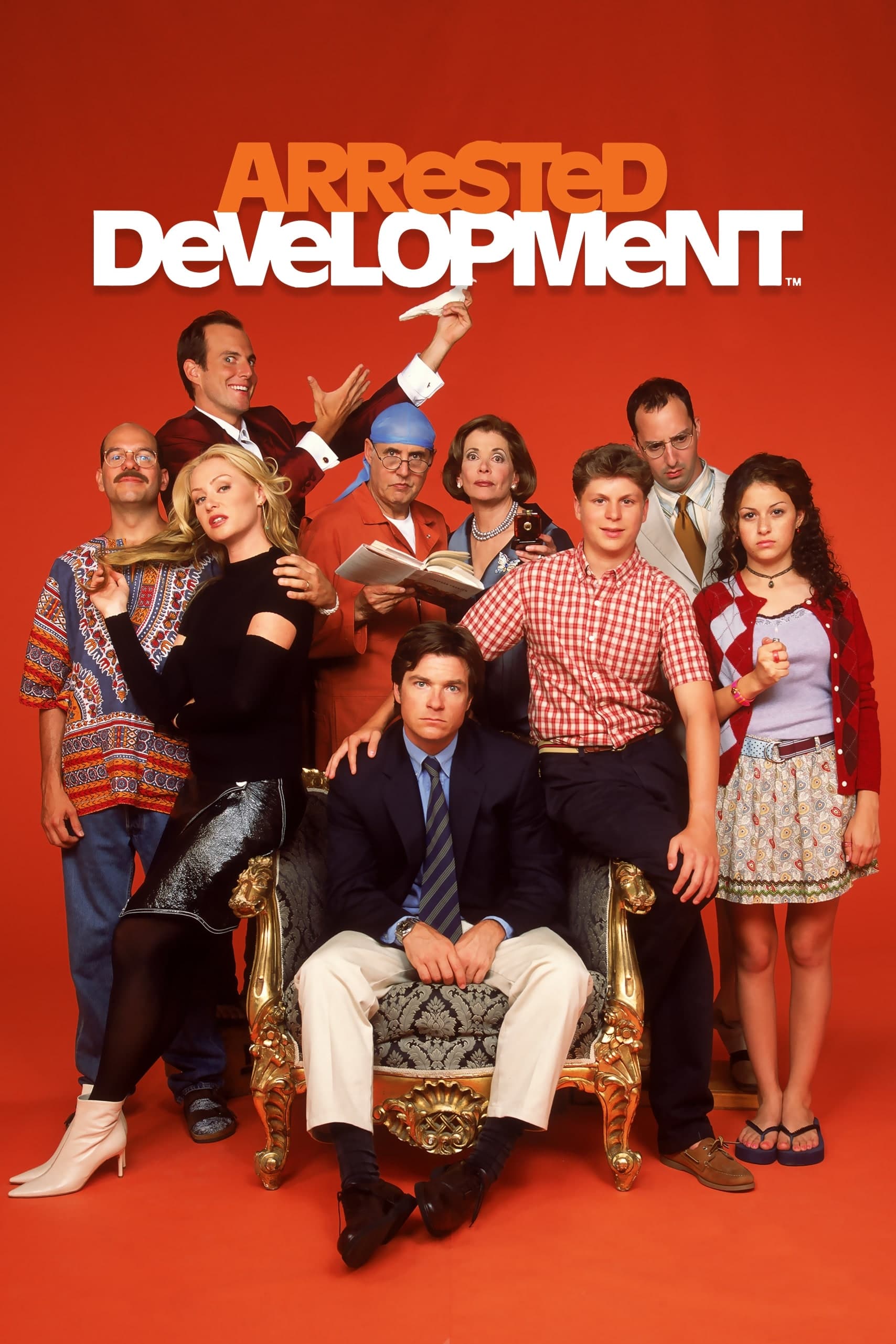
A wealthy family loses everything and the one son who had no choice but to keep them together. While the original run is acclaimed, the Netflix revival seasons are widely considered a steep drop in quality. The convoluted plotlines of seasons four and five alienated many original fans. The recutting of the fourth season confused the narrative structure even further. It serves as a cautionary tale about reviving cult classics.
‘The Office’ (US) (2005–2013)
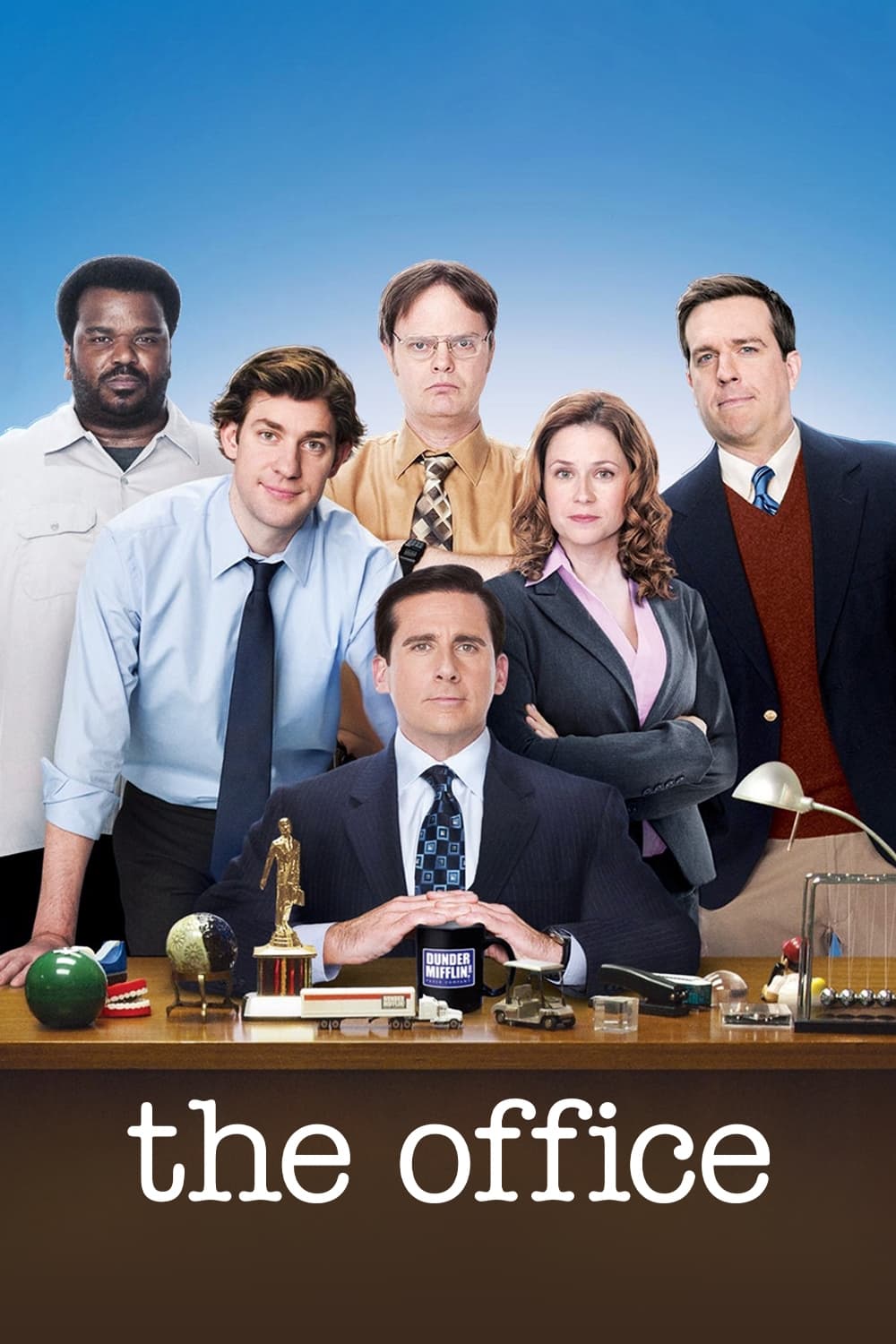
A documentary crew captures the daily lives of employees at a paper supply company. The departure of Steve Carell marked a turning point where the quality dipped noticeably. Characters like Andy Bernard were derailed by inconsistent writing and baffling character choices. The introduction of the boom operator plotline in the final season is widely hated by the fanbase. Many argue the show should have ended years before it actually did.
‘The Simpsons’ (1989–Present)
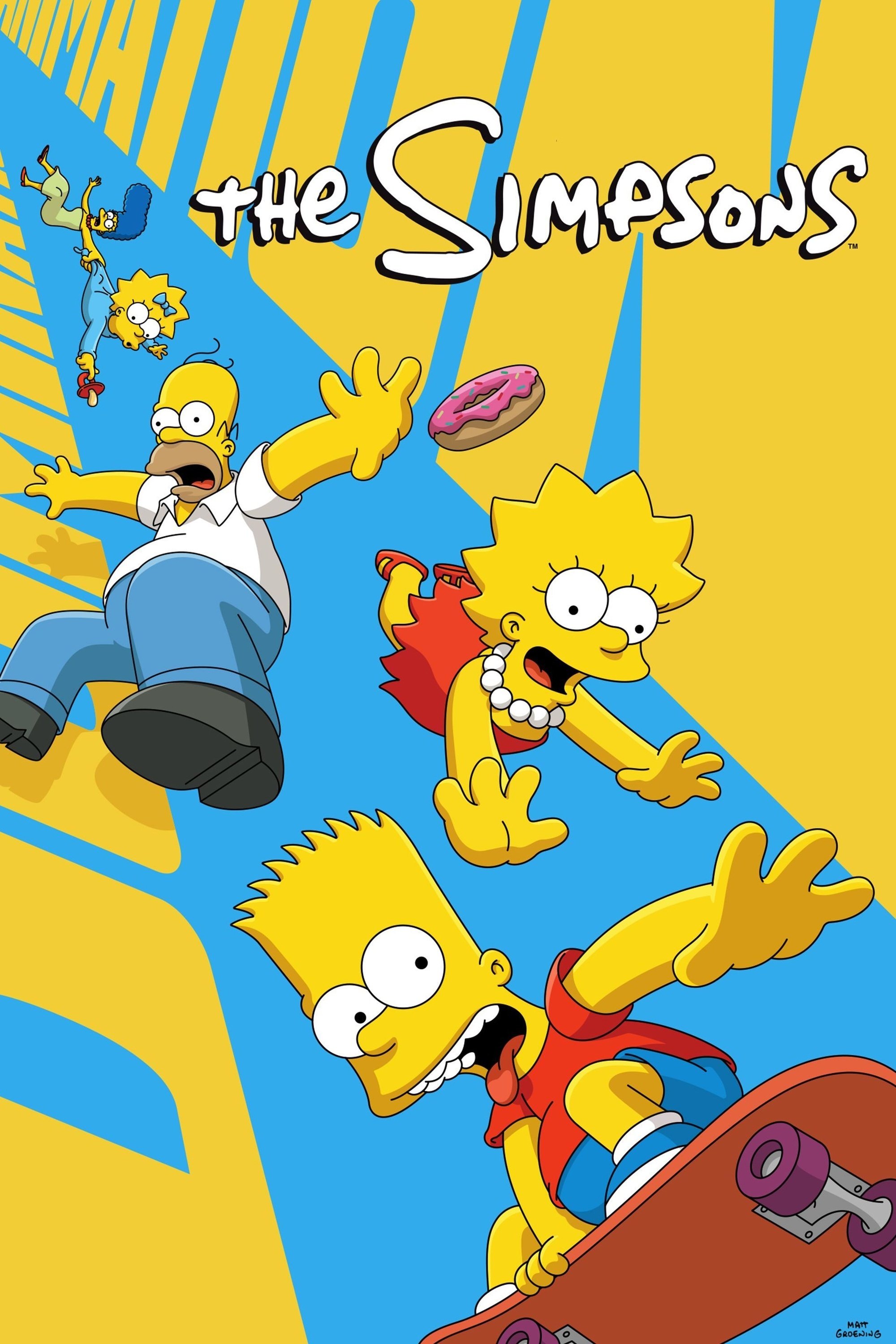
This animated family has been on the air for over thirty years. The “Golden Age” is revered, but the vast majority of the series consists of mediocre episodes. Critics argue the show has become a zombie of its former self that chases trends rather than setting them. The voice actors sound noticeably older which creates a disconnect with the ageless characters. It continues to run on momentum rather than creative necessity.
‘South Park’ (1997–Present)

Four boys in a Colorado mountain town encounter bizarre and offensive situations. The show’s “both sides” approach to political satire is often criticized for promoting apathy. Critics argue that the creators hide behind irony to avoid taking meaningful stances. The reliance on shock value has diminishing returns after decades on the air. Some viewers feel the show punches down more often than it punches up.
‘Rick and Morty’ (2013–Present)
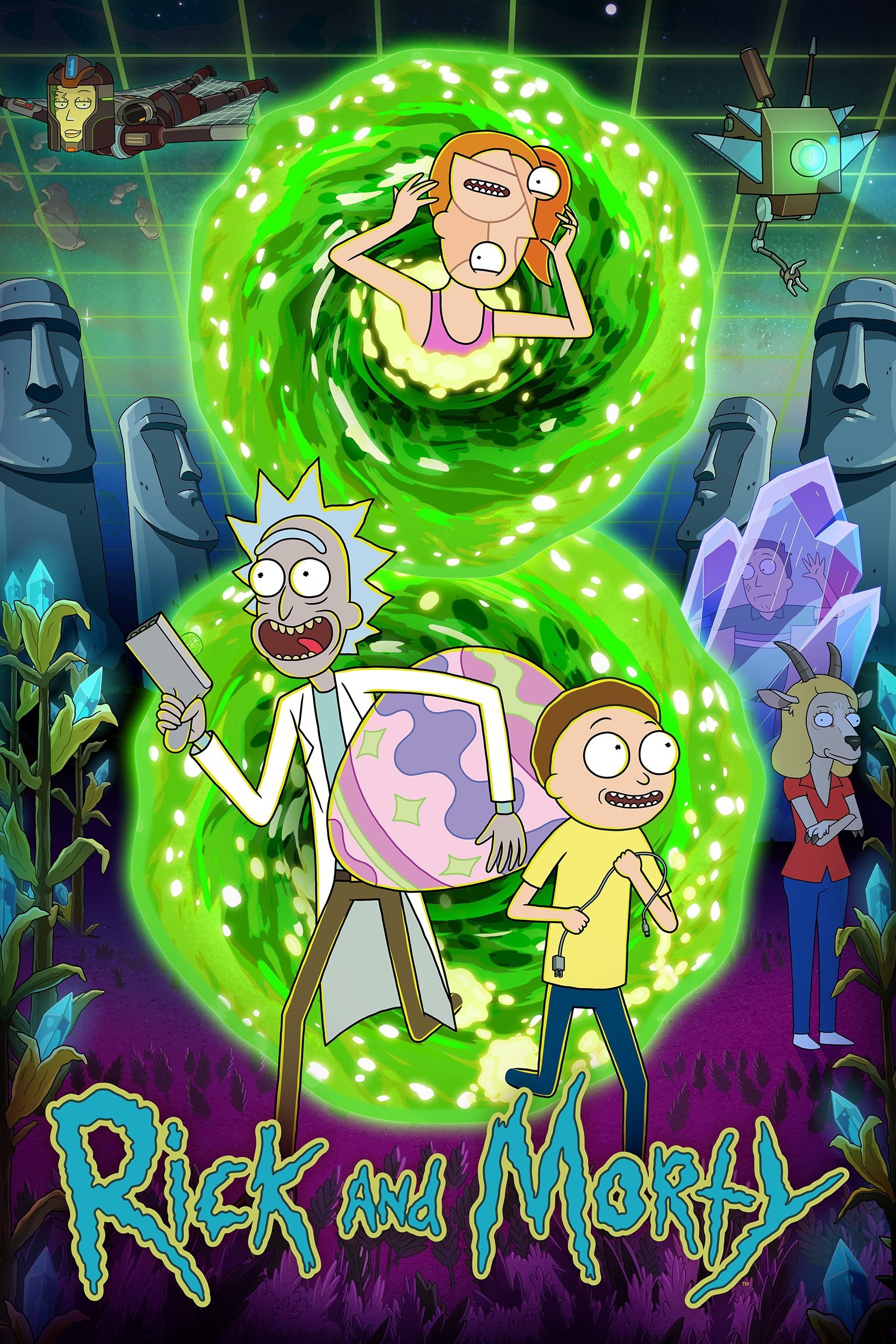
A cynical scientist drags his grandson on dangerous interdimensional adventures. The aggressive fanbase has soured the reputation of the show for many casual viewers. The nihilistic philosophy of the main character is often mistaken for intellectual depth. Behind-the-scenes controversies involving the creators have cast a shadow over the production. The reliance on meta-humor can feel self-indulgent and exhausting.
‘Ted Lasso’ (2020–2023)
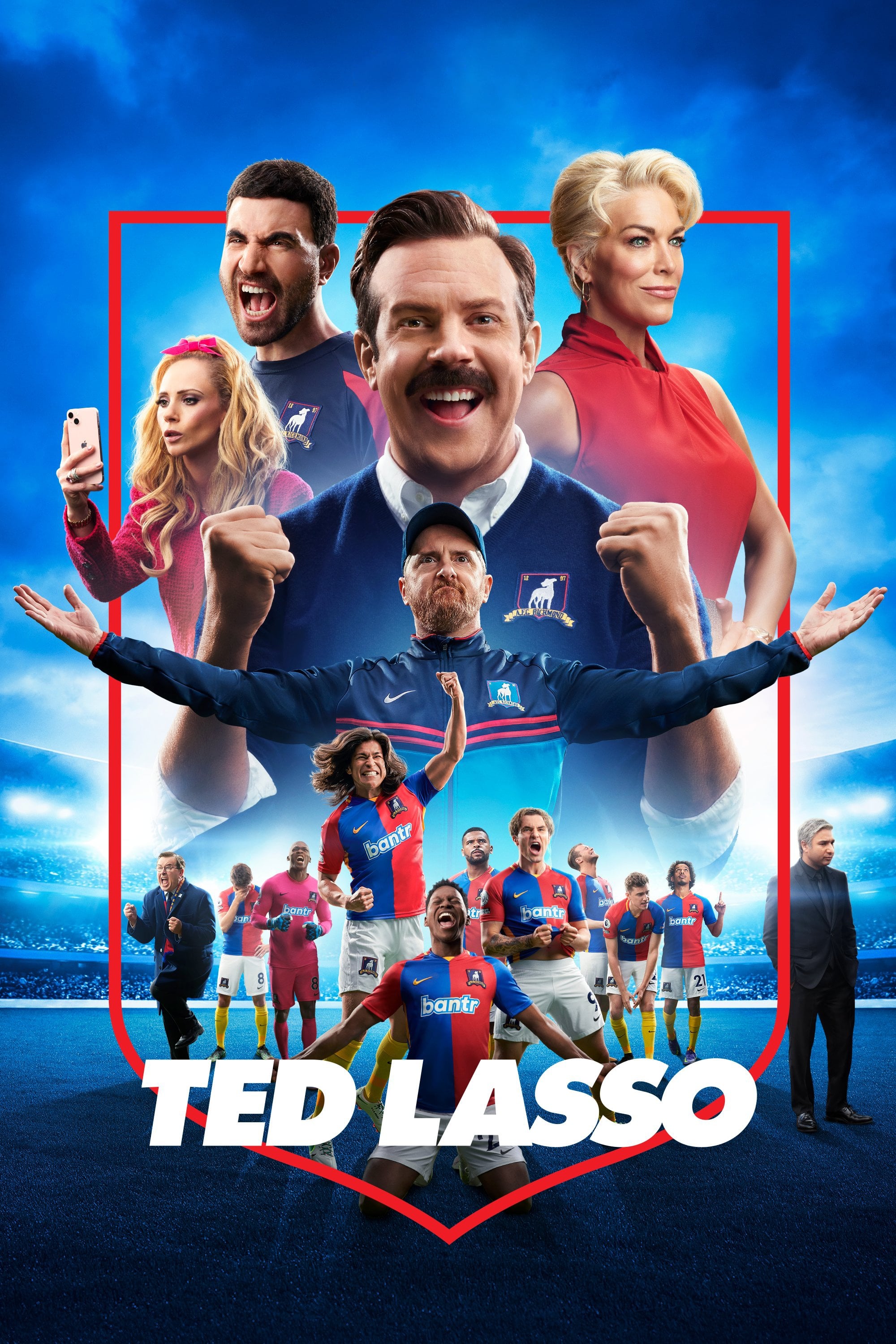
An American football coach is hired to manage a British soccer team. The relentless positivity of the show sparked a backlash regarding “toxic positivity.” Later seasons were criticized for bloated episode runtimes and wandering plotlines. The redemption arcs for certain villains felt unearned and rushed to many critics. It became a victim of its own hype and the pressure to maintain its wholesome image.
‘Schitt’s Creek’ (2015–2020)
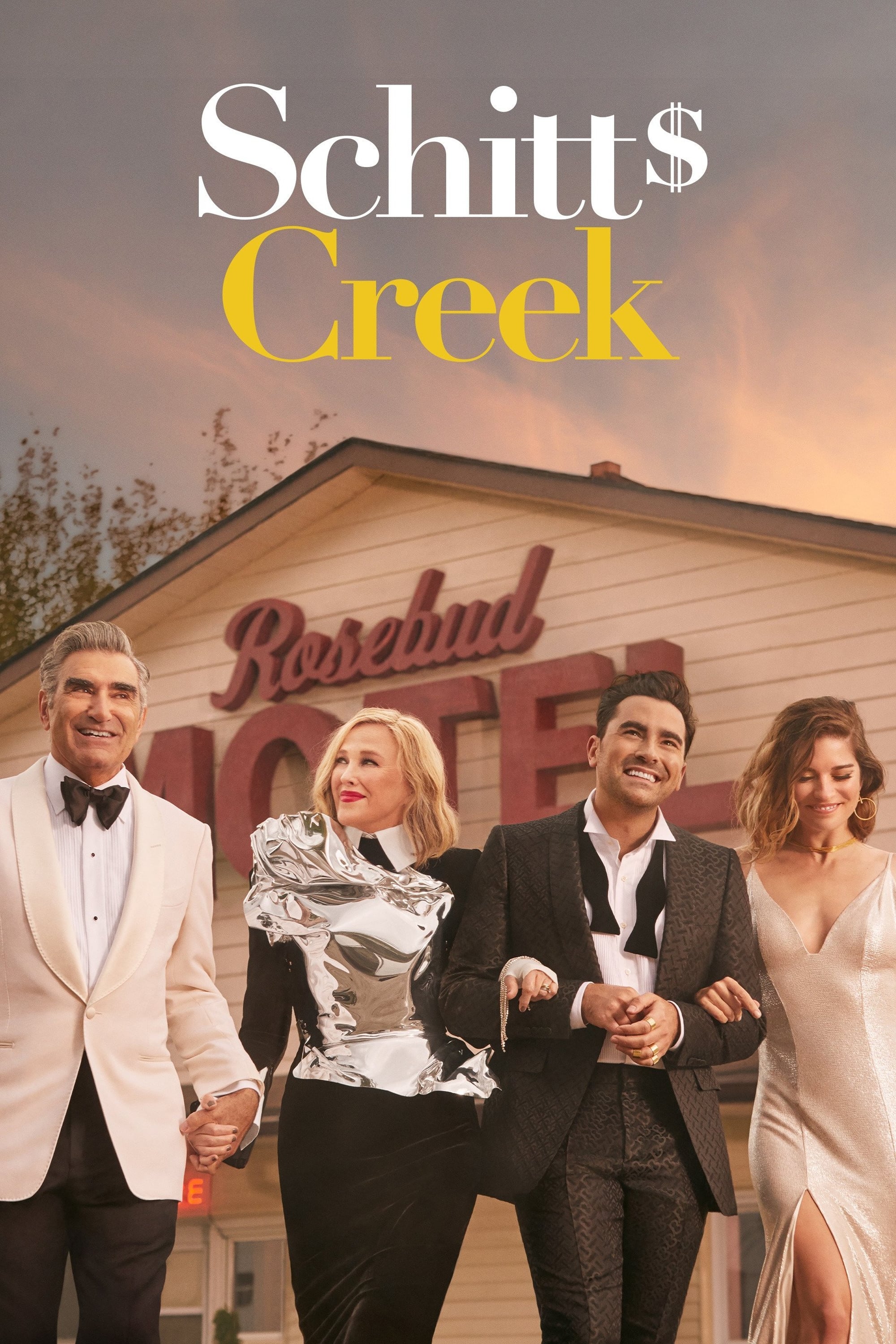
A wealthy family goes broke and is forced to live in a motel in a small town. The first season is often cited as difficult to watch due to the extreme unlikability of the characters. It takes a significant amount of time for the heart of the show to emerge. The hype surrounding the final season created unrealistic expectations for new viewers. The humor is dry and specific which does not land with every audience.
‘Unbreakable Kimmy Schmidt’ (2015–2019)
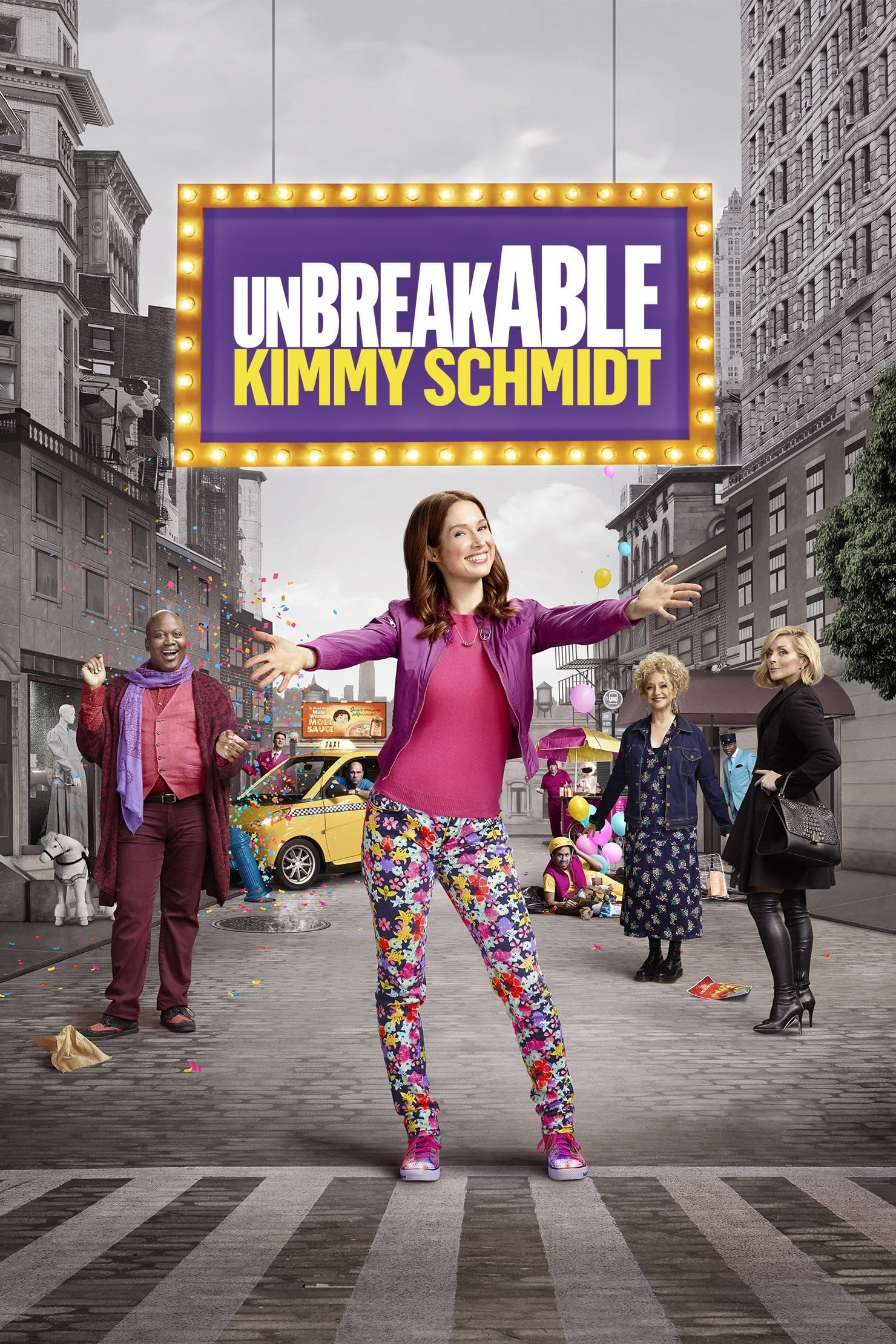
A woman is rescued from a doomsday cult and starts a life in New York City. The show’s tone is incredibly manic and cartoonish which can be overwhelming. Critics noted insensitive subplots regarding race and Native American heritage. The jokes fly at a pace that often sacrifices character depth for volume. It is a polarizing show that delighted some and annoyed others equally.
‘Big Mouth’ (2017–Present)
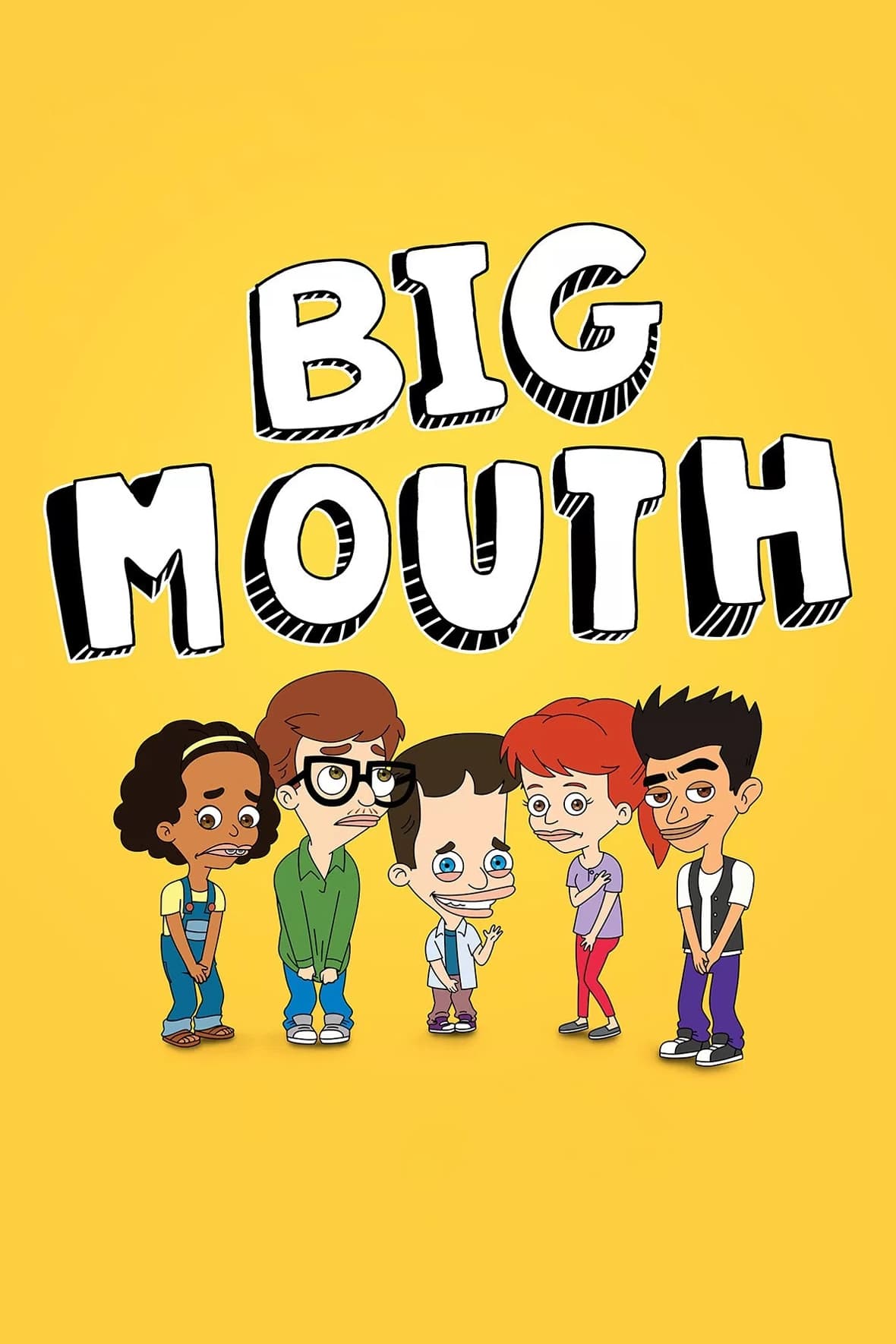
Teenagers navigate the horrors of puberty with the help of hormone monsters. The art style is frequently criticized as being ugly and unappealing to look at. Many viewers find the sexualization of young characters to be uncomfortable regardless of the intent. The humor relies heavily on gross-out gags that alienate a large portion of the potential audience. It is a show that seems to revel in making the viewer cringe.
‘Disenchantment’ (2018–2023)
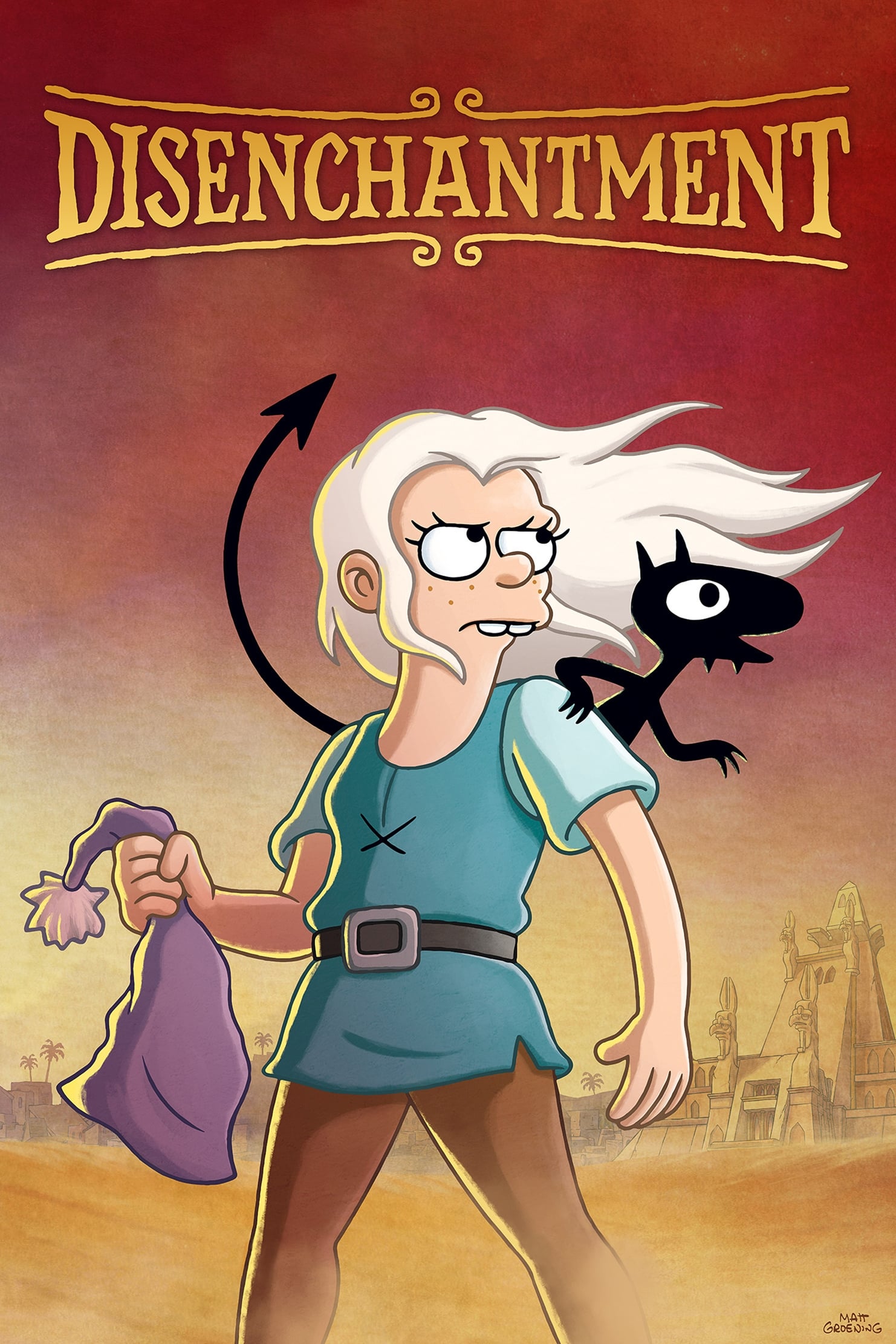
A rebellious princess drinks and fights her way through a fantasy kingdom. The pacing is often described as sluggish and lacking the snap of the creator’s other works. The audio mix and sound design have been criticized for feeling empty and flat. Jokes often drag on too long without a satisfying punchline. It failed to capture the cultural zeitgeist in the way its predecessors did.
‘Space Force’ (2020–2022)
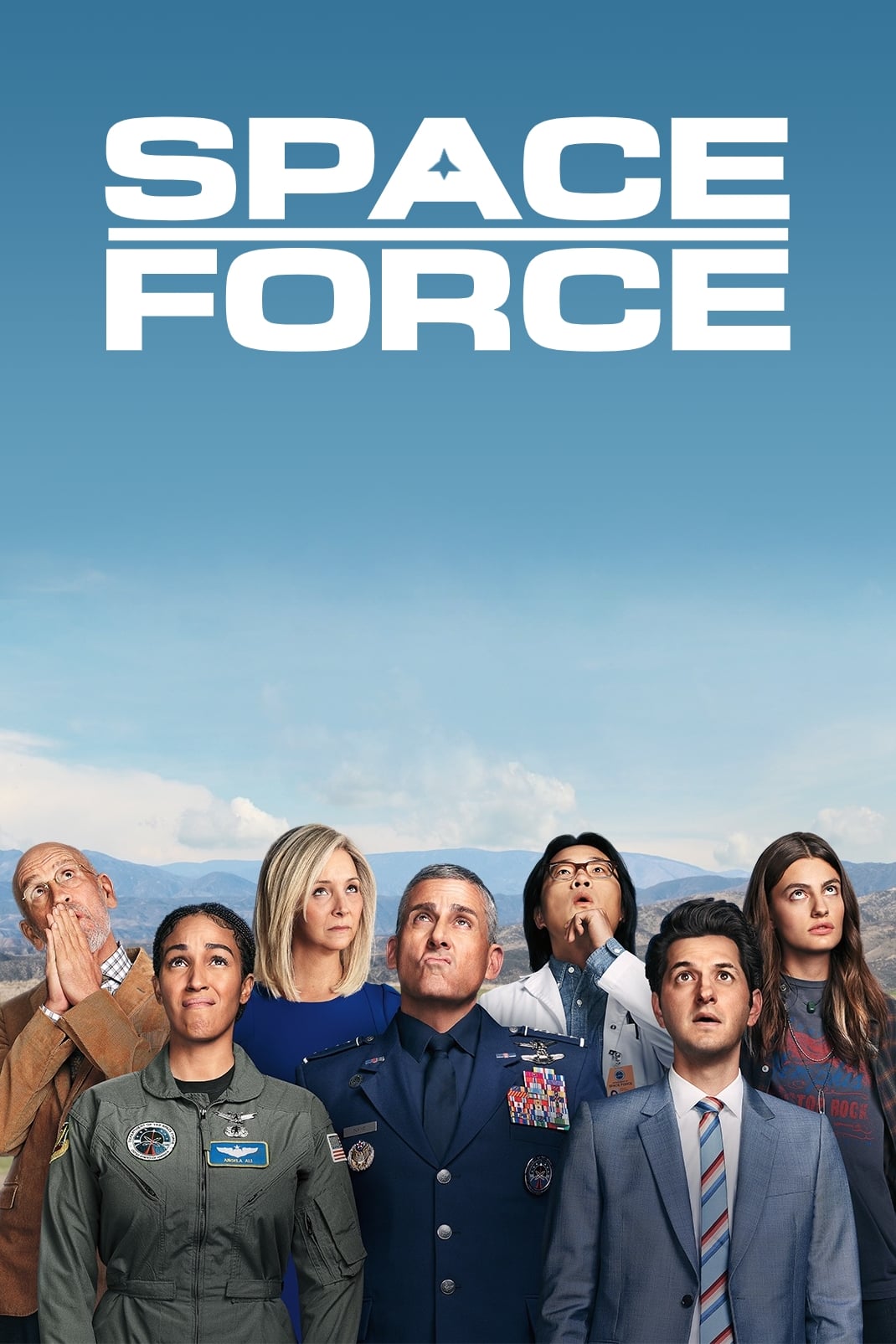
A general is tasked with establishing the sixth branch of the United States Armed Forces. Despite a stellar cast, the writing was widely panned for being unfunny and aimless. The tone struggled to find a balance between workplace comedy and political satire. It wasted a massive budget on a premise that felt thin from the start. The show was cancelled quickly due to its inability to connect with audiences.
‘Blockbuster’ (2022)

The employees of the last remaining video rental store try to keep the business alive. The irony of Netflix producing a show about the business it destroyed was lost on no one. The characters were generic archetypes that lacked chemistry or spark. The lighting and set design looked cheap and uninspired. It was cancelled after one season and is largely remembered as a failed experiment.
‘Dads’ (2013–2014)
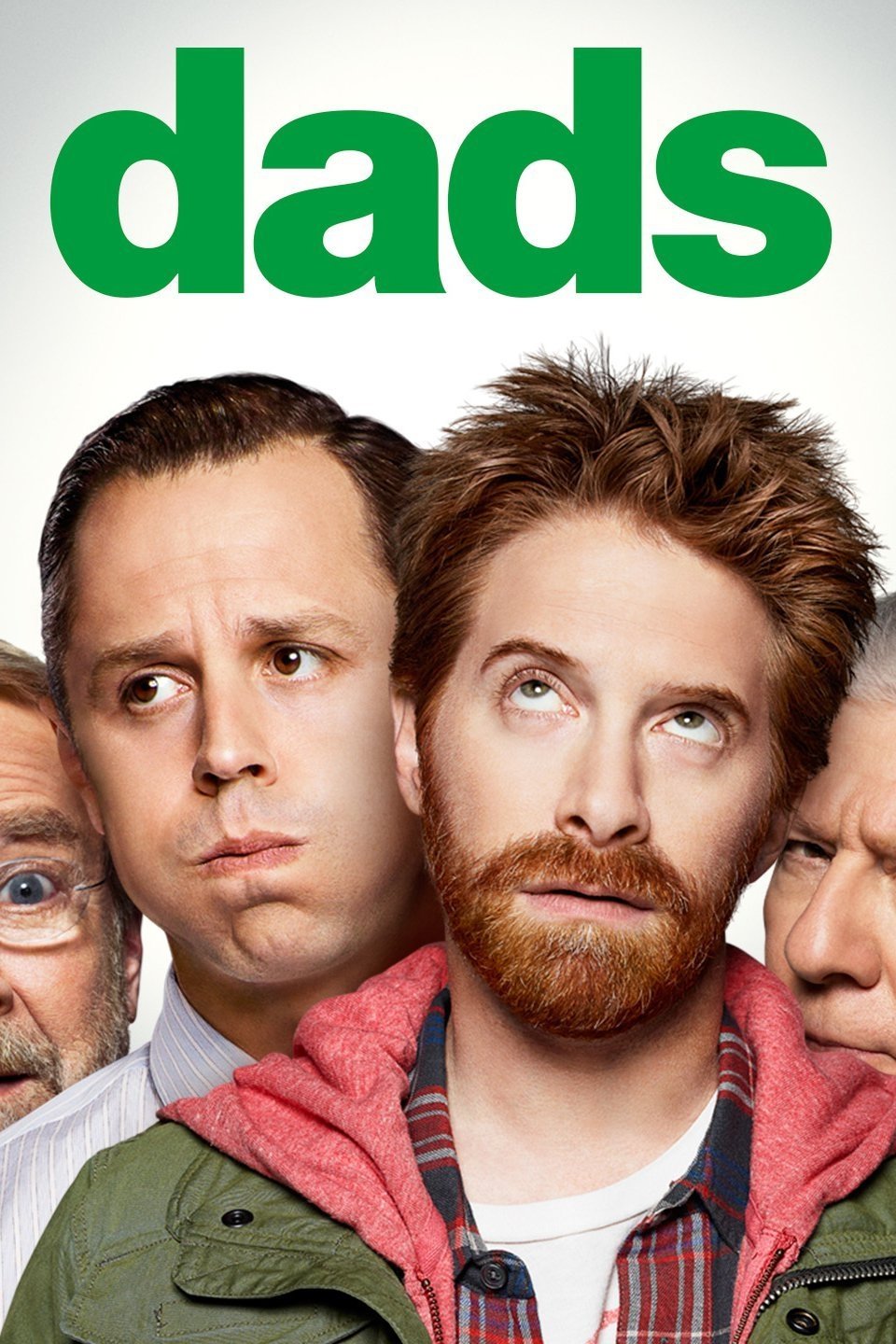
Two successful video game developers have their lives upended when their fathers move in. The show was immediately controversial for racist jokes and sexist tropes in the pilot. Critics destroyed the series for being offensive without being funny. The talented cast was wasted on scripts that felt decades out of date. It was a critical and commercial failure that was quickly pulled from the air.
Please share your thoughts on which popular comedies you think are overrated in the comments.