Paget Brewster’s Viral Meltdown on a ‘Criminal Minds: Evolution’ Critic Ends With a Humbling Apology

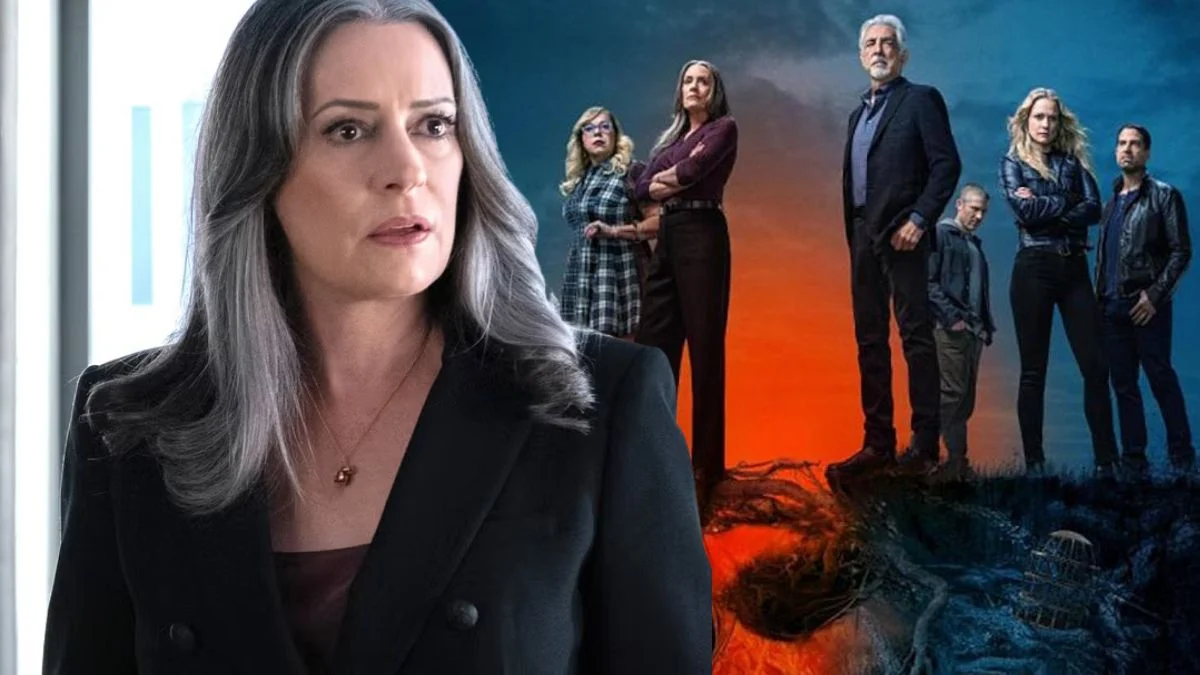

The relationship between actors and the critics who cover their work has always carried a certain tension, one that social media has made harder than ever to contain. For a franchise like ‘Criminal Minds: Evolution’, which has built its loyal audience over nearly two decades, that tension occasionally spills into public view in ways that few anticipate.
‘Criminal Minds: Evolution’ is the Paramount+ revival of the long-running crime drama that originally concluded its run on CBS in 2020 before being brought back to streaming in 2022. The reboot introduced several changes to the format, including a TV-MA rating, a new storytelling structure, and fresh cast members joining the returning ensemble. For the cast, particularly those who have carried the franchise since its earliest seasons, the show is clearly a deeply personal project.
Paget Brewster has starred in the long-running series since its second season in 2006, returning to reprise her role as Emily Prentiss when the show relaunched under the Evolution banner. Now in its 19th season, the show clearly means a great deal to the actress. That devotion, it turns out, is what set the stage for the weekend’s most talked-about television industry flashpoint.
The controversy began when Shealyn Scott, a senior writer for ScreenRant, published an article titled “Paramount+’s Criminal Minds Format Change Finally Backfires,” which focused primarily on critiquing the show’s move from 20-plus episode seasons to 10-episode affairs on the streaming platform. Scott’s piece offered constructive criticism, making solid broader points about how the show has been affected by its transition from network television to streaming, where double-digit episode counts in a season are rare.
Brewster’s response was swift, public, and directed personally at the writer. In the since-deleted post reported by Variety, the actress addressed Scott by name, warning that negative coverage could cost hundreds of jobs and telling her bluntly to “sell vintage,” “work at a shelter,” and that she “sucks.” There was an added layer of irony in the backlash that followed, as the article reportedly used a Paramount-approved promotional still of Brewster herself, making her complaint about “bad pics” difficult to justify.
Fellow critics were quick to respond. David Rooney, chief film critic at The Hollywood Reporter, wrote that the post was a “very bad look,” arguing that Scott had contextualized her criticisms with obvious knowledge of the material, and that Brewster’s reaction said more about being thin-skinned than it did about the reviewer’s professionalism. ScreenRant writer Andy Behbakht also spoke out in defense of his colleague.
Brewster returned to social media the following day with a full apology, writing that she had been mean to Scott and profoundly regretted it. “Shame on me for insulting a human being for doing their job. I’m very sorry, Shealyn. And I’m sorry to those who follow me that you saw me behave like that. Turns out, last night, I sucked,” she wrote. The incident has since reignited broader conversations about the relationship between performers and critics, and how public figures respond to reviews in the social media era.
The apology landed with surprising grace, and many felt the self-aware closer struck the right note, but the episode has left a lingering question worth sitting with: where exactly is the line between an actor defending their crew and crossing into something that silences honest criticism entirely, and do you think Brewster’s apology was enough to draw that line closed?