

Pay-To-Win Games That Everyone Should Avoid



The landscape of modern gaming has shifted significantly toward monetization models that often prioritize financial investment over skill. Many titles across mobile and console platforms incorporate mechanics that allow players to purchase advantages which can disrupt the competitive balance. This guide explores several prominent examples where paying for progress or power is a core component of the experience. Understanding these systems helps players make informed decisions about where to spend their time and resources.
‘Diablo Immortal’ (2022)
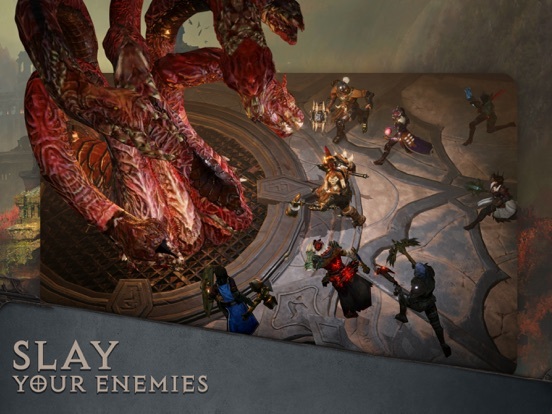
This installment in the popular action role playing franchise faced significant scrutiny for its complex monetization structure. Players can spend vast amounts of money to acquire legendary gems that provide substantial power boosts to their characters. Many critical endgame activities and progression systems are tied directly to these randomized loot boxes. While the core gameplay is available for free the competitive landscape is heavily influenced by financial investment. This system creates a clear divide between paying users and those who choose not to spend.
‘Star Wars Battlefront II’ (2017)
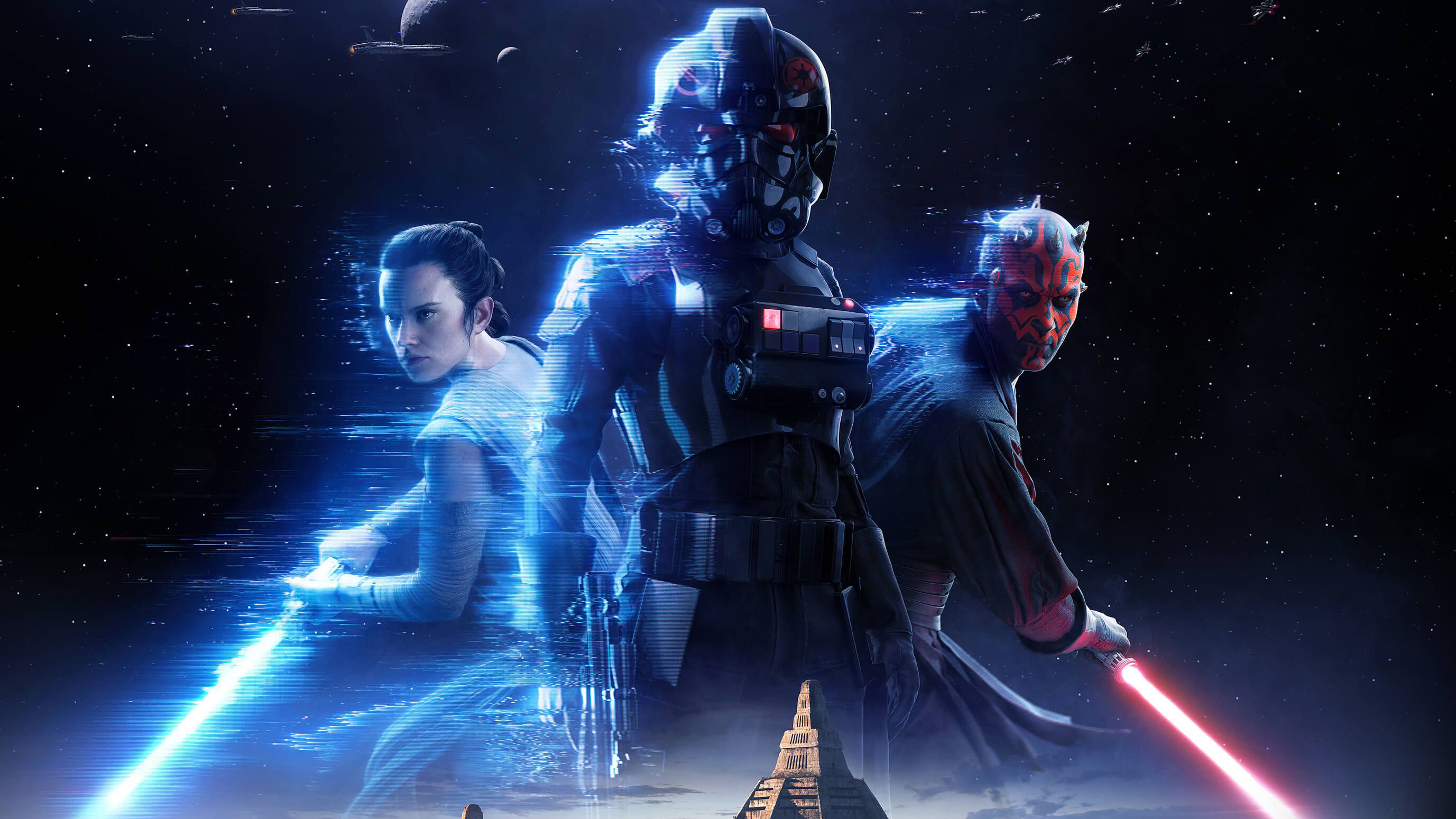
The initial launch of this shooter became a landmark moment in the discussion regarding loot boxes and progression. Important character upgrades and iconic heroes were originally locked behind a system that encouraged the purchase of digital currency. Electronic Arts faced a massive backlash from the community which eventually led to a complete overhaul of the progression mechanics. Although the game improved significantly the early model remains a prime example of restrictive monetization in a full priced title. It sparked legislative discussions about gambling mechanics in video games across several countries.
‘MapleStory’ (2003)

This long running massively multiplayer online game has developed a reputation for its heavy reliance on cash shop items. Players often find that reaching the highest levels of power requires the purchase of cubes to reset equipment statistics. These items are randomized and frequently necessitate multiple purchases to achieve desired results. The competitive nature of the endgame content often leaves non paying players at a significant disadvantage. It remains one of the most well known examples of the pay to win model in the genre.
‘FIFA 23’ (2022)

The Ultimate Team mode in this sports simulation is centered around collecting player cards through randomized packs. Users can spend real money to buy these packs in hopes of obtaining high rated athletes for their squads. This creates a situation where players who invest heavily can field teams that are mathematically superior to their opponents. While skill is still a factor the statistical advantage provided by expensive cards is often difficult to overcome. The system has been a major revenue driver for Electronic Arts for over a decade.
‘NBA 2K24’ (2023)

In this basketball simulation the progression of custom characters is heavily tied to Virtual Currency. Players must use this currency to improve their attributes and unlock essential animations for competitive play. While the currency can be earned through gameplay the rate of acquisition is often slow enough to encourage direct purchases. This creates a barrier for users who want to be competitive in online modes without spending extra money. The integration of monetization into the core career mode has been a point of contention for many years.
‘Genshin Impact’ (2020)

This open world title utilizes a gacha system where players spend currency to pull for characters and powerful weapons. While the main story can be completed with free units the most efficient team compositions often require rare five star pulls. Obtaining specific characters often requires significant financial investment due to the low drop rates. The game features a pity system to guarantee high tier items but this still involves a high volume of transactions. Its high production values are supported by this lucrative monetization strategy.
‘Clash Royale’ (2016)
This mobile strategy game involves collecting and leveling up cards to use in real time battles. Higher level cards have increased health and damage which provides a direct advantage on the battlefield. Players can purchase chests to obtain cards and gold more quickly than through regular play. This often results in matchmaking where players face opponents with significantly stronger units. The competitive ladder becomes increasingly difficult for those who do not invest in their card collection.
‘Clash of Clans’ (2012)
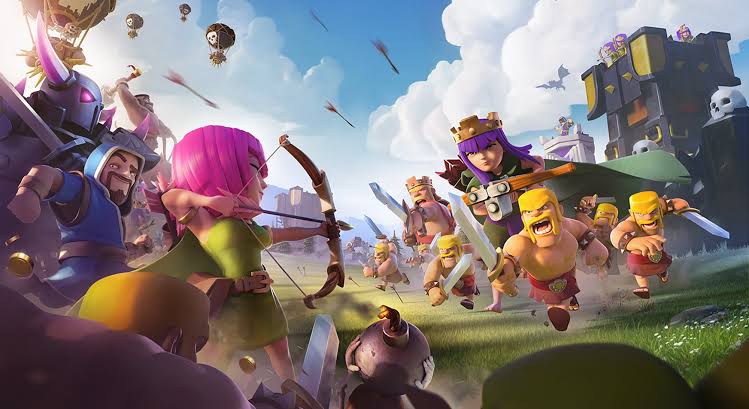
Construction and upgrade times in this base building game can take several days or even weeks to complete. Players have the option to spend premium currency to finish these tasks instantly and gain an advantage over others. This allows paying users to develop their defenses and armies much faster than those who wait. The competitive clan wars frequently feature participants who have spent money to maximize their capabilities. It remains a staple of the mobile gaming market through this persistent growth model.
‘Game of War: Fire Age’ (2013)
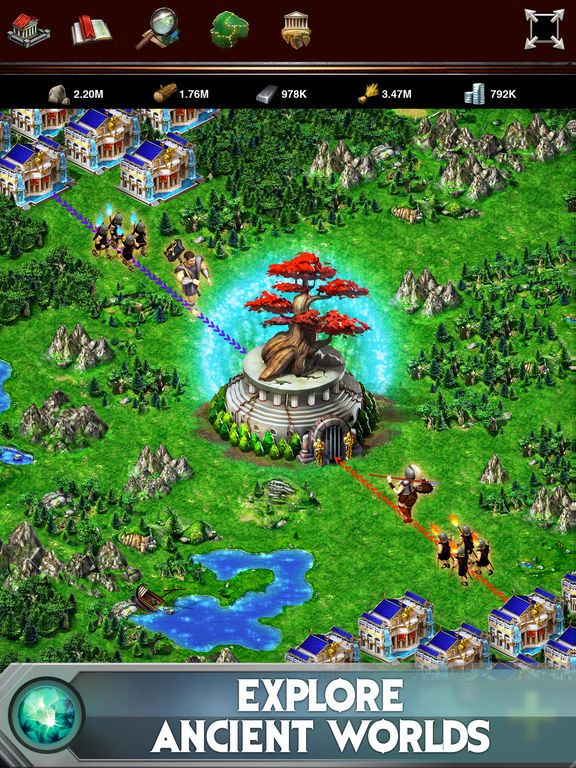
This mobile strategy title is famous for its aggressive monetization and power scaling. Players can spend thousands of dollars to build massive armies and fortify their kingdoms against rivals. The gap between top tier paying players and casual users is often insurmountable in direct conflict. Frequent updates introduce new tiers of power that require further investment to maintain a competitive edge. It pioneered many of the monetization techniques seen in modern mobile war games.
‘Raid: Shadow Legends’ (2018)

This turn based RPG features a massive roster of champions that are obtained through a randomized summoning system. Players are frequently prompted to purchase packs that contain shards and resources for character development. The competitive arena modes are often dominated by those who have spent money to acquire the most powerful legendary units. Progression can be significantly slowed by energy limits which are bypassed through microtransactions. Its extensive marketing campaign has made its monetization model widely recognized.
‘Candy Crush Saga’ (2012)
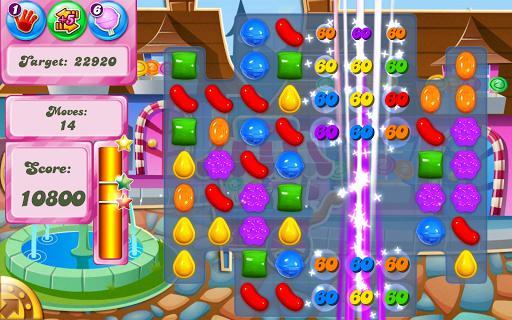
While it appears to be a simple puzzle game this title uses various mechanics to encourage spending. Players often encounter difficult levels that require extra moves or power ups to complete successfully. These boosters can be purchased to bypass frustrating obstacles and maintain a winning streak. The game also limits the number of lives a player has which can be refilled instantly for a fee. This psychological approach to monetization has made it one of the highest grossing mobile apps in history.
‘EVE Online’ (2003)
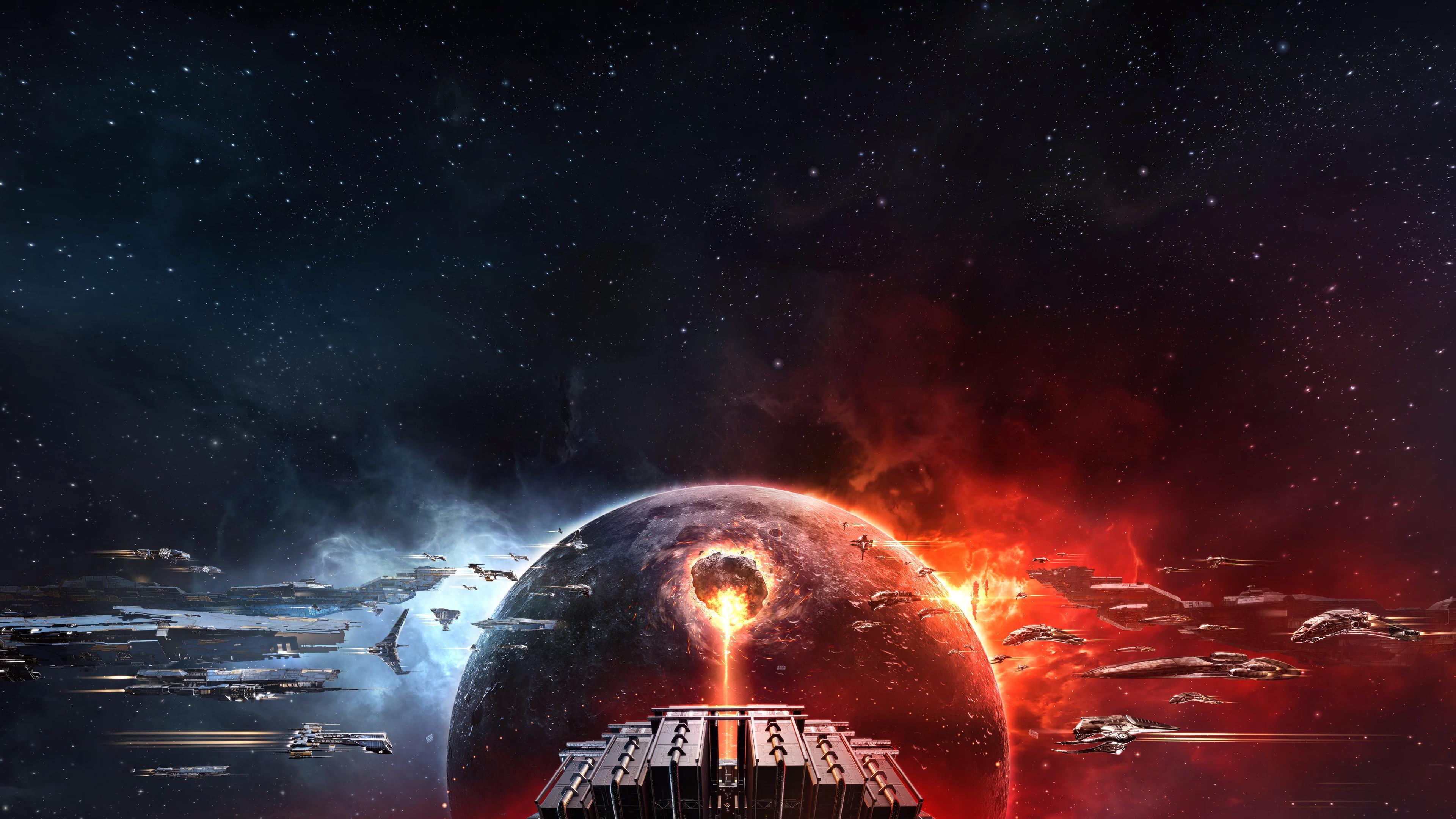
This complex space simulation allows players to trade real money for in game currency through a system called PLEX. This currency can then be used to purchase massive ships and high end equipment on the player driven market. While skilled pilots can still outmaneuver wealthier opponents the ability to buy resources provides a distinct path to power. The loss of expensive ships represents a real financial cost for some participants. This creates a unique economic environment where financial stakes are deeply integrated into the gameplay.
‘Black Desert Online’ (2014)
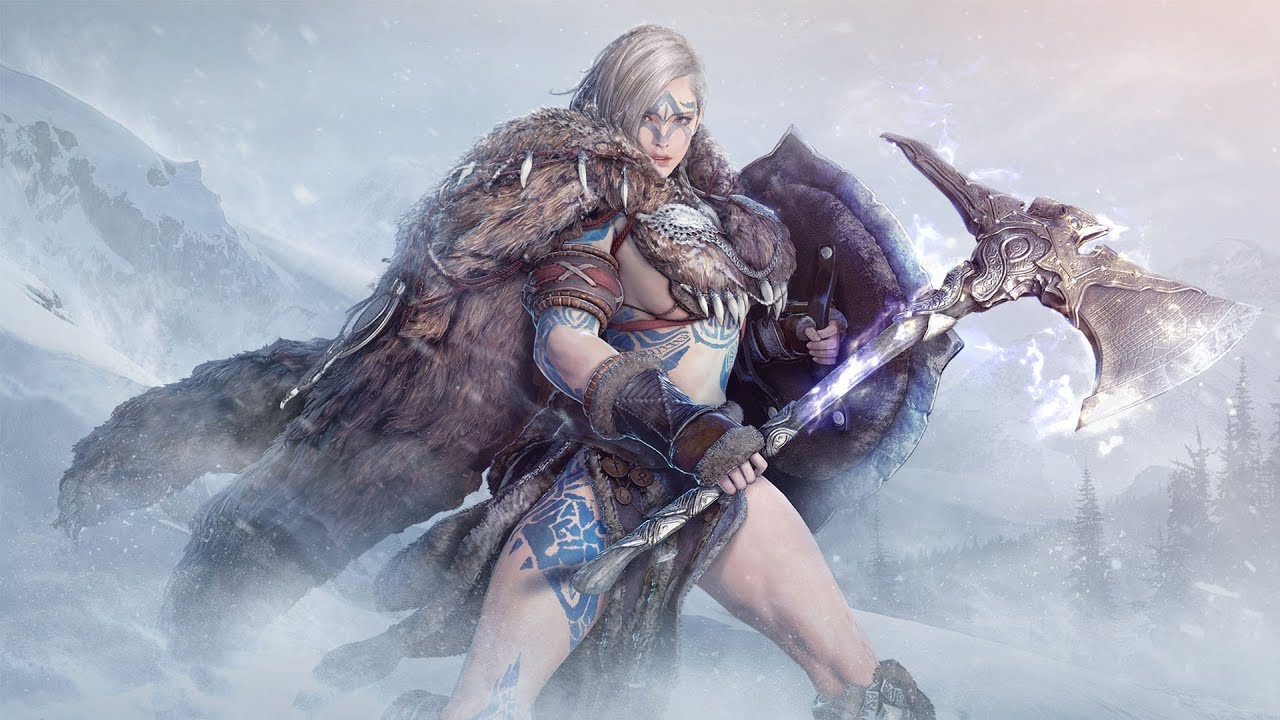
This action MMORPG features a deep equipment enhancement system that can be both difficult and punishing. Players can purchase items from the cash shop that protect their gear from degrading during failed upgrades. Other paid items provide significant boosts to experience gain and inventory capacity which are essential for efficient play. While the game is praised for its combat and visuals the reliance on the cash shop for progression is a common criticism. It often requires a steady investment to remain competitive in high level player versus player encounters.
‘Hearthstone’ (2014)
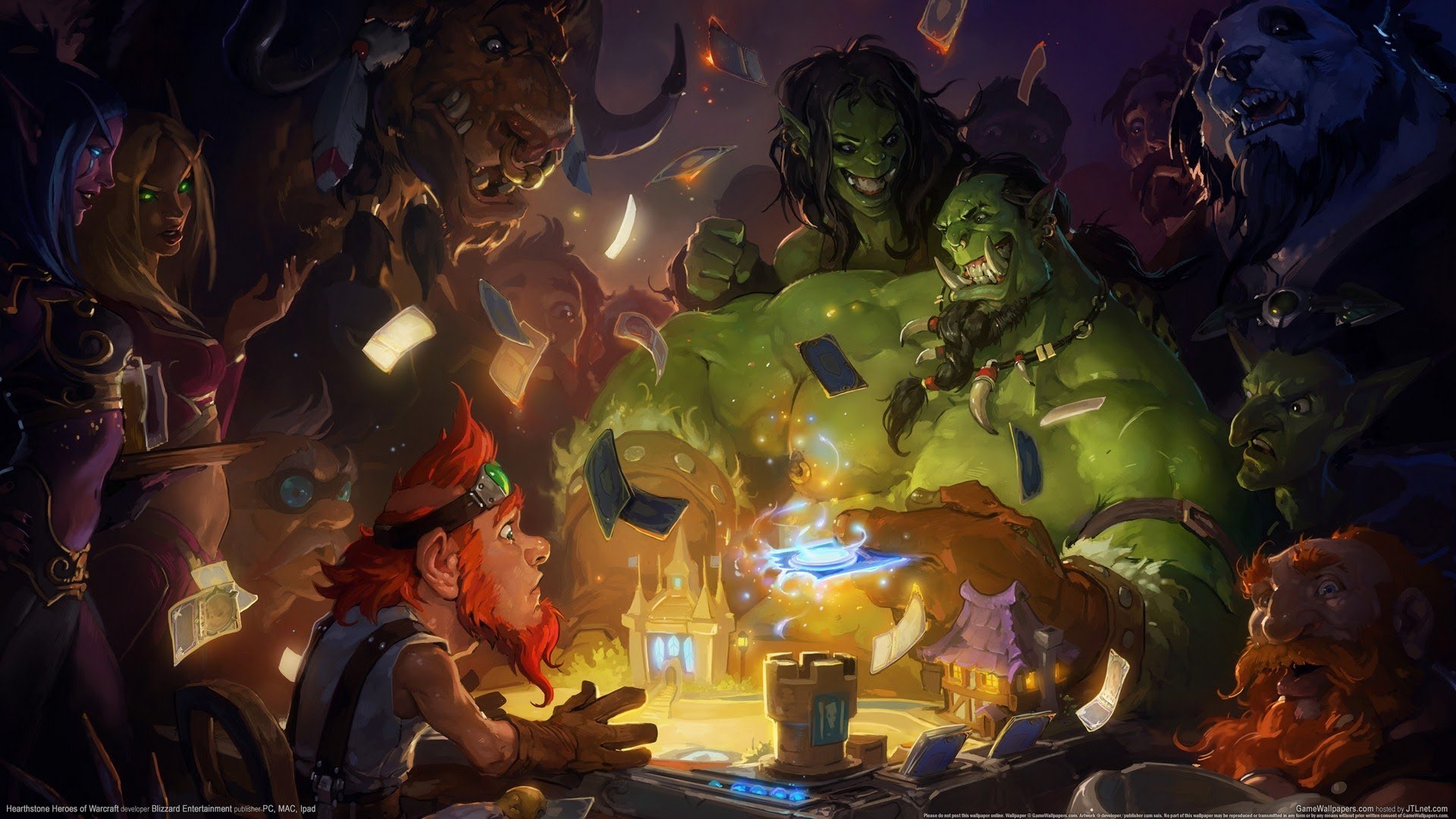
This digital card game from Blizzard Entertainment requires players to build decks from a constantly expanding collection. New expansions are released regularly and the most powerful cards are often of high rarity. Players can purchase packs to quickly acquire the necessary components for top tier competitive decks. While it is possible to craft cards using in game resources the process is slow for non paying users. The shifting meta frequently necessitates new purchases to stay relevant in the ranked ladder.
‘World of Tanks’ (2010)
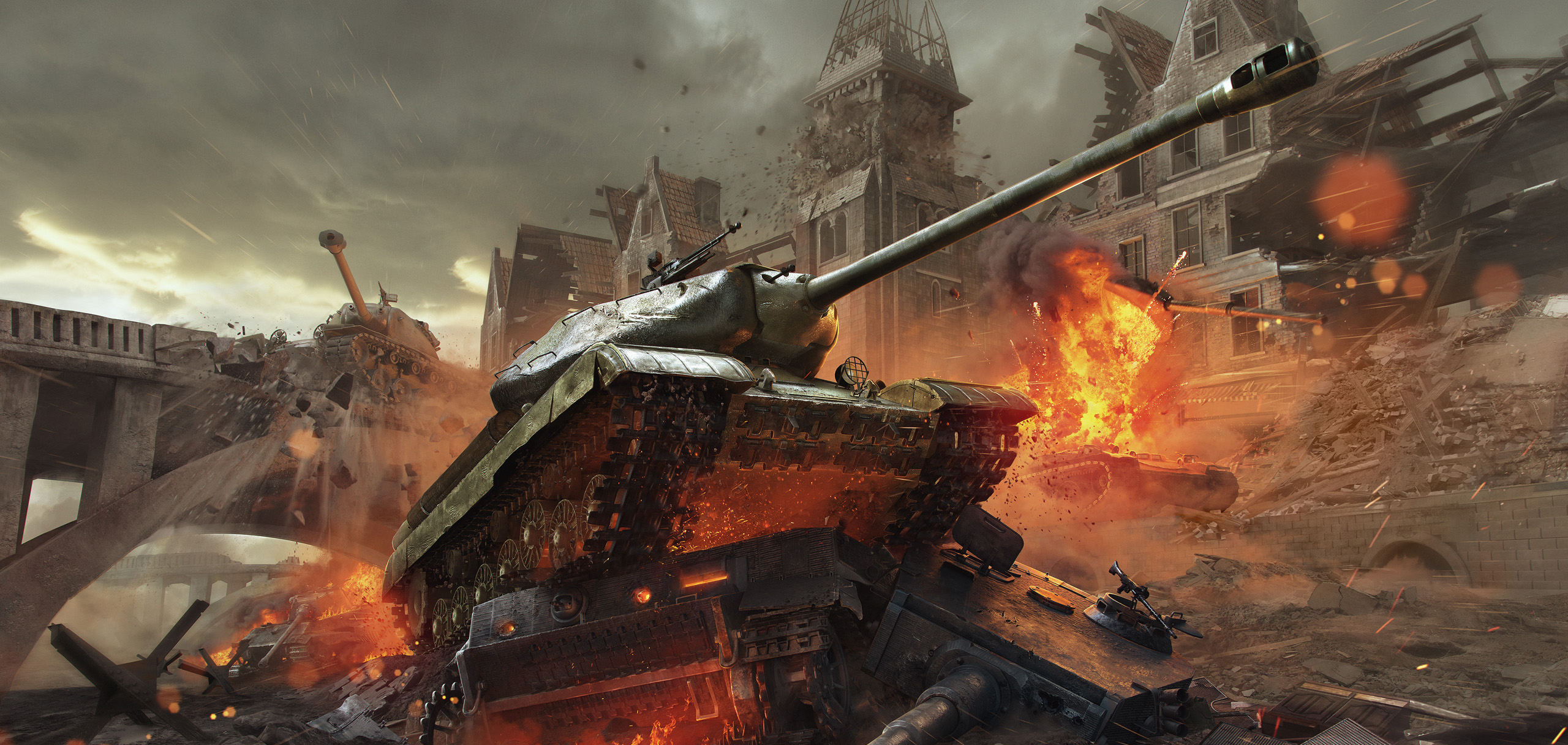
This vehicular combat game offers premium vehicles and ammunition that provide distinct advantages on the battlefield. Premium tanks often earn more currency and experience while special shells offer better armor penetration. Players can also pay to train their crews more quickly which results in better tank performance. These elements create a scenario where spending money directly correlates to improved combat efficiency. The developers have made adjustments over time but the core pay to win elements remain a point of discussion.
‘War Thunder’ (2012)
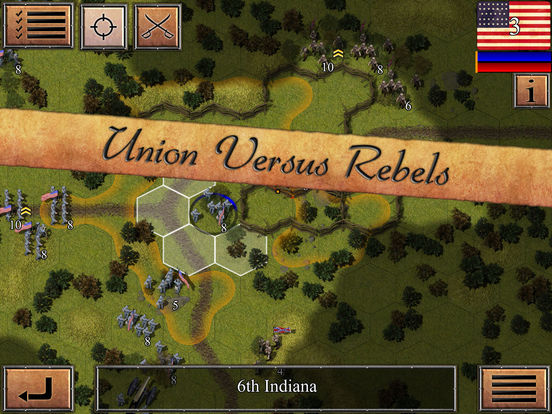
Similar to other vehicular combat titles this game features a progression system that can be accelerated through purchases. Players can buy premium accounts to increase their rewards or purchase high tier vehicles directly. Modifying vehicles to their peak performance often requires a significant time investment or the use of paid currency. The grind for late game jets and tanks is notoriously long for those who do not spend money. This encourages users to invest financially to avoid the slow pace of free progression.
‘Lost Ark’ (2019)
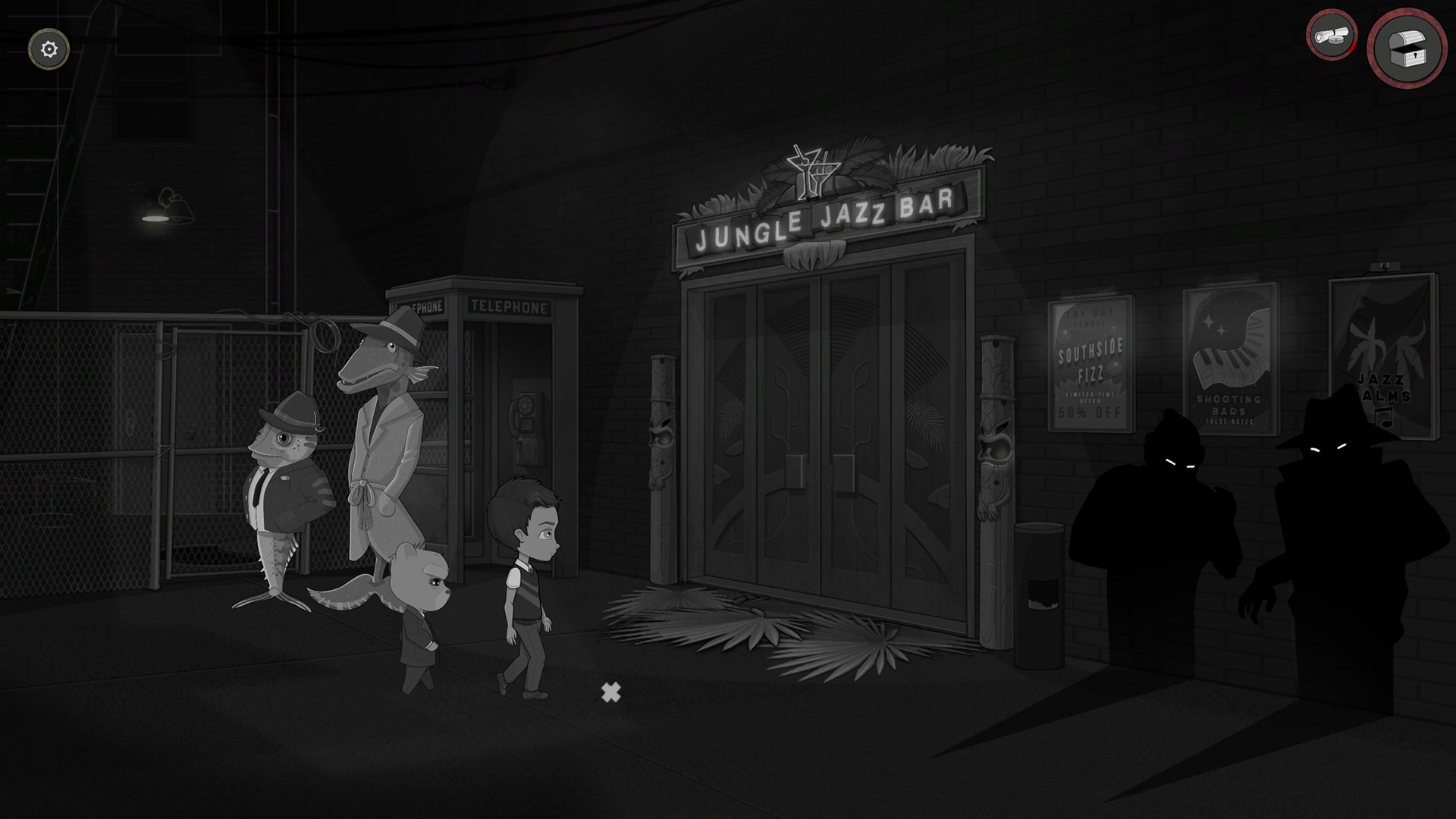
This action RPG features an intricate gear honing system that is essential for accessing late game content. Players can purchase materials and items that increase the success rate of these upgrades. While the materials can be earned through gameplay the daily limits often make progress feel slow without additional spending. This creates a competitive environment where those who pay can reach higher power levels much faster. The inclusion of these mechanics in the western release sparked significant debate among players.
‘Harry Potter: Hogwarts Mystery’ (2018)

This narrative driven mobile game uses an energy system to gate progress through the story. Players must wait for energy to recharge or pay to continue their lessons and interactions. Many fans were frustrated by early gameplay segments that required spending money to save characters from immediate danger. The frequent use of microtransactions to bypass wait times is a central part of the experience. It serves as an example of how a popular franchise can be used to drive monetization.
‘Marvel Strike Force’ (2018)
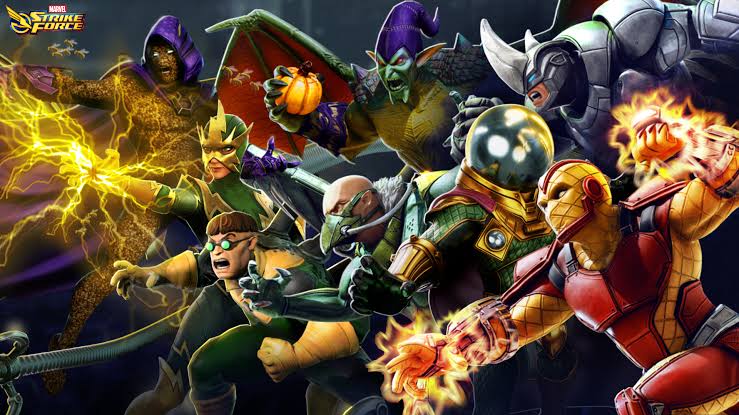
This squad based combat game features a vast array of Marvel heroes and villains that must be unlocked and upgraded. New characters are frequently introduced with power levels that surpass existing ones. Players are encouraged to buy bundles to quickly power up these new units for use in competitive modes. The randomized nature of character shards means that significant spending is often required to reach the highest star levels. This creates a recurring cycle of investment for players who want to remain at the top of the leaderboards.
‘Star Wars: Galaxy of Heroes’ (2015)
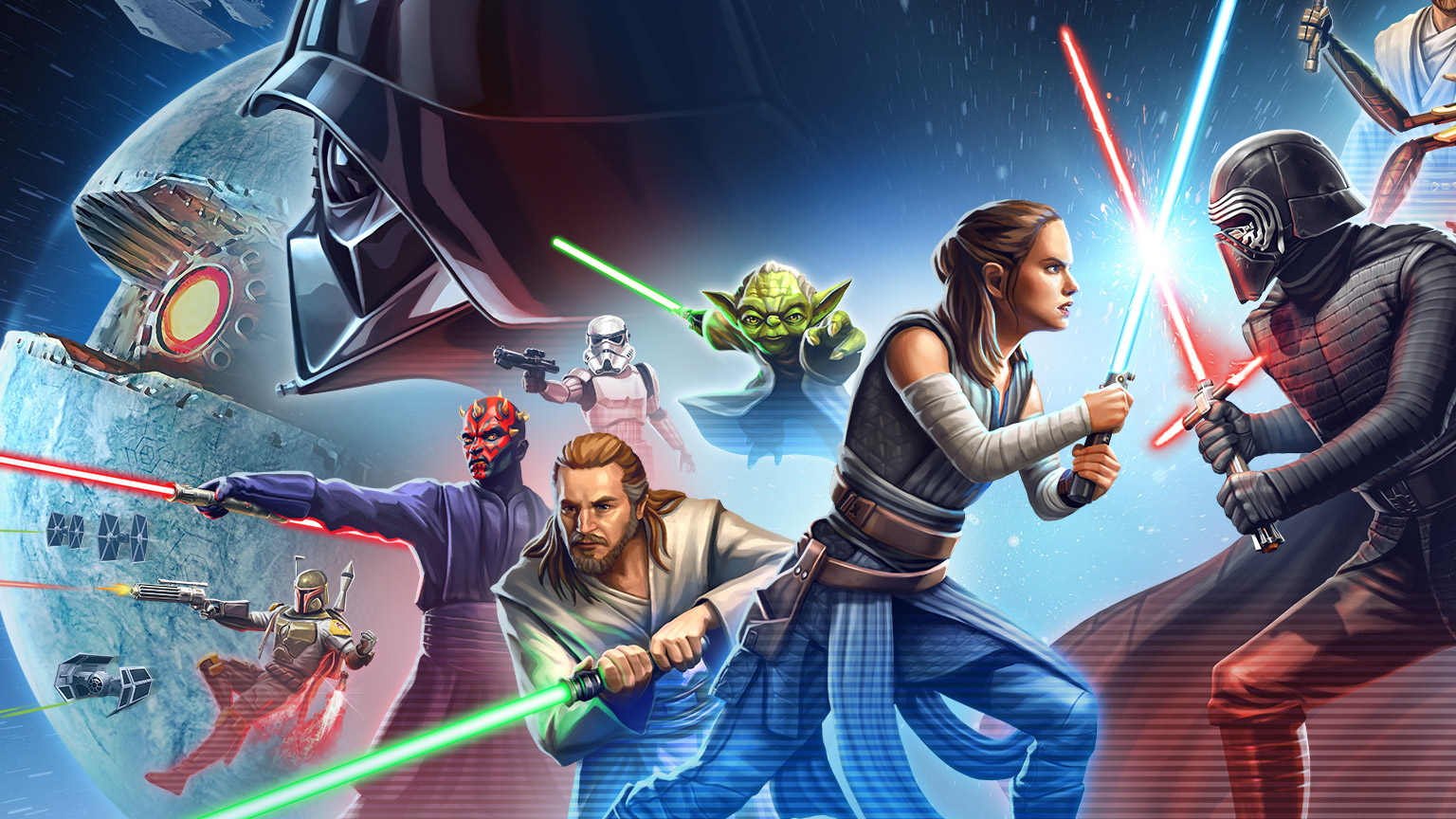
Much like other hero collectors this title relies on a shard system for character acquisition and progression. Players can spend money to bypass the lengthy farming process and instantly unlock powerful characters like Jedi Knight Luke Skywalker. High level competitive play often requires specific team compositions that are difficult to obtain without spending. The introduction of Galactic Legends created a new tier of power that necessitated even more resources. It continues to be a highly profitable title for Electronic Arts through this model.
‘The Sims FreePlay’ (2011)

This mobile version of the popular life simulation game operates on a real time clock for all actions. Simple tasks like sleeping or cooking can take several hours to complete unless the player uses premium currency. This currency can be purchased with real money to speed up progression and unlock exclusive items. The game is designed around these wait times to encourage regular spending. While the core experience is free the pacing is heavily dictated by monetization.
‘Dungeon Keeper Mobile’ (2014)
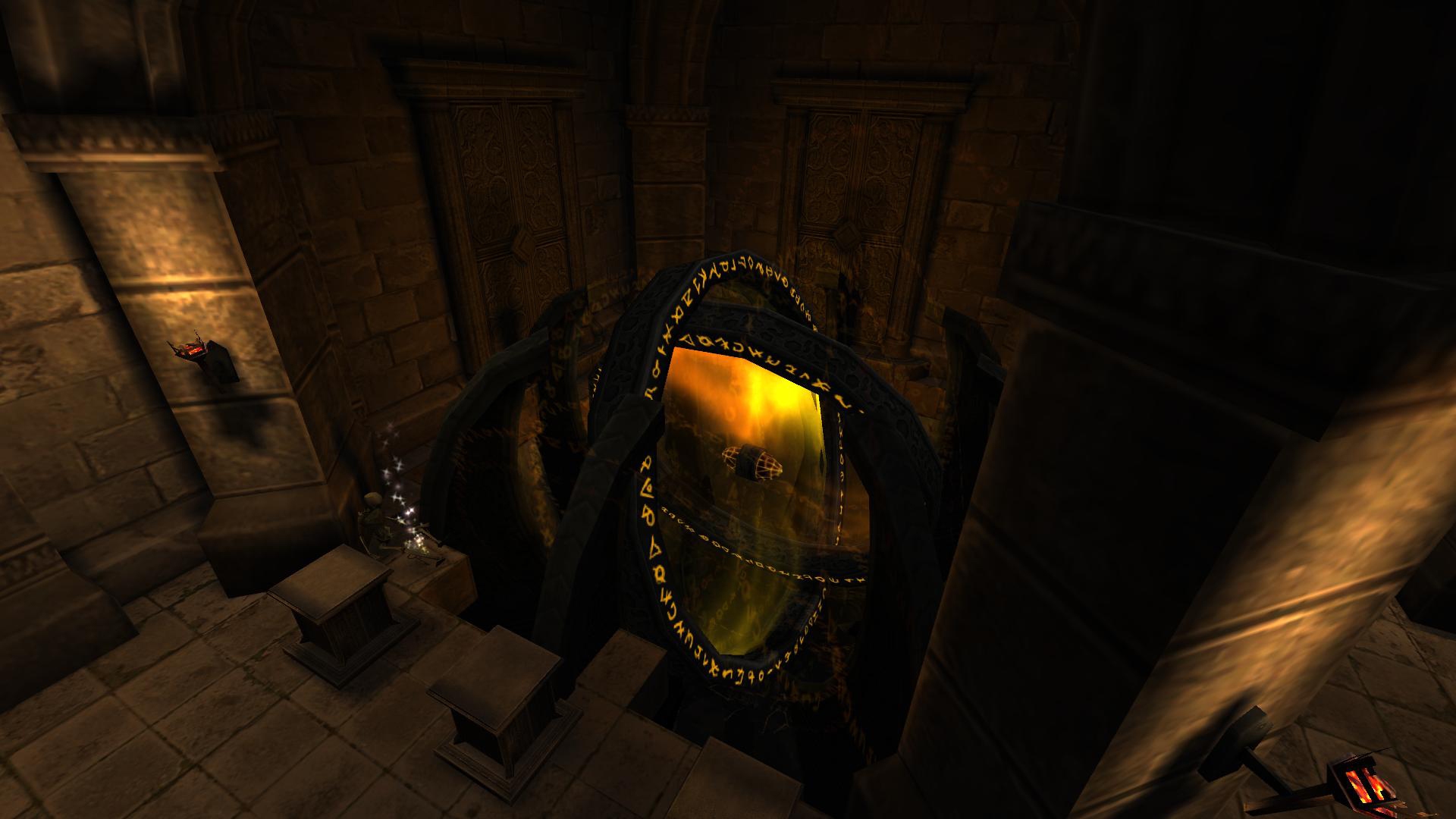
This reboot of the classic strategy franchise was heavily criticized for its aggressive use of timers. Excavating blocks and building rooms could take an excessive amount of time without the use of paid gems. The game frequently interrupted the experience with prompts to spend money to continue playing. This led to a very poor reception from both critics and fans of the original series. It stands as a cautionary tale of how monetization can overshadow established gameplay mechanics.
‘Final Fantasy XV: A New Empire’ (2017)
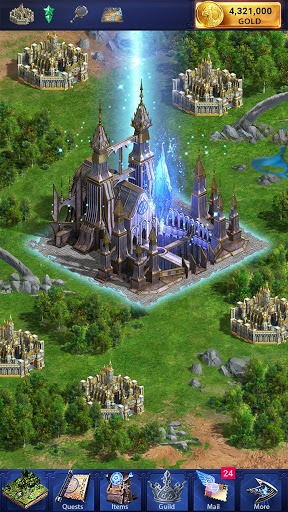
This mobile strategy game uses the branding of a popular console title to attract players to a highly monetized experience. The gameplay involves building a city and training troops while navigating constant prompts to buy packs. The power gap between players can grow exponentially based on the amount of money spent. High level players can easily destroy the progress of others who have not invested as much financially. The focus is heavily placed on revenue generation through social competition and power creep.
‘Evony’ (2009)
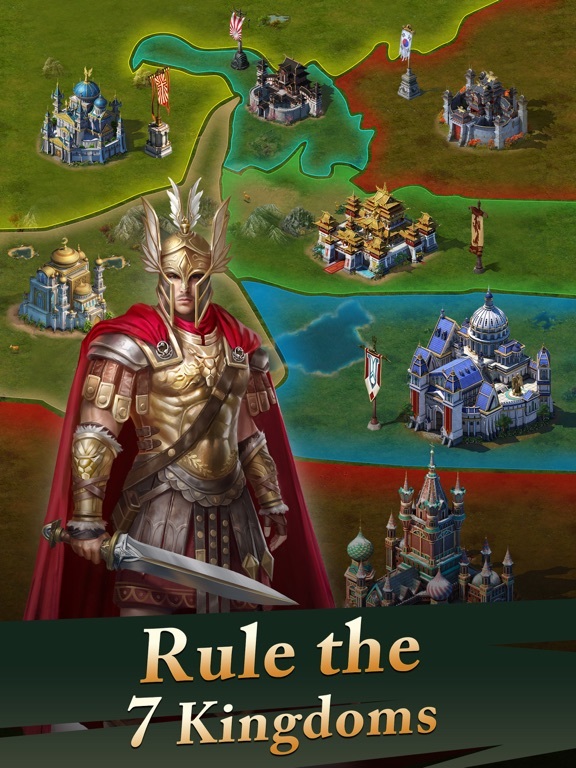
Known for its provocative advertising this game features a core loop centered on resource management and kingdom building. Players are often pressured to purchase speed ups and resources to defend themselves from stronger neighbors. The competitive environment is designed to favor those who are willing to spend consistently. Many of the puzzles featured in the ads are only a small part of a much larger pay to win strategy. It has maintained a presence in the market for years by targeting a high spending player base.
‘Asphalt 9: Legends’ (2018)

This arcade racing game features a wide selection of licensed cars that are unlocked through a blueprint system. While many cars can be earned for free the most powerful vehicles are often locked behind paid events or loot boxes. Players can also spend money to refuel their cars and bypass the wait times between races. Upgrading these cars to competitive levels requires a significant amount of in game currency and rare parts. The visual quality is high but the progression is firmly rooted in mobile monetization trends.
‘Modern Combat 5’ (2014)
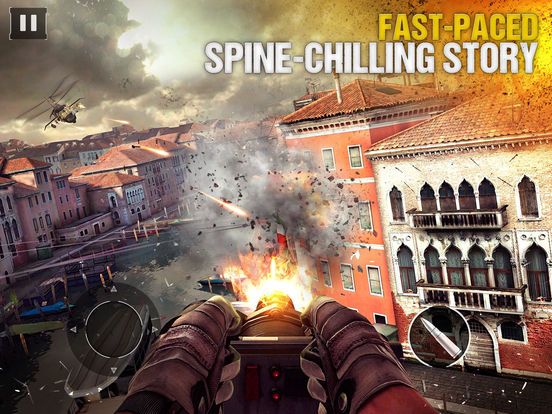
Initially released as a paid game this first person shooter eventually transitioned to a free to play model. This shift introduced various monetization elements including a stamina system and weapon upgrades. Players can purchase powerful gear and attachments that provide a clear advantage in multiplayer matches. This change was controversial among the original player base who had already paid for the game. It illustrates the challenges of balancing competitive integrity with a free to play revenue model.
‘Mario Kart Tour’ (2019)
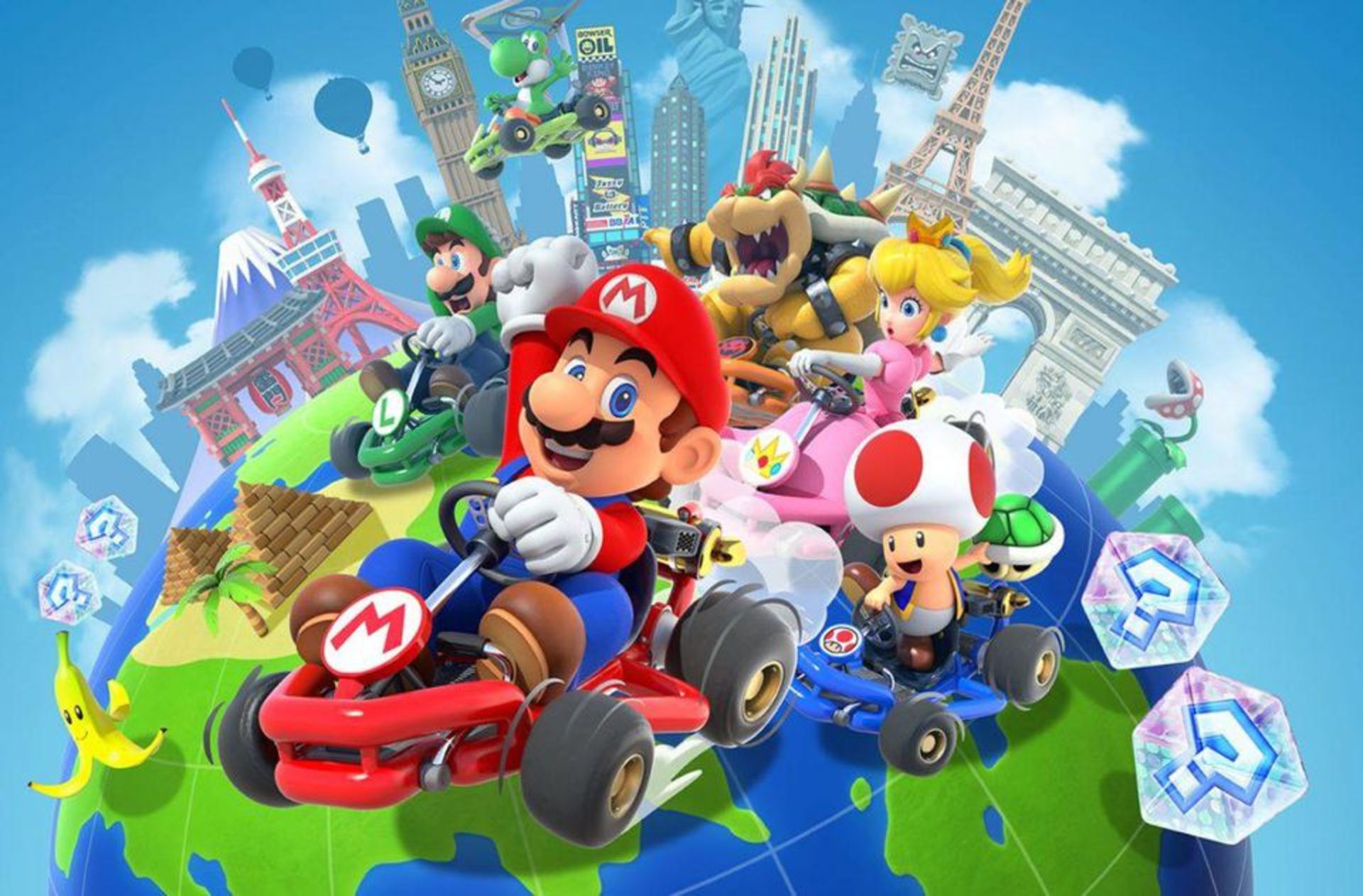
Nintendo brought its famous racing series to mobile with a heavy emphasis on gacha mechanics. Players pull for drivers karts and gliders which provide scoring bonuses on specific tracks. Higher rarity items are essential for achieving top scores and climbing the competitive leaderboards. While the developers eventually removed the randomized loot boxes the game still relies on a rotating shop and premium passes. It represents a significant departure from the skill based focus of the console entries.
‘Call of Duty: Mobile’ (2019)
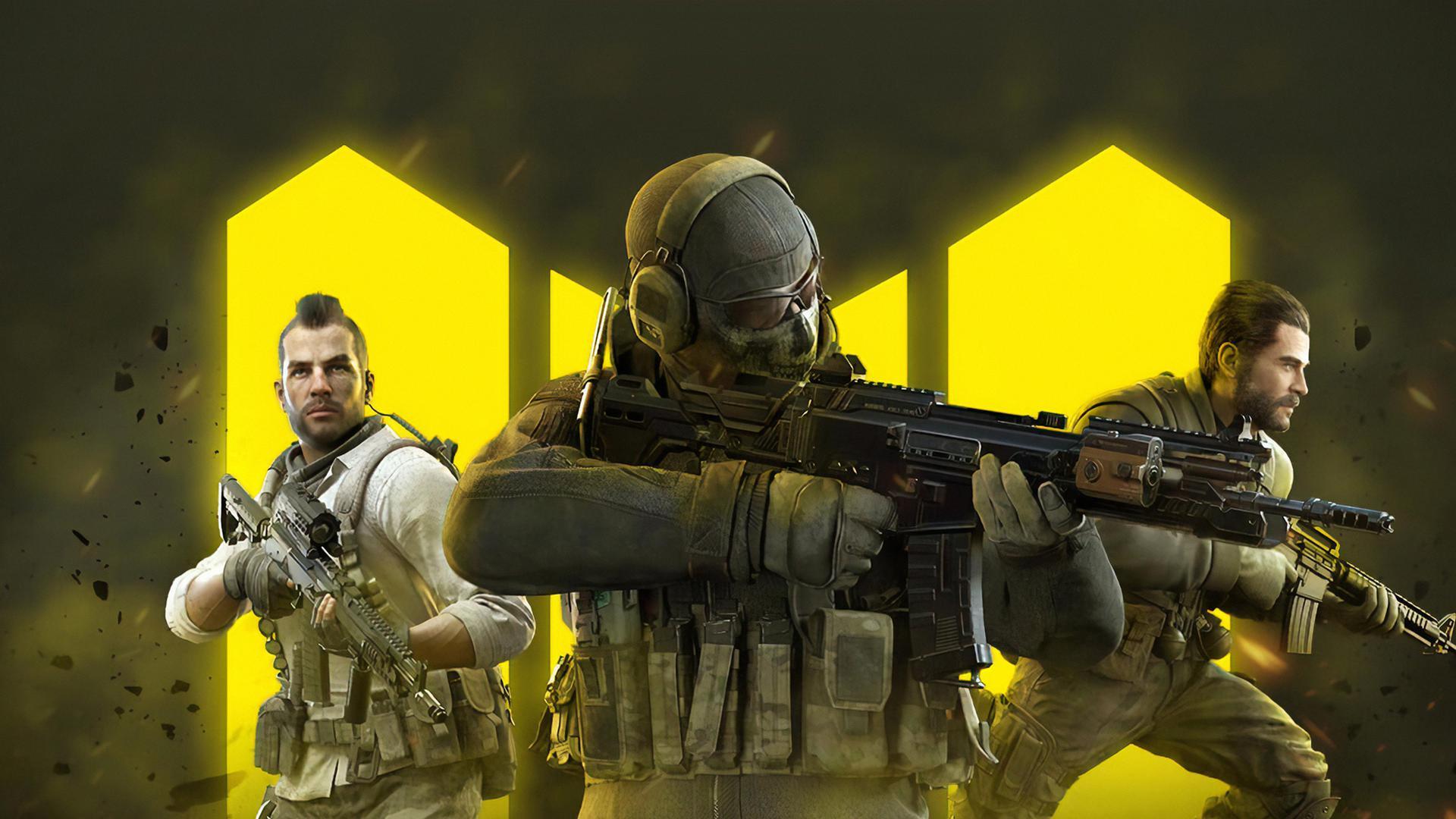
This mobile shooter features a variety of game modes and a robust selection of weapons from across the franchise. While the core shooting mechanics are skill based the game includes weapon skins with statistical bonuses in certain versions. Players can also purchase battle passes and crates to unlock powerful equipment more quickly. The competitive ranked mode is generally well balanced but the monetization is pervasive throughout the menus. It demonstrates how a major triple A franchise can adapt to the mobile market.
‘Coin Master’ (2015)

This title combines base building with slot machine mechanics to create a highly addictive experience. Players spin a wheel to earn coins which are then used to upgrade their villages and progress through levels. The number of spins is limited and players are frequently encouraged to buy more to keep playing. It uses social mechanics to prompt users to attack friends and protect their own progress. The entire progression system is built around the chance based mechanics of the central slot machine.
‘Guns of Glory’ (2017)
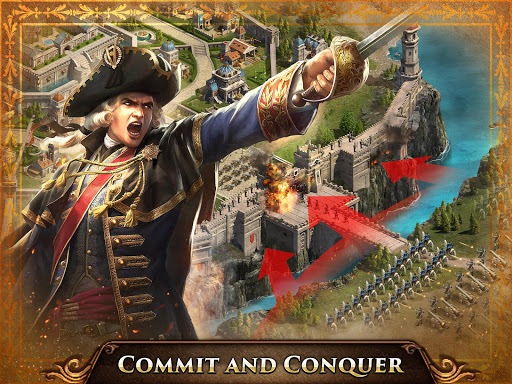
This kingdom builder set in a steampunk world follows the standard mobile strategy model of high monetization. Players must manage resources and build an army while constantly facing threats from other users. Purchasing bundles provides immediate access to powerful airships and troop reinforcements. The game is designed to create a sense of urgency that encourages spending to maintain safety. It remains popular among fans of the genre who are comfortable with this pay to win structure.
‘State of Survival’ (2019)
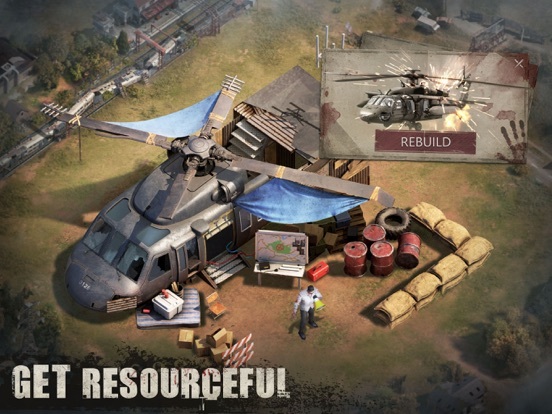
This zombie themed strategy game requires players to build a base and recruit heroes to fight off the undead. Progress is heavily gated by construction times and resource requirements that increase significantly at higher levels. Buying premium packs is the most efficient way to stay ahead of the curve and contribute to a powerful alliance. The competitive events are often dominated by players who have spent heavily on hero upgrades. It utilizes frequent collaborations with other media properties to maintain interest and drive sales.
‘Tower of Fantasy’ (2021)

This open world anime RPG is often compared to other gacha titles due to its weapon based progression. Players must pull for powerful weapons that come with associated characters and unique abilities. Advancing these weapons to their full potential requires multiple copies which often necessitates spending money. While the world is vast and full of activities the endgame content is much easier with high tier gear. The multiplayer aspect adds a competitive layer where gear levels are highly visible.
‘Rise of Kingdoms’ (2018)
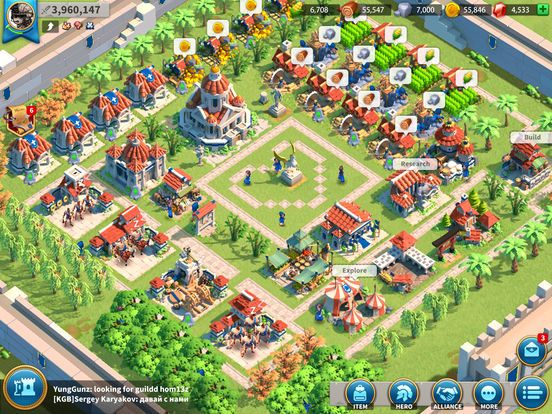
This real time strategy game allows players to lead historical civilizations and expand their territory. The speed of research and building is a primary bottleneck that can be bypassed with financial investment. Strategic alliances are crucial but the power of an individual player is often tied to their spending. This can lead to lopsided battles where one wealthy player can defeat multiple opponents. The game has a large following but is frequently cited for its pay to win mechanics.
‘Top War: Battle Game’ (2019)

This mobile game features a unique merge mechanic for upgrading units and buildings. While the core loop is simple the requirements for higher level units become increasingly demanding. Players can purchase specialized heroes and resources to accelerate their growth and dominate the map. The competitive landscape is designed to encourage spending to stay relevant in large scale wars. It has seen significant commercial success through its aggressive advertising and monetization.
‘Summoners War’ (2014)
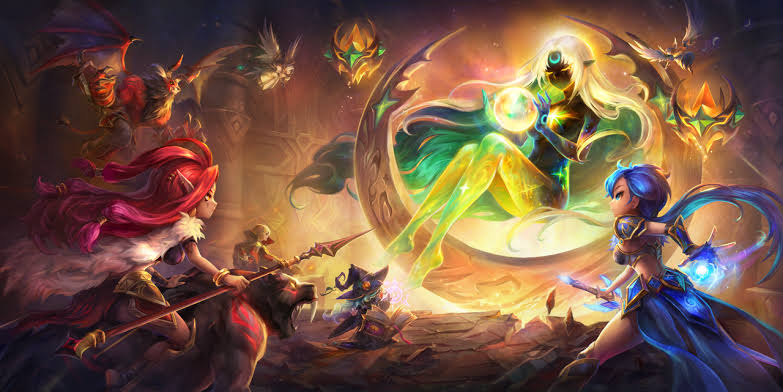
As one of the earliest major successes in the mobile hero collector genre this game set the standard for gacha monetization. Players collect monsters and equip them with runes to improve their stats for battle. Obtaining the best runes and the rarest monsters often involves a high degree of luck or significant spending. The competitive player versus player scene is highly optimized and difficult to enter without a long history of play or investment. It remains a major player in the market due to its deep strategic elements and constant updates.
‘Lineage M’ (2017)

This mobile port of a classic Korean MMORPG is famous for its extreme monetization and power scaling. Players can spend immense sums of money on equipment upgrades and character transformations. The chances of success for high level upgrades are very low which creates a massive financial barrier for top tier play. It has generated billions of dollars in revenue by catering to a very dedicated and high spending audience. The game is a prime example of the differences in monetization strategies between different global regions.
‘Lords Mobile’ (2016)
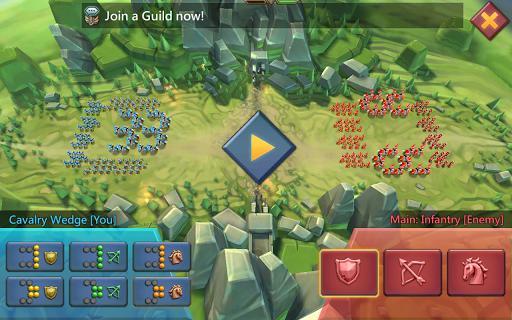
This title blends elements of real time strategy and role playing into a single experience. Players build bases and participate in large scale battles while also leveling up individual heroes. The progression system is filled with opportunities to spend money on speed ups and rare resources. Alliances play a huge role but the most successful ones are usually led by players who have invested heavily. Its longevity in the mobile charts is a testament to the effectiveness of its monetization model.
‘Ni no Kuni: Cross Worlds’ (2021)

This visually stunning RPG was criticized upon release for its heavy integration of pay to win elements and blockchain technology. Players can purchase various boosts and items that provide a direct advantage in combat and progression. The game even includes systems that allow players to pay for a better spot in server queues. While the art style and music are highly praised the monetization is often seen as intrusive. It illustrates how high quality presentation can be paired with aggressive financial models.
‘Dragon Ball Legends’ (2018)

This mobile fighting game features fast paced combat and a massive roster of characters from the anime. New versions of characters are released with stronger abilities which often renders older units obsolete. Players must use a gacha system to pull for these new units and stay competitive in the ranked ladder. The star system for character upgrades provides significant stat boosts that are difficult to maximize without spending. It remains popular due to its high quality animations and the strength of the license.
‘Yu-Gi-Oh! Master Duel’ (2022)
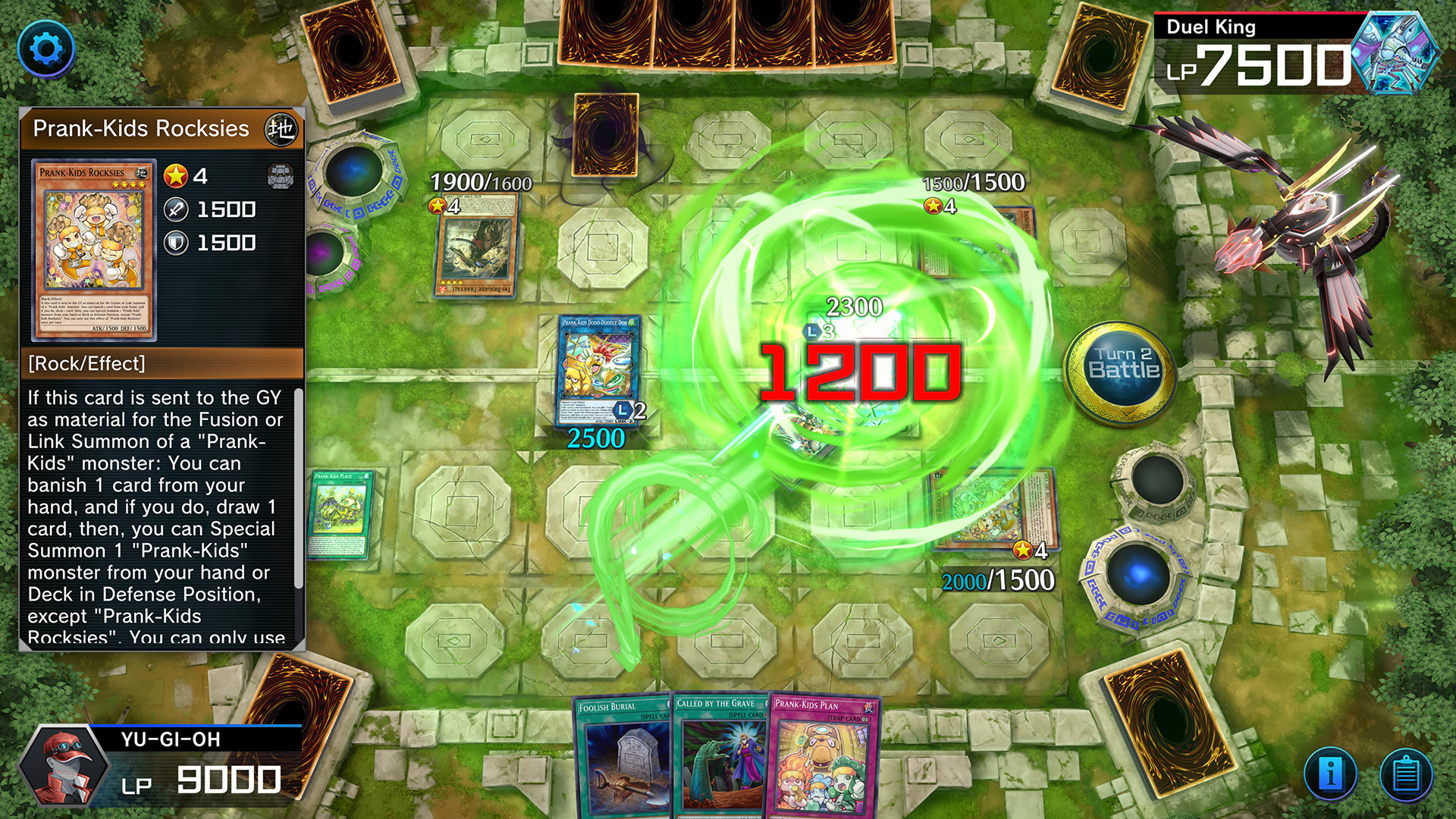
This digital adaptation of the famous card game offers a comprehensive way to play the official rules online. Players must collect cards to build decks and the most competitive strategies often require multiple high rarity cards. While the game provides many resources to new players maintaining a top tier deck over time often requires investment. New sets are released regularly which can shift the power balance and necessitate new purchases. It is a faithful adaptation but it carries the inherent costs of a collectible card game.
‘Honkai: Star Rail’ (2023)

From the developers of other high profile gacha games this title features a turn based combat system and high production values. Players pull for characters and light cones which function as equipment to increase power. The most effective strategies for the hardest content often revolve around limited time five star units. While the game is generous with early resources the late game progression is designed around the gacha system. It has quickly become one of the most successful mobile titles in the world.
‘Vindictus’ (2010)
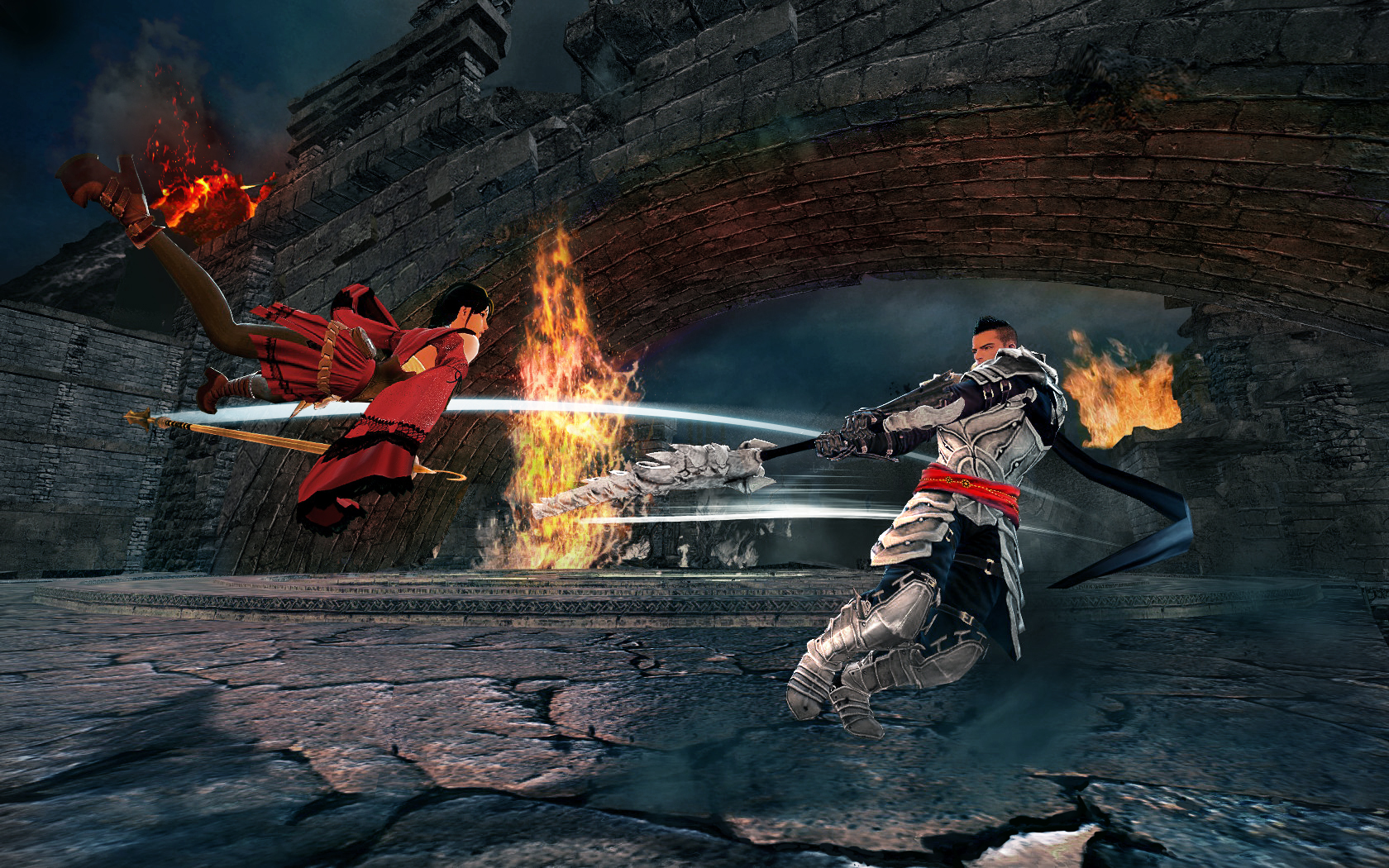
This action MMORPG is known for its fast paced combat and high difficulty curve. The equipment enhancement system is a major part of the late game and can result in items being destroyed if an upgrade fails. Players can purchase runes from the cash shop to prevent this loss and ensure their progress. This creates a strong incentive to spend money when trying to reach the highest levels of power. The game has maintained a niche but loyal following despite these monetization practices.
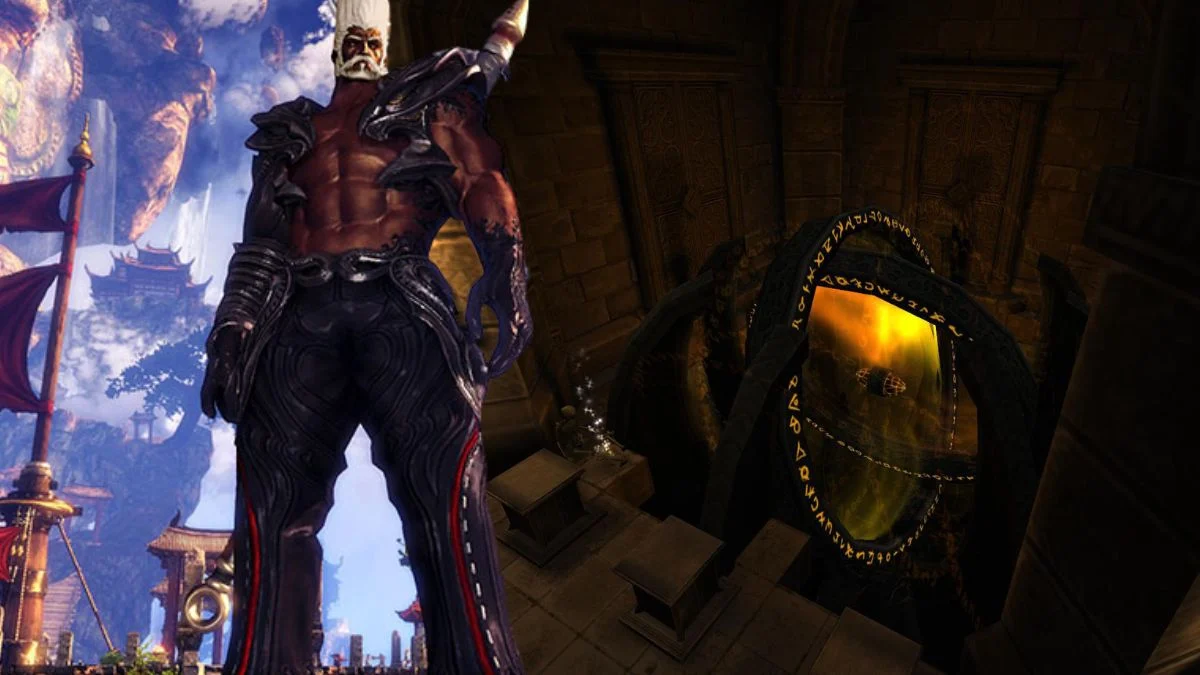
‘Blade & Soul’ (2012)
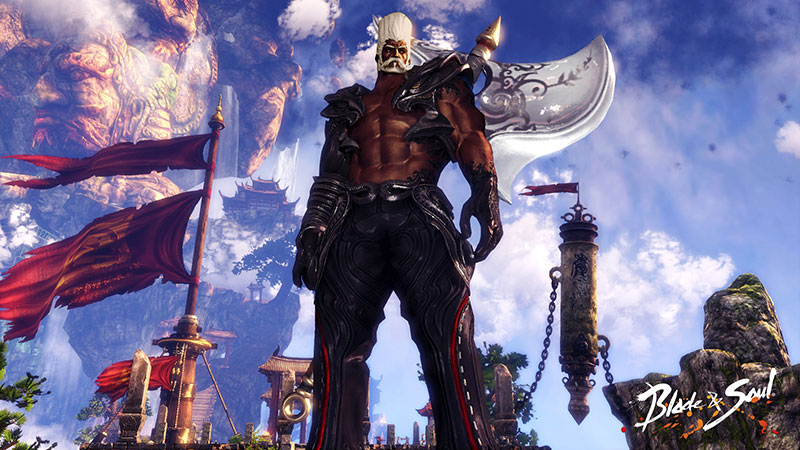
This martial arts themed MMORPG features a complex combat system and a heavy emphasis on player versus player encounters. Progression is tied to upgrading a central weapon which requires a massive amount of rare materials. These materials can be purchased through various packs and events in the cash shop. While skill is important in combat the statistical advantages from gear are significant. It has undergone several shifts in its business model to balance the needs of its community.
‘Dungeon Hunter 5’ (2015)
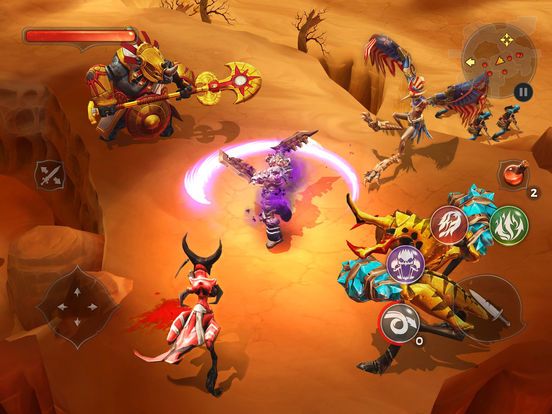
This hack and slash title from Gameloft features a loot based progression system common in the genre. Players must collect and fuse gear to become stronger which is a process that can be greatly accelerated with money. The energy system limits how much a person can play without paying for refills. Competitive leaderboards and events are often dominated by those who have spent money on the best equipment. It is a classic example of the mobile action RPG monetization model.
‘Roblox’ (2006)
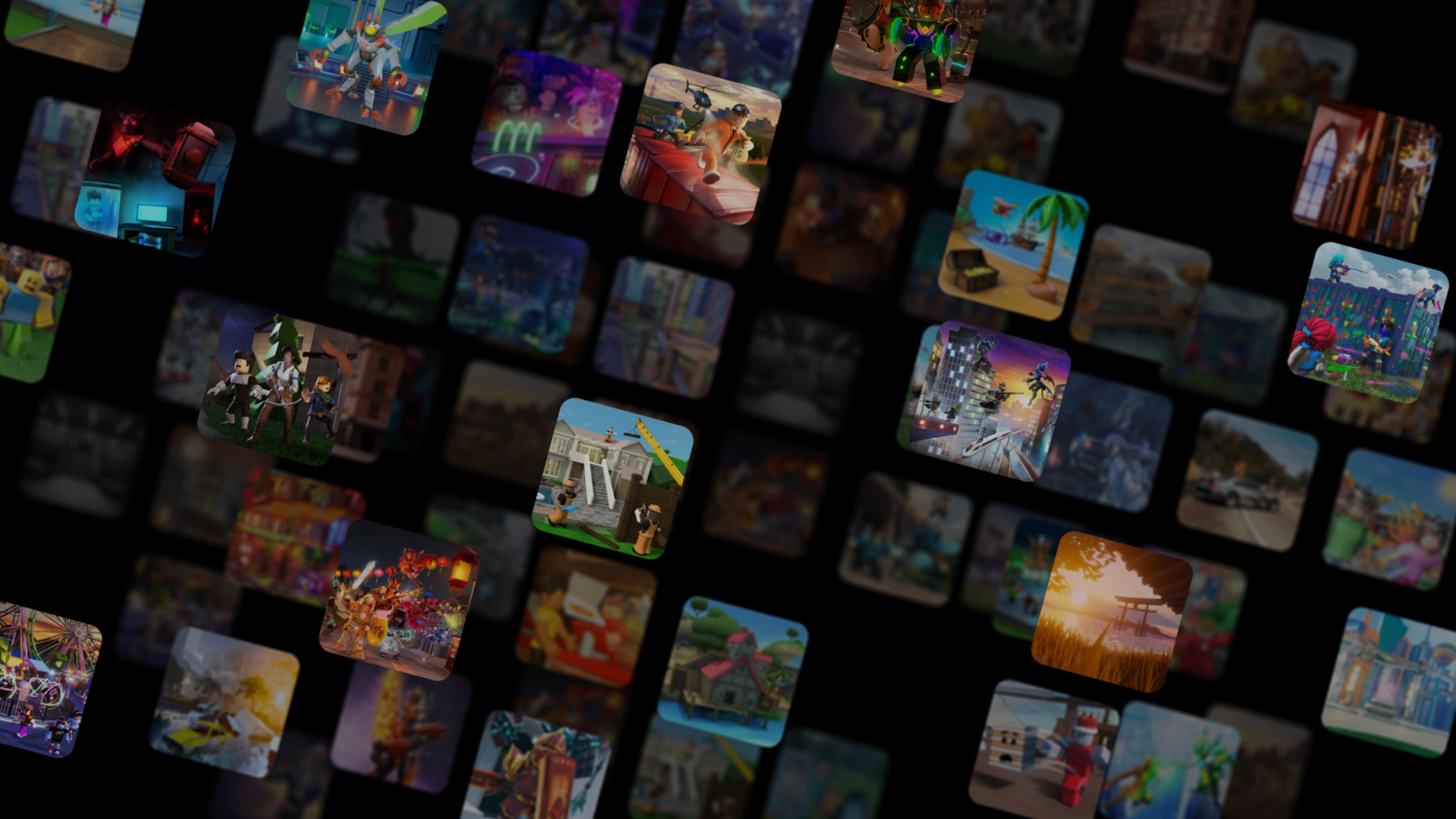
While it is a platform for millions of different games the core economy is driven by a currency called Robux. Many individual games on the platform include their own pay to win mechanics where players can buy power ups or exclusive items. This can create a highly competitive environment among younger players who may be more susceptible to social pressure. The platform takes a significant cut of all transactions made within these user created experiences. It has become a massive cultural phenomenon while remaining heavily monetized at every level.
‘Overwatch 2’ (2022)
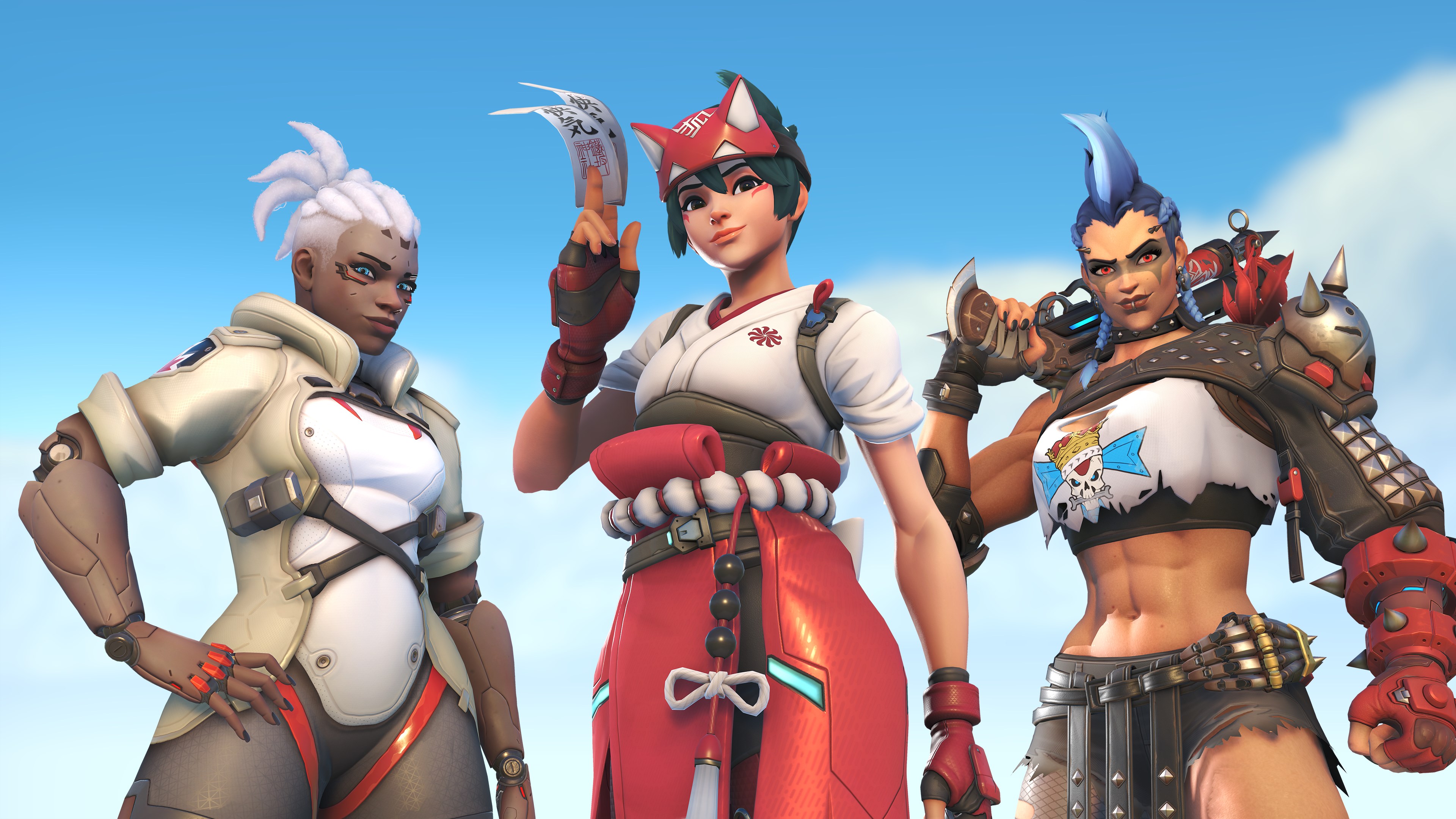
The transition to a free to play model for this popular hero shooter introduced several controversial changes. New heroes were initially locked behind a battle pass requirement which meant players had to either grind or pay to access them immediately. While this was later adjusted the game still relies heavily on expensive cosmetic items and seasonal passes. This shift from the original game model was met with significant resistance from the long term community. It represents the broader industry trend of moving toward live service monetization.
‘Archery Master 3D’ (2015)
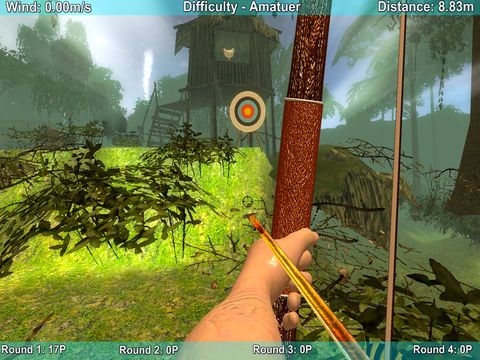
This simple mobile sports game tasks players with hitting targets across various levels and environments. To progress through more difficult stages players often need better bows and equipment with improved stats. These items can be purchased with currency that is difficult to earn at a fast pace through regular play. The game frequently presents advertisements and prompts to buy upgrades to bypass challenging sections. It is a straightforward example of how even casual titles can incorporate pay to win elements.
‘Madden NFL 24’ (2023)

The Ultimate Team mode in this football simulation follows a similar structure to other major sports titles. Players spend money on packs to build a roster of current stars and historical legends for competitive play. Having a team with higher overall ratings provides a tangible advantage on the field during online matches. This creates an environment where financial investment can often compensate for a lack of skill. The recurring nature of these releases ensures a constant stream of revenue through these microtransactions.
Please share your thoughts on these titles and their monetization systems in the comments.