

20 Plot Twists That Ruined The Entire Franchise Lore



Long-running video game franchises rely on established histories and consistent internal logic to maintain immersion for their dedicated player bases. Developers sometimes introduce radical narrative shifts or shocking reveals that fundamentally contradict previous events within the series. These creative decisions often attempt to raise the stakes or modernize a story but result in significant continuity errors that invalidate prior accomplishments. The following examples highlight moments where specific plot points clashed heavily with established canon and altered the trajectory of their respective universes.
‘Star Ocean: Till the End of Time’ (2004)
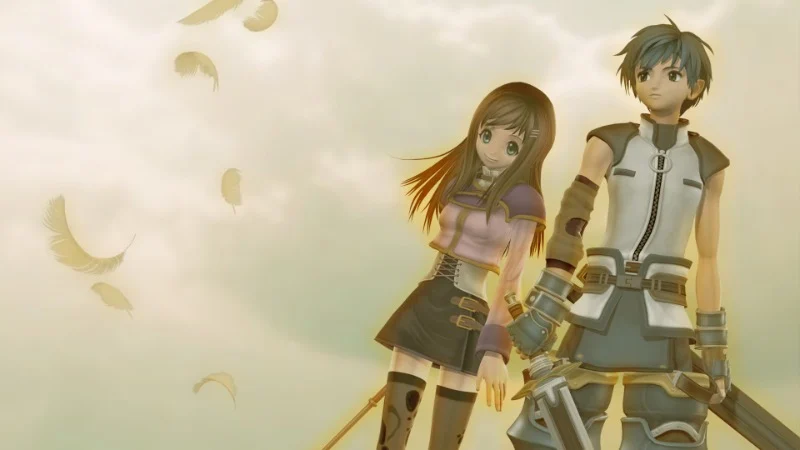
The narrative takes a drastic turn when the protagonists discover that their entire universe is actually a computer simulation created by a higher-dimensional race. This revelation instantly reduces all previous conflicts and character arcs in the series to mere data processing within a game. The twist implies that the emotional struggles and historical events of prior entries lacked genuine reality or consequence. Many storylines from the earlier titles lose their weight because the characters are technically just artificial intelligence programs.
‘Mass Effect 3’ (2012)
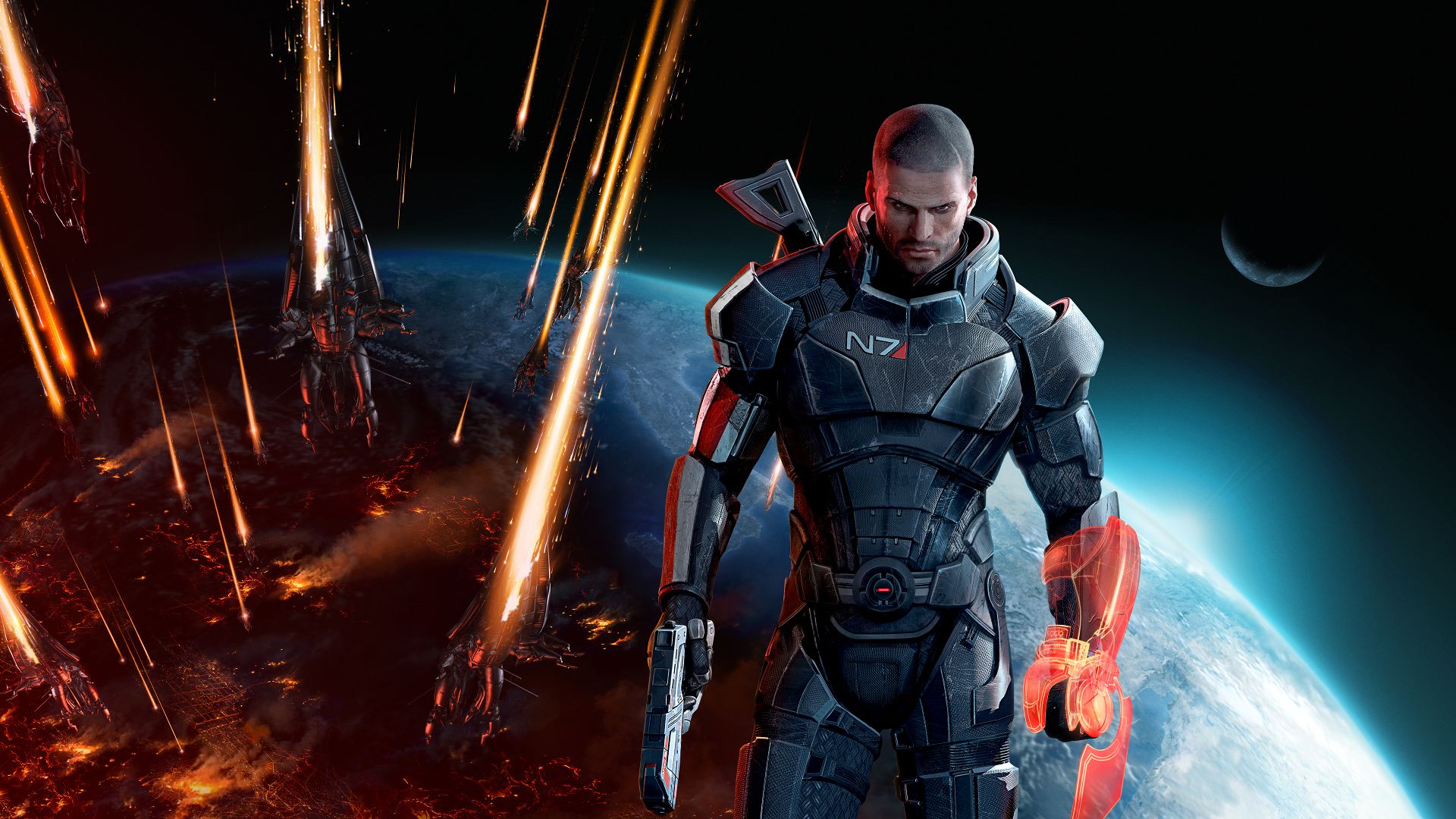
Commander Shepard reaches the climax of a galactic war only to be confronted by the Star Child who offers three color-coded solutions to the reaper threat. The existence of this deity and its circular logic regarding synthetic and organic life contradicts the themes of unity established throughout the trilogy. This ending forces a resolution that largely ignores the complex web of choices and alliances players built over three games. The sudden introduction of a supreme intelligence negating the Reapers’ established motives left significant gaps in the lore.
‘World of Warcraft: Shadowlands’ (2020)
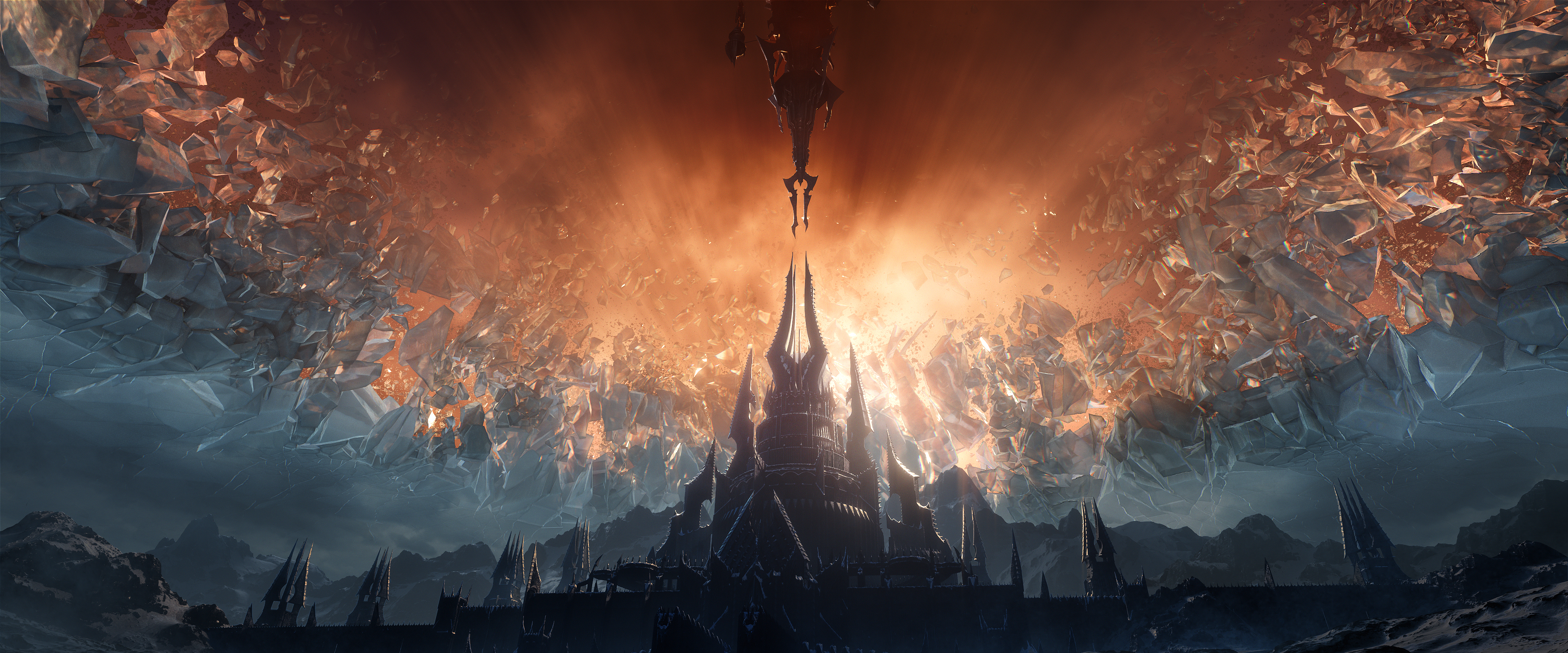
Blizzard introduced the Jailer as the mastermind behind almost every major threat in the history of the franchise including the Scourge and the Burning Legion. This retcon suggests that iconic villains like Arthas Menethil and Sargeras were merely unwitting pawns in a much larger scheme. The narrative shift diminishes the agency and terror associated with previous antagonists by reducing them to manipulated tools. Players found that this revelation complicated the timeline and undermined the significance of past victories in Azeroth.
‘Metroid: Other M’ (2010)
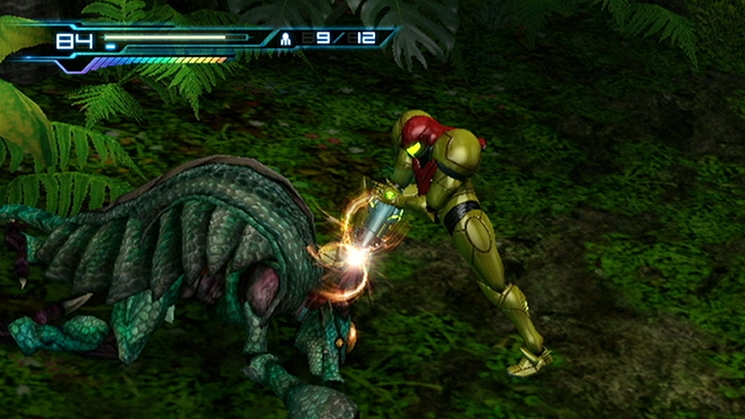
Samus Aran is depicted as a submissive soldier who refuses to use her defensive equipment until authorized by her commanding officer Adam Malkovich. This portrayal directly contradicts the independent and resourceful bounty hunter characterization established in previous titles like ‘Super Metroid’. The plot forces Samus into dangerous situations solely because she is waiting for permission to activate suits that prevent heat damage. This drastic personality shift creates a jarring disconnect between this entry and the rest of the series canon.
‘Halo 5: Guardians’ (2015)

The story reveals that Cortana survived her apparent demise and has returned as a galactic dictator intent on enforcing peace through superior firepower. This development invalidates the emotional weight of her sacrifice and farewell to Master Chief at the end of the previous game. The twist transforms a beloved companion into a primary antagonist without sufficient narrative buildup or logical justification based on her past behavior. It fundamentally alters the dynamic of the franchise by pitting the hero against his closest ally.
‘The 3rd Birthday’ (2010)
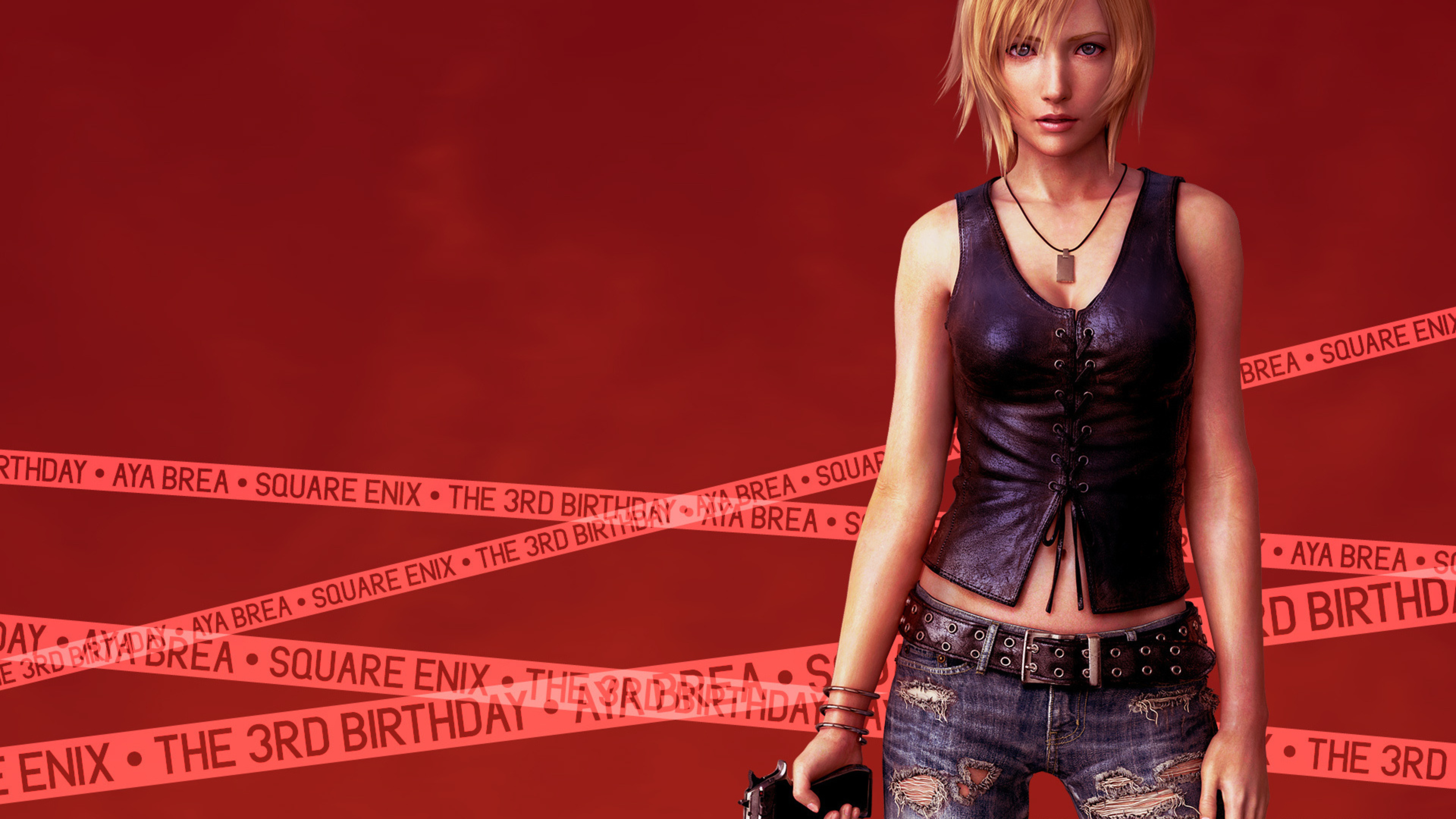
The plot concludes with the revelation that the protagonist playing through the game is not Aya Brea but actually her sister Eve in Aya’s body. The true Aya Brea is revealed to have been killed prior to the events of the game which essentially erases the heroine of the previous ‘Parasite Eve’ titles. This body-swap twist complicates the timeline and seemingly discards the character development Aya underwent in the first two games. The narrative decision effectively kills off the franchise lead in a way that renders her past struggles meaningless.
‘Metal Gear Solid 4: Guns of the Patriots’ (2008)
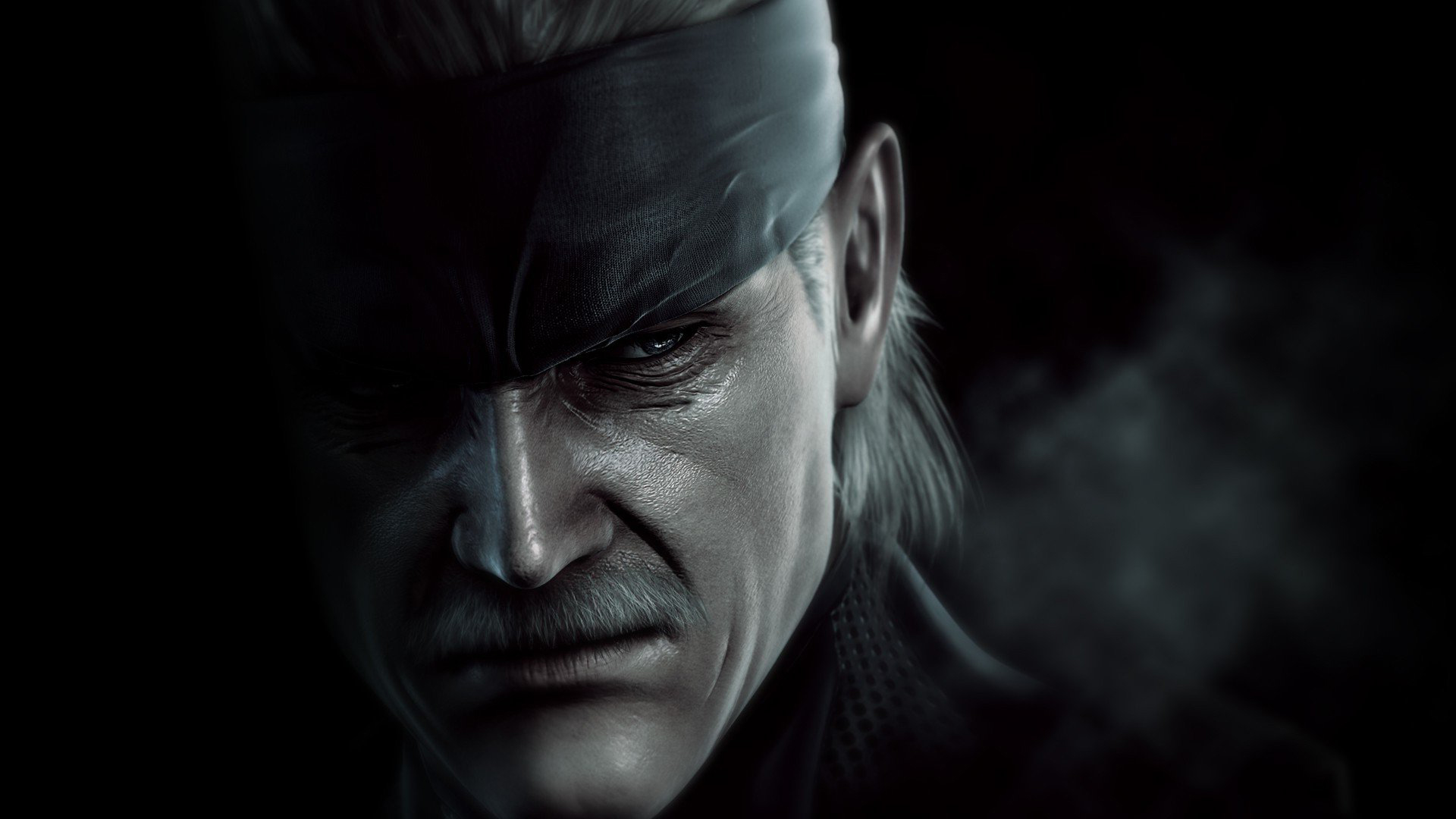
The game explains that Liquid Ocelot is not possessed by the spirit of Liquid Snake but is instead controlling himself through self-hypnosis and nanomachines. This scientific explanation removes the supernatural elements of spiritual possession that were heavily implied in earlier entries. The reliance on nanomachines to explain away almost every plot hole or supernatural occurrence simplifies the complex lore into a single technological catch-all. This shift strips away the mystical ambiguity that fans appreciated in the character dynamics of the series.
‘Command & Conquer 4: Tiberian Twilight’ (2010)
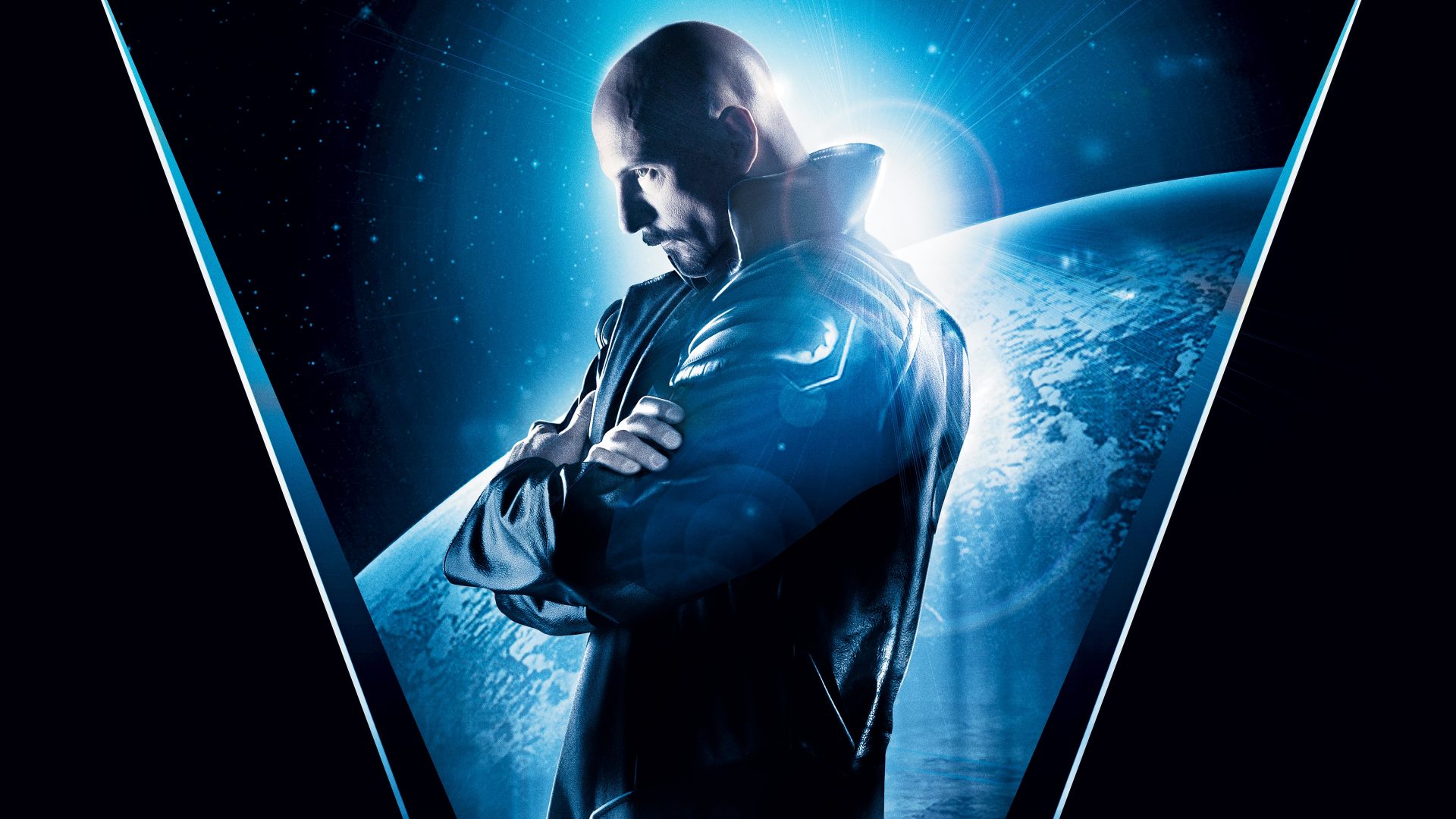
Kane suddenly seeks an alliance with his sworn enemies in the Global Defense Initiative to construct a device that will allow him to ascend from Earth. This cooperative behavior contradicts decades of warfare and the ideological fanaticism of the Brotherhood of Nod. The conclusion sees Kane disappearing into a portal which leaves the mystery of his origin and the nature of Tiberium completely unresolved. The game abandons the tactical military grit of the series for a metaphysical ending that fails to address the core conflict.
‘Fallout 3’ (2008)
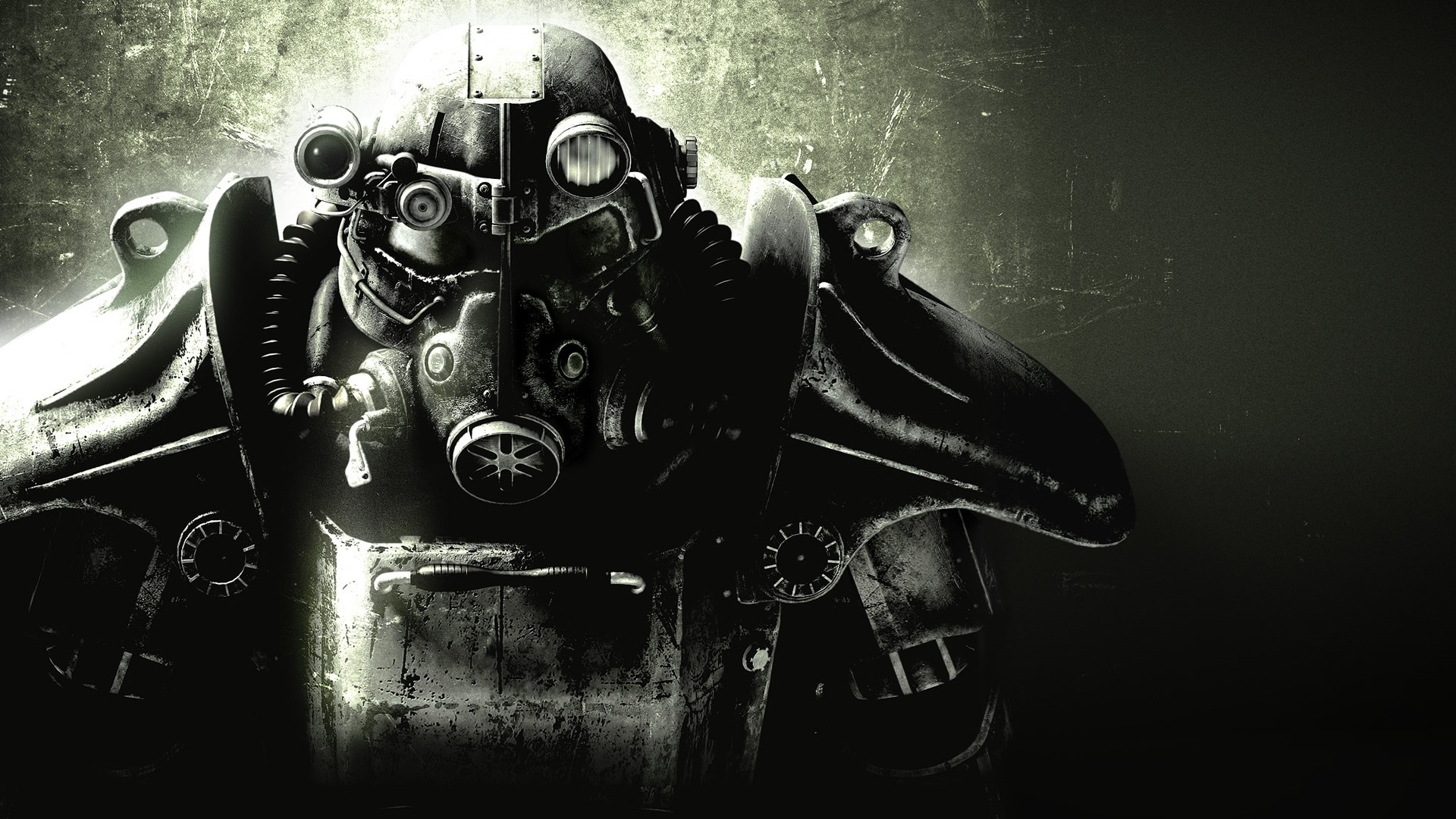
The ‘Mothership Zeta’ expansion implies that aliens may have been responsible for launching the nuclear missiles that destroyed the world. This suggestion undermines the central satirical theme of the franchise which posits that human greed and war were the causes of the apocalypse. Shifting the blame to extraterrestrial interference absolves humanity of the mistakes that define the setting’s tone. The lore suffers by removing the poignant commentary on Cold War paranoia and mutually assured destruction.
‘Star Wars: The Old Republic’ (2011)
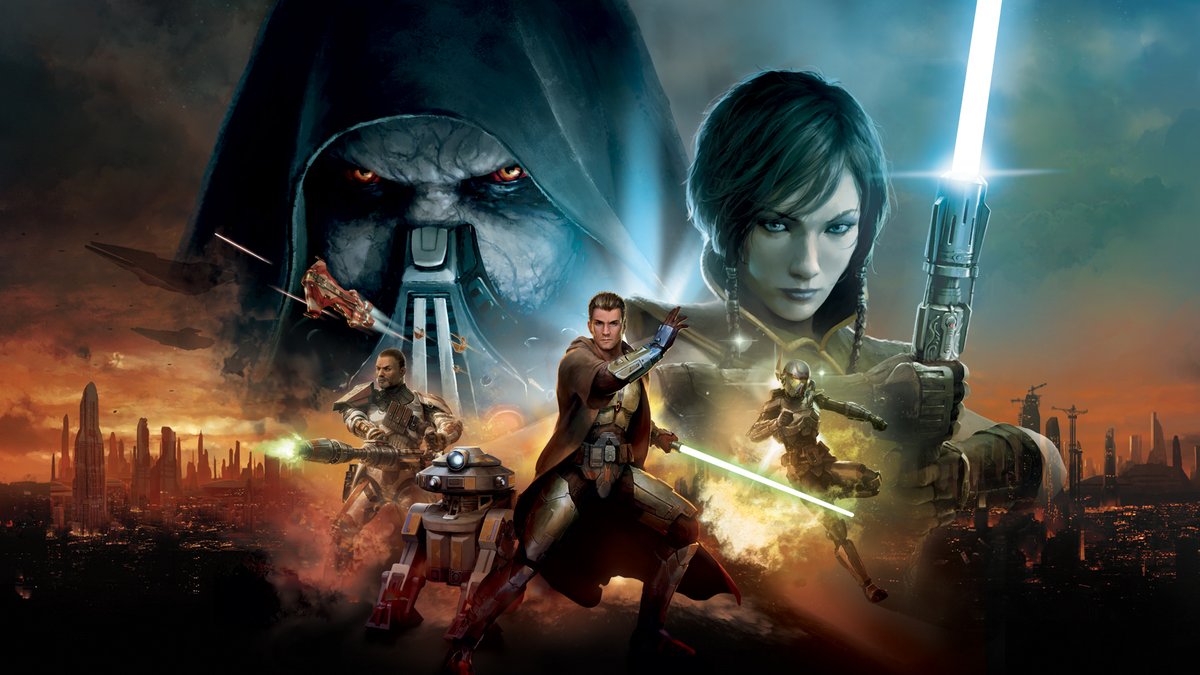
The expansion content handling Revan transforms a tactical genius into a split-personality figure obsessed with a generic doomsday plot. This characterization ignores the nuanced redemption arc established in ‘Knights of the Old Republic’ and its sequel. Revan is reduced to a raid boss whose motivations are muddled by a desire to fight the Sith Emperor indefinitely. The narrative treatment of this central figure alienates fans who felt his story had already concluded with dignity.
‘Assassin’s Creed III’ (2012)
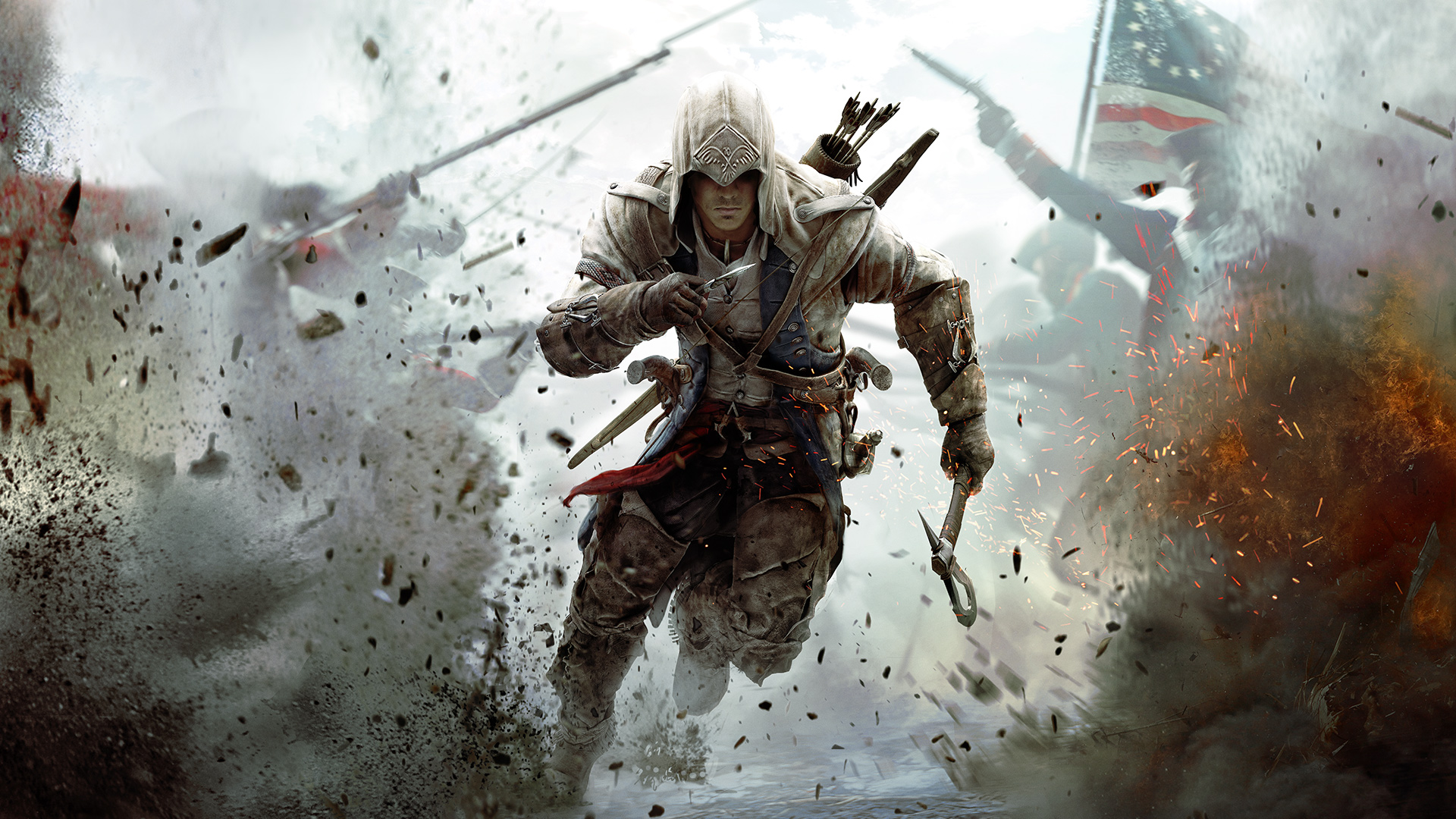
The modern-day storyline kills off protagonist Desmond Miles immediately after he discovers the ancient Isu Juno is manipulating humanity. This sudden death renders the five-game buildup regarding Desmond’s training and lineage largely irrelevant to the future of the franchise. The story pivots away from the urgency of the solar flare apocalypse to a more aimless narrative about corporate warfare. The removal of the central modern-day hero left the overarching lore without a cohesive direction for several subsequent entries.
‘Resident Evil Village’ (2021)
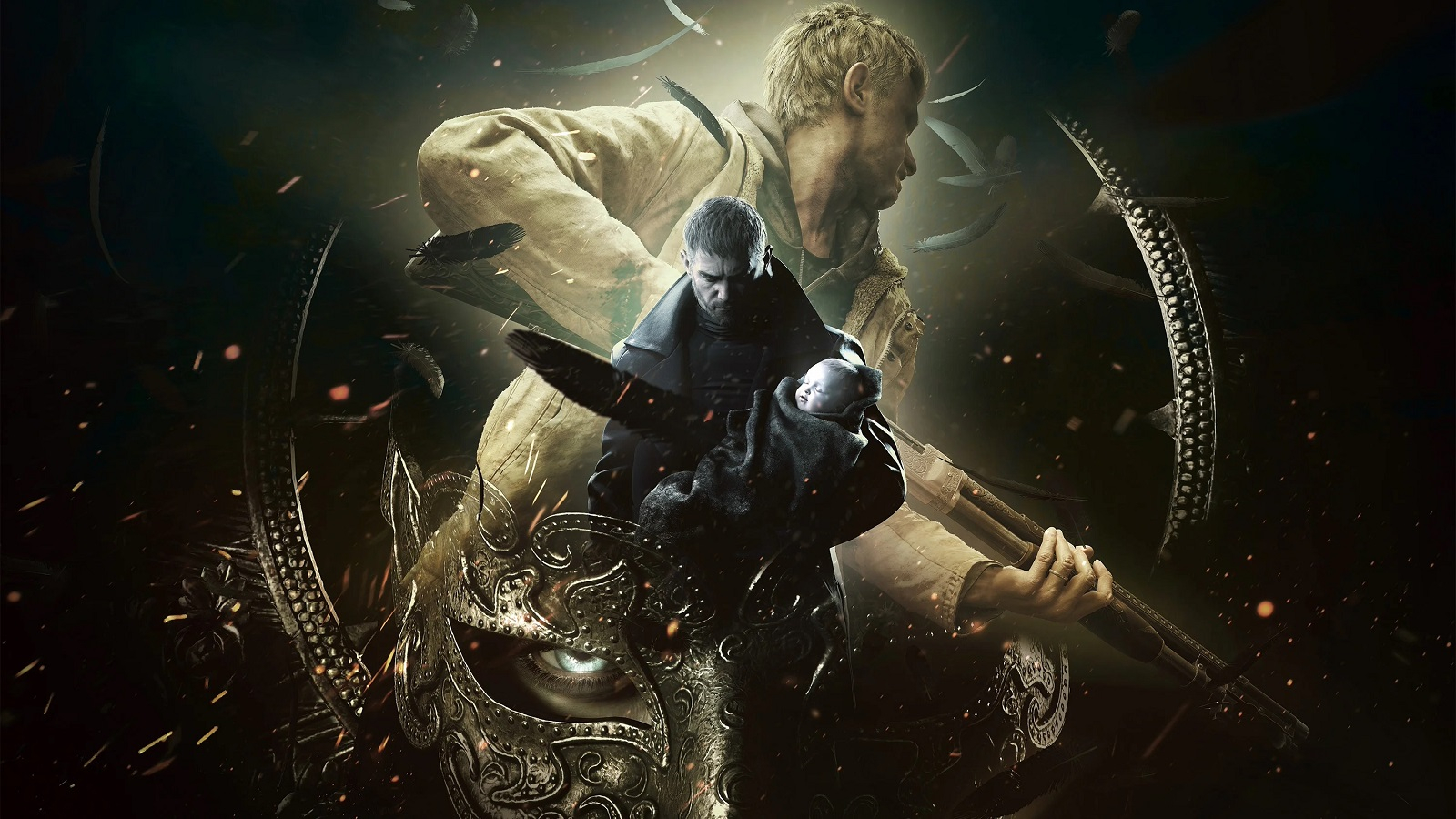
The narrative reveals that Oswell E. Spencer visited the village decades ago and used the local mold as the inspiration for the Umbrella Corporation logo and ideology. This retcon attempts to tie a remote European village directly to the origin of the entire series’ biological disasters. It shrinks the universe by making every major event stem from a chance meeting with Mother Miranda. The connection feels forced and unnecessary to the established history of the Progenitor Virus and Umbrella’s founding.
‘Sonic the Hedgehog’ (2006)
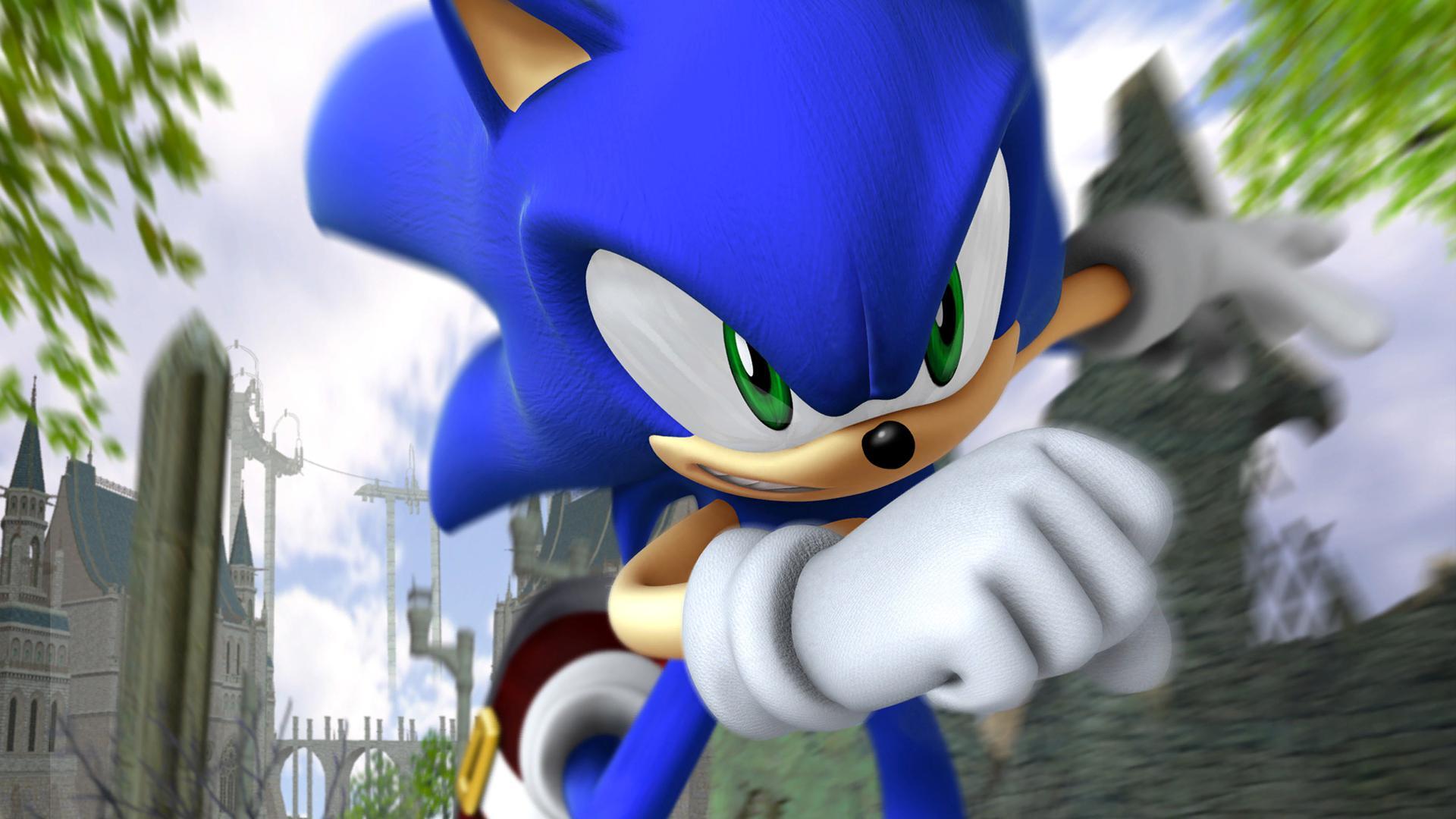
Princess Elise revives Sonic with a kiss that creates a bizarre romantic connection between a human and a cartoon hedgehog. The game ends by resetting the timeline so that the events of the entire story never actually happened. This erasure means that the introduction of the villain Mephiles and the character development for Silver the Hedgehog are rendered null and void. The plot twist serves only to highlight the absurdity of the narrative before deleting it from existence entirely.
‘Borderlands 3’ (2019)
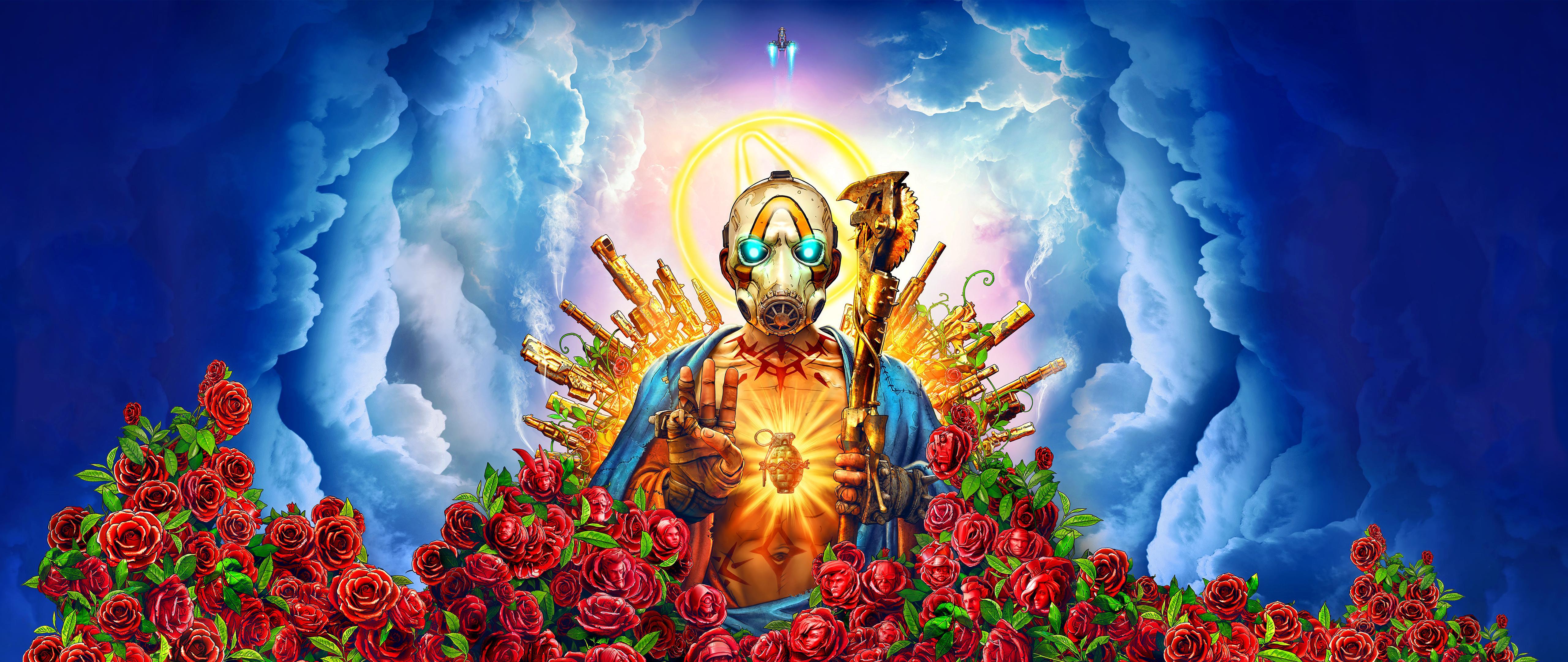
The story kills off the siren Maya and immediately transfers her powers and narrative importance to the new character Ava. This transition occurs without significant earning of trust or development for Ava who is portrayed as petulant and reckless. The death of a beloved veteran Vault Hunter to advance the plot of a disliked newcomer frustrated players invested in the lore. The shift in leadership of the Crimson Raiders feels unearned and disconnects the story from the established hierarchy.
‘Sly Cooper: Thieves in Time’ (2013)
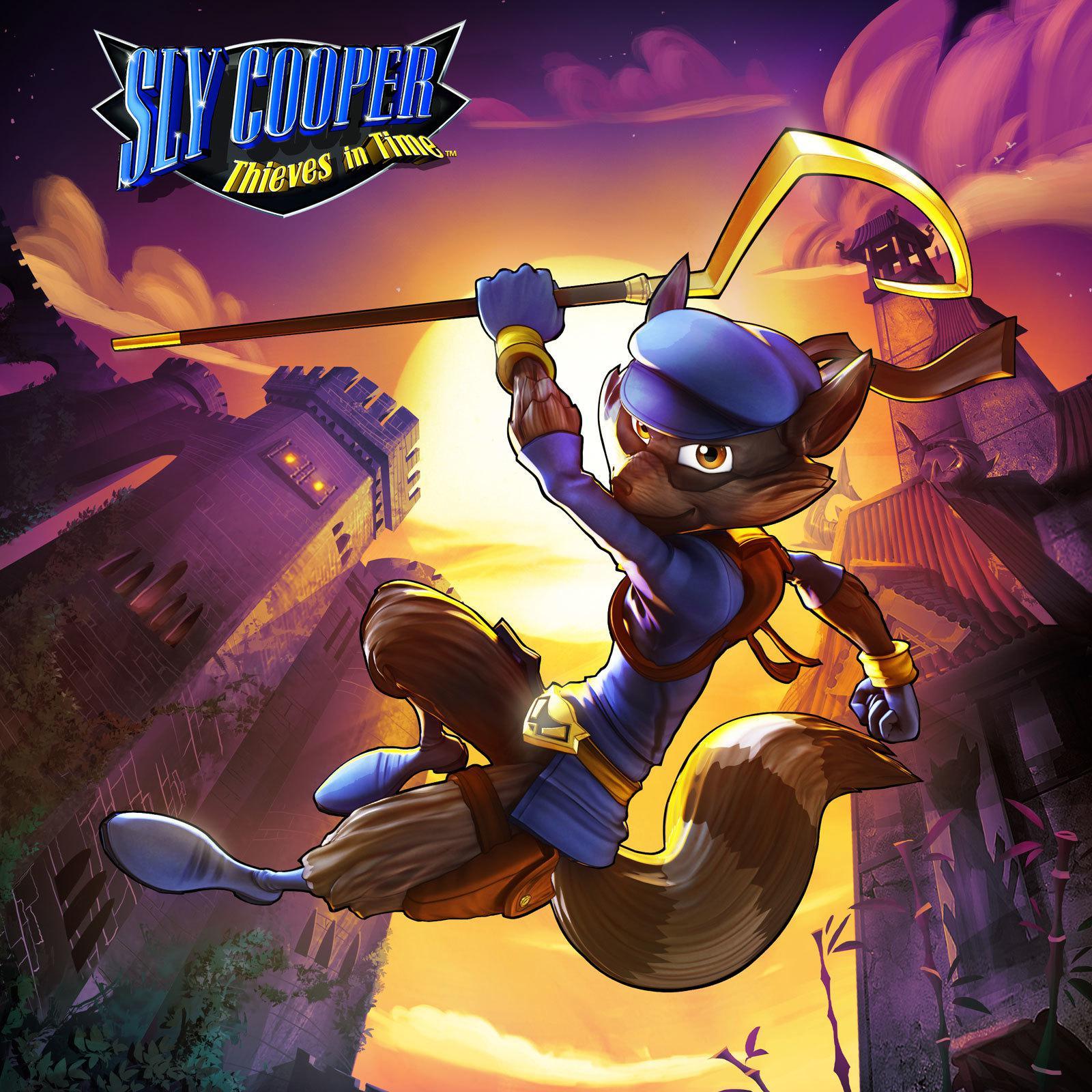
Penelope betrays the Cooper Gang and her love interest Bentley for financial gain and a twisted belief in efficiency. This sudden villain turn contradicts her entire character arc from the previous game where she fought against similar ideologies. The writer ignored her established personality as a loyal team member to create a shocking twist boss fight. The decision undoes the emotional growth of the supporting cast and breaks the continuity of the relationships built in the original trilogy.
‘Silent Hill: Homecoming’ (2008)
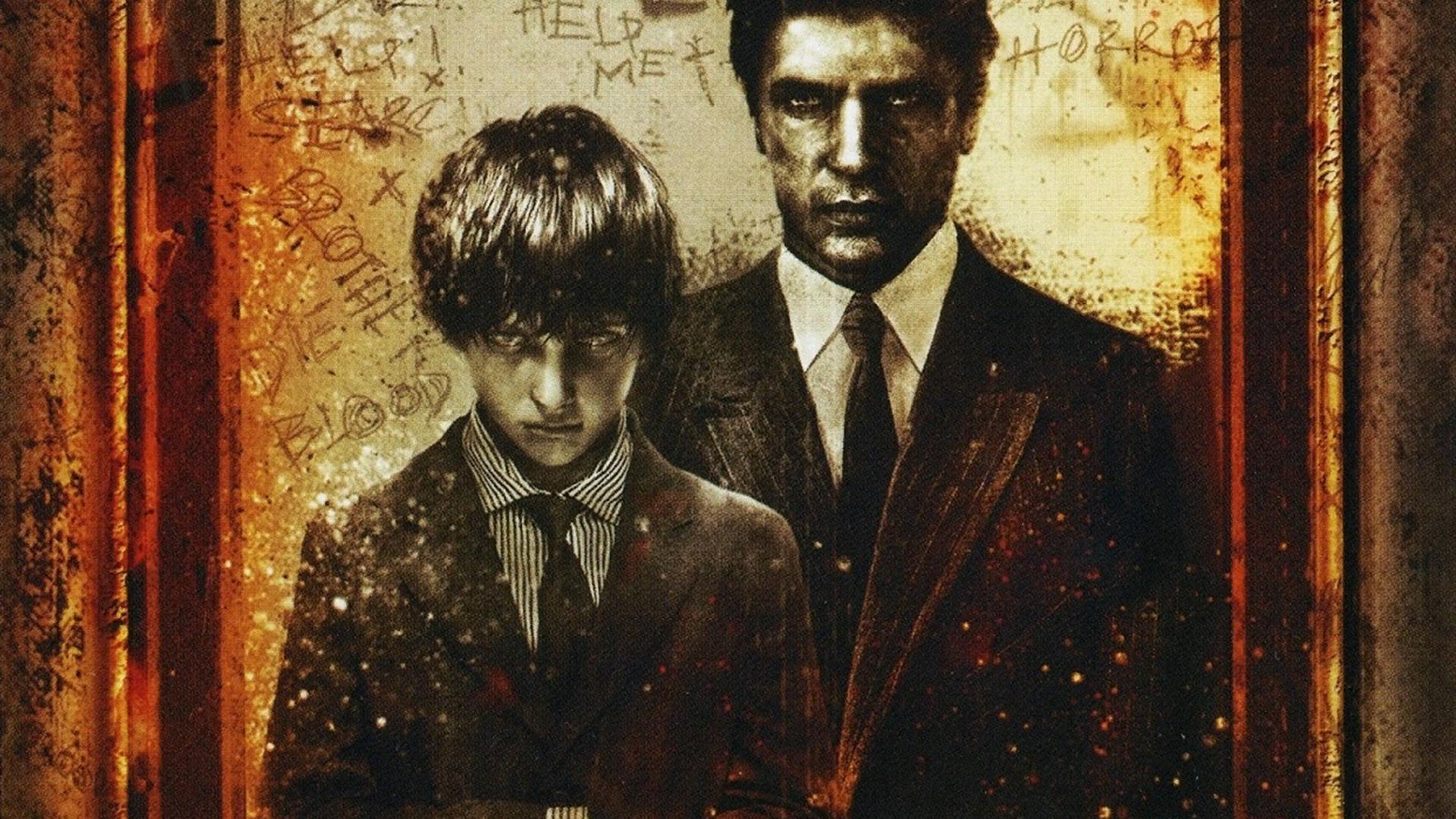
The appearance of Pyramid Head in this title contradicts the lore that establishes the monster as a manifestation of James Sunderland’s specific guilt. The creature is used here as a generic boogeyman punishing the protagonist for unrelated sins. This usage ignores the psychological rules of the town where monsters are tailored to the psyche of the individual observer. The inclusion of this specific enemy cheapens the symbolic nature of the series’ most iconic creature design.
‘Dead Space 3’ (2013)
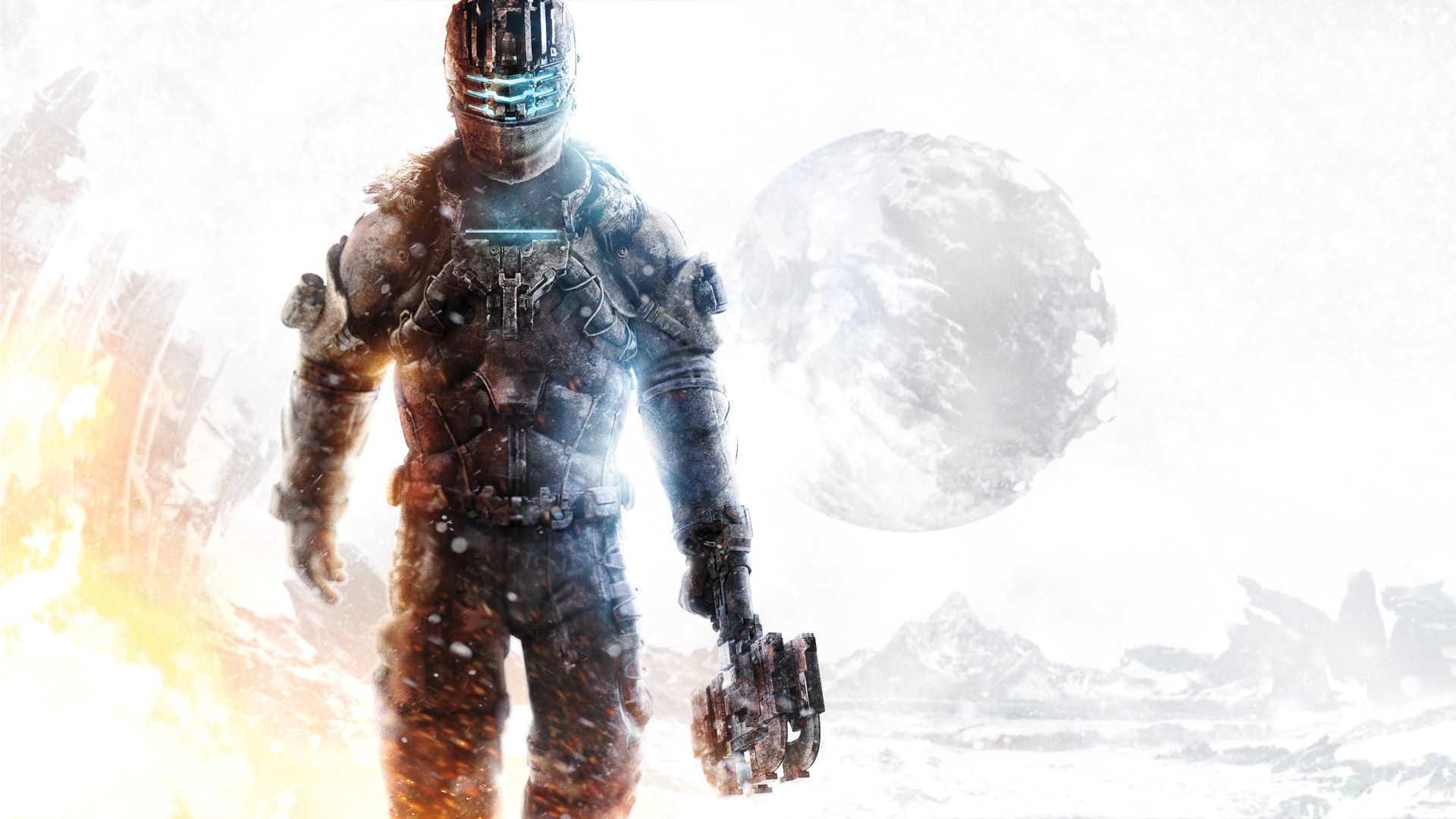
The introduction of the Brethren Moons reveals that the Necromorphs are simply a method for these celestial entities to feed and reproduce. This cosmic horror explanation removes the mystery surrounding the Markers and turns the threat into a standard alien invasion scenario. The shift from psychological isolation to a galaxy-eating monster plot changes the genre tone significantly. The lore moves away from the madness induced by the artifacts to a literal battle against giant space organisms.
‘Bioshock Infinite’ (2013)
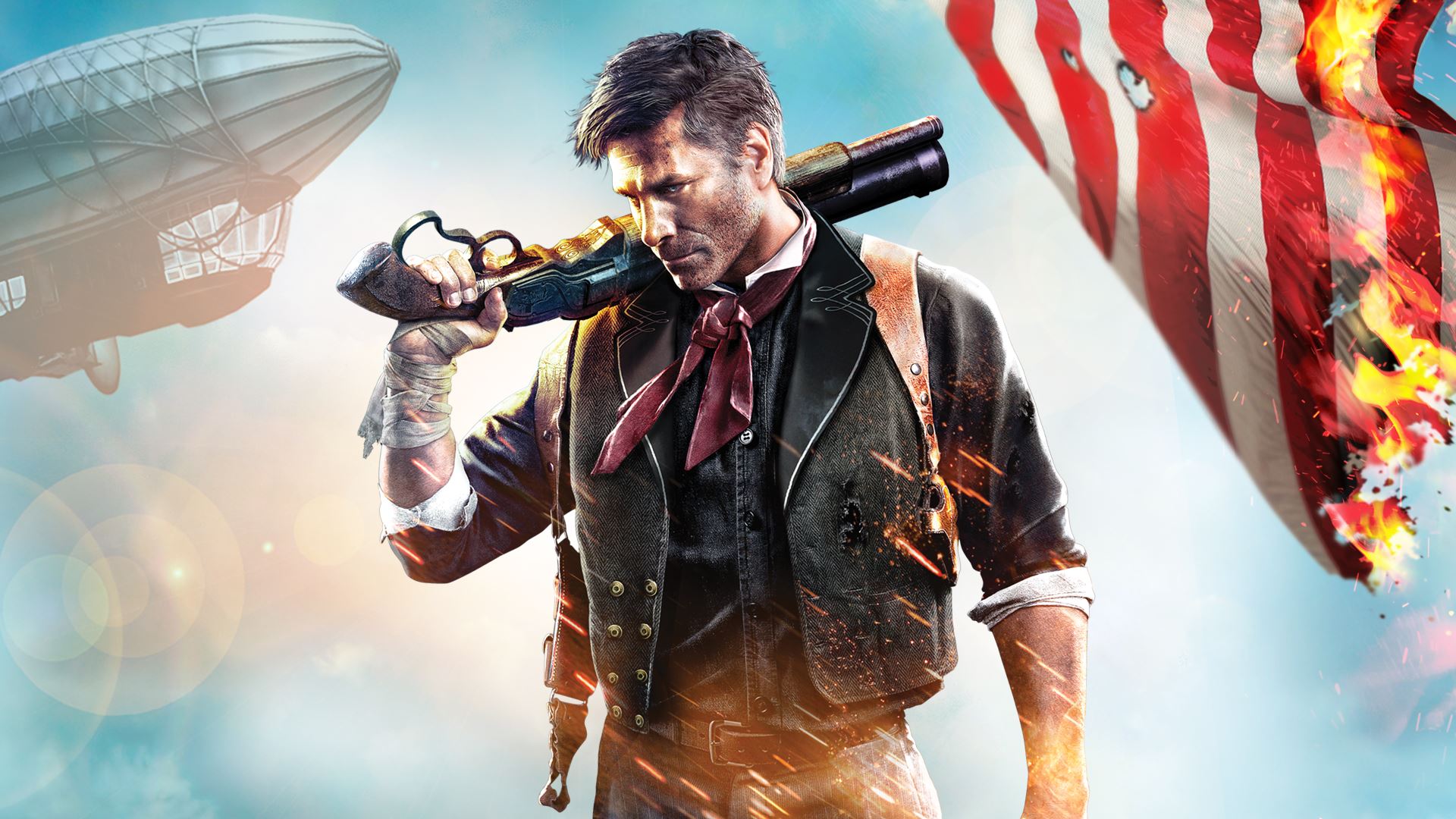
The ‘Burial at Sea’ expansion reveals that Elizabeth was directly responsible for the events leading to the downfall of Rapture in the first game. This integration forces a connection between the two distinct settings that complicates the timeline with time-travel paradoxes. The narrative twist removes the agency of the original characters by implying their actions were orchestrated by a dimension-hopper. It shrinks the narrative scope by insisting that all lighthouses and cities are causally linked.
‘Fahrenheit’ (2005)
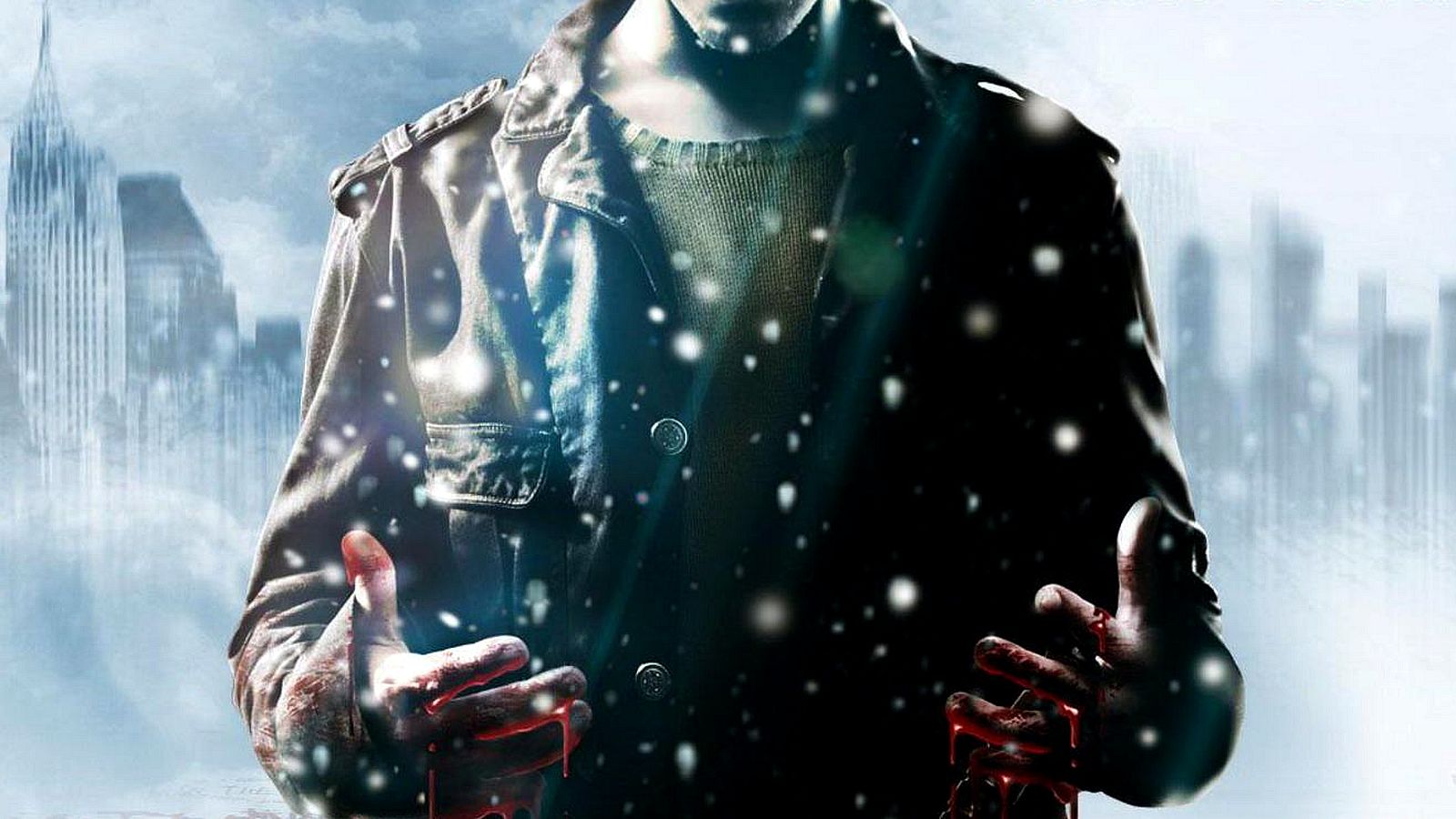
The story begins as a grounded murder mystery but pivots wildly to reveal that the events are controlled by an ancient Mayan cult and a sentient internet AI. This supernatural escalation completely abandons the investigative thriller tone established in the first half of the game. The lore regarding the Indigo Child and the clans feels hastily explained and disconnected from the initial premise. The plot twist introduces ‘Dragon Ball Z’ style aerial battles that shatter the gritty realism of the opening chapters.
‘Five Nights at Freddy’s: Security Breach’ (2021)
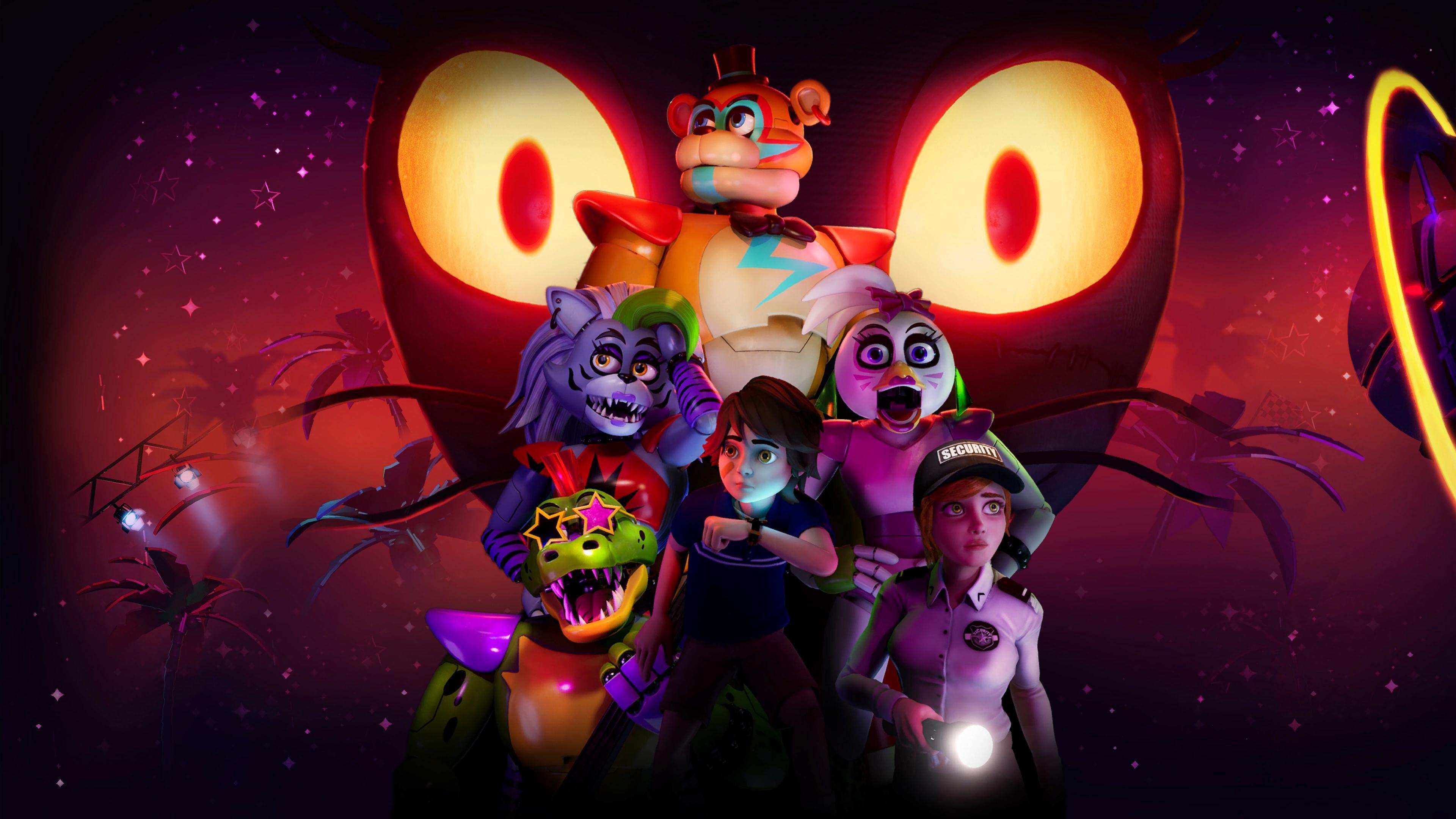
The return of William Afton as Burntrap effectively nullifies the definitive ending of ‘Freddy Fazbear’s Pizzeria Simulator’. The previous game had successfully gathered all remaining possessed animatronics and burned them to free their spirits and end the tragedy. Bringing the main villain back suggests that the sacrifice of Henry Emily and the protagonist was entirely in vain. This continuation drags out a story that had already reached a satisfying and logical conclusion.
Share your thoughts on which franchise lore was damaged the most in the comments.