

‘Pokémon Red & Blue’ Mistakes You’ll Never Be Able to Unsee



The first generation of monster-catching classics is bursting with charm—and a surprising number of mechanical hiccups under the hood. Many of these quirks come from how stats, accuracy, and move effects were coded, leading to outcomes that don’t match the in-game descriptions. They’re not just trivia; they change battles, routing, and even which teams feel strongest. Here are the biggest oversights and oddities that shaped how those games actually play.
Critical Hits Scale with Speed, Not Luck
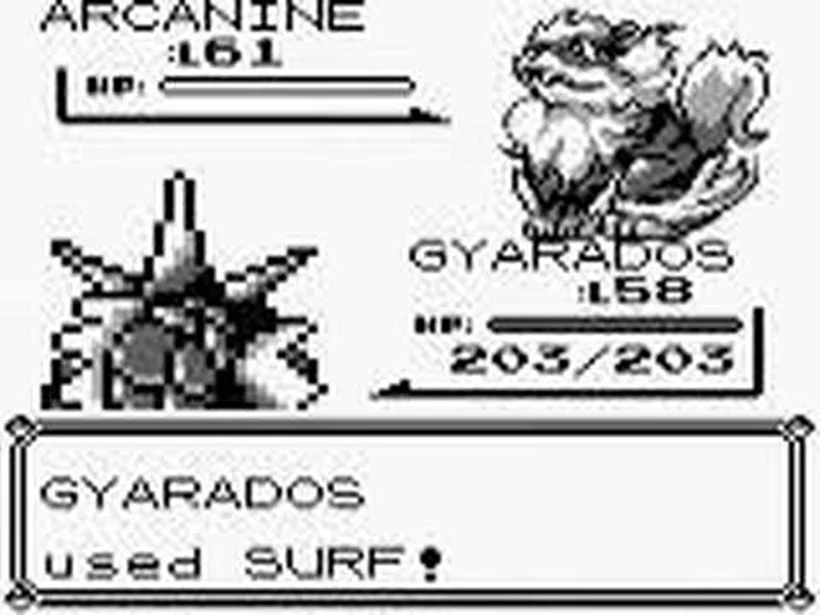
In the original battle code, a Pokémon’s base Speed largely determines its chance to land a critical hit. Fast Pokémon like Persian and Jolteon naturally crit far more often than slower ones, regardless of items or tactics. Moves with an elevated critical rate—such as Slash—effectively turn into near-guaranteed crits on speedy users. Because critical hits ignore most stat changes, this interaction lets fast attackers punch through boosts that should have mattered.
‘Focus Energy’ Cuts Your Crits Instead of Boosting Them
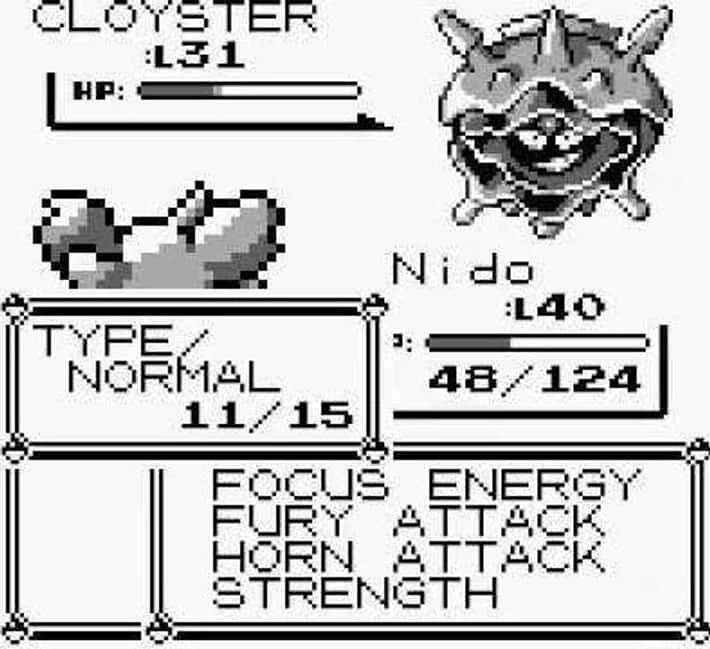
The move’s description promises higher critical-hit odds, but a calculation error flips the modifier. When ‘Focus Energy’ is active, your actual crit chance drops dramatically instead of rising. This makes the move a trap compared with just attacking or using a genuine setup option. The bug also interacts badly with already fast Pokémon, turning a potential strength into a liability.
The 1-in-256 “Guaranteed Miss” Bug
Due to the way accuracy is stored, any move that should have 100% accuracy can still fail 1 time in 256. This affects staples like ‘Thunderbolt’, ‘Surf’, or even ‘Recover’ under certain conditions. The glitch comes from truncation in the hit-check, where 255 is the true maximum rather than 256. As a result, the occasional inexplicable miss isn’t bad luck—it’s baked into the math.
Badge Boost Glitch Quietly Supercharges Stats
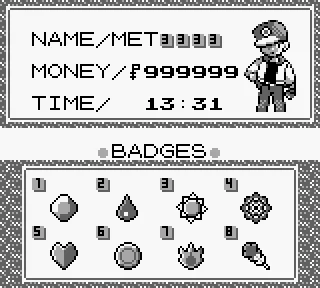
Each time a stat stage is modified in battle—through a boost, drop, or even certain side effects—the game reapplies gym badge multipliers. That means holding a badge tied to a stat (like Attack or Speed) can stack unintended power whenever your stats change. Even moves like ‘Growl’ on your opponent can paradoxically end up helping you because of the reapplication. Skilled players can manipulate this to push key stats far beyond what was intended.
Freeze Never Thaws on Its Own
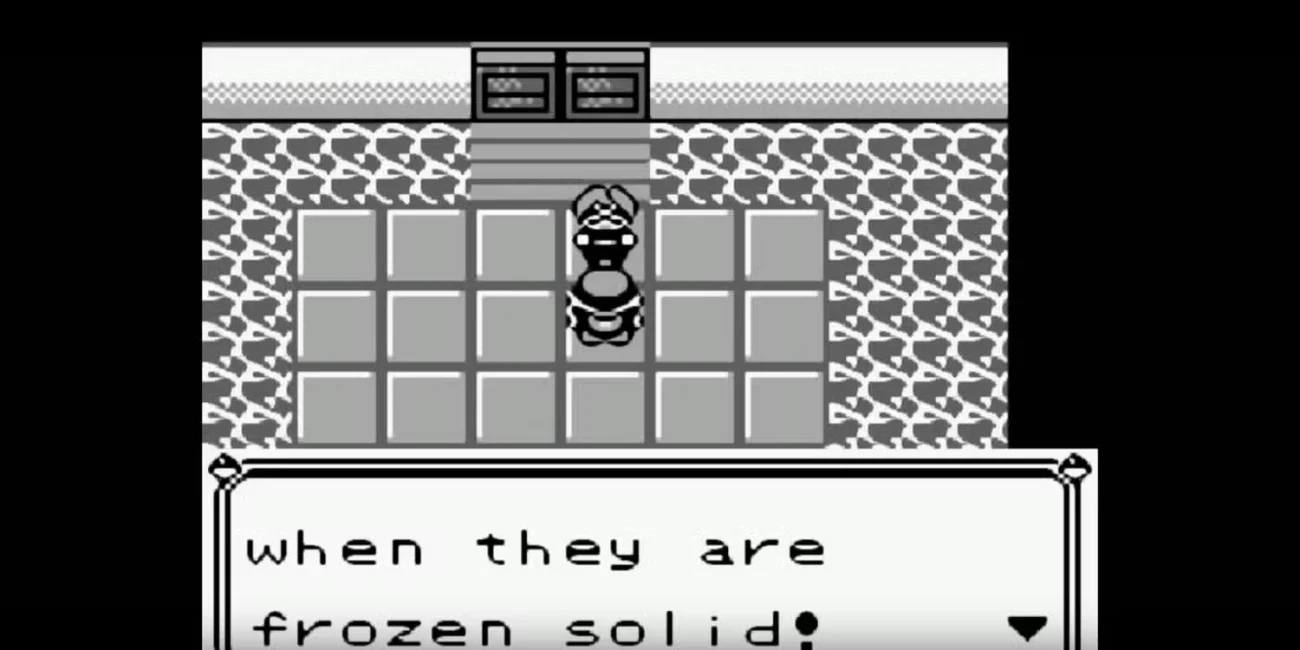
Once a Pokémon is frozen in these games, it does not naturally thaw over time. The only practical ways out are specific cures, such as items or a field-clearing move like ‘Haze’. This makes freeze one of the most debilitating statuses in the original titles, far harsher than in later entries. A single unlucky ‘Ice Beam’ can effectively remove a battler unless you prepared a direct remedy.
Wrap, Bind, and Fire Spin Can Lock You Out

Multi-turn trapping moves prevent the target from acting and block switching for the full duration of the bind. Because turn order and duration can align unfavorably, a slower opponent can be kept completely inactive for multiple rounds. Combined with chip damage each turn, this creates one-sided sequences that feel like stuns. Competitive strategies in that era often revolved around securing a safe trap to snowball momentum.
‘Hyper Beam’ Skips Recharge After a KO
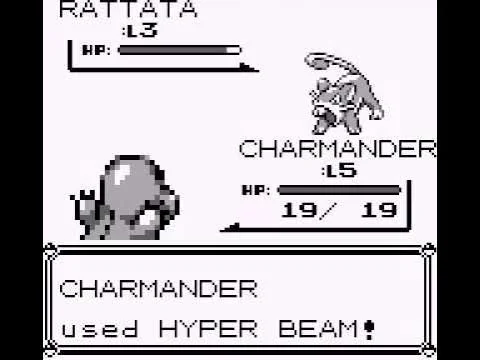
If ‘Hyper Beam’ knocks out the opposing Pokémon, the user doesn’t have to spend the following turn recharging. This transforms the move from a risky nuke into an efficient finisher that keeps tempo. The same no-recharge outcome also applies if the target fainted for certain other reasons during the attack’s resolution. Players can route battles to line up KOs that preserve action economy turn after turn.
‘Toxic’ + ‘Leech Seed’ Stack into Runaway Damage
In these versions, ‘Leech Seed’ and ‘Toxic’ share a damage counter in memory, causing the seed’s drain to escalate alongside poison. Each passing turn increases the amount siphoned, far outpacing normal residual damage. This unintended coupling lets a seeded, badly poisoned target melt rapidly even with decent bulk. Defensive teams exploit the interaction to force fast attrition without heavy-hitting moves.
Sleep Makes You Lose the Turn You Wake Up
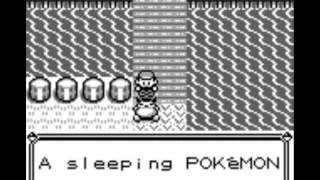
Sleep turns tick differently here, and waking up consumes your entire action for that round. Even if your Pokémon rouses, it can’t attack until the following turn, giving opponents a free hit or setup window. Rest follows the same structure, so self-induced sleep comes with added tempo loss beyond the planned downtime. This makes sleep far more punishing than later standards and shapes move choices accordingly.
Roar and Whirlwind Don’t Work in Trainer Battles
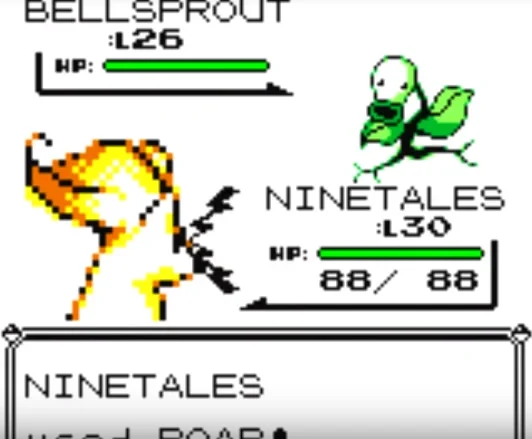
Despite their text implying forced switching, ‘Roar’ and ‘Whirlwind’ simply fail outright when used against another trainer. Their only use cases are niche encounters in the wild, where level checks can still prevent them from working. As a result, they provide no battlefield control in most meaningful fights. Players expecting phasing tools find dead moveslots instead, especially in gym or league matches.
Share the mistakes you spotted first—and which one shocked you most—in the comments!