


Pop Stars Who Refused to Perform Highly Sexualized Choreography Live

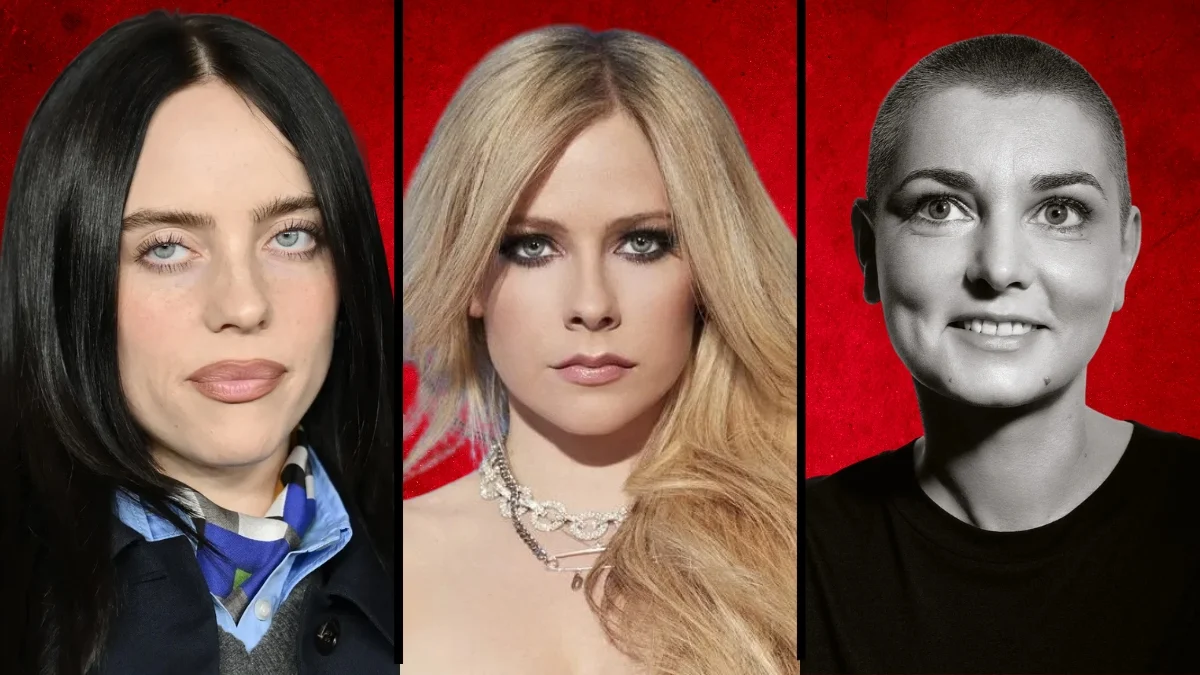


The music industry has historically leveraged the sexual appeal of its performers to drive commercial interest and chart success. For many rising stars, navigating the pressure to perform provocative choreography is a defining challenge of their professional development. While the pop star archetype often demands hyper-sexualized live shows, a select group of artists has chosen to prioritize personal boundaries and artistic authenticity. By rejecting industry standards that prioritize the physical over the musical, these stars have carved out unique spaces that allow their talent to shine independently of their image. This list examines those who said no to the standard pop blueprint and maintained control over their own bodies on stage.
Billie Eilish
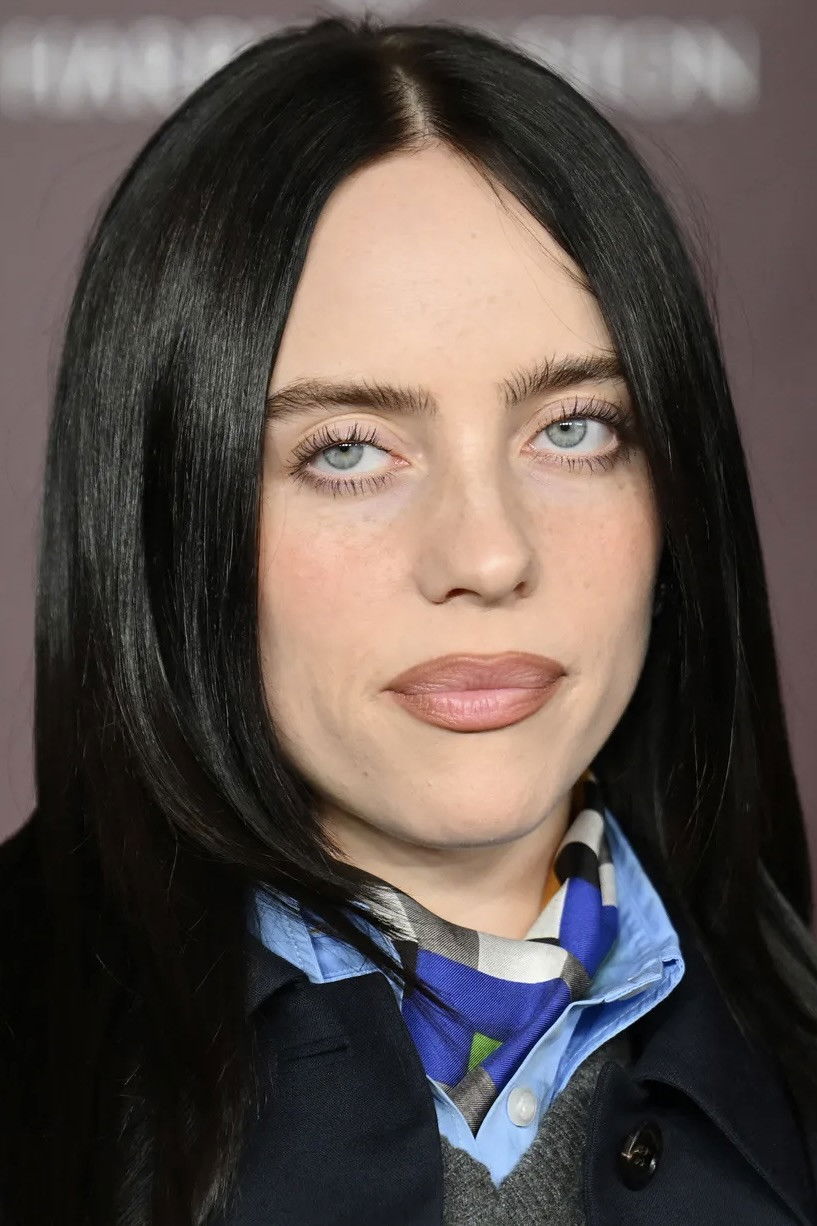
Billie Eilish established a strict personal boundary regarding her public image by wearing oversized clothing to avoid being sexualized by the media and the public. She has stated in numerous interviews that she wanted to prevent people from judging her body or using it as a marketing tool during her rise to fame. This choice translates to her live performances, where her movement is characterized by high-energy jumping and idiosyncratic gestures rather than traditional pop choreography. By maintaining this boundary, she has redefined the aesthetic expectations for female pop stars on a global stage. Her refusal to conform to industry standards regarding female bodies remains a defining aspect of her artistic identity.
Lorde
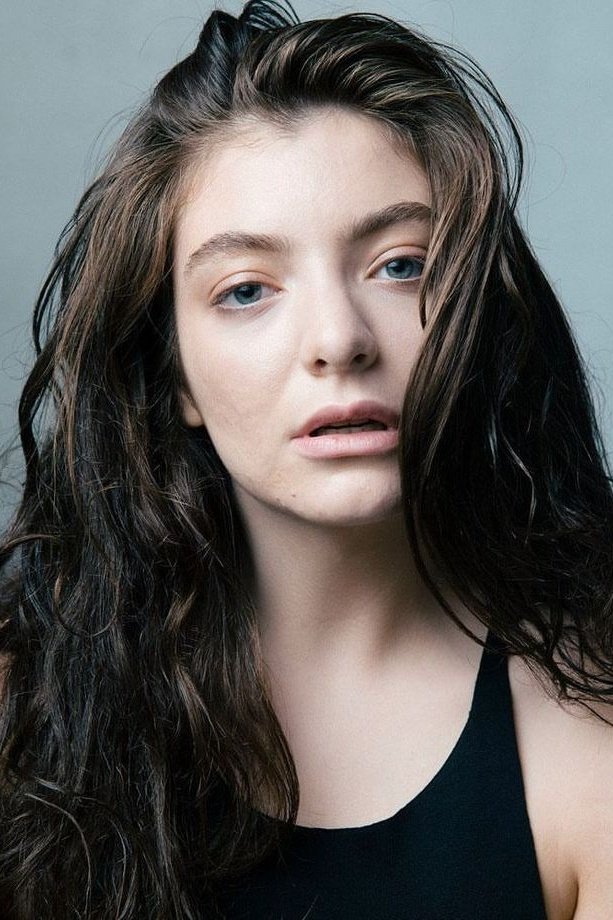
Lorde has been vocal about her discomfort with the hyper-sexualized nature of the pop music industry since her debut. She chose to focus on a more minimalist and artistic stage presence, often employing interpretive dance moves that emphasize the rhythm of her music. In various discussions, she noted that the traditional “pop star” choreography felt robotic and disconnected from her personal brand of storytelling. By rejecting the pressure to incorporate sexualized routines, she maintained the atmospheric integrity of her live shows. This decision allowed her to connect with fans through her lyrical content and unique vocal delivery instead of physical spectacle.
Lauren Jauregui
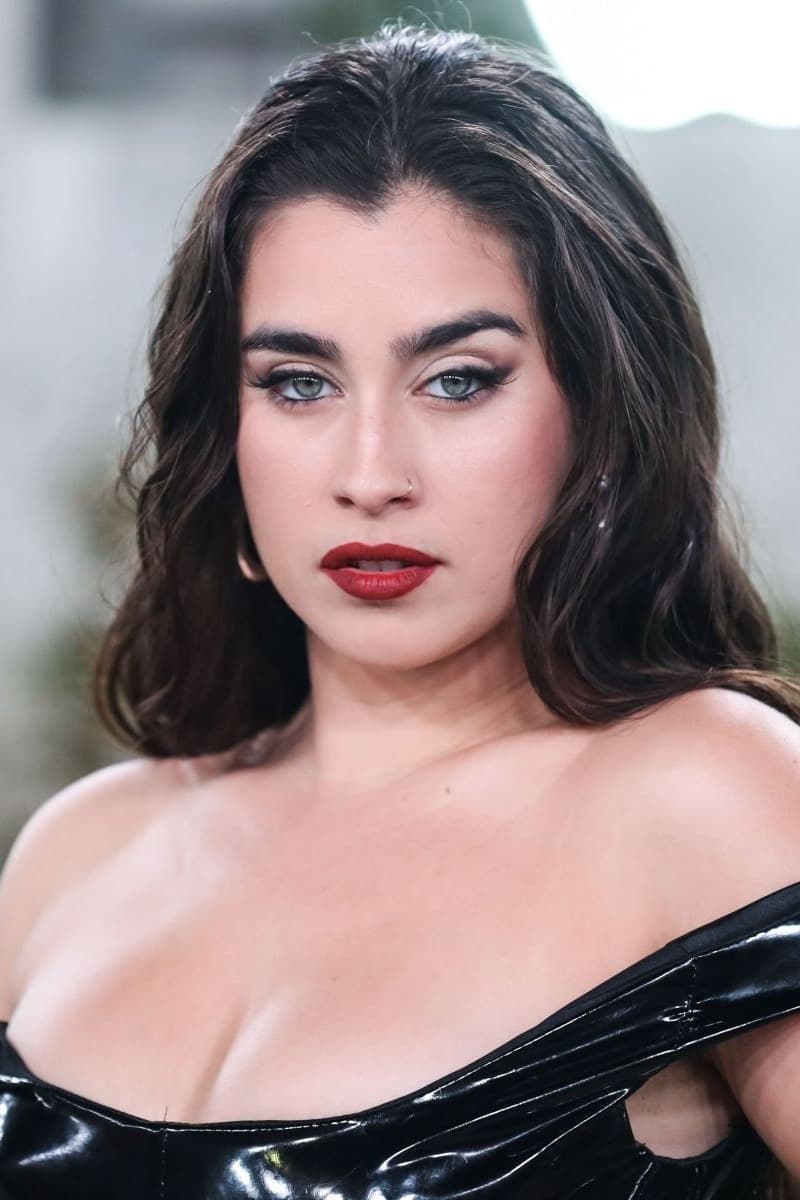
As a former member of the group Fifth Harmony, Lauren Jauregui has spoken openly about the discomfort she felt being hyper-sexualized at a young age. She described the pressure to wear revealing outfits and perform provocative choreography as a traumatic experience that did not align with her personal values. Since embarking on her solo career, she has taken full control of her image and stage presence to ensure it remains authentic to her identity. Her solo performances focus on vocal prowess and emotional connection rather than the synchronized sexual movements required in her early career. She continues to advocate for the autonomy of young women within the entertainment industry.
Kelly Clarkson
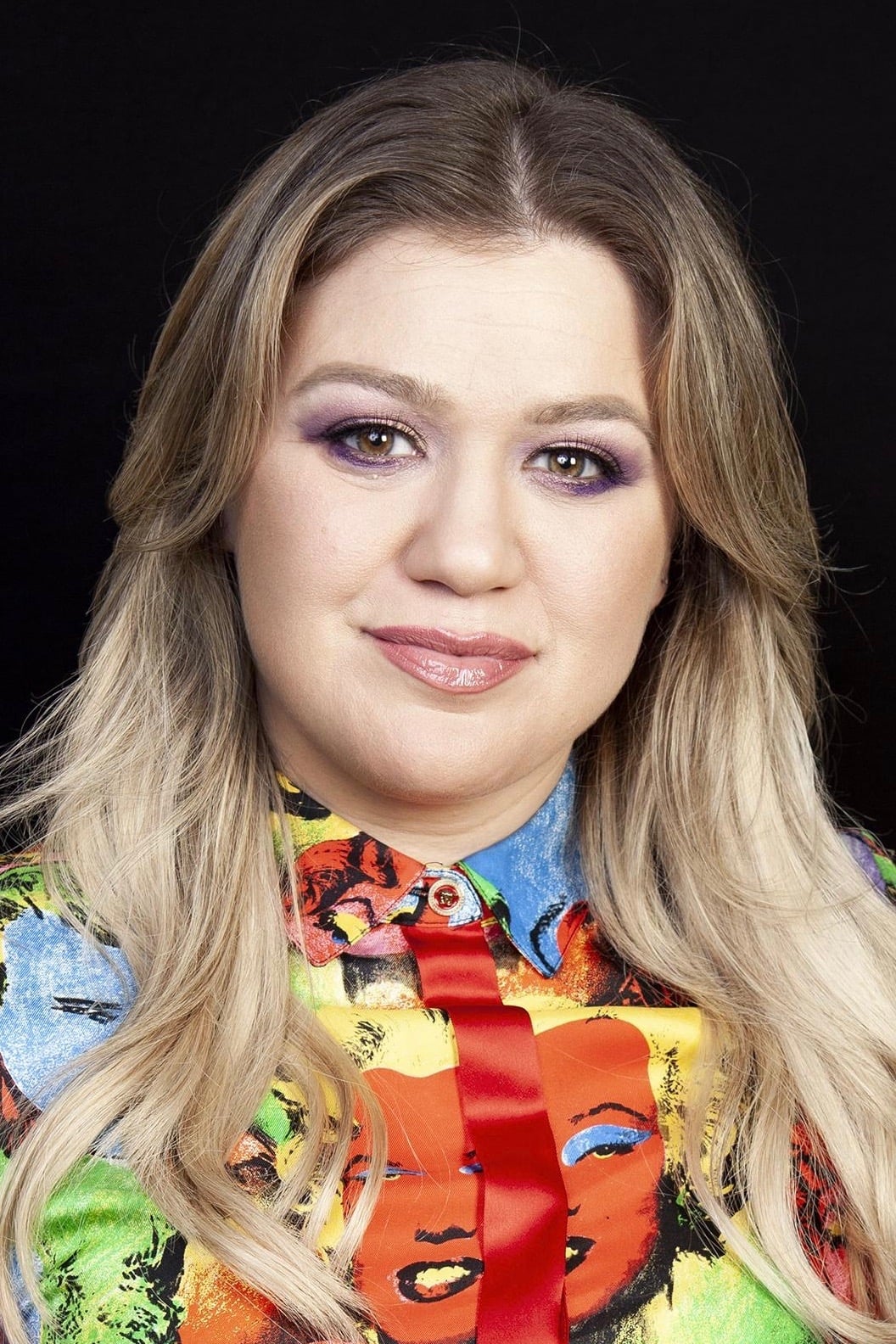
Kelly Clarkson famously resisted attempts by record executives to mold her into a sexualized pop icon following her win on ‘American Idol’. She has recounted instances where she was pressured to change her appearance and perform choreography that felt out of character for her. By standing her ground, she prioritized her vocal talent and a more relatable, down-to-earth persona that resonated with a wide audience. Her live shows are centered on her powerful voice and high-energy interaction with the crowd rather than calculated sexual appeal. This refusal to comply with industry expectations helped her build a sustainable and authentic career.
JoJo
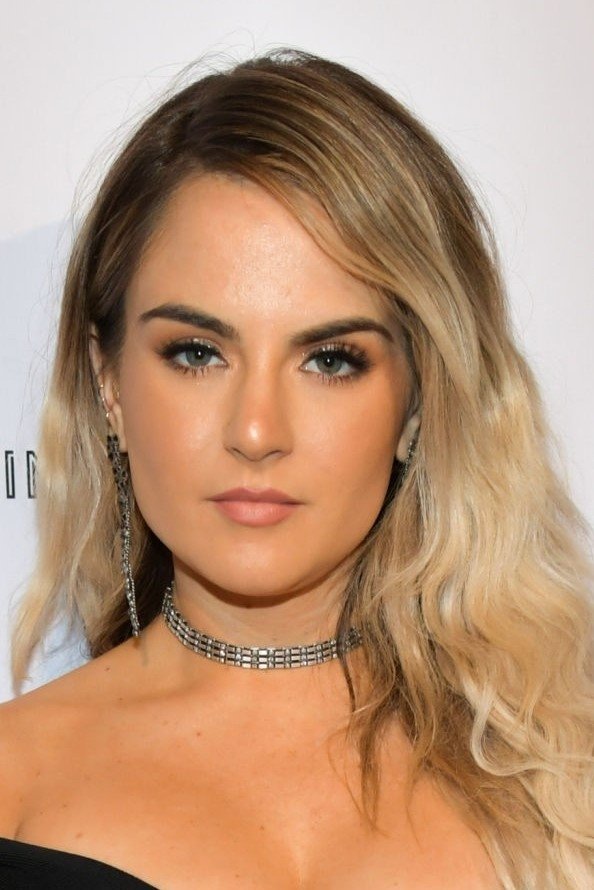
JoJo entered the music industry as a young teenager and faced immense pressure to act and look much older than she was. She has detailed the ways in which her former label tried to control her caloric intake and push her toward a more sexualized image during her transition into adulthood. After a long legal battle to gain her artistic freedom, she made a conscious choice to reject those previous industry demands. Her live performances now emphasize her technical vocal skills and soul-influenced pop style without relying on provocative choreography. She has stated that her current stage presence is a true reflection of her own comfort levels and artistic vision.
Avril Lavigne
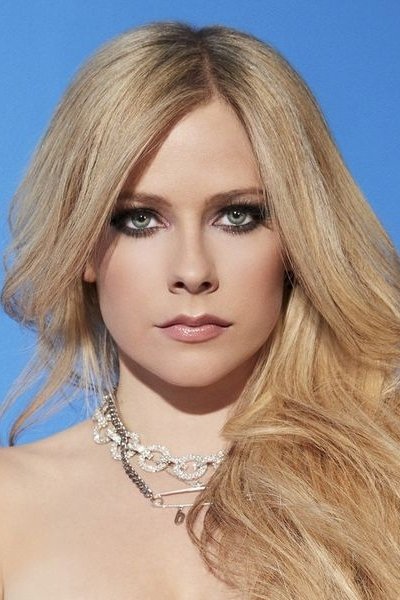
Avril Lavigne intentionally adopted a “tomboy” aesthetic during the early 2000s to differentiate herself from the highly sexualized pop stars of that era. She frequently wore neckties, baggy pants, and skate shoes, focusing on a punk-inspired performance style that prioritized energy over sex appeal. This branding was a deliberate refusal to follow the trend of synchronized, skin-baring choreography that dominated the charts at the time. Her live sets focused on her ability to play instruments and lead a rock band, which appealed to a demographic looking for an alternative to standard pop tropes. She remains a key figure in the movement that allowed female pop-rock artists to succeed without being sexualized.
Mandy Moore
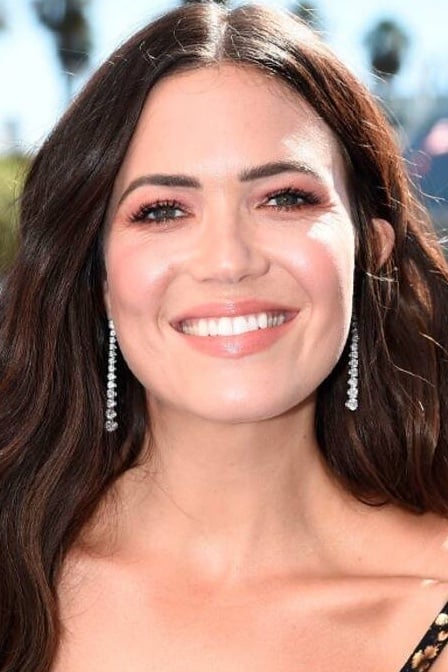
Mandy Moore has expressed regret over the “bubblegum” sexualized image she was given during her early career in the late 1990s. As she matured, she made a definitive pivot toward folk-pop and acting, distancing herself from the choreographed routines of her ‘Candy’ era. She has stated that she felt like a puppet during her teenage years and did not have the power to say no to the marketing strategies imposed upon her. Her later tours featured a more subdued, vocally centered approach that reflected her personal growth and musical preferences. By rejecting her initial pop persona, she was able to reinvent herself as a respected singer-songwriter and actress.
Pink
Pink has consistently prioritized athleticism and aerial acrobatics over traditional sexualized pop choreography throughout her career. While her shows are visually spectacular, they focus on physical strength and technical skill rather than provocative movements intended to satisfy the male gaze. She has been vocal about her desire to be seen as a powerful individual rather than a conventional sex symbol. Her refusal to follow the standard pop blueprint has allowed her to create a unique niche that combines rock energy with circus-level performance art. This approach has garnered her a reputation for having one of the most physically demanding and impressive live shows in the industry.
Adele
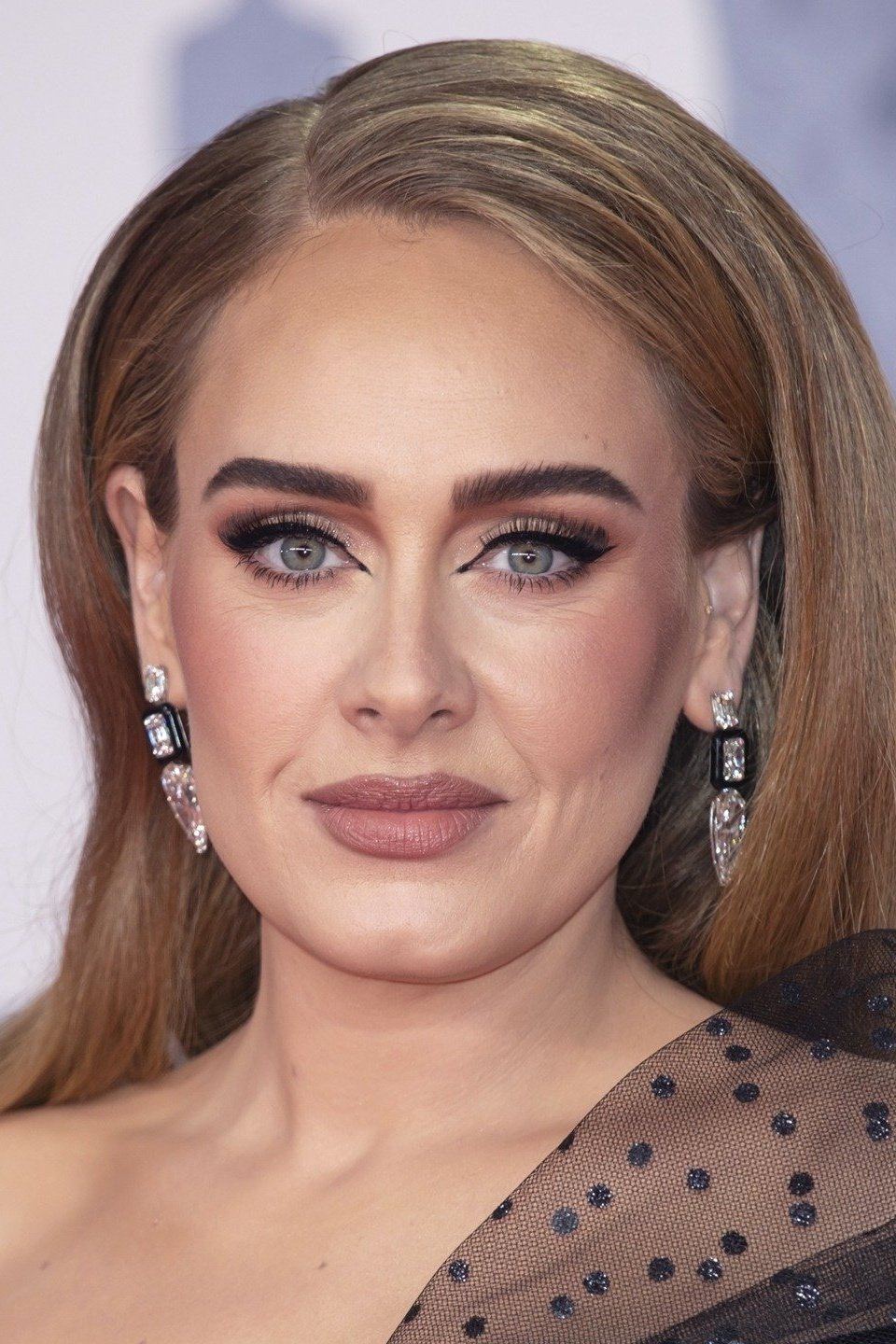
Adele has famously avoided the high-concept choreography and sexualized staging that often accompany major pop tours. She prefers to stand at a microphone or sit at a piano, allowing her vocal performance to be the sole focus of the evening. In interviews, she has joked about her lack of dancing ability, but she has also made it clear that she has no interest in the physical spectacle typical of her peers. Her refusal to incorporate dance allows her to maintain a deeply intimate and emotional atmosphere during her shows. This minimalist approach has not hindered her success, as she remains one of the highest-selling live acts in the world.
Alicia Keys
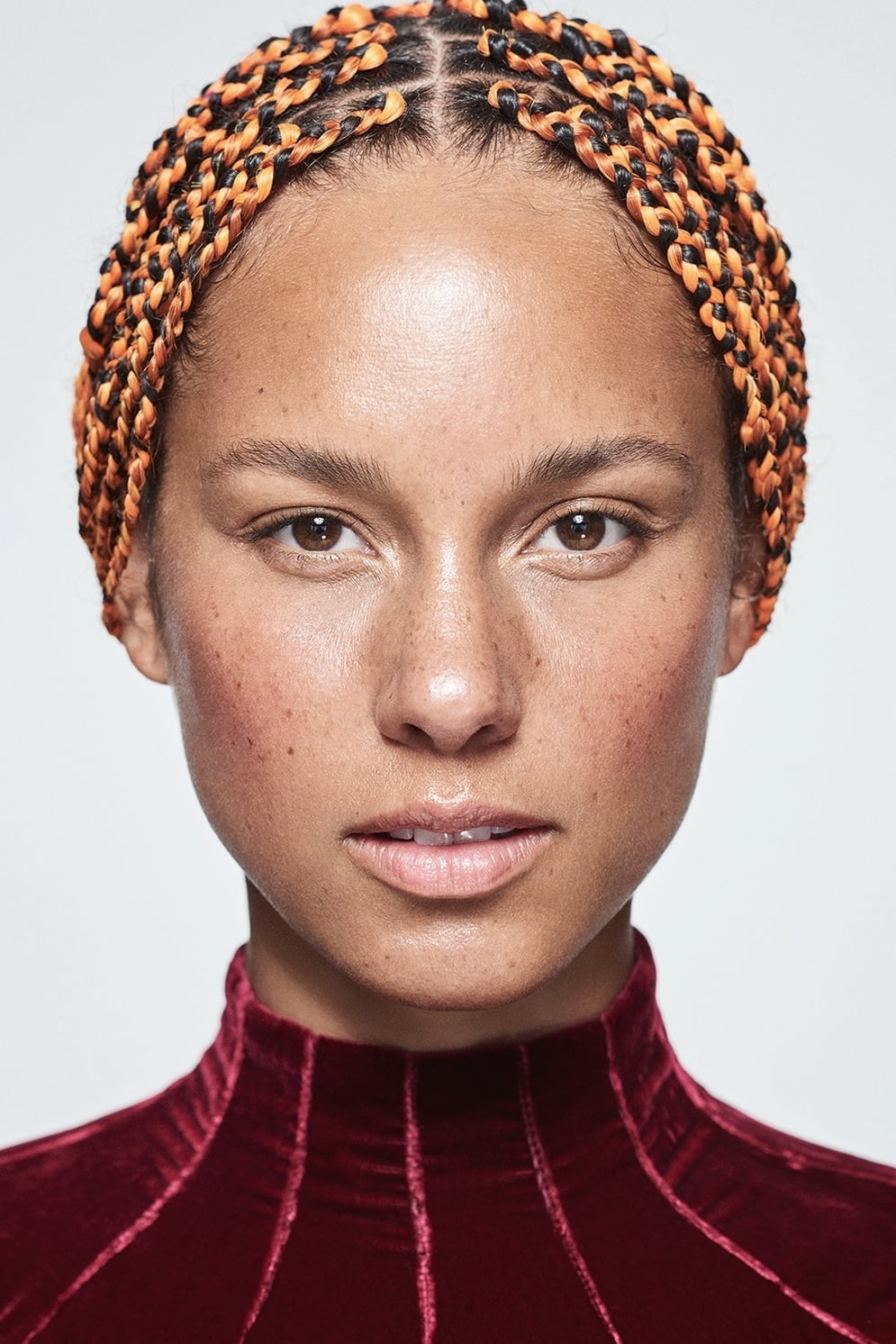
Alicia Keys made a significant cultural impact when she decided to stop wearing makeup and began opting for more modest, comfortable stage attire. This shift was part of a larger refusal to comply with the industry’s demand for female artists to be constantly “glamorous” and “sexy.” Her live performances are centered on her virtuoso piano playing and her message of empowerment and authenticity. By stripping away the superficial layers of pop stardom, she aimed to forge a more genuine connection with her audience. Her stance encouraged other artists to reconsider the necessity of sexualized imagery in their own careers.
Colbie Caillat

Colbie Caillat addressed the pressure to be sexualized and “perfect” in the music industry through her song and music video for ‘Try’. She has spoken about the constant push from labels to wear more revealing clothing and undergo extensive hair and makeup routines for live performances. Caillat chose to reject these expectations, often performing in simple, beach-inspired attire that reflected her actual personality. Her live shows focus on a relaxed, acoustic atmosphere that highlights her songwriting and natural vocal tone. This refusal to conform has made her a prominent voice for body positivity and authenticity in pop music.
Lily Allen

Lily Allen used her music and public platform to critique the way the pop industry utilizes sexualized backup dancers and imagery. Her song ‘Hard Out Here’ served as a satirical commentary on the double standards and pressures faced by women in entertainment. During her live shows, she often uses stage design and her own persona to subvert traditional expectations of how a female pop star should behave. While she incorporates elements of pop performance, she maintains a sharp, intellectual distance from the more gratuitous forms of choreography. Her refusal to play the “typical” pop star role has been a consistent theme throughout her career.
Sinéad O’Connor

Sinead O’Connor famously shaved her head early in her career specifically to prevent record executives from selling her based on her sex appeal. She was determined to be recognized for her voice and her political convictions rather than her physical appearance. Her live performances were often stark and intense, featuring minimal movement and a focus on raw emotional delivery. This radical refusal to be sexualized made her one of the most controversial and iconic figures in music history. She remained steadfast in her commitment to artistic integrity over commercial conformism until the end of her life.
Britney Spears

In her memoir ‘The Woman in Me’, Britney Spears detailed the ways in which she was often forced into sexualized performances and choreography against her will. She described feeling like a “child-robot” who was directed by others to project an image that did not always align with her internal state. Following the end of her conservatorship, she has expressed a strong desire to perform on her own terms or not at all. She has criticized the way she was handled by choreographers and management throughout her career, signaling a refusal to ever return to that level of controlled sexualization. Her current stance is one of total autonomy over her body and her creative output.
Demi Lovato

Demi Lovato has transitioned through several phases of her career, eventually moving toward a rock-influenced sound that prioritizes power and grit. She has spoken about the pressure she felt during her early pop years to be a “sexy” version of herself, which contributed to her personal struggles. In her recent tours, she has moved away from synchronized pop dancing in favor of a more traditional rock band setup. This shift allows her to focus on her vocal range and a more authentic, less manufactured stage presence. Her refusal to continue the sexualized pop narrative has been a key part of her journey toward self-actualization.
Selena Gomez
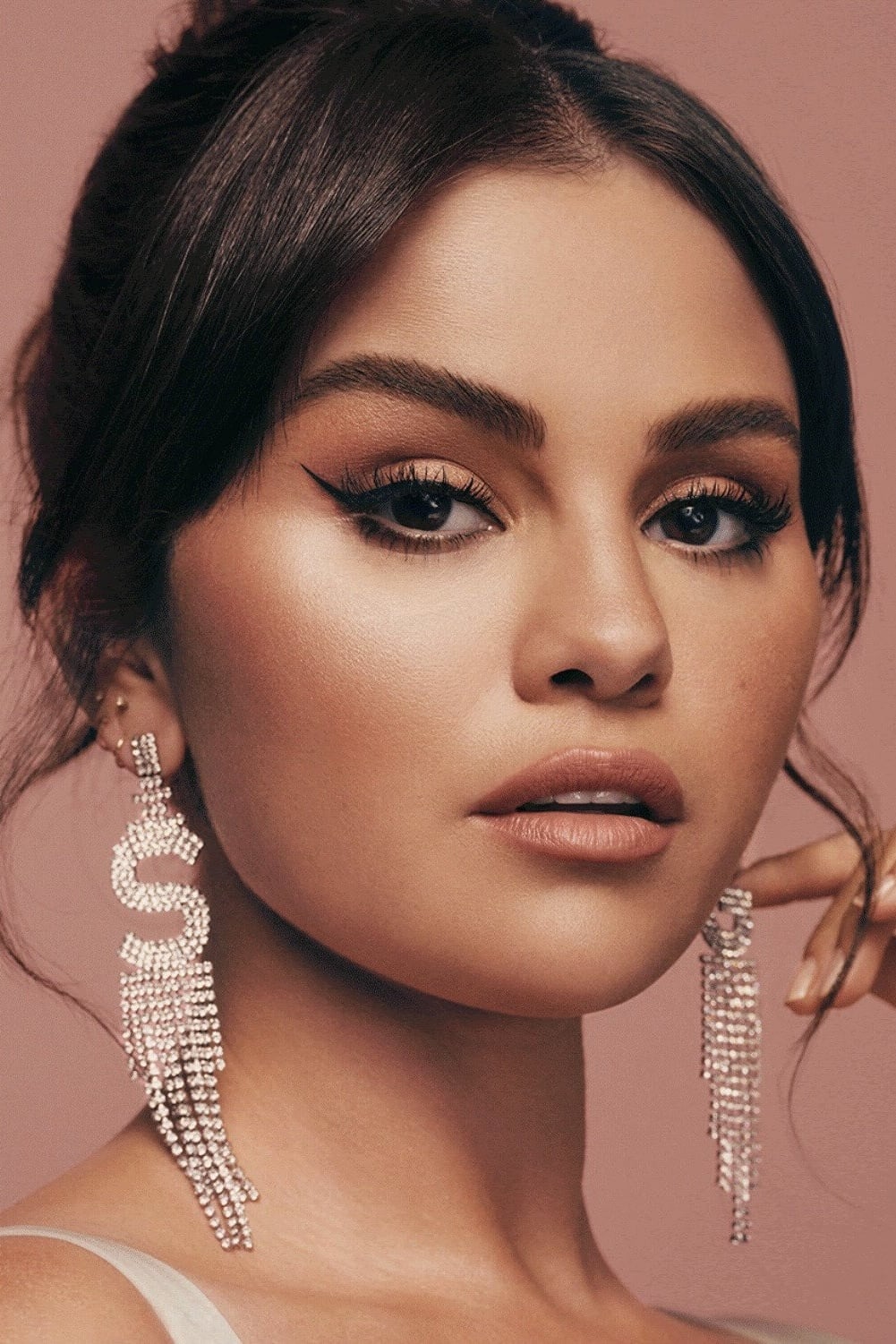
Selena Gomez has admitted to feeling pressured to look and act more sexualized during certain eras of her career, specifically citing the ‘Revival’ album cycle. She has since expressed that she wants her performances to feel more representative of her actual character and comfort levels. Her more recent live appearances have favored elegant staging and a focus on the narrative of her songs rather than high-intensity choreography. By stepping back from the “sexy pop star” archetype, she has been able to focus on her mental health and more personal artistic projects. Her current approach emphasizes vulnerability and connection over physical provocation.
Tori Kelly

Tori Kelly has maintained a career centered almost entirely on her vocal talent and guitar skills, intentionally avoiding sexualized choreography. She rose to fame through YouTube and ‘American Idol’, where she established herself as a serious musician rather than a manufactured pop product. In her live shows, she rarely employs backup dancers or elaborate routines that would distract from her musicality. She has stated that she wants to be a role model for young girls by showing that success can be achieved through talent alone. Her refusal to use sex as a marketing tool has earned her significant respect within the industry.
Alessia Cara
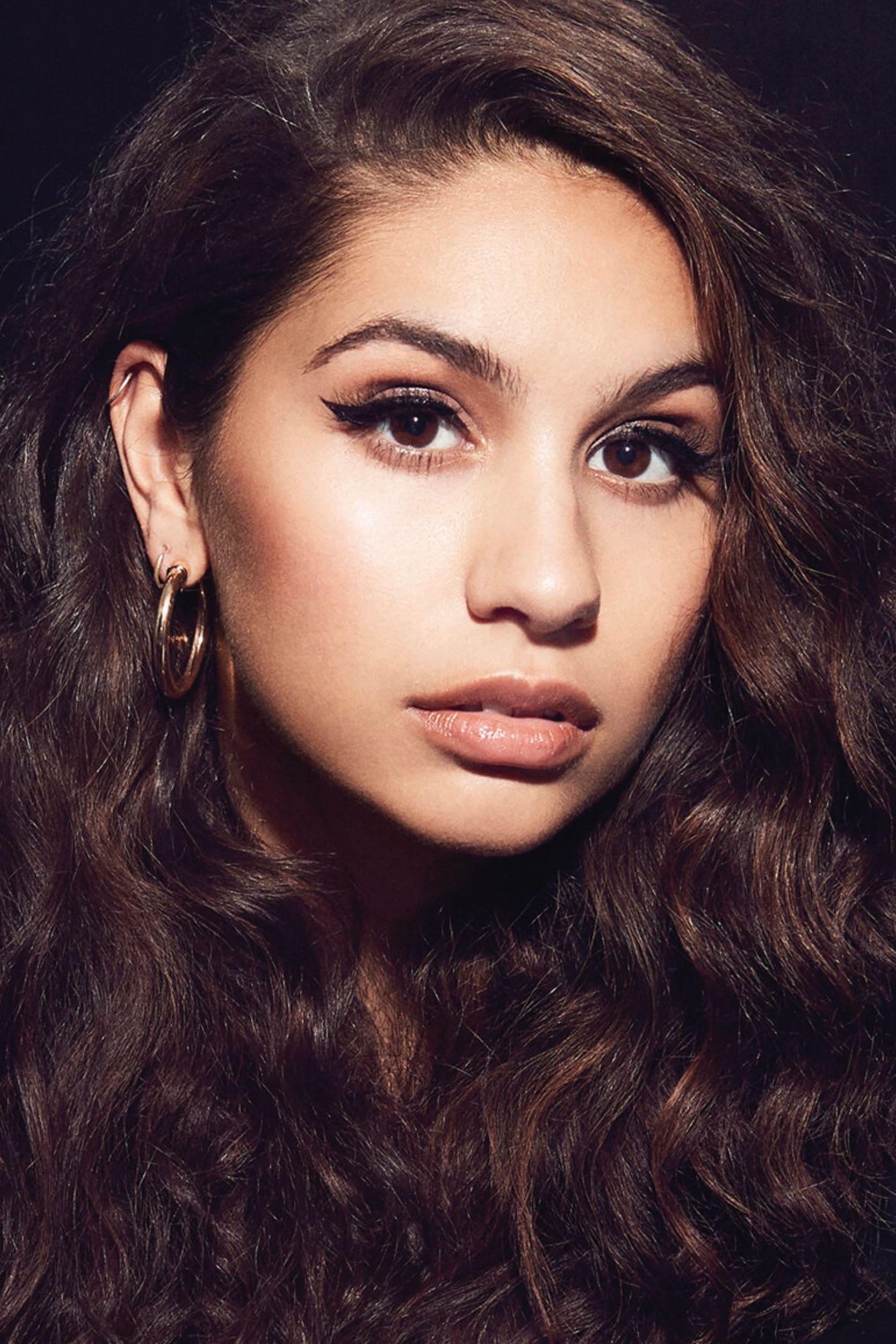
Alessia Cara is well-known for her “anti-pop star” aesthetic, frequently appearing on stage in oversized sweatshirts, jeans, and minimal makeup. She has been vocal about her refusal to change her appearance or her performance style to fit the industry’s standard of a sexualized female lead. Her live shows are grounded and relatable, focusing on her soulful voice and the social commentary within her lyrics. This intentional choice to remain “ordinary” has allowed her to build a loyal fanbase that values her authenticity. She remains a prominent example of an artist who succeeded by rejecting the traditional pop makeover.
Sia
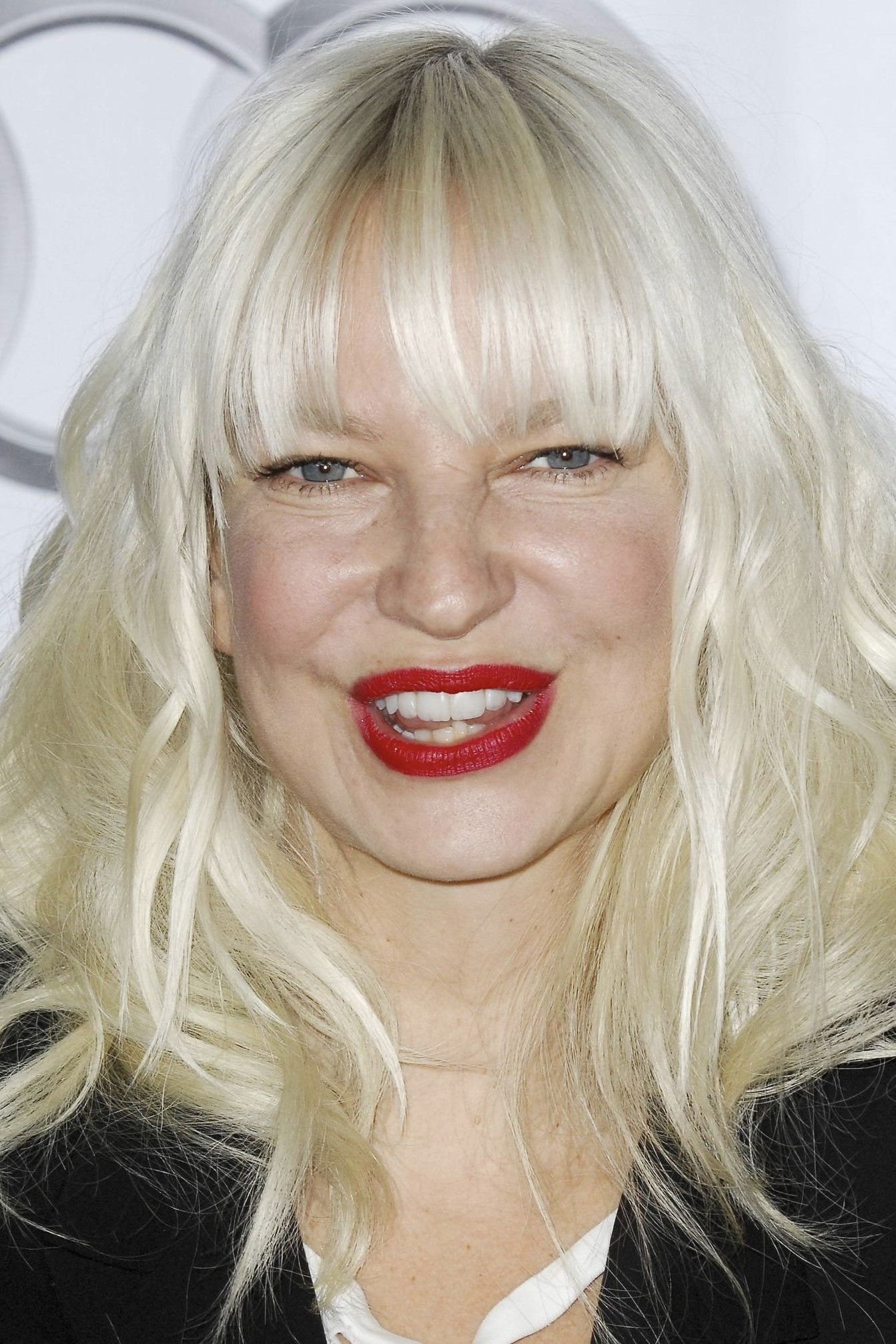
Sia took the radical step of hiding her face behind elaborate wigs and using modern dancers like Maddie Ziegler to perform her choreography. This was a deliberate effort to remove herself from the sexualized gaze of the public and the media. By positioning herself as a stationary vocal powerhouse while others performed artistic, non-sexualized movement, she maintained her privacy and artistic control. This setup allowed her to critique the nature of fame while still delivering a high-concept pop show. Her refusal to be the physical centerpiece of her own performances redefined how a pop star can exist in the modern era.
Janelle Monáe
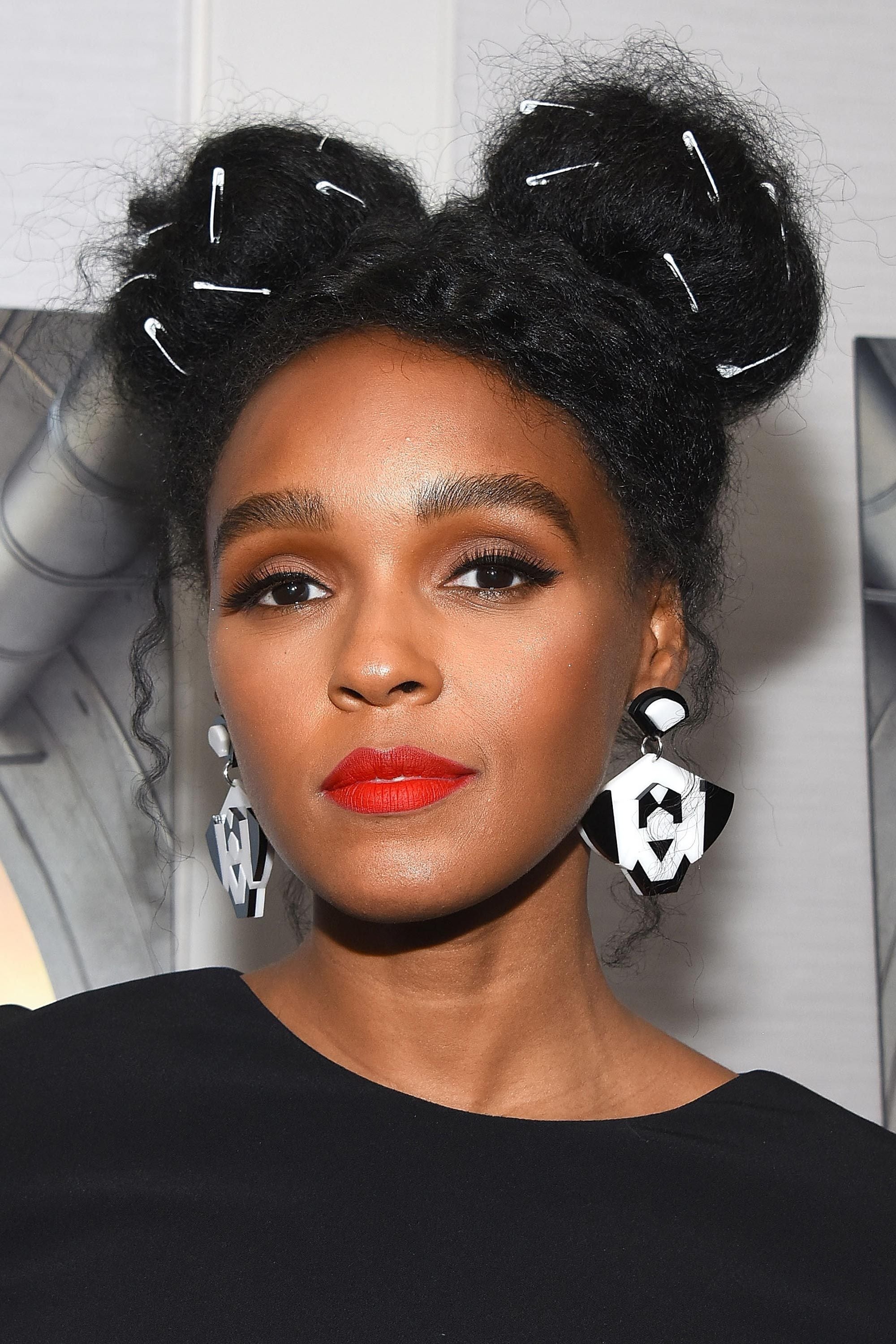
For much of her early career, Janelle Monáe exclusively wore black-and-white tuxedos to pay homage to her working-class roots and to subvert sexualized expectations. She has stated that she wanted to redefine what it meant to be a woman in music by focusing on her “Android” persona and her conceptual storytelling. Her choreography is often inspired by James Brown and silent film stars, emphasizing rhythm and precision over sexual provocation. While her style has evolved, she remains committed to using her image as a tool for social and gender commentary. Her refusal to conform to the “sexy” pop standard helped her establish a unique and influential brand.
Florence Welch
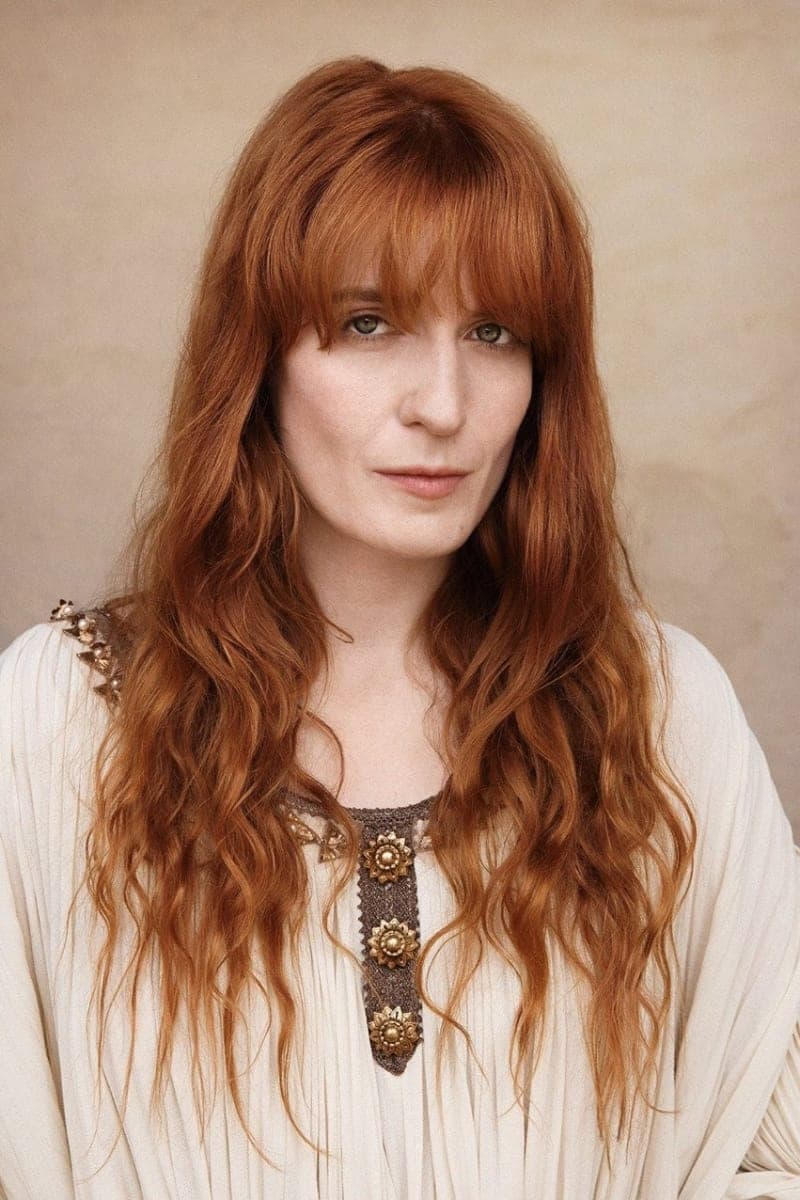
Florence Welch, the lead singer of Florence + The Machine, utilizes ethereal and interpretive movement that aligns with the sweeping, cinematic nature of her music. She avoids the synchronized, highly sexualized routines common in mainstream pop, opting instead for a more shamanic and free-spirited stage presence. Her live shows are often compared to a theatrical or spiritual experience rather than a standard concert. By rejecting traditional choreography, she has created a visual language that is entirely her own. Her refusal to be sexualized allows the focus to remain on the grandiosity of her vocals and the poetic themes of her work.
Hayley Williams
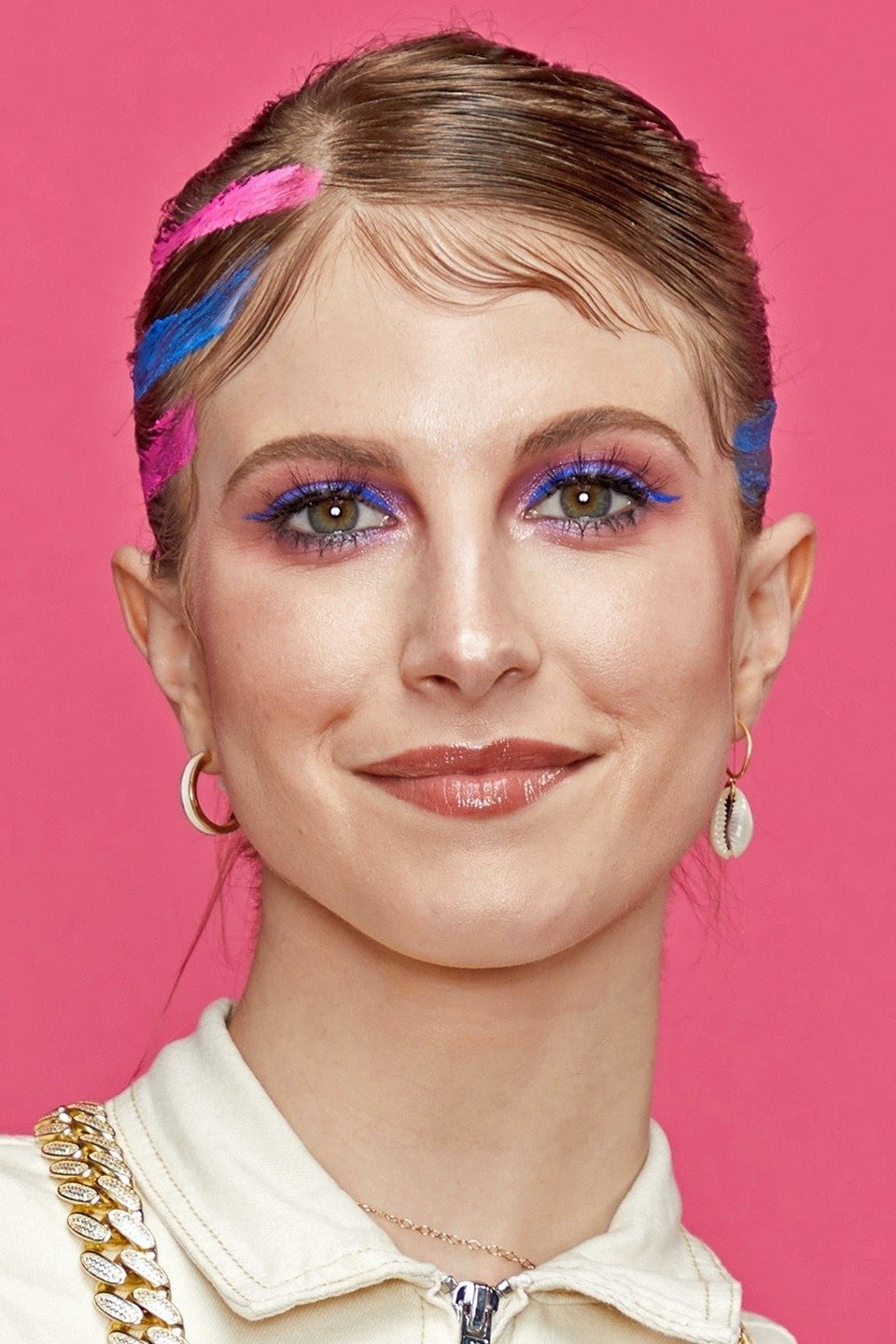
As the frontwoman of Paramore, Hayley Williams has always projected a high-energy, punk-inspired persona that emphasizes movement and vocal power. She has consistently resisted the pressure to transition into a more sexualized solo pop star, even when the band’s sound shifted toward pop-rock. Her stage presence is characterized by headbanging and sprinting across the stage, focusing on the communal energy of the performance. She has spoken about the importance of being a woman in the alternative scene who is respected for her talent rather than her looks. Her refusal to participate in sexualized choreography has made her a staple icon for alternative and pop fans alike.
Shania Twain
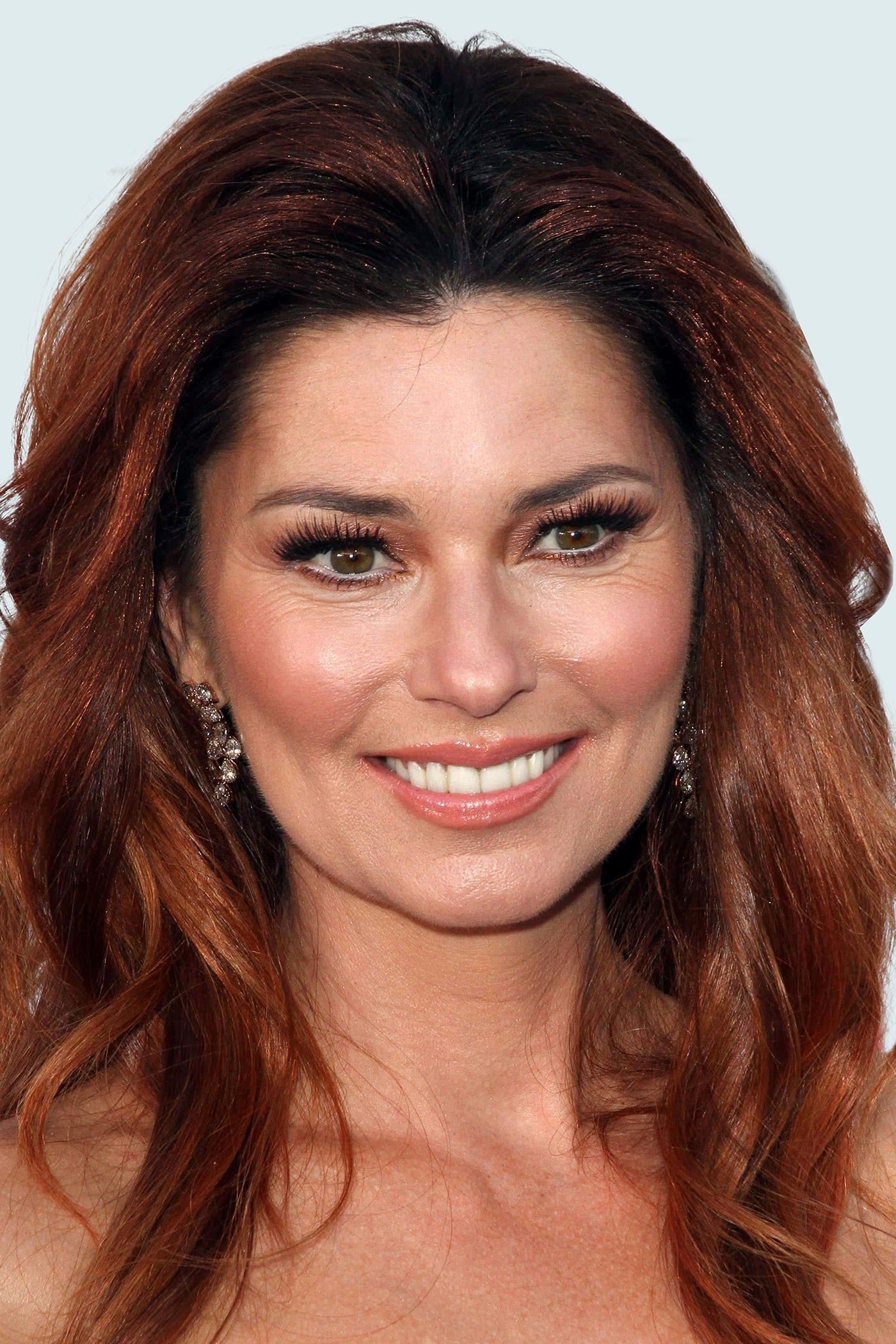
During the peak of her career in the 1990s, Shania Twain famously fought her record label for the right to control her own image and creative direction. While she utilized fashion and glamour, she did so on her own terms, often incorporating a “girl power” theme that was more about confidence than sexual submission. She has recounted instances where she had to say no to more provocative ideas suggested by industry executives. Her live shows featured energetic performance but avoided the hyper-sexualized dance routines that were becoming standard in the pop-country crossover world. Her success proved that a female artist could be both a sex symbol and a powerful, autonomous leader of her own brand.
Jewel

Jewel emerged in the 1990s as a folk-pop artist who refused to change her appearance to suit the burgeoning “pop princess” trend. She has spoken about the pressure she faced to fix her teeth and wear more revealing clothing during the early 2000s when she experimented with a more pop-oriented sound. Despite these pressures, she maintained a level of modesty and focused on her songwriting and vocal performance. Her live shows remained centered on her ability to connect with an audience through storytelling and acoustic music. Her refusal to fully lean into a sexualized image helped her maintain her credibility as a singer-songwriter.
Fiona Apple

Fiona Apple has had a famously tumultuous relationship with the music industry, often speaking out against its exploitative nature. After the success of her ‘Criminal’ music video, which she later felt uncomfortable with, she moved toward a much more raw and less polished performance style. Her live shows are known for their intense emotionality and her refusal to perform in a way that is “pleasing” or traditionally sexualized. She often performs with a level of vulnerability and unpredictability that rejects the standard pop performance template. Her career is a testament to prioritizing artistic honesty over commercial or physical appeal.
Alanis Morissette

Alanis Morissette’s ‘Jagged Little Pill’ era revolutionized the industry by showing that a woman could be angry, raw, and unpolished and still achieve massive success. She rejected the choreographed, sexualized performances of her contemporaries in favor of a grounded, high-intensity rock show. Her movement on stage was frantic and cathartic, focusing on the release of emotion rather than physical allure. This refusal to conform to the “pretty” pop star image resonated with millions of listeners globally. She remains a key figure in the movement toward authenticity and emotional transparency in music.
Sara Bareilles

Sara Bareilles has consistently focused on her identity as a musician and songwriter, often performing while seated at a piano. She has avoided the high-concept, dance-heavy performances that characterize much of the modern pop landscape. In her lyrics and interviews, she has expressed a preference for authenticity and a distaste for the “marketable” sexualized image. Her live shows are celebrated for their vocal clarity and the personal connection she establishes with her fans. By refusing to incorporate traditional pop choreography, she has carved out a successful and enduring career based on musical merit.
Norah Jones
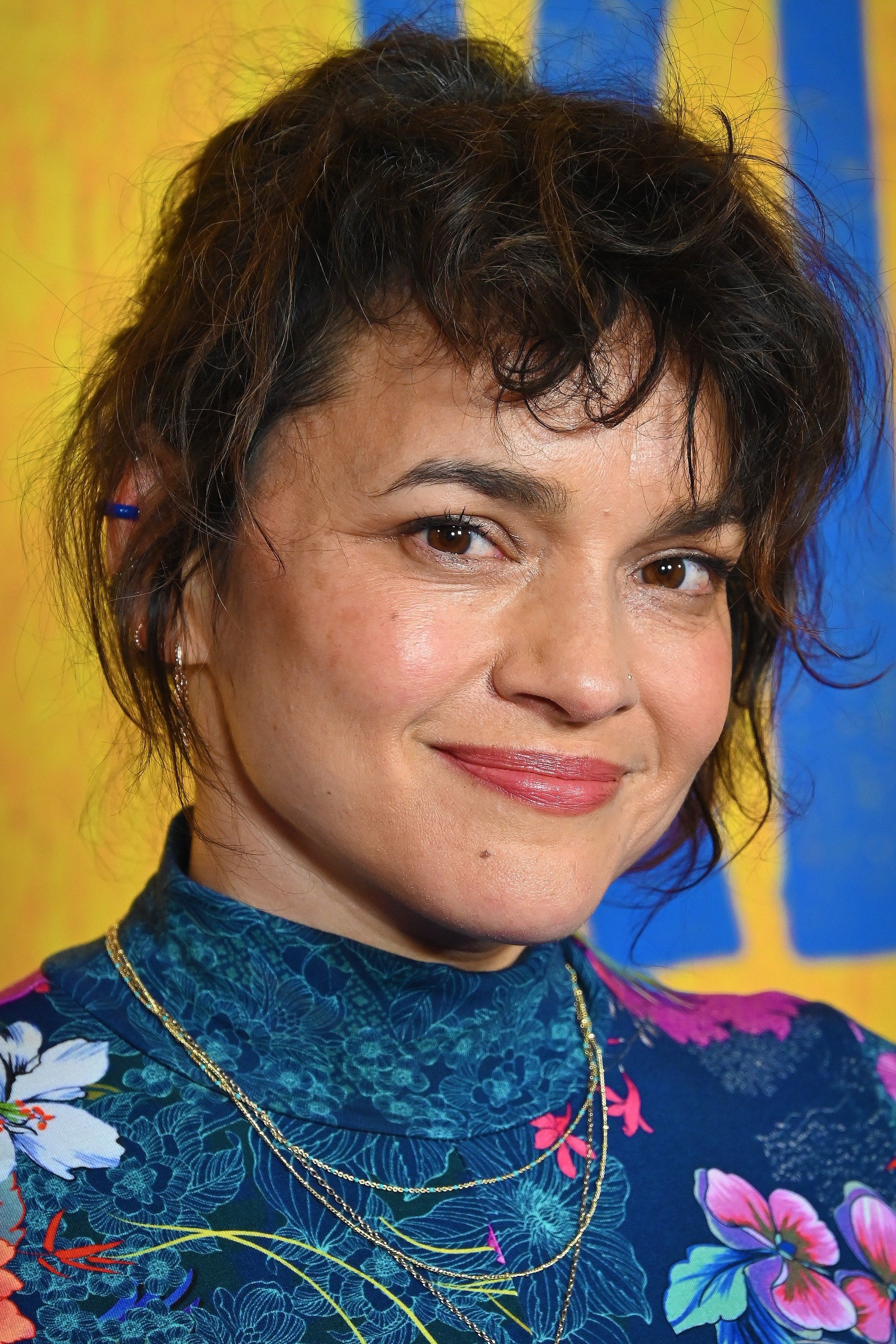
Norah Jones achieved worldwide fame with a style that was the antithesis of the highly sexualized pop-MTV culture of the early 2000s. She refused to undergo a “pop makeover” and stayed true to her jazz and blues roots, performing mostly while seated at her piano. Her live sets are intimate and focused entirely on the music, with no reliance on dance or provocative staging. This refusal to conform to pop standards allowed her to appeal to a sophisticated, multi-generational audience. She remains one of the best-selling artists of her generation, proving that a low-key approach can be immensely successful.
Solange
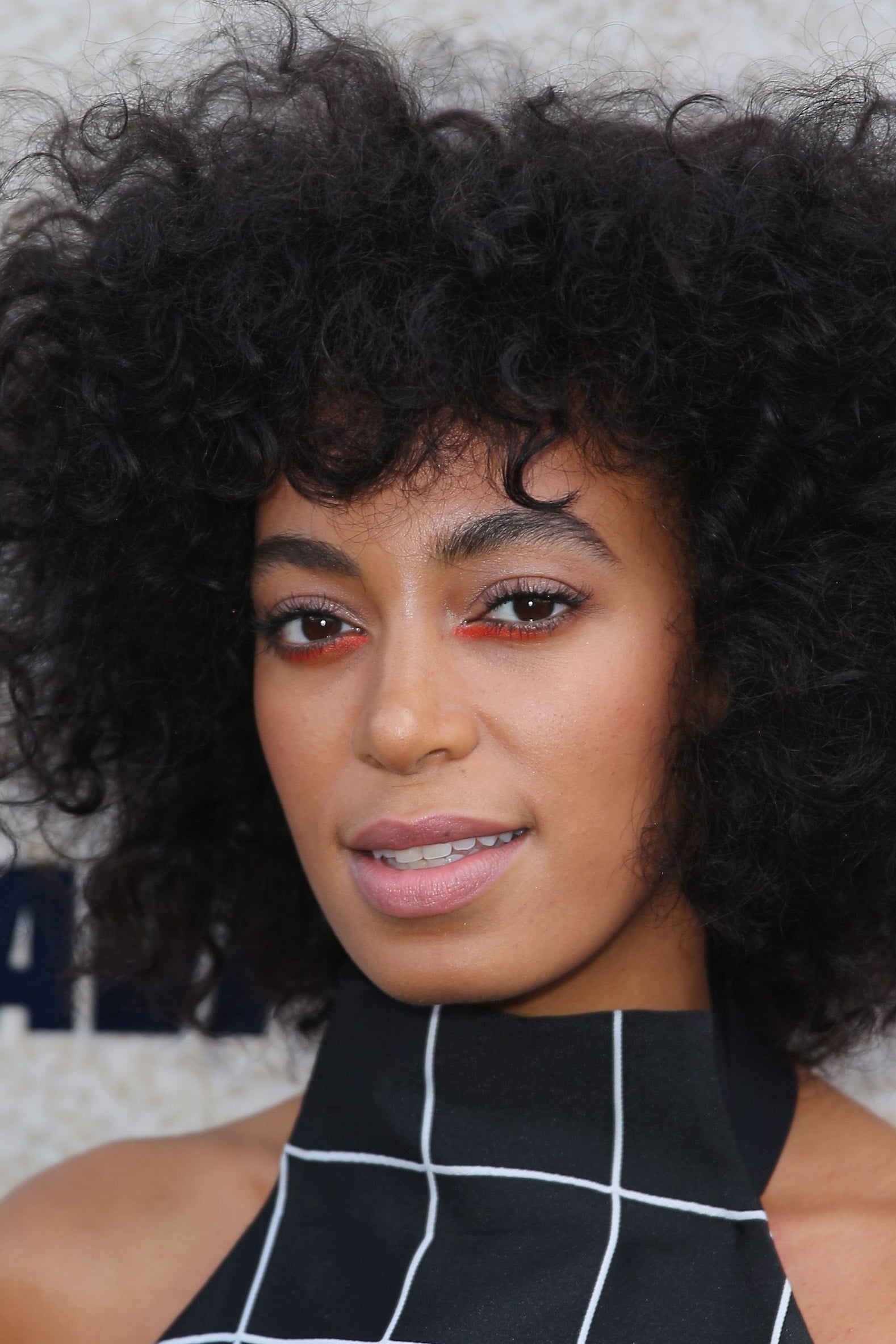
Solange Knowles transitioned from traditional R&B to a more avant-garde, art-pop style that utilizes geometric and synchronized movement as high art. Unlike mainstream sexualized choreography, her stage shows are meticulously designed to evoke specific moods and social themes, particularly regarding Black identity. She has taken full creative control of her performances, often directing the choreography and stage design herself. Her movement is characterized by grace and intentionality rather than sexual appeal. This refusal to follow the standard “pop diva” path has made her one of the most respected creative forces in modern music.
Courtney Love

Courtney Love used the “kinderwhore” aesthetic—torn babydoll dresses and messy makeup—to subvert and mock traditional notions of female beauty and sexuality. As the frontwoman of Hole, her stage presence was often chaotic and confrontational, intentionally rejecting the “polished” and sexualized look of female pop stars. She used her body as a site of rebellion rather than a product for consumption. While she was a controversial figure, her refusal to be a “standard” female performer influenced a generation of alternative artists. Her live shows were about raw power and subverting the male gaze through extreme performance art.
Björk

Björk is known for her avant-garde approach to music and performance, which exists entirely outside the realm of traditional pop sexualization. Her live shows feature elaborate, surreal costumes and visual effects that prioritize artistic expression over physical attraction. She has never utilized standard pop choreography, preferring to move in ways that reflect the complex rhythms of her music. Throughout her decades-long career, she has maintained total creative autonomy and resisted any attempts to commercialize her image in a conventional way. Her refusal to follow any industry trends has made her one of the most unique and influential artists in history.
Erykah Badu
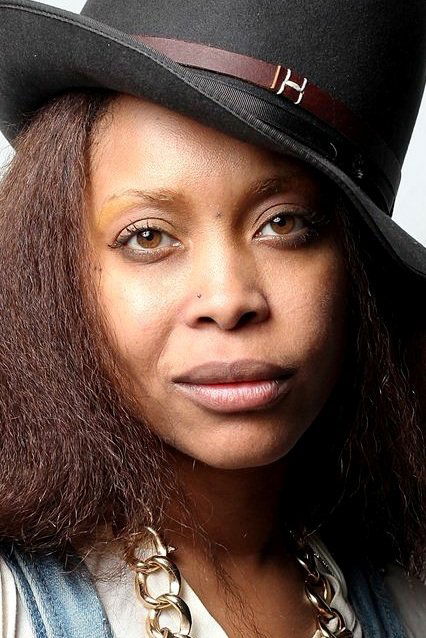
Erykah Badu’s stage presence is a celebration of spirituality, Afrocentrism, and individual style, often featuring oversized headwraps and flowing garments. She has consistently rejected the pressure to be sexualized in her live performances, focusing instead on her “Neo-Soul” sound and her connection to her heritage. Her movement on stage is fluid and rhythmic, serving the music rather than a calculated “sexy” image. She has spoken about the importance of being an autonomous woman who defines her own beauty standards. Her refusal to comply with industry norms has helped her maintain a legendary status in the R&B and soul communities.
Lauryn Hill
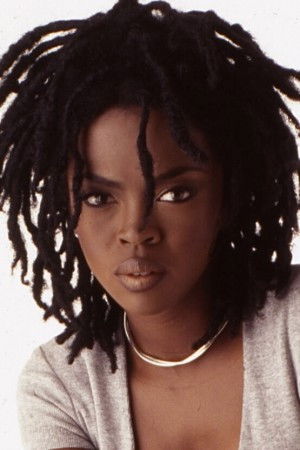
During her rise to solo stardom, Lauryn Hill made a point of performing in modest, stylish clothing that emphasized her dignity and her message. Following the massive success of ‘The Miseducation of Lauryn Hill’, she moved away from the public eye and returned with a stark, acoustic performance style. This shift was a definitive refusal to continue the high-glamour, sexualized trajectory that was expected of her. Her live shows became focused on her lyrics and her social and spiritual commentary. She remains a powerful symbol of an artist who chose her own path over industry expectations of a female superstar.
Meghan Trainor

Meghan Trainor launched her career with a focus on body positivity and a retro, “Doo-Wop” influenced sound that favored modest, colorful staging. While her shows include choreography, they often lean toward a playful and communal vibe rather than a highly sexualized one. She has spoken about her initial insecurities and her desire to create music that makes people feel good about themselves without needing to be “sexy.” Her refusal to fit the “thin and sexualized” pop star mold was a core part of her early marketing and success. She has maintained a family-friendly performance style that aligns with her personal brand.
Zendaya

During her brief but successful music career, Zendaya maintained a professional and age-appropriate image that avoided the sexualized tropes typical of former child stars. She was highly involved in her own styling and choreography, ensuring that her performances remained focused on her dance skills and vocal ability. She has stated that she felt a responsibility to her young fans to remain a positive role model. Even as she transitioned into more mature acting roles, she remained critical of the ways young women are pressured in the entertainment industry. Her refusal to use sex appeal to sell her music was a deliberate and successful choice.
Victoria Justice

Victoria Justice transitioned from a successful career on Nickelodeon to a music career while maintaining a wholesome and professional image. She consistently refused to incorporate highly sexualized choreography or revealing outfits into her live shows, even as many of her peers were moving in that direction. Her performances were designed to be energetic and fun for a broad audience, focusing on her vocals and stage presence. She has remained vocal about her commitment to staying true to herself and her comfort levels. This refusal to “grow up” too fast through sexualization helped her maintain a loyal and supportive fanbase.
Lauren Alaina
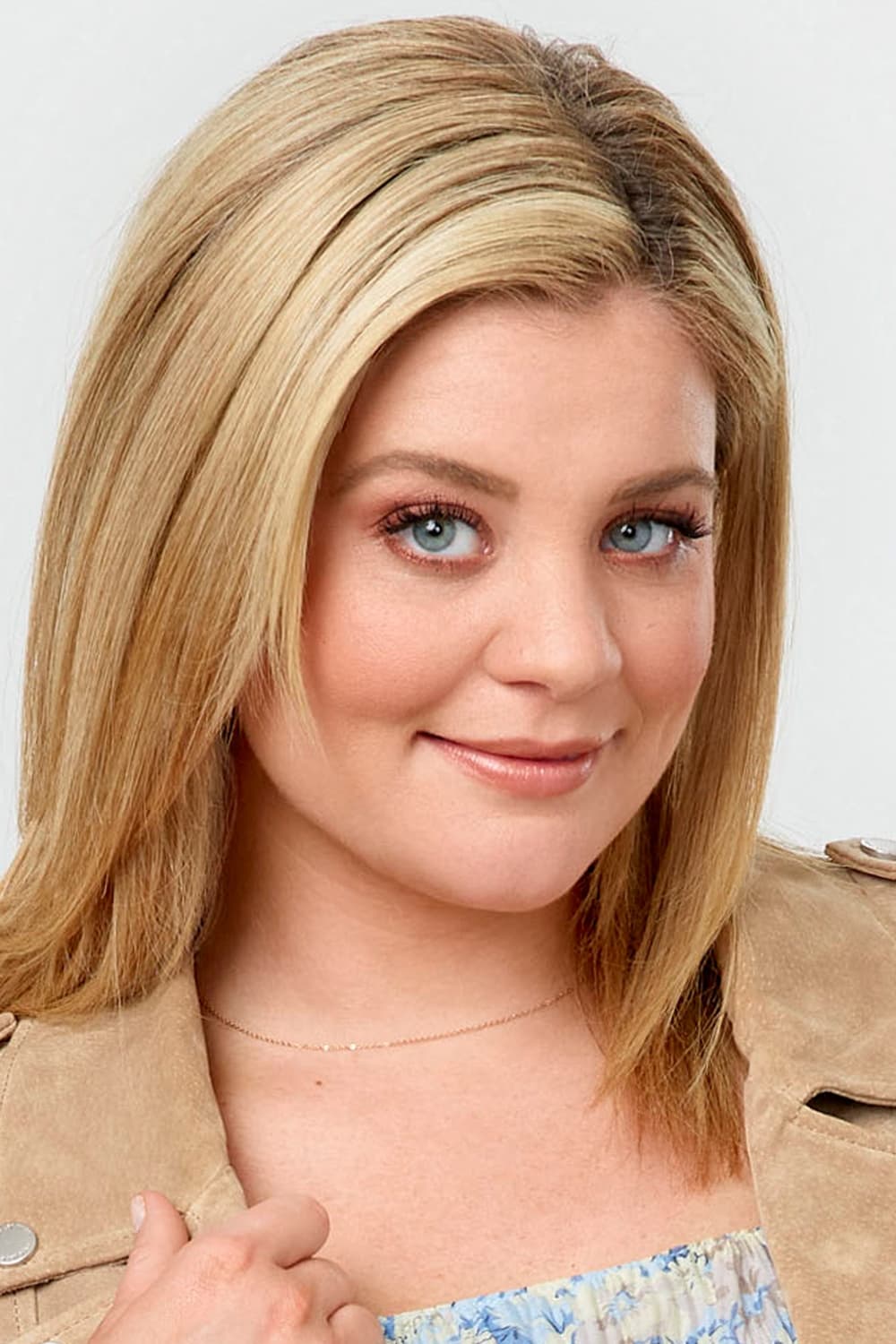
Country-pop star Lauren Alaina has spoken about her refusal to wear certain outfits during her early career, particularly when she was a contestant on ‘American Idol’. She felt that some of the suggested clothing was too revealing and did not reflect her personal or Southern values. Throughout her professional career, she has maintained a stage presence that is high-energy but consistently modest and professional. She often uses her platform to speak about body image struggles and the importance of self-respect. Her refusal to be sexualized has become a key part of her relatability as a performer in the country-pop genre.
Carrie Underwood
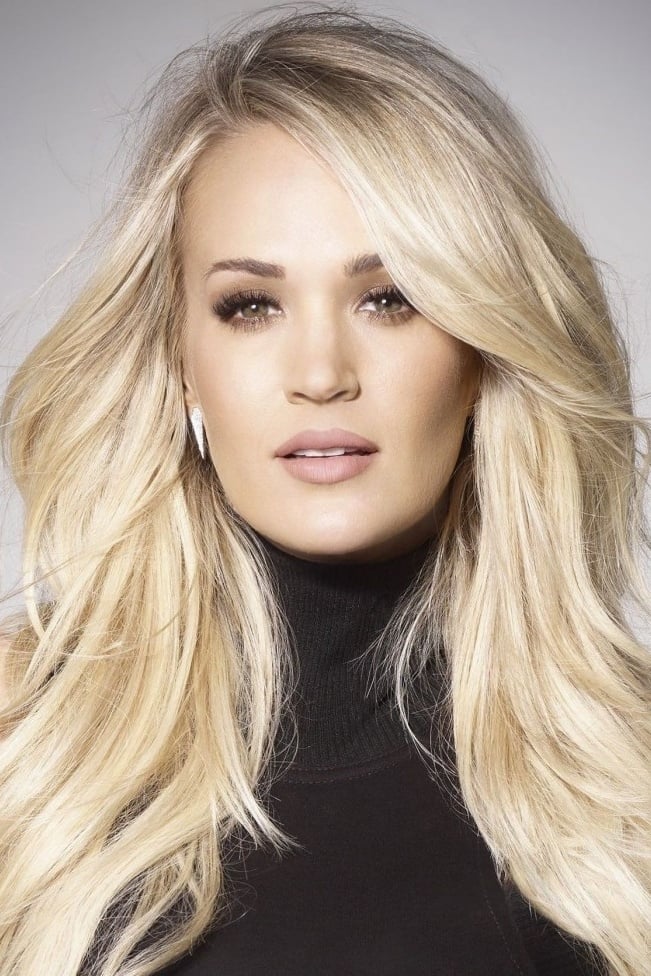
Carrie Underwood is known for her immense vocal talent and her consistently professional, conservative stage presence. While she wears glamorous stage outfits, they are never designed to be overtly sexual or provocative in a way that distracts from her music. She has managed to become one of the biggest stars in the world without ever relying on sexualized choreography or imagery. Her live shows focus on the storytelling within her songs and her powerful live vocals. Her refusal to follow the more “edgy” or sexualized trends in pop-country has not hindered her status as a global superstar.
Regina Spektor

Regina Spektor’s live performances are characterized by her quirky, piano-driven storytelling and her lack of traditional pop artifice. She avoids any form of dance or sexualized staging, preferring to let her complex lyrics and vocal gymnastics take center stage. Her stage presence is often described as charming and whimsical, which is a direct refusal of the “sexy pop diva” archetype. She has maintained a successful career by staying true to her indie-pop roots and her own personal comfort levels. Her refusal to incorporate mainstream pop tropes has earned her a dedicated cult following and critical acclaim.
Share your thoughts on these artists and their impact on the industry in the comments.