

Popular Anime That Rely Way Too Much On Fan Service

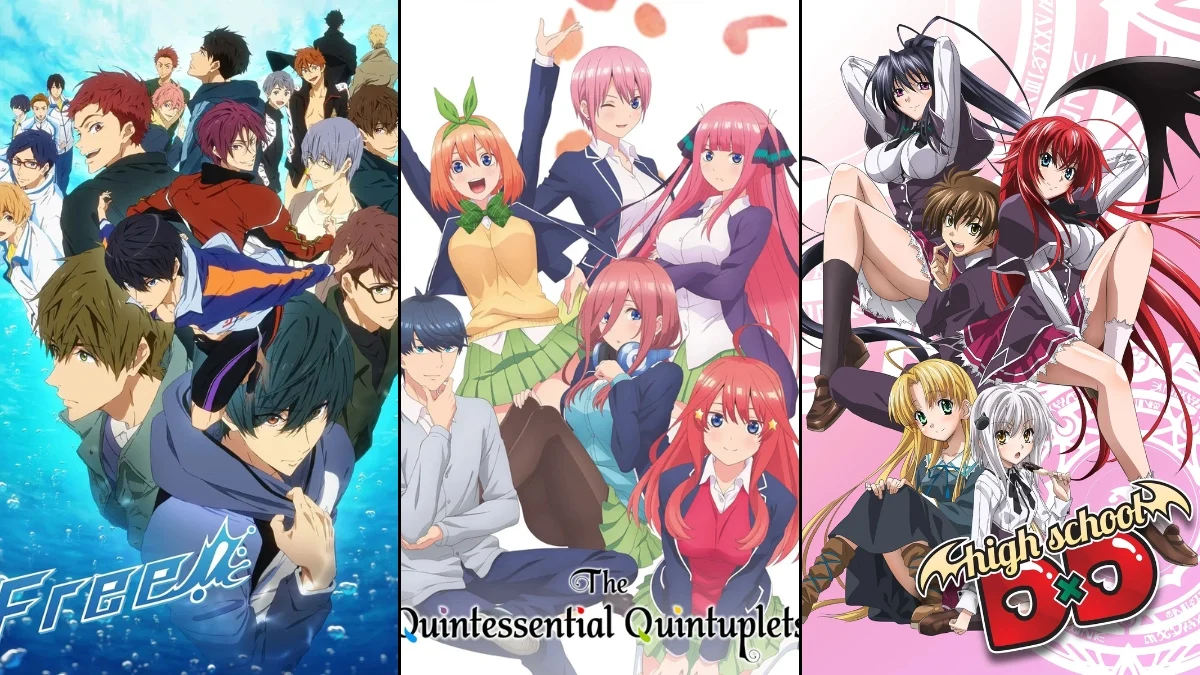


Fan service shows up across genres—from action and fantasy to slice-of-life—and some series lean on it as a recurring hook alongside the plot. Below are widely known anime where revealing outfits, beach episodes, “accidental” mishaps, exaggerated character designs, and cheeky camera angles are regular features. You’ll also see patterns like uncensored home-video releases, running gags tied to wardrobe malfunctions, and character archetypes designed to set up risqué humor. This list highlights what each series is about and the common fan-service devices it uses, so you know exactly what you’re getting.
‘High School D×D’ (2012–2018)
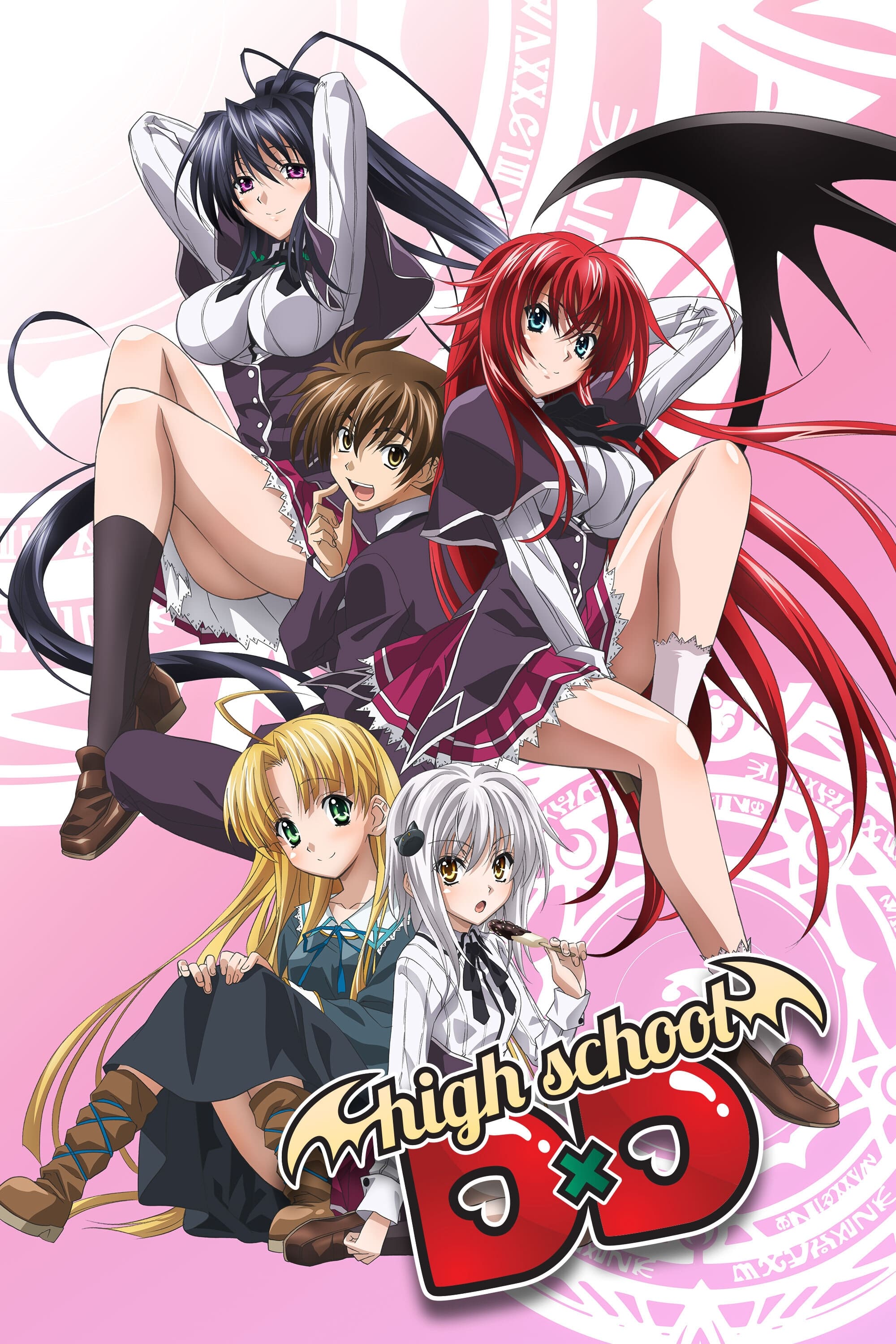
This supernatural action-comedy follows a high schooler reborn into a devil’s household, mixing harem antics with battles against angels and fallen angels. Fan service appears in nearly every episode through lingerie gags, bath scenes, and transformation sequences. Broadcast versions often used light beams or fog, with home releases providing uncensored cuts. Character dynamics and many jokes are structured around suggestive situations between the lead and multiple heroines.
‘To LOVE-Ru’ (2008–2010)
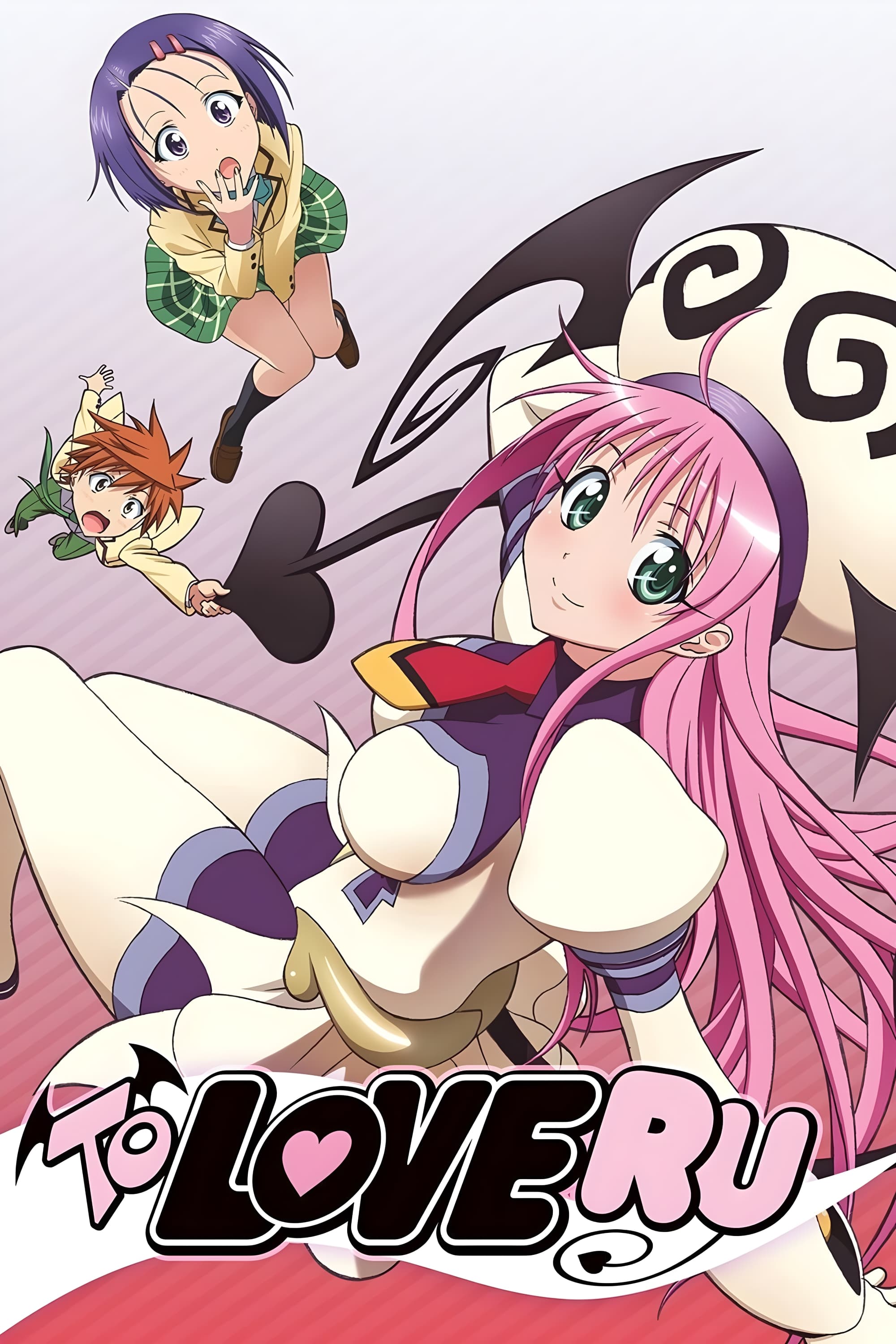
Centered on a timid boy and an alien princess who crashes into his life, the series spins its sci-fi premise into constant harem misunderstandings. Episodes are packed with accidental encounters, revealing outfits, and hot-spring or pool set pieces. Character designs emphasize curvy silhouettes, and slapstick setups frequently end in risqué poses. Later entries in the franchise continued the formula with even bolder staging.
‘Fire Force’ (2019–2020)
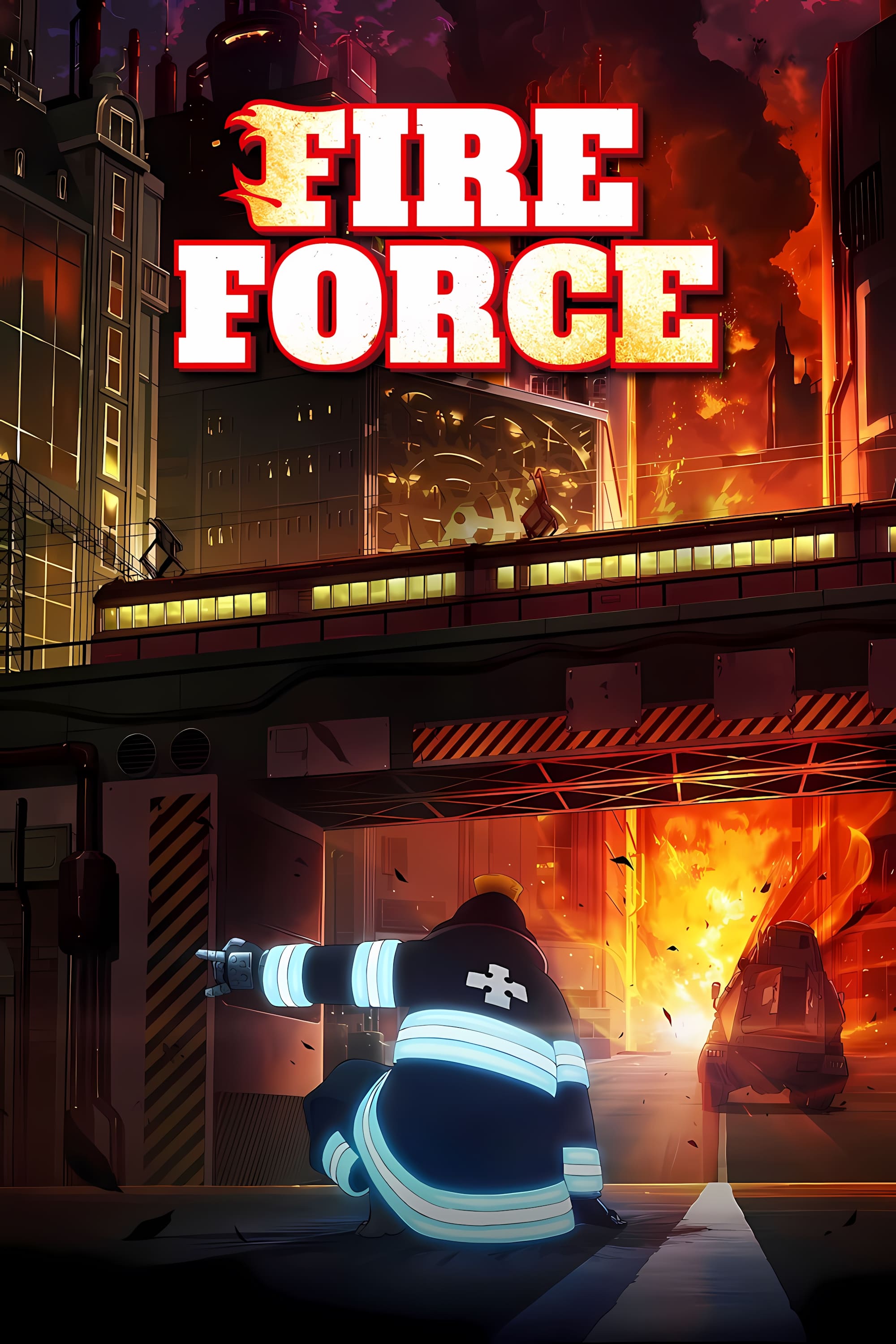
This action series about pyrokinetic firefighters includes a recurring “lucky lewd” gag tied to the character Tamaki, turning serious moments into comedic fan-service scenes. Tight uniforms, ripped clothing during battles, and camera pans accentuate bodies amid the action. Several arcs intersperse bathhouse and festival episodes that center on cheesecake humor. Blu-ray releases adjust certain shots and effects that were softened in TV airings.
‘Fairy Tail’ (2009–2019)
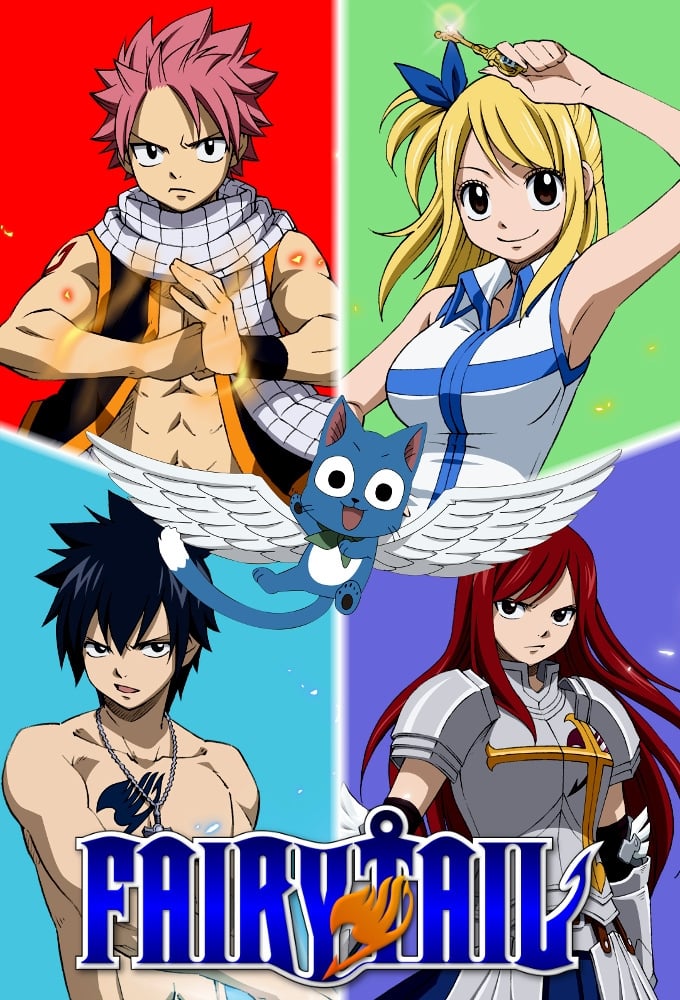
A guild-based fantasy adventure, ‘Fairy Tail’ regularly features swimsuit episodes, beauty contests, and outfit-shredding battles. Many female characters wear midriff-baring or bikini-like costumes as default gear, with angles emphasizing curves during fights. Special episodes and endings showcase pin-up style visuals alongside the comedy. Promotional art and bonus OVAs lean heavily into swimsuits and hot-spring settings.
‘Kill la Kill’ (2013–2014)
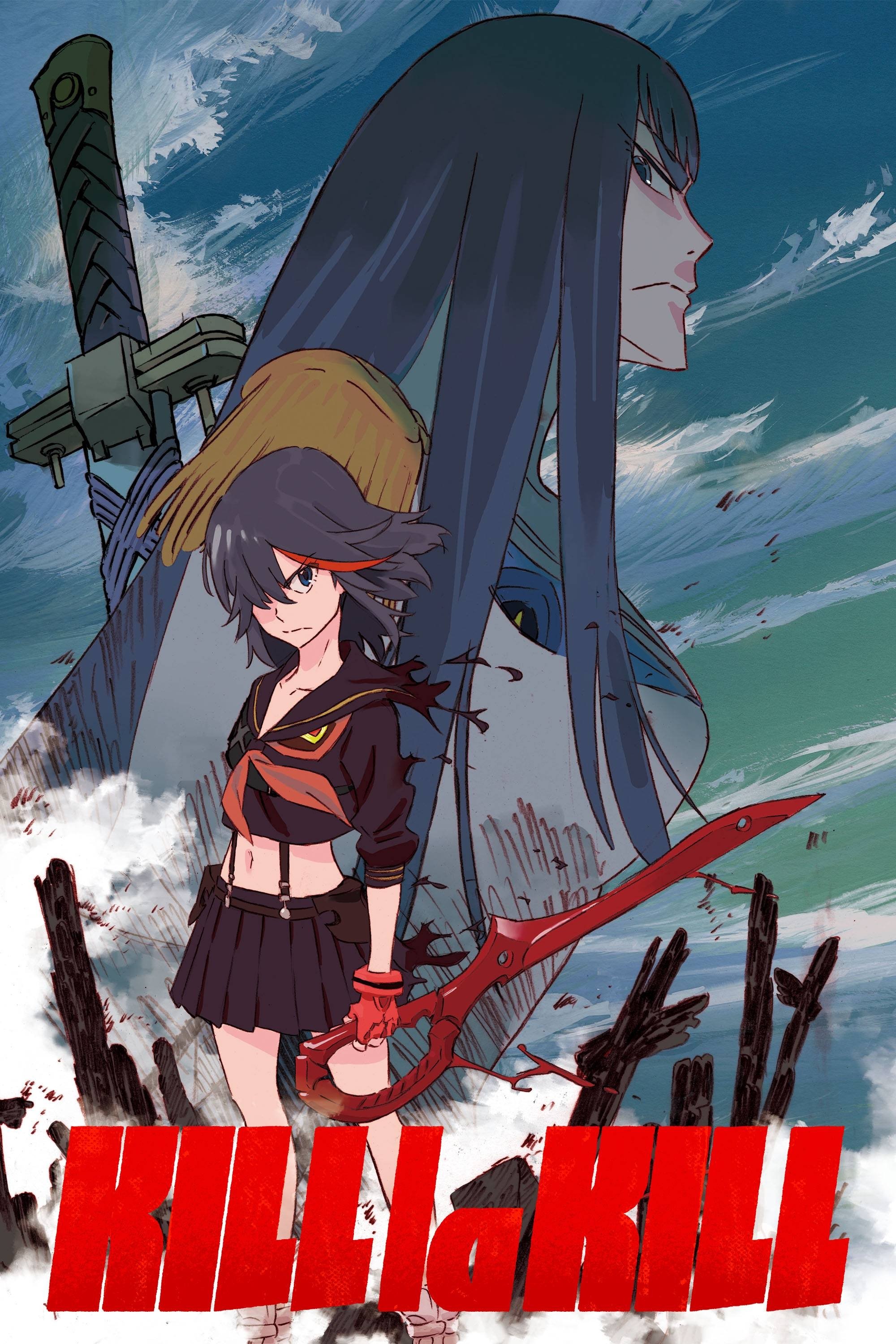
This battle anime builds its power system around special “Goku Uniforms” and a sentient sailor uniform that transforms into an extremely revealing suit. Combat choreography often spotlights strategic tear-aways and costume destruction. Visual gags, bold framing, and cheeky censorship bars turn fights into stylized fan-service showcases. Character designs and villain outfits push the theme as part of the world’s satire.
‘Food Wars! Shokugeki no Soma’ (2015–2020)
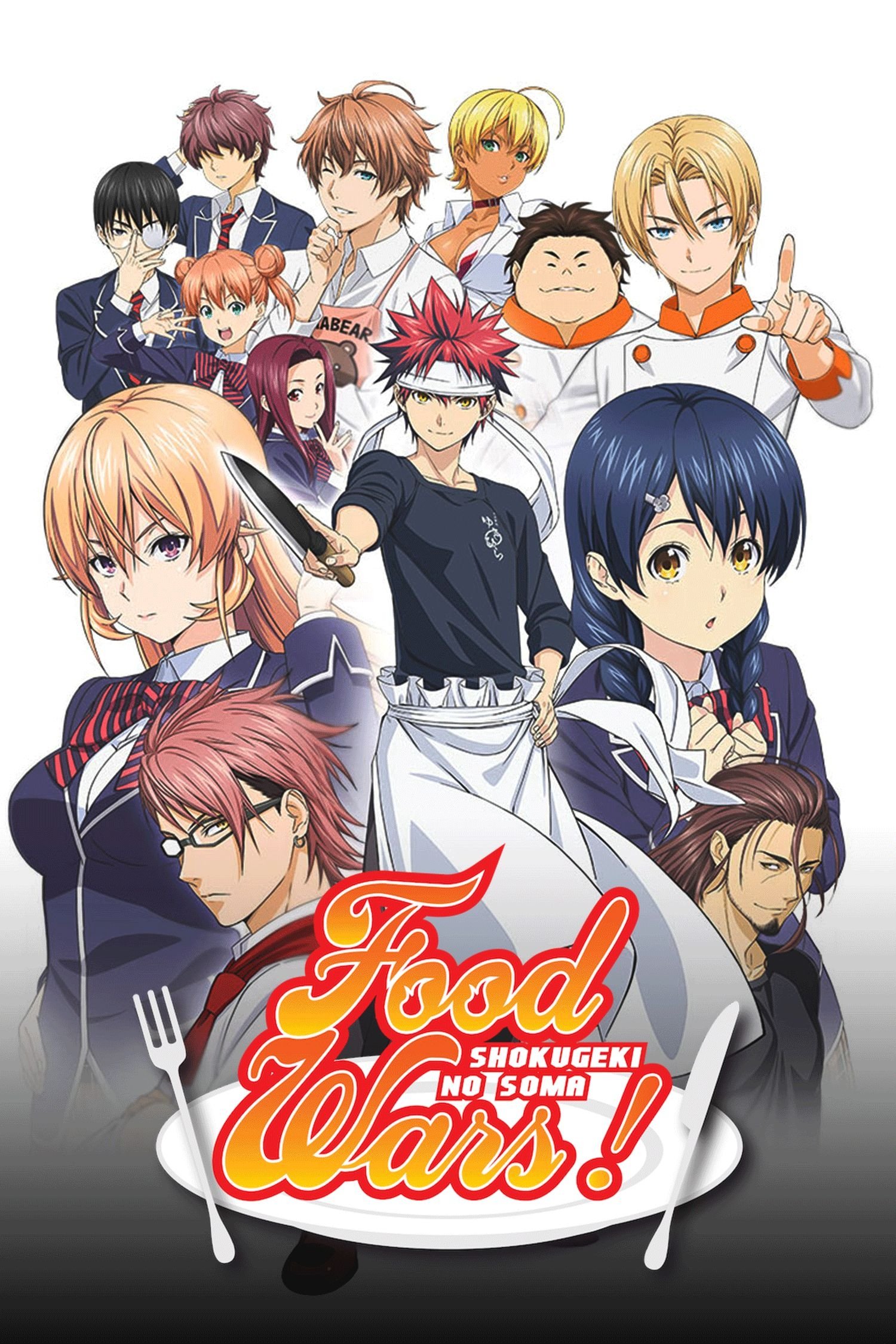
A culinary showdown series where exaggerated “foodgasm” reactions depict characters in sensual, often scantily-clad fantasy sequences. Presentation shots linger on bodies and clothing dissolves within comedy cutaways to heighten tasting moments. Many episodes structure their punchlines around these reactions, making them a signature device. Extra shorts and omake content continue the playful tone with swimsuit and festival scenarios.
‘Prison School’ (2015)
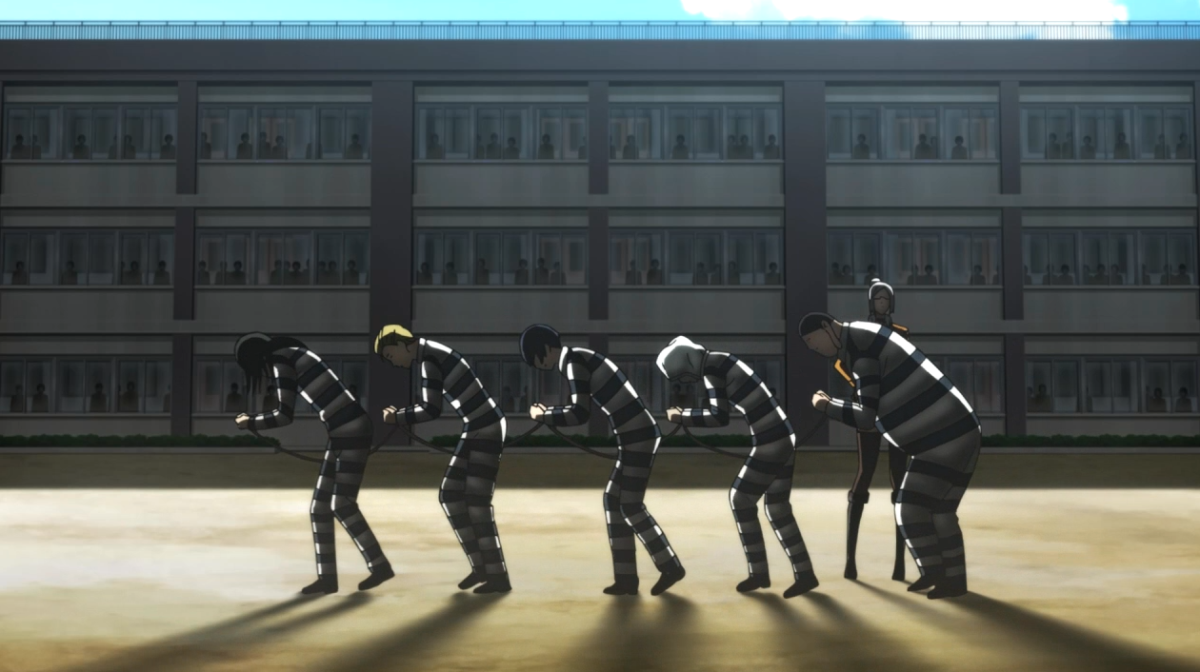
A boys-in-a-girls’ academy premise sets up constant punishment skits, tight uniforms, and risqué sight gags. Physical comedy revolves around revealing stances, wardrobe stress, and over-the-top disciplinary scenes. The show frequently uses slow pans and zooms to accentuate curves and muscle. Visual metaphors and sound cues underline the bawdy humor throughout the short run.
‘Free!’ (2013–2018)
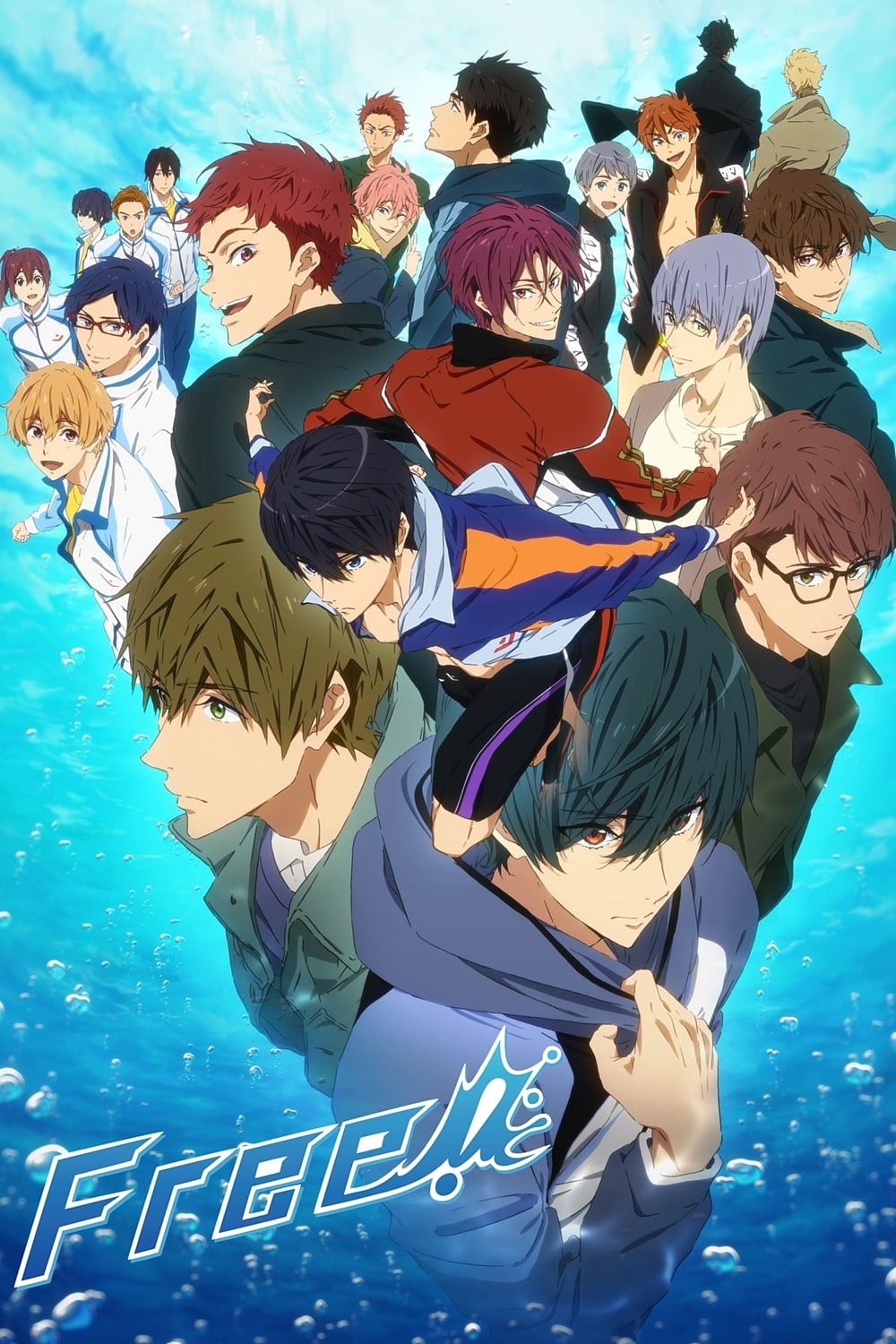
This sports series emphasizes athletic male physiques with frequent pool training, locker-room scenes, and close-ups on torsos and abs. Character designs highlight lean builds and minimal swimwear, with framing that lingers during dives and starts. Group shots and promotional art often function as pin-ups for fans. Special episodes and event visuals continue the emphasis on bodies outside races.
‘One Piece’ (1999–present)
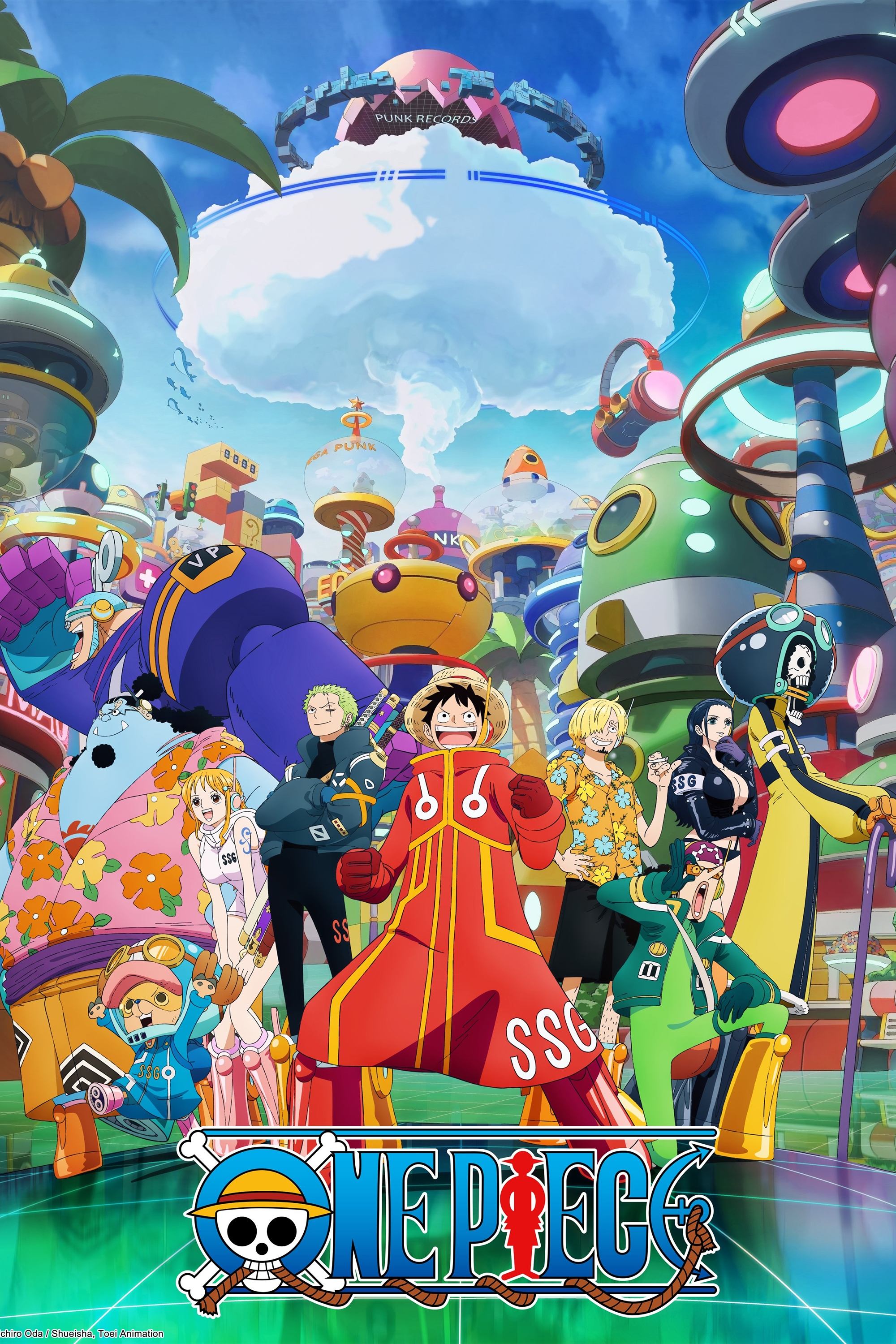
While primarily an adventure epic, later arcs introduced increasingly exaggerated proportions for several female characters. Outfits trend toward bikinis, crop tops, and short shorts, even in combat situations. Beach chapters, bath gags, and comedic nosebleeds appear as recurring bits. Merch and ending cards occasionally spotlight pin-up poses apart from the main plot.
‘Sword Art Online’ (2012–2020)

Across multiple VRMMO worlds, the series inserts swimsuit events, hot-spring detours, and costume packs for heroines. Some arcs include peril scenarios that frame bodies with suggestive restraints or camera angles. In-game avatars often come with form-fitting armor and fantasy bikinis. Bonus episodes and game tie-ins add galleries and outfits that lean into cheesecake art.
‘No Game No Life’ (2014)
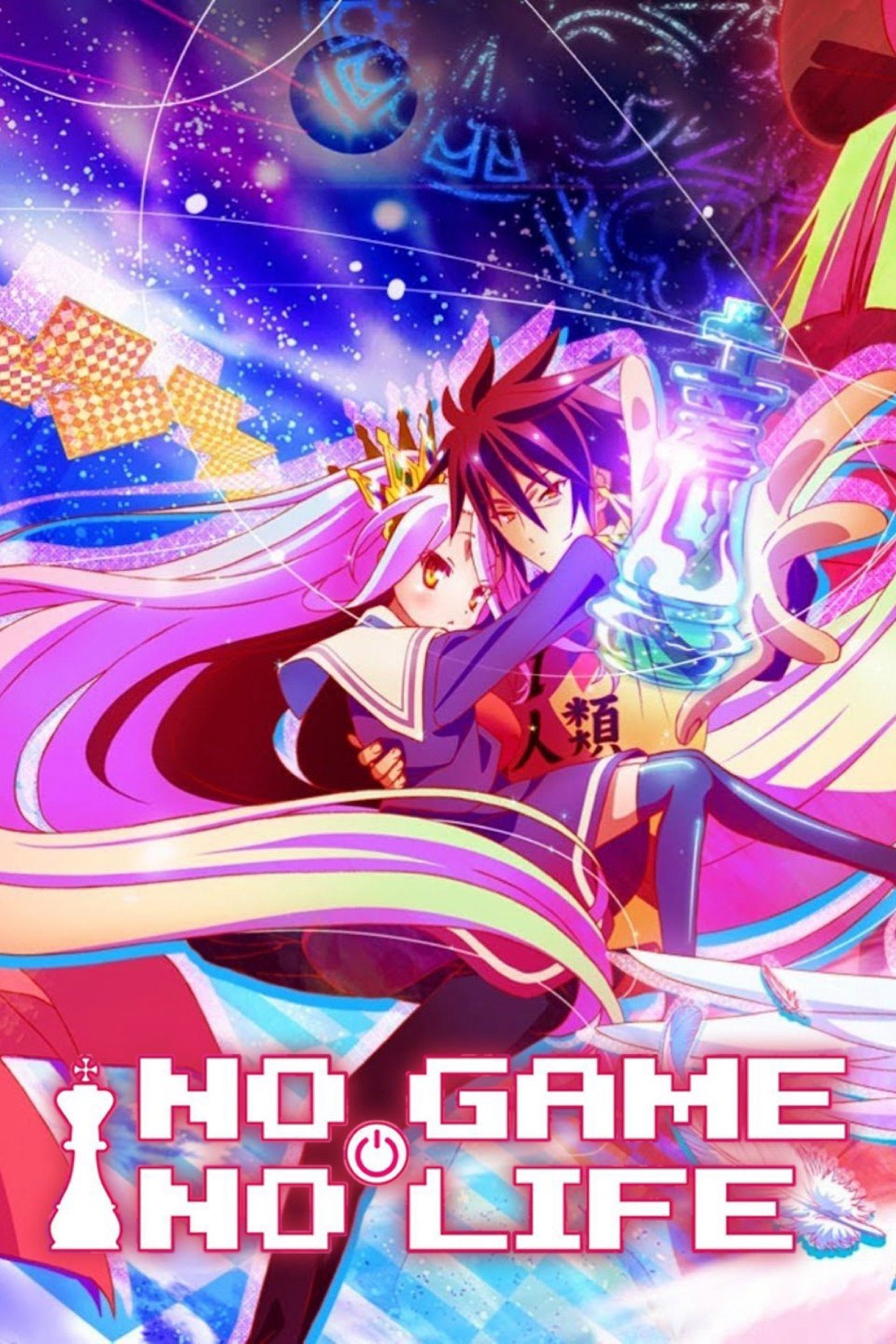
This isekai about genius siblings in a game-ruled world features character designs with short skirts, thigh-highs, and strategically posed shots. Several scenes play up bath sequences, cuddle piles, and costume shifts for comedic effect. Ending visuals and eyecatches accentuate pin-up framing. Official artbooks and extras expand on the same stylings outside the main story.
‘The Quintessential Quintuplets’ (2019–2021)
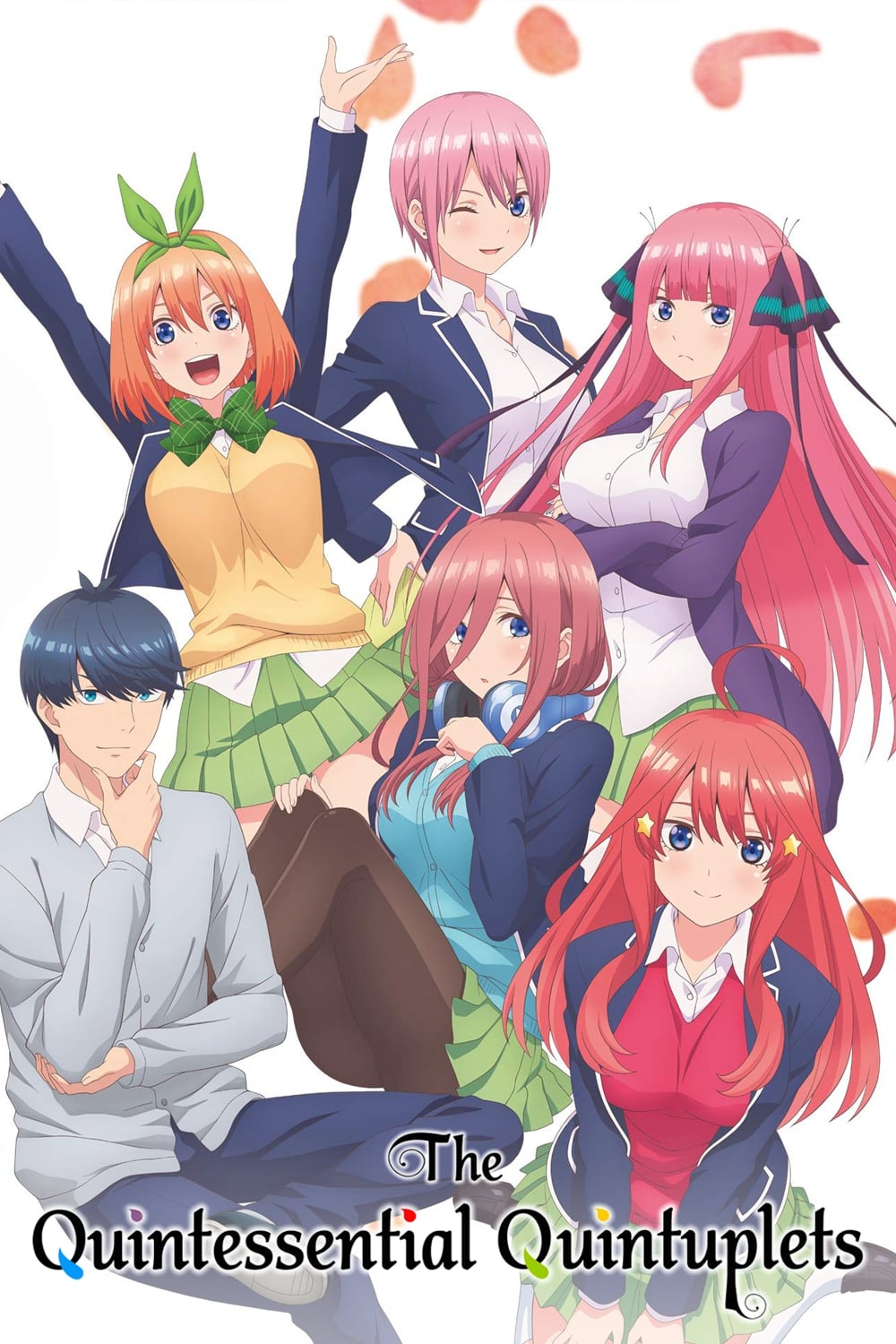
A romantic comedy built around tutoring five sisters, it regularly uses swimsuit trips, festival yukata scenes, and wardrobe mishaps as turning points. The show stages close-ups on blushing faces, bouncing motion, and dramatic falls to set up misunderstandings. Character design choices—like fitted uniforms and casual looks—support recurring cheesecake shots. Home-video extras include additional angles and cleanup of broadcast masking.
‘Nisekoi’ (2014–2015)
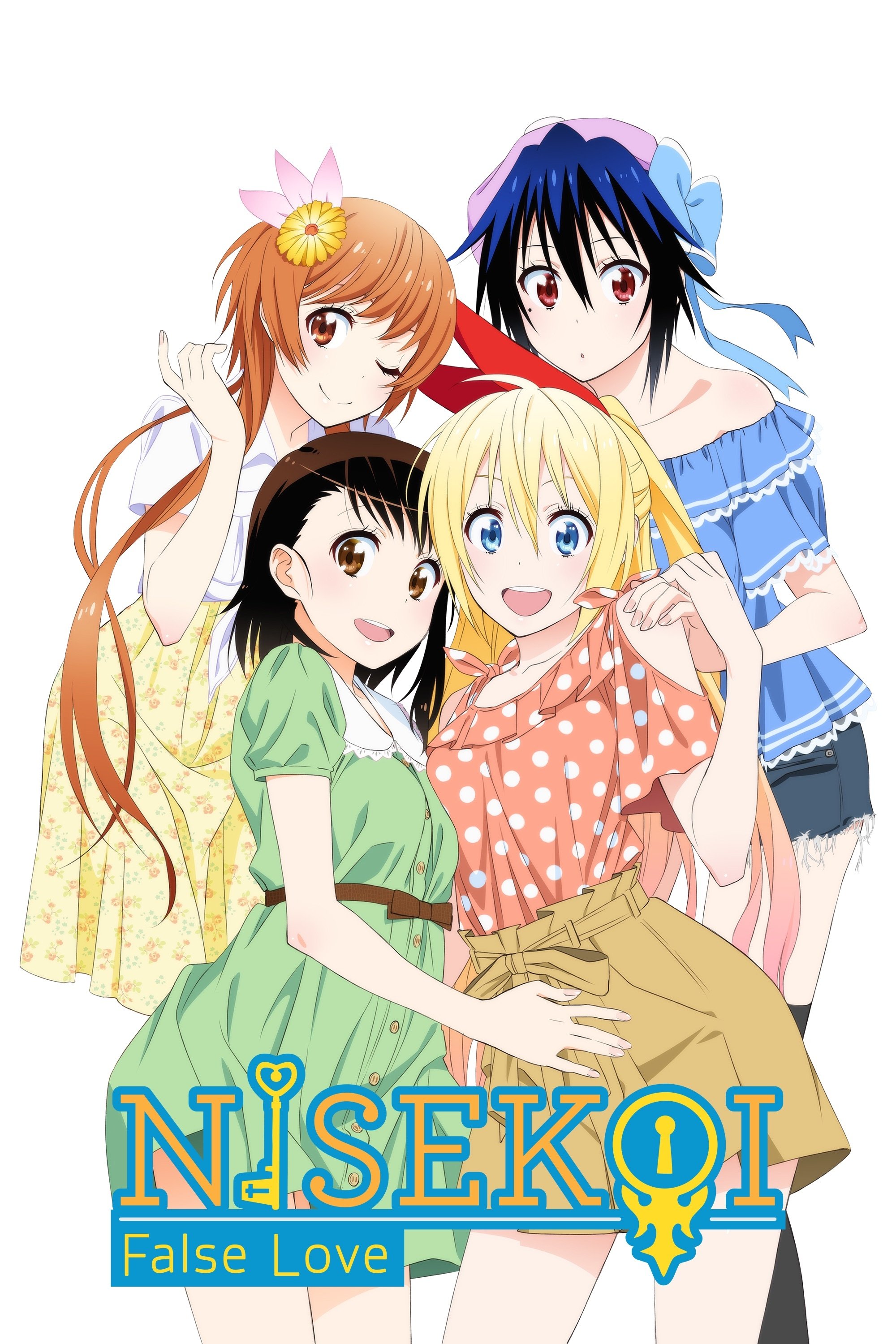
This fake-dating rom-com includes beach visits, bathhouse detours, and sleepover scenarios that set up shirt slips and towel gags. Visual direction favors sparkle filters, soft focus, and slow pans during accidental intimacy beats. Costume swaps and cosplay episodes are used to vary the cheesecake. Eyecatches and key visuals echo the fan-service tone between story arcs.
‘Keijo!!!!!!!!’ (2016)
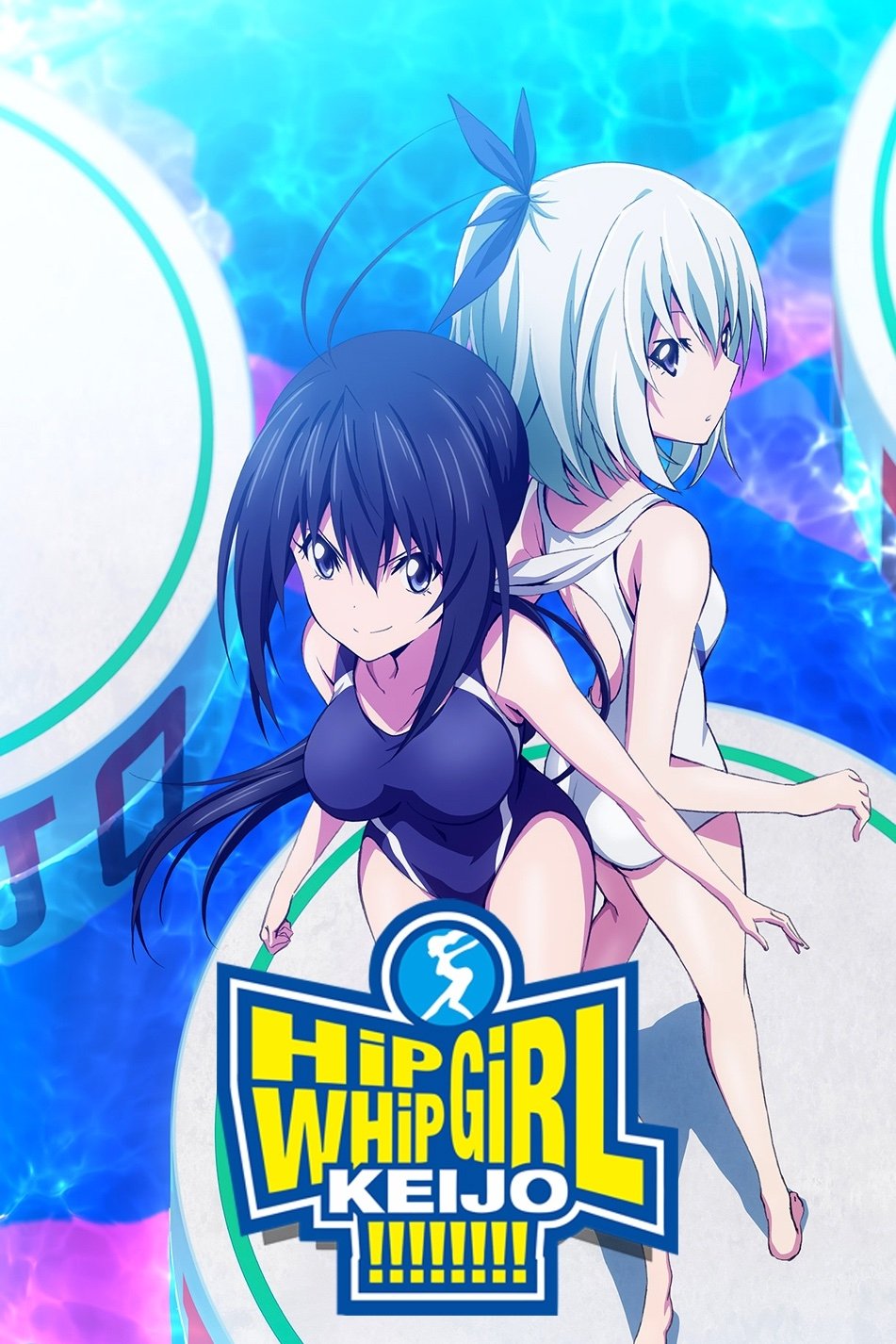
A sports parody where competitors knock opponents off a water platform using only their hips and chests, making fan service the central ruleset. Matches are choreographed around butt-based special moves and tight swimsuits. Commentary calls out techniques with playful names, treating body parts like signature weapons. Training arcs and event promos double down on the over-the-top concept.
‘Highschool of the Dead’ (2010)
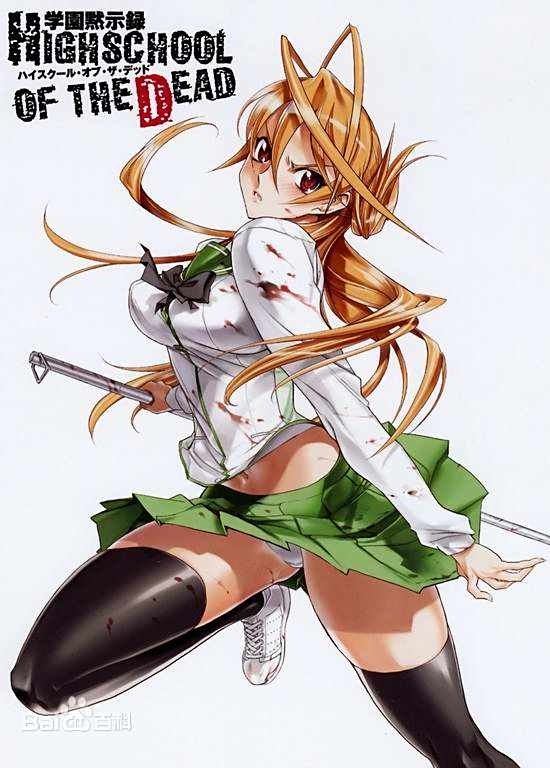
This zombie survival series juxtaposes gunplay and gore with slow-motion bounce shots, ripped uniforms, and shower asides. Episode layouts interleave evacuation stakes with hot-spring and rooftop cooldowns that feature pin-up framing. Camera tricks—like bullet-time passes and extreme close-ups—turn action into cheesecake spectacle. Limited episodes and OVAs continue the emphasis with beach and bath settings.
Share your own picks—and which scenes stood out to you—in the comments!