

Popular Anime Voice Actors Whose Career Ended After Off-Screen Feuds

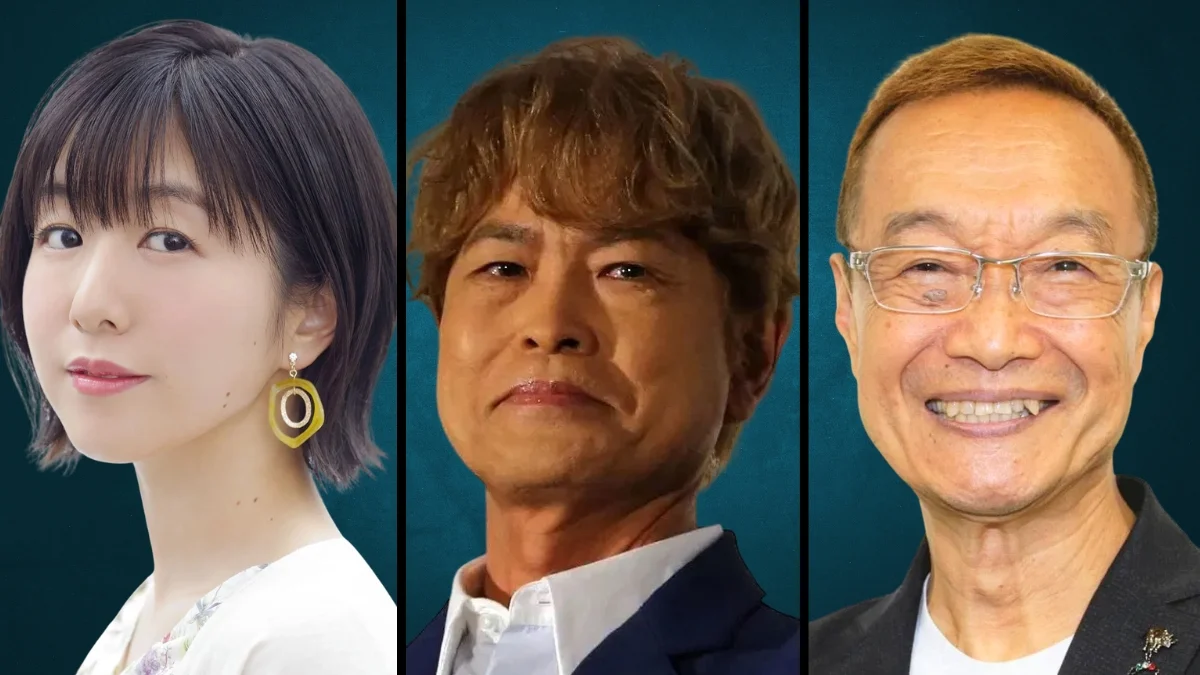


The Japanese voice acting industry, or the seiyuu world, is known for its high standards of professional conduct and the intense connection between performers and their fanbases. When off-screen feuds, personal scandals, or professional disputes arise, the consequences can be swift and severe, often leading to the loss of major roles or a complete distancing from the industry. In many cases, production committees and talent agencies act quickly to protect the image of a franchise, resulting in the sudden replacement of long-standing voices. While some actors manage to rebuild their careers over time, others find that a single public fallout or breach of trust can permanently alter their standing in the professional community.
Toru Furuya
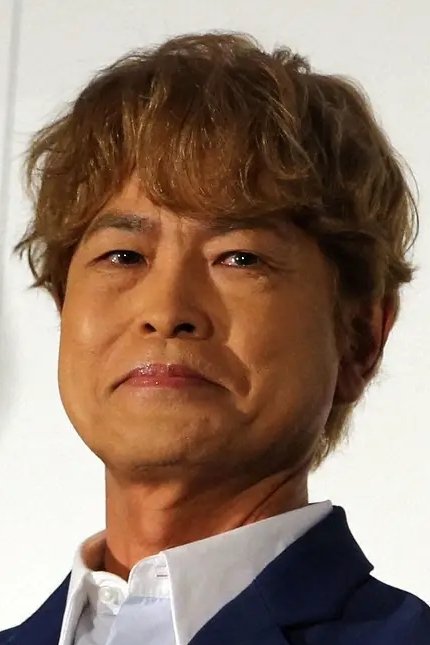
The veteran voice actor faced a significant career collapse in 2024 after admitting to a long-term extramarital affair and an instance of physical violence. This revelation led to his immediate resignation from high-profile roles in ‘One Piece’ and ‘Detective Conan’. Production committees moved quickly to replace him to distance their projects from the controversy and public outcry. The fallout effectively ended his decades-long status as one of the most respected figures in the anime industry. His agency, Aoni Production, acknowledged the severity of the situation in an official statement regarding his departure from active projects.
Tatsuhisa Suzuki
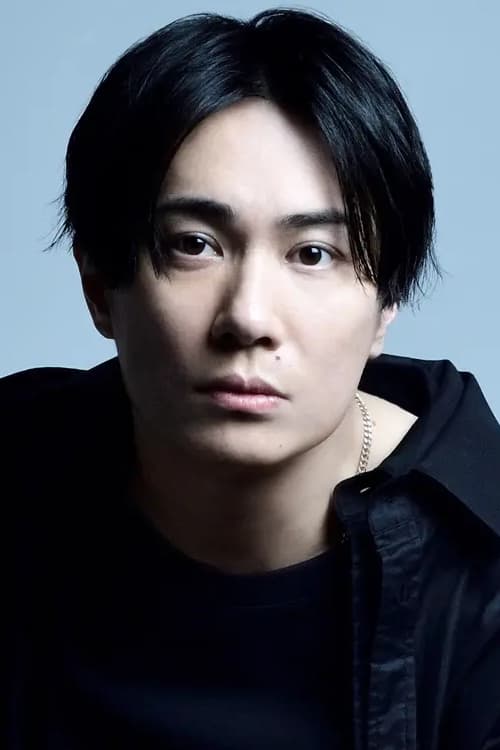
Once a top-tier talent, Suzuki saw his career nearly evaporate following a major infidelity scandal that also involved a breach of professional confidentiality. He reportedly leaked unreleased music and plot details from the series ‘Free!’ to an associate, leading to a loss of trust across the production landscape. This breach resulted in him being removed from major roles in ‘Tokyo Revengers’ and ‘The Misfit of Demon King Academy’. Although he attempted a return to the industry after a hiatus, his standing with major production committees remains severely damaged. He was also dropped from several musical projects and brand partnerships during the height of the controversy.
Takahiro Sakurai
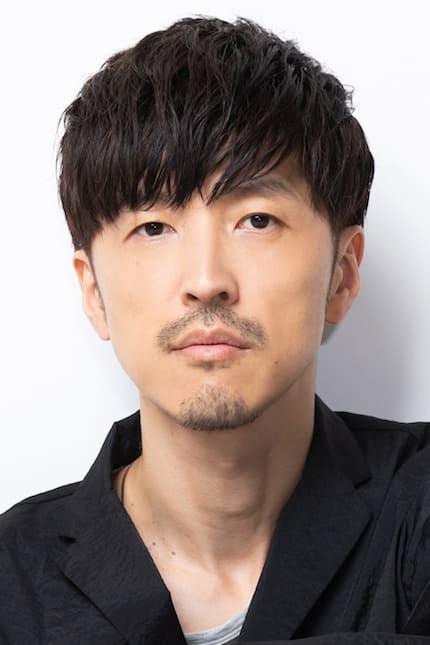
Sakurai’s career took a massive hit when it was revealed he had engaged in multiple long-term affairs while keeping his marriage secret from the public and his partners. The backlash was swift, leading to his removal from the lead role in the ‘Mononoke’ film and other upcoming projects like ‘Ayaka’. His long-standing relationship with his management agency ended as they terminated his contract following the public fallout. While he continues to voice some established characters in ongoing series, his invitation to lead new high-budget franchises has drastically declined. The industry’s reaction highlighted a shift in how personal conduct impacts the professional longevity of even the most famous actors.
Aya Hirano

Following a highly publicized scandal involving her personal relationships with band members, Hirano faced a significant backlash from the idol-seiyuu community and her management. This controversy led to a strained relationship with her agency and a noticeable drop in major anime casting for several years. She eventually pivoted her career toward musical theater and live performances to escape the restrictive environment of the voice acting industry. While she has returned for legacy roles in ‘Fairy Tail’, she no longer dominates the seasonal anime charts as a lead actress. The incident remains a notable example of how the intersection of personal life and fan expectations can derail a career.
Akira Kamiya
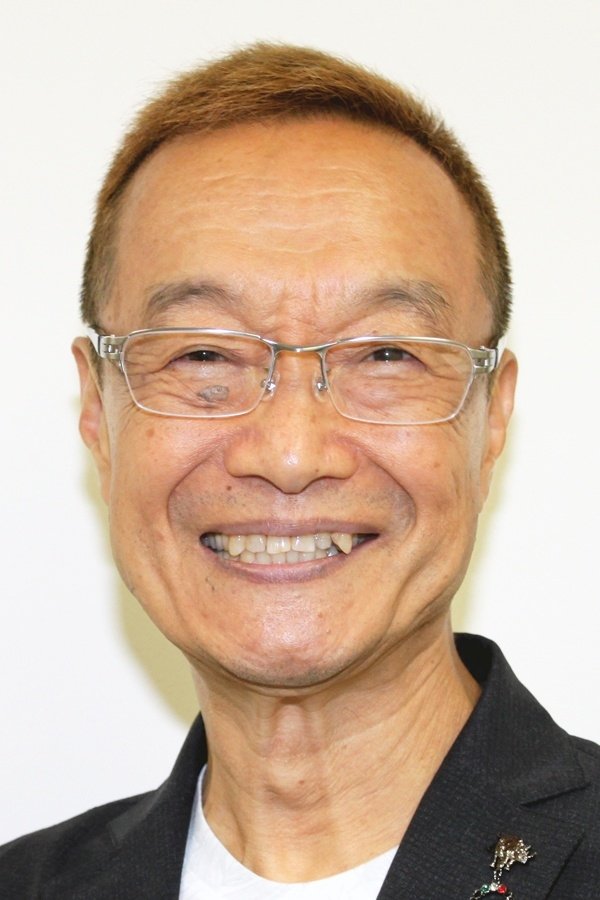
The voice behind the original Kogoro Mouri in ‘Detective Conan’ famously left the role after a public dispute with the show’s production team. Kamiya cited issues regarding contract transparency and low pay as the primary reasons for his departure from the long-running series. His decision to go public with these grievances led to a rift between him and several major production houses that lasted for years. While he remains a legend for his work in ‘Fist of the North Star’, his presence in modern long-running franchises was significantly curtailed by this feud. He was eventually replaced by Rikiya Koyama, marking the end of an era for the character.
Kenji Roa
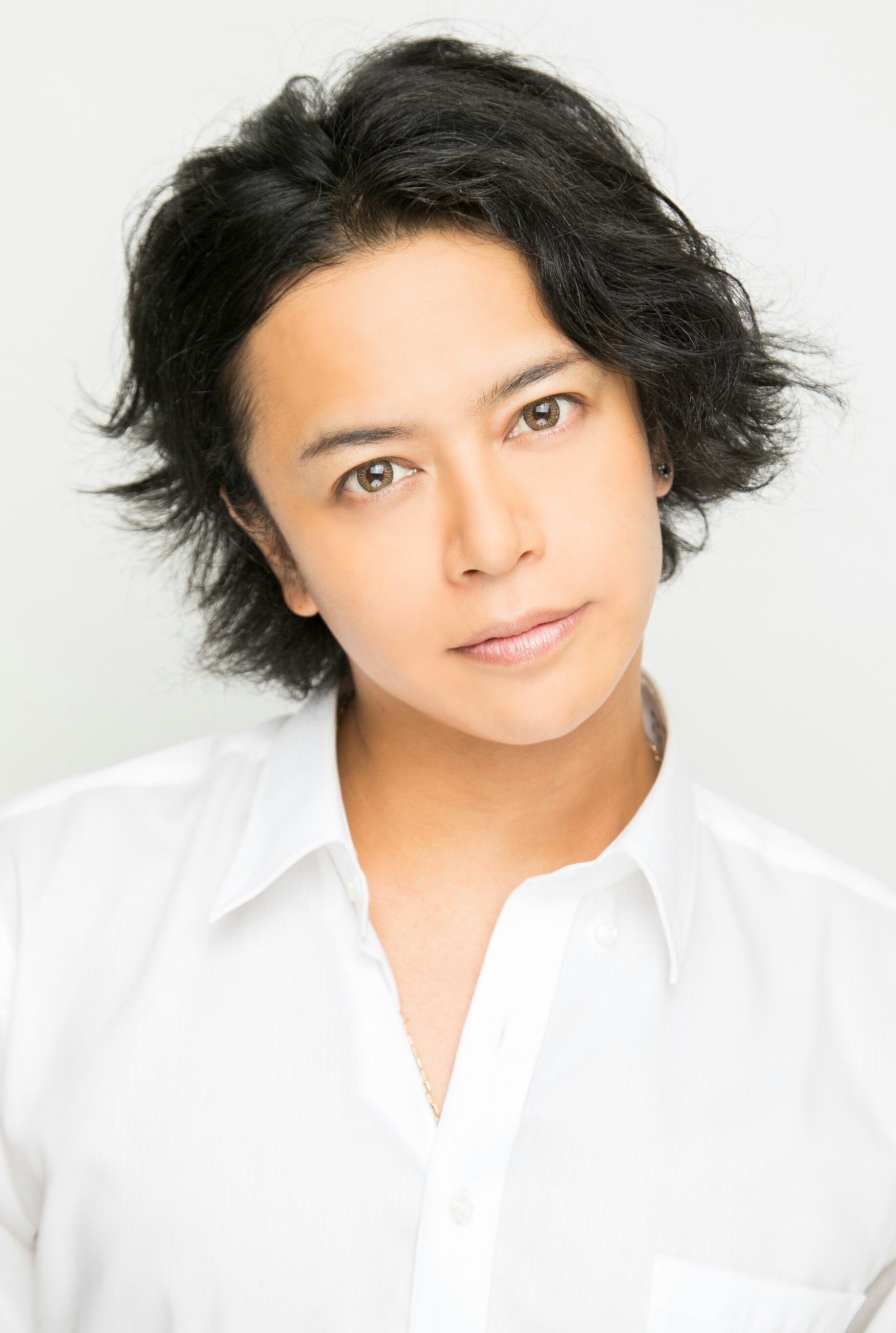
Roa was at the center of the infamous ‘Kokoro Connect’ prank, which many fans and industry insiders viewed as a case of malicious workplace bullying. The incident involved tricking another voice actor into believing they had secured a role, only to mock them during a high-profile public event. Public outrage was so intense that Roa’s professional reputation was permanently tarnished among both fans and casting directors. He saw a near-total cessation of major anime roles in the years following the event, effectively ending his trajectory as a rising star. This case serves as a cautionary tale about the professional consequences of unprofessional behavior toward colleagues.
Ai Kayano

A visit to the Yasukuni Shrine, which is associated with controversial historical events in East Asia, led to a massive professional fallout for Kayano in international markets. Chinese fans and developers reacted by removing her voice work from major mobile games like ‘Arknights’ and ‘Azur Lane’. This international backlash pressured Japanese production committees to reconsider her involvement in projects with global distribution potential. While she remains active in the domestic Japanese market, her removal from high-budget international collaborations marked a significant turning point in her career. The incident underscored the delicate intersection of celebrity actions and the global business of anime.
Teruaki Ogawa
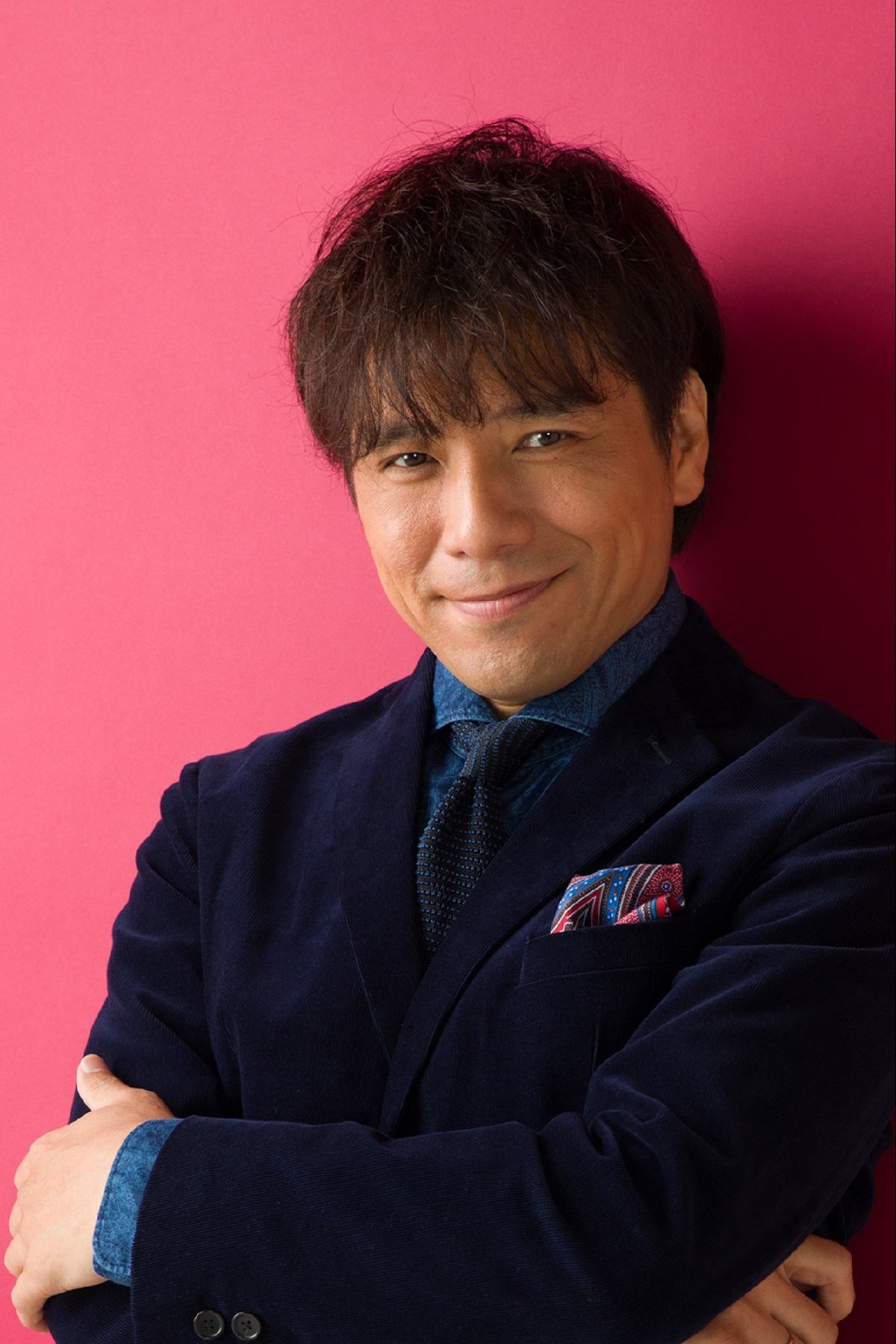
Known for his work in both tokusatsu and anime, Ogawa experienced a career lull following public disagreements with his management over his professional direction. These internal feuds led to a period where he was rarely cast in mainstream anime projects despite his established talent. His vocal advocacy for actors’ rights and better working conditions often put him at odds with traditional agency structures. As a result, he shifted much of his focus to stage work and independent projects away from the voice acting spotlight. He remains a respected figure in the fan community but has not held a major anime leading role in several years.
Kaori Ishihara

Ishihara was a rising star in both the voice acting and idol worlds until a complex split from her former agency caused a professional standstill. The dissolution of her duo, YuiKaori, and subsequent management changes led to a noticeable gap in her professional resume and casting frequency. During this period, she struggled to secure the leading roles that had previously defined her early career in ‘Magi: The Labyrinth of Magic’. It took several years of rebuilding as a solo artist and freelancer to regain any form of professional momentum. The friction surrounding her agency transition serves as a prime example of the industry’s difficult “cooling off” periods for talent.
Ami Koshimizu

Koshimizu was one of the most prolific voice actresses of the 2000s, but her career trajectory changed after a tense departure from her original agency. Reports of creative differences and a desire for more autonomy led to a period of reduced visibility in high-profile seasonal anime. While she continued to voice recurring characters in franchises like ‘Code Geass’, her frequency of landing new lead roles diminished significantly. The industry often penalizes actors who break away from established management structures without a seamless transition plan. She has since found a niche in supporting roles and specialized projects rather than leading blockbuster titles.
Aki Toyosaki

Despite her massive success with the series ‘K-On!’, Toyosaki’s career was heavily impacted by a scandal involving her private dating life that leaked to the public. In the idol-seiyuu industry of that era, such revelations were often met with intense hostility from a segment of the fan base that demanded “purity.” This led to organized boycotts and a public feud between her supporters and detractors that pressured studios to cast her less frequently in lead roles. While she remains active today, the momentum that made her a household name in the late 2000s was permanently checked. This event highlighted the intense and often unfair scrutiny placed on the private lives of female performers.
Rie Murakawa

Murakawa gained popularity for her high energy, but rumors of professional friction on sets began to surface during the mid-2010s. Several reports suggested that her off-screen behavior and interactions with production staff led to difficulties during recording sessions for major titles. Consequently, she saw a gradual decline in being cast for major seasonal anime leads compared to her industry peers. While she continues to work on specific projects, she has transitioned into more niche roles and musical endeavors. This shift is often attributed by industry observers to a preference for actors who maintain a more traditional professional reputation.
Megumi Nakajima

After skyrocketing to fame in ‘Macross Frontier’, Nakajima announced an unexpected indefinite hiatus from her music and voice acting career in 2013. This decision followed reported internal pressures and professional exhaustion within the highly competitive and demanding seiyuu industry. The move was seen as a fallout from the intense expectations placed on young stars by management and the media. Although she eventually returned to the industry three years later, she never quite regained the same level of ubiquity she once enjoyed. Her hiatus remains a significant moment reflecting the high-stress environment and friction inherent in modern anime production.
Yui Makino

Makino’s career faced significant hurdles due to disagreements with her representation regarding the balance between her classical music background and her voice acting. These professional feuds over her career branding led to a period where her anime output was minimal and her visibility was low. The lack of synergy between her musical aspirations and the roles being offered created a rift that stalled her career momentum for several years. She eventually moved to different management to better align her dual careers, but the transition period was marked by a lack of major roles. She is now recognized more for her specialized musical contributions than for leading anime roles.
Maho Tomita

Tomita transitioned from a career in stage acting to voice acting, but she faced significant challenges following disputes with her management team. These conflicts centered on the direction of her career and her involvement in specific multimedia franchises like ‘Revue Starlight’. The resulting friction led to her being sidelined from several major casting opportunities during a crucial growth period in her career. She eventually shifted her focus back toward stage performances and smaller-scale voice work as the feud impacted her relationship with major studios. Her experience illustrates how internal agency politics can alter the trajectory of a rising talent in the seiyuu world.
Share your thoughts on how these industry controversies impact your favorite series in the comments.