


15 Popular Films with Questionable Moral Lessons




Movies can entertain and spark conversation, and they can also leave audiences thinking about what behaviors are celebrated or brushed aside. Sometimes a story focuses on characters who bend rules or harm others and still walk away with status, wealth, or admiration. That kind of framing can shape how viewers talk about choices and consequences long after the credits roll.
This list looks at well known films that present actions with shaky ethics and then build plots where those actions bring success, validation, or little lasting fallout. Each entry highlights specific story beats, character decisions, and outcomes that raise eyebrows when you think about the lessons a viewer could take away.
‘The Wolf of Wall Street’ (2013)
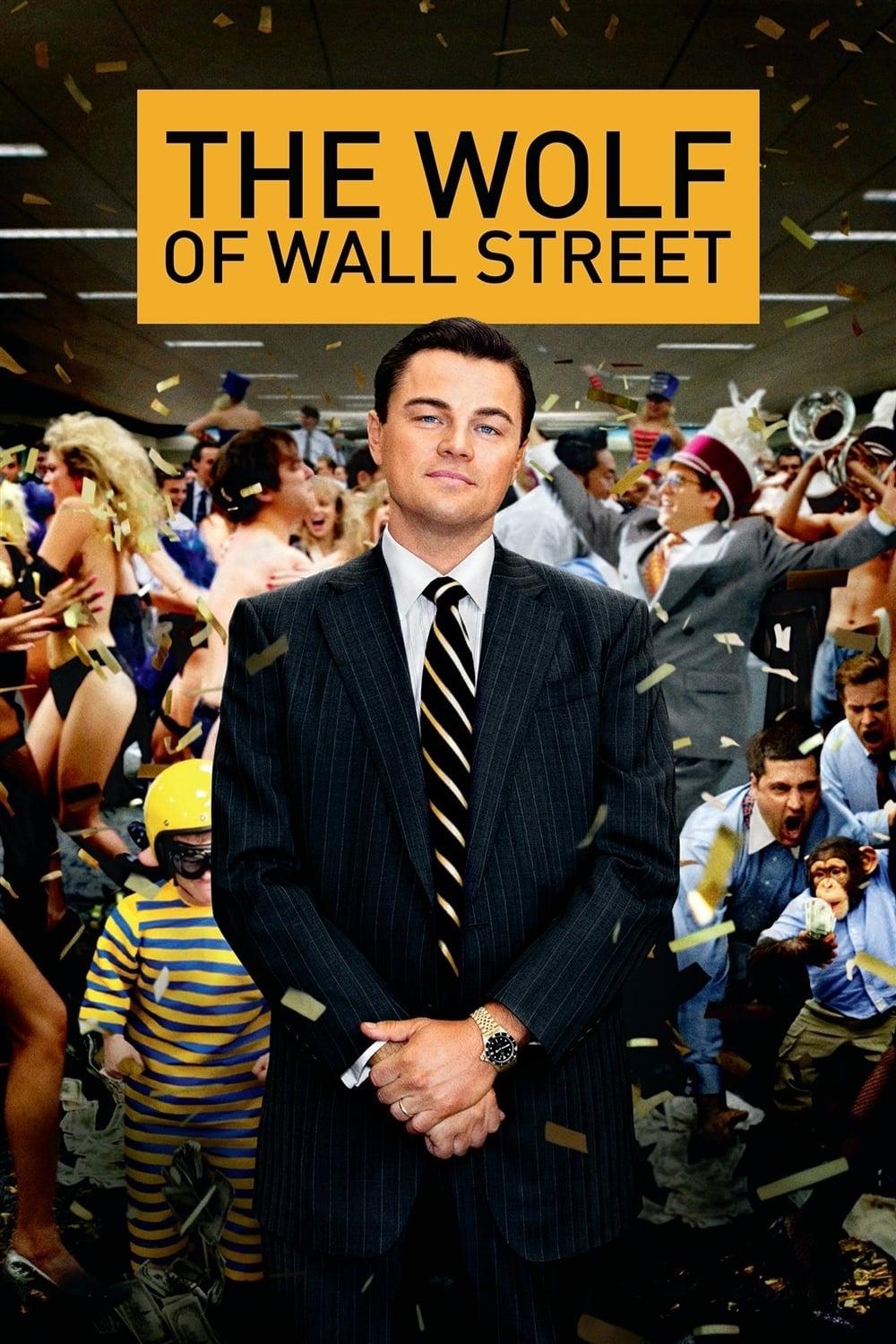
The story follows Jordan Belfort as he builds a brokerage that runs boiler room schemes and pump and dump operations. The film devotes long stretches to sales scripts, manipulation of clients, and the inner workings of Stratton Oakmont while showing a workplace fueled by drugs and status symbols. The narrative tracks legal trouble and a conviction, yet it also shows a return to public life as a motivational speaker after a relatively brief sentence.
Many scenes highlight how aggressive cold calls and high pressure tactics convert into commissions, yachts, and luxury goods. Fourth wall breaks and on screen seminars turn rule breaking into a kind of how to lesson, and the final sequence places Belfort on a stage teaching persuasion as a crowd watches and listens.
‘Grease’ (1978)

The plot centers on Sandy and Danny trying to fit into high school cliques while keeping a summer romance alive. In the finale, Sandy adopts a new look to align with the Pink Ladies culture, while Danny experiments with a clean cut image and then changes back during the carnival celebration. The story resolves after the pair present themselves in ways that satisfy their peer groups.
School settings, car culture, and pep rallies all reinforce group norms that reward appearance and attitude over communication. The closing number reunites the couple as friends and classmates cheer, and the film ends with a ride into the sky that seals the relationship after those changes.
‘The Dark Knight’ (2008)
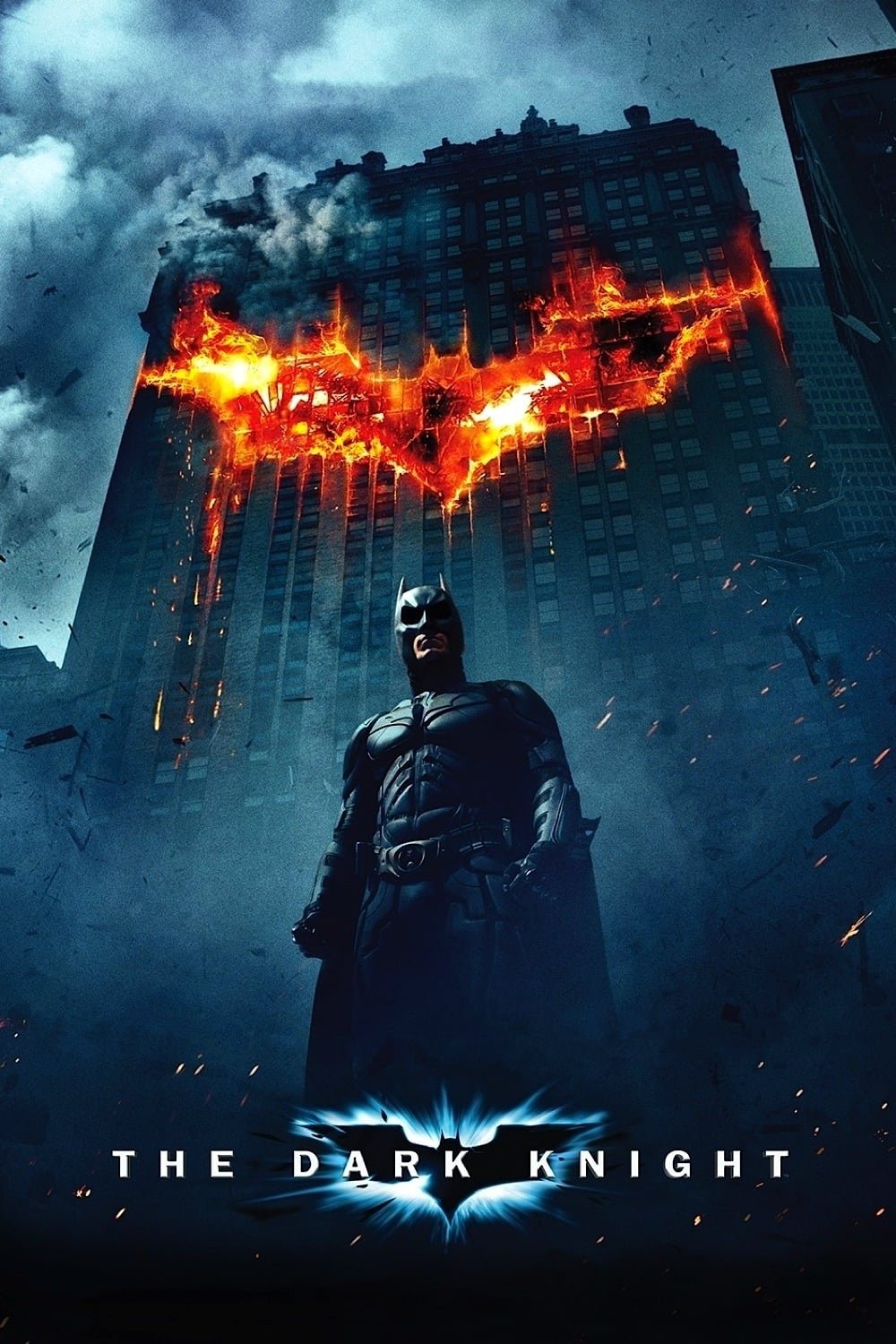
Batman deploys a citywide audio surveillance system that maps every phone in Gotham to locate the Joker. Lucius Fox objects to the tool, and it is destroyed after the mission, yet the device delivers the location data needed to end the immediate threat. The plot also resolves with Batman accepting public blame for Harvey Dent’s crimes to preserve the image of a spotless district attorney.
The closing scenes show a manhunt for Batman while the public narrative remains intact. Gordon and police units maintain the story that keeps Dent’s reputation unblemished, and the film ends with Gotham stabilized enough for officials to claim a moral win while the truth stays hidden.
‘Gone with the Wind’ (1939)
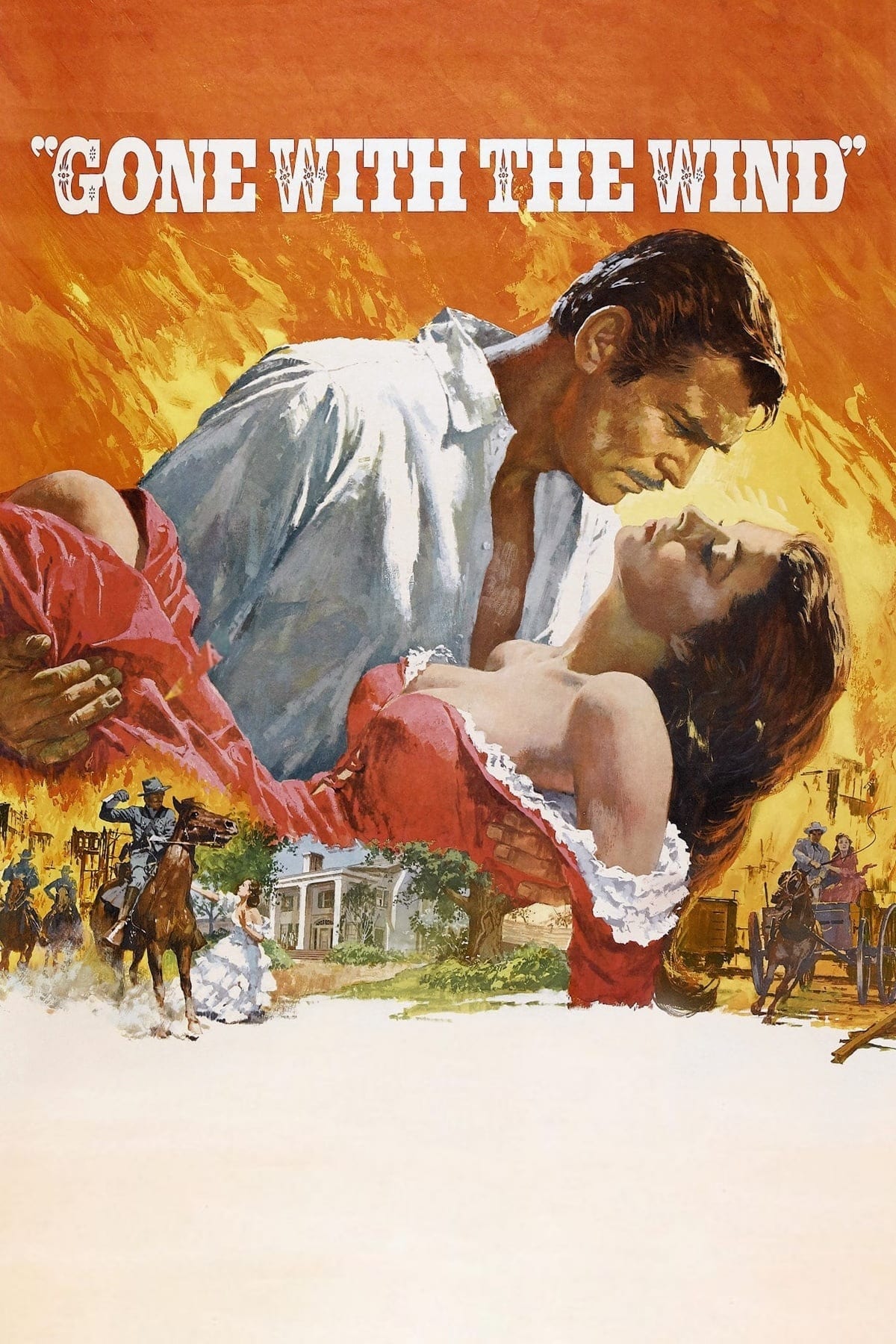
The film focuses on plantation owners during the Civil War and Reconstruction and presents enslaved characters in subservient roles. The camera lingers on the elegance of antebellum life and treats the Confederate cause with nostalgic imagery while battles and devastation sit in the background of personal drama.
Production design builds Tara and Atlanta as vivid spaces filled with balls, gowns, and rituals of the planter class. Scarlett O’Hara’s survival and social maneuvering drive the plot, and the prewar social order is framed as refined and worthy of remembrance throughout the narrative.
‘Fight Club’ (1999)

A disaffected narrator and Tyler Durden launch underground fights that evolve into Project Mayhem. The group escalates from brawls to coordinated vandalism and a plan to erase consumer debt by demolishing financial records. Recruitment scenes teach members to surrender names and identity markers as they join a hierarchy built on obedience.
Instructional monologues, rules posted in basements, and rituals like chemical burns show how violence becomes a path to belonging. The finale depicts multiple office towers collapsing while the protagonists watch, and the operation presents destruction as a reset rather than a mass crime scene with civilian fallout.
‘Revenge of the Nerds’ (1984)
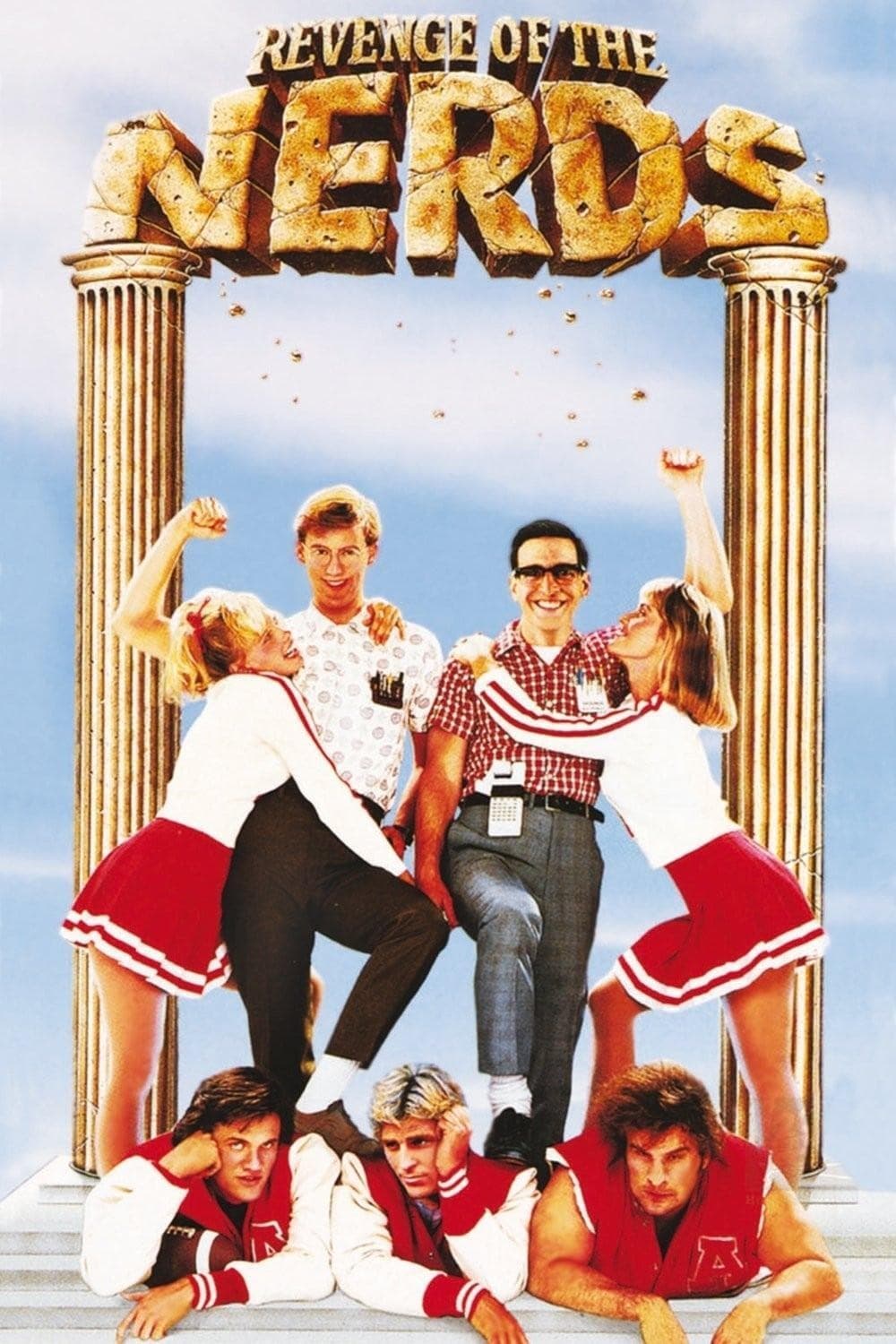
College freshmen wage a prank war against a rival fraternity using surveillance, burglary, and deception. The plot includes a hidden camera scheme in a sorority house and a scene where a masked costume leads to a sexual encounter without informed consent. These actions face minimal disciplinary response in the story.
The campus eventually rewards the protagonists with a public victory and recognition at a major event. Administrative consequences do not arrive for the most invasive acts, and the final celebration crowns the pranksters as winners in front of students and faculty.
‘Pretty Woman’ (1990)

A corporate raider hires a sex worker for a week and then outfits her with designer clothes for business dinners and social events. The arrangement evolves into romance as both leads cross personal boundaries set at the start, while money and access open doors that change how others treat her in hotels and boutiques.
The relationship crescendos with a dramatic gesture at an apartment window and a promise of a new life. The film frames luxury suites, shopping sprees, and gala outings as the steps that turn a transactional agreement into a fairy tale ending with no legal or social repercussions for the employer.
‘A Clockwork Orange’ (1971)
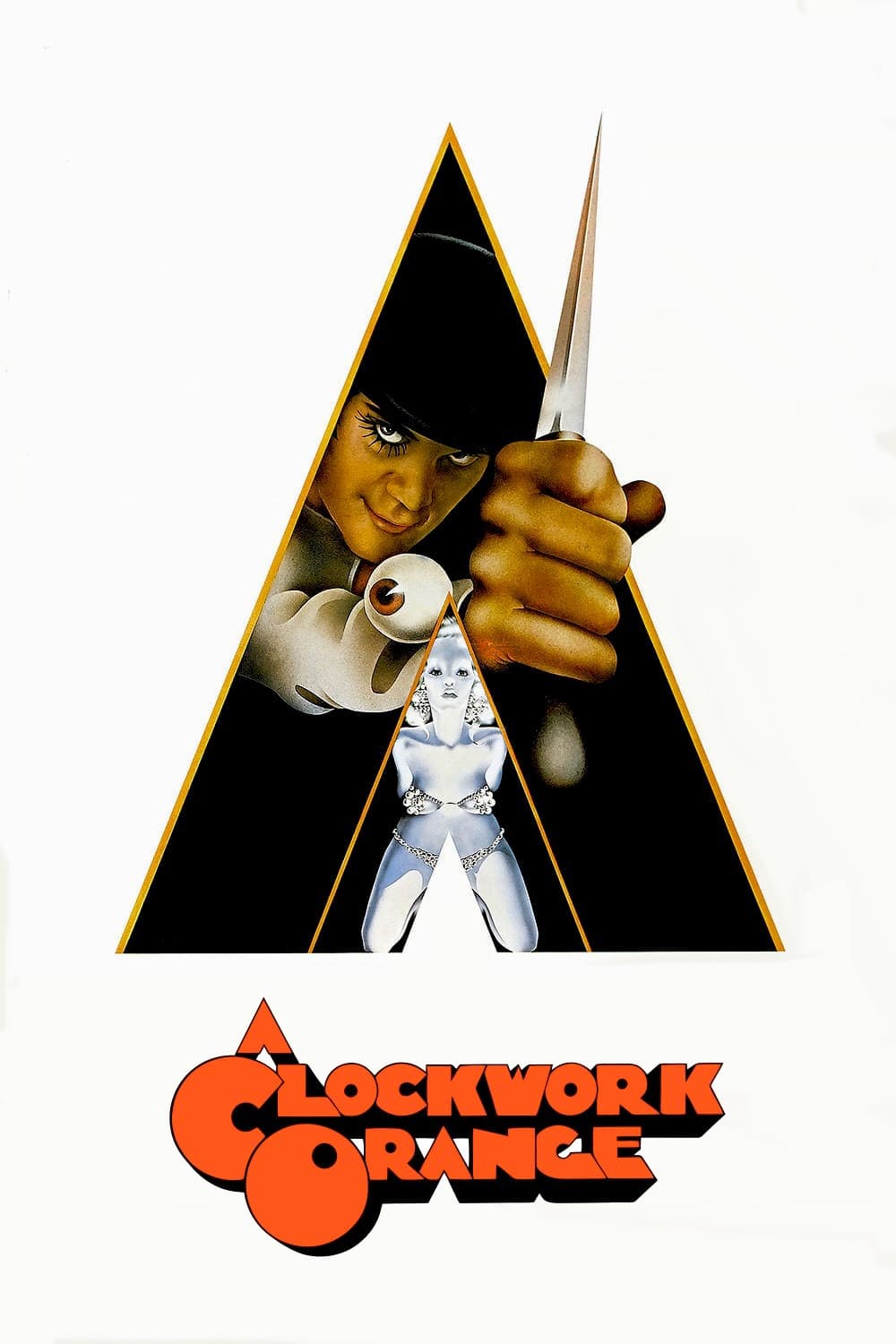
Alex leads a gang that commits home invasions and assaults, then undergoes the Ludovico Technique that conditions him against violence. The program leaves him unable to defend himself or make choices, and the public turns on the officials who approved it after news stories reveal the side effects.
Government leaders reverse the conditioning and court Alex’s favor to steady their standing. The final images show him fed and praised by politicians who promise support in exchange for good publicity, and his violent fantasies return as he smiles for photographers.
‘Joker’ (2019)

Arthur Fleck experiences cuts to mental health services, harassment on the street, and humiliation during a comedy set before he kills three men on a subway. He later shoots a talk show host on live television and becomes a symbol to protesters who clash with police. News reports within the film show the city slipping into riots.
Crowds in clown masks chant his name as patrol cars burn, and he stands on a wrecked vehicle while supporters cheer. The ending places him in a psychiatric facility with scenes that imply continued mayhem in Gotham, while the public treats him as the face of a movement.
‘Scarface’ (1983)

Tony Montana climbs the Miami drug trade by eliminating rivals and expanding distribution networks. He purchases a mansion, builds an armed security detail, and conducts meetings surrounded by gold fixtures and imported art while avoiding arrests for most of the story.
Heavy cocaine use, paranoia, and a broken deal lead to an assault on his estate, but until then his operations produce wealth and influence. The recurring image of The World Is Yours and a private office stocked with firepower present criminal enterprise as a fast route to status before the final shootout.
‘Dirty Harry’ (1971)

Inspector Harry Callahan pursues the Scorpio killer using intimidation, warrantless searches, and a coerced confession that a court later throws out. The suspect walks free because of civil rights violations, and the department cannot legally hold him despite clear evidence of danger.
Callahan continues the pursuit on his own and ends the case with a fatal shot in a quarry. The closing moment shows him discarding his badge, and the plot has already demonstrated that his off the books tactics locate the killer when procedures fail to produce a conviction.
‘Beauty and the Beast’ (1991)

Belle takes her father’s place as a prisoner in the Beast’s castle and gradually forms a bond through dinners, reading, and a ballroom dance. The Beast restricts movement early on and then offers gifts and new spaces, including a vast library that earns her trust.
Declarations of love lift the curse and restore the prince after villagers storm the castle. The romance unfolds alongside captivity, and the resolution ties freedom and grandeur to affection that develops within the walls of the prison.
‘Twilight’ (2008)

Edward Cullen watches Bella Swan sleep and describes himself as dangerous while staying close to her at school and at home. Their courtship proceeds with rules about physical proximity and a promise to protect her from other vampires, even as he controls the pace of the relationship.
He tracks her across town using heightened senses and intercepts threats with superhuman strength, including stopping a vehicle with his hands. The story seals a pledge of forever between a human teenager and an immortal, and it presents a romance that treats surveillance as devotion.
‘The Godfather’ (1972)
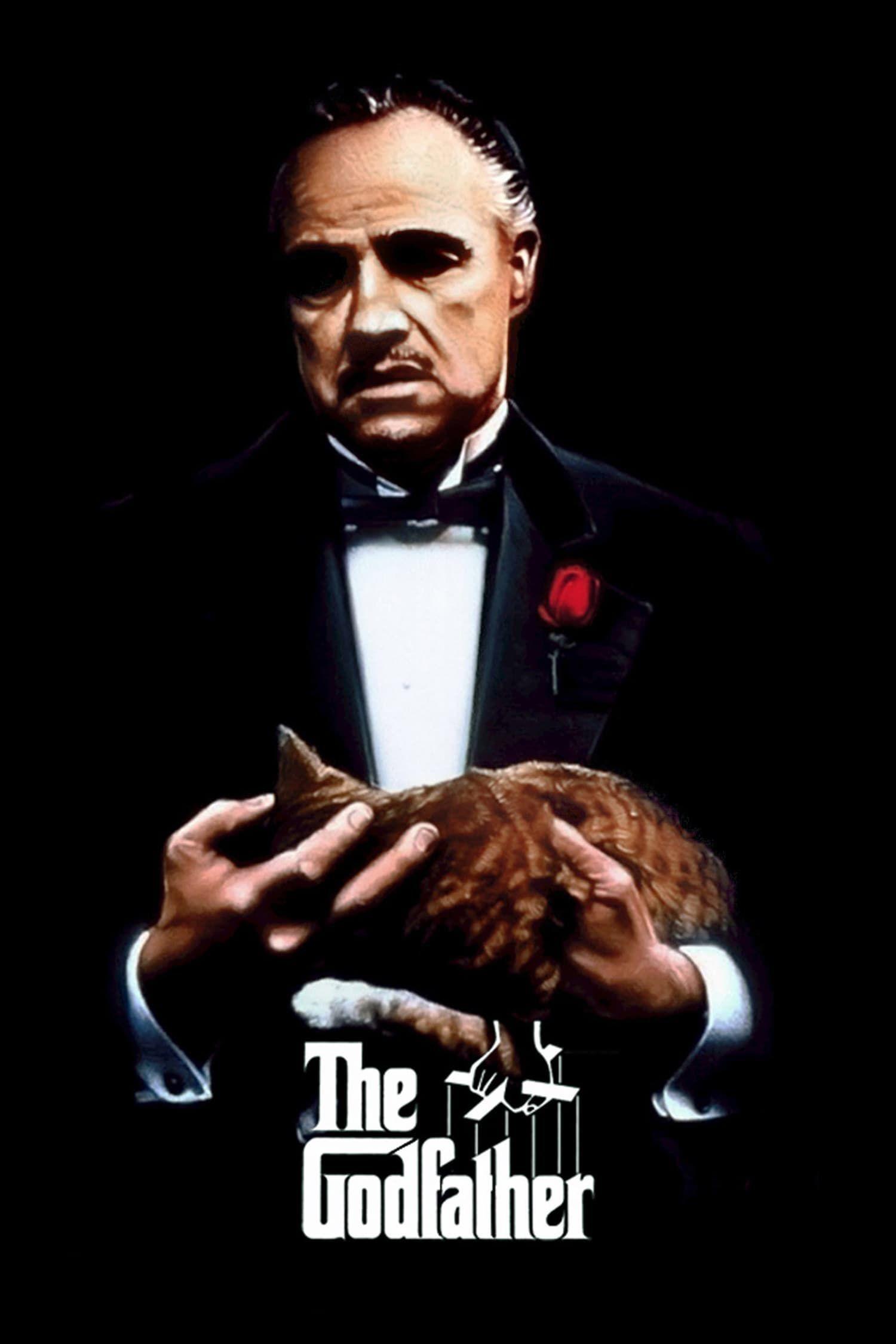
Michael Corleone commits multiple murders and then secures leadership of the family through strategic hits and business deals. He lies to his wife about his role in an assassination and consolidates power in New York and Las Vegas with capos and allies.
The film closes with men addressing him as Don while a door shuts Kay out of the room. The enterprise grows under a code of loyalty that outmaneuvers law enforcement, and family ceremonies and baptisms run in parallel with killings that extend the organization’s reach.
‘The Social Network’ (2010)

The drama covers the creation of Facebook and the legal battles that follow with the Winklevoss twins and Eduardo Saverin. Depositions, emails, and noncompete claims structure the timeline of disputes while the company expands in dorm rooms and offices.
The narrative shows rapid growth alongside fractured friendships and financial dilution. The final image leaves the founder alone at a computer refreshing a friend request, while settlements and valuations confirm success during ongoing personal fallout.
Share the titles you would add and tell us which entries you think belong or do not belong in the comments.