


15 Prestige Films With the Dumbest Possible Plot Devices




Prestige films often aim for critical acclaim with their bold storytelling and deep themes. Yet, even the most celebrated movies can stumble with plot devices that stretch belief or feel outright ridiculous.
These devices can pull you out of the story, leaving you scratching your head. From magical machines to nonsensical twists, here are 15 prestige films with plot devices that feel more absurd than artistic.
The Prestige (2006) – A Magical Cloning Machine
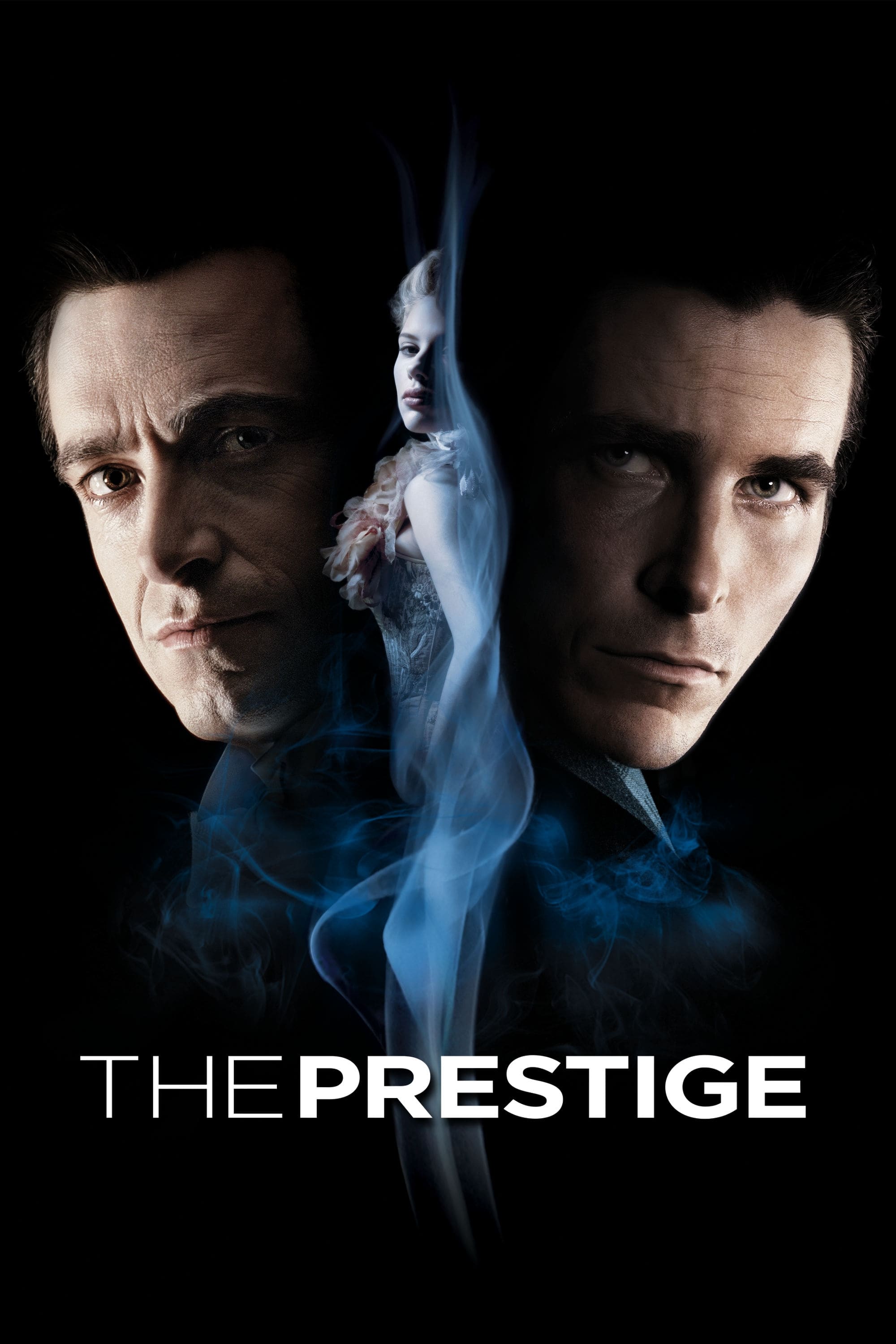
In ‘The Prestige,’ two rival magicians obsess over outdoing each other. The film builds tension beautifully until it introduces a bizarre machine built by Nikola Tesla that clones people.
This sci-fi twist feels like it belongs in a different movie. It undermines the grounded rivalry and makes the resolution feel like a cheat.
Interstellar (2014) – Wormhole Communication

‘Interstellar’ explores humanity’s survival through space travel. The climax hinges on a wormhole where the hero communicates with his daughter across time using gravity.
This plot device feels like a convenient fix. It’s hard to buy that fifth-dimensional beings would orchestrate such a specific solution.
Citizen Kane (1941) – The Unheard Last Word
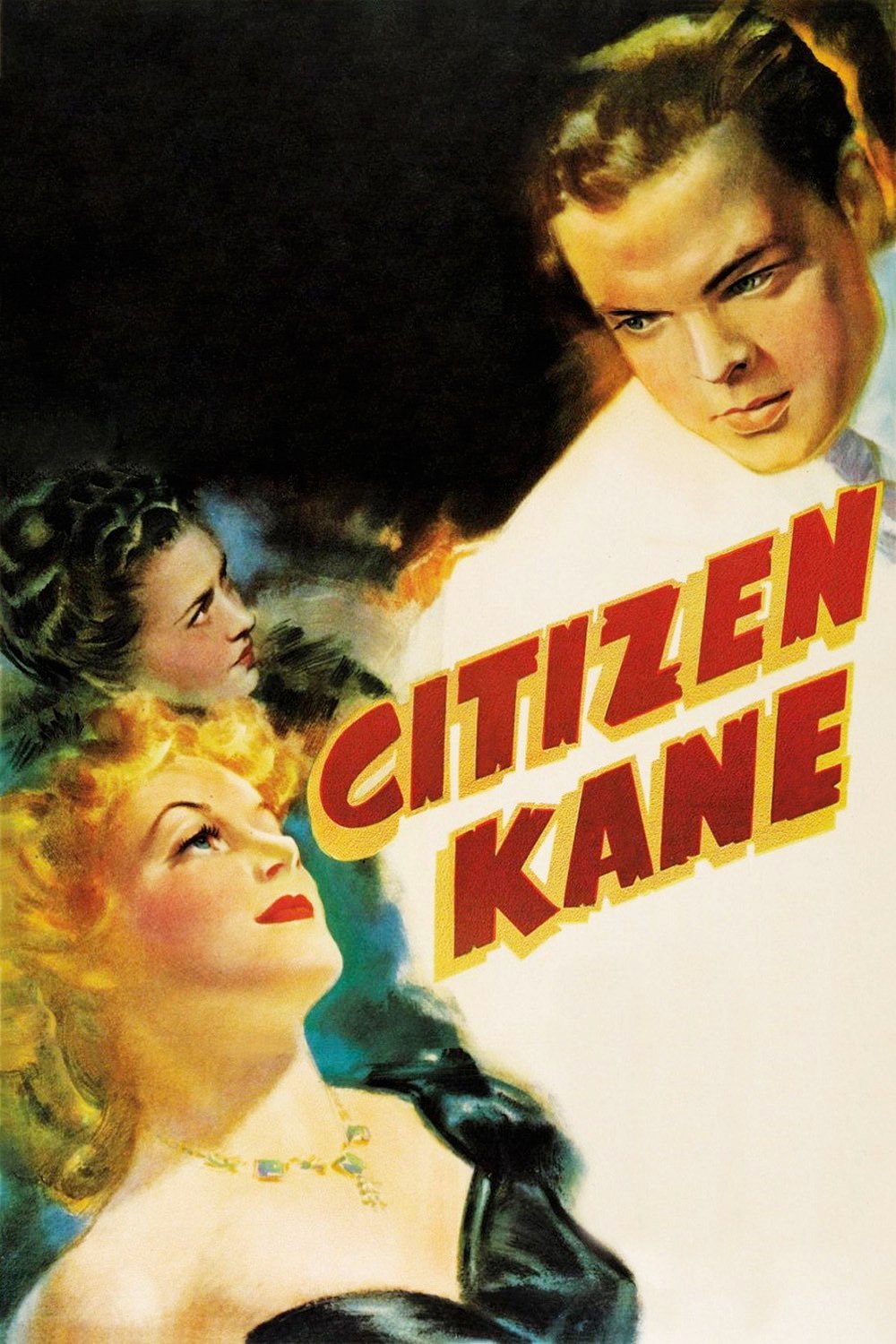
‘Citizen Kane’ is a cinematic masterpiece about a man’s life and legacy. The entire story revolves around decoding Charles Kane’s final word, ‘Rosebud,’ spoken as he dies alone.
If he was alone, who heard the word? This gap in logic nags at the film’s otherwise brilliant narrative.
Pulp Fiction (1994) – The Glowing Suitcase

‘Pulp Fiction’ weaves gritty crime stories with style. A mysterious glowing suitcase drives much of the plot, but its contents are never explained.
The suitcase feels like a lazy placeholder. It could be anything, which makes its importance feel hollow.
Indiana Jones and the Kingdom of the Crystal Skull (2008) – Alien Skulls

‘Indiana Jones and the Kingdom of the Crystal Skull’ brings back the adventurous archaeologist. The plot centers on crystal skulls tied to extraterrestrials.
Aliens feel wildly out of place in Indy’s world of historical artifacts. It’s a jarring shift that clashes with the franchise’s tone.
The Matrix Revolutions (2003) – Neo’s Magic Powers
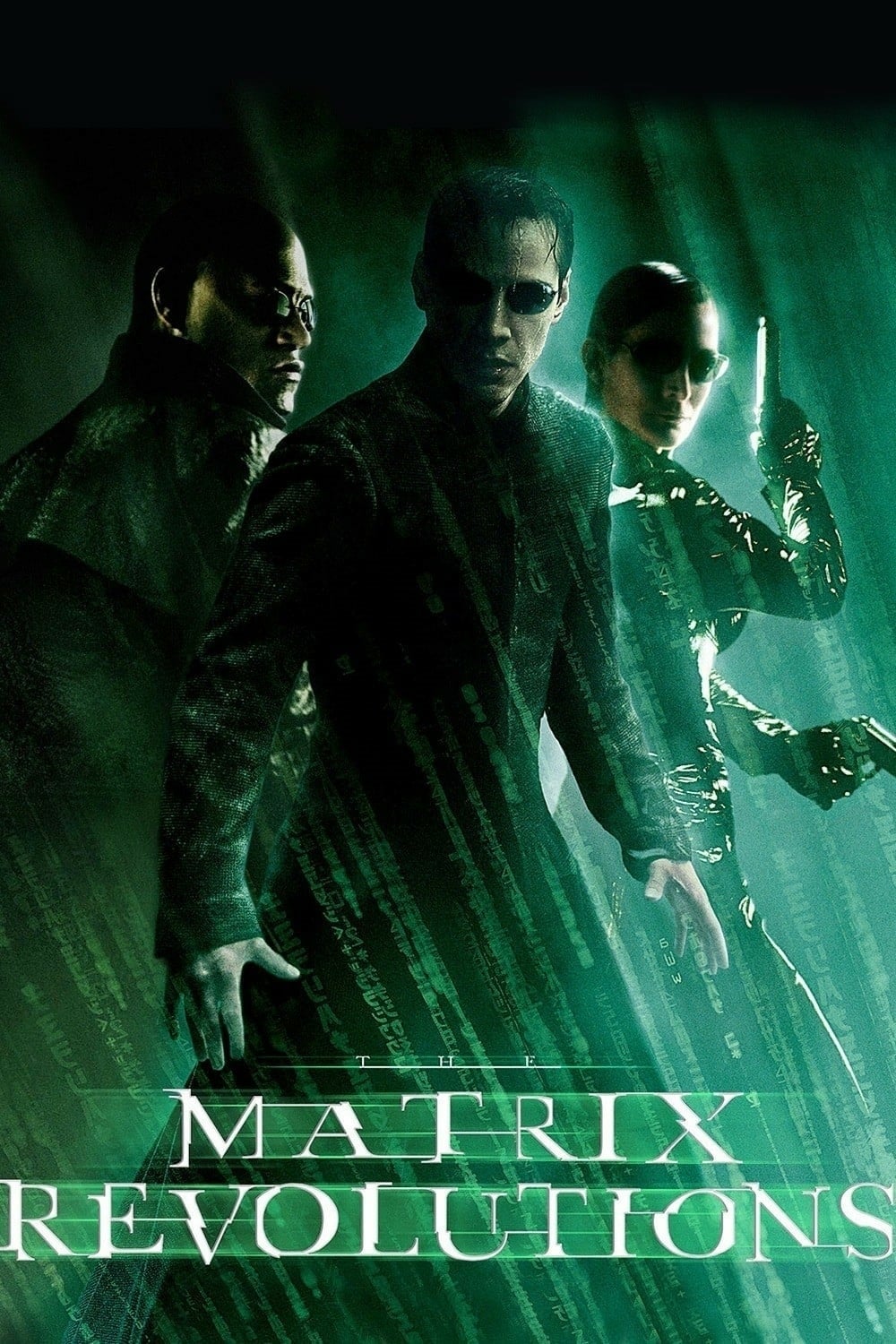
‘The Matrix Revolutions’ concludes the trilogy with epic stakes. Neo suddenly uses his virtual powers in the real world, stopping machines with his mind.
This unexplained leap breaks the rules of the Matrix universe. It feels like a rushed way to make Neo a superhero.
Cloud Atlas (2012) – Reincarnation Connections
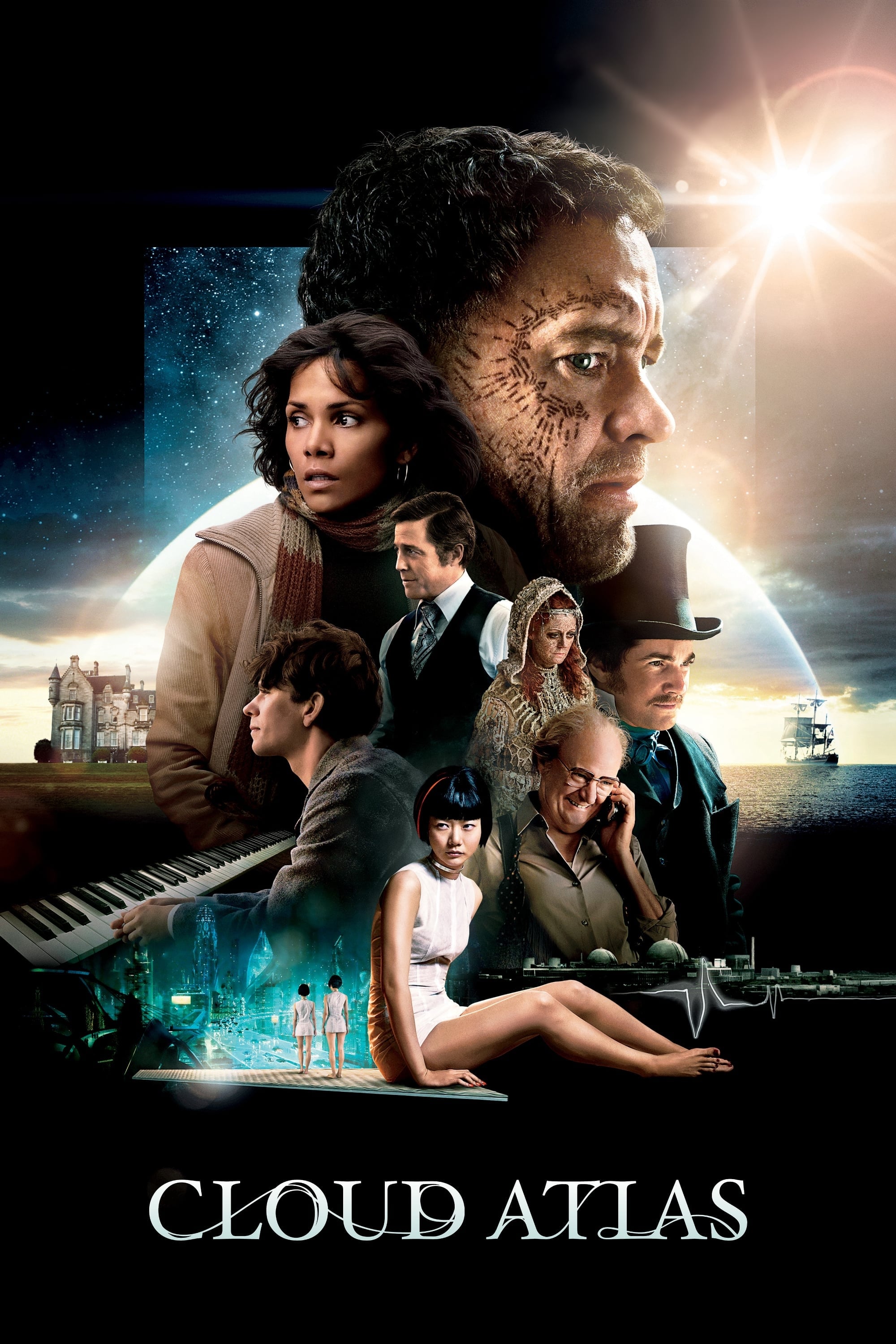
‘Cloud Atlas’ tells interconnected stories across centuries. The plot relies on characters being reincarnated versions of each other, linked by a birthmark.
The reincarnation device feels forced and vague. It’s hard to track the connections, making the story more confusing than profound.
The Life of David Gale (2003) – A Convoluted Frame Job
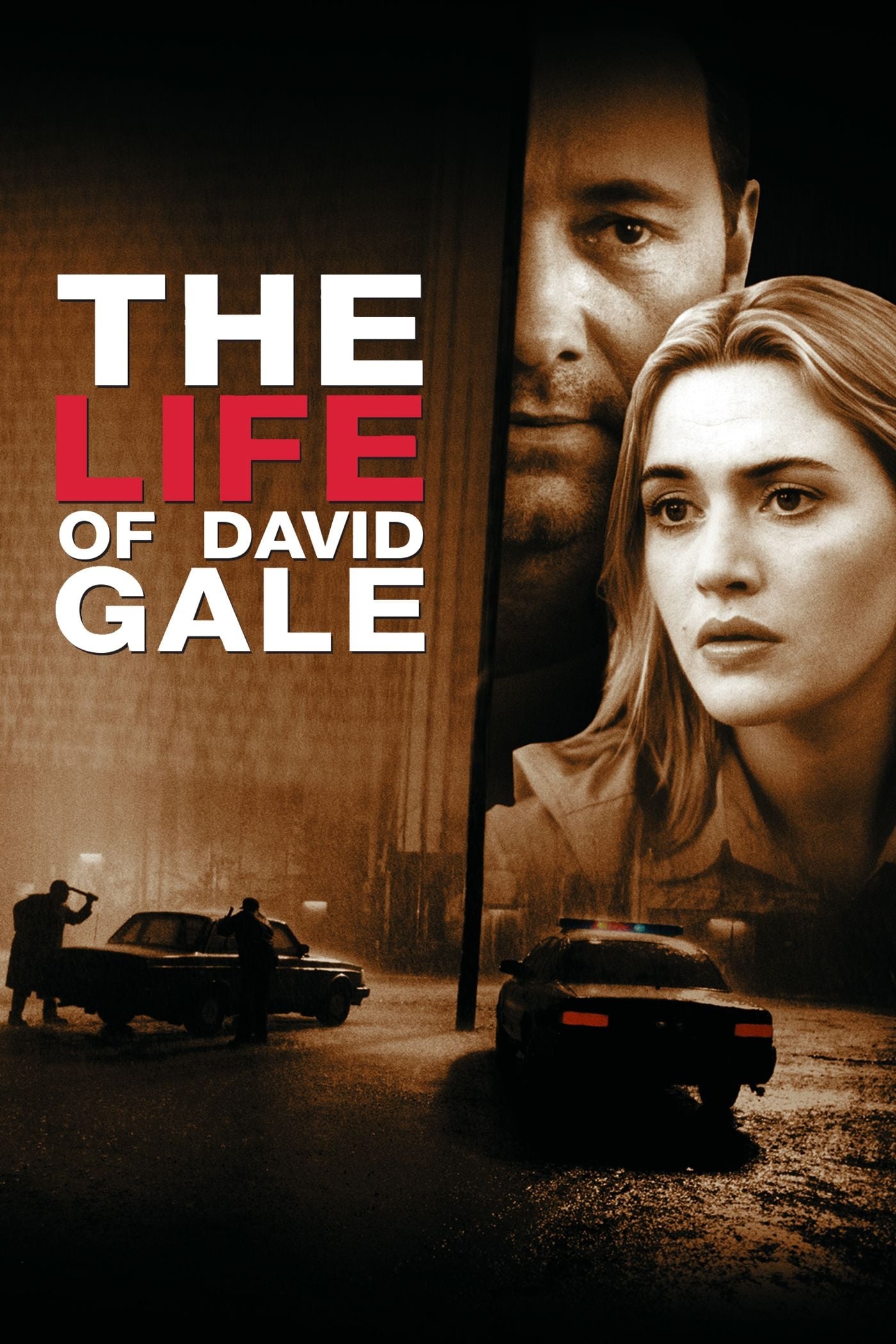
‘The Life of David Gale’ is a thriller about a man on death row. The plot hinges on an elaborate scheme where activists frame themselves to prove a point.
This twist is so overly complicated it strains belief. It sacrifices logic for shock value, undermining the film’s message.
Face/Off (1997) – Impossible Face Transplants
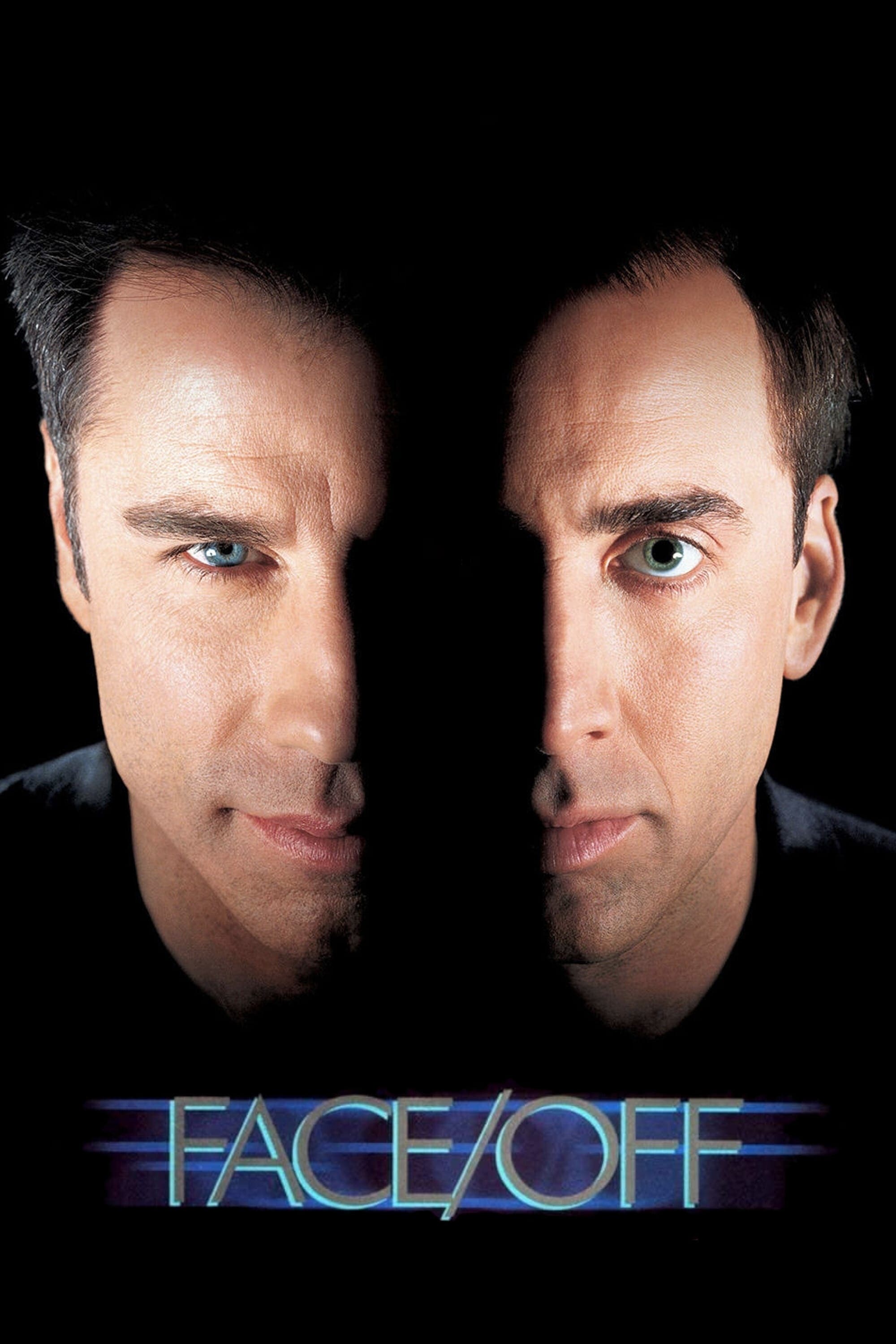
‘Face/Off’ thrives on its wild premise of swapping faces between a cop and a criminal. The surgery somehow changes their entire bodies and voices.
The science is laughably implausible. It’s a fun ride, but the plot device feels like pure fantasy.
Signs (2002) – Aliens Allergic to Water

‘Signs’ builds suspense around an alien invasion. The aliens, who conquer planets, are revealed to be vulnerable to water, a resource abundant on Earth.
Why would advanced beings invade a planet deadly to them? This flaw makes their threat feel silly.
Arrival (2016) – Non-Linear Memory
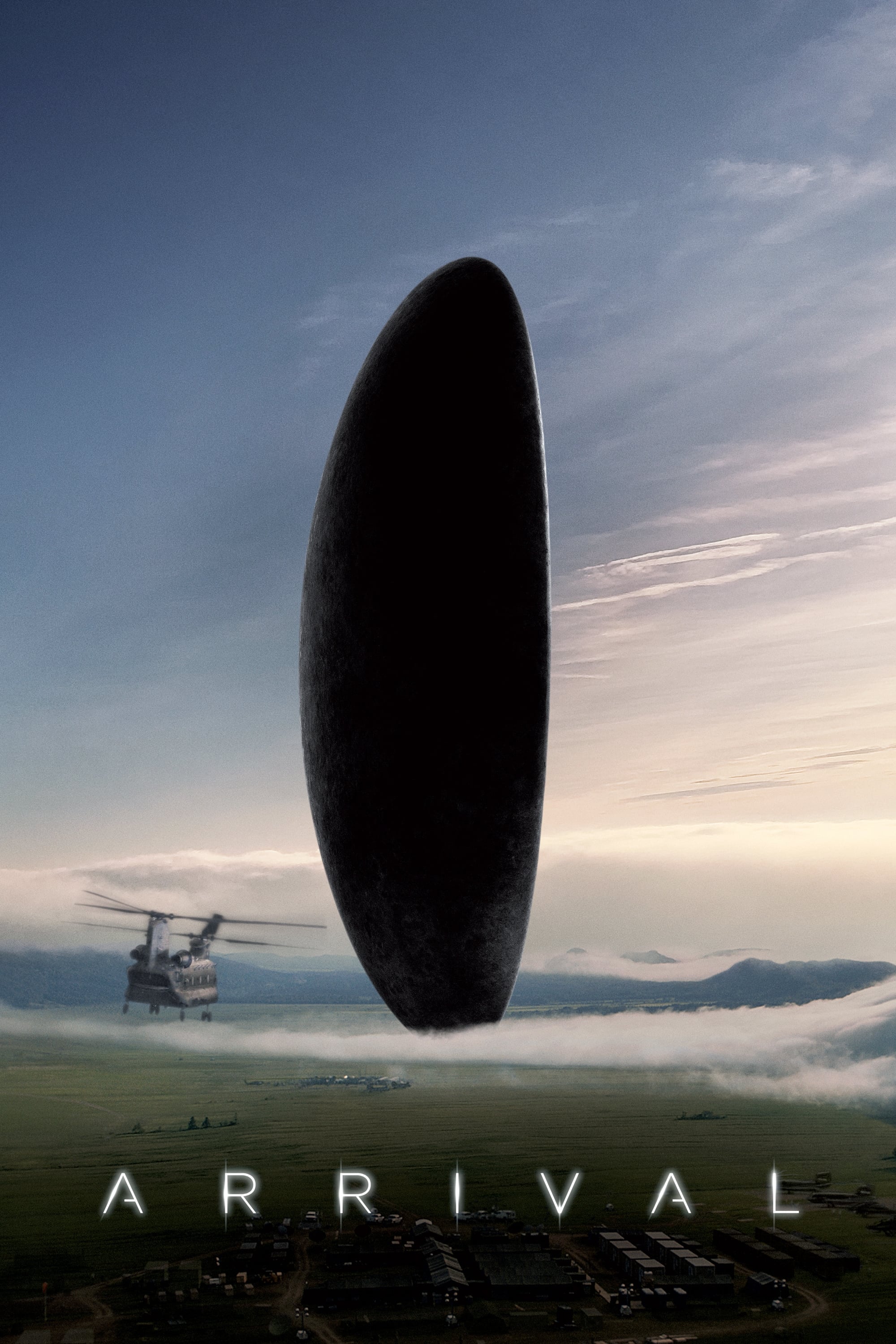
‘Arrival’ explores alien communication with a linguist who gains the ability to see time non-linearly. She uses future knowledge to solve present problems.
This time-bending ability feels like a convenient deus ex machina. It’s clever but stretches believability too far.
The Village (2004) – A Fake 19th Century

‘The Village’ presents a community living in fear of monsters. The twist reveals it’s a modern-day setup disguised as the 19th century to escape society.
Keeping this secret from everyone, especially younger members, feels absurdly impractical. The logistics collapse under scrutiny.
Looper (2012) – Time Travel Paradoxes

‘Looper’ dives into time travel with hitmen killing targets from the future. The plot hinges on characters meeting their future selves, creating messy paradoxes.
The rules of time travel are inconsistent. It’s a cool concept, but the logic falls apart on closer inspection.
The Shawshank Redemption (1994) – The Hidden Poster

‘The Shawshank Redemption’ tells a gripping tale of prison escape. Andy escapes through a tunnel hidden behind a poster, reattaching it perfectly after leaving.
How does he secure the poster from inside the tunnel? This small detail nags at an otherwise flawless story.
Primal Fear (1996) – Fake Split Personality
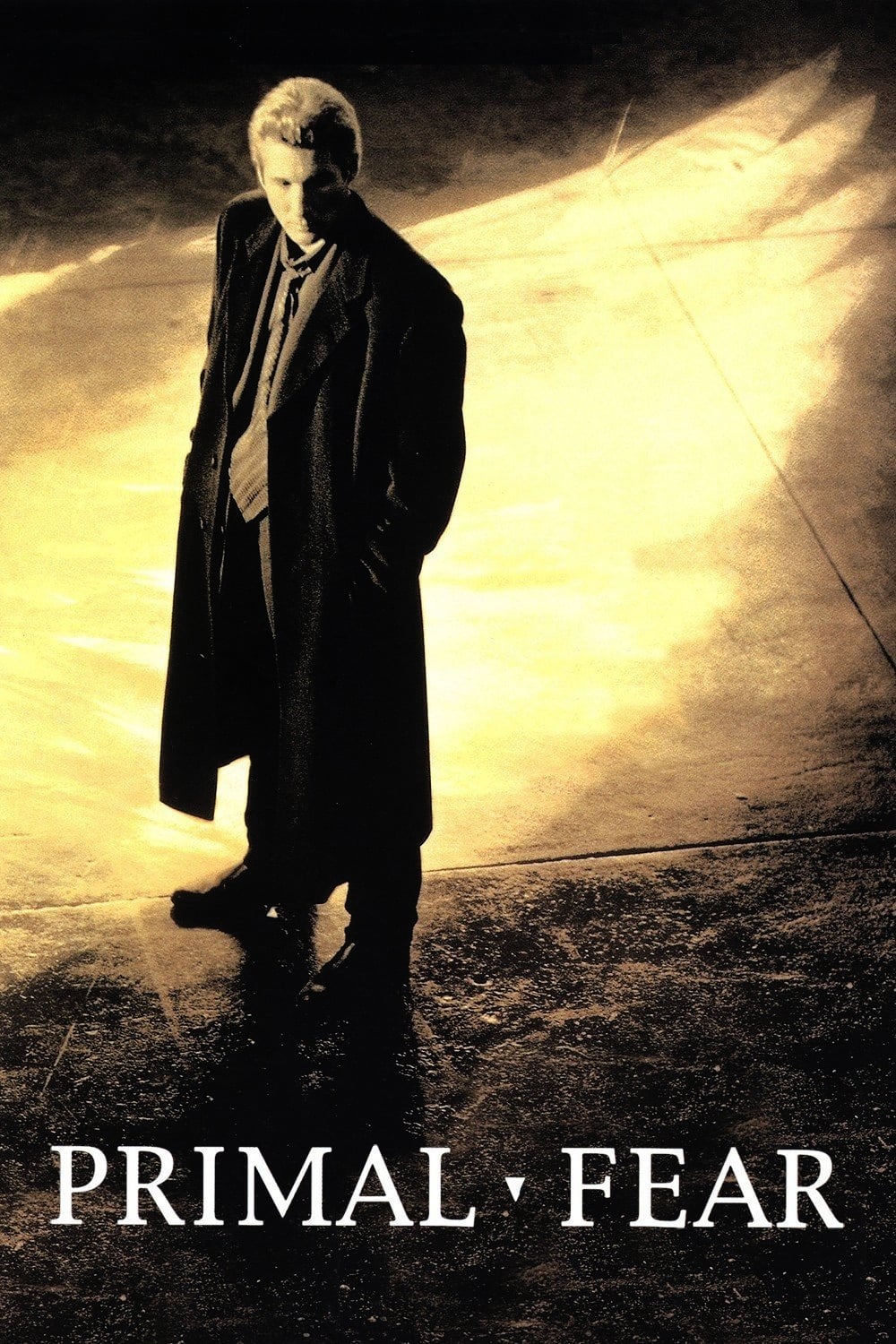
‘Primal Fear’ is a courtroom drama with a shocking twist. The defendant fakes a split personality to manipulate his trial and escape justice.
The reveal is dramatic but feels like a cheap trick. It’s hard to believe no one saw through the act earlier.
What’s the most absurd plot device you’ve seen in a prestige film, or did I miss a head-scratcher? Drop your thoughts in the comments!