


Producers Who Rescued Disasters You Never Noticed



Hollywood loves a comeback story, but some of the best rescues happen before audiences ever see a frame. When productions wobble—scripts stall, stars exit, test screenings tank—it’s often a producer who quietly stabilizes the ship. They rewrite the plan, rehire the team, re-cut the movie, and renegotiate the release—all without you noticing there was a fire in the first place.
This list spotlights the fixers behind the curtain: the producers who inherited chaos and delivered crowd-pleasers. No capes, just calendars, call sheets, and the authority to say “we’re doing it again—properly this time.” Here are fifteen times a producer (or producing duo) took a would-be disaster and turned it into something that worked.
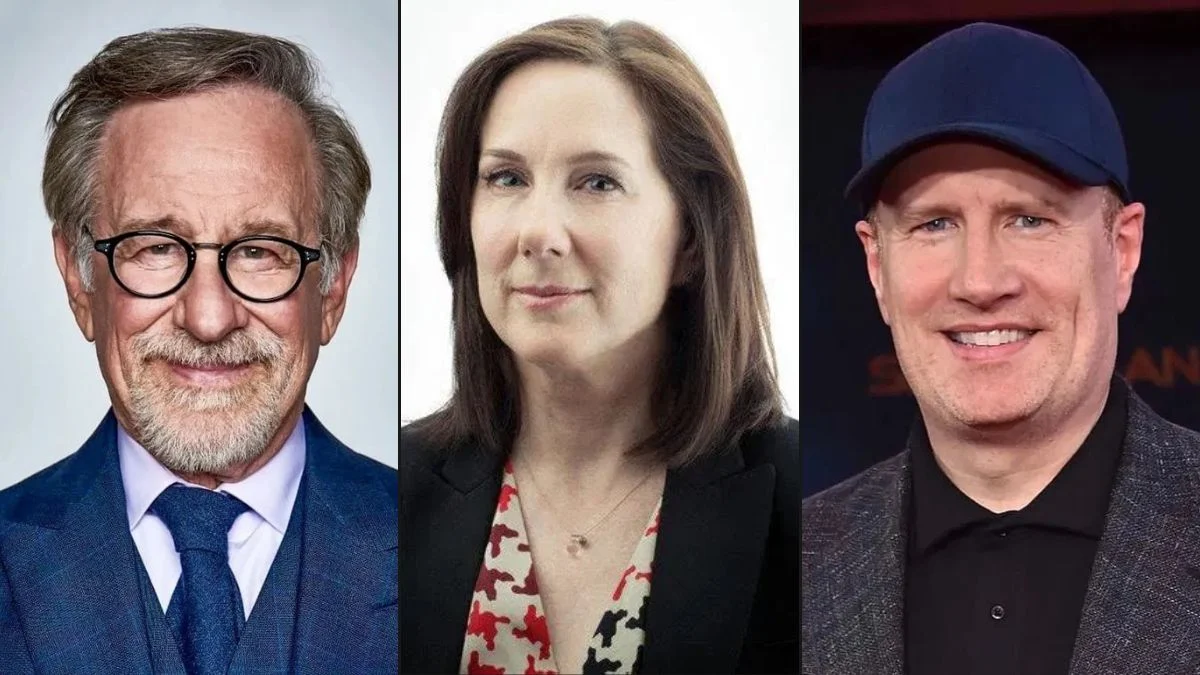
Steven Spielberg

When the chemistry and tone of ‘Back to the Future’ weren’t clicking, executive producer Steven Spielberg backed the radical choice to recast the lead mid-shoot. That decision meant expensive reshoots, morale triage, and a restart on scenes the crew had already sweated over, but it unlocked the movie’s voice overnight.
Spielberg’s bigger save was cultural: he protected the filmmakers’ instinct for buoyant, futuristic optimism when studio nerves pushed for safer choices. The result is a movie that feels effortless, even though it took a producer’s nerve to make the effort invisible.
Kathleen Kennedy

Producer Kathleen Kennedy didn’t just sign checks on ‘Rogue One: A Star Wars Story’—she engineered a late-stage course correction. When early cuts felt muscular but muddled, she brought in Tony Gilroy to refine character motivations and structure, then greenlit extensive reshoots.
Kennedy’s rescue wasn’t about erasing the original vision; it was about sharpening it. The final film lands its wartime tone and big-swing third act because a producer insisted that clarity and momentum were worth the extra time.
Brad Pitt

As star and producer of ‘World War Z’, Brad Pitt watched a gargantuan third act collapse under its own weight. Instead of muscling through, he paused the machine, invited new writers, and rebuilt the finale into a smaller, cat-and-mouse showdown that actually paid off the story.
That pivot required swallowing sunk costs and re-rallying a global crew. Pitt’s call turned a runaway train into a tense thriller—and a troubled production into a hit that felt, paradoxically, lean.
Barbara Broccoli & Michael G. Wilson

The Bond stewards faced a franchise wobble and a studio in financial turbulence, and still shepherded ‘Skyfall’ into one of 007’s crown jewels. They held firm for the director they wanted, trusted a character-driven approach, and protected the extra prep that elevated the film’s craft.
Crucially, they embraced a story that made vulnerability a strength. That’s a producer’s rescue: not just delivering spectacle, but giving permission to take the creative risk that makes the spectacle mean something.
Kevin Feige

When a studio standoff briefly yanked Peter Parker out of a shared universe, Kevin Feige—the producer as master diplomat—went back to the table. The outcome kept ‘Spider-Man’ swinging through crossovers and secured a runway to land the crowd-pleasing mayhem of ‘Spider-Man: No Way Home’.
Feige’s fix wasn’t only contractual. It preserved story continuity fans cared about and stabilized multiple pipelines of interconnected projects. The headline was business; the rescue was narrative.
Jason Blum

The first cut of ‘Paranormal Activity’ had ambience but not aftershock. Producer Jason Blum championed a sharper ending, lab-tested pacing tweaks with audiences, and staged a platform release that turned whispers into lines around the block.
Blum’s save was as much marketing as moviemaking: he recognized that the movie’s power grew when audiences told each other to go experience it. He built the runway where the scare could actually take off.
Frank Marshall
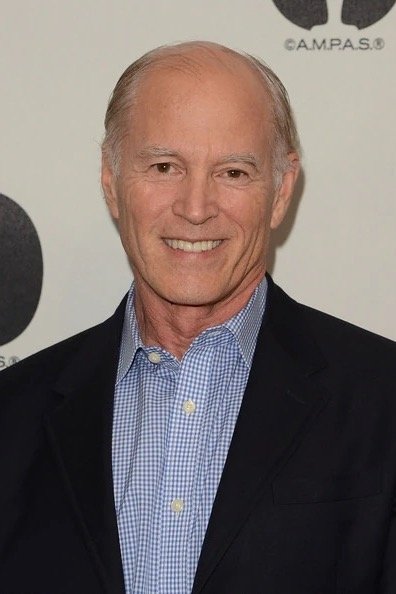
‘The Bourne Identity’ emerged from a tangle of rewrites, location headaches, and tonal uncertainty. Producer Frank Marshall pushed through targeted reshoots that re-anchored the story in character and geography, and he backed an editing approach that prized clarity over noise.
That calmer hand birthed a modern template for grounded action. The franchise didn’t become a phenomenon by accident; it did because a producer insisted the movie know exactly who it was.
Bradford Lewis
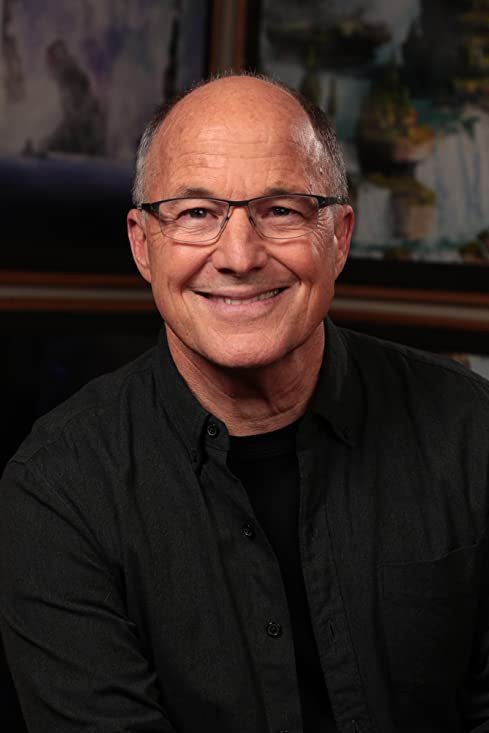
Animation behemoths can hide chaos behind charming renders, but ‘Ratatouille’ nearly curdled mid-production. Producer Brad Lewis helped guide a director change, rebuilt pipelines, and empowered the culinary research that made every frame feel tactile and tasty.
The save here was culture as much as craft. Lewis fostered a team willing to throw out beautiful work to chase better ideas, and the movie’s confidence—its ease—comes from that permission structure.
Neal H. Moritz
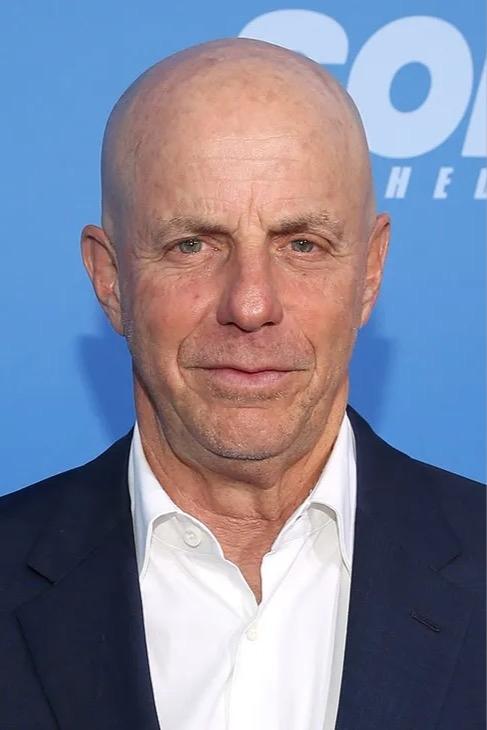
When the first trailer for ‘Sonic the Hedgehog’ detonated the internet, producer Neal H. Moritz didn’t bunker down; he pivoted. He supported a full character redesign and a release delay, absorbing costs to restore audience goodwill before opening weekend.
That humility—listening, adjusting, and communicating the plan—transformed a PR crisis into a redemption arc. The movie arrived to kids laughing, not memes roasting, because a producer treated feedback like a fixable note.
Jerry Bruckheimer
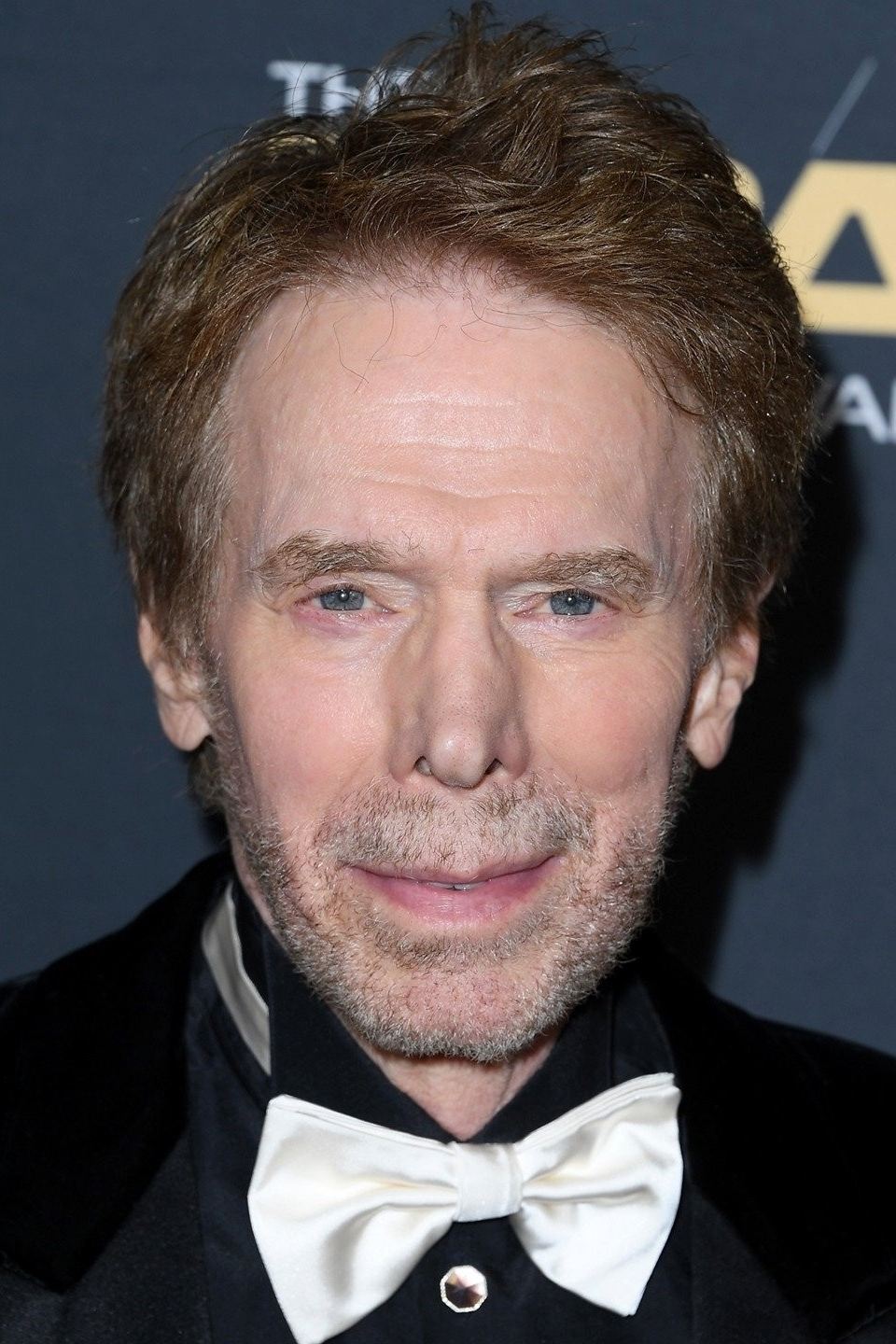
Early studio jitters about a swaggering pirate with gold teeth could have sanded the weird right off ‘Pirates of the Caribbean: The Curse of the Black Pearl’. Producer Jerry Bruckheimer did the opposite: he defended the risk, buffered the set from panic, and then shaped a cut that let the eccentricity sing.
Bruckheimer’s rescue preserved tone. He knew that if the movie stopped to justify itself, it would sink. Instead, it sails—because a producer kept the wind in those odd, glorious sails.
David O. Selznick

‘Gone with the Wind’ didn’t glide into the history books; it lurched through director swaps, script surgery, and on-set conflagrations. Producer David O. Selznick centralized command, enforced a coherent vision, and kept cameras rolling when the logistics said “quit.”
He micromanaged? Absolutely. But the rescue was about turning chaos into orchestration. Love the result or not, the scale and continuity exist because a producer willed a juggernaut into a single movie.
Mark Johnson & Graham King
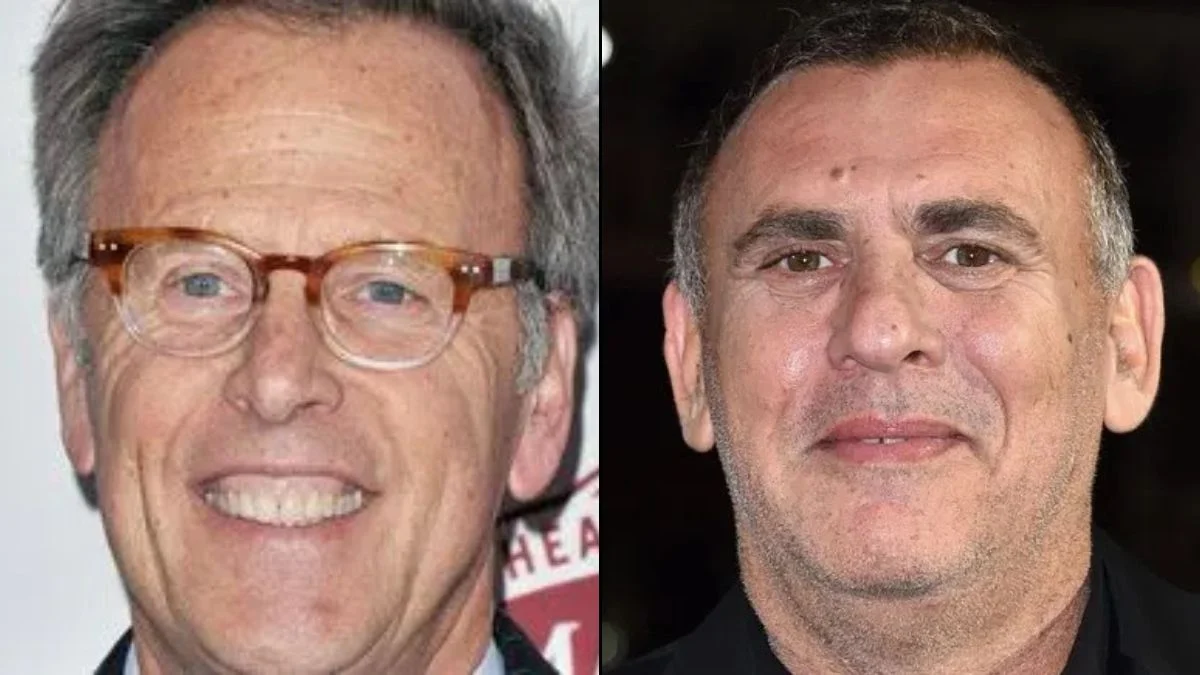
When ‘Bohemian Rhapsody’ lost its director late in the game, producers Mark Johnson and Graham King moved quickly to stabilize the shoot and protect performances and music clearances. They brought in a closer to finish, then stewarded a cut that emphasized energy over mess.
The save wasn’t subtle; it was surgical. They kept the momentum, guarded tone, and delivered a finale that sent audiences out humming instead of head-scratching.
Greg Daniels

‘The Office’ began as a faithful copy that didn’t quite fit. Producer-showrunner Greg Daniels retooled the humor toward warmth, softened edges, expanded the ensemble, and found the documentary heartbeat that let the show become its own thing.
That rescue is a TV lesson: save the culture and you save the show. By building a writers’ room that prized character truth over cheap cringe, Daniels turned a near-miss into a workplace classic.
Chuck Lorre
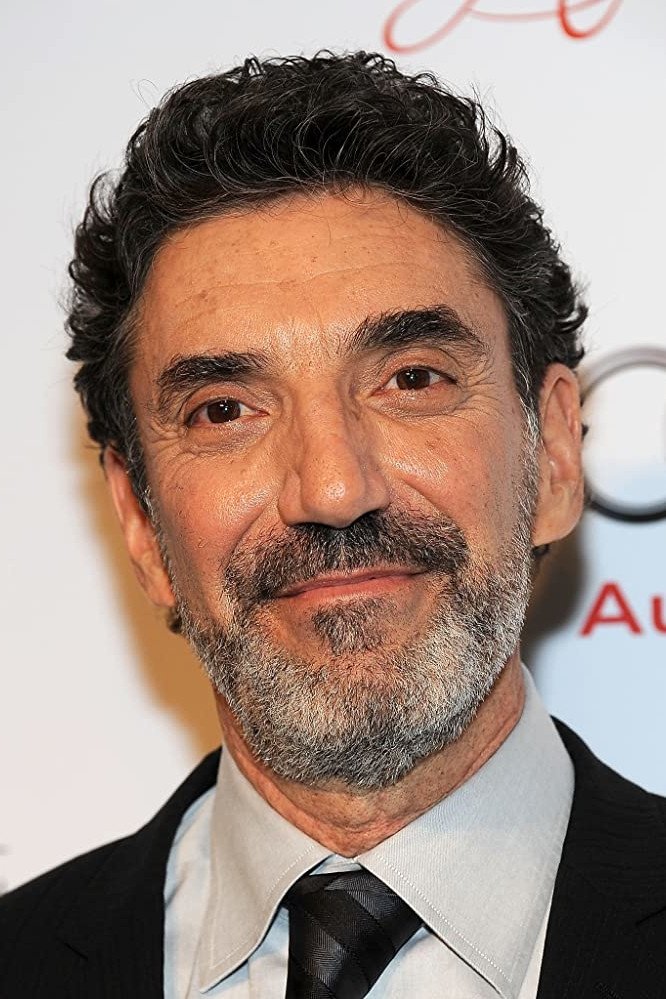
When a lead imploded and a hit looked finished, producer Chuck Lorre rebuilt ‘Two and a Half Men’ on the fly. He reset the premise, brought in a new star, and recalibrated dynamics so the sitcom could continue making loud studio audiences laugh.
You don’t always get grace notes in a crisis. But Lorre’s save extended the show’s life by seasons, not weeks, and kept hundreds of crew employed—an often invisible part of what “rescue” means.
Lauren Shuler Donner

‘Deadpool’ languished in development limbo, its tone too spiky and its rating too bold. Producer Lauren Shuler Donner kept the flame lit, fought for the right creative team, and seized the moment when test footage set the internet buzzing.
Her rescue was conviction. By protecting the irreverence that made the character work, she turned a decade of “no” into a very loud “yes,” and gave a studio a new way to think about superhero movies.
Share your favorite behind-the-scenes saves—or the ones we missed—in the comments.