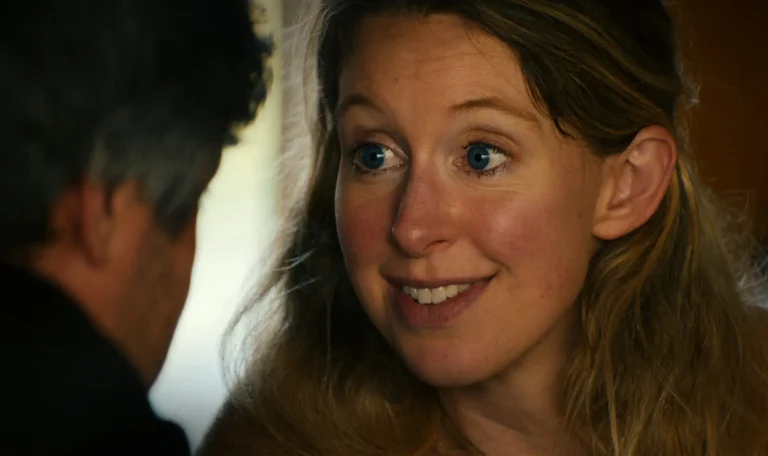
Q’orianka Kilcher Sues James Cameron & Disney, Alleging ‘Avatar’ Character Neytiri Was Based on Her Teenage Face

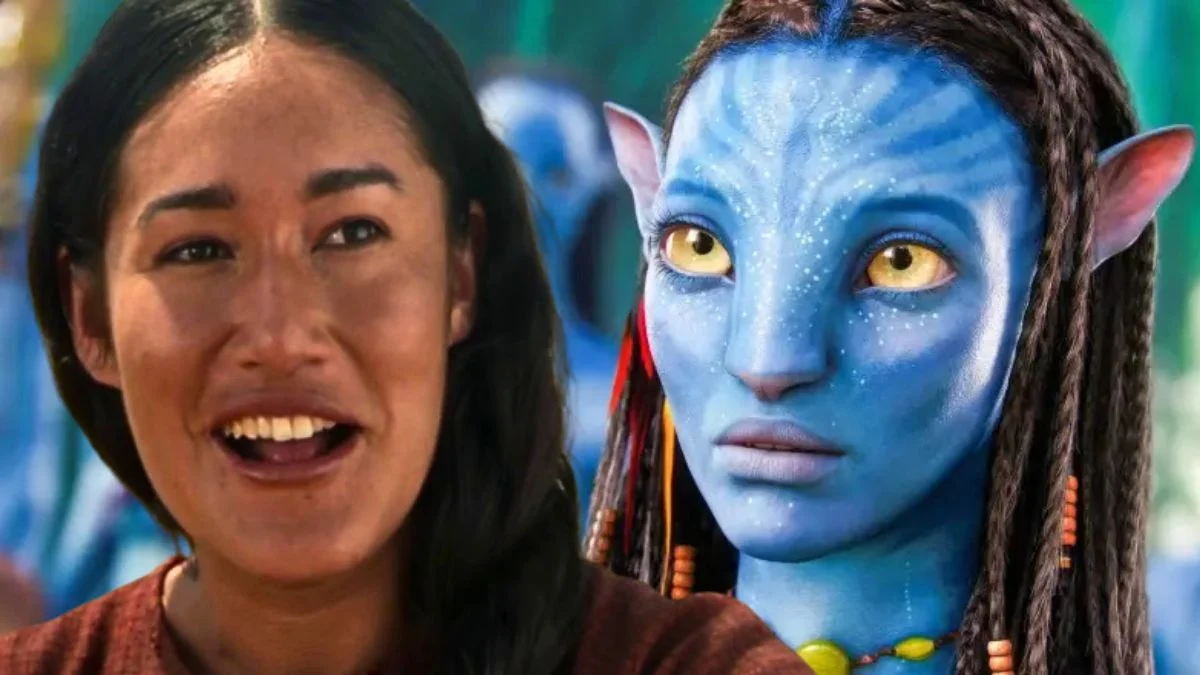

Q’orianka Kilcher has been a distinctive presence in Hollywood since her celebrated debut as Pocahontas in Terrence Malick’s ‘The New World’, later earning wider recognition through her recurring role in the hit drama ‘Yellowstone’. The indigenous Peruvian actress has long been an outspoken advocate for Native representation in the film industry, but she now finds herself at the center of a landmark legal case that could redefine how Hollywood accounts for the real human faces behind its biggest digital creations.
‘Avatar‘ required years of ambitious visual development, and one of its central challenges was making the Na’vi race feel emotionally relatable enough for audiences to genuinely connect with them. The character of Neytiri, the warrior princess brought to life on screen by Zoe Saldaña, proved especially difficult to pin down, with early designs reportedly striking the team as too alien to generate the empathy the story required. It was during this creative impasse, according to newly filed court documents, that Cameron reportedly found his answer in a newspaper photograph.
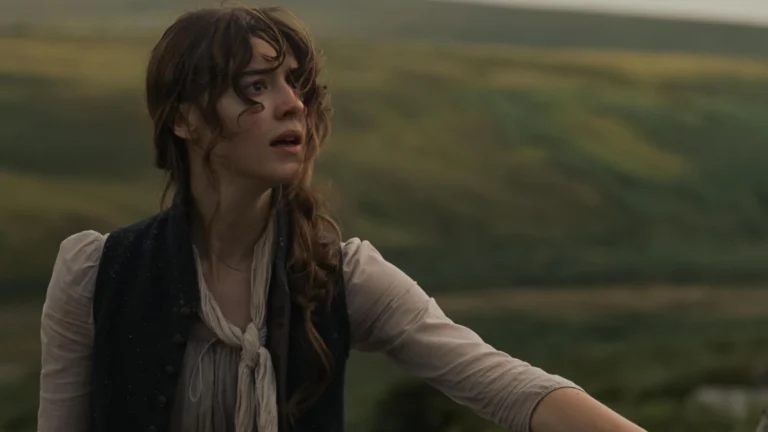
A complaint filed in the U.S. District Court for the Central District of California alleges that Cameron came across a promotional photograph of Kilcher published in The Los Angeles Times, taken when she was fourteen and appearing in ‘The New World’. The suit claims he extracted her facial features from that image and directed his design team to use them as the structural foundation for the character of Neytiri. According to the filing, her lips, chin, jawline, and overall mouth shape were replicated in production sketches, sculpted into maquettes, laser-scanned into digital models, and distributed across multiple visual effects vendors throughout production.
Kilcher says she had no awareness of any of this for years. In 2010, Cameron gifted her a framed Neytiri sketch alongside a handwritten note telling her that her beauty had been his early inspiration for the character, with an added remark expressing regret that she had been unavailable to appear in the film. She interpreted the gesture as a loose personal compliment rather than a window into what the lawsuit now describes as a systematic design process built around her image.
The full picture only came into focus in late 2025, when a broadcast video interview featuring Cameron began circulating on social media. In that footage, Cameron reportedly stood before the Neytiri sketch and identified Kilcher by name, describing her lower face as the direct model for the character’s foundational design. The complaint, obtained by Variety, also names Lightstorm Entertainment, Industrial Light and Magic, and additional visual effects companies as defendants, and invokes California’s recently enacted deepfake statute given that a minor’s likeness was used to build a character later depicted in intimate scenes across the franchise.
The first ‘Avatar’ film alone crossed $2.92 billion worldwide, and the broader franchise ranks among the highest-grossing in cinema history. As NBC News reported, Kilcher said in a press release accompanying the filing that it was deeply disturbing to learn her face, taken at fourteen, had been used without her knowledge or consent to help build a commercial asset of this magnitude for both Disney and Cameron.
Her lead counsel characterized the director’s conduct not as creative inspiration but as extraction, framing the case as a matter of holding powerful defendants accountable for real harm done to real people. Neither Cameron nor Disney had issued any public response as of the filing date.
For anyone who has ever felt a genuine emotional connection to Neytiri in ‘Avatar’, this lawsuit invites a harder look at what that connection was actually built on, and whether Q’orianka Kilcher deserves far more than a belated handwritten note.