


Quentin Tarantino and the Clash That Almost Cost Him $5 Million

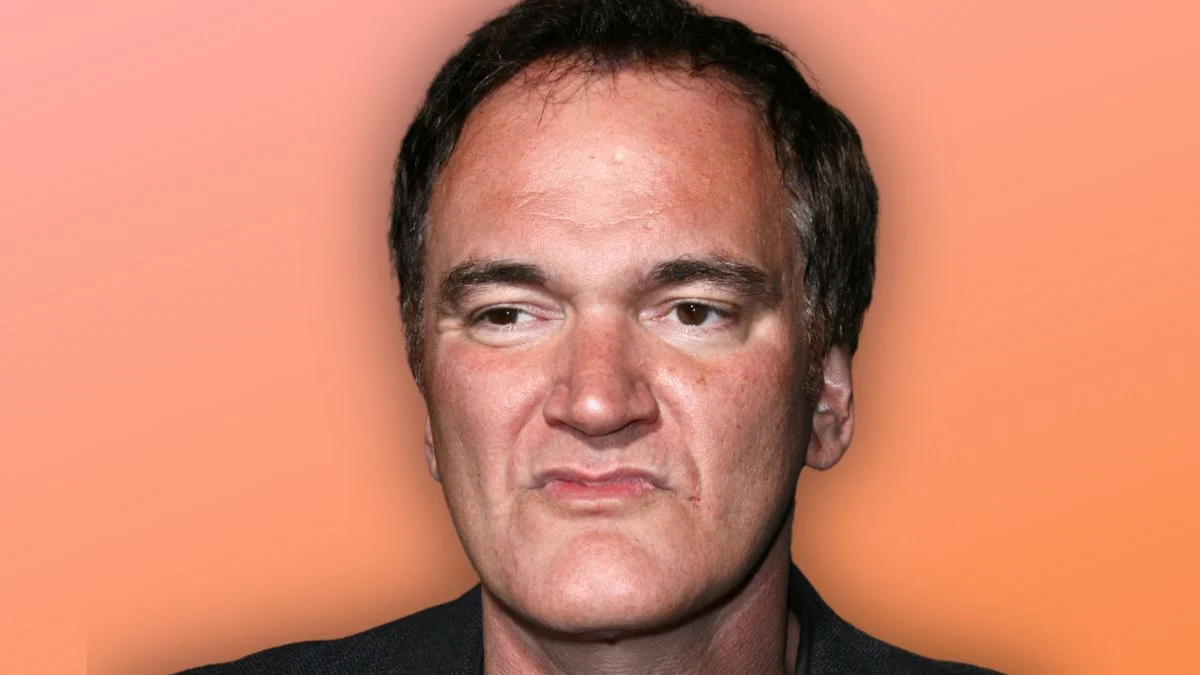


Quentin Tarantino has often tried to project a tough-guy persona, famously spending time in the late 1980s wandering Los Angeles in an outfit inspired by Chow Yun-fat’s role in A Better Tomorrow.
While he may have felt like a formidable presence, many onlookers likely found the costume choice more peculiar than intimidating. His penchant for outspoken and sometimes inflammatory remarks has frequently put him at odds with his industry colleagues, but one specific dispute eventually moved beyond verbal sparring.
The source of the friction was the 1994 film Natural Born Killers, a project Tarantino scripted but grew to despise after Oliver Stone took the directorial reins. He believed the final version of the movie completely distorted his original vision, creating a rift that would lead to a physical confrontation years later.
In 1997, Tarantino encountered producer Don Murphy at a Los Angeles restaurant and decided to address his grievances in person. Pissed off by comments Murphy made in a book about the film’s production, Tarantino reportedly shoved and struck the producer, pinning him against a wall.
The director didn’t shy away from the incident, later appearing on The Keenen Ivory Wayans Show to recount the fight with a sense of pride. He informed the audience that he had been searching for Murphy for years and claimed to have “b**ch-slapped” him several times to settle the score.
Murphy subsequently initiated a $5 million lawsuit, asserting that the unprovoked attack left him in pain and unable to work effectively. He publicly stated that any money won from the case would be donated to the Inner City Filmmakers group in Los Angeles to aid young creators.
This gesture emphasized that the legal battle was about accountability rather than a simple financial payout for the producer. The author of the book that sparked the fight, Jane Hamsher, also condemned the director’s actions as unprofessional and unnecessary.
“If Quentin didn’t agree with what was published in my book, he should have taken his grievances to a court of law,” she argued. She noted that legal channels were the proper way to resolve such conflicts, though Tarantino obviously felt his more direct method was more effective at the time.
Ultimately, the legal threat dissipated when the lawsuit was dropped, allowing the filmmaker to avoid a massive financial penalty. As of this year, the director has been focusing on his transition away from feature filmmaking.
He has spent much of the current year hosting exclusive screenings at the Vista Theatre, his personal cinema dedicated to showing rare film prints. Fans are eagerly waiting to see who will lead his final cinematic effort, which is being positioned as his ultimate tribute to the medium.
Have something to add? Share your thoughts in the comments.