Quentin Tarantino Declares Hollywood a ‘Flavorless Sausage Factory’ and Says He’d Rather Read a Book

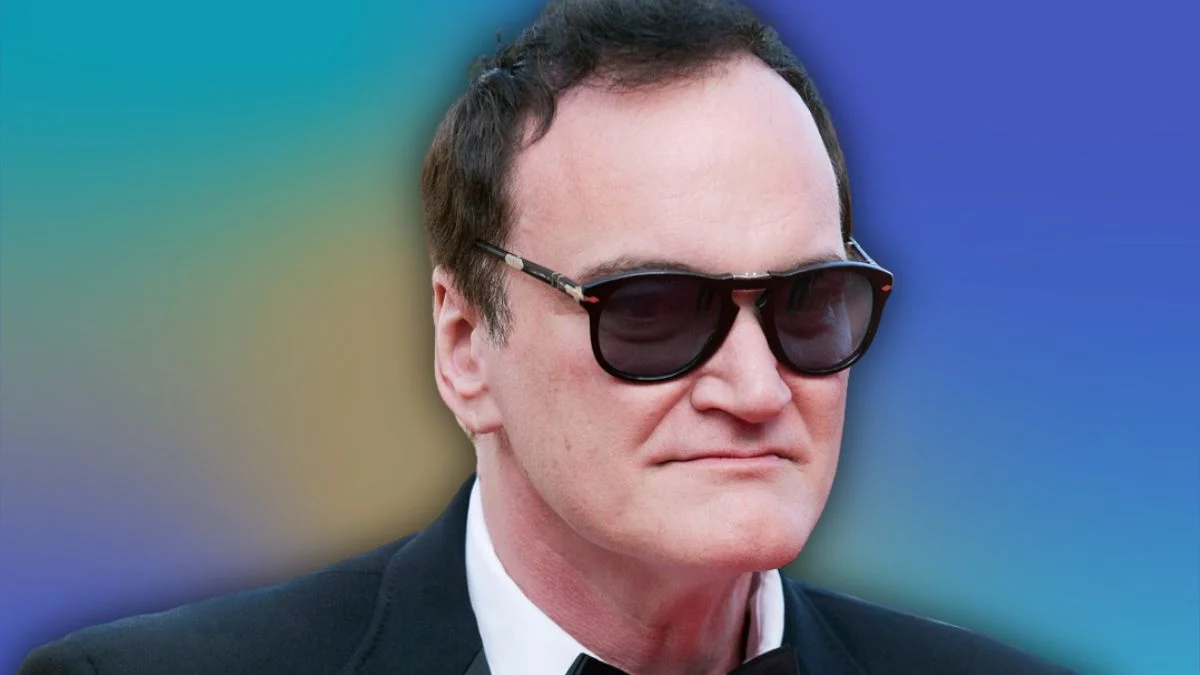

Few filmmakers have earned the right to criticize Hollywood with the same authority as Quentin Tarantino. The auteur behind ‘Pulp Fiction’ and ‘Inglourious Basterds’ built his career on the very industry he now holds at arm’s length, and his voice carries the weight of someone who has spent decades studying cinema with an almost obsessive reverence. That makes his latest public remarks all the more striking.
His last turn in the director’s chair came with ‘Once Upon a Time in Hollywood’ in 2019, and since then, Tarantino has shifted focus away from filmmaking entirely, scrapping his planned tenth feature and turning his attention toward writing a stage play. At the Sundance Film Festival earlier this year, he told audiences he was in no hurry to make his final film, suggesting that if his West End play turns out to be a success, it might end up being his swan song. The creative restlessness that has always defined him appears, if anything, to have sharpened in recent years.
In a new op-ed published in Sight and Sound magazine, Tarantino explained that since the pandemic, he finds it almost impossible to watch a new movie without picking it apart entirely. Writing for the publication, he described the current state of the industry in unmistakable terms, saying that flaws, implausibilities, audience pandering, and miscast performers usually torpedo every new movie coming out of the flavorless sausage factory that used to call itself Hollywood. The phrase landed like a provocation, and it was clearly intended to.
He went further still, arguing that modern cinema makes the 1980s, an era he has long considered one of Hollywood’s weaker decades, look comparably impressive, suggesting the last six years of output have been so poor that the eighties now seem like the golden age of the thirties by contrast. His overall feeling toward the concept of what a movie even is these days, he wrote, leans more toward contempt than generosity, and he added that he would simply rather read a book. Coming from a man who once spoke about cinema with near-religious devotion, that line hits differently.
He did name a handful of exceptions, pointing to Steven Spielberg’s musical ‘West Side Story’ and Kevin Costner’s ambitious western project ‘Horizon: An American Saga’ as films he genuinely liked. But the one recent title that truly captured his attention was Netflix’s ‘The Rip’, a crime drama directed by Joe Carnahan and starring Ben Affleck and Matt Damon as law enforcement officers uncovering cartel-linked corruption in Miami-Dade. Tarantino wrote that it held him for its entire duration, a distinction that apparently very few new films manage to achieve anymore.
In the piece, he singled out the screenplay by Carnahan and Michael McGrale as the real powerhouse element of the film, also praising the cast’s performances and the cinematography by Juan Miguel Azpiroz. The effusiveness of his praise for a single Netflix thriller only throws the bleakness of his broader diagnosis into sharper relief. One film earning a real recommendation from Tarantino in the span of several years says as much about his expectations as it does about ‘The Rip’ itself.
His comments arrive at a peculiar moment in the industry’s ongoing identity crisis, where conversations about franchise fatigue, studio risk-aversion, and the collapse of mid-budget cinema have been running loud for years. Whether Tarantino’s frustration resonates with wider audiences or reads as the lament of a filmmaker who no longer makes movies, the reaction to his Sight and Sound essay suggests the debate is far from settled.
Is Tarantino right that Hollywood has lost the magic that once made cinema feel irreplaceable, or has the industry simply evolved into something he personally no longer connects with?