


Quentin Tarantino Opens up on Why He Loves To Watch His Own Movies

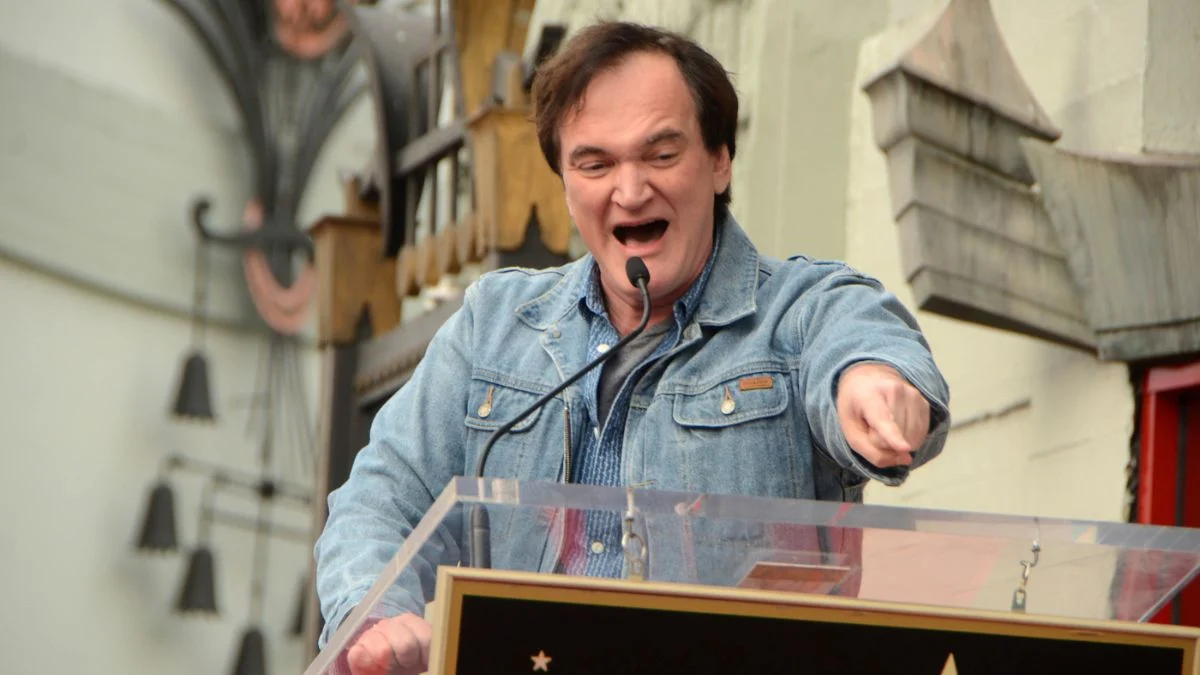


Quentin Tarantino first made a significant impact on the cinematic landscape in the late 1980s, but it was during the 1990s that he truly flourished as a filmmaker. His distinct approach to narrative structure and dialogue became instantly recognizable through groundbreaking works like Reservoir Dogs and Pulp Fiction.
While his projects may not follow a single, obvious throughline, his specific aesthetic is unmistakable from the very first frame that appears on the screen. Throughout his career, every film has demonstrated a clear mastery of its respective genre.
While Reservoir Dogs focuses on the gritty mechanics of a heist gone wrong and The Hateful Eight leans into the tension of a snowbound Western, it always feels as though Tarantino is applying his personal touch to these established styles.
He continues the tradition of legendary auteurs like Stanley Kubrick and Steven Spielberg, who preferred to offer a unique interpretation of a genre rather than a mere imitation. Although many directors have favorites among their own work, Tarantino has expressed that he has never released a film he wasn’t entirely satisfied with.
When discussing his philosophy on filmmaking, he has noted that he aims to please himself as an artist above all others. He told Howard Stern that he truly loves his movies and creates them specifically for his own enjoyment, famously adding that everyone else is invited but he remains very happy with his work.
A significant part of his satisfaction likely stems from the fact that he writes the vast majority of his material himself. Instead of worrying about the finer points of a story that another writer might have mishandled, Tarantino takes immense pride in his literary contributions to cinema.
He focuses on telling stories that he knows will translate effectively to the screen, ensuring that his vision remains pure from the initial script to the final cut. Despite his habit of exploring different settings and themes, every movie directed by Tarantino possesses a timeless quality in both its execution and its core narrative.
While certain small details might not jump off the page in the same way decades later, the finished product typically captures a specific moment in time with great honesty. He avoids trying to make his films appear current, preferring instead to let them exist as authentic reflections of their era.
Rather than being a perfectionist who obsesses over every technical style, Tarantino often prioritizes the raw energy that actors bring to a character in the heat of a scene. A famous example occurred during the intense dinner scene in Django Unchained, where Leonardo DiCaprio accidentally cut his hand open on a piece of glass.
Tarantino chose to keep the footage in the final movie because the bloody, unscripted moment added a cutthroat reality to the character that couldn’t have been planned. Instead of overanalyzing his past work or wondering what could have been improved, Tarantino views his filmography as a natural progression.
He has always maintained a clear understanding of what he wants to achieve whenever he steps behind a camera. Rather than dwelling on previous efforts, he remains focused on the evolution of his craft and the specific goals he sets for each new production.
While the world continues to speculate on his tenth and final directorial effort, Tarantino has been keeping incredibly busy with several high-profile projects. He recently completed his most substantial acting role in thirty years, starring as John Percy in the French drama Only What We Carry, which features Simon Pegg and Sofia Boutella.
Additionally, fans are eagerly awaiting The Adventures of Cliff Booth, a $200 million Netflix sequel to Once Upon a Time in Hollywood, which Tarantino wrote and produced, with David Fincher taking over the director’s chair.
Have something to add? Share your thoughts in the comments.