


Quentin Tarantino Slammed This Alfred Hitchcock Movie, Calling It “A Piece of Crap”

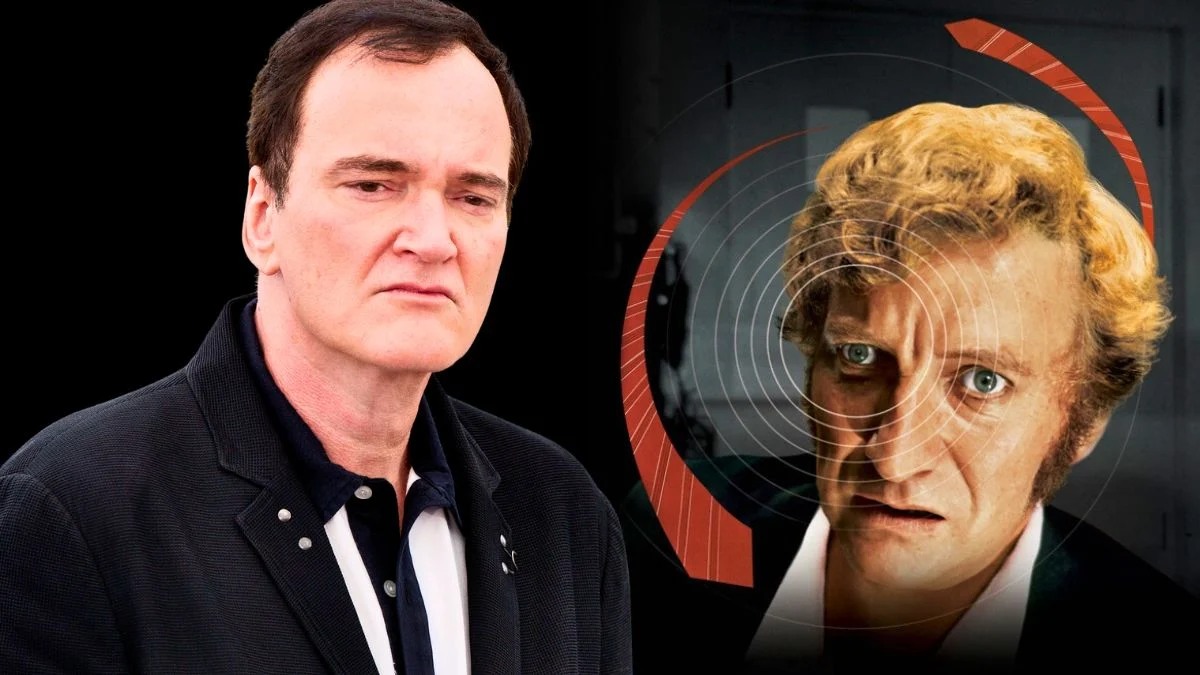


Quentin Tarantino has a habit of saying exactly what he thinks. Fans know the routine. He praises what thrills him and tears into what does not. It is part of why his opinions spark so many debates among movie lovers.
Alfred Hitchcock inspires the same level of passion. His classics still pack theaters for repertory screenings. Even so, not every title lands the same way for every viewer, including one very famous director.
Tarantino’s most biting comment came when he took aim at a late entry in Hitchcock’s career. He did not just shrug it off. He went with a blunt swing and made sure people felt it.
“Hitchcock’s Frenzy might be a piece of crap, but I doubt Alfred was bored making it.” That line sums up his tone. He is dismissive of the result yet still tips his hat to the older master’s energy behind the camera. It is harsh, and it has echoed through film circles ever since.
His criticism did not stop there. He has also waved off one of Hitchcock’s most beloved crowd pleasers with a jab that stings fans who grew up on it. “People discover North by Northwest at 22 and think it’s wonderful when actually it’s a very mediocre movie,” he said. You can almost hear the collective gasp from anyone who loves that crop duster chase or the Mount Rushmore finale.
Tarantino often explains his stance by pointing to the limits he believes Hitchcock faced in mid century studio culture. In his words, “The 1950s held him down, Hitchcock couldn’t do what he, left to his own devices, would’ve wanted to do,” and by the time the rules relaxed, the filmmaker was older and working within a different era. Whether you agree or not, it shows he is not just lobbing insults for sport. He is putting the films in a larger timeline and arguing about context.
The reaction to those remarks says a lot about how we argue about movies today. Some hear Tarantino and nod along because Frenzy is not their go to Hitchcock. Others bristle because North by Northwest is part of their cinematic DNA. That push and pull is part of the fun. It keeps the canon alive rather than locked in glass.
It also fits Tarantino’s own persona. He prizes movies that feel dangerous and alive. When he senses calculation over pulse, he tunes out. That does not make him the final word. It makes him a loud and informed voice in a never ending conversation.
Maybe that is the real takeaway here. Great directors can disagree about great directors. Viewers get to pick their side and then watch the films again with fresh eyes. If Tarantino’s jab sends you back to Hitchcock, that is a win for everyone who loves movies.