


Reality TV Shows That Are Actually Completely Scripted

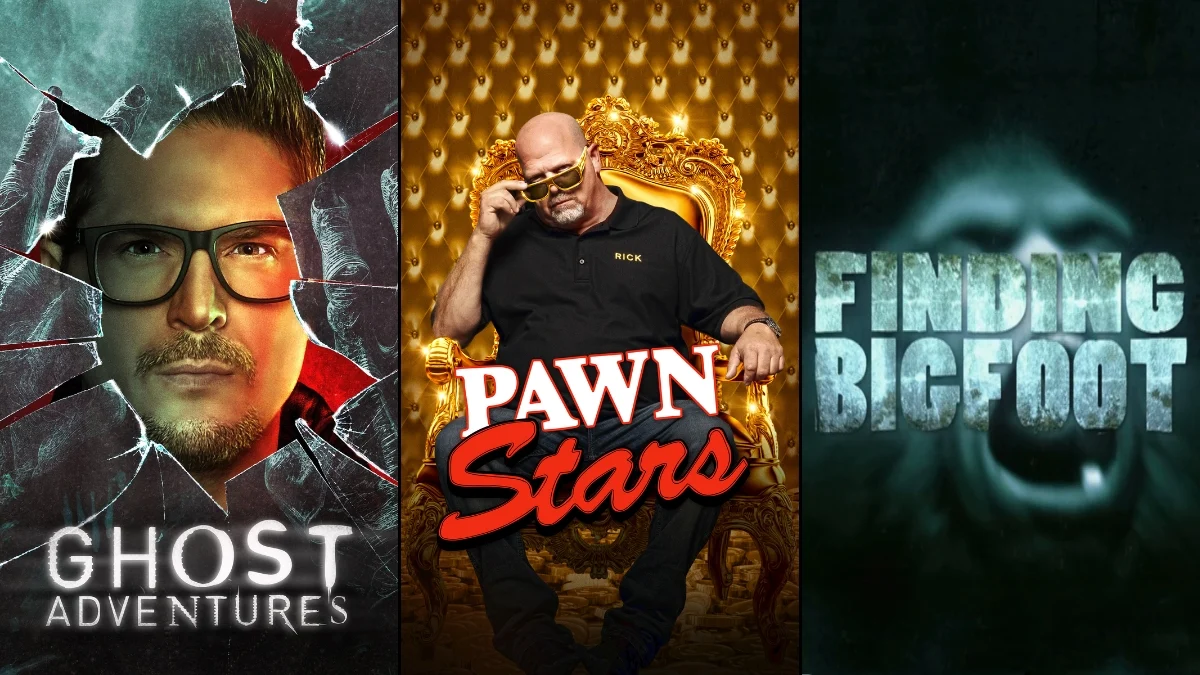


Reality television often promises a raw and unscripted look at the lives of real people. Many viewers find that the drama unfolding on their screens is far more calculated than it appears at first glance. Producers frequently use staging and careful editing to craft narratives that keep audiences coming back for more. While some moments are authentic, others are entirely manufactured for the sake of entertainment. This list explores several popular programs where the reality is often as scripted as a fictional sitcom.
‘The Hills’ (2006–2010)
This series focused on the professional and social lives of several young adults living in Los Angeles. The final episode notably pulled back the curtain to reveal a filming set and indicated that many storylines were manufactured. Cast members have since shared that producers encouraged specific arguments and manipulated social situations to create television drama. Much of the dialogue was prompted by the crew to ensure the narrative remained engaging for the audience. The show is now widely recognized for its heavy reliance on rehearsed scenarios.
‘Laguna Beach’ (2004–2006)
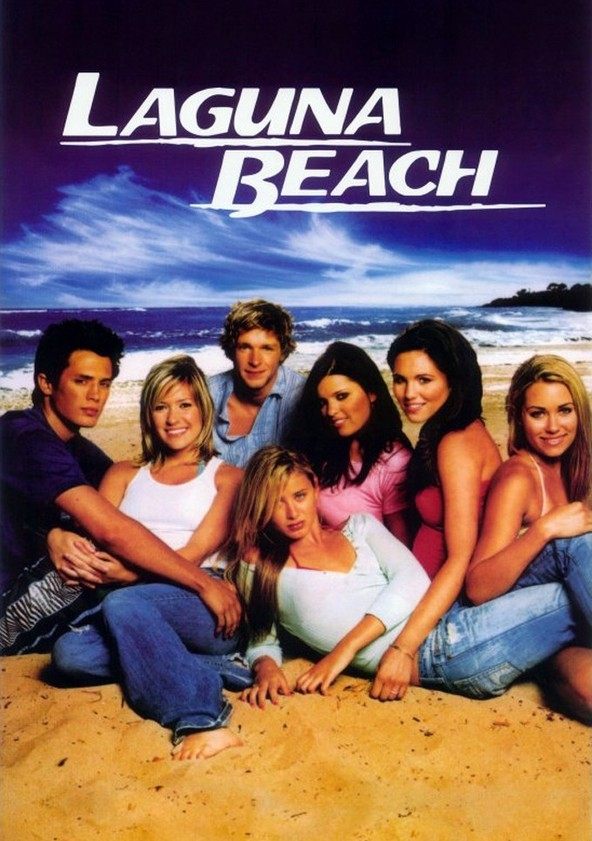
This program depicted the high school lives of students in a wealthy California community. Several former cast members have revealed that the romantic rivalries and friendships were heavily influenced by production staff. Producers often staged meetings between individuals who were not actually speaking at the time to create tension. Editing played a significant role in making normal conversations appear more confrontational than they were in reality. This show established the template for the scripted reality style seen in later decades.
‘Pawn Stars’ (2009–2025)
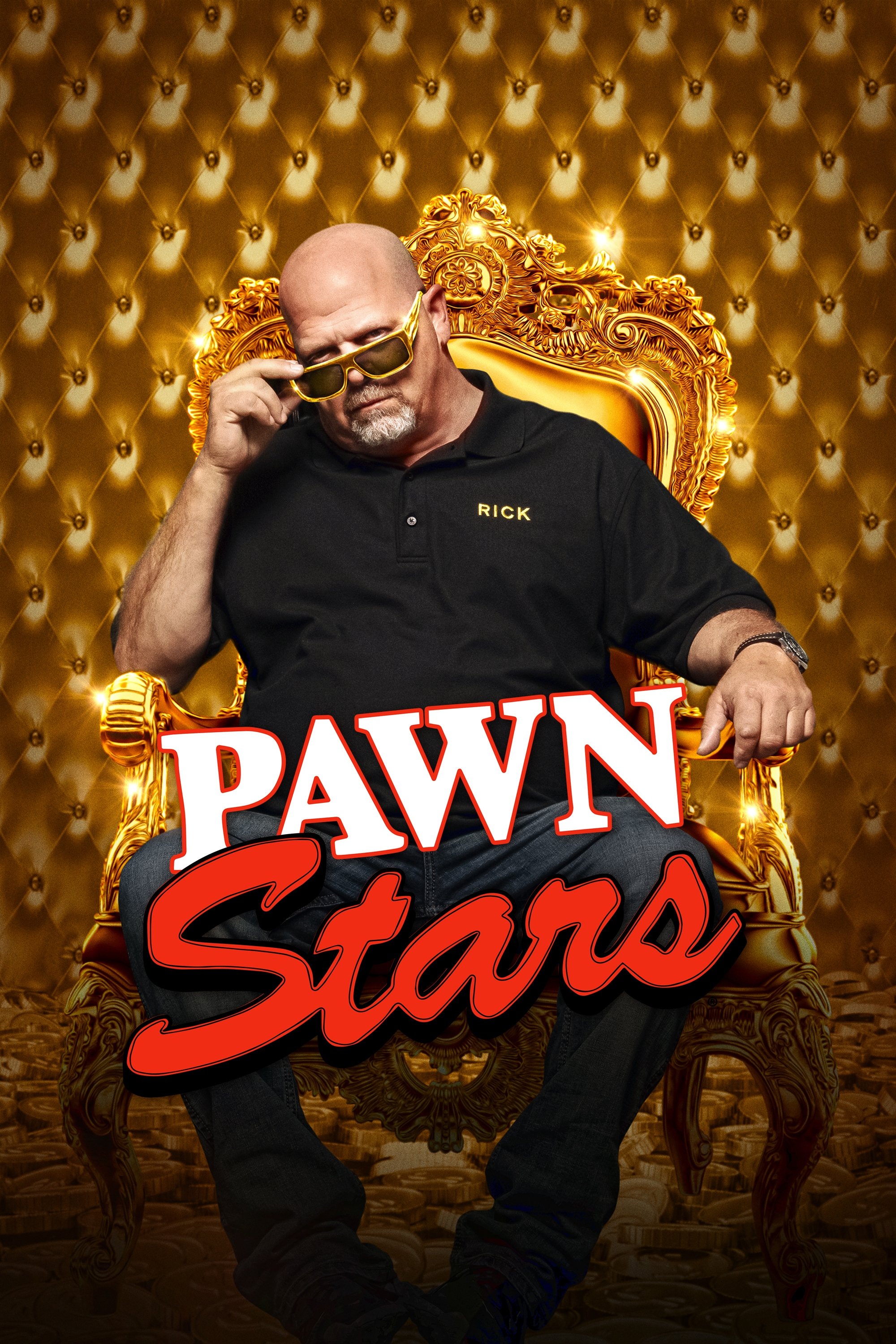
The show highlights the daily operations of a family owned pawn shop in Las Vegas. While the shop is real, the transactions shown on camera are carefully vetted and rehearsed before filming begins. Sellers often sign contracts before appearing on screen and items are researched by experts long before the cameras roll. The interactions between family members are frequently based on scripts or general outlines provided by producers. This structure ensures that every segment provides educational information while maintaining a consistent comedic tone.
‘Storage Wars’ (2010–2025)
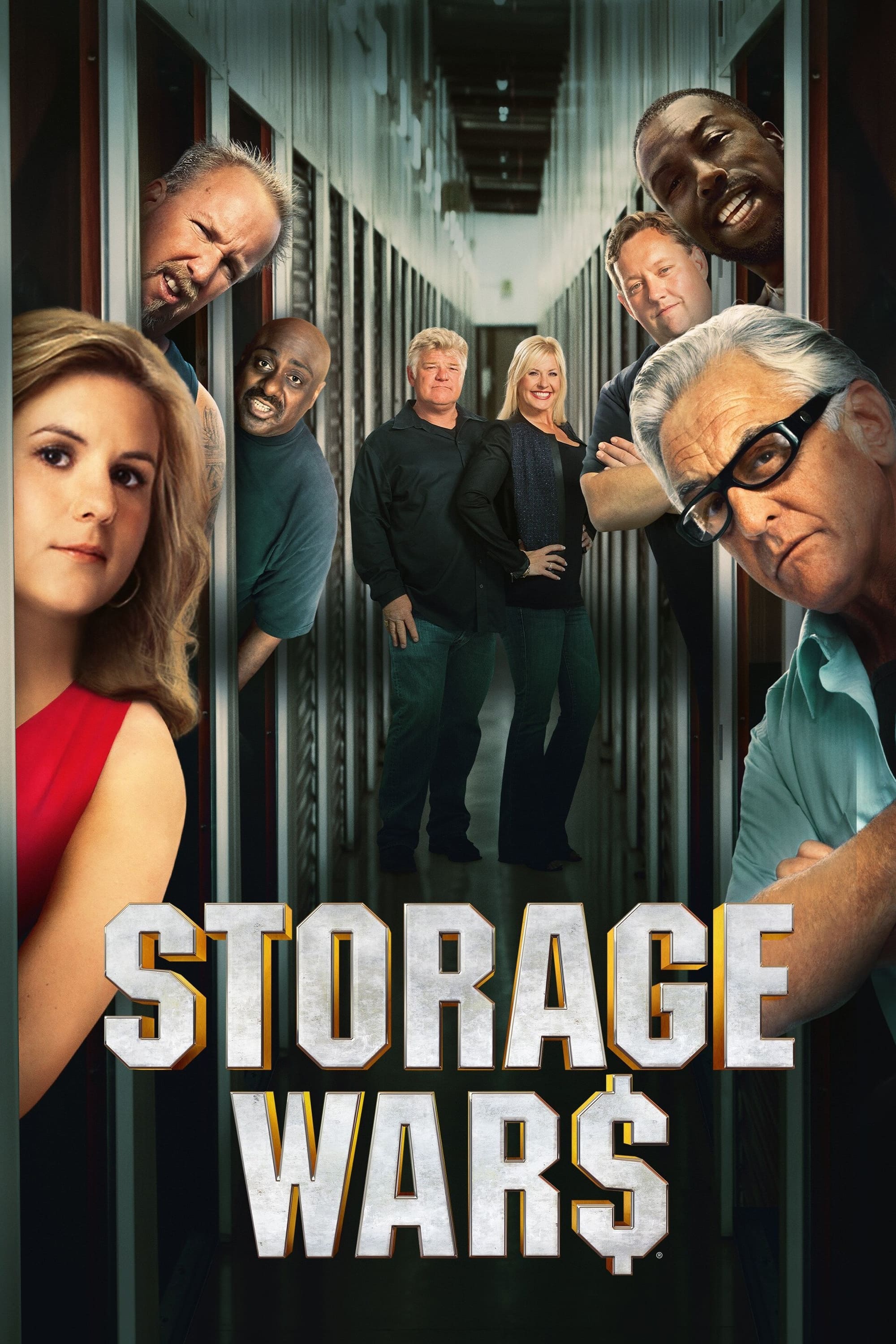
This series follows professional buyers who bid on abandoned storage lockers. A former cast member filed a lawsuit claiming that producers frequently planted valuable items in the units to make the show more exciting. The auction process is often controlled to ensure that certain bidders win specific lockers for narrative purposes. Interviews and reactions are often recorded multiple times to get the most dramatic response possible. This approach helps the show maintain a high level of suspense during every episode.
‘Hardcore Pawn’ (2010–2015)
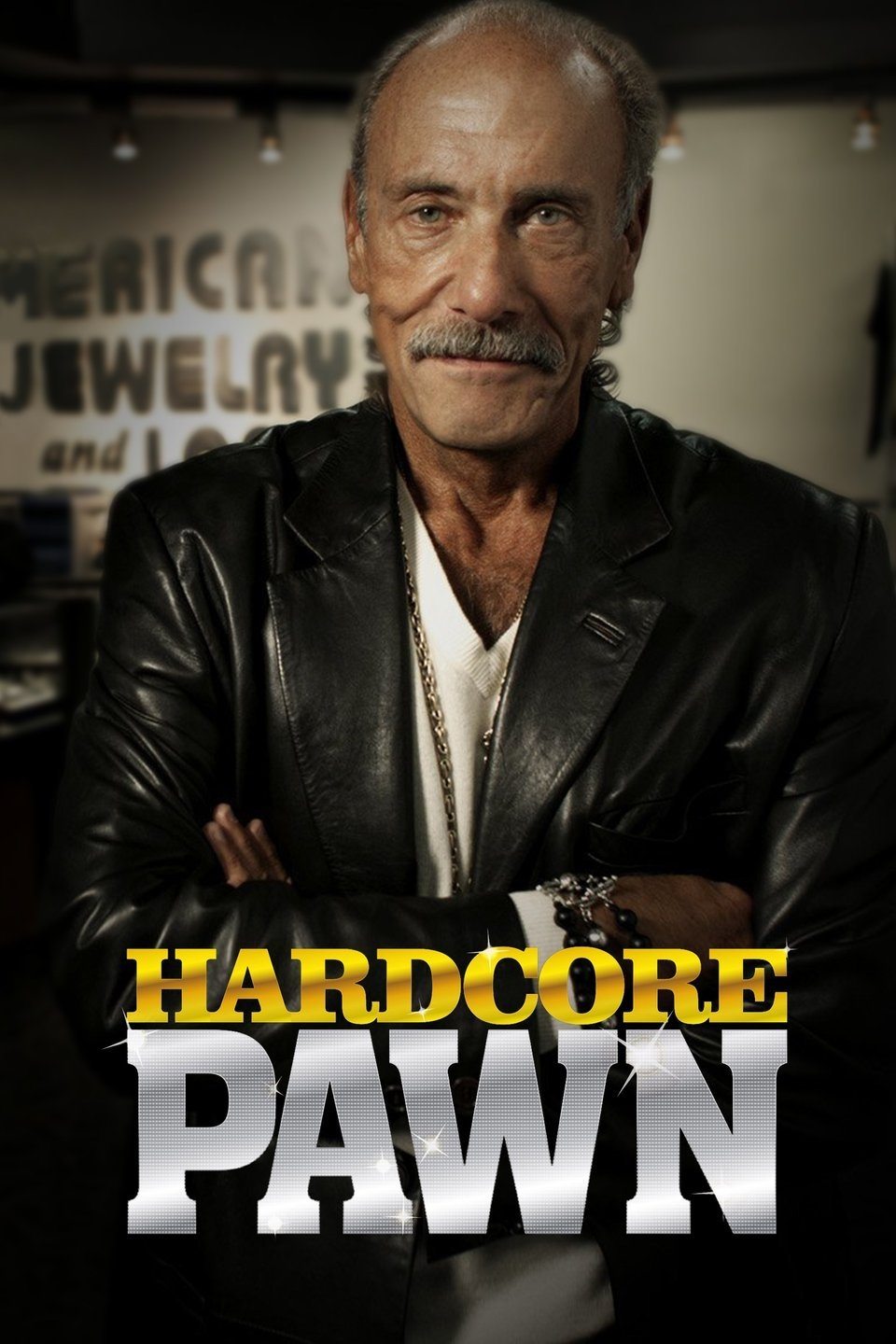
Set in a large pawn shop in Detroit, this show focused on volatile interactions between staff and customers. Many of the most extreme customer outbursts were staged by local actors or individuals looking for their moment on television. Security staff often received instructions to escalate situations for the sake of the camera. The family drama between the owners was also heightened through producer intervention and scripted segments. This resulted in a show that prioritized high energy conflict over realistic business operations.
‘South Beach Tow’ (2011–2014)
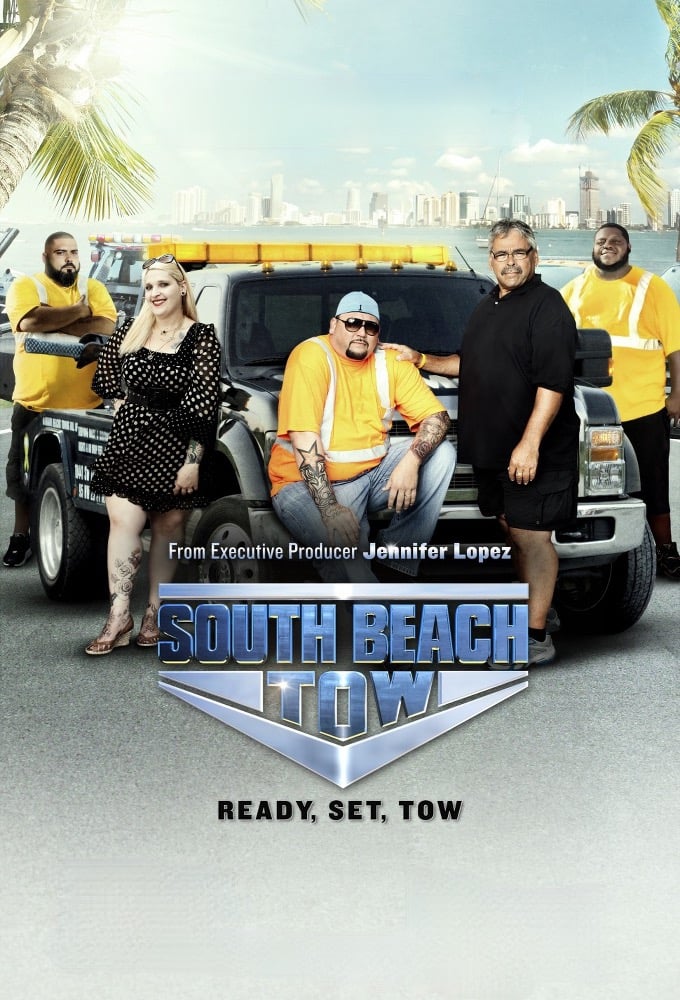
This program showcased the daily lives of towing professionals in Florida. The show featured a disclaimer stating that it contained reenactments of real events which allowed for highly choreographed action sequences. Many of the physical altercations and stunts were performed by professionals rather than actual tow truck drivers. The storylines often involved elaborate pranks and over the top scenarios that resembled a scripted comedy. Viewers eventually recognized that the show was more about entertainment than documenting the towing industry.
‘Operation Repo’ (2008–2014)
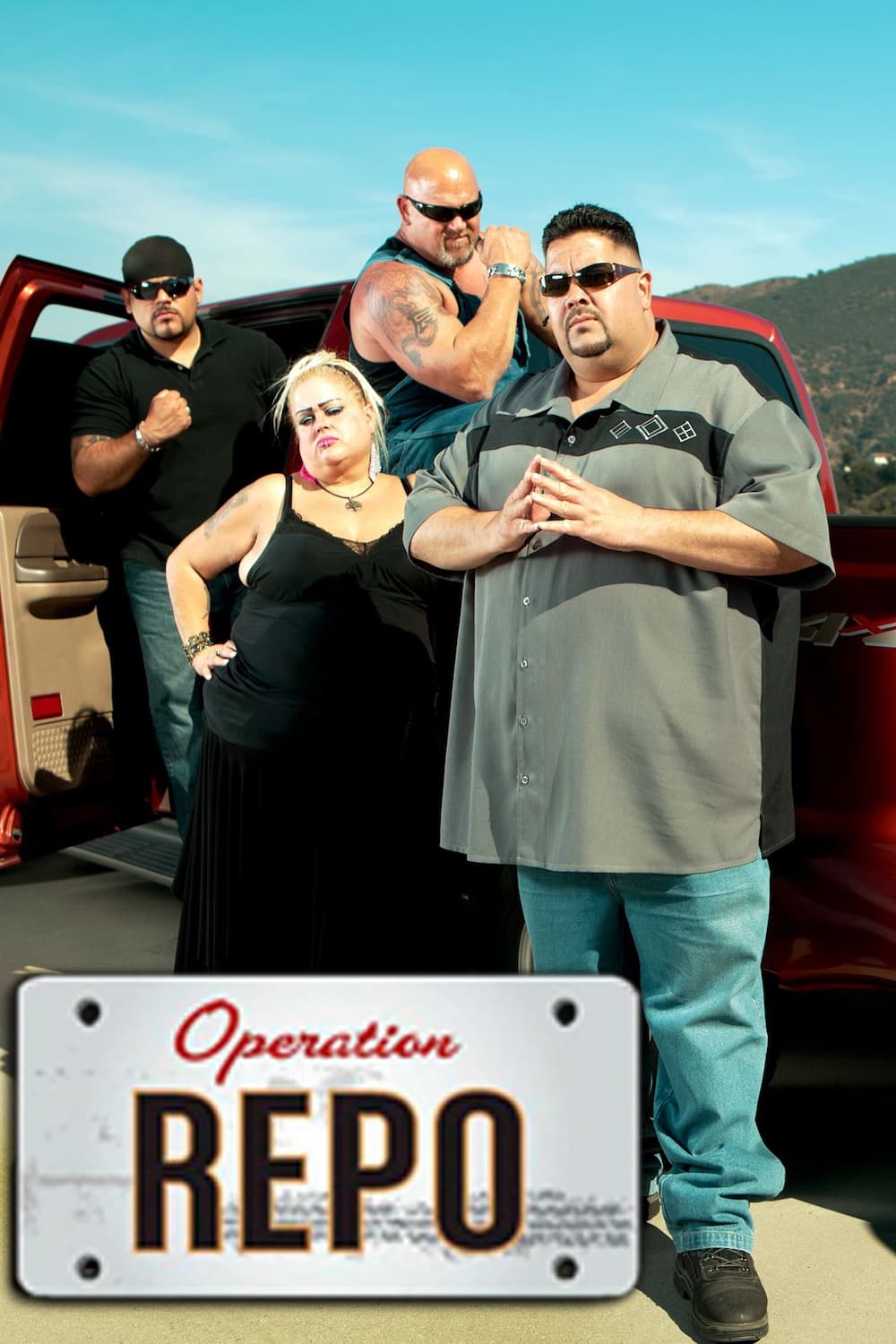
The show focused on a team of professionals reclaiming vehicles from individuals who defaulted on their loans. Similar to other towing shows, this series used actors to recreate supposedly real events. The confrontations were often scripted to include physical fighting and dramatic chases through residential neighborhoods. Producers utilized these reenactments to bypass the legal and safety issues of filming actual repossessions. The result was a highly stylized version of the repossession business.
‘Lizard Lick Towing’ (2011–2014)
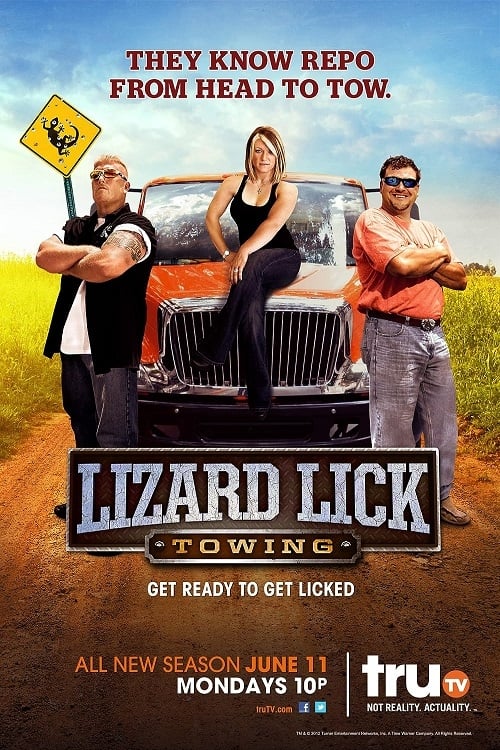
This series followed a towing company based in North Carolina. It relied heavily on scripted dialogue and rehearsed physical confrontations to maintain viewer interest. The owners became television personalities who participated in elaborate plotlines involving rival businesses and family disputes. Many of the repo scenes were filmed with the consent of the car owners and involved staged arguments. This format allowed the show to deliver consistent action in every episode.
‘Ghost Adventures’ (2008–2025)
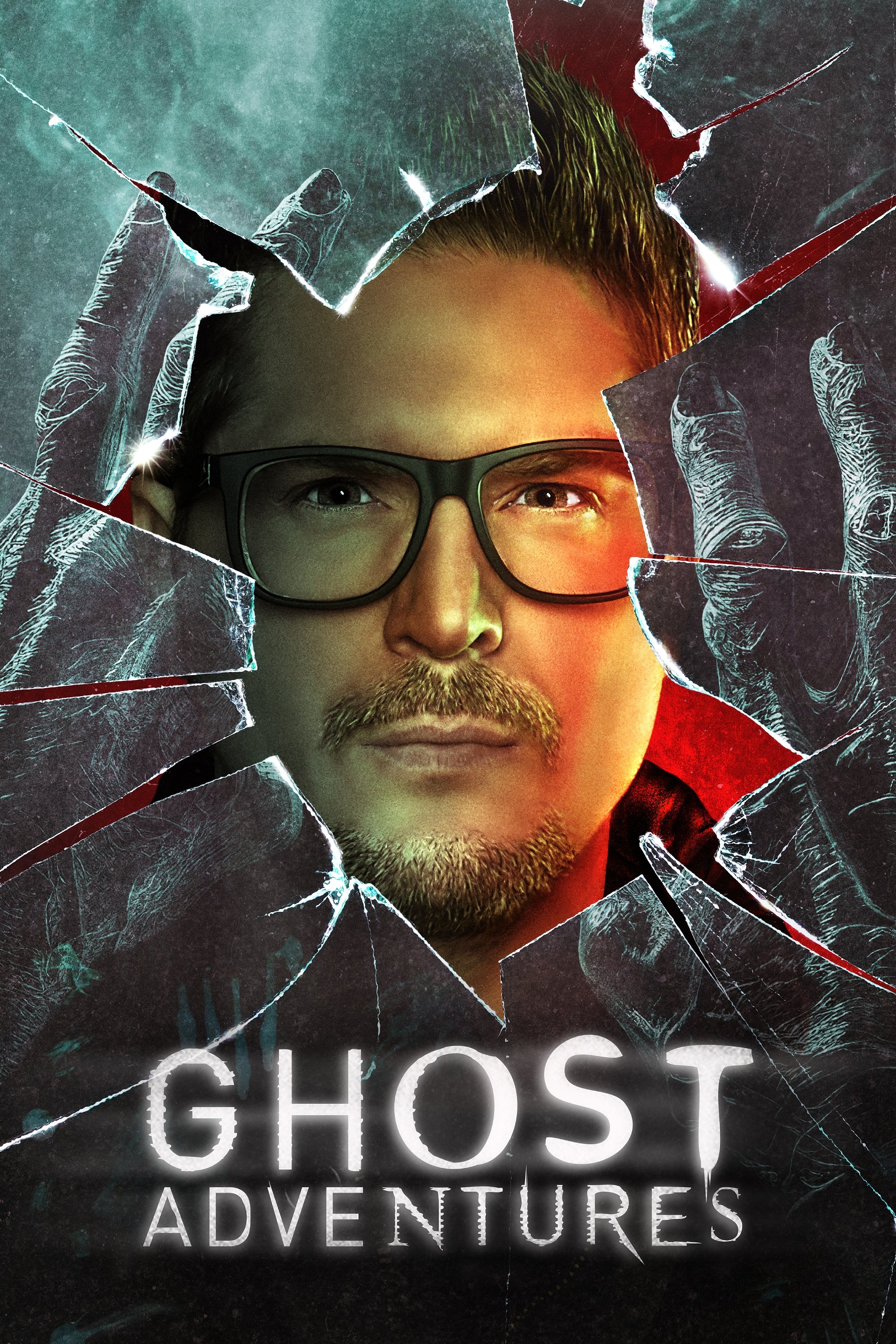
The series follows a team of investigators who explore locations believed to be haunted. While the team claims to seek scientific proof, many former crew members have suggested that some paranormal activity is staged for the camera. Sound effects and visual anomalies are often enhanced during the post production process to increase the scare factor. Producers frequently scout locations and set up specific narrative beats for the investigators to follow. The show prioritizes atmospheric tension and dramatic reactions over objective research.
‘Man vs. Wild’ (2006–2011)
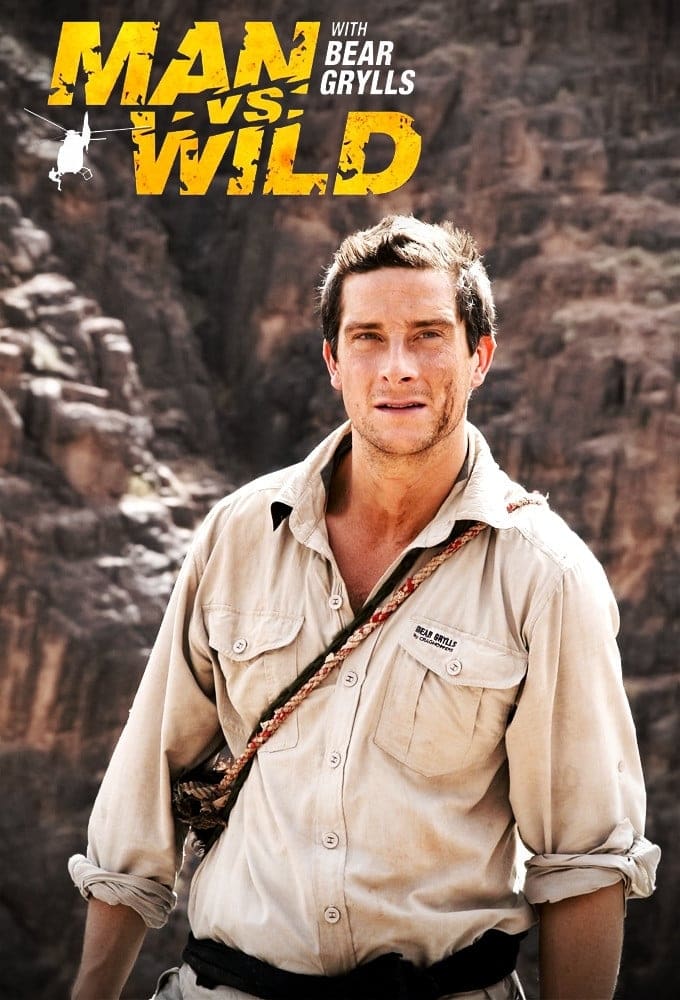
This survival series featured a host demonstrating how to stay alive in dangerous environments. It was later revealed that the host often stayed in hotels rather than sleeping in the wilderness as the show suggested. Some of the survival scenarios were staged with the help of a production crew to ensure safety and visual impact. While the survival tips were based on real techniques, the circumstances surrounding the filming were not always as dire as they appeared. This revelation led to the addition of disclaimers in subsequent airings.
‘House Hunters’ (1999–2025)
The show follows individuals as they tour three different homes before choosing one to purchase. It has been widely reported that many participants have already closed on their new home before filming even begins. The other two houses shown in the episode are often not even for sale or belong to friends of the production team. Participants are often asked to voice manufactured concerns about the properties to create a sense of indecision. This allows the show to fit a predictable and satisfying narrative arc into every half hour block.
‘Love It or List It’ (2008–2025)

Homeowners decide whether to stay in their renovated house or move to a new property. Producers often film two different endings for each episode to see which one works better for the overall season arc. The homeowners do not always follow through with the decision they make on camera once the crew leaves. Much of the tension between the designer and the real estate agent is exaggerated for comedic effect. This ensures that the show maintains a consistent rivalry that viewers find engaging.
‘Pimp My Ride’ (2004–2007)
This popular show focused on transforming old cars into high tech vehicles. Participants later shared that many of the most expensive gadgets were removed immediately after filming because they were not functional. The cars often suffered from mechanical issues that the show did not address because they only focused on cosmetic changes. Some of the emotional reactions from the car owners were filmed multiple times to ensure the highest level of excitement. This resulted in a show that was more about the spectacle of the reveal than the quality of the car.
‘Catfish: The TV Show’ (2012–2025)

The series investigates individuals who use fake online identities to pursue romantic relationships. While the emotions are often real, the production process is more structured than it seems on screen. The producers usually know the identity of the person being investigated before the hosts begin their search. This allows the crew to secure filming permits and legal releases from all parties involved ahead of time. The show uses editing to make the investigation look like a spontaneous journey.
‘Undercover Boss’ (2010–2025)

Corporate executives go undercover to work alongside their employees and learn about their businesses. The employees are often selected based on their compelling personal stories rather than random chance. Many participants have admitted that they suspected the true identity of their new coworker because of the presence of a full camera crew. The emotional gifts given at the end of the show are coordinated by the marketing and human resources departments of the companies. This creates a positive image for the brand while providing a heartwarming conclusion for the viewers.
‘Duck Dynasty’ (2012–2017)

The show followed the lives of a family that became wealthy by manufacturing products for duck hunters. Producers were known to insert scripted plotlines and suggest specific topics for the family to discuss. Artificial sound effects like bleeps were sometimes added even when no swearing occurred to make the family seem more colorful. Many of the outdoor adventures were staged on the family property with clear instructions from the director. The family has openly discussed how much of the show was guided by the network.
‘Amish Mafia’ (2012–2015)

This series claimed to follow a secret group of men who kept the peace in an Amish community. The show was almost entirely fictionalized and featured actors playing roles within a manufactured narrative. Local law enforcement and community members frequently pointed out that the events depicted did not reflect reality. The show utilized a documentary style to give the impression of authenticity while delivering scripted drama. It eventually became one of the most controversial examples of the scripted reality genre.
‘Breaking Amish’ (2012–2014)
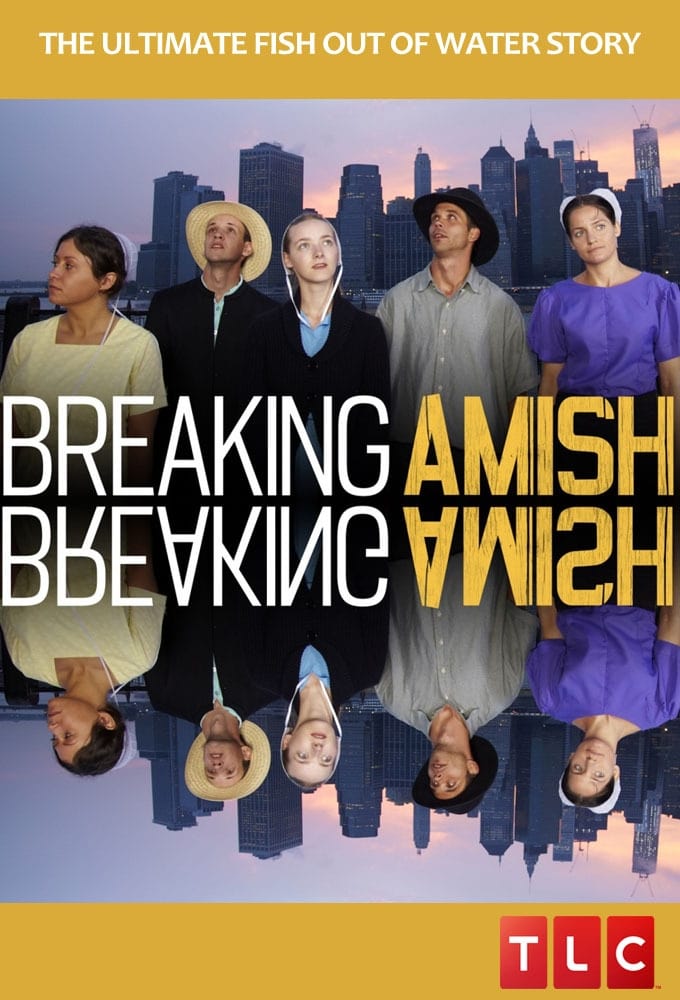
The program followed young adults who left their Amish or Mennonite communities to experience life in New York City. It was quickly discovered that many of the cast members had already left their communities years before the show began. Some participants were already married to each other or had children together despite the show portraying them as strangers. The tension regarding their transition to the modern world was heavily exaggerated by producers. This led to significant criticism regarding the honesty of the production.
‘Long Island Medium’ (2011–2019)
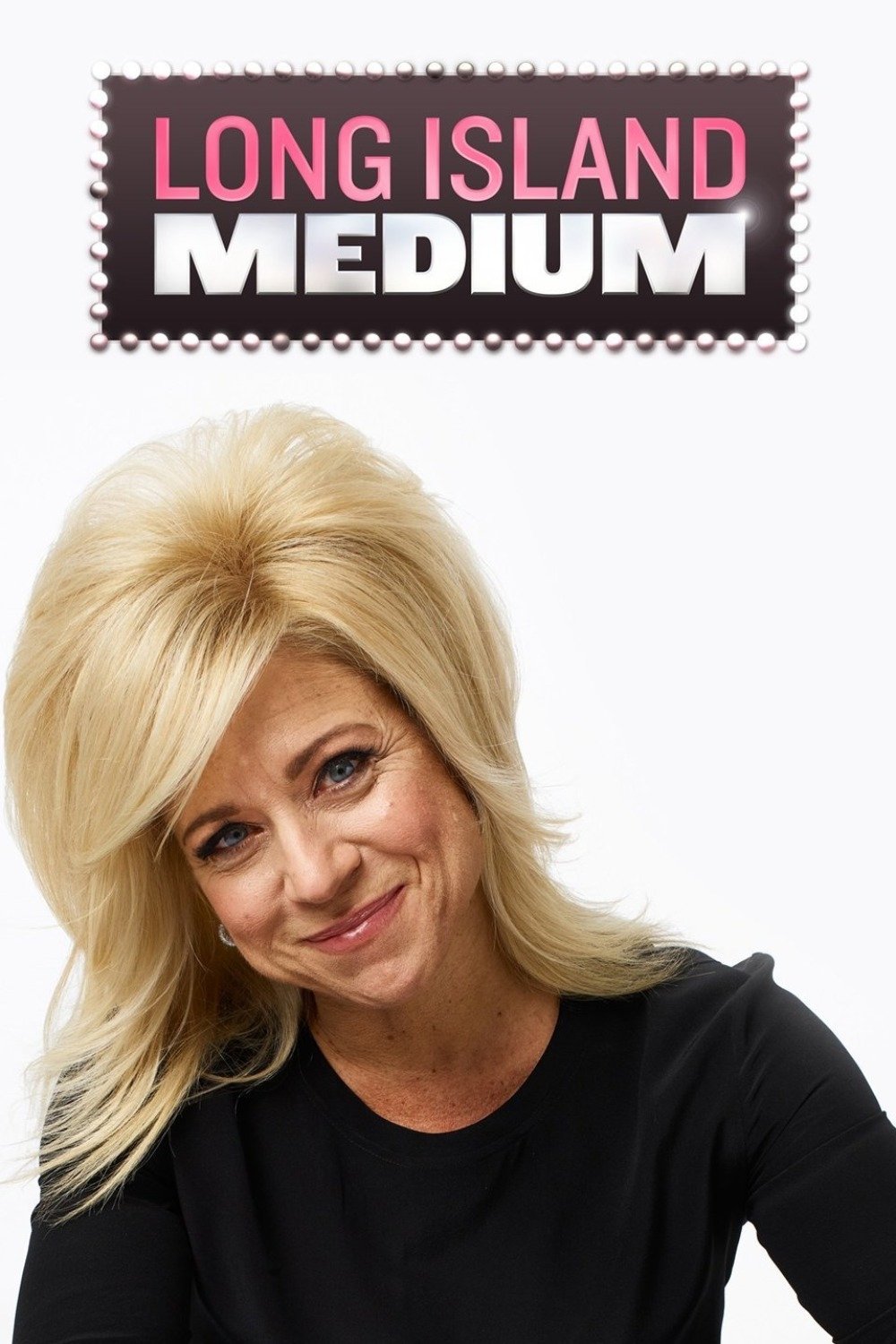
The show focused on a medium who claimed to communicate with the deceased. Several investigations suggested that the production team conducted background research on the people the medium met. This information was then used to make the readings appear more accurate and spontaneous. Participants often filled out detailed forms before their sessions which provided the team with key personal details. This practice is common in the television industry to ensure that the content is emotionally resonant.
‘Extreme Couponing’ (2011–2012)

This series showcased shoppers who used massive amounts of coupons to get free groceries. Many stores waived their official coupon policies specifically for the production of the show. Some of the coupons used were allegedly counterfeit or scanned multiple times in ways that are not allowed in regular transactions. The massive hauls often included items that the shoppers did not actually need or use. This created an unrealistic expectation of what is possible with standard couponing.
‘Mountain Men’ (2012–2025)

The show follows individuals who live off the land in remote areas of North America. While the subjects do live unique lifestyles, many of the dangerous situations they face are set up by the crew. Producers often ask the cast members to reenact tasks or face artificial challenges to add excitement to the episodes. The isolation of the participants is often broken by the presence of a large filming team and support staff. This ensures that the show remains visually interesting even when the reality of mountain living is slow.
‘Swamp People’ (2010–2025)
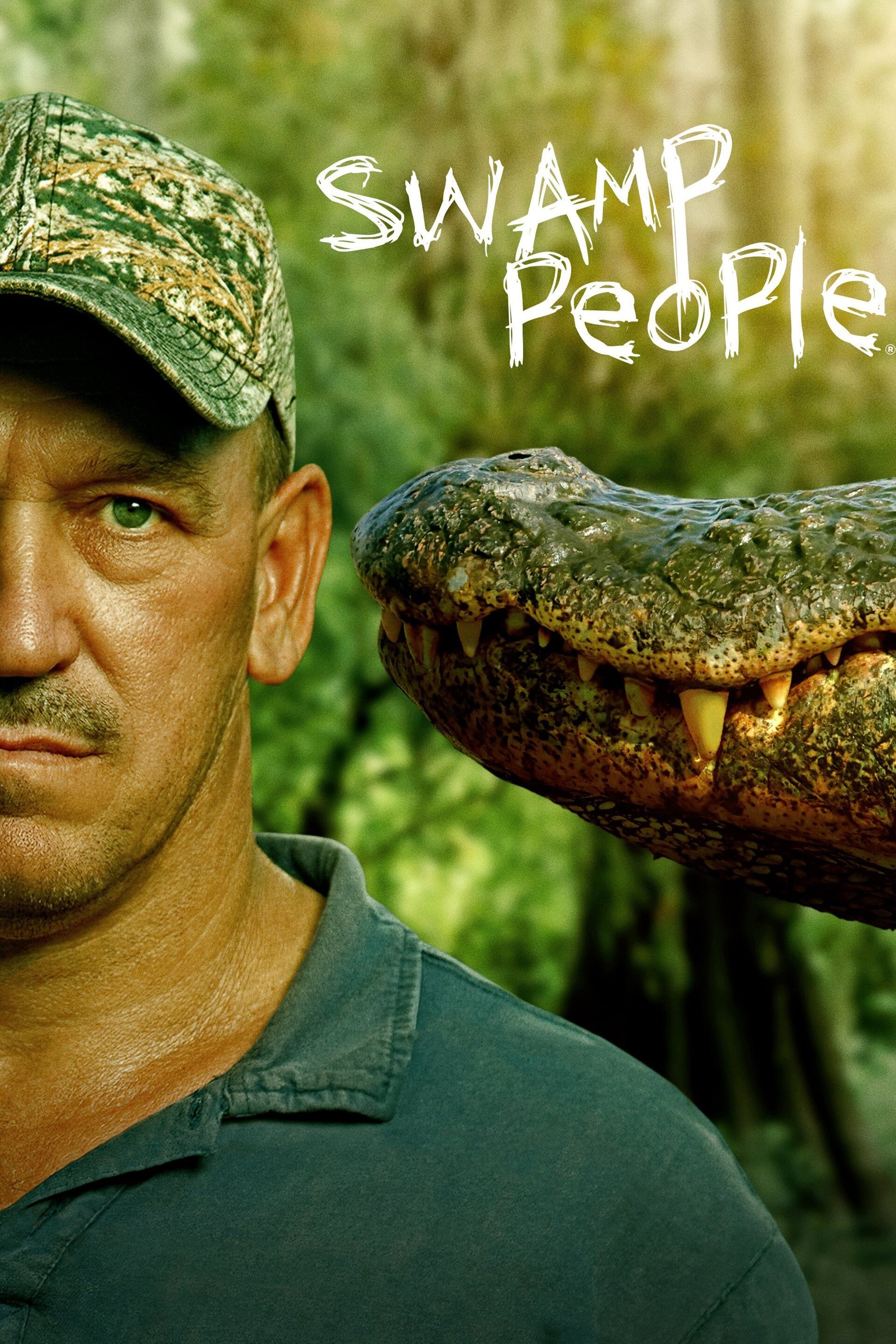
This program documents alligator hunters in the bayous of Louisiana. The dramatic music and quick editing often make the hunts look much more dangerous than they are for experienced professionals. Producers sometimes use multiple angles of the same alligator to make it appear as though there are more predators in the water. Some of the hunters have noted that they are asked to repeat certain lines or actions for the camera. This helps the show maintain its status as a high stakes action series.
‘Alaskan Bush People’ (2014–2025)

The series follows a family that claims to live in the Alaskan wilderness far from civilization. Investigating the family revealed that they often lived in local towns or lodges rather than their homemade shelters. Legal documents also showed that they did not spend as much time in the bush as the show lead viewers to believe. The various survival challenges and construction projects were often guided by professional contractors off camera. This allowed the family to appear more self sufficient than they truly were.
‘Finding Bigfoot’ (2011–2018)

The team on this show traveled across the world searching for evidence of the legendary creature. Every episode followed a predictable script involving night investigations and interviews with local witnesses. The team frequently interpreted common forest sounds as definitive proof of a sasquatch to maintain the narrative. Producers ensured that the investigators followed a specific path to maximize the atmosphere of the show. Despite years of filming the team never found any actual evidence which many viewers felt was part of the scripted loop.
‘Moonshiners’ (2011–2025)
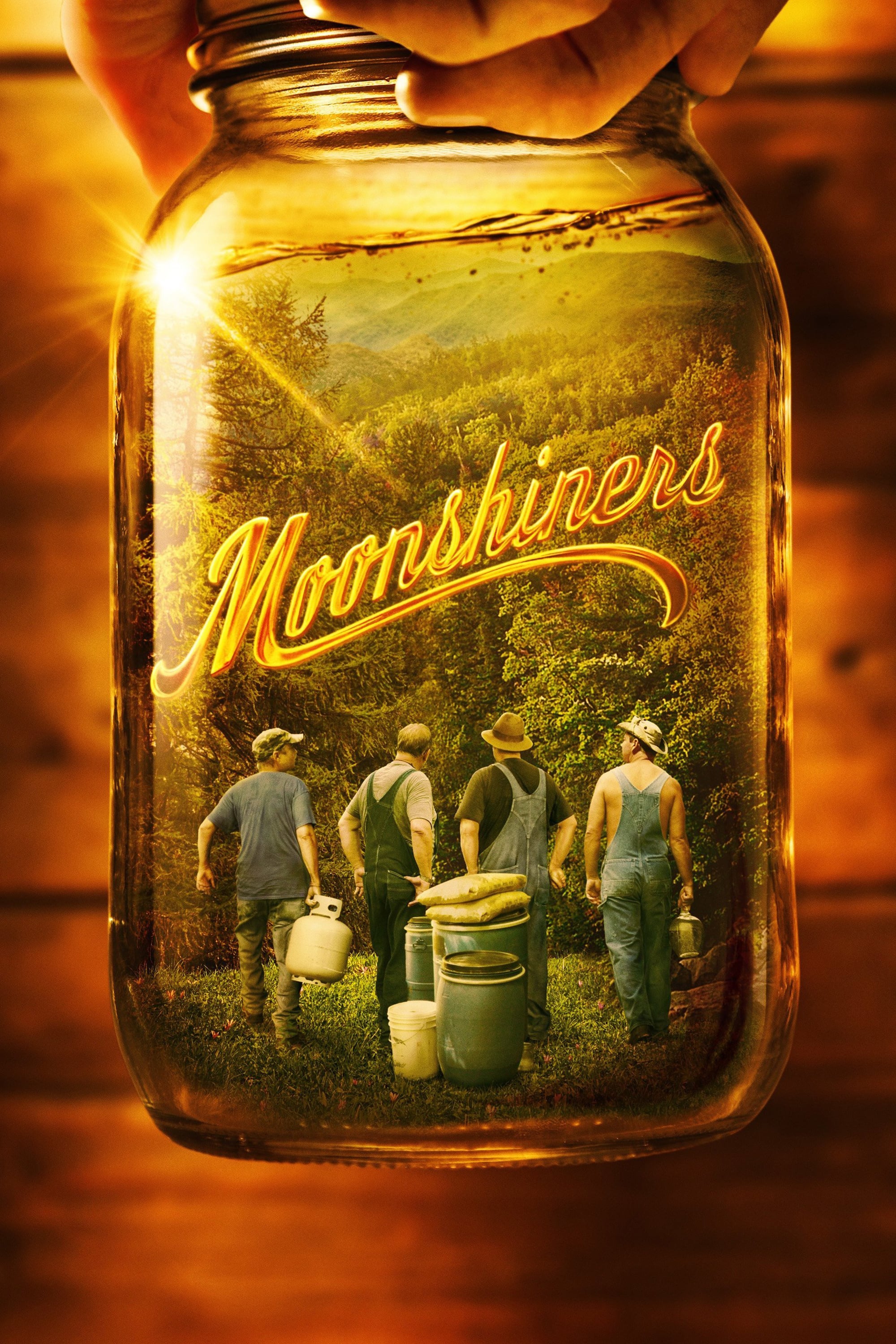
This show claims to follow people who produce illegal alcohol in the woods. Law enforcement officials have stated that if the activity were actually illegal the cast would have been arrested immediately. The production is filmed under the guise of reenactments or focuses on individuals who have the proper permits. Many of the hiding spots and secret locations are easily accessible to the large camera crews following the cast. This creates a sense of illicit thrill without the actual legal risk.
‘Gold Rush’ (2010–2025)
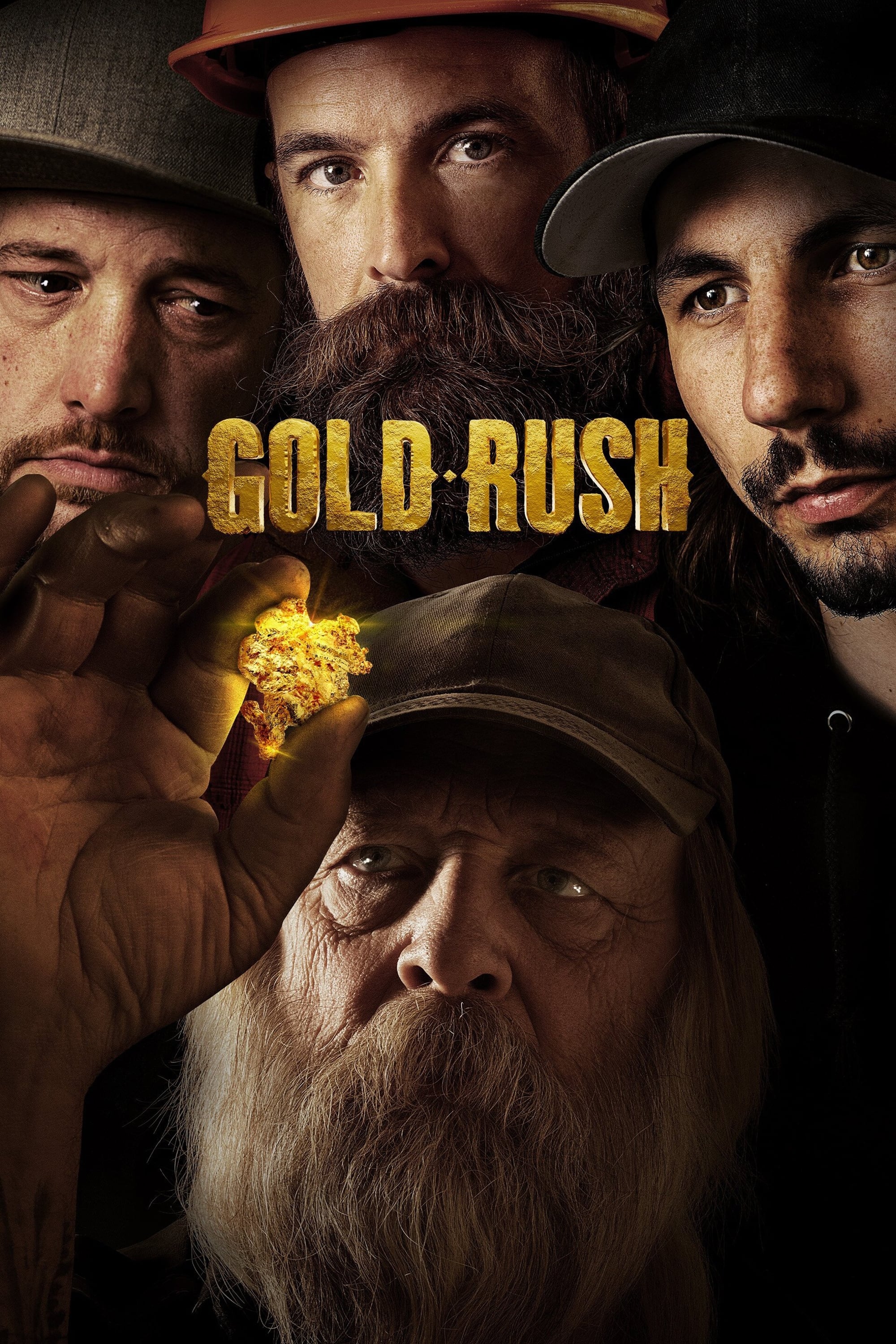
The series follows various mining crews as they search for gold in the Yukon and beyond. Producers often create artificial deadlines and mechanical failures to increase the tension between the miners. The rivalries between the different team leaders are frequently encouraged by the production staff. While the gold mining is real the daily drama is often structured to fit a traditional television narrative. This ensures that every season ends with a dramatic climax regarding the final gold tally.
‘Kitchen Nightmares’ (2007–2023)
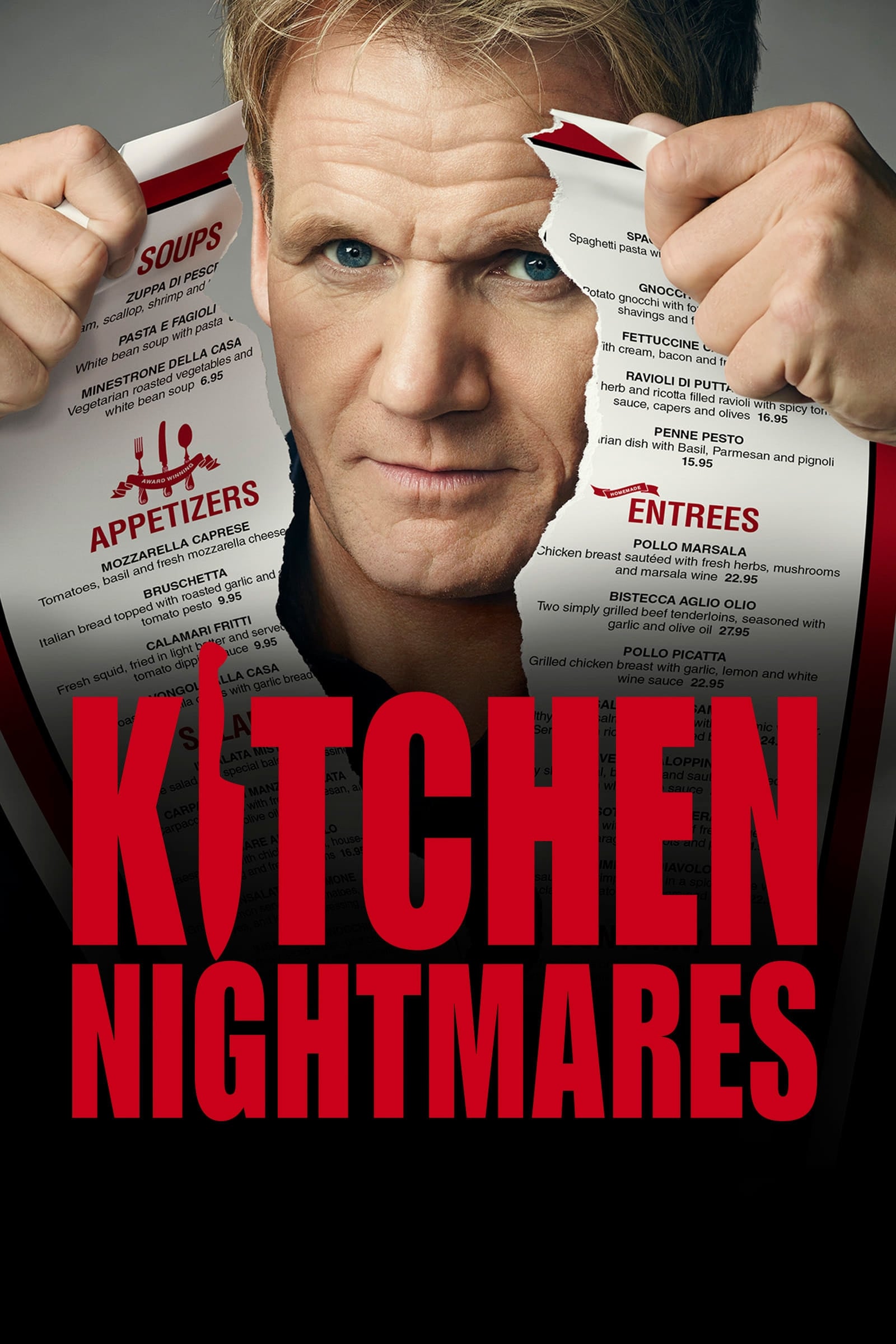
Renowned chef Gordon Ramsay visits struggling restaurants to help them turn their businesses around. Producers often look for the most dysfunctional staff members and exaggerated cleanliness issues to film. Many of the customers featured in the show are recruited by the production team to provide specific feedback. The dramatic transformation of the restaurant often involves cosmetic changes that do not address the underlying financial problems. This results in many of the featured businesses closing shortly after the show airs.
‘Hell’s Kitchen’ (2005–2025)
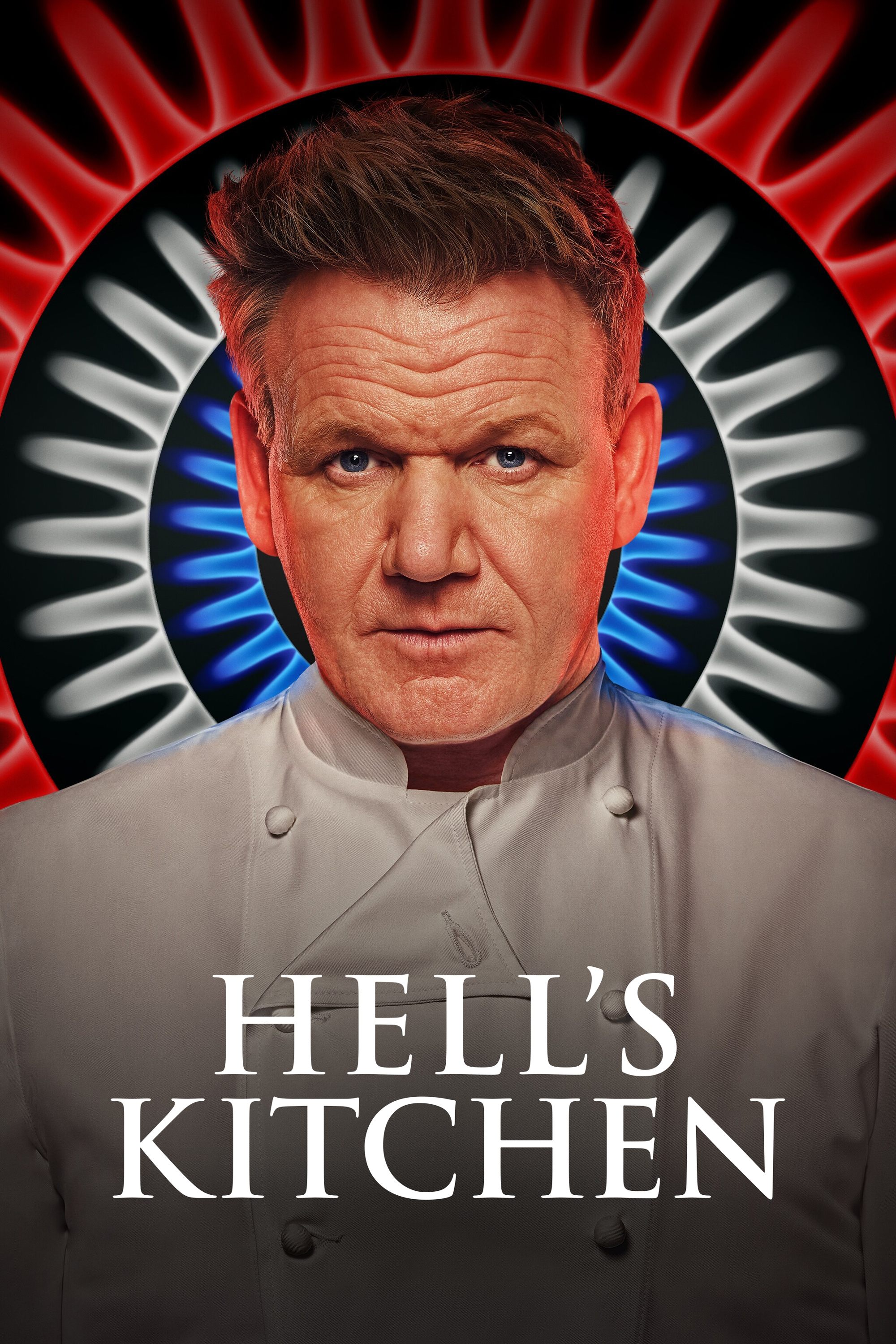
Aspiring chefs compete for a head chef position in a high pressure kitchen environment. The show uses editing to make the contestants look more incompetent or more skilled than they actually are. Many of the dinner services are sabotaged by producers who might provide the wrong ingredients or tamper with equipment. The cast is often kept in high stress environments with little sleep to ensure they react emotionally on camera. This creates the volatile atmosphere that the show is famous for.
‘Bar Rescue’ (2011–2025)
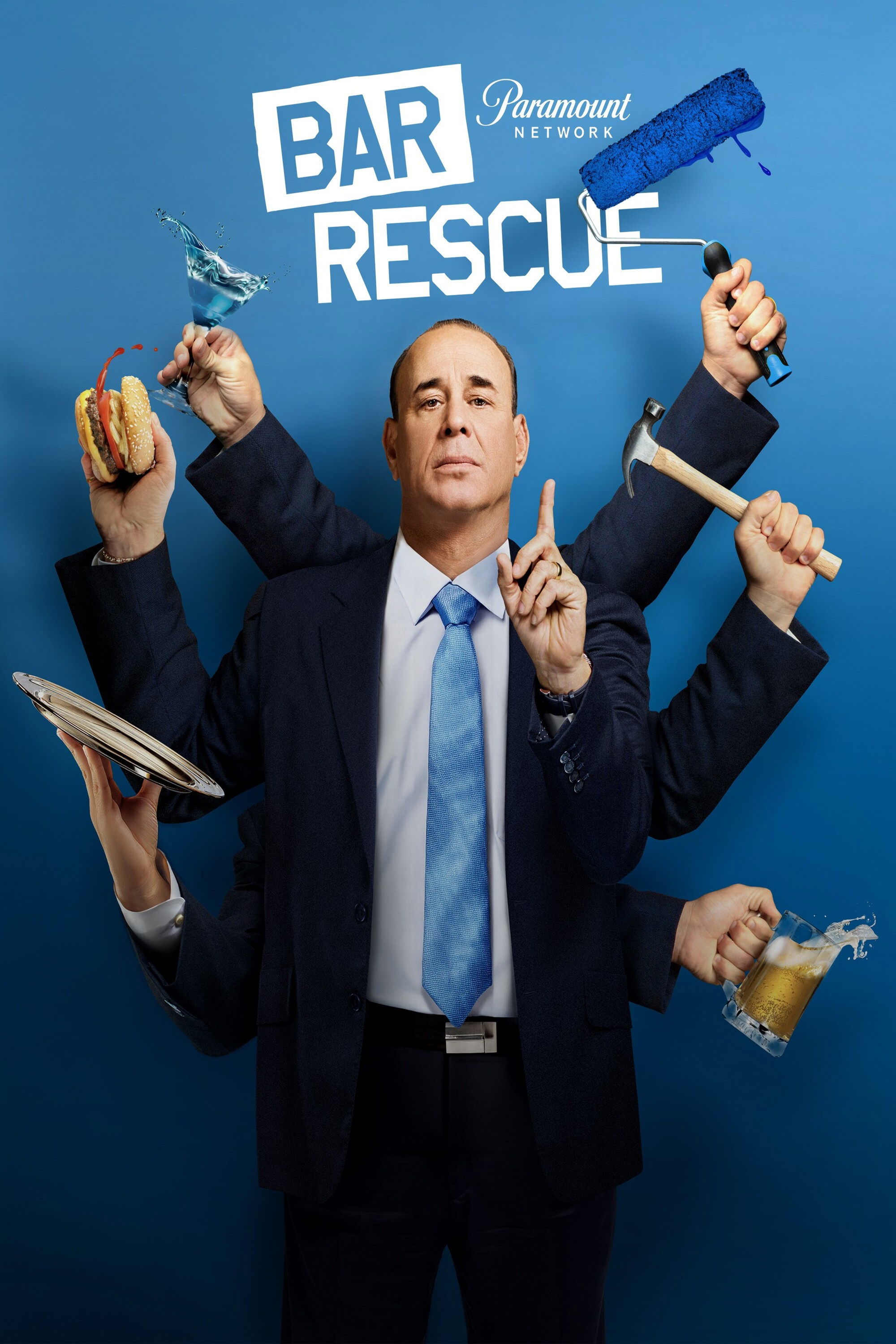
An expert consultant helps failing bars improve their service and profitability. Much of the shouting and confrontation seen during the inspections is staged to make the expert look more authoritative. The bar owners often agree to play up their own flaws in exchange for the free renovations provided by the show. Some of the hidden camera footage is captured using actors who are told to be as difficult as possible. The quick turnaround of the renovations is primarily focused on the visual appeal for television.
‘Dance Moms’ (2011–2019)
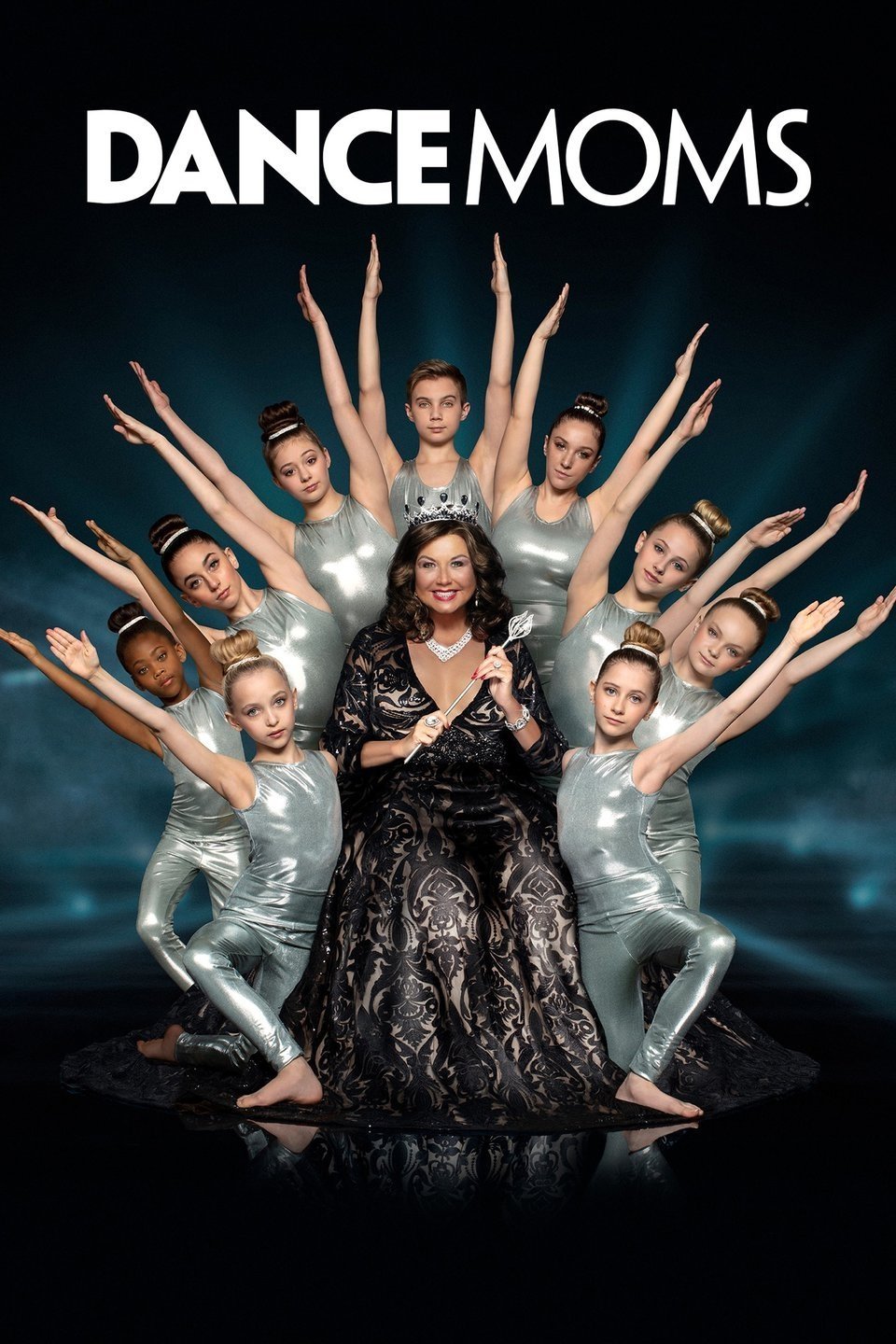
The show followed young dancers and their often argumentative mothers at a dance studio. Many of the most famous arguments were sparked by producers who would give the mothers false information about one another. The competition results were sometimes manipulated or the events were staged specifically for the show. Cast members have stated that they were often told to stay in the room until a fight occurred. This led to an environment that was much more toxic on screen than it was in private practice.
‘Jersey Shore’ (2009–2012)
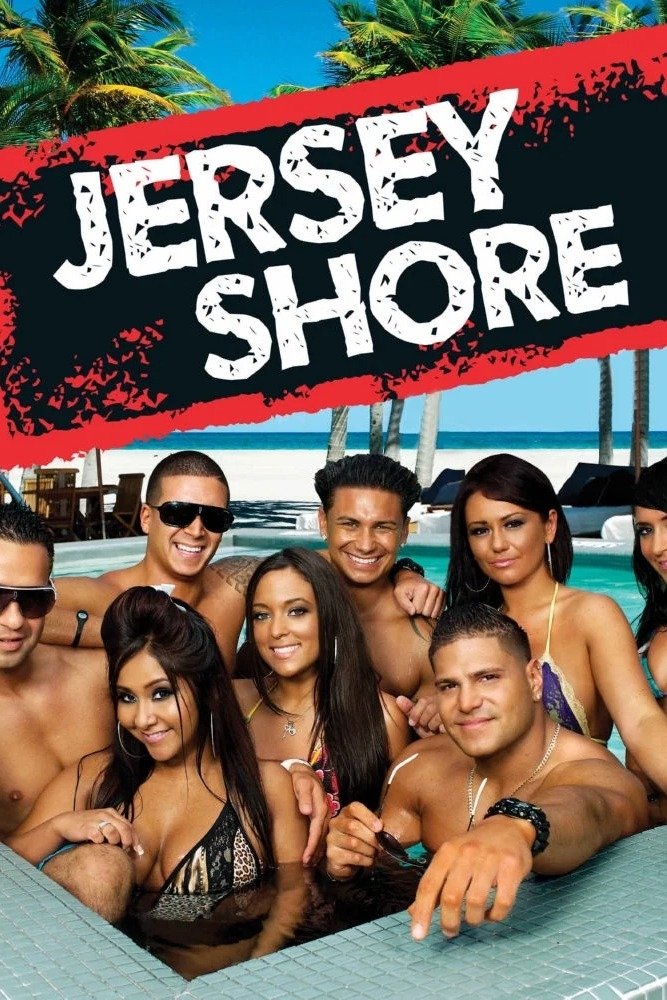
This series followed a group of housemates spending their summer at the beach. While the personalities were real the situations they found themselves in were often organized by the crew. Producers would reserve sections of nightclubs and bars to ensure the cast had a space to interact and create drama. Many of the house rules were designed to force the cast to spend time together without outside distractions like phones or television. This environment naturally led to the conflicts and romances that defined the show.
‘Keeping Up with the Kardashians’ (2007–2021)
The show chronicled the lives of one of the most famous families in the world. Many of the storylines were planned months in advance and were used to promote the various business ventures of the family members. Scenes were often reshot if the lighting or the emotional tone was not correct for the episode. The family maintained a high level of control over the editing process to ensure their brand remained intact. This resulted in a polished version of reality that blended their real lives with scripted entertainment.
‘The Real Housewives of Beverly Hills’ (2010–2025)
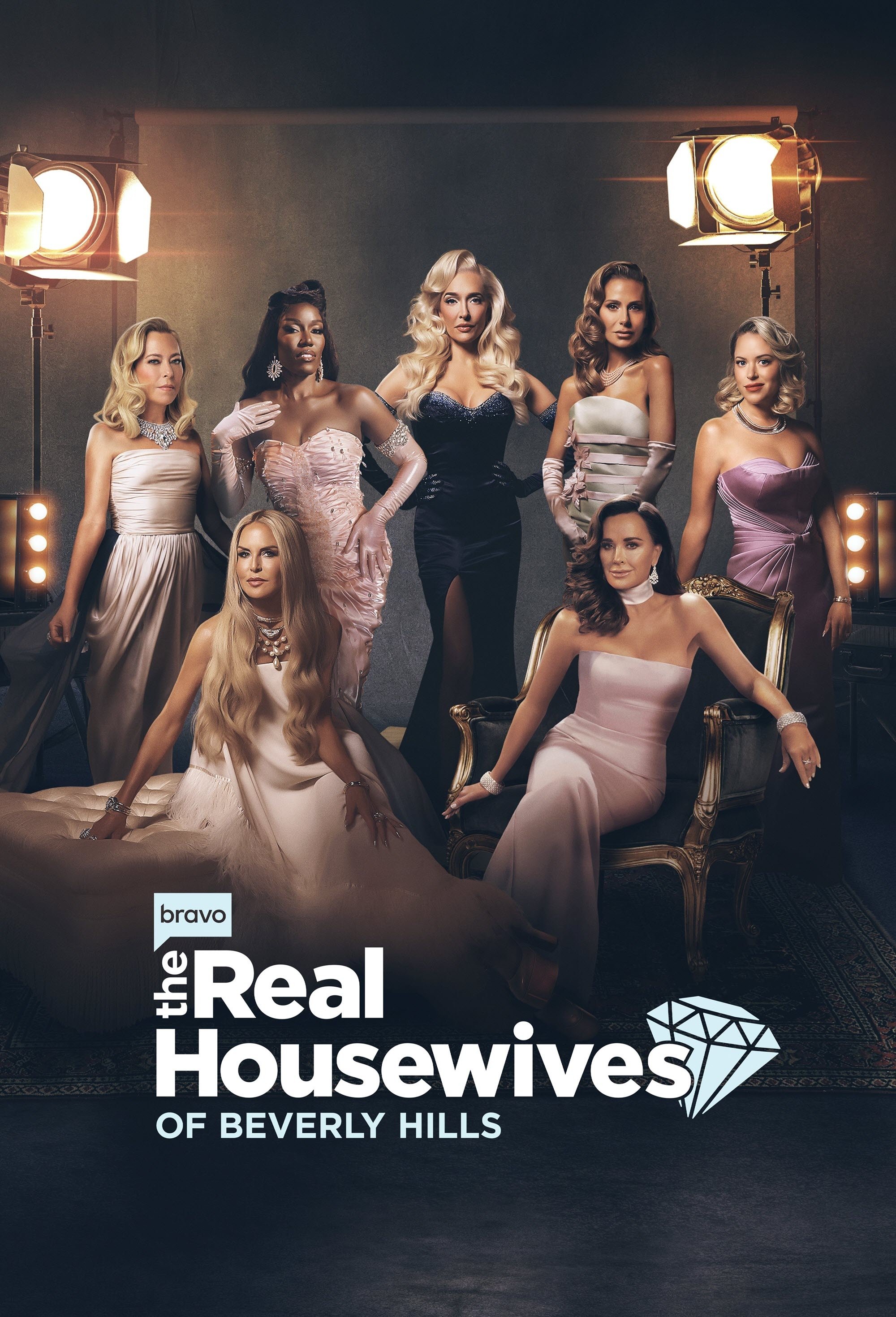
This installment of the franchise focuses on the lives of wealthy women in California. Producers often organize the parties and trips where the most significant drama takes place. Cast members are encouraged to bring up specific grievances during these events to ensure there is a central conflict for the episode. Many of the friendships and rivalries are amplified by the pressure of filming a successful television season. The result is a highly produced look at high society life.
‘Vanderpump Rules’ (2013–2025)
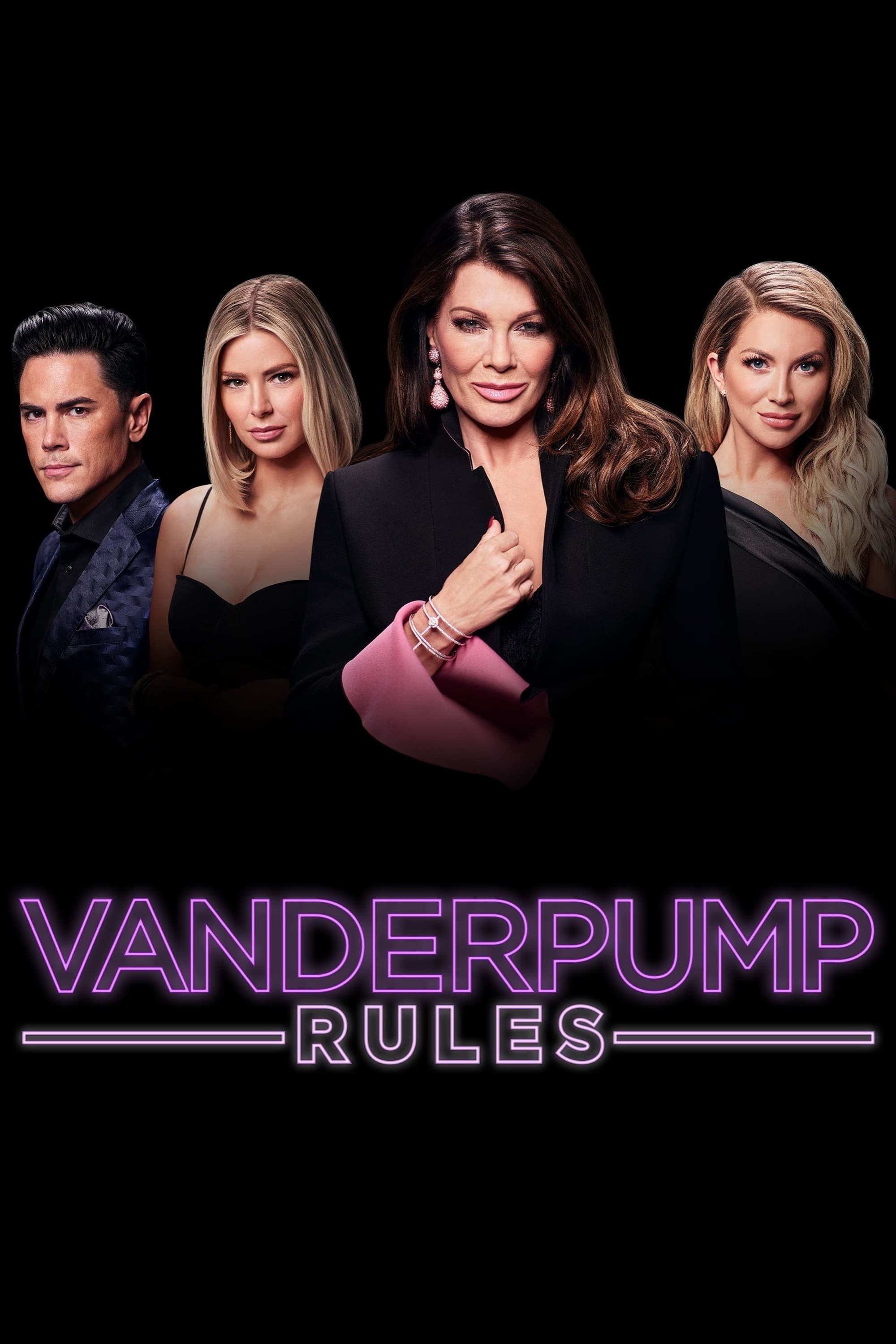
The show follows the staff at restaurants owned by a famous reality star. Many of the cast members were aspiring actors who understood how to perform for the camera. Producers often influenced the hiring and firing of staff to keep the most dramatic individuals on the show. The interconnected romances and betrayals were frequently the result of the cast being placed in social situations by the production team. This has made it one of the most successful examples of a workplace soap opera.
‘Selling Sunset’ (2019–2025)

This series features high end real estate agents in Los Angeles navigating their careers and personal lives. Several agents have revealed that some of the listings shown are not actually represented by their brokerage. The drama between the agents is often heightened for the camera with producers suggesting specific topics of conversation. Many of the glamorous events are staged solely for the purpose of filming a scene. This creates a visually stunning show that prioritizes entertainment over the realities of real estate.
‘The Bachelor’ (2002–2025)
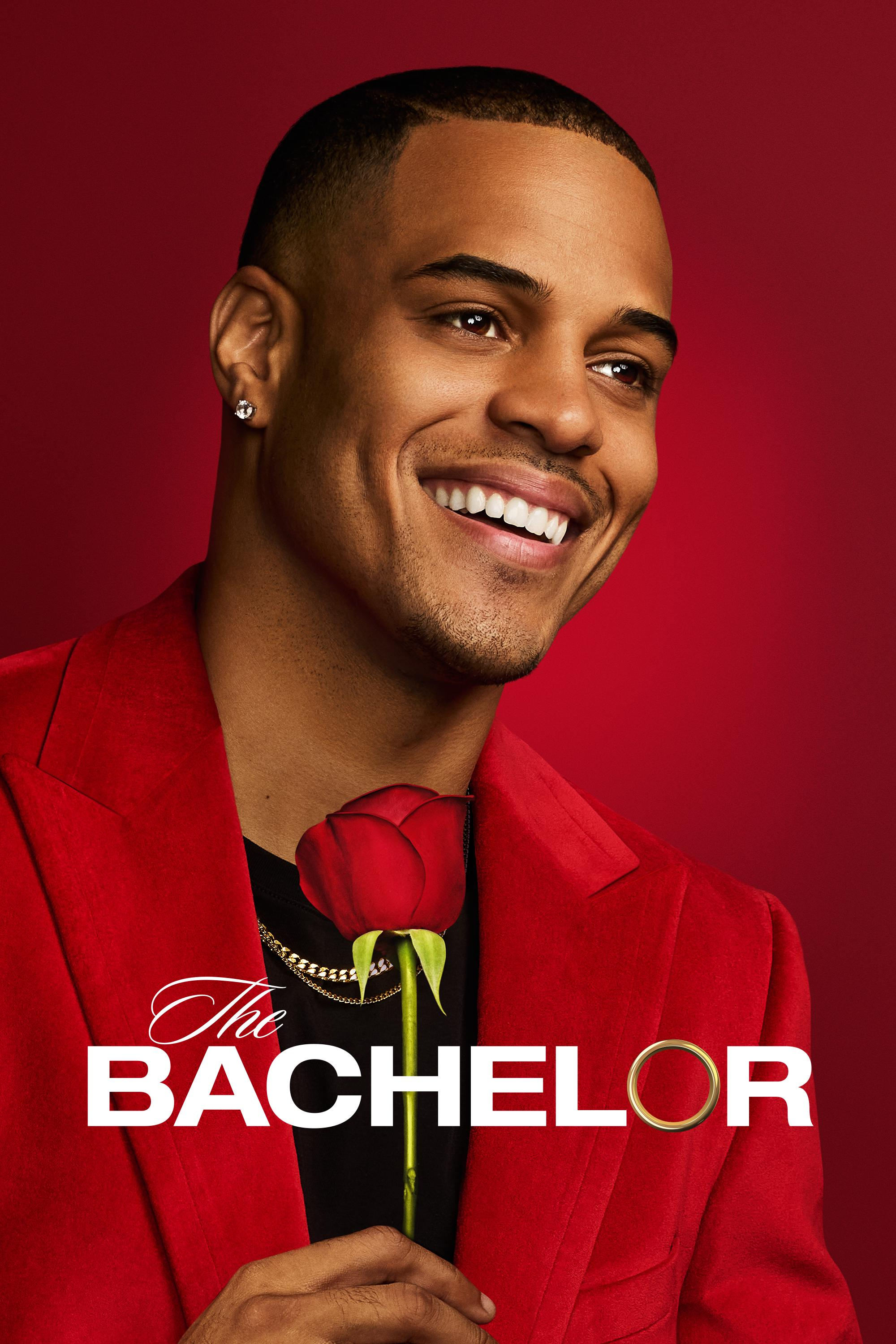
A single man chooses a potential spouse from a pool of contestants. Producers play a massive role in deciding who stays and who goes based on the entertainment value of the individuals. The contestants are often isolated and encouraged to consume alcohol to lower their inhibitions during filming. Many of the romantic dates are heavily choreographed and involve multiple takes to capture the perfect moment. This ensures that the show follows a romantic narrative regardless of the actual connections formed.
‘The Bachelorette’ (2003–2025)
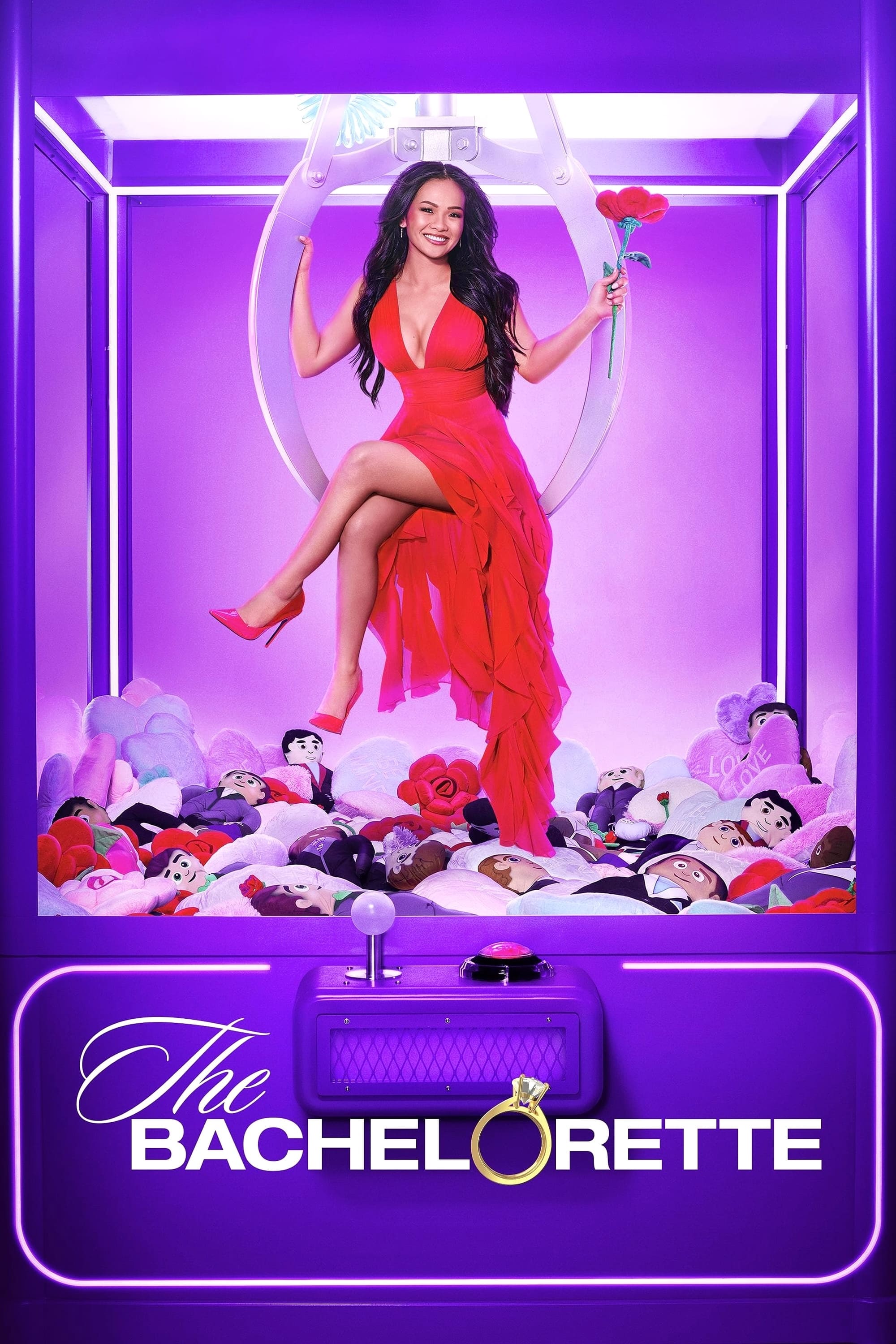
Similar to its predecessor this show follows a woman looking for love among a group of suitors. The narrative is often crafted around archetypes like the villain or the fan favorite to keep viewers engaged. Producers use leading questions during confessionals to get the contestants to say specific things about their rivals. The final proposal is a high stakes television event that is carefully managed by the production crew. The success rate of the relationships often highlights the difference between television romance and reality.
‘Love Is Blind’ (2020–2025)

Participants get engaged without ever seeing each other in person. While the concept is experimental the execution involves significant production interference. The couples are often pushed to have certain conversations or participate in activities that create tension during their shared vacations. Editing is used to create heroes and villains among the participants to drive social media engagement. The pressure of the wedding day is a planned event that forces a dramatic conclusion for every couple.
‘Too Hot to Handle’ (2020–2025)

Attractive singles are placed in a tropical location and forbidden from physical intimacy. The rules of the show are often flexible and change based on what will create the most drama. Producers use an artificial intelligence character to deliver instructions that are actually scripted by the writing staff. The contestants are often chosen for their history of being difficult or impulsive in relationships. This ensures that the forbidden fruit premise leads to frequent rule breaking and conflict.
‘The Ultimatum’ (2022–2025)
Couples on the verge of marriage or breakup switch partners to test their relationships. The premise is designed to maximize emotional distress and create explosive confrontations. Producers guide the participants through the process and encourage them to explore new connections even if they are hesitant. The timeline of the show is compressed through editing to make the emotional shifts seem more drastic than they are. This leads to a highly volatile show that prioritizes shock value.
’90 Day Fiancé’ (2014–2025)

The series follows international couples as they navigate the visa process and cultural differences. Many of the participants have admitted that producers asked them to repeat arguments or act out specific scenarios. The editing often focuses on the most eccentric traits of the individuals to make the relationships seem more doomed than they might be. Some of the families featured are told to be more skeptical of the foreign partner than they actually are. This creates the central conflict that the show relies on for every episode.
‘Project Runway’ (2004–2025)
Designers compete in weekly challenges to create the best clothing. While the sewing and design work are real the time constraints are often manipulated for drama. Producers may choose the winning and losing designs based on who provides the best television narrative rather than just the quality of the work. The judges are often coached on which points to emphasize to create a more compelling critique. This ensures that the competition remains exciting for a general audience.
‘America’s Next Top Model’ (2003–2018)
Aspiring models compete for a career in the fashion industry. Former contestants have shared that the challenges were often designed to cause emotional breakdowns. The photo shoot results were sometimes determined by the narrative needs of the show rather than the actual performance of the model. Many of the interactions in the house were provoked by the production staff to create a sense of competition. This made the show a staple of high drama reality television for many years.
‘Ink Master’ (2012–2025)
Tattoo artists compete in various challenges to prove their skill. The human canvases who receive the tattoos are often told to be more demanding or critical than they naturally would be. The judges use harsh critiques to create a sense of high stakes and professional pressure. Producers often influence the elimination process to keep the most controversial artists in the competition. This helps the show maintain a gritty and competitive atmosphere.
‘Face Off’ (2011–2018)
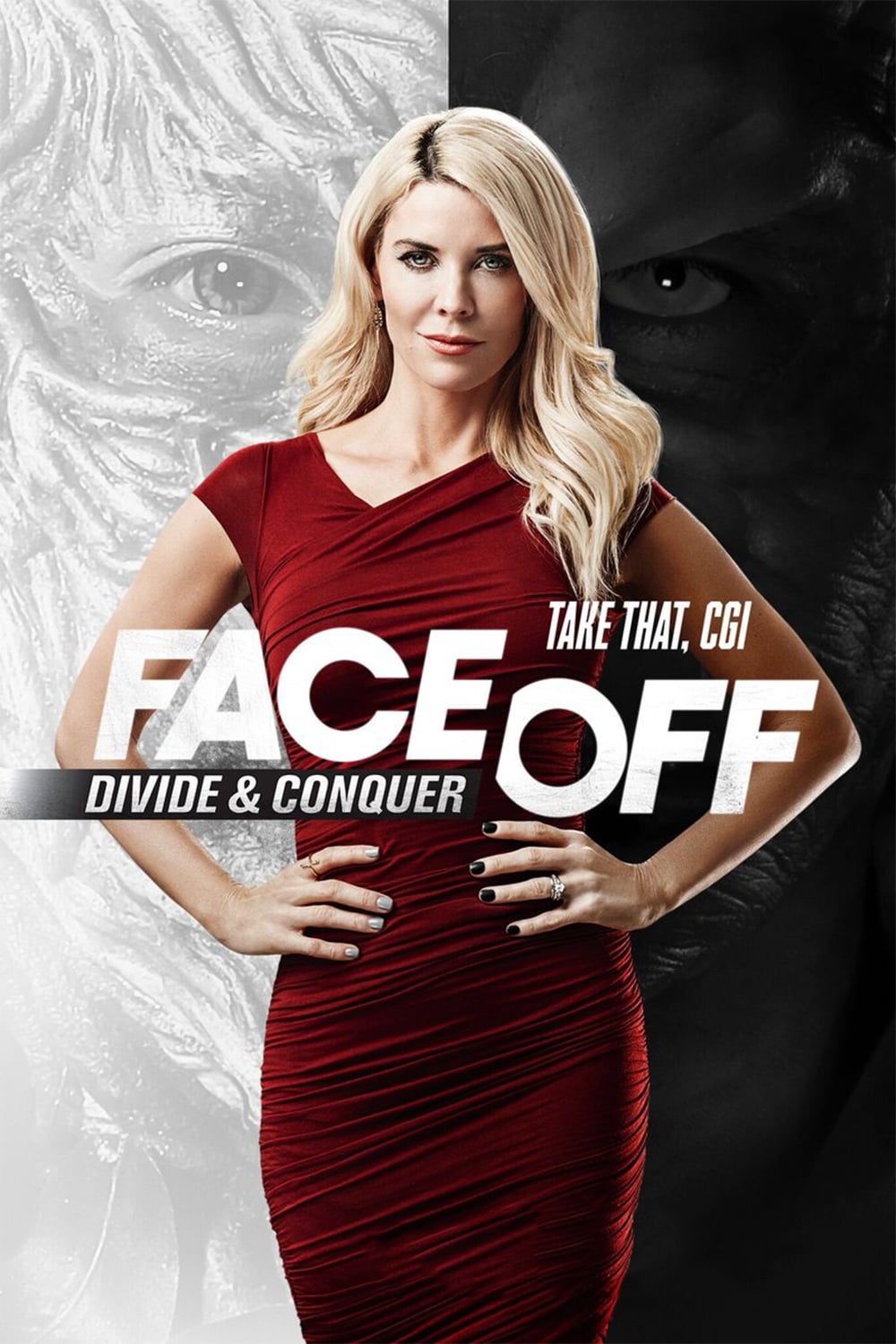
Special effects makeup artists compete to create elaborate creatures and characters. While the talent on display is genuine the production often emphasizes personal conflicts between the artists. The challenges are structured to ensure that there is a dramatic reveal at the end of every episode. Producers often help the artists by providing specific materials or suggestions that guide the final designs. This ensures that the finished products are visually impressive for the television audience.
‘The Voice’ (2011–2025)
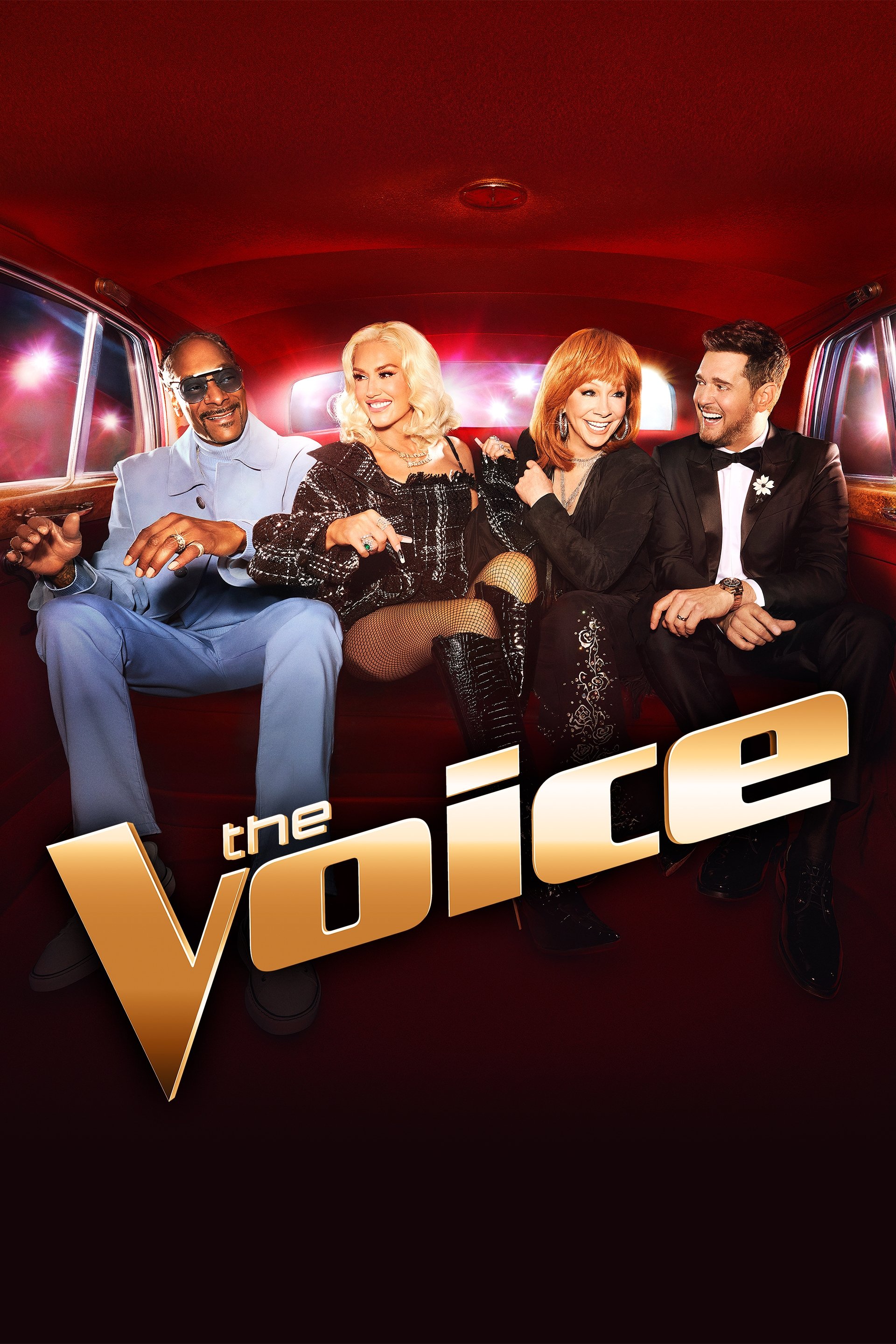
Singers compete in blind auditions for a chance to work with famous coaches. The contestants are often heavily vetted and many have prior professional experience in the music industry. The song choices are often dictated by the production team to fit specific themes or emotional arcs. The coaches are coached on their banter and the way they react to the performances. This results in a highly polished and positive competition that focuses on entertainment value.
‘American Idol’ (2002–2025)
This long running singing competition has launched many successful careers. The audition process involves several rounds with producers before a contestant ever sees the famous judges. Many of the bad auditions are staged with individuals who are encouraged to act out for the camera. The voting results are real but the show uses editing to favor certain contestants throughout the season. This ensures that the final winner has a built in fanbase and a compelling story.
‘Shark Tank’ (2009–2025)
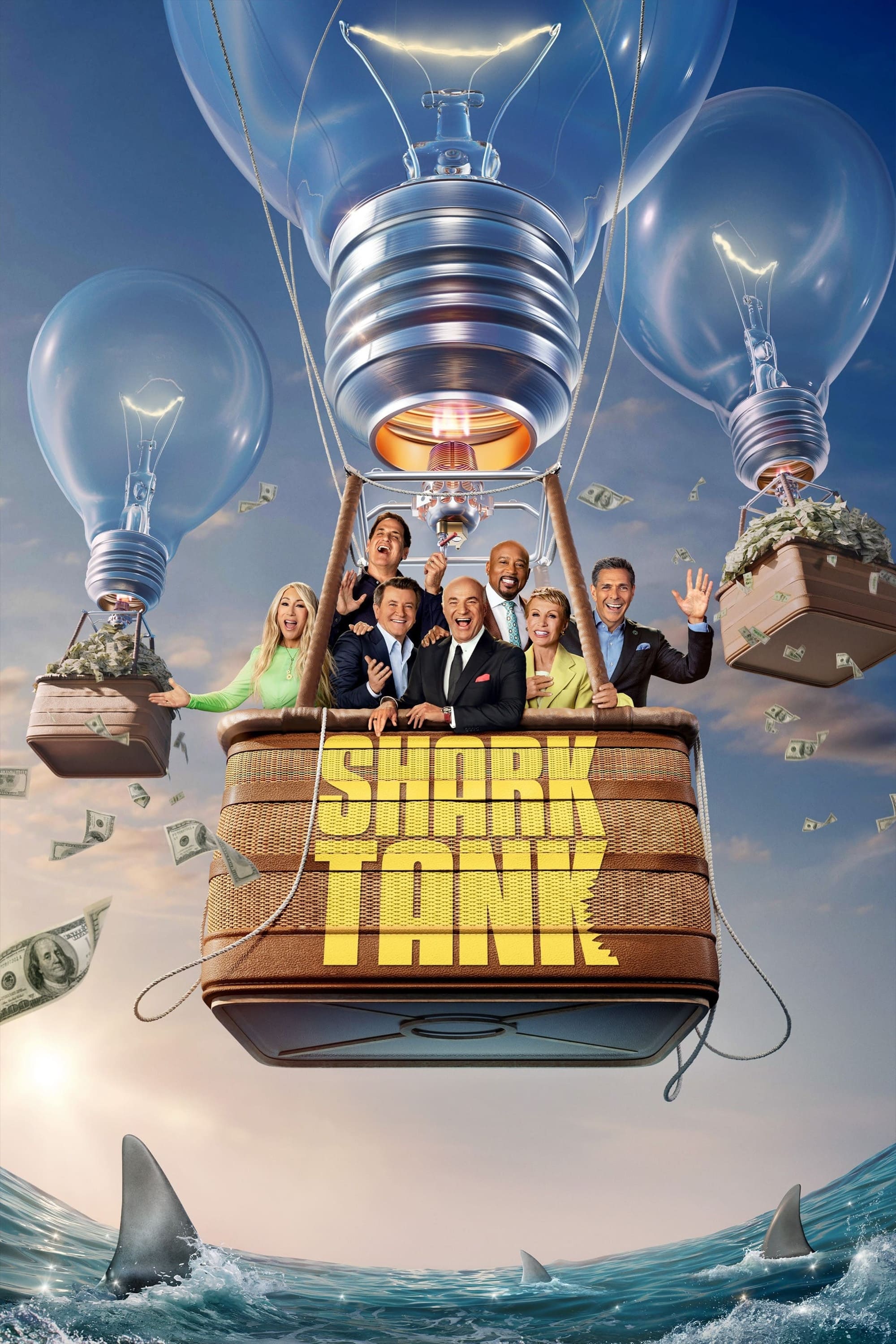
Entrepreneurs pitch their businesses to a panel of wealthy investors. The pitches actually last for over an hour but are edited down to just a few minutes of highlights. Many of the deals made on camera fall through during the due diligence process after the show ends. The sharks are often briefed on the businesses before the filming begins to ensure they have good questions ready. This allows the show to move quickly and provide educational content about the business world.
‘The Apprentice’ (2005–2017)
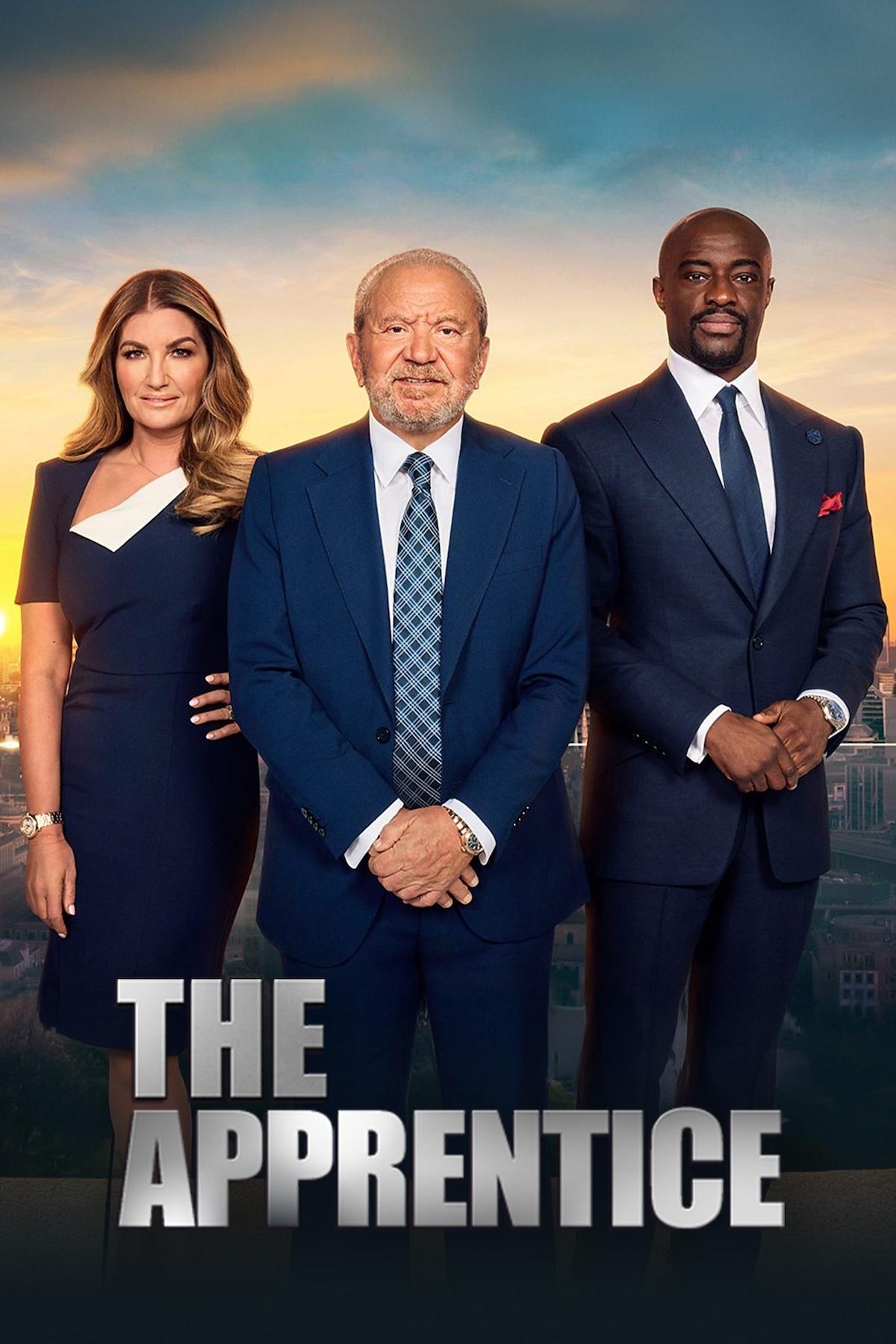
Contestants compete for a chance to run one of a famous businessman’s companies. The boardroom scenes were often filmed in a way that maximized the tension and authority of the host. Many of the tasks were organized by the production team and involved businesses that were paid to participate. The firing process was often influenced by which contestants would keep the ratings high for the next week. This created a version of the corporate world that was highly dramatic and competitive.
‘Fixer Upper’ (2013–2018)
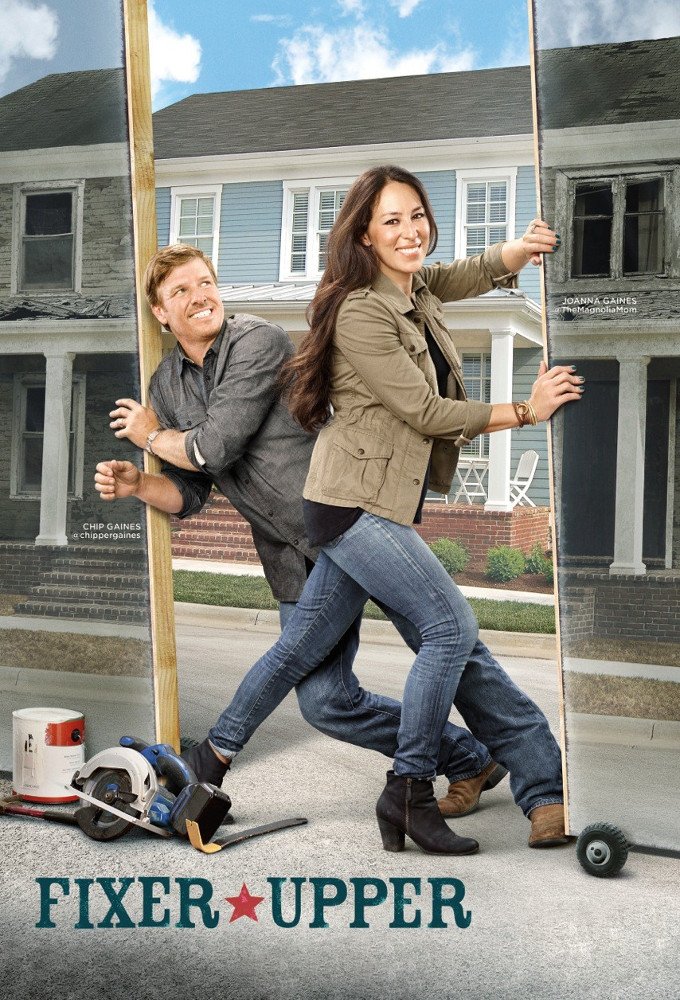
A couple helps families find and renovate old homes in Texas. The families featured on the show have often already purchased their home before the show begins. The furniture and decor used in the final reveal are usually just for staging and are removed after filming is complete. Many of the construction issues found during the episodes are exaggerated to create a sense of urgency. This allows the show to follow a consistent and satisfying transformation narrative in every episode.
Please share which of these shows surprised you the most in the comments.