


Reality TV Shows That Are Completely Fake



Reality television has captivated audiences for decades by promising an unscripted look into the lives of real people. While many viewers believe they are watching authentic moments many of these programs rely on heavy editing and staged scenarios. Producers frequently manipulate circumstances to ensure high ratings and dramatic conflict. This list explores some of the most popular shows that have faced accusations of being scripted or entirely fabricated.
‘The Hills’ (2006–2010)
This series followed the personal and professional lives of several young women residing in Los Angeles. While it presented itself as a documentary the final scene of the series finale revealed a Hollywood backdrop and suggested many segments were staged. Cast members have since admitted that producers often fed them lines and manufactured drama to enhance the storyline. The show helped popularize the constructed reality subgenre that blurs the line between fiction and nonfiction.
‘Jersey Shore’ (2009–2012)
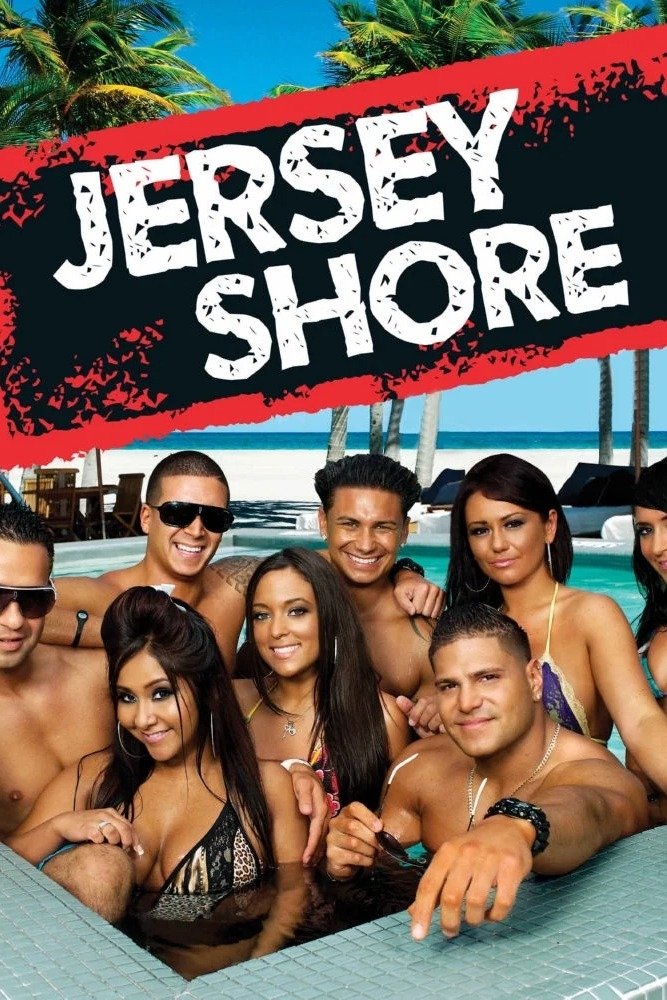
This program featured a group of housemates spending their summer at the New Jersey shore. Reports from locals and background extras indicated that many of the fights and hookups were encouraged or arranged by the production crew. The cast was often told where to go and what to do to ensure that interesting footage was captured. Despite the appearance of a wild and spontaneous vacation the daily activities were often strictly scheduled by the network.
‘Pawn Stars’ (2009–Present)
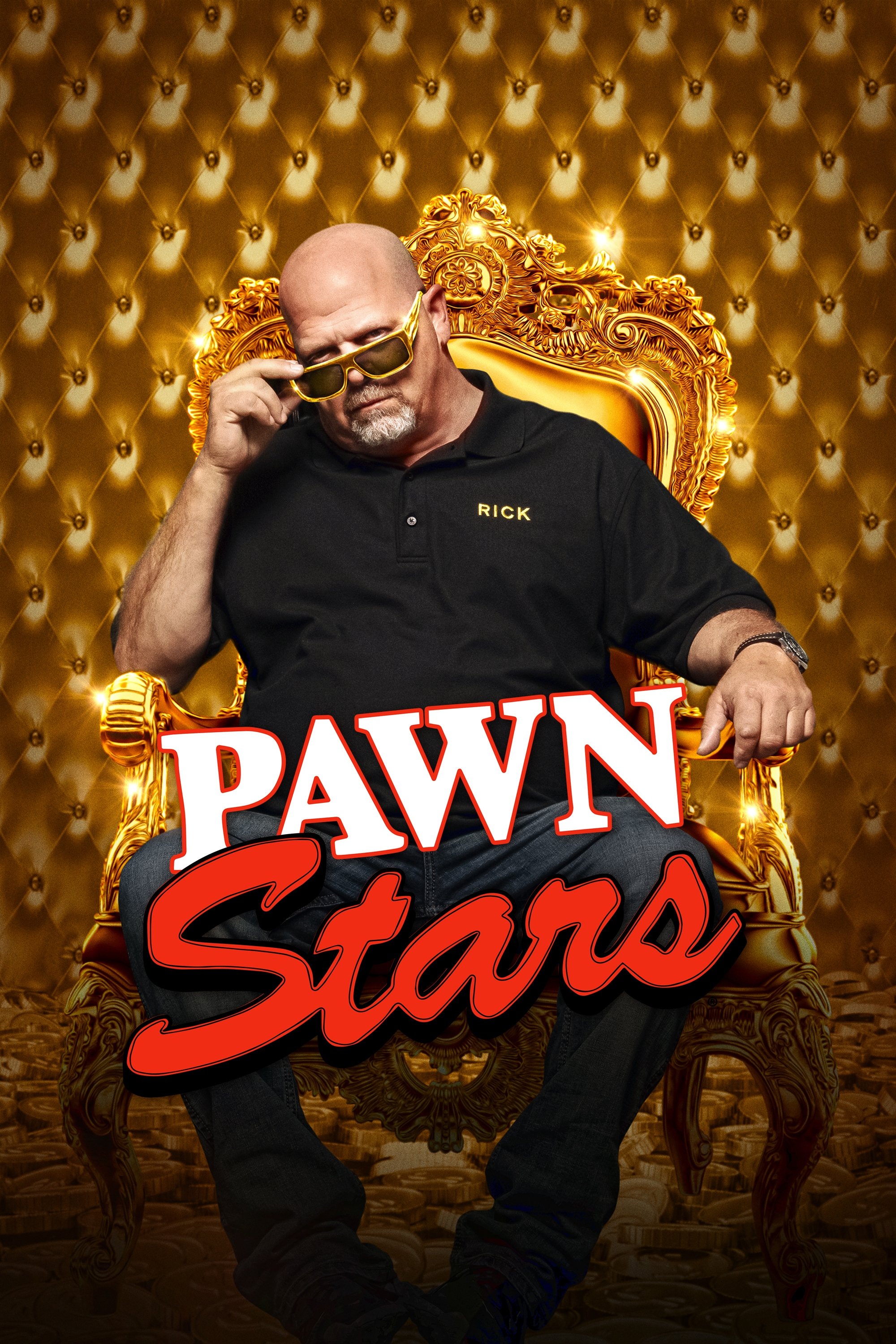
The show focuses on the daily operations of the Gold and Silver Pawn Shop in Las Vegas. Most customers seen on camera are pre-selected and their items are vetted long before filming begins. The negotiations and historical trivia are often rehearsed to make the interactions appear more seamless for the audience. The main cast members rarely work the counter during normal business hours because of their celebrity status.
‘Storage Wars’ (2010–Present)
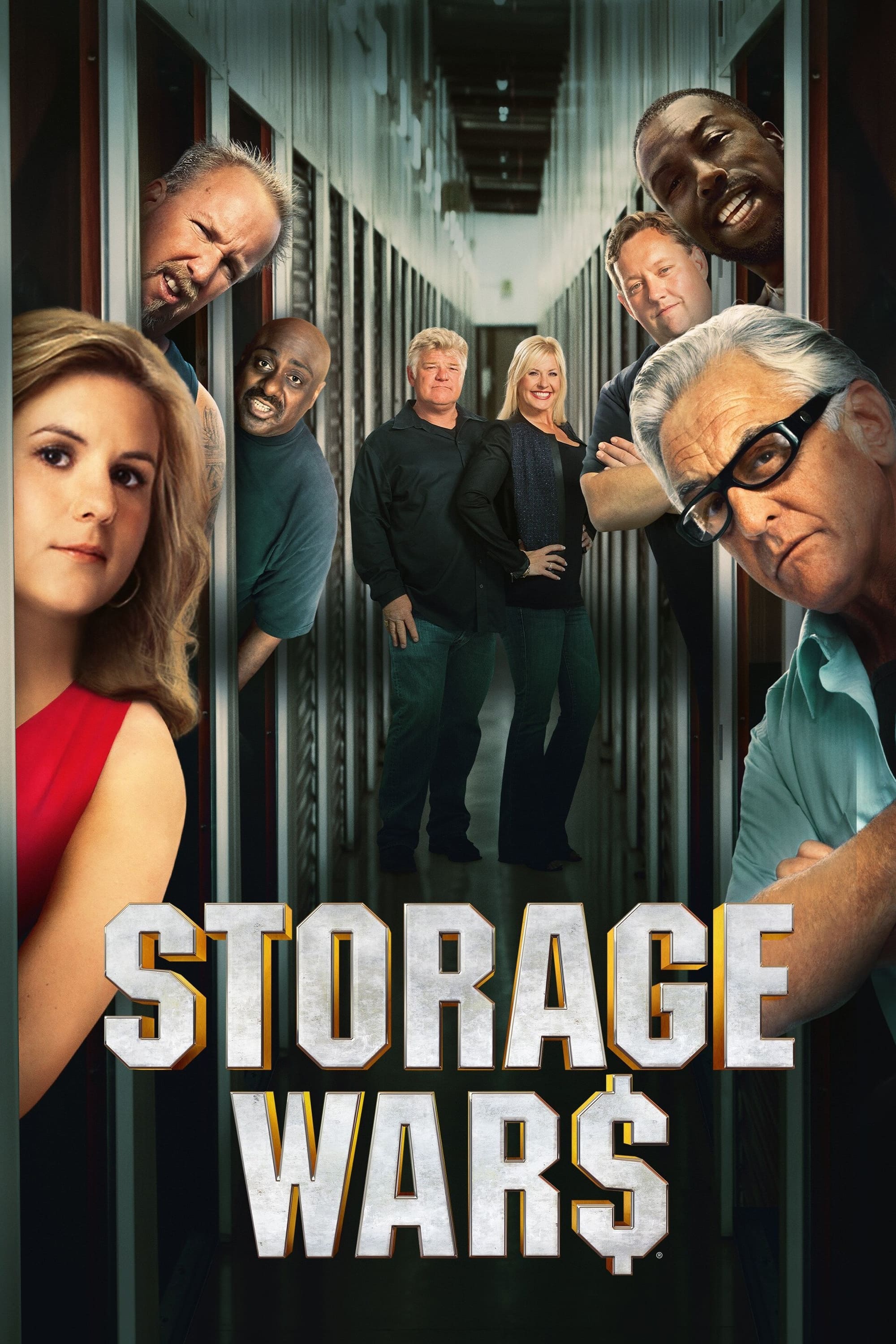
This series follows professional buyers who bid on abandoned storage lockers. One former cast member filed a lawsuit claiming that producers placed valuable items in the lockers to make the show more exciting. The auctions are often edited to appear more competitive than they are in real life. Producers have also been accused of staging the discovery of rare collectibles to provide a narrative hook for each episode.
‘The Bachelor’ (2002–Present)
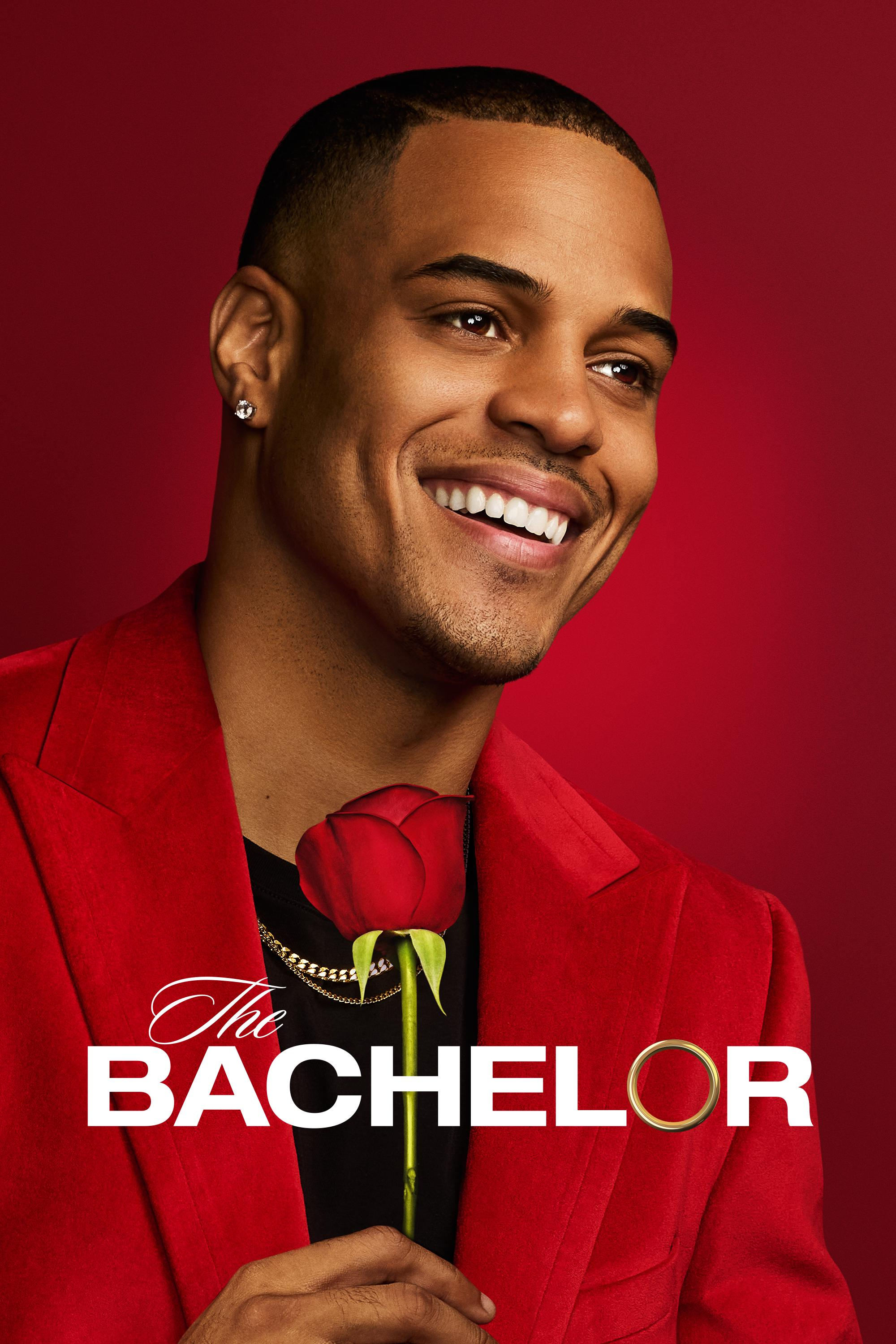
Contestants compete for the affection of a single man in this long running dating competition. Participants have revealed that producers use psychological tactics and sleep deprivation to heighten emotional responses. Many of the dates are highly choreographed and conversations are often edited out of order to create a specific narrative. The success rate of the relationships formed on the show remains notably low compared to traditional dating.
‘Keeping Up with the Kardashians’ (2007–2021)
This show chronicled the lives of the Kardashian Jenner family and their extended circle. Many scenes were reportedly filmed in studios or rented homes rather than the actual residences of the family members. Emotional conversations and family conflicts were often reshot multiple times to get the best camera angles and performances. The timeline of events was frequently shifted in the editing room to create a more cohesive seasonal arc.
‘Catfish: The TV Show’ (2012–Present)

This series investigates individuals who use fake online identities to pursue romantic relationships. In reality the person who is doing the catfishing is usually the one who contacts the show first. The production team handles most of the investigation before the hosts arrive to film the search process. While the emotional payoffs are real the procedural elements are often staged for the benefit of the cameras.
‘Hardcore Pawn’ (2010–2015)
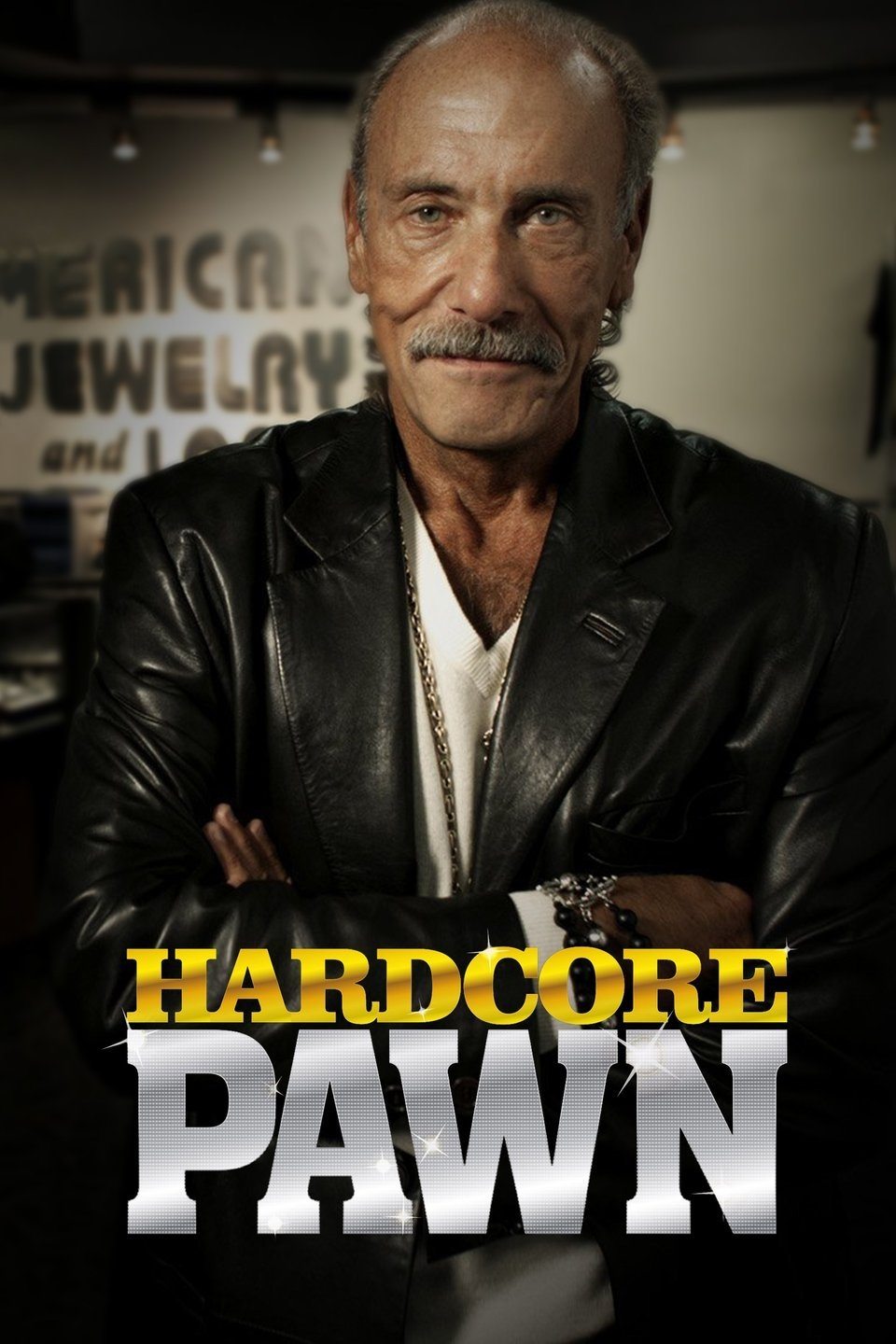
Set in Detroit this show depicted the intense interactions at American Jewelry and Loan. Many of the most aggressive customers were reportedly paid actors or individuals encouraged to exaggerate their behavior. The security interventions and shouting matches were often choreographed to create a sense of constant danger. Viewers have pointed out that the same background extras occasionally appeared in different episodes playing different roles.
‘Duck Dynasty’ (2012–2017)

The series followed the Robertson family and their successful duck call business. Producers often created artificial conflict and scripted the family prayers to fit a specific image. Some cast members were asked to grow out their beards and lean into a rugged lifestyle that was more intense than their actual daily lives. The show utilized a sitcom format that relied on planned scenarios rather than spontaneous filming.
‘Ghost Adventures’ (2008–Present)
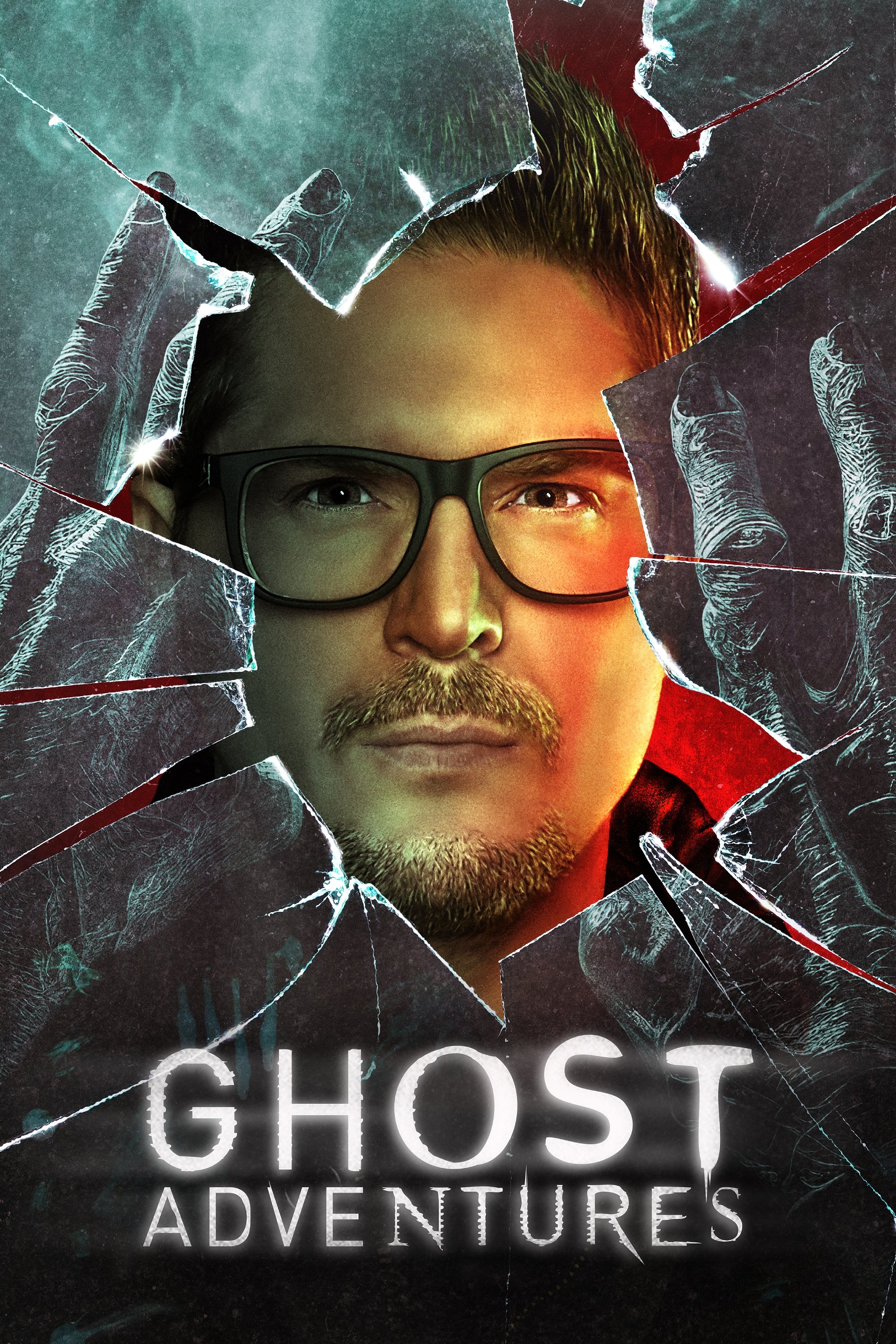
Paranormal investigators visit supposedly haunted locations to capture evidence of the supernatural. Critics and former crew members have suggested that some of the electronic voice phenomena and physical disturbances are manufactured. Lighting and sound effects are often added in post production to increase the tension for viewers. The reactions of the investigators are frequently criticized for being overly dramatic and performative.
‘Finding Bigfoot’ (2011–2018)

A team of researchers travels across the world searching for evidence of the legendary creature known as Bigfoot. Despite years of filming the team never captures definitive proof of the animal. Many of the thermal images and audio recordings presented as evidence are often dismissed by outside experts as mundane forest activity. The dramatic cliffhangers and intense night investigations are designed to keep the audience engaged regardless of the lack of results.
‘Man vs. Wild’ (2006–2011)
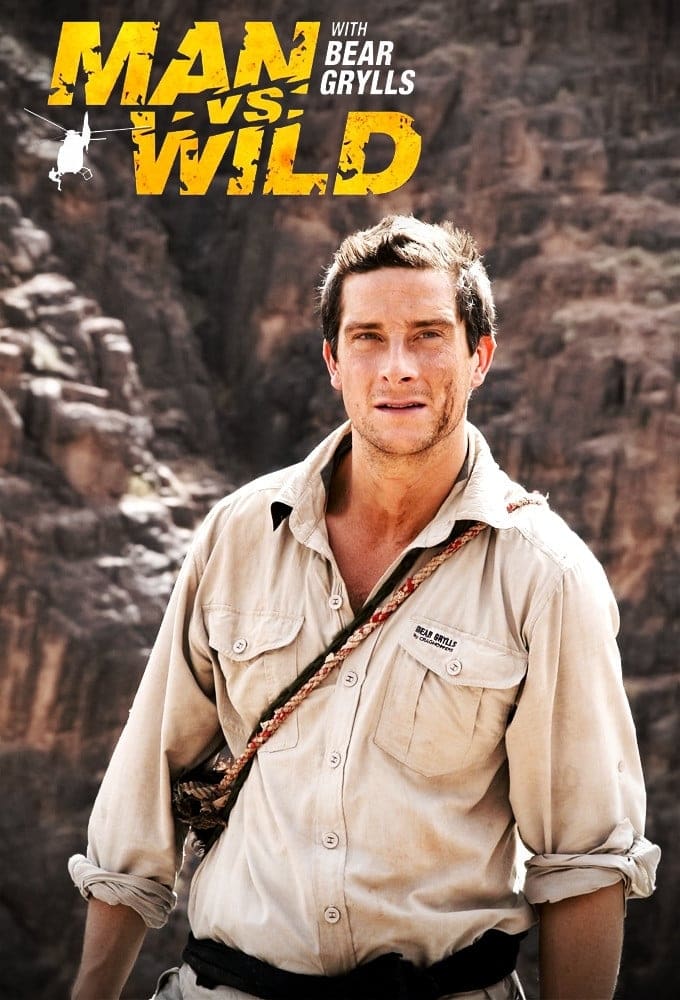
Bear Grylls demonstrated survival techniques in various remote locations around the globe. It was later revealed that Grylls stayed in hotels and had access to modern amenities during several of his wilderness expeditions. Some of the dangerous stunts were performed with the help of safety crews and hidden supports. The show added a disclaimer in later seasons to clarify that certain scenes were staged for educational purposes.
‘Pimp My Ride’ (2004–2007)
This series featured car enthusiasts getting their vehicles overhauled with extravagant modifications. Former participants have stated that many of the high tech additions never actually worked or were removed immediately after filming. The cars often spent months in the shop rather than the short timeframe suggested by the episodes. Some vehicles were even found to be unsafe for road use after the cosmetic changes were completed.
‘Undercover Boss’ (2010–Present)

High level executives disguise themselves to work entry level jobs within their own companies. The employees who are selected to work with the boss are typically chosen for their compelling personal stories and are often aware that they are being filmed. The final reveals where the boss offers rewards and promotions are highly produced for maximum emotional impact. Many of the systemic issues identified during the episodes are rarely addressed on a corporate level after filming concludes.
‘Dance Moms’ (2011–2019)
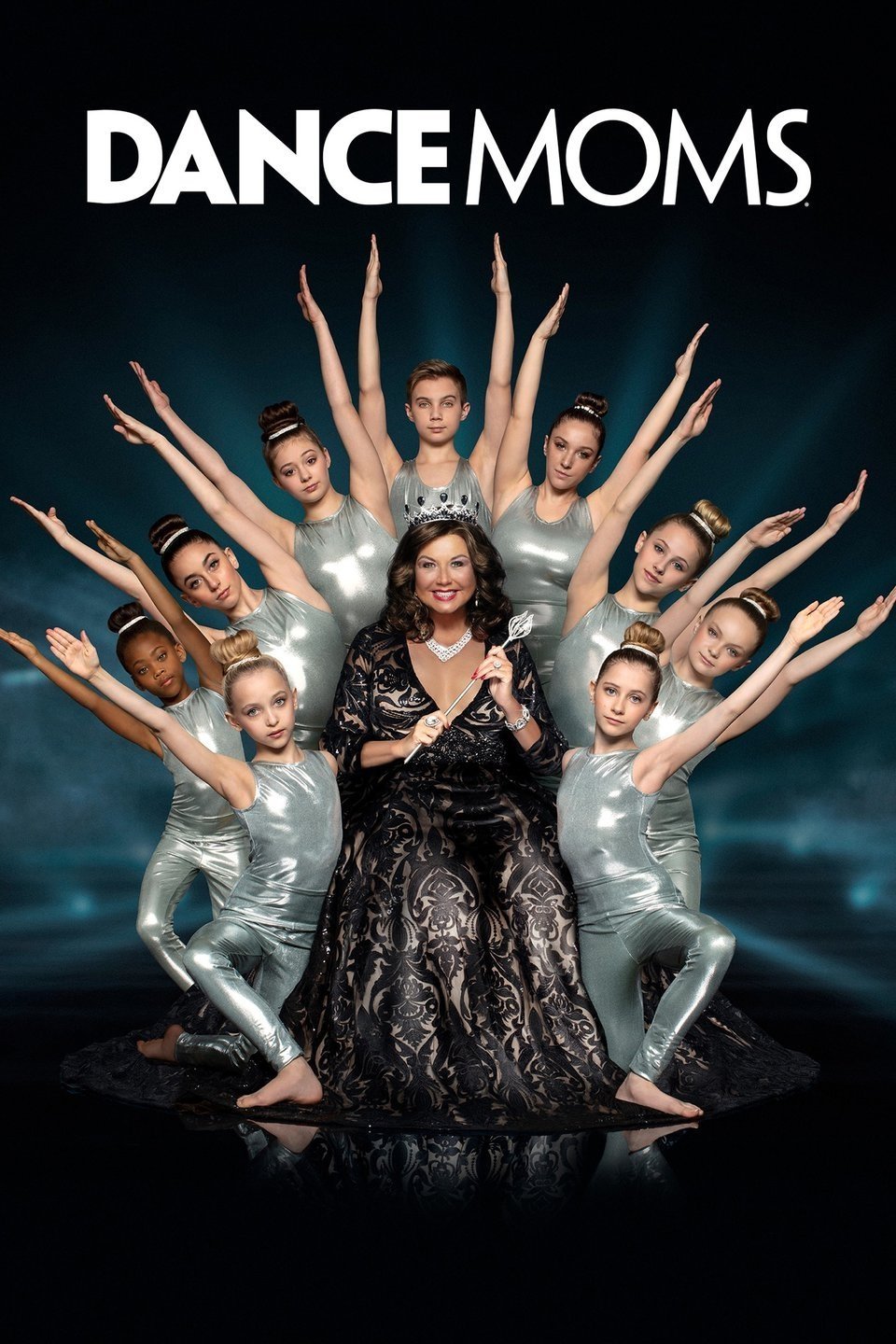
This show focused on the competitive world of youth dance and the intense mothers involved. Producers were known to manipulate the competition results and schedule events specifically for the cameras. The arguments between the dance instructor and the parents were often instigated by the production crew to ensure drama. Many of the girls were forced to repeat their performances until the filming crew captured the necessary shots.
‘House Hunters’ (1999–Present)
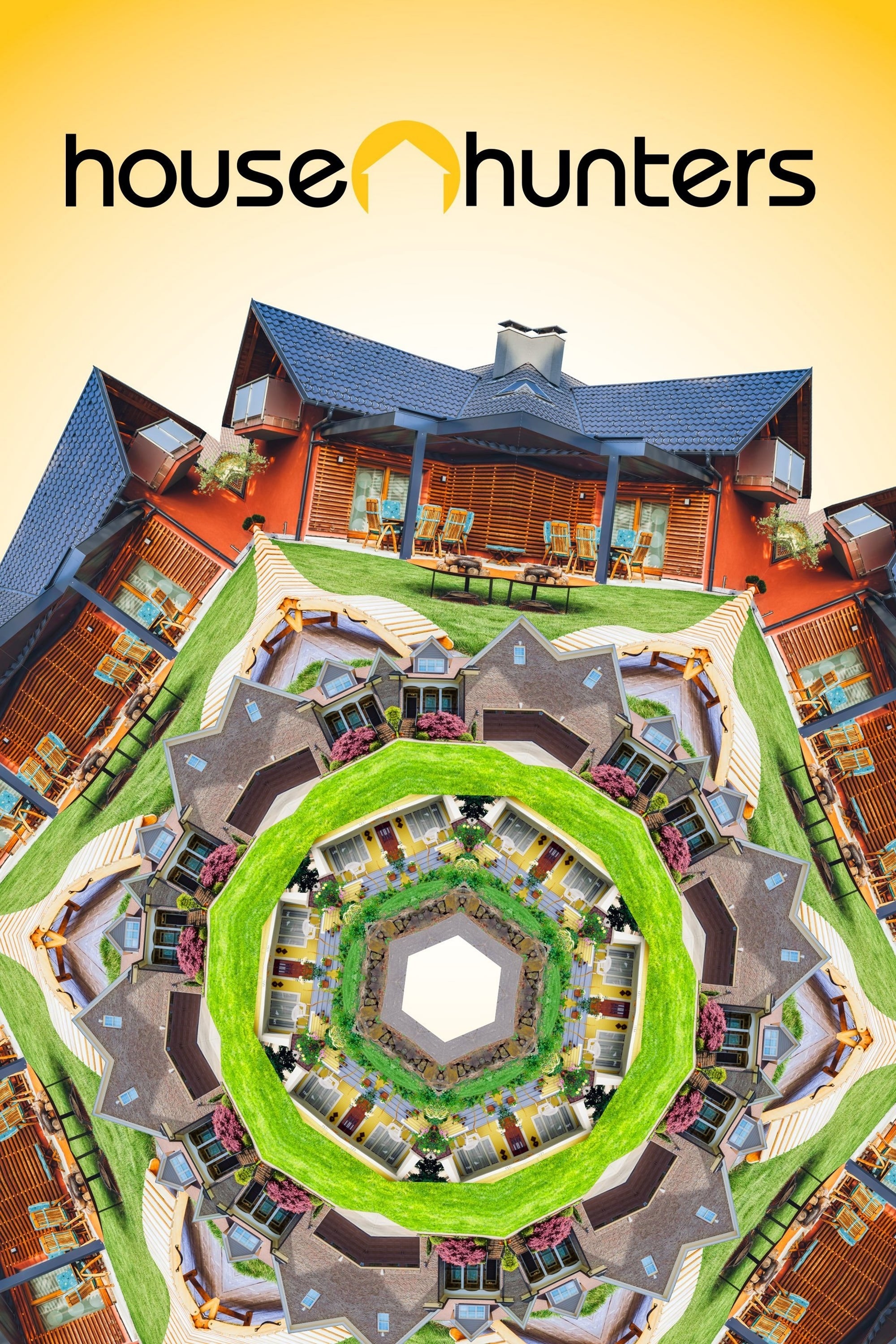
Prospective buyers are shown three homes and must choose one to purchase by the end of the episode. In most cases the participants have already closed on their new home before the filming begins. The other two houses shown are often not even for sale or are already owned by friends of the producers. The staged search process is designed to provide a narrative structure for viewers interested in real estate.
‘Fixer Upper’ (2013–2018)
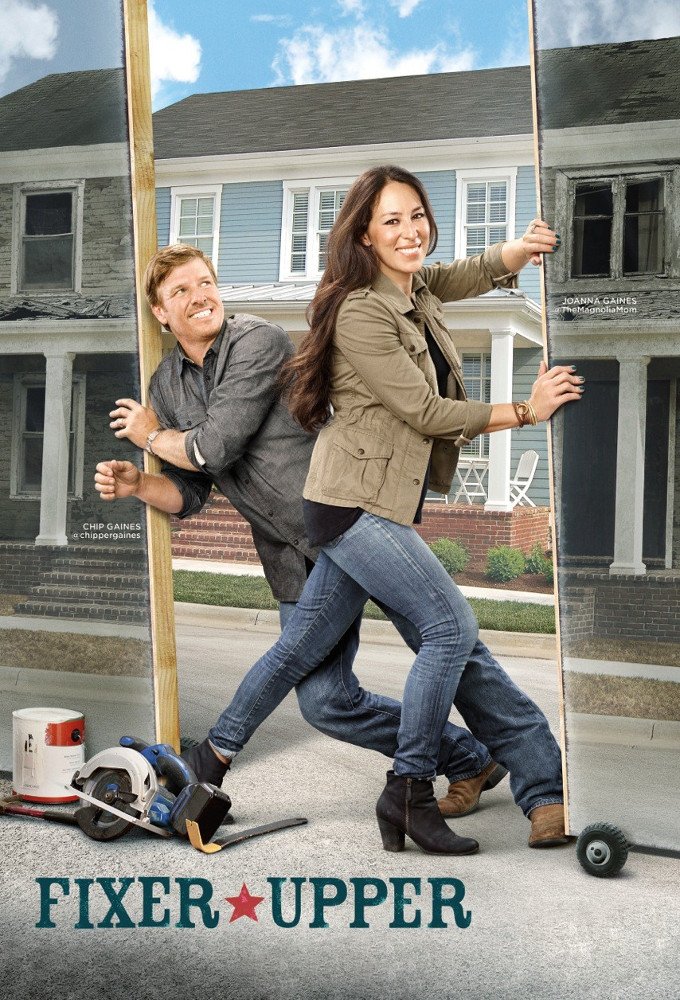
Chip and Joanna Gaines helped couples find and renovate dilapidated houses in Texas. The furniture and decor seen in the final reveal are usually just for staging and are removed after the cameras stop rolling. Homeowners often have to pay extra if they want to keep the specific items used to style the home. The renovation process is also more complicated and time consuming than the edited episodes suggest.
‘South Beach Tow’ (2011–2014)
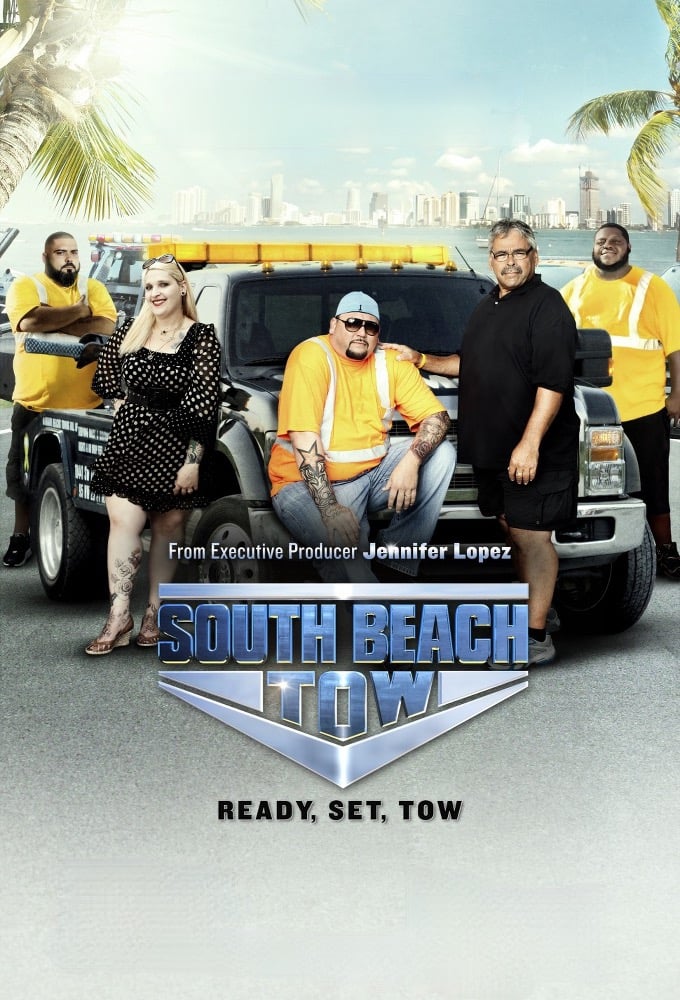
This series depicted the daily operations of a towing company in Florida. The show was officially classified as a reenactment of real events which allowed the crew to script high stakes confrontations. Many of the physical fights and car repossession stunts involved professional stunt performers and actors. The dramatic scenarios were designed to entertain rather than to document actual towing procedures.
‘Lizard Lick Towing’ (2011–2014)
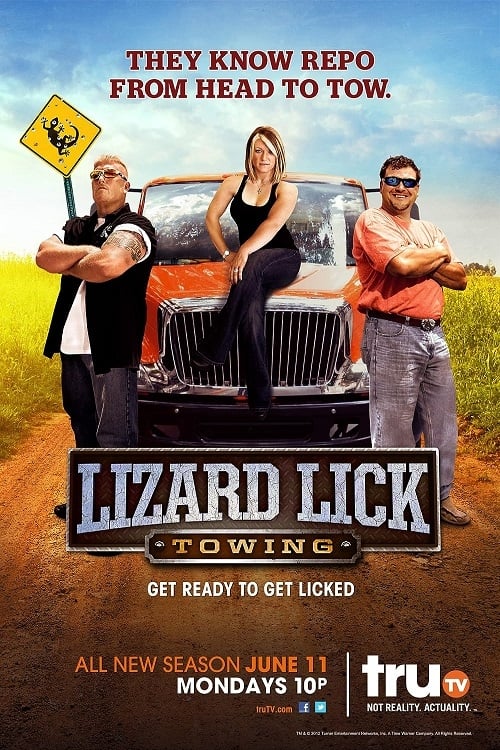
This spin off followed the staff of a towing and recovery business in North Carolina. The interactions with angry vehicle owners were largely scripted and featured exaggerated southern archetypes. Many of the featured characters were local actors or friends of the cast members. The show relied on physical comedy and over the top arguments to maintain its viewership.
‘Amish Mafia’ (2012–2015)

The series claimed to follow a group of men who provided protection and justice within the Amish community. Local law enforcement and Amish leaders repeatedly stated that no such organization existed in their society. Most of the scenes were entirely fabricated and featured individuals who were not actually practicing members of the Amish faith. The show was widely criticized for misrepresenting the culture for the sake of sensational entertainment.
‘Alaskan Bush People’ (2014–Present)
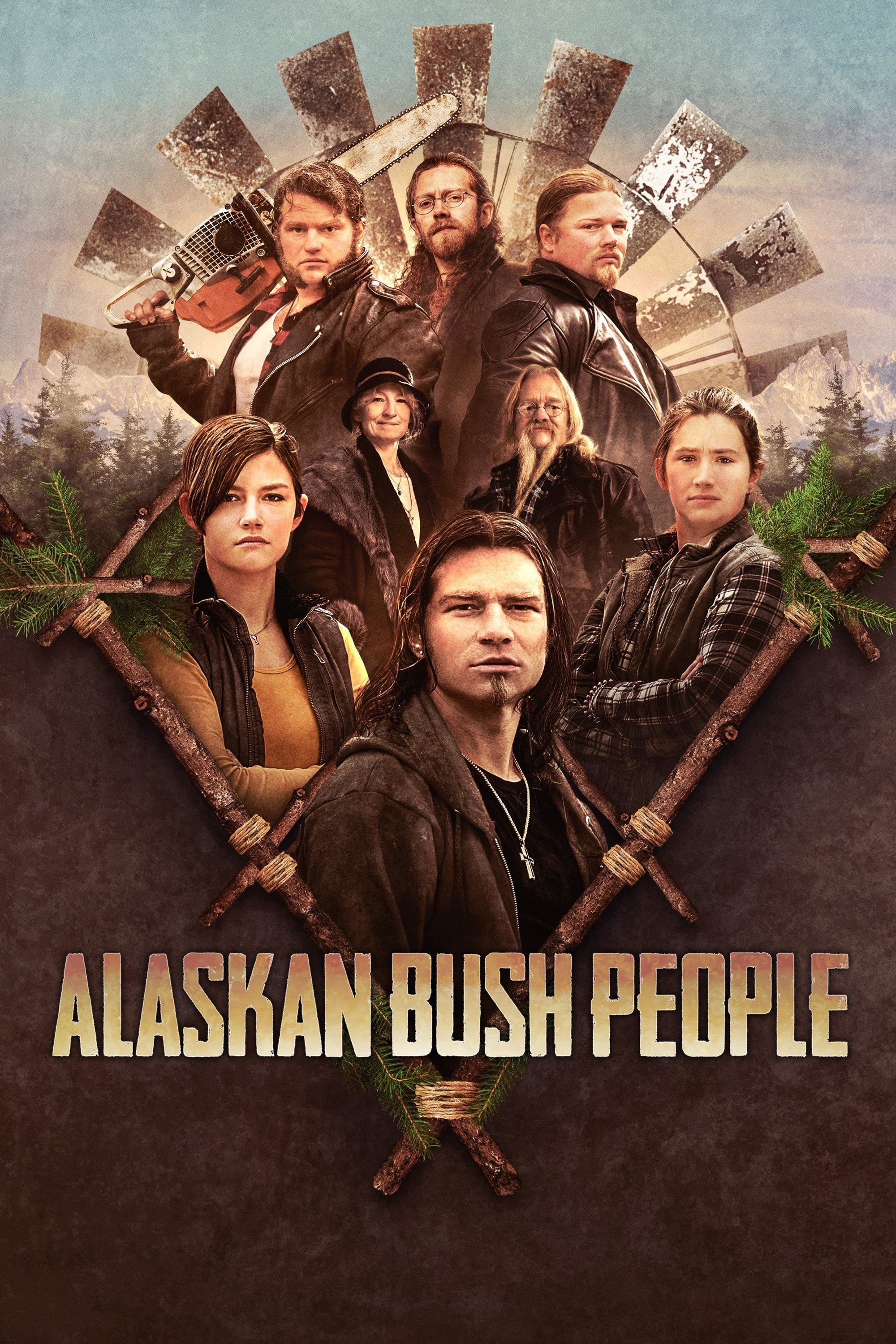
A family is depicted living off the grid in the remote wilderness of Alaska. Investigative reports have suggested that the family often lives in local hotels or modern homes when they are not filming. The remote homestead seen on camera is frequently located near major roads or established towns. Despite the narrative of isolation the family has faced legal issues related to their residency status in urban areas.
‘Moonshiners’ (2011–Present)
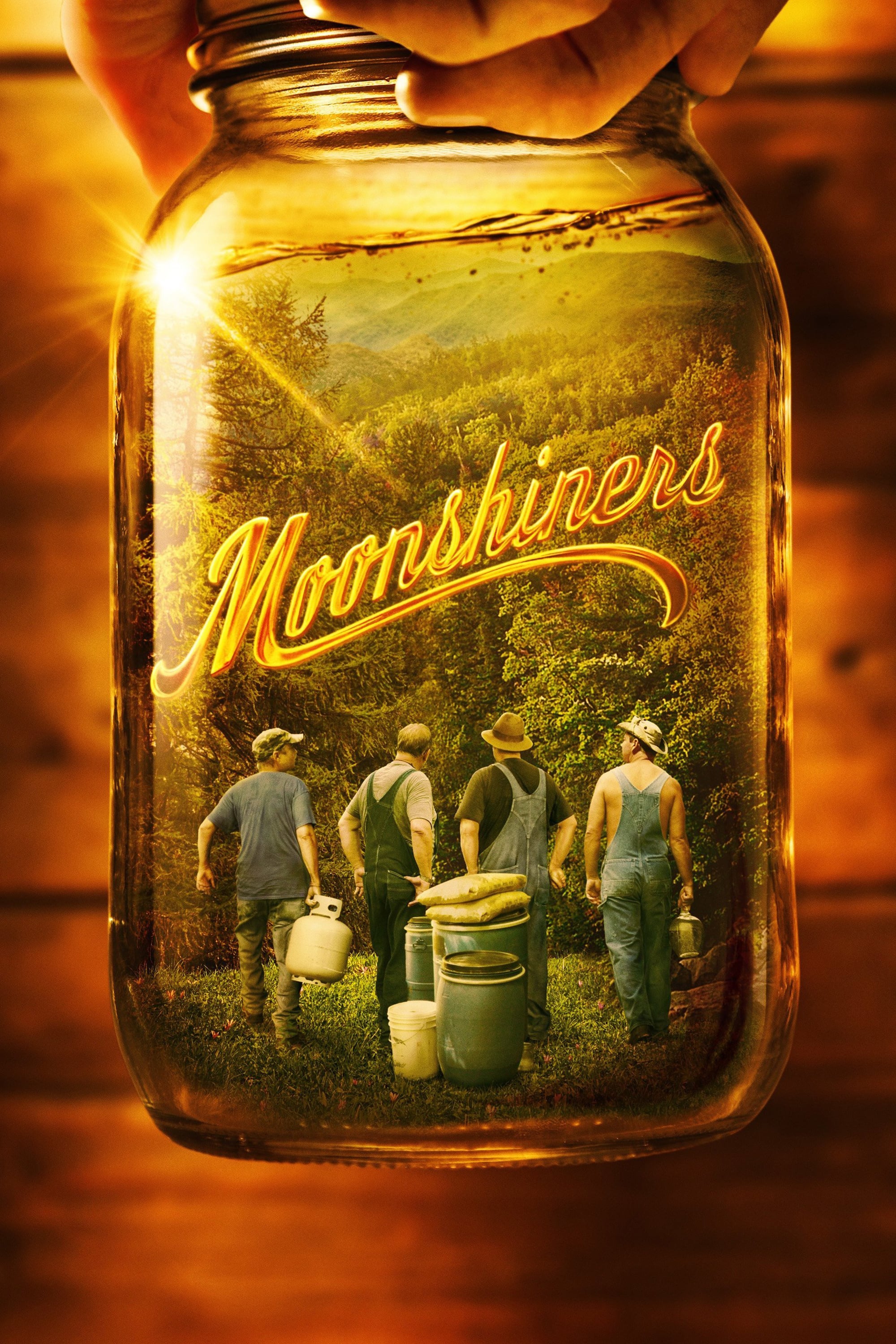
This program follows individuals who brew illegal spirits in the Appalachian Mountains. If the activities shown were truly illegal the participants would likely face immediate arrest by local authorities. Law enforcement officials have stated that the show is a dramatization and that no actual crimes are being committed during production. The brewing processes are often staged in safe environments with the knowledge of local government.
‘Mountain Men’ (2012–Present)

The show tracks the lives of men who live in the wilderness and survive by hunting and trapping. While the subjects do live rugged lifestyles many of their daily struggles are enhanced for dramatic effect. Safety crews and medical teams are always nearby during the filming of dangerous activities. The editing often creates a sense of life or death urgency that does not always reflect the reality of their situation.
‘Long Island Medium’ (2011–2019)
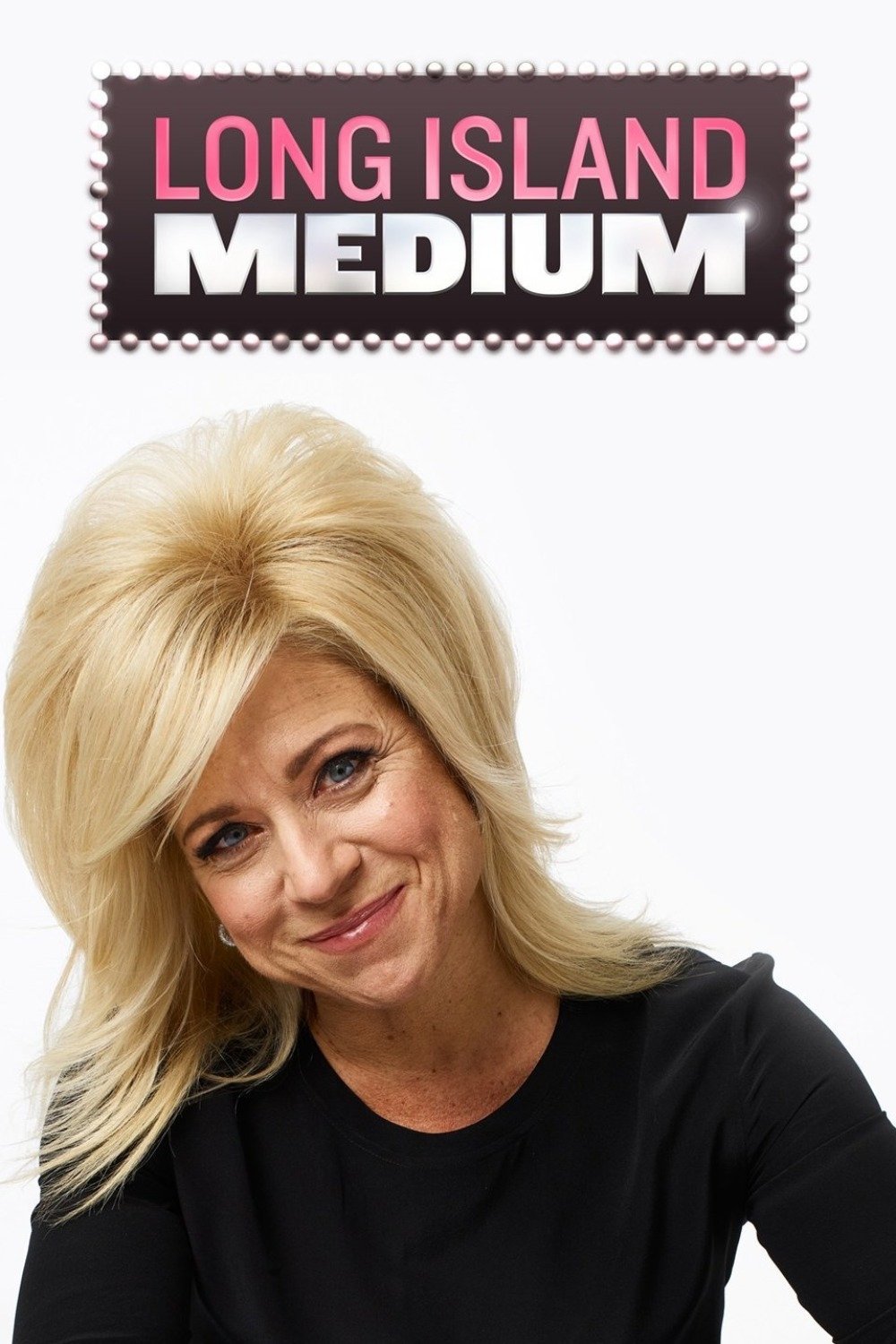
Theresa Caputo claimed to communicate with the spirits of deceased loved ones for her clients. Skeptics have accused the show of using cold reading techniques and background research on participants to gather information. Producers often conduct pre interviews with guests which can provide details that seem like psychic revelations later. The emotional reactions of the participants are real but the source of the information is highly debated.
‘The Jerry Springer Show’ (1991–2018)

This daytime talk show became famous for its physical altercations and shocking guest reveals. Many guests have since admitted that their stories were made up and that they were encouraged to fight by the producers. The show would often hire local actors to play certain roles when real participants were not available. The chaotic atmosphere was a carefully maintained brand that prioritized spectacle over truth.
‘Cheaters’ (2000–Present)
The series features people who suspect their partners of infidelity and use a private investigation team to catch them. Many of the confrontations have been revealed as staged with actors playing the roles of the cheating partners. Some participants have reported being paid to act out specific scenarios provided by the writers. The dramatic stabbings and arrests seen in some episodes were later found to be completely fabricated for ratings.
’90 Day Fiancé’ (2014–Present)

International couples have ninety days to marry before their visas expire in this reality hit. Cast members have frequently complained that producers edit their conversations to make them appear more toxic or unstable. Certain scenes are reportedly filmed multiple times to ensure that the most dramatic version of a fight is captured. The show often focuses on cultural misunderstandings that are exaggerated through selective editing.
‘Love Is Blind’ (2020–Present)

Singles date in isolated pods without seeing each other before deciding to get engaged. Participants have noted that the timeline of the show is very compressed and that they are often pressured by producers to make quick decisions. The living conditions during filming are reportedly highly controlled and designed to foster emotional intensity. While the marriages are legally binding the process of reaching the altar is heavily influenced by the production schedule.
‘Too Hot to Handle’ (2020–Present)
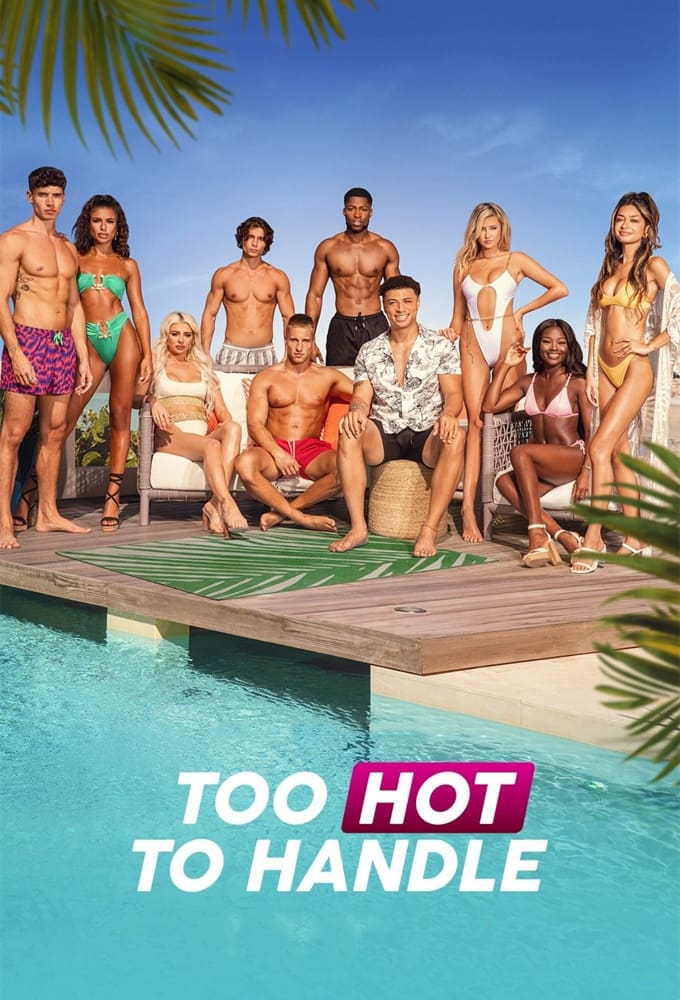
Attractive singles are placed in a tropical villa and forbidden from engaging in physical intimacy to win a cash prize. The cast members are often unaware of the show’s premise until they arrive on set. Producers use a variety of psychological nudges to encourage the contestants to break the rules for the sake of the narrative. The AI host named Lana is controlled by producers who monitor every interaction to trigger specific events.
‘Survivor’ (2000–Present)
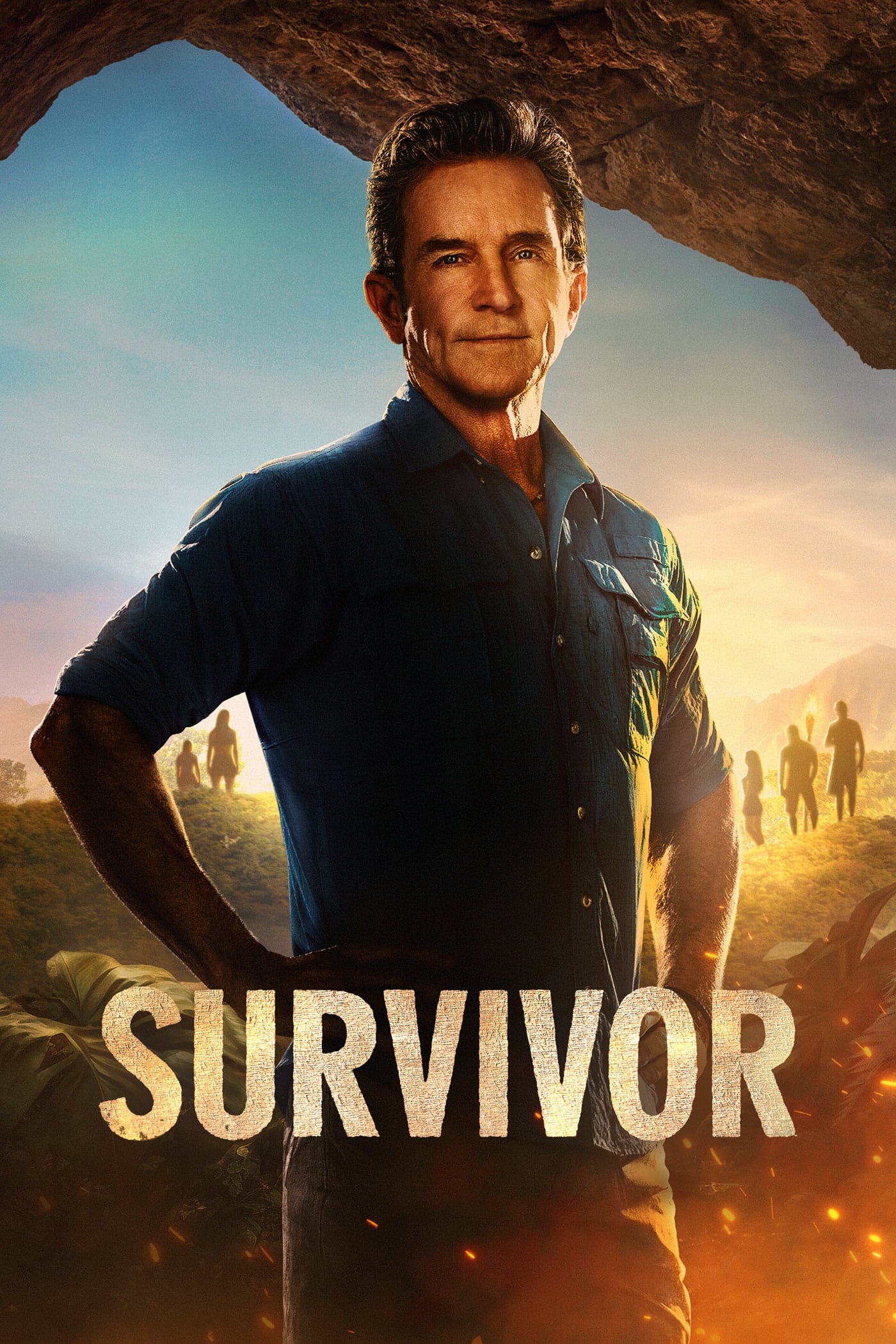
Contestants are stranded in a remote location and must compete in challenges to avoid being voted out. While the survival elements are difficult the show uses body doubles for certain shots in challenges to ensure better visuals. Producers have also been known to provide food and water to contestants off camera during extreme conditions. The tribal council discussions are often much longer than the edited versions seen by the audience.
‘Hell’s Kitchen’ (2005–Present)
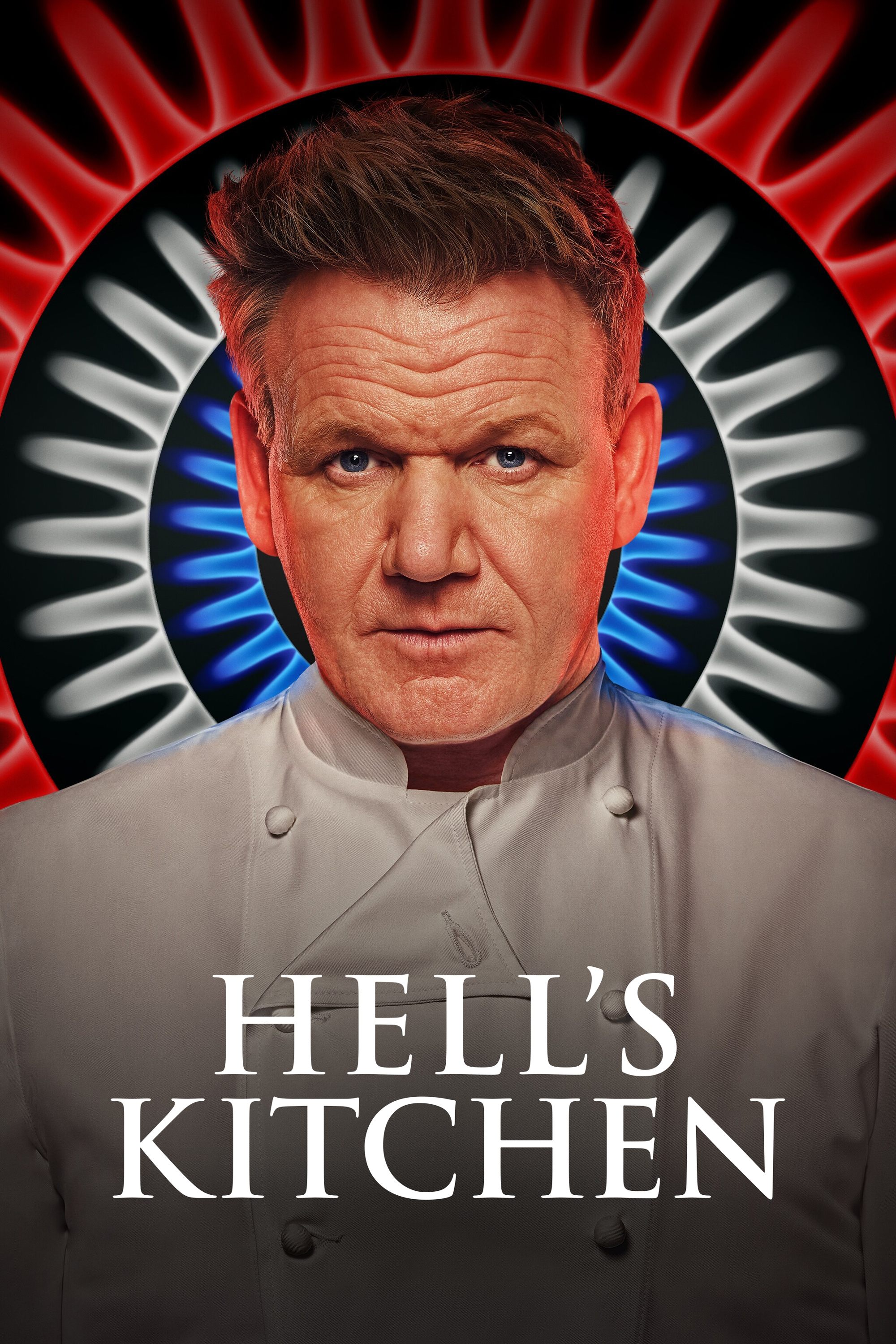
Aspiring chefs compete under the intense scrutiny of Gordon Ramsay in a professional kitchen. The customers in the dining room are often background actors or people associated with the production who are told to complain about the food. The kitchen equipment is sometimes tampered with to cause mistakes during the dinner service. The high pressure environment is intentionally created by the crew to provoke emotional outbursts from the contestants.
‘Kitchen Nightmares’ (2007–Present)
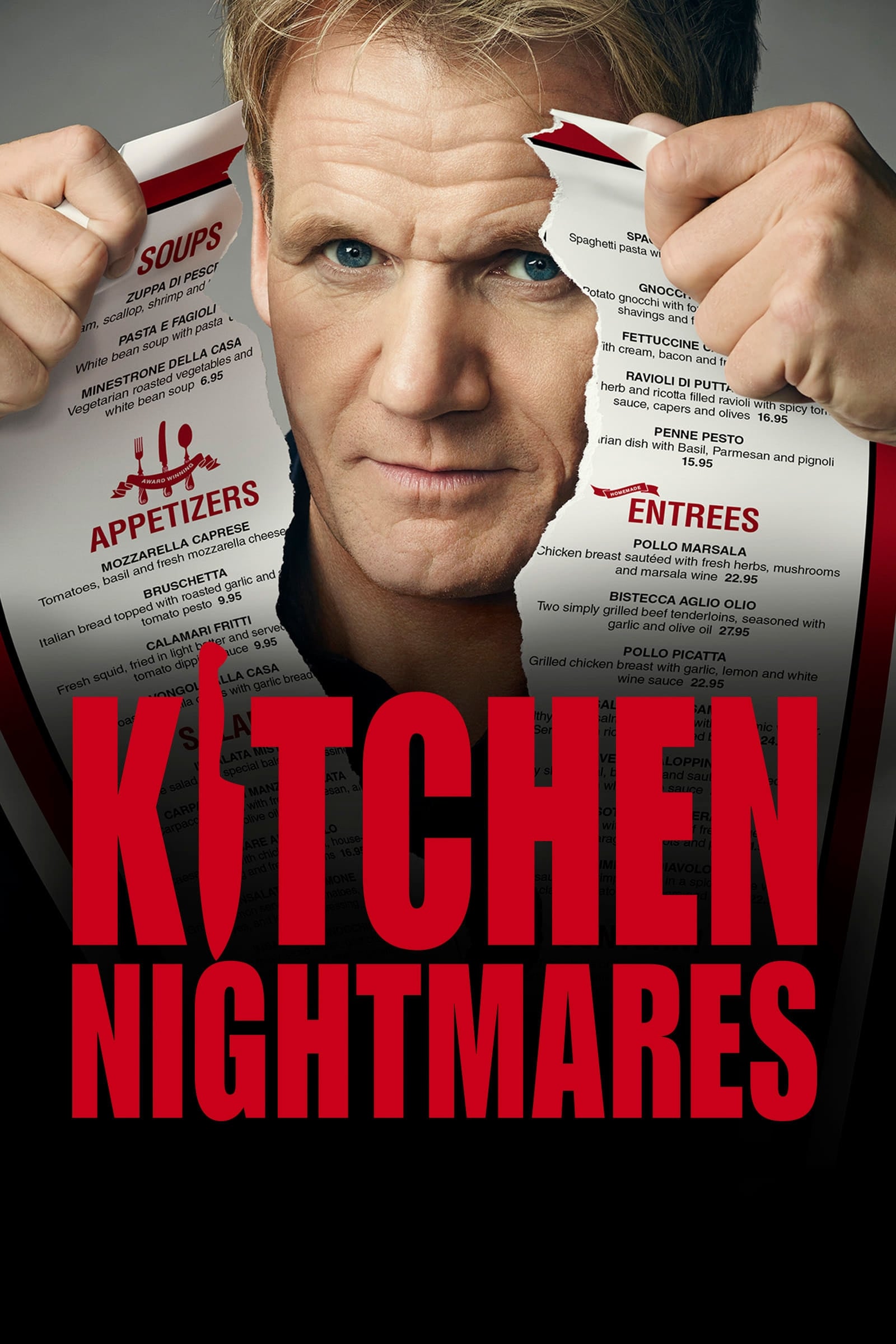
Gordon Ramsay attempts to save failing restaurants by overhauling their menus and decor. Some restaurant owners have claimed that the filthy conditions seen in the walk in refrigerators were staged by the crew. The dramatic transformations often do not lead to long term success as many of the featured businesses close shortly after filming. The editing focuses on the most extreme conflicts to create a narrative of redemption.
‘Restaurant: Impossible’ (2011–Present)
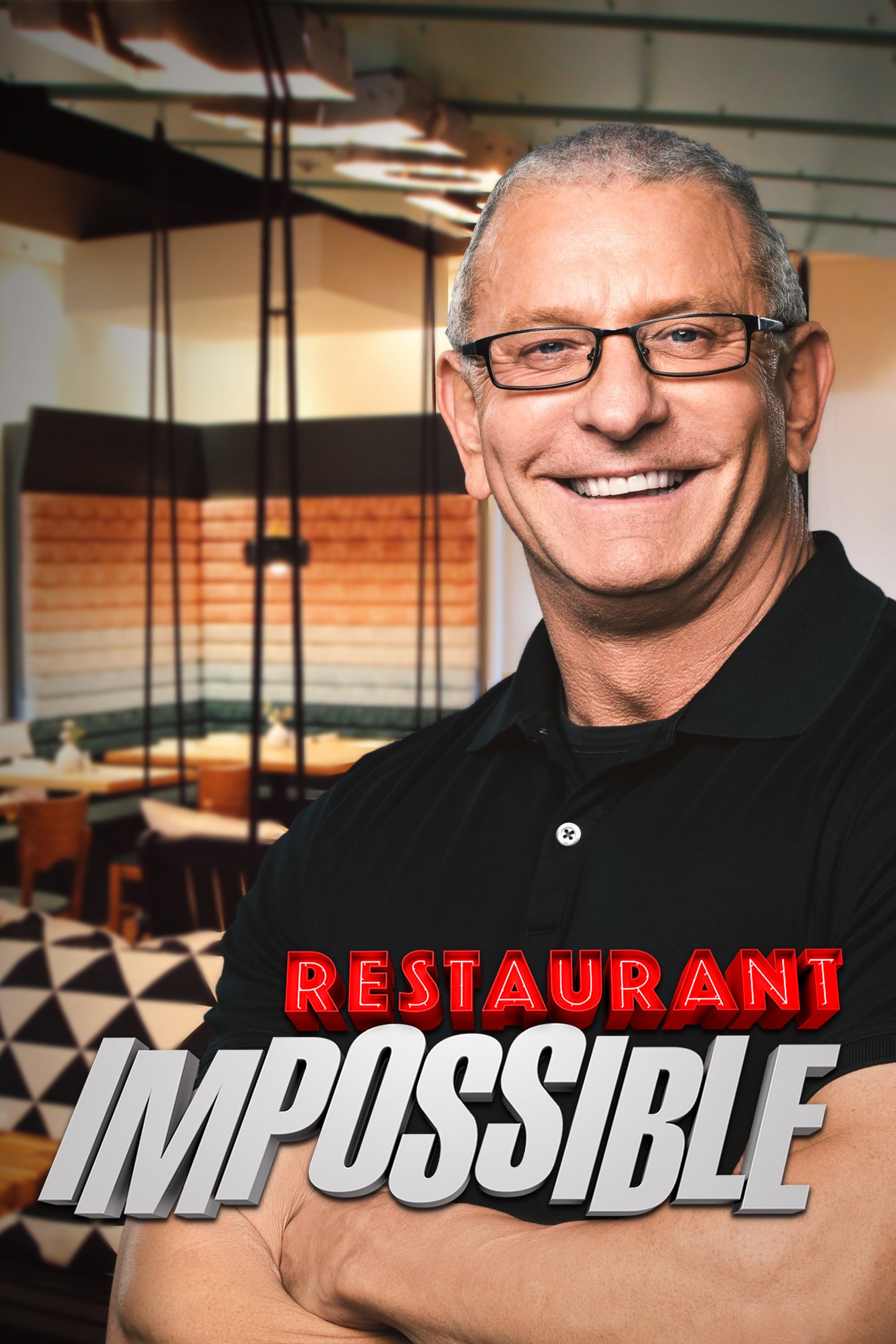
Robert Irvine helps struggling restaurant owners turn their businesses around in just two days. The limited timeframe is largely a production gimmick as many of the renovations are planned weeks in advance. The conflict between the owners and the host is often heightened by the production team to provide a standard story arc. Much of the heavy lifting is done by a large crew that works around the clock while the cameras are off.
‘Extreme Couponing’ (2011–2012)

Shoppers use massive amounts of coupons to get hundreds of dollars worth of groceries for nearly nothing. Many of the stores featured in the show changed their policies specifically for the filming and did not allow regular customers to use the same tactics. Some participants used coupons that were either expired or not applicable to the products they were buying. The show created an unrealistic expectation of how much money the average person could save with coupons.
‘Breaking Amish’ (2012–2014)
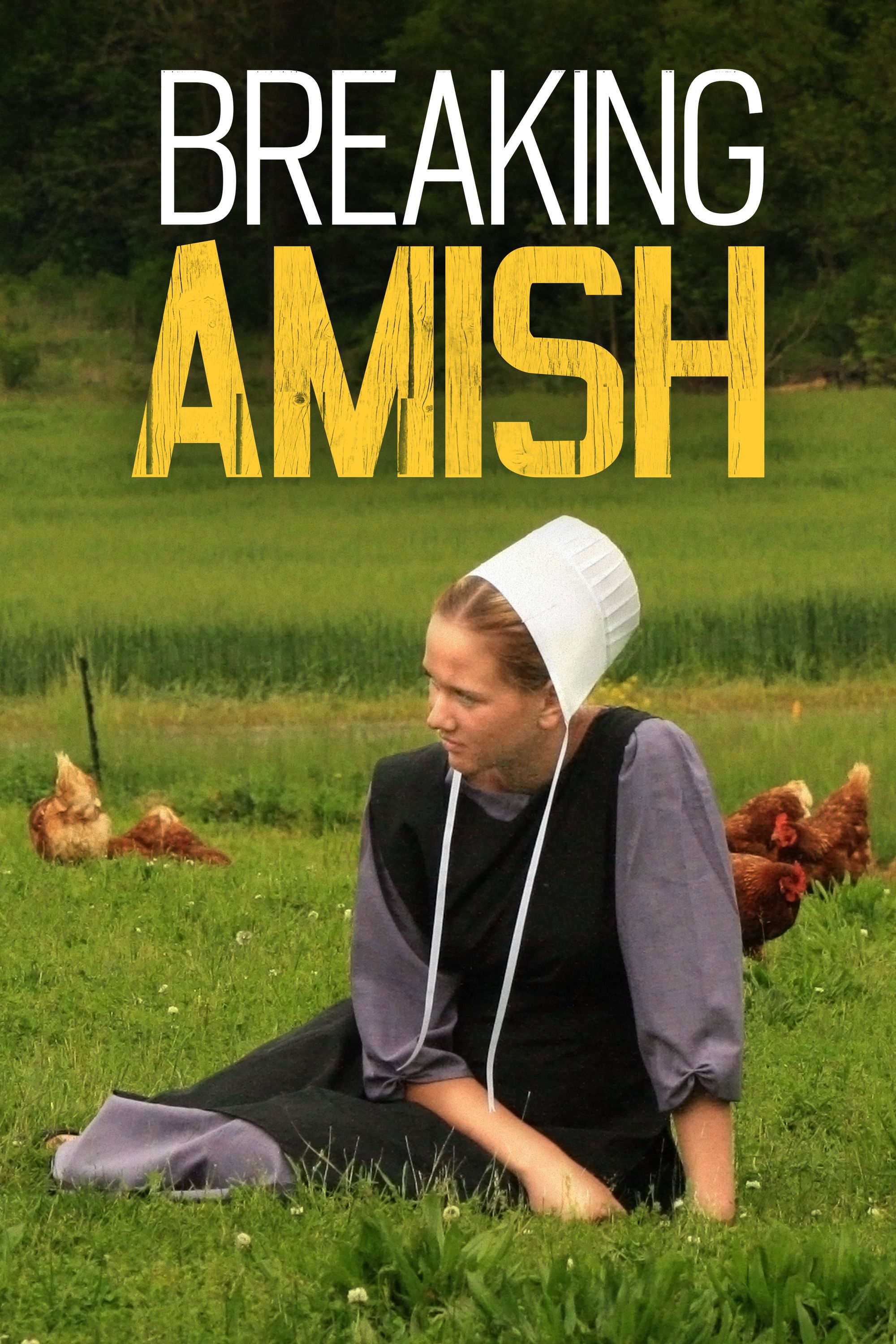
Young adults from Amish and Mennonite communities move to New York City to experience modern life. Investigative reports found that many of the cast members had already left their communities years before the show began. Some of the participants already knew each other and had children together despite the show portraying them as strangers. The premise of them experiencing the world for the first time was largely a fabrication.
‘Swamp People’ (2010–Present)
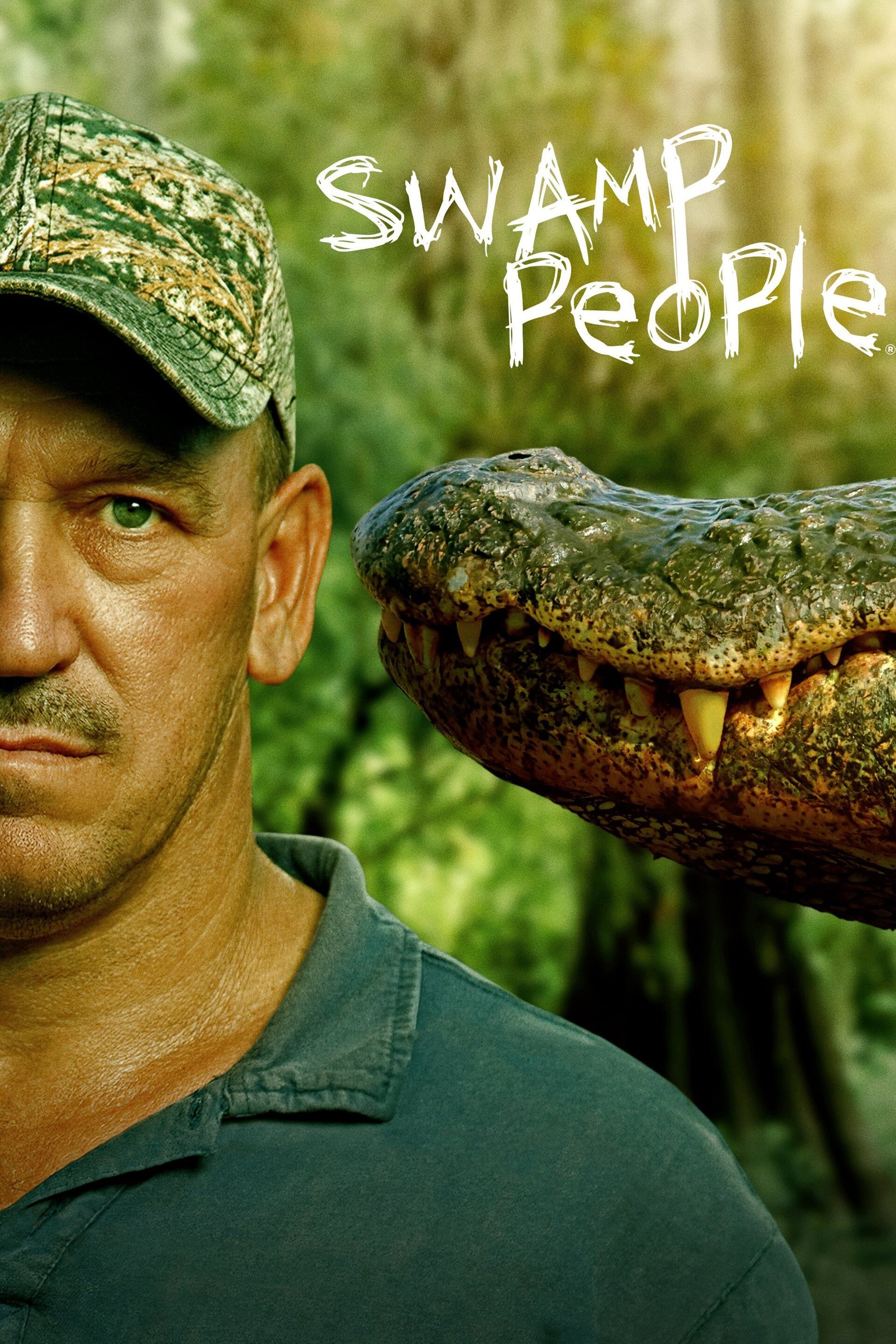
Alligator hunters in Louisiana are followed during the limited hunting season each year. The show uses sound effects and dramatic music to make the hunts appear more dangerous than they often are for experienced hunters. Producers sometimes move alligators to specific locations to get a better shot for the camera. The internal monologues of the hunters are often scripted to explain the stakes to the audience.
‘Counting Cars’ (2012–Present)
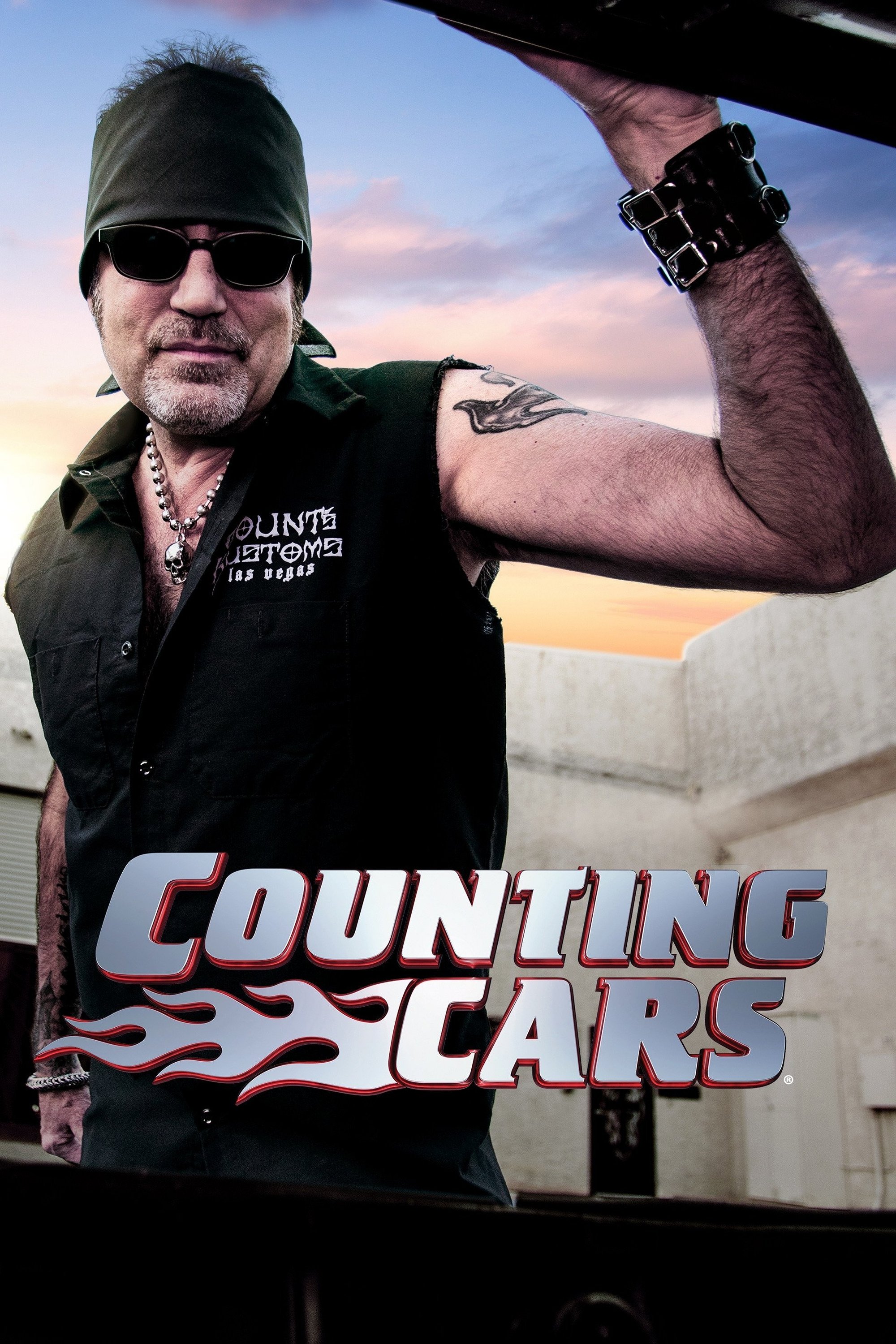
Danny Koker and his team restore classic cars and motorcycles in Las Vegas. The random encounters where Danny pulls over strangers to buy their cars are usually arranged by the production team beforehand. The prices and timelines for the restorations are often simplified for the sake of the television format. Many of the cars featured in the shop are actually part of Danny’s personal collection and are not for sale.
‘The Real Housewives of Beverly Hills’ (2010–Present)
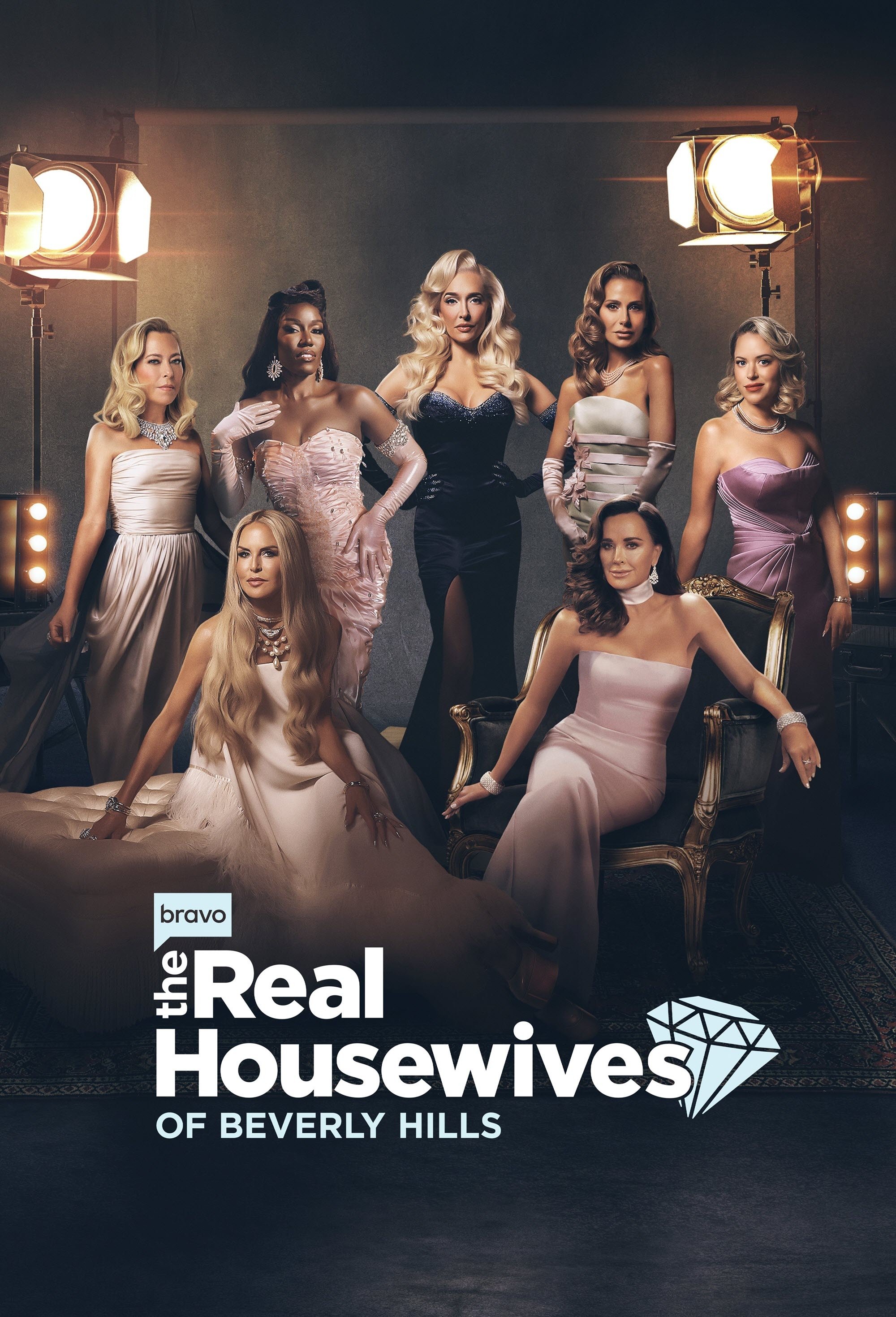
This series follows the affluent lives of women living in one of the world’s most famous zip codes. The cast members are often placed in social situations by producers who know that certain personalities will clash. Fights are frequently brought up again in later scenes to ensure that the drama continues throughout the season. The lavish parties and events are often paid for or heavily subsidized by the production company.
‘Basketball Wives’ (2010–Present)
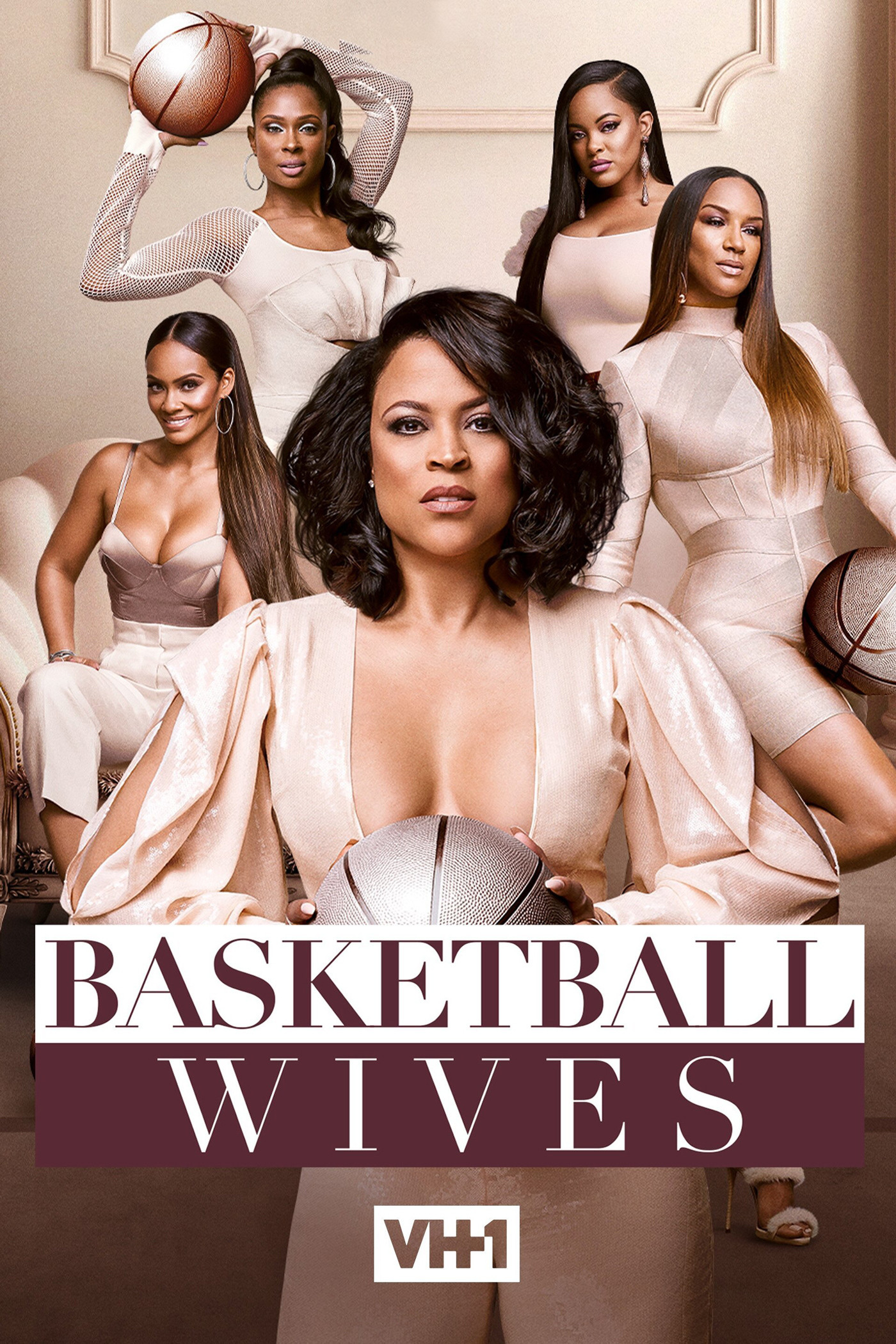
The show focuses on the women who are or were romantically involved with professional basketball players. Producers often leak information to different cast members to spark confrontations during filmed events. Many of the scenes take place in public restaurants that have been cleared out specifically for the production. The cast is encouraged to confront each other directly to ensure there is enough footage for each episode.
‘Selling Sunset’ (2019–Present)
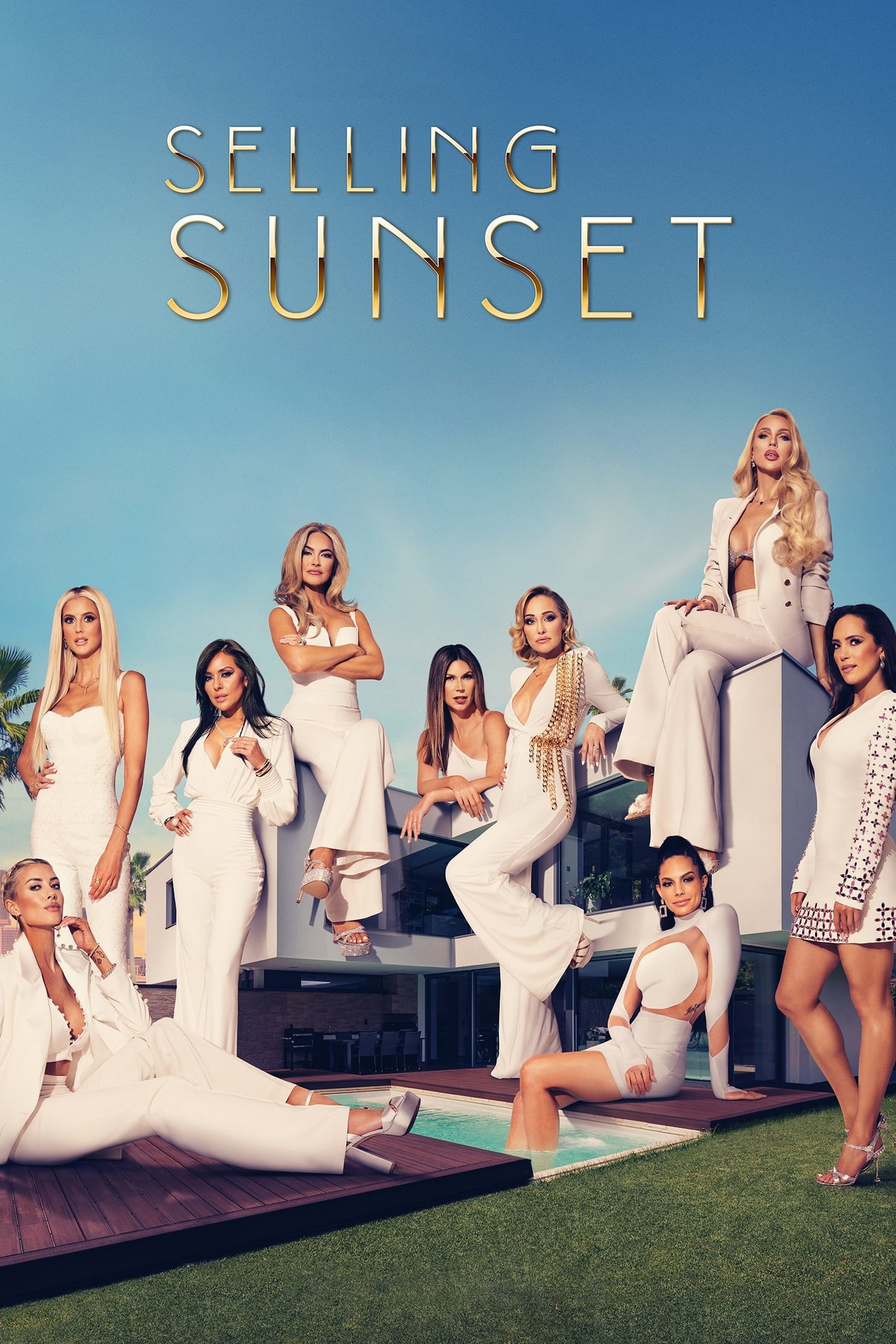
Real estate agents at the Oppenheim Group sell luxury homes while navigating their personal dramas. Some of the agents seen on the show were not actually licensed when filming began and were hired primarily for their television appeal. The listings are real but the sales processes are often dramatized for the camera. Many of the open houses are filled with extras rather than actual prospective buyers.
‘Made in Chelsea’ (2011–Present)
This British reality series follows the lives of wealthy young people in West London. The show is categorized as a structured reality program meaning that while the people are real the situations are often set up. Cast members are told where to meet and what topics they need to discuss to advance the plot. The relationships and breakups are often timed to coincide with the filming schedule of the season.
‘The Only Way Is Essex’ (2010–Present)

Similar to other structured reality shows this series documents the lives of people in Essex England. The dialogue is not scripted but the scenes are planned by producers to ensure maximum entertainment value. The cast is often encouraged to repeat certain phrases or catchphrases to build their personal brands. Many of the locations used for filming are closed to the public to allow for multiple takes.
‘Southern Charm’ (2014–Present)

The show explores the social circles of Charleston South Carolina and its traditional aristocratic families. Producers often use historical settings to frame modern conflicts among the cast members. The inclusion of certain controversial figures is intended to drive social media engagement and ratings. The social hierarchy depicted on the show is often an exaggerated version of the city’s actual social scene.
‘Below Deck’ (2013–Present)

Crew members work on luxury yachts while serving wealthy guests during charter seasons. The guests are often given a discount on the charter fee in exchange for appearing on the show and behaving in a demanding manner. The crew members are selected for their explosive personalities as much as their professional skills. Producers often hide equipment or create logistical hurdles to increase the stress on the staff.
‘Vanderpump Rules’ (2013–Present)
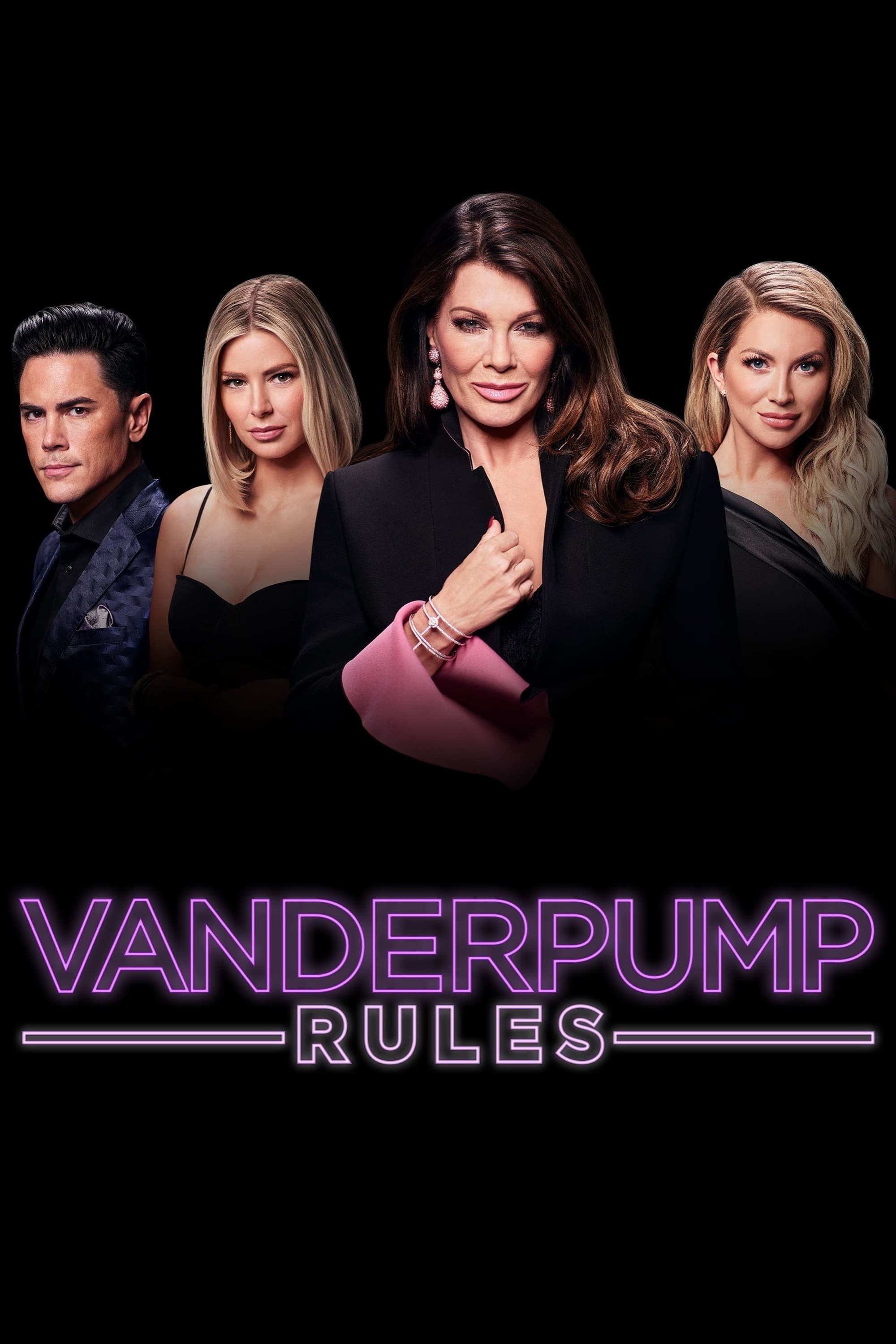
The staff at Lisa Vanderpump’s restaurants navigate their intertwined personal lives and careers. Most of the cast members stopped working as actual servers years ago and only appear behind the bar during filming days. The dramatic shifts in friendships and romances are often fueled by the cast members’ desire to remain central to the show’s narrative. The show relies on a constant cycle of betrayal and reconciliation to maintain its audience.
‘Shark Tank’ (2009–Present)
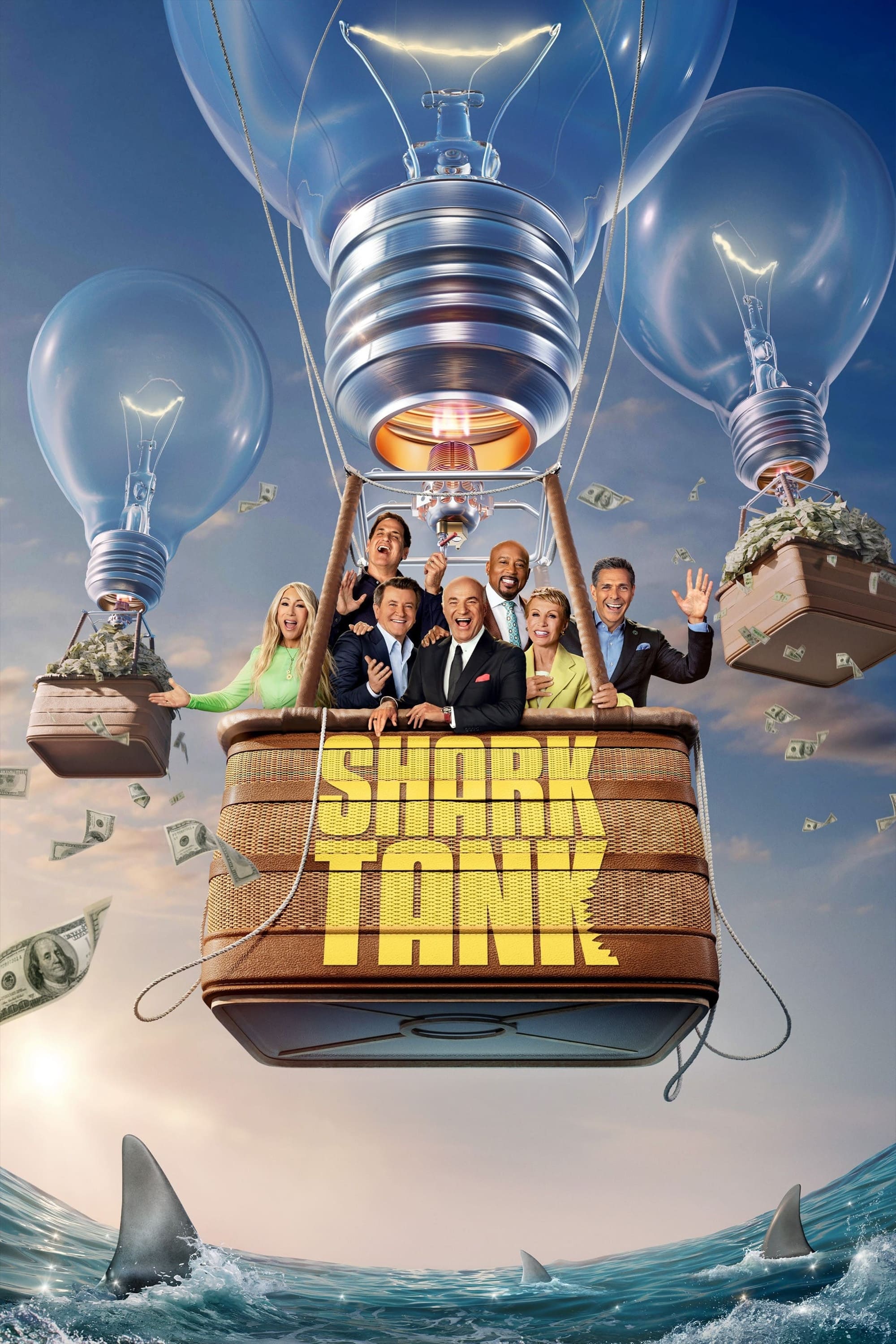
Entrepreneurs pitch their businesses to a panel of wealthy investors in hopes of securing funding. While the pitches and the immediate offers are real many of the deals fall through during the due diligence process after filming. The investors often change the terms of the deal once they have had a chance to look at the company’s books. The show presents a simplified version of venture capital that ignores many of the legal complexities involved.
‘America’s Got Talent’ (2006–Present)
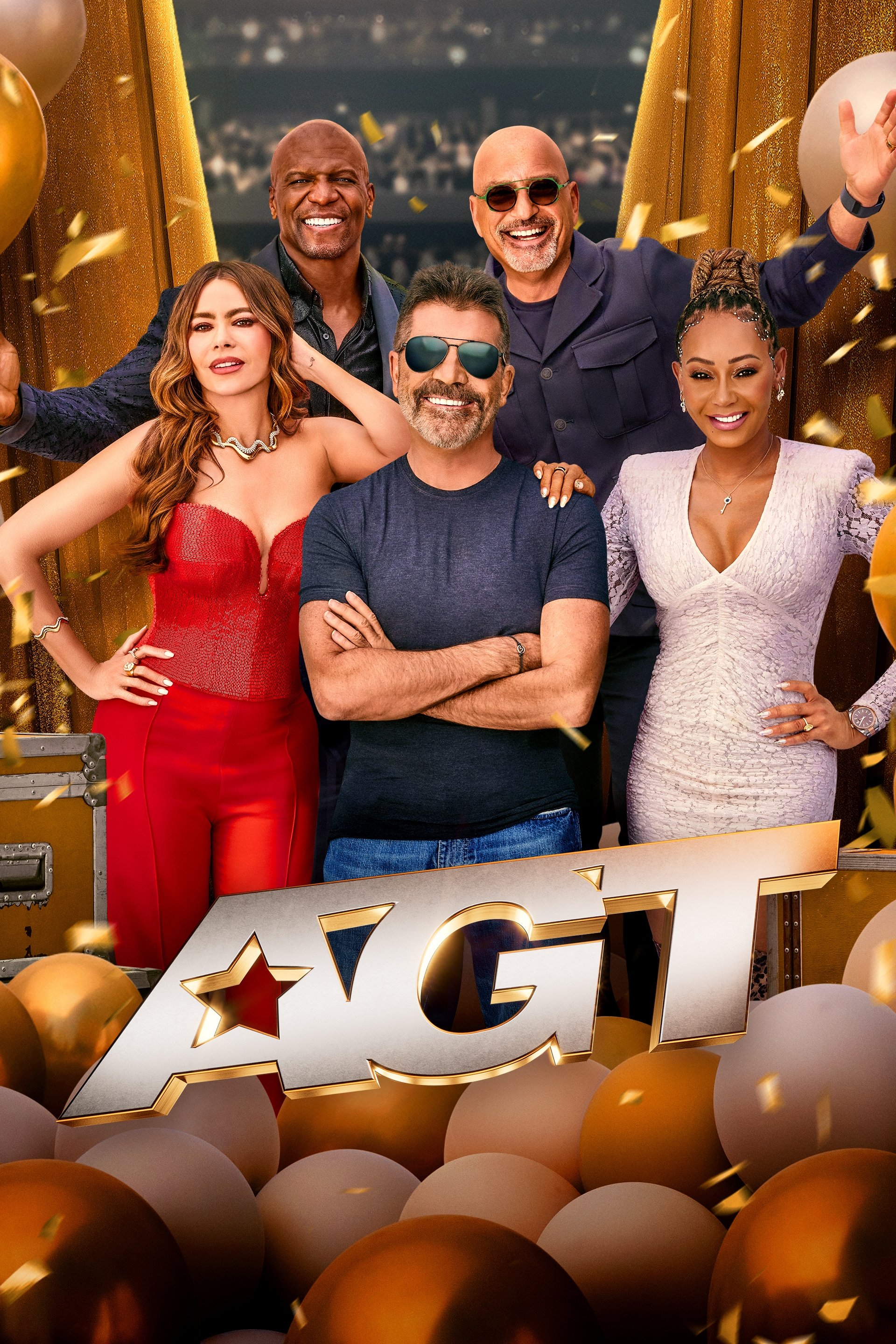
Performers of all kinds compete for a large cash prize and a show in Las Vegas. Many of the acts are scouted by producers and invited to audition rather than showing up at open calls. The audience reactions are often recorded separately and edited in to make the performances seem more impressive. Some contestants have reported that their backstories were heavily edited or completely fabricated to make them more sympathetic to voters.
Share your thoughts on these allegedly fake reality shows in the comments.