


8 Reasons Why ‘The Witcher’ Has Aged Poorly

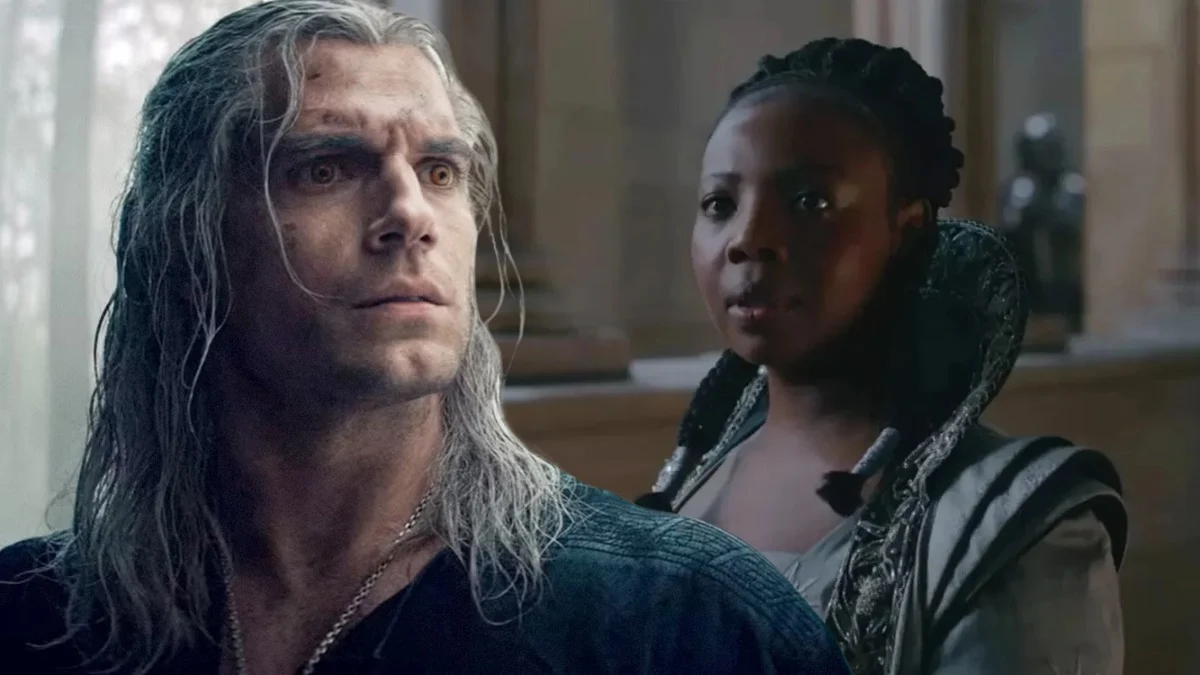


The Witcher (2019- ) burst onto Netflix with high expectations, fueled by Andrzej Sapkowski’s beloved books and the success of the Witcher video games, especially The Witcher 3: Wild Hunt (2015). With Henry Cavill as Geralt of Rivia, the show promised a gritty fantasy epic to rival Game of Thrones (2011-2019), blending monster hunting, magic, and political intrigue.
However, as the seasons progressed, cracks began to show. From casting controversies to narrative missteps, The Witcher has struggled to maintain its initial spark, leaving some viewers disappointed. Here are eight reasons the series hasn’t aged well, exploring where it stumbled and why it’s lost some of its magic.
Departure from Source Material

The Witcher books and games offer a rich world of complex characters and morally gray choices. However, the TV series often strays far from this foundation, altering key plots and character arcs in ways that feel unnecessary. For example, major storylines like Ciri’s journey and Yennefer’s backstory were changed, diluting their depth and leaving book fans frustrated.
These deviations often prioritize shock value over the grounded storytelling of the source material. While adaptations need creative freedom, the changes here sometimes feel like a betrayal of the world I fell in love with in the books and games, making the show less compelling over time.
Weak Character Development

Strong characters are the heart of any fantasy series, but The Witcher struggles to give its cast consistent growth. Characters like Yennefer and Ciri often feel reduced to plot devices rather than fully realized people, with motivations that shift abruptly between episodes.
This lack of depth makes it hard to connect with their journeys. Even Geralt, played with commitment by Cavill, sometimes feels sidelined, with less focus on his monster-hunting roots than I’d hoped. The result is a cast that feels flat compared to the vibrant personalities in the books and games.
Confusing Timeline Choices

The first season’s non-linear timeline was a bold choice, jumping between different periods without clear markers. While meant to add intrigue, it often left viewers puzzled, struggling to piece together when events were happening or how characters connected.
This approach alienated casual audiences who found it hard to follow without prior knowledge of the Witcher universe. Even as someone familiar with the story, I found the scattered narrative more frustrating than engaging, and later seasons didn’t fully recover from this shaky start.
Decline in Writing Quality

The dialogue and plotting in The Witcher started strong but faltered as seasons progressed. Early episodes had a gritty charm, but by season three, the writing often felt rushed or overly simplistic, with clunky lines that didn’t match the world’s tone.
Key moments, like romantic arcs or political schemes, lack the emotional weight they need to resonate. I cringed at lines that felt out of place, like Yennefer’s odd remark about gold rusting, which broke the immersion in a world built on detailed lore.
Casting Controversies

Casting choices sparked debate from the start, with some fans questioning whether actors fit their roles. Henry Cavill’s departure after season three, replaced by Liam Hemsworth as Geralt, was a major blow, as Cavill’s performance was a highlight for many, including me.
Other casting decisions, like certain elves or sorcerers, felt off to book readers who expected closer alignment with Sapkowski’s descriptions. These controversies created a divide, making it harder for the show to maintain a unified fanbase as time passed.
Inconsistent Pacing

The Witcher struggles with pacing, swinging between slow, exposition-heavy episodes and rushed climaxes. Season two, for instance, spends too much time on side plots while major events, like battles or betrayals, feel crammed into single episodes.
This uneven rhythm disrupts the story’s flow, leaving me disengaged during long stretches or confused when big moments fly by too fast. A tighter balance could have kept the series feeling cohesive and exciting, but instead, it often feels disjointed.
Cultural Missteps

The books weave a rich tapestry of cultural differences, like the elves’ distinct values and tensions with humans. The show, however, flattens these nuances, portraying elves as generic victims rather than complex societies with their own flaws and agency.
This simplification strips away the depth that made the Witcher world feel alive. I missed the intricate cultural clashes that defined the books, and the show’s attempt to streamline these elements often feels like a missed opportunity to explore its diverse world.
Loss of Henry Cavill

Henry Cavill’s exit after season three was a turning point. His portrayal of Geralt captured the character’s gruff charm and physicality, anchoring the show even when other elements faltered. Losing him felt like losing the series’ soul, especially since he was a vocal advocate for staying true to the source material.
Liam Hemsworth’s upcoming role as Geralt faces an uphill battle, as Cavill’s performance set a high bar. For me, Cavill’s departure marked a moment where The Witcher lost much of its remaining pull, dimming its future prospects.
What’s your take on The Witcher’s TV journey—do you agree with these points, or is there another reason the show lost its shine for you? Share your thoughts in the comments!